
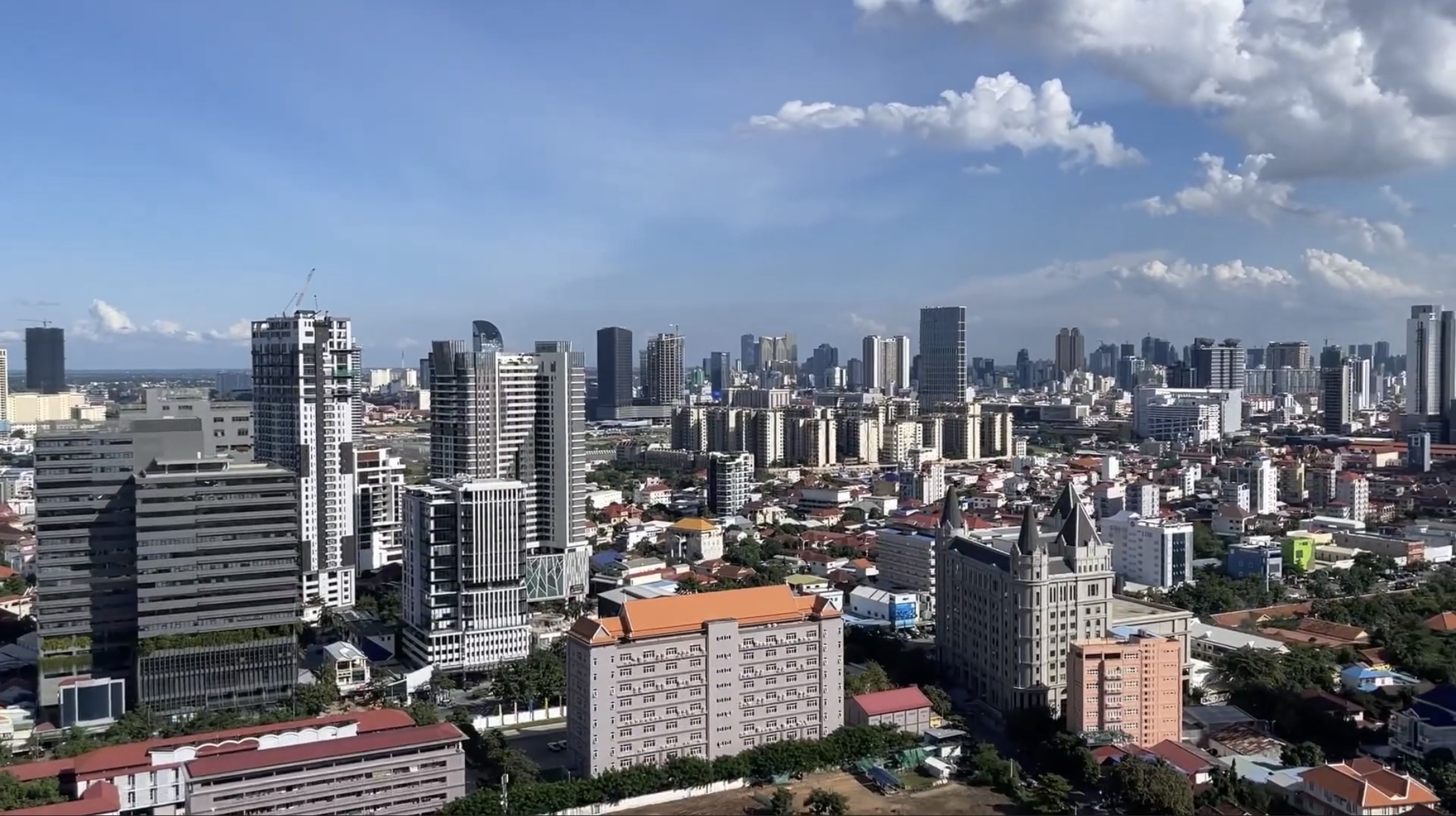
Why Phnom Penh is Perfect for Your Celebration
- Riverside luxury hotels offer dramatic Mekong and Tonlé Sap waterfront event settings
- French colonial architecture provides unique, photogenic backdrops unlike typical Asian destinations
- Cool, dry season (Nov–Feb) delivers comfortable outdoor conditions for celebrations
- Phnom Penh International Airport connects directly to major Asian hubs including Bangkok, Singapore, Kuala Lumpur, and Ho Chi Minh City
- A growing luxury hospitality sector with internationally branded properties capable of hosting large-scale events
- Rich Khmer cultural elements — traditional dance, cuisine, and décor — add authentic local character to celebrations

Top Venues in Phnom Penh
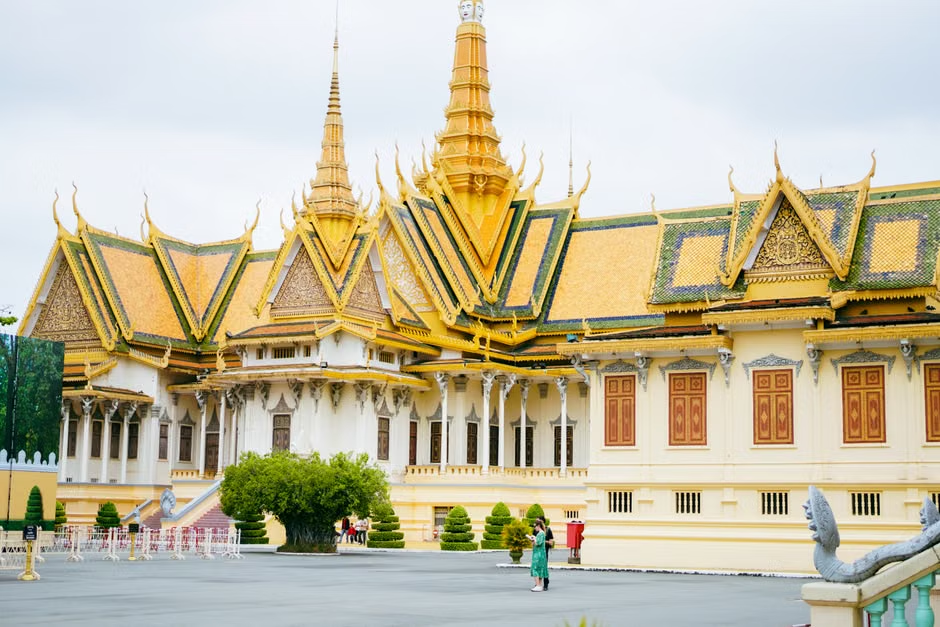
Raffles Hotel Le Royal
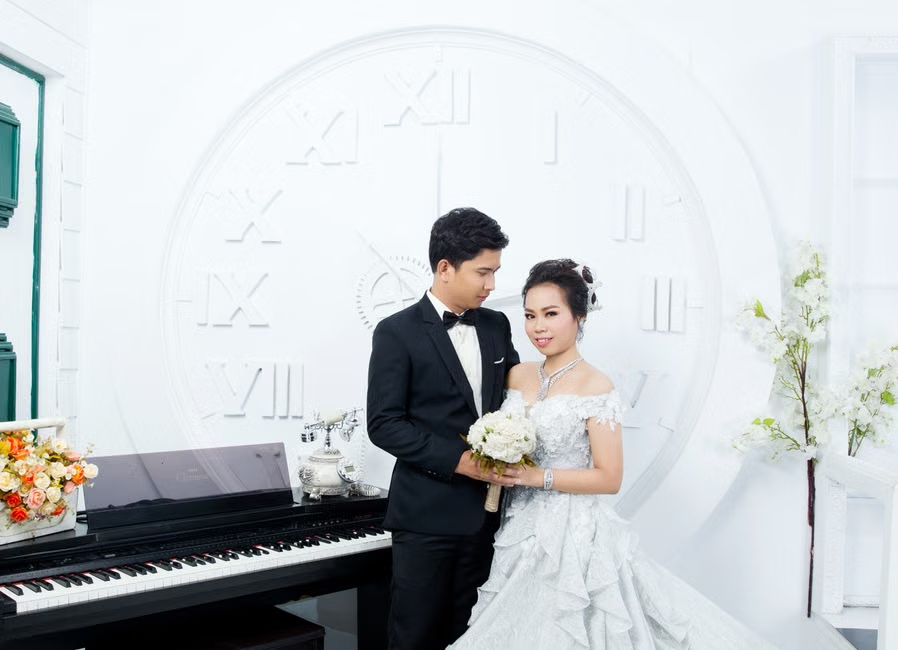
Courtyard by Marriott Phnom Penh
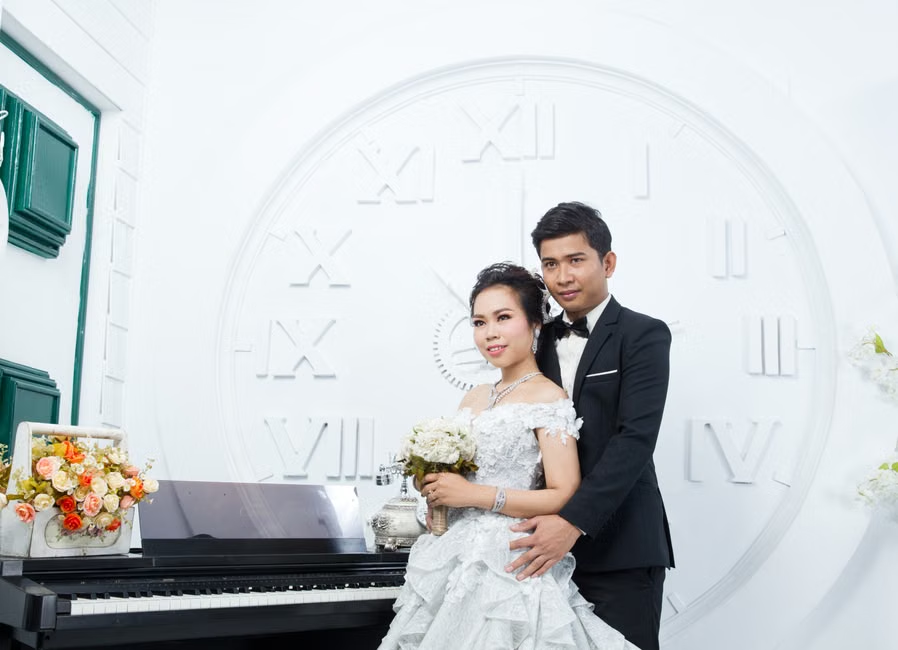
Himawari Hotel
Compare Phnom Penh with Other Top Destinations
Frequently Asked Questions
Is Phnom Penh a good destination for a wedding celebration?
Yes. Phnom Penh is particularly well-suited to intimate and mid-scale destination weddings, typically up to 300–400 guests. Its riverside luxury hotels, French colonial heritage settings, and authentic Khmer cultural elements create a distinctive atmosphere. It works best for couples seeking a cosmopolitan, culturally rich experience rather than a large-scale traditional wedding requiring very high guest capacities.
What is the best time of year to hold an event in Phnom Penh?
The best time is the cool, dry season: January, February, November, and December. Temperatures are comfortable (typically 25°C–30°C), humidity is lower, and rainfall is minimal — making outdoor riverside settings and garden venues genuinely usable. March–May brings intense heat, and June–October is the monsoon season with heavy rain and potential flooding, making those months significantly less suitable.
How do guests typically travel to Phnom Penh for a destination event?
Most guests arrive by air at Phnom Penh International Airport, which is approximately 8 km from the city centre — a short, convenient transfer. Direct flights connect from Bangkok, Singapore, Kuala Lumpur, Ho Chi Minh City, and several Chinese cities. Guests from Europe, South Asia, or the Americas will typically connect through one of these regional hubs, adding one leg to the journey.
What kinds of event venues are available in Phnom Penh?
Phnom Penh offers a range of venue types: grand ballrooms and riverside terraces in internationally branded luxury hotels, intimate heritage properties in restored French colonial buildings, rooftop venues, and outdoor garden lawns. The city suits formal seated dinners, cocktail receptions, multi-day corporate programmes, and cultural celebrations. Very large convention-scale infrastructure is limited — hotel ballrooms are the primary option for large groups.
How many guests can Phnom Penh venues realistically accommodate?
Most well-equipped venues in Phnom Penh comfortably support events of 100–400 guests. Some of the larger luxury hotel ballrooms can accommodate up to 500–600 guests for seated dinners. Events significantly above this scale may find the local venue inventory stretched, and planners should verify specific capacities early in the planning process.
Is Phnom Penh suitable for corporate events and conferences?
Yes. Phnom Penh is a credible choice for regional corporate events, product launches, and executive retreats. Internationally branded hotels offer professional AV infrastructure, dedicated event coordination teams, and English-speaking hospitality staff experienced with multinational clients. The city's growing status as a Southeast Asian business hub adds contextual relevance for regionally focused corporate programmes.
What makes Phnom Penh culturally distinctive as an event destination?
Phnom Penh offers authentic Khmer cultural elements — traditional Apsara dance performances, Khmer cuisine at banquet scale, and locally crafted décor — that can be meaningfully integrated into celebrations. The city's French colonial architectural heritage and riverside setting on the Mekong and Tonlé Sap rivers create a visual character that is genuinely distinctive within Southeast Asia.
Do guests need a visa to attend an event in Phnom Penh?
Many nationalities can obtain a visa on arrival or an e-visa for Cambodia, which simplifies logistics for international guest groups. However, entry requirements vary by nationality, and it is advisable for event planners to confirm visa requirements for their specific guest list well in advance, particularly for guests from countries with more complex entry procedures.
What is local transport like for a guest group once they arrive in Phnom Penh?
Within the city, guest groups typically move by private vehicle, tuk-tuk, or ride-hailing apps, which are well-established and reliable in Phnom Penh. The airport is close to the city centre, keeping arrival transfers short. Traffic congestion in central districts during peak hours can add time to transfers, so scheduling buffer time for group movements is advisable, particularly for time-sensitive event programmes.
How mature is the local event planning and vendor ecosystem in Phnom Penh?
The ecosystem is growing but not yet as deep as in more established regional event cities. Luxury hotels have professional in-house event teams, and local vendors covering catering, floral design, photography, and cultural entertainment are available. However, the specialist wedding and event vendor market is less competitive than in more mature destinations, making early engagement with vendors — ideally 9–12 months ahead — particularly important for complex events.
Can Phnom Penh accommodate a large guest group's accommodation needs?
Yes, for groups up to approximately 400–500 guests. The city has multiple internationally branded hotels within a compact central area, making it feasible to accommodate a large guest group across two or three nearby properties without significant logistical fragmentation. For very large groups above this range, accommodation availability across the right quality tier may require careful advance planning and early room-block reservations.

Ready to explore venues in Phnom Penh?
Phnom Penh: Destination Wedding & Event Venues in Cambodia's Capital
◆Phnom Penh is Cambodia's cosmopolitan capital and its strongest destination for corporate events, social celebrations, and intimate to mid-scale destination weddings. Its primary vibe is chic and cosmopolitan — shaped by French colonial architecture, a vibrant riverside setting on the Mekong and Tonlé Sap rivers, and a growing tier of internationally branded luxury hotels. The city suits events best during the cool, dry season (November through February), when outdoor settings are genuinely comfortable. Phnom Penh International Airport connects directly to major Southeast and East Asian hubs, making regional guest travel manageable, though intercontinental guests will typically require a connection.
Phnom Penh at a Glance
| Category | Detail |
|---|---|
| Best For | Corporate Events, Social Celebrations, Destination Weddings, Cultural Experiences |
| Primary Vibe | Chic & Cosmopolitan |
| Other Vibes | Riverside & Scenic, Heritage & Cultural, Modern & Urban |
| Best Season | Cool / Mild Season (Jan, Feb, Nov, Dec) |
Why Choose Phnom Penh?
- Distinctive riverside settings: The confluence of the Mekong and Tonlé Sap rivers creates a genuinely dramatic natural backdrop that few Southeast Asian capitals can match for waterfront event photography and atmosphere.
- French colonial architectural character: Phnom Penh retains a significant stock of colonial-era buildings and wide boulevards that lend events a European-influenced elegance uncommon in the region.
- Internationally branded luxury hospitality: The city hosts several globally recognised luxury hotel brands with dedicated event and banquet infrastructure, capable of supporting mid-to-large guest groups with professional coordination.
- Authentic Khmer cultural integration: Traditional Apsara dance performances, Khmer cuisine, and locally crafted décor elements allow event planners to weave genuine cultural storytelling into celebrations in a way that feels rooted rather than staged.
- Improving regional air connectivity: Direct flights from Bangkok, Singapore, Kuala Lumpur, Ho Chi Minh City, Guangzhou, and other regional hubs mean that guests from across Asia can reach Phnom Penh without complex multi-leg journeys.
- Visa accessibility: Visa-on-arrival and e-visa availability for a wide range of nationalities reduces administrative friction for international guest groups, a practical advantage for destination event planning.
Which Celebrations Work Best in Phnom Penh?
- Corporate Events & Conferences: Phnom Penh's internationally branded hotels offer well-equipped conference and banquet facilities, reliable AV infrastructure, and professional event coordination teams experienced with multinational corporate clients. The city's growing status as a regional business hub makes it a credible and logistically sound choice for regional summits, product launches, and corporate retreats.
- Social Celebrations (Milestone Birthdays, Anniversaries, Reunions): The city's mix of intimate riverside venues, rooftop settings, and heritage properties makes it particularly well-suited to curated social events where atmosphere and distinctiveness matter more than sheer scale. A celebration here carries a genuine sense of occasion.
- Destination Weddings: Phnom Penh works well for couples seeking a cosmopolitan, culturally rich setting without the overtourism of more established regional wedding destinations. Intimate to mid-scale weddings — typically up to 300–400 guests — are well-supported by the existing venue inventory. Very large-scale weddings requiring 600+ guests may find the local infrastructure somewhat stretched.
- Cultural & Heritage Events: For organisations or families wishing to incorporate Khmer heritage — traditional ceremonies, cultural performances, or historically resonant settings — Phnom Penh offers genuine depth that purpose-built resort destinations cannot replicate.
Venues & Event Spaces
Phnom Penh's event venue landscape spans several distinct categories. At the upper end, internationally branded luxury hotels provide purpose-built grand ballrooms, riverside terraces, and landscaped garden lawns capable of hosting formal seated dinners, cocktail receptions, and multi-day corporate programmes. Several of these properties occupy elevated positions or riverfront plots that translate directly into dramatic event photography backdrops.
Heritage properties — particularly those occupying restored French colonial buildings — offer a more intimate, character-rich alternative for smaller celebrations where architectural atmosphere is a priority. These venues typically suit events of up to 150–200 guests and are particularly popular for wedding receptions and anniversary dinners.
The city also has a growing number of standalone event spaces, rooftop venues, and boutique hotel gardens that cater to social events and corporate networking functions. Outdoor riverside settings along the Sisowath Quay area are popular for evening events during the dry season, when the climate is genuinely comfortable and the river views are at their most atmospheric.
For larger corporate conferences requiring dedicated convention-scale infrastructure, the city's hotel ballrooms remain the primary option — a standalone convention centre of international scale is not yet a feature of Phnom Penh's venue landscape, which is worth factoring into planning for very large delegate counts.
Best Time to Celebrate
The real curated best season for Phnom Penh is the Cool / Mild Season: January, February, November, and December. During these months, temperatures are typically in the range of 25°C–30°C, humidity is noticeably lower than the rest of the year, and rainfall is minimal. This combination makes outdoor riverside settings, garden lawns, and rooftop terraces genuinely comfortable for guests — a significant practical advantage for events that include outdoor ceremonies, cocktail hours, or evening receptions.
November and December mark the transition out of the monsoon, and the landscape is lush and green from the rains while the skies have cleared — a visually attractive period for event photography. January and February represent the peak of the dry season, with the most reliably clear conditions and the lowest risk of weather disruption.
March through May brings progressively intense heat, with temperatures regularly exceeding 35°C and humidity rising sharply ahead of the monsoon. Outdoor events become uncomfortable, and the risk of sudden pre-monsoon storms increases through April and May. These months are generally not recommended for events with significant outdoor components.
June through October is the monsoon season proper. Rainfall is heavy and frequent, flooding can affect low-lying parts of the city, and outdoor event settings are largely impractical. Indoor events in well-equipped hotel venues remain feasible, but the logistical complexity of managing guest movement during heavy rain, combined with the general atmospheric dampness, makes this period significantly less suitable for destination celebrations.
Getting There & Local Connectivity
Phnom Penh International Airport is the city's primary gateway, located approximately 8 km from the city centre — a short transfer that is a genuine practical advantage for arriving guest groups. The airport handles direct connections from major Southeast Asian hubs including Bangkok, Singapore, Kuala Lumpur, Ho Chi Minh City, and several Chinese cities, as well as some longer-haul routes. Guests travelling from Europe, the Americas, or South Asia will typically connect through one of these regional hubs, adding a leg to the journey but not making it prohibitively complex.
Within the city, movement for event guest groups is primarily by private vehicle, tuk-tuk, or ride-hailing apps (which are well-established in Phnom Penh). The city's road network is navigable, though traffic congestion during peak hours — particularly in the central Daun Penh and BKK1 districts — can add time to transfers. For groups staying at riverside hotels, many key attractions and event venues are within a short drive or even walking distance, which simplifies logistics considerably.
Railway connectivity is limited and not a practical mode of travel for event guests arriving from outside Cambodia. The domestic rail network is sparse and slow, and international rail connections do not exist in a meaningful sense. Air travel is the overwhelmingly dominant mode of arrival for destination event guests.
Local Vendor & Hospitality Ecosystem
Phnom Penh's hospitality ecosystem has matured considerably over the past decade, driven by growth in both business tourism and the luxury leisure segment. The city's internationally branded hotels maintain in-house event coordination teams with experience managing multinational guest groups, multi-day programmes, and culturally blended celebrations. English is widely spoken across the hospitality sector, which reduces communication friction for international event planners.
The local vendor ecosystem — covering catering, floral design, event décor, photography, and entertainment — has grown alongside the hotel sector. Khmer cuisine is of a genuinely high standard and can be presented at banquet scale without difficulty. International cuisine options are also well-represented, given the city's cosmopolitan character and the presence of a significant expatriate community that has driven demand for diverse food and beverage offerings.
Traditional Khmer cultural performers — Apsara dancers, traditional musicians — are available for hire and add an authentic local dimension to celebrations that is difficult to replicate elsewhere. Wedding planning specialists with experience in destination events are present in the market, though the ecosystem is not yet as deep or as competitive as in more established regional wedding destinations, which means early engagement with vendors is advisable for complex or large-scale events.
Pros & Things to Consider
Why Phnom Penh Works Well
- Genuinely distinctive riverside and colonial heritage setting that creates memorable event atmospheres
- Strong inventory of internationally branded luxury hotels with professional event infrastructure
- Authentic Khmer cultural elements available for meaningful integration into celebrations
- Visa-on-arrival accessibility for a wide range of nationalities simplifies international guest logistics
- Airport proximity to city centre (approximately 8 km) keeps arrival transfers short and manageable
- Cool, dry season (Nov–Feb) provides genuinely comfortable outdoor event conditions
- Growing cosmopolitan dining and entertainment scene adds depth to multi-day event programmes
Things to Consider
- Very large-scale events (600+ guests) may find the local venue inventory somewhat limited compared to more established regional event cities
- Intercontinental guests (from Europe, the Americas, or South Asia) will typically require a connecting flight, adding travel time and complexity
- The local specialist wedding and event vendor ecosystem, while growing, is not yet as deep or competitive as in more mature regional destinations — early planning and vendor engagement is important
- Traffic congestion in central Phnom Penh can affect guest transfer times, particularly during morning and evening peak hours
- The monsoon season (June–October) effectively rules out outdoor event components for nearly half the year, limiting flexibility for couples or planners with non-peak-season date preferences
- Standalone convention infrastructure for very large corporate conferences is limited — hotel ballrooms are the primary option at scale
When Phnom Penh May Not Be the Right Fit
- Very large-scale weddings or events (600+ guests): The current venue inventory in Phnom Penh is best suited to mid-scale events. Groups requiring very large single-venue capacities may find options limited and should explore alternative regional cities with more extensive convention or banquet infrastructure.
- Outdoor-focused events planned outside November–February: If a couple or planner has a strong preference for outdoor ceremonies or receptions and cannot commit to the cool dry season window, Phnom Penh's monsoon and heat seasons make outdoor settings genuinely impractical for much of the year.
- Guest groups with limited regional travel experience or complex visa situations: While visa access is broad, guests from certain nationalities face more complex entry requirements, and guests unfamiliar with Southeast Asian travel logistics may find the journey more demanding than a destination with more direct intercontinental connectivity.
- Events requiring a deep, competitive specialist vendor market: Planners who need a wide field of competing specialist vendors — bespoke floral designers, multiple high-end catering companies, large entertainment agencies — may find Phnom Penh's ecosystem thinner than more established regional event capitals, potentially limiting creative options or negotiating leverage.