

Why Veliko Tarnovo is Perfect for Your Celebration
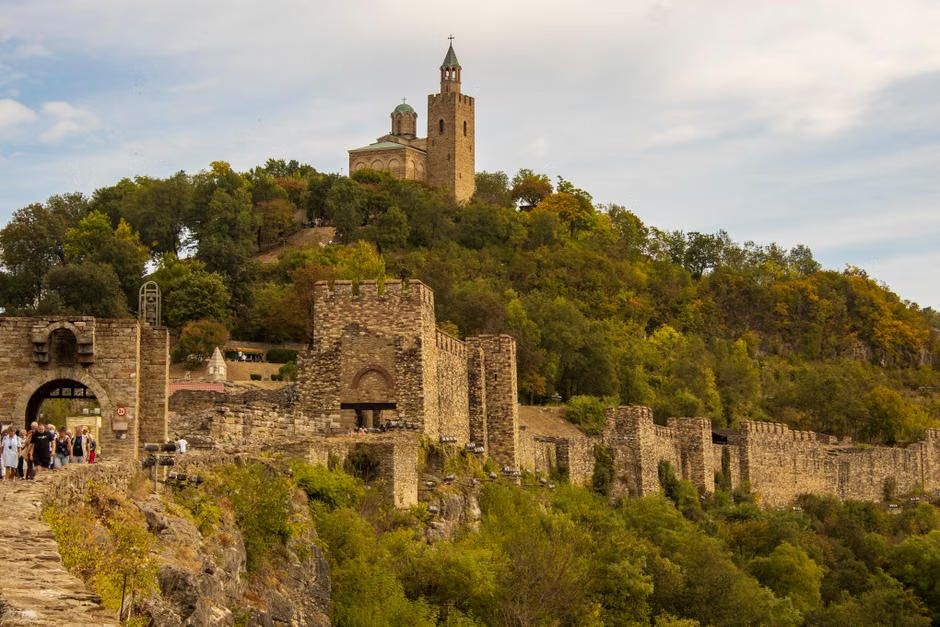
- Tsarevets Fortress provides a one-of-a-kind medieval backdrop unmatched in the Balkans
- The Yantra River gorge and hilltop old town create naturally dramatic, photogenic settings
- Authentic Bulgarian Renaissance architecture in Arbanasi village adds heritage charm within minutes of the city
- Summer evenings are warm and long, ideal for outdoor ceremonies and al fresco receptions
- Relatively uncrowded compared to Western European destinations, offering privacy and exclusivity
- Strong local culinary tradition with Bulgarian wine country nearby, enriching event catering

Top Venues in Veliko Tarnovo
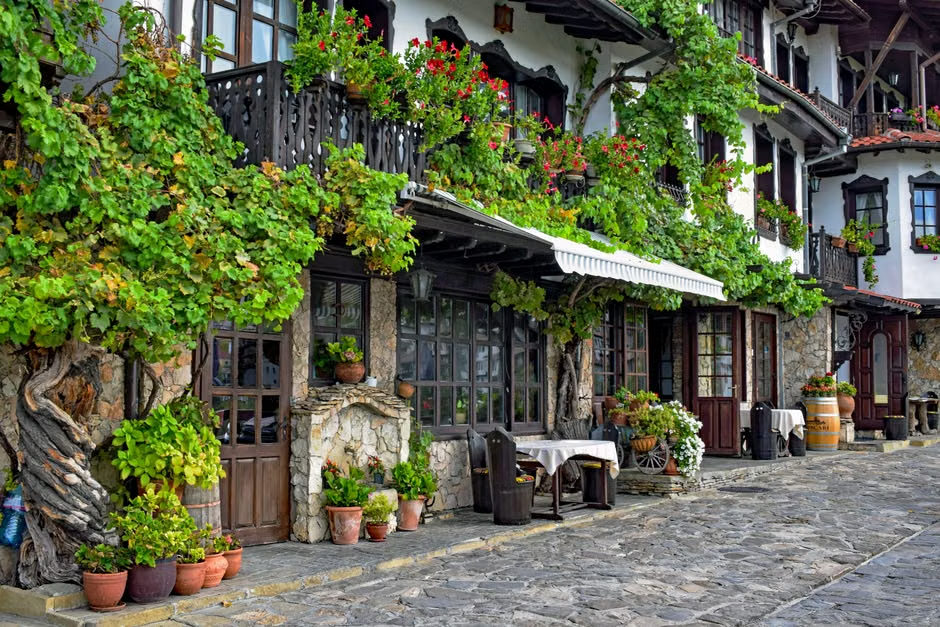
Hotel Yantra
Hotel Gurko
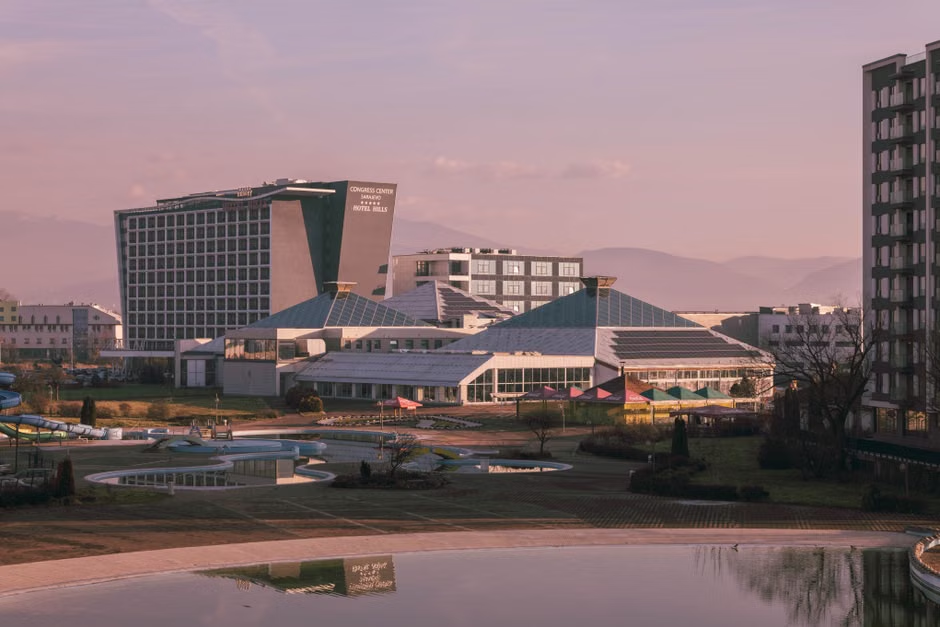
Hotel Comfort
Compare Veliko Tarnovo with Other Top Destinations
Frequently Asked Questions
Is Veliko Tarnovo a good destination for a wedding?
Yes, particularly for intimate, heritage-themed weddings. Veliko Tarnovo's medieval fortress, Yantra River gorge, and preserved old town create a genuinely dramatic and romantic setting. It works best for smaller guest lists — typically under 150 — where the atmosphere and cultural depth of the destination matter more than large-scale venue capacity. Couples seeking an authentic European medieval backdrop will find it a distinctive and memorable choice.
What is the best time of year to hold a celebration in Veliko Tarnovo?
May through September is the recommended window. This period offers warm temperatures, long daylight hours — particularly useful for outdoor evening receptions — and generally reliable dry conditions. May and September are especially attractive as shoulder months with fewer tourists and comfortable temperatures. Winter months (December–February) bring snow and freezing temperatures, making outdoor events impractical, while March and April carry unpredictable spring rain risk.
How do international guests typically travel to Veliko Tarnovo?
Most international guests fly into Sofia Airport, Bulgaria's main international hub, and then travel onward by road or rail. The journey from Sofia takes approximately 3.5 to 4 hours by bus or train. Gorna Oryahovitsa station, about 10 km from the city center, is the nearest rail stop on the main Sofia–Varna line. Pre-arranged group transfers from Sofia are the most practical solution for event guests.
What kinds of venues are available for events in Veliko Tarnovo?
The venue landscape is boutique and heritage-focused. Options include restored historic properties in the old town and nearby Arbanasi village, with courtyard gardens, terrace settings, and intimate indoor halls. Several properties combine accommodation with dedicated event spaces. Standalone banquet halls and restaurant venues are also available for receptions. The overall character is intimate rather than large-scale — there are no convention-centre-style ballrooms here.
How many guests can Veliko Tarnovo realistically accommodate for a destination event?
The destination comfortably supports events up to around 150 guests, with the most atmospheric venues suited to groups of 50–120. Spreading a larger group across multiple properties is possible but adds logistical complexity. For events significantly above 150 guests requiring a single large venue, the local inventory may feel limiting, and planners should verify specific capacity with individual properties well in advance.
What is the local vendor ecosystem like for events in Veliko Tarnovo?
A functional local ecosystem exists for catering, floristry, photography, and traditional entertainment. Bulgarian folk musicians and local caterers specialising in regional cuisine and wine are genuine strengths. For highly specialised production, international entertainment, or elaborate styling, sourcing from Sofia or abroad is advisable. A bilingual local event coordinator is strongly recommended to manage vendor communication and navigate any heritage-zone permissions.
Are there good accommodation options for a large guest group in Veliko Tarnovo?
Yes, though guests will typically be spread across several boutique hotels and guesthouses rather than a single large resort. The old town and Arbanasi village together offer a reasonable concentration of accommodation. Pre-booking well in advance is essential for groups, particularly during the summer peak season (June–August) when general tourism also competes for rooms. Pre-arranged group transport between accommodation and event venues is advisable.
What makes Veliko Tarnovo distinctive compared to other European event destinations?
Its medieval character is genuinely rare — the Tsarevets Fortress rising above the Yantra River gorge is a backdrop that cannot be replicated with décor. The destination is also notably uncrowded relative to Western European heritage cities, giving events a private, exclusive feel. Combined with authentic Bulgarian culinary tradition and warm local hospitality, it offers a cultural depth that distinguishes it from more commercialised event destinations.
Is Veliko Tarnovo suitable for multi-day celebration weekends?
Yes, it is well suited to extended celebrations. The fortress sound-and-light shows, the Samovodska Charshia craft bazaar, the Etara ethnographic complex, and the Dryanovo Monastery gorge all provide strong day-trip and evening programming for guests staying across several days. The compact, walkable old town also makes informal group meals and social time easy to organise without heavy logistics.
Are there any restrictions on events near the Tsarevets Fortress or in the old town?
Yes. Much of the most atmospheric outdoor space in Veliko Tarnovo falls within or adjacent to protected heritage zones. This can mean specific permissions are required for amplified music, certain lighting installations, or structural décor. Requirements vary by exact location and event type. Working with a local coordinator who has experience navigating these regulations is strongly advisable — attempting to plan without local knowledge of heritage-zone rules is a common source of last-minute complications.
What is the local transport situation for guests once they arrive in Veliko Tarnovo?
The old town is largely walkable, but the city's hilly terrain means vehicle support is needed for guests with mobility considerations and for moving groups between venues and accommodation. Taxis are available but limited in number compared to a major city. Pre-arranged minibus transfers for event-day logistics are the most reliable approach for groups, and planners should factor this into the overall event coordination plan.

Ready to explore venues in Veliko Tarnovo?
Veliko Tarnovo: Destination Wedding & Cultural Event Venues in Bulgaria
◆Veliko Tarnovo is Bulgaria's historic medieval capital, best suited to intimate, heritage-themed weddings, cultural celebrations, and milestone social events. Its primary vibe is cultural and timeless — defined by the Tsarevets Fortress, the Yantra River gorge, and a well-preserved old town. The destination performs strongest in summer (May through September), when warm temperatures and long daylight hours make outdoor ceremonies and receptions genuinely practical. Accessibility requires planning: international guests typically fly into Sofia and travel onward by road or rail, making this a destination that rewards guests who embrace the journey. The overall character is boutique and authentic rather than large-scale or resort-driven.
Veliko Tarnovo at a Glance
| Category | Detail |
|---|---|
| Best For | Intimate weddings, cultural celebrations, milestone anniversaries, social gatherings |
| Primary Vibe | Cultural & Timeless |
| Other Vibes | Romantic, Historic, Boutique |
| Best Season | Summer (May, Jun, Jul, Aug, Sep) |
Why Choose Veliko Tarnovo?
- Unrivalled medieval scenery: The Tsarevets Fortress, perched dramatically above the Yantra River gorge, provides a backdrop that is genuinely rare in European event destinations — no constructed décor can replicate it.
- Arbanasi village proximity: The UNESCO-associated village of Arbanasi, just minutes from the city center, adds a layer of Bulgarian Renaissance heritage and offers intimate venue settings within a preserved historic environment.
- Boutique exclusivity: Veliko Tarnovo is not a mass-tourism destination, which means events here feel private and personal rather than competing with large resort crowds or back-to-back wedding schedules.
- Rich local culinary tradition: Bulgarian cuisine — including local wines from the Danube Plain and Thracian Valley regions — gives catering a distinctive, authentic character that guests from abroad find genuinely memorable.
- Summer climate genuinely suited to outdoor events: May through September brings reliably warm, dry conditions with long evenings, making al fresco ceremonies and garden receptions practical without the extreme heat found in Mediterranean alternatives during the same months.
- Cultural programming depth: The city's museums, the Samovodska Charshia craft bazaar, and regular sound-and-light shows at the fortress give guests a rich programme of activities beyond the event itself, which matters for multi-day celebrations.
Which Celebrations Work Best in Veliko Tarnovo?
- Intimate destination weddings: The city's heritage venues and dramatic natural scenery are particularly well matched to smaller guest lists — typically under 150 — where the atmosphere and setting matter more than sheer scale. Couples seeking a European medieval backdrop with genuine cultural depth will find this destination hard to match.
- Cultural and heritage celebrations: Milestone anniversaries, family reunions with a cultural travel dimension, and celebrations tied to Bulgarian heritage or history fit naturally here. The destination's identity is inseparable from its history, which makes it a meaningful rather than merely decorative choice.
- Social gatherings and group retreats: The old town's concentration of restaurants, wine bars, and artisan spaces makes it well suited to multi-day social programmes — welcome dinners, group excursions to the fortress, and farewell brunches can all be arranged within a compact, walkable area.
- Pre-wedding and post-wedding events: The surrounding region — including the Dryanovo Monastery gorge and the Etara open-air ethnographic complex — provides excellent day-trip material for guests staying across several days, making Veliko Tarnovo a strong anchor for extended celebration weekends.
Venues & Event Spaces
Veliko Tarnovo's event venue landscape is characterised by heritage properties and boutique hotels rather than large resort complexes. The most distinctive spaces are found in the old town and in the nearby village of Arbanasi, where restored historic buildings offer intimate indoor halls, courtyard gardens, and terrace settings with views over the Yantra gorge. Several properties combine accommodation with dedicated event spaces, making them practical for groups who want to keep guests together under one roof.
Outdoor ceremony settings are a particular strength: the hillside topography creates natural amphitheatre-like spaces, and the proximity of the fortress and river gorge means that even a simple outdoor setup benefits from extraordinary surroundings. For larger receptions, the city also has standalone banquet halls and restaurant venues capable of hosting seated dinners, though the overall scale remains boutique — this is not a destination with convention-centre-scale ballrooms.
Couples and planners should note that many of the most atmospheric spaces are within or adjacent to protected heritage zones, which can mean specific permissions are required for certain types of décor, amplified music, or lighting installations. Working with a local event coordinator who understands these requirements is strongly advisable.
Best Time to Celebrate
The curated best season for Veliko Tarnovo is summer: May through September. This window works well for several concrete reasons beyond simply "good weather." Daylight hours are long — June and July evenings remain light until well past 9 pm — which gives outdoor ceremonies and receptions a natural, unhurried rhythm without relying on artificial lighting from early in the evening. Temperatures are warm but generally not extreme, typically ranging from the low 20s°C in May to the high 20s°C in July and August, making outdoor events comfortable for guests in formal attire. Rain is possible throughout the summer but tends to fall in short afternoon showers rather than sustained periods, and the overall precipitation pattern is drier than the spring months.
May and September are particularly attractive shoulder months within this window: temperatures are slightly cooler, the city is less busy with general tourism, and the surrounding landscape is at its most lush (May) or warmly golden (September). June, July, and August bring the peak of the tourist season, which means more visitors in the old town but also the full programme of cultural events, including the fortress sound-and-light shows that can serve as a spectacular backdrop or evening entertainment for guests.
Outside this window, the picture changes significantly. October and November see temperatures drop quickly, daylight shortens, and some smaller venues reduce their operating hours or close for the season. December through February brings genuine winter conditions — snow is common, temperatures regularly fall below freezing, and outdoor events become impractical. March and April are transitional: temperatures are rising but unpredictable, with cold snaps and spring rains making outdoor planning unreliable. These months are not impossible for indoor-only events, but they carry meaningful weather risk for anything with an outdoor component.
Getting There & Local Connectivity
Reaching Veliko Tarnovo requires a degree of travel planning that distinguishes it from destinations with direct international airport access. The primary gateway for international guests is Sofia Airport, Bulgaria's main international hub, from which Veliko Tarnovo is approximately a 3.5 to 4-hour journey by road or a similar duration by rail via Gorna Oryahovitsa station (the nearest rail junction, roughly 10 km from the city center). Direct bus services from Sofia operate regularly and are a practical option for guests comfortable with coach travel.
Gorna Oryahovitsa Airport, located very close to the city, does offer some domestic and limited seasonal charter services, but it is not a reliable primary gateway for international guests and should not be counted on as a main arrival point without confirming specific flight availability for the event dates in question.
Once guests arrive in Veliko Tarnovo, local movement is manageable but requires some coordination. The old town is compact and largely walkable, but the city's hilly topography means that guests with mobility considerations will need vehicle support. For groups, minibus transfers between accommodation, venues, and the fortress area are the most practical solution. Taxis and ride-hailing options are available but limited compared to a major city, so pre-arranged group transport is advisable for event-day logistics.
Local Vendor & Hospitality Ecosystem
Veliko Tarnovo has a functioning local event and hospitality ecosystem, though it operates at a boutique scale rather than the industrialised wedding-vendor market found in larger European event cities. Local caterers with experience in Bulgarian cuisine and wine service are well established, and the city's restaurant scene — particularly along the Samovodska Charshia and in the old town — provides strong options for rehearsal dinners and informal group meals.
Florists, photographers, and décor suppliers are available locally, though couples planning highly specific or elaborate styling may find it worthwhile to bring specialist vendors from Sofia or from abroad, supplemented by local support. The same applies to live music and entertainment: local folk musicians and traditional Bulgarian performers are genuinely available and add authentic cultural value, while international DJs or large production teams would typically need to be sourced from Sofia.
English-language communication with local vendors is generally workable, particularly among hospitality professionals in the tourism sector, though it is advisable to have a bilingual local coordinator as a primary point of contact for detailed planning conversations. The overall hospitality culture is warm and genuinely welcoming to international guests, which tends to translate into a personal, attentive service character that larger, more commercialised destinations sometimes lack.
Pros & Things to Consider
Why Veliko Tarnovo Works Well
- Genuinely unique medieval and heritage scenery that cannot be replicated with décor alone
- Boutique, uncrowded character that gives events a private, exclusive feel
- Strong summer season with long evenings and reliable outdoor conditions from May through September
- Rich cultural programming for guests across multi-day celebrations
- Authentic Bulgarian culinary and wine tradition that elevates event catering
- Warm, personal local hospitality culture well suited to intimate group events
Things to Consider
- International guests face a multi-leg journey — Sofia is the practical gateway, adding travel time and complexity compared to destinations with direct international airport access
- Venue scale is inherently boutique; very large guest lists (200+) will find the local inventory limiting
- Heritage zone regulations may restrict certain décor, amplification, or lighting choices at the most atmospheric outdoor locations
- Specialist vendors (high-end production, international entertainment, elaborate floral design) may need to be sourced from Sofia or abroad, adding logistical layers
- The city's hilly terrain requires careful planning for guests with mobility needs
When Veliko Tarnovo May Not Be the Right Fit
- Large-scale events (200+ guests): The local venue inventory is genuinely boutique. Couples or planners expecting ballroom-scale capacity or multiple large event spaces within a single property will find the options here limited.
- Guests with very limited travel flexibility: If a significant portion of the guest list cannot manage a multi-hour onward journey from Sofia, or if the group includes many guests with mobility challenges who would struggle with the city's hilly terrain, a more directly accessible destination would serve them better.
- Winter or early spring events with outdoor components: October through April carries real weather risk for anything planned outdoors. If an outdoor ceremony or reception is non-negotiable and the dates fall outside the May–September window, this destination is a poor match.
- Events requiring large-scale production infrastructure: Major AV production, large stage builds, or elaborate technical installations are not well supported by the local vendor ecosystem and would require significant external resourcing — if production scale is a priority, a larger city with an established events industry would be more practical.