
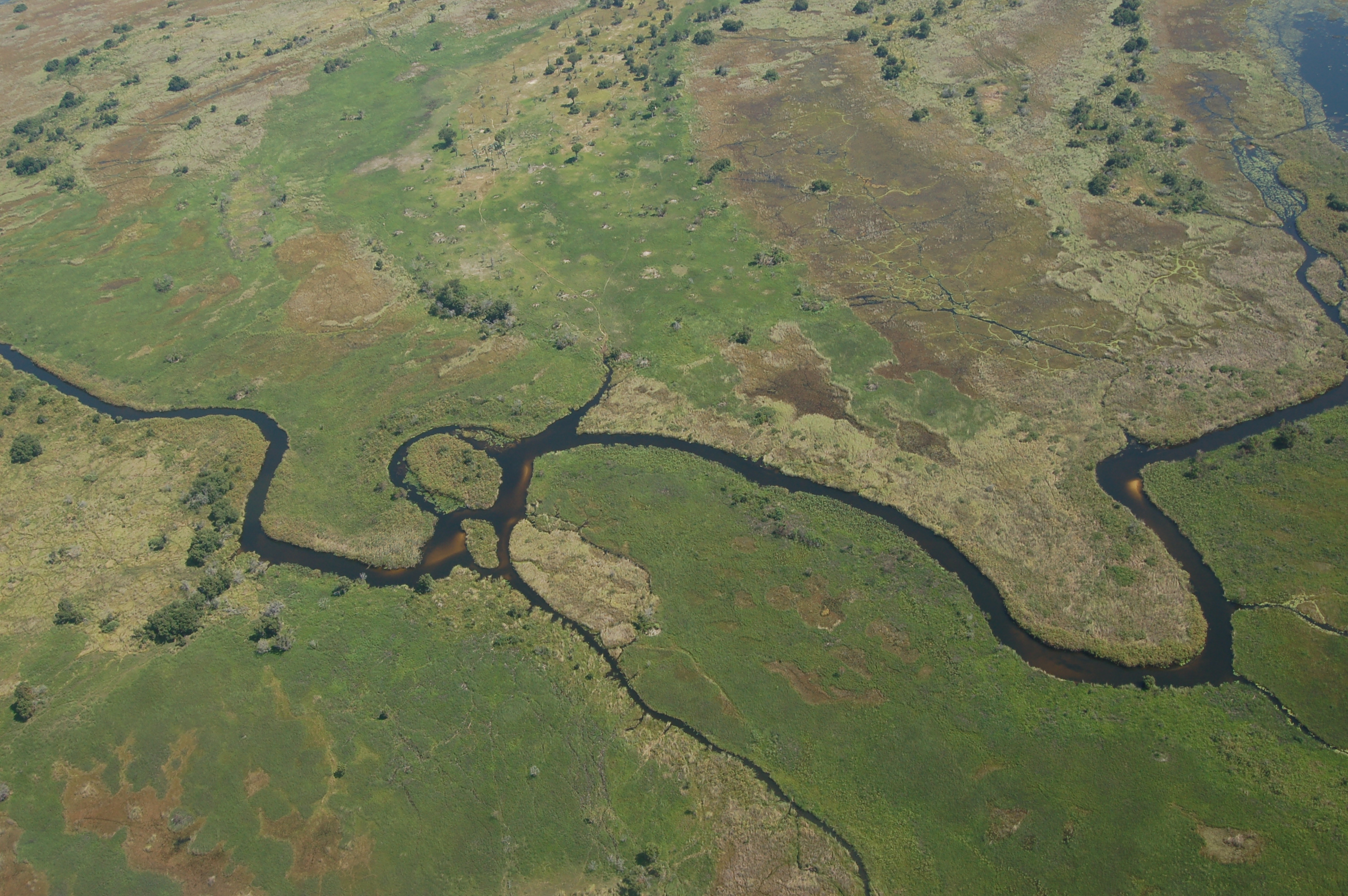
Why Okavango Delta is Perfect for Your Celebration
- Absolute exclusivity — most luxury camps host only 8–20 guests, making the entire property yours for a private celebration
- UNESCO World Heritage wilderness setting with elephants, hippos, and birdlife as natural backdrop
- Dry season (May–Sep) delivers crystal-clear skies, cool evenings, and peak wildlife concentrations ideal for outdoor events
- Candlelit bush dinners, mokoro (dugout canoe) ceremonies, and sundowner events on private islands are genuinely unique to this destination
- World-class luxury safari lodges with dedicated event and hospitality teams experienced in bespoke private celebrations
- Unmatched privacy and seclusion — no crowds, no noise, no outside world intruding on your event
Compare Okavango Delta with Other Top Destinations
Frequently Asked Questions
Is the Okavango Delta a good destination for a wedding?
Yes, particularly for intimate ceremonies. The Okavango Delta is exceptionally well-suited to small, exclusive destination weddings of roughly 10–28 guests, where the priority is an extraordinary shared experience in a UNESCO World Heritage wilderness setting. Private camp buyouts, bush ceremonies, and candlelit island dinners make it one of Africa's most distinctive wedding destinations, though it requires specialist planning and a committed travel itinerary from all guests.
How many guests can realistically attend an event in the Okavango Delta?
Most luxury camps in the Delta accommodate between 8 and 28 guests when bought out privately. Events of up to around 30 guests work well within a single camp. Larger groups can be split across two adjacent camps within the same concession, but this adds logistical complexity. The Delta is not suited to events requiring 50 or more guests in a single shared venue.
How do guests get to the Okavango Delta for an event?
The standard route is an international flight to Johannesburg, then a connecting flight to Maun Airport (MUB) in Botswana, followed by a light aircraft charter (typically 20–45 minutes) directly to the camp's private airstrip. All guests should plan for at least two flight legs beyond their home country, and luggage is restricted to soft bags of around 15–20 kg on light aircraft. A specialist ground operator or the camp's own logistics team manages in-Delta transfers.
What is the best time of year to hold an event in the Okavango Delta?
The dry season — May through September — is the only reliably suitable window for events. This period brings clear skies, minimal rainfall, peak wildlife concentrations, and the Delta's iconic floodwaters at their fullest. June and July are the coolest months (evenings can drop below 10°C), while August and September are warmer. Events outside this window risk unpredictable rain, high humidity, and potential camp inaccessibility.
What kinds of event spaces are available in the Okavango Delta?
There are no conventional banquet halls or ballrooms. Event spaces are entirely embedded within luxury safari camps — open-air dining decks overlooking lagoons, fire-pit gathering areas, private island clearings for outdoor ceremonies, and on-water platforms for mokoro or boat-based events. The natural environment itself — a specific lagoon bank, a clearing, a viewpoint — frequently serves as the ceremony location, set up and managed by the camp's own team.
Do I need a specialist wedding planner for an event in the Okavango Delta?
Yes, strongly advisable. The Delta's remoteness means every external vendor — photographers, celebrants, florists, musicians — must be flown in from Maun or further afield and accommodated on-site. Specialist safari wedding planners based in Maun or South Africa have established relationships with both the camps and the external vendor network, and their involvement significantly reduces the logistical risk of coordinating a private event in a remote wilderness setting.
What unique experiences can be incorporated into a Delta celebration?
Several experiences are genuinely native to the Okavango Delta and cannot be replicated elsewhere: mokoro (traditional dugout canoe) processions along papyrus channels, candlelit bush dinners on private islands, sundowner ceremonies on elevated decks above the floodplain, guided night-sky events in one of Africa's darkest skies, and game drives with wildlife as the backdrop to the day's celebrations. These are not add-ons — they are the core of what makes a Delta event distinctive.
Is the Okavango Delta safe for event guests?
Generally yes, within the managed camp environment. Botswana is one of Africa's most politically stable and well-governed countries, and the Delta's luxury camps operate with rigorous safety protocols for wildlife encounters. Guests are guided by experienced rangers at all times outside camp boundaries. Standard travel health precautions for sub-Saharan Africa — including malaria prophylaxis — are recommended and should be discussed with a travel health professional before travel.
What is connectivity like for guests staying in the Delta during an event?
Limited. Most luxury camps offer satellite-based Wi-Fi, but speeds are slower and reliability lower than urban hotel connectivity. Mobile phone signal is absent in most of the Delta. Many guests and hosts treat this as a positive feature — the Delta offers genuine digital disconnection — but guests who need reliable internet access for work or communication during the event period should factor this into their planning.
Can the Okavango Delta be combined with other destinations for a multi-day celebration itinerary?
Yes, and this is a common approach. The Delta pairs naturally with Victoria Falls (accessible via Kasane in northern Botswana), a South African safari in the Kruger or Sabi Sand area, or Cape Town for a multi-destination celebration. Many couples use the Delta as a honeymoon extension following a wedding held elsewhere in southern Africa, or combine it with a pre-event gathering in Johannesburg or Cape Town where guest logistics are simpler.

Ready to explore venues in Okavango Delta?
Okavango Delta: Destination Wedding & Wilderness Event Venues in Botswana
◆The Okavango Delta is best suited to intimate, ultra-exclusive destination weddings, private milestone celebrations, and small social gatherings for guests who prioritise extraordinary natural immersion over conventional event infrastructure. Its primary vibe is Nature & Wilderness — a UNESCO World Heritage floodplain ecosystem in north-west Botswana where luxury safari camps on private islands serve as the event venues. The dry season (May through September) is the only genuinely reliable window for events, delivering clear skies, accessible camps, and peak wildlife. Accessibility is genuinely challenging — guests typically fly internationally into Maun and then transfer by light aircraft — and the destination sits firmly at the premium end of the market. It is not suited to large guest lists, tight logistics timelines, or guests unwilling to undertake multi-leg journeys.
Okavango Delta at a Glance
| Category | Detail |
|---|---|
| Best For | Intimate Destination Weddings, Private Milestone Celebrations, Exclusive Social Gatherings, Honeymoon Extensions |
| Primary Vibe | Nature & Wilderness |
| Other Vibes | Romantic & Secluded, Adventure & Exploration, Luxury & Exclusive |
| Best Season | Dry Season (May, Jun, Jul, Aug, Sep) |
Why Choose Okavango Delta?
- Unmatched exclusivity: Most luxury camps accommodate only 8–24 guests in total, meaning a private buyout gives your group the entire property — staff, guides, boats, and wilderness — with no other guests present.
- A genuinely irreplaceable natural setting: The Delta's mosaic of lagoons, papyrus channels, floodplains, and palm-studded islands creates a ceremony and event backdrop that no constructed venue can replicate — elephants, hippos, and hundreds of bird species are part of the scenery.
- Signature event experiences unique to this destination: Mokoro (traditional dugout canoe) processions, candlelit bush dinners on private islands, sundowner ceremonies on elevated decks above the floodplain, and guided night-sky events are all genuinely native to the Okavango experience.
- World-class hospitality infrastructure: Despite its remoteness, the Delta hosts some of Africa's most acclaimed luxury safari operators, with highly trained hospitality teams experienced in delivering bespoke private events to exacting standards.
- Absolute privacy and digital disconnection: Limited connectivity is a feature for many guests — the Delta offers a rare opportunity to host a celebration entirely free from outside distraction, in one of the world's last great wilderness areas.
- Dry season reliability: The May–September window delivers consistently clear weather, cool evenings ideal for outdoor dining, and the highest wildlife concentrations of the year — making event planning significantly more predictable than in wetter months.
Which Celebrations Work Best in Okavango Delta?
- Intimate Destination Weddings: The Delta is particularly well-suited to small, deeply personal ceremonies — typically 10 to 30 guests — where the emphasis is on an extraordinary shared experience rather than scale. A private camp buyout transforms the entire property into a wedding venue, with the wilderness as the ceremony backdrop and the camp's own team managing every detail.
- Milestone Birthday & Anniversary Celebrations: For a significant birthday or anniversary where the host wants to offer guests something genuinely unforgettable, a multi-day Delta stay — combining game drives, water activities, and private dinners — creates a celebration that functions as both event and adventure.
- Exclusive Social Gatherings & Corporate Retreats: Small groups seeking a high-impact, off-grid gathering — whether a close-knit social celebration or a senior leadership retreat — find the Delta's combination of luxury, privacy, and natural drama highly effective. The absence of outside guests and the immersive environment tend to generate strong group cohesion.
- Honeymoon Extensions: While not an event in itself, the Delta is one of the world's most celebrated honeymoon destinations and pairs naturally with a destination wedding held elsewhere in southern Africa — many couples extend their celebration here immediately after the main event.
Venues & Event Spaces
The Okavango Delta does not have conventional banquet halls, hotel ballrooms, or purpose-built wedding venues in the traditional sense. Instead, the event infrastructure is entirely embedded within the Delta's luxury safari camp ecosystem. The primary venue typology is the private island safari camp — a collection of elevated tented suites or chalets, a central lodge area, and open-air dining and lounge spaces, all set within a private wilderness concession. These camps are designed for small groups and are typically bought out in their entirety for private events.
Event spaces within these camps typically include open-air dining decks overlooking lagoons or floodplains, fire-pit gathering areas under the stars, private island clearings suitable for outdoor ceremonies, and boat or mokoro platforms for on-water events. Some larger camps have dedicated event lawns or elevated viewing decks that can be configured for ceremonies and dinners. The natural environment itself — a specific tree, a lagoon bank, a termite mound viewpoint — frequently becomes the ceremony location, with the camp's team managing setup, décor, and catering entirely in-house or with specialist event partners flown in from Maun or Johannesburg.
For groups requiring slightly more conventional infrastructure — a larger dining room, a more structured event space — some of the larger camps near Maun or on the Delta's periphery offer more traditional lodge-style facilities while still delivering the wilderness setting.
Best Time to Celebrate
The dry season, running from May through September, is the only genuinely recommended window for events in the Okavango Delta, and this is not merely a preference — it is a practical necessity for most event formats.
During these months, rainfall is minimal to absent, temperatures are warm during the day (typically 22°C–28°C) and pleasantly cool in the evenings, and the Delta's floodwaters — which arrive from Angola's highlands — are at their peak, filling the channels and creating the iconic water-world landscape. Wildlife concentrations are at their highest as animals gather around permanent water sources, meaning game drives and water-based activities are at their most spectacular. Outdoor ceremonies, bush dinners, and sundowner events are all reliably executable without weather risk.
June and July are generally considered the peak of the dry season — nights can be cold (occasionally dropping below 10°C), which should be factored into evening event planning, but daytime conditions are ideal. August and September are warmer and slightly drier, with September beginning to show the first signs of the pre-summer heat build-up.
The green season (November through April) brings heavy and unpredictable rainfall, high humidity, and — critically — flooding that can render some camps inaccessible or require rerouting of light aircraft. While the landscape is lush and birdlife is exceptional, outdoor event reliability is significantly reduced, some camps close entirely for maintenance, and the logistical complexity of managing a group event increases substantially. October sits in an awkward transitional position — the dry season is ending, temperatures are rising sharply, and early storms can arrive without warning — making it a less reliable choice than the core May–September window.
Getting There & Local Connectivity
Reaching the Okavango Delta requires genuine travel commitment from most guests. The standard routing involves an international flight to Johannesburg (O.R. Tambo International Airport) in South Africa, followed by a connecting flight to Maun Airport (MUB) in Botswana — the primary gateway town for the Delta. From Maun, guests transfer to their specific camp by light aircraft (typically a 20–45 minute flight in a small charter plane), as road access to most Delta camps is either impractical or impossible due to the floodplain terrain.
Some guests route via Kasane in northern Botswana, particularly if combining the Delta with a Victoria Falls or Chobe itinerary. A small number of camps on the Delta's eastern periphery are accessible by 4WD road from Maun, but this is the exception rather than the rule for luxury properties.
Once inside the Delta, movement between locations is entirely by light aircraft, motorboat, or mokoro — there are no roads within the Delta itself. For event groups, this means all guest transfers must be carefully coordinated through the camp's own logistics team or a specialist ground operator, with light aircraft schedules planned well in advance. Luggage restrictions on light aircraft (typically 15–20 kg per person in soft bags) are a practical consideration for guests bringing formal event attire.
Local connectivity within camps is generally limited to satellite-based Wi-Fi, which is available at most luxury properties but is typically slower and less reliable than urban hotel connectivity. This is widely accepted as part of the Delta experience.
Local Vendor & Hospitality Ecosystem
The Okavango Delta's hospitality ecosystem is genuinely world-class at the luxury tier, but it operates very differently from a conventional urban event destination. The major safari operators — including Wilderness Safaris, andBeyond, Great Plains Conservation, Belmond, and Sanctuary Retreats — have decades of experience managing high-end private events and are well-equipped to handle bespoke celebrations, including custom menus, floral arrangements, décor, and entertainment, largely self-contained within their own properties.
For specialist event requirements — a wedding photographer, a celebrant, a live musician, a specialist florist — the ecosystem relies heavily on professionals flown in from Maun, Gaborone, or Johannesburg. There is no large local pool of independent wedding vendors based within the Delta itself, and this is an important planning consideration: every external vendor requires accommodation, light aircraft transfers, and careful scheduling. Specialist safari wedding planners — several of whom operate out of Maun or South Africa — are strongly advisable for anyone planning a formal event here, as they have established relationships with both the camps and the external vendor network.
Catering within the camps is consistently of a high standard, with most luxury properties offering multi-course bush dinners, bespoke menus, and well-stocked wine and spirits selections. Dietary requirements are generally well-accommodated with advance notice. The camps' own staff — guides, butlers, chefs, and camp managers — typically form the core of the event hospitality team, supplemented by additional staff brought in for larger buyouts.
Pros & Things to Consider
Why Okavango Delta Works Well
- Absolute exclusivity — private camp buyouts mean no other guests, no shared spaces, and a fully personalised experience
- A natural setting of global renown — UNESCO World Heritage status and one of Africa's most celebrated wilderness ecosystems
- Signature experiences (mokoro ceremonies, bush dinners, sundowners, night-sky events) that are genuinely unique to this destination
- World-class luxury operators with experienced private event teams and consistently high hospitality standards
- Dry season reliability — May through September delivers predictable, event-friendly weather with minimal rain risk
- Naturally intimate scale — the Delta's camp structure is perfectly calibrated for small, meaningful celebrations rather than large, impersonal events
- Strong combination potential — the Delta pairs naturally with Victoria Falls, Cape Town, or a South African safari for a multi-destination celebration itinerary
Things to Consider
- Accessibility is genuinely demanding — multiple flight legs, light aircraft transfers, and luggage restrictions create logistical complexity that requires careful management for every guest
- Guest list size is structurally limited — most camps comfortably accommodate 10–28 guests; events requiring 50+ guests are not well-suited to the Delta's existing infrastructure
- External vendor logistics are complex — specialist suppliers (photographers, celebrants, florists, musicians) must be flown in and accommodated, adding planning layers not present in urban destinations
- The destination sits firmly at the premium end of the market — it is not a cost-flexible option, and the remoteness means there is limited ability to substitute lower-cost alternatives for most services
- Digital connectivity is limited — guests who need reliable internet access for work or communication during the event period will find the Delta's satellite connectivity insufficient
- Seasonal window is narrow — events outside May–September carry meaningful weather and accessibility risk that is difficult to mitigate
When Okavango Delta May Not Be the Right Fit
- Large guest lists: If your celebration requires more than approximately 30 guests in a single location, the Delta's camp infrastructure will not comfortably support it without splitting groups across multiple properties — which adds logistical complexity and reduces the shared-experience quality that makes the Delta special.
- Guests with limited travel flexibility: Elderly guests, guests with mobility challenges, or those unable to manage light aircraft transfers and remote camp conditions may find the Delta's access requirements genuinely prohibitive — a destination with easier ground-level access would serve them better.
- Events planned outside May–September: If your preferred dates fall in the November–April green season, the combination of unpredictable rainfall, potential camp inaccessibility, and high humidity makes outdoor event planning significantly less reliable — a different destination with year-round event suitability would be a more prudent choice.
- Groups prioritising urban amenities or nightlife: The Delta offers no restaurants, bars, shops, or entertainment outside the camps themselves — guests who want the option to explore a city, visit local markets, or access independent dining and nightlife will find the Delta's self-contained nature limiting rather than liberating.