

Why Francistown is Perfect for Your Celebration
- Francistown Airport (FRW) offers direct regional connections, making it reachable from Gaborone, Johannesburg, and other southern African hubs
- Dry-season months (May–Sep) deliver reliably clear skies, cool evenings, and dust-free conditions — ideal for outdoor ceremonies and sundowners
- As Botswana's commercial capital of the north, the city has a mature hospitality infrastructure with established hotels capable of hosting corporate and social events
- Proximity to the Tuli Block and Makgadikgadi Pans offers unique safari-adjacent experiences that can be woven into multi-day event programmes
- The city's multicultural character — drawing Batswana, Zimbabwean, and broader southern African communities — creates a cosmopolitan atmosphere well-suited to diverse guest lists
- Relatively compact city layout makes group logistics and inter-venue movement straightforward for event coordinators

Top Venues in Francistown
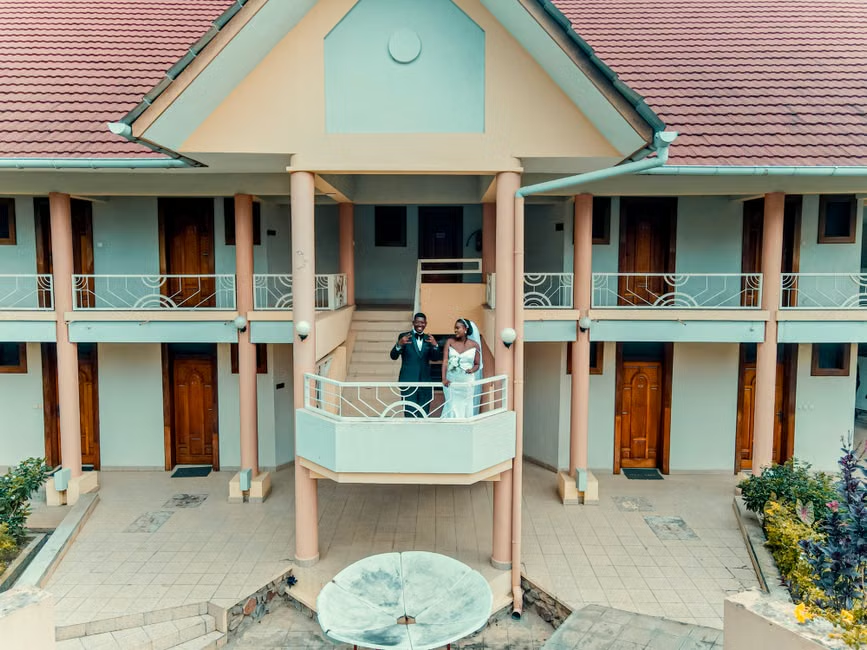
Cresta Thapama Hotel
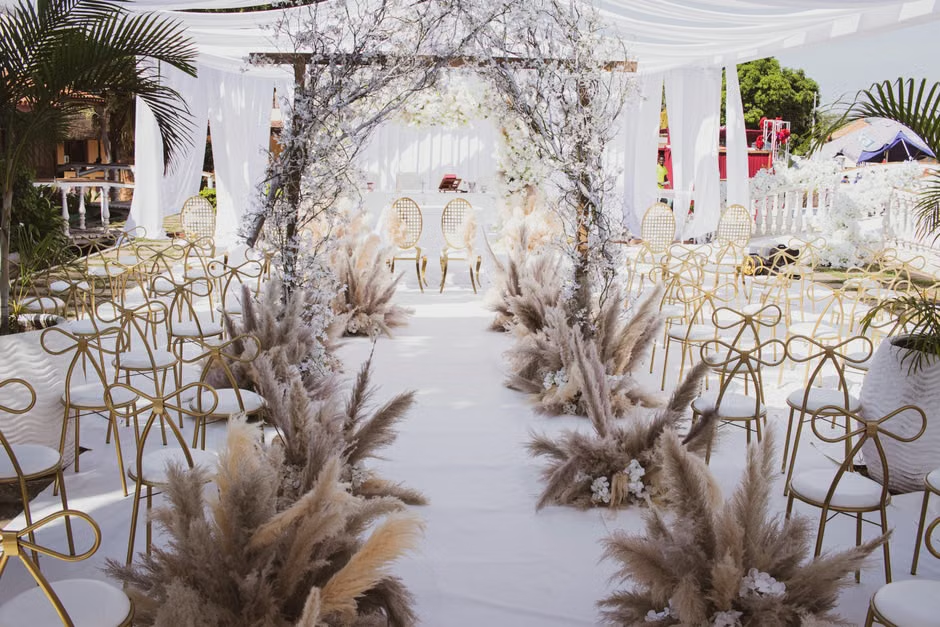
Grand Palm Hotel Francistown
Compare Francistown with Other Top Destinations
Frequently Asked Questions
Is Francistown a good destination for a wedding?
Yes, particularly for intimate to mid-sized weddings of roughly 80–300 guests. Francistown suits couples who want a genuinely African, cosmopolitan setting with comfortable hotel infrastructure and reliable dry-season weather. It works especially well for guest lists drawn from across southern Africa, given the city's regional transport connections. It is less suited to very large weddings or those requiring iconic scenic backdrops.
What is the best time of year to hold an event in Francistown?
The dry season — May through September — is the strongly recommended window. Rainfall is negligible, temperatures are comfortable (typically 20°C–28°C by day, cooling pleasantly in the evenings), and outdoor ceremonies are reliably plannable. October brings extreme heat before the rains, and November through March combines high temperatures with afternoon thunderstorms, making both months unsuitable for outdoor events.
How do guests get to Francistown?
Francistown Airport (FRW) is just a few kilometres from the city centre and handles scheduled domestic services to Gaborone, where international connections are available. Guests can also travel overland via the A1 highway from Gaborone (approximately 400 km) or from the Zimbabwe border. Regional charter flights into FRW are a practical option for corporate groups or wedding parties from South Africa or Zimbabwe.
What kinds of venues are available for events in Francistown?
The city's event spaces are primarily anchored in its established hotels, which offer indoor banquet halls, outdoor garden lawns, poolside terraces, and dedicated conference wings. Some properties along the Tati River corridor provide a more natural, semi-bush setting. For a truly immersive bush experience, planners often pair a Francistown hotel base with a day-trip or overnight extension to nearby conservancy lodges.
How large a guest group can Francistown realistically accommodate?
The city's hotel and venue inventory comfortably supports events in the 80–400 guest range. Very large celebrations requiring a single venue to seat 500 or more guests will likely find the local options constraining. For mid-sized corporate events, conferences, and social celebrations, the existing infrastructure is generally well-matched to demand.
Is Francistown well-suited to corporate events and conferences?
Yes — arguably more so than for any other event type. The city's established hotels have dedicated conference facilities, reliable AV infrastructure, and catering teams experienced with business delegations. Its position as Botswana's northern commercial hub means many regional attendees are already familiar with it, and its multi-modal transport links make it a practical neutral meeting point for southern African organisations.
What local vendors and services are available for event planning in Francistown?
The city has an established base of caterers, event decorators, and audio-visual technicians experienced with its main hotel venues. For standard requirements, local vendors are generally sufficient. For more specialised or high-end needs — bespoke floral design, luxury furniture hire, premium cinematography — planners commonly supplement with specialists brought in from Gaborone or Johannesburg, which is a manageable but worth-planning-for step.
Can guests easily move around Francistown during a multi-day event?
Yes. Francistown is compact, and the airport, main hotels, and event venues are all within short transfer distances of each other. Local taxis and hired minibuses handle small groups efficiently, and local transport operators can arrange dedicated coaches for larger parties. The urban road network is generally well-maintained, and inter-venue transfers rarely involve significant traffic delays.
Are there safari or wildlife experiences that can be incorporated into an event programme?
Yes. Francistown's proximity to the Tuli Block conservancies and the broader north-eastern Botswana wildlife corridor makes it practical to build optional game drives, bush dinners, or overnight safari extensions into a multi-day event programme. This is a genuine differentiator — particularly for corporate retreats or wedding weekends where organisers want to offer guests a memorable African experience beyond the city itself.
What makes Francistown's atmosphere distinctive compared to a typical event city?
Francistown has a cosmopolitan, multicultural character shaped by its long history as a trading and mining hub drawing communities from across southern Africa. This gives events held here a genuinely diverse, outward-looking atmosphere. Combined with the safari-edge proximity to wildlife areas and the reliable dry-season climate, it offers a combination of urban comfort and African authenticity that is relatively uncommon among regional event destinations.
Is Francistown safe for international guests attending an event?
Generally yes. Francistown is considered one of Botswana's safer urban centres, and Botswana as a country has a strong regional reputation for political stability and low crime relative to its neighbours. Standard urban precautions apply, particularly at night in less-frequented areas, but the city's main hotel districts and event venues are considered safe environments for international guests.

Ready to explore venues in Francistown?
Francistown: Destination Wedding & Corporate Event Venues in Botswana
◆Francistown is Botswana's second-largest city and its commercial capital of the north — a cosmopolitan, regionally well-connected urban centre that suits corporate events, milestone celebrations, and intimate to mid-sized weddings. Its primary vibe is chic and cosmopolitan, shaped by a diverse, multicultural population and a mature hospitality sector. The best season for events runs from May through September, when the semi-arid climate delivers reliably dry, clear, and comfortably cool conditions. Accessibility is moderate: Francistown Airport (FRW) handles regional routes, and the city sits on Botswana's main north–south road and rail corridor, making it reachable from Gaborone, Bulawayo, and Johannesburg without excessive difficulty.
Francistown at a Glance
| Attribute | Detail |
|---|---|
| Best For | Corporate Events, Intimate Weddings, Milestone Celebrations, Regional Conferences |
| Primary Vibe | Chic & Cosmopolitan |
| Other Vibes | Safari-Edge, Heritage, Urban African |
| Best Season | Dry Season (May, Jun, Jul, Aug, Sep) |
Why Choose Francistown?
- Regional transport hub: Francistown sits at the intersection of Botswana's main north–south road corridor and the railway line connecting Gaborone to the Zimbabwe border, giving it better multi-modal accessibility than most secondary African cities of comparable size.
- Reliable dry-season climate: From May through September, Francistown experiences virtually no rainfall, low humidity, and clear skies — conditions that make outdoor ceremonies, sundowner receptions, and garden events genuinely dependable rather than weather-dependent gambles.
- Cosmopolitan guest experience: The city's long history as a trading and mining centre has produced a culturally diverse, outward-looking character. Guests from across southern Africa — Zimbabwe, South Africa, Zambia, and beyond — find it familiar and navigable, reducing the friction that can accompany truly remote destination events.
- Safari-adjacent programming: Francistown's proximity to the Tuli Block conservancies and the broader north-eastern Botswana wildlife corridor allows event planners to build in optional game drives, bush dinners, or overnight safari extensions — a genuine differentiator for multi-day corporate retreats or wedding weekends.
- Established hospitality infrastructure: The city's role as a commercial centre means its hotels have long catered to business travellers and regional delegations, resulting in a level of event-management professionalism and catering capacity that smaller Botswana towns cannot match.
- Compact, manageable city layout: Francistown's relatively small footprint means that airport transfers, inter-hotel movement, and venue-to-venue logistics for a guest group are straightforward — a practical advantage that larger, more sprawling cities often cannot offer.
Which Celebrations Work Best in Francistown?
- Corporate events and conferences: Francistown is arguably at its strongest for corporate gatherings. Its established hotels offer dedicated conference facilities, reliable AV infrastructure, and catering teams experienced with business delegations. The city's position as a regional commercial hub means many attendees are already familiar with it, reducing logistical anxiety for organisers.
- Intimate and mid-sized weddings: Couples seeking a genuinely African setting without the remoteness of a pure bush lodge will find Francistown's combination of urban comfort and safari-edge character appealing. The city's hotel venues can comfortably accommodate weddings in the 80–300 guest range, and the dry season provides near-perfect outdoor ceremony conditions.
- Milestone celebrations (anniversaries, significant birthdays, family reunions): The city's mix of comfortable accommodation, accessible restaurants, and optional wildlife excursions makes it well-suited to multi-generational gatherings where guests have varying mobility and appetite for adventure.
- Regional retreats and team-building events: For organisations with staff or stakeholders spread across southern Africa, Francistown's central position in the region — equidistant from Gaborone, Bulawayo, and the South African border — makes it a genuinely neutral, convenient meeting point for multi-country teams.
Venues & Event Spaces
Francistown's event venue landscape is anchored by its established hotel properties, which collectively offer a range of indoor banquet halls, outdoor garden lawns, and poolside terraces suited to ceremonies and receptions of varying scales. The city's leading hotels typically feature dedicated conference and banquet wings that can be configured for seated dinners, cocktail receptions, or plenary sessions, giving planners flexibility within a single property.
Beyond the main hotel venues, the city has a small number of standalone function venues and community halls that cater to local celebrations, though these are generally better suited to smaller, more informal gatherings. For events seeking a more distinctive outdoor character, some properties along the Tati River corridor offer garden settings that bring a natural, semi-bush feel to what is otherwise an urban destination. Planners looking for a truly immersive bush setting may consider pairing a Francistown hotel base with a day-trip or overnight extension to one of the nearby conservancy lodges in the Tuli Block area, creating a two-venue event structure that balances comfort with adventure.
Best Time to Celebrate
The curated best season for Francistown events is the Dry Season: May, June, July, August, and September. During these months, the city experiences its most comfortable and event-friendly conditions: daytime temperatures typically range from around 20°C to 28°C, evenings cool pleasantly to 10°C–15°C, and rainfall is negligible. The low humidity and clear skies make outdoor ceremonies, garden receptions, and sundowner events reliably plannable without weather contingency concerns.
July and August represent the peak of the dry season — the coolest months, with crisp mornings and warm afternoons that are particularly well-suited to outdoor daytime events. May and September sit at the shoulders of the season: slightly warmer and with a marginally higher (though still low) chance of an isolated shower, but generally excellent for events.
The months to approach with caution are November through March, which constitute Francistown's summer wet season. Temperatures regularly exceed 35°C, afternoon thunderstorms are common, and the combination of heat and humidity makes outdoor events uncomfortable and logistically risky. April is a transitional month — the rains are tapering, but residual humidity and the occasional late storm mean it carries more uncertainty than the confirmed dry-season months. October is the pre-rain shoulder: temperatures begin climbing sharply (often reaching 38°C+), making it the hottest and most uncomfortable month of the year for guests and outdoor setups alike, even before the rains arrive.
Getting There & Local Connectivity
Francistown is served by Francistown Airport (FRW), located just a few kilometres from the city centre — one of the most convenient airport-to-city distances of any regional African airport. The airport handles scheduled domestic services connecting Francistown to Gaborone (Sir Seretse Khama International Airport), from where international guests can connect onward. Regional charter services also operate into FRW, which is a practical option for corporate groups or wedding parties travelling from South Africa or Zimbabwe.
For guests travelling overland, Francistown sits on the A1 highway — Botswana's primary north–south arterial road — making it accessible by road from Gaborone (approximately 400 km south) and from the Plumtree border post with Zimbabwe. The railway line through Francistown connects to Gaborone in the south and to Bulawayo in Zimbabwe to the north, though rail travel times are long and the service is primarily freight-oriented; most guests will prefer road or air.
Within the city, movement is straightforward. Francistown is compact enough that taxis and hired minibuses can efficiently shuttle a guest group between the airport, hotels, and event venues. For larger groups, local transport operators can arrange dedicated coaches. The city's road network within the urban core is generally well-maintained, and inter-venue transfers rarely involve the traffic congestion that complicates logistics in larger African cities.
Local Vendor & Hospitality Ecosystem
Francistown's vendor ecosystem reflects its status as a regional commercial hub rather than a dedicated tourism or wedding destination. The city has an established base of catering suppliers, event decorators, and audio-visual technicians who regularly service corporate events and local celebrations. For standard event requirements — catering, floral arrangements, sound and lighting, photography — local vendors are generally available and experienced with the city's main hotel venues.
For more specialised or high-end requirements — bespoke floral design, international-standard wedding cinematography, luxury linen and furniture hire — planners may find the local supply thinner than in a dedicated wedding destination. It is common practice for Francistown events to supplement local vendors with specialists brought in from Gaborone or, for very high-end productions, from Johannesburg. This is a manageable logistical step but one that planners should factor into their timelines and coordination plans.
The city's hotel catering teams are generally competent and experienced with multi-course banquet service, buffet setups, and cocktail receptions. Local cuisine draws on Botswana's beef-rich culinary tradition — the country's beef is genuinely world-class — and most hotel kitchens can accommodate a range of dietary requirements for international guest lists. The hospitality workforce in Francistown is accustomed to serving diverse, multilingual groups, which is a practical advantage for events drawing guests from across southern Africa.
Pros & Things to Consider
Why Francistown Works Well
- Reliable, near-zero-rainfall dry season from May to September makes outdoor event planning genuinely dependable
- Compact city layout simplifies group logistics — airport, hotels, and venues are all within a short transfer distance
- Cosmopolitan, multicultural character means diverse guest lists feel at home without cultural friction
- Safari-adjacent location allows optional wildlife experiences to be built into multi-day event programmes
- Established hotel conference and banquet infrastructure suited to corporate events and mid-sized social celebrations
- Regional transport hub status gives it better multi-modal accessibility than most comparable secondary African cities
Things to Consider
- International connectivity is limited — guests flying from Europe, Asia, or the Americas will need at least one connection, typically through Johannesburg or Gaborone, adding travel time and complexity
- The local specialist wedding vendor ecosystem is thinner than in dedicated wedding destinations; high-end or bespoke requirements may need suppliers brought in from Gaborone or Johannesburg
- Francistown is not a scenic destination in the conventional sense — it lacks the dramatic landscapes (delta, salt pans, game-rich reserves) that define Botswana's most iconic event backdrops; its appeal is urban and cosmopolitan rather than visually spectacular
- Venue capacity for very large events (500+ guests) is constrained by the current hotel inventory; planners targeting large-scale celebrations may find the local options limiting
- October and the November–March wet season are genuinely unsuitable for outdoor events, narrowing the usable event calendar to roughly five months of the year
When Francistown May Not Be the Right Fit
- Large-scale events (500+ guests): The city's current hotel and venue inventory is best suited to events in the 80–400 guest range. Very large celebrations requiring a single venue to seat 500 or more guests will likely find the local options insufficient.
- Guests requiring direct international flights: If a significant portion of the guest list is travelling from Europe, North America, or Asia, the absence of direct international services into Francistown Airport adds meaningful travel complexity. A destination with a major international hub airport would serve those guests more comfortably.
- Couples seeking iconic Botswana scenery as a backdrop: If the primary draw is Botswana's world-famous landscapes — the Okavango Delta, the Makgadikgadi salt pans, the Chobe floodplains — Francistown itself does not deliver those visuals. It is a gateway city, not a scenic destination; couples for whom the landscape is central to their vision should look at dedicated bush or delta lodge venues.
- Events planned for October or the November–March summer period: Extreme heat (regularly above 35°C in October, with afternoon thunderstorms from November onward) makes outdoor events uncomfortable and logistically risky during these months. If the event date is fixed in this window, a destination with a more forgiving year-round climate would be a more reliable choice.