
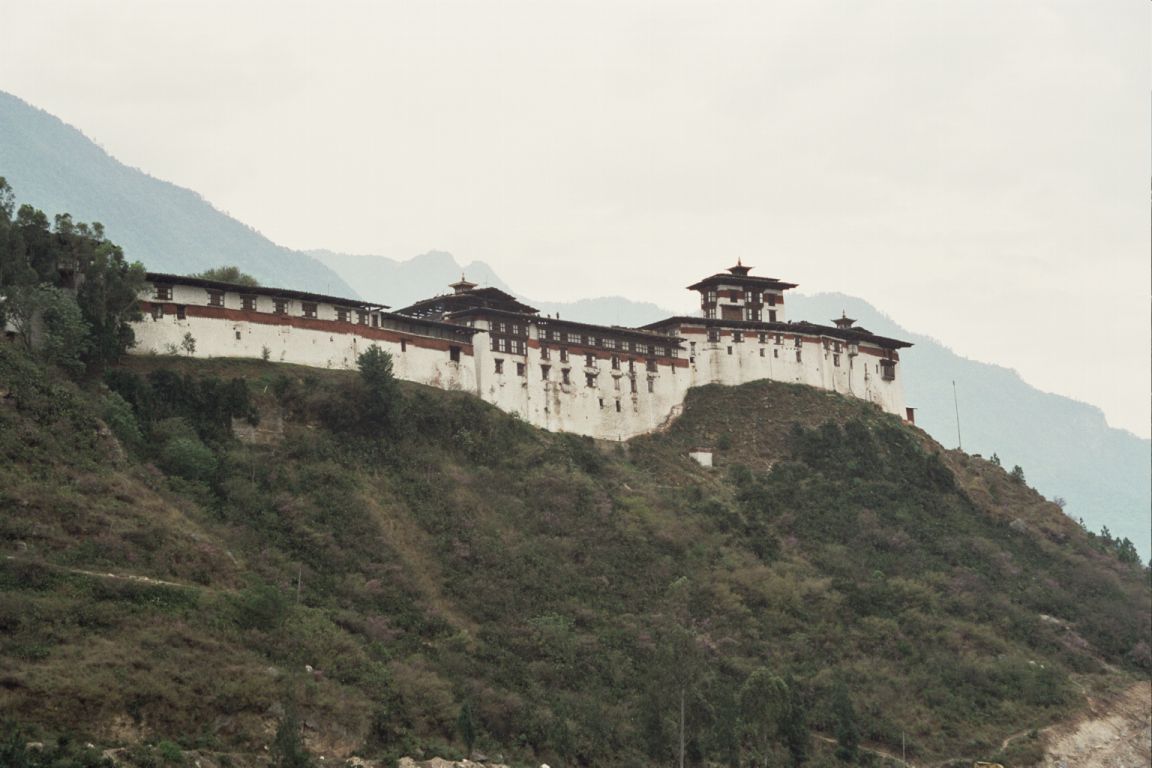
Why Wangdue Phodrang is Perfect for Your Celebration
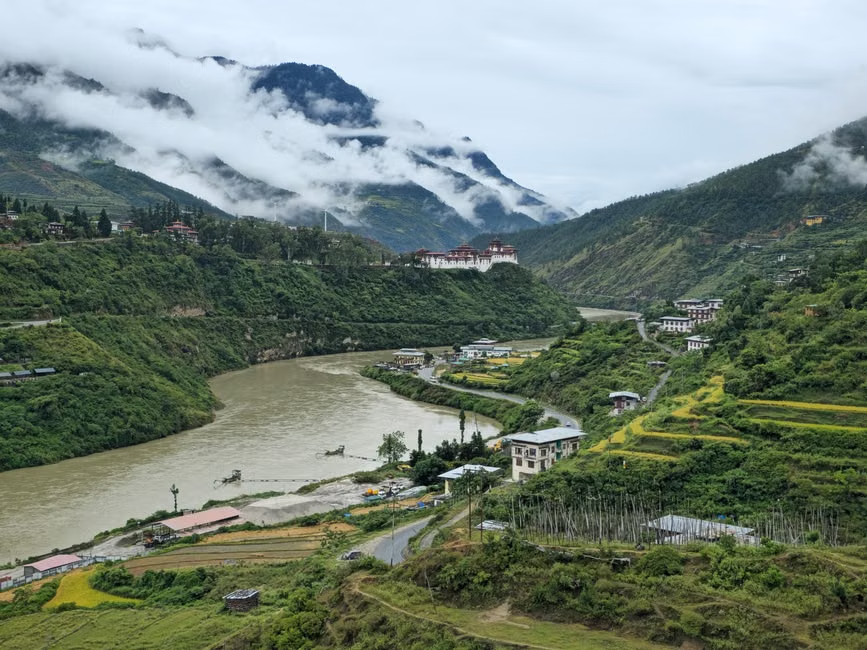
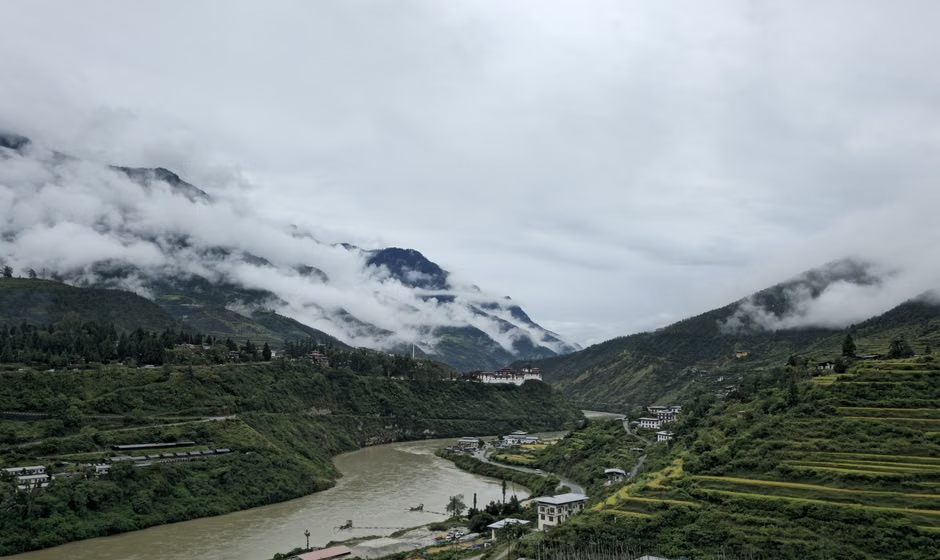
- Dramatic Himalayan valley scenery with the Punatsangchhu and Dangchhu rivers as natural backdrops
- Wangdue Phodrang Dzong — a restored 17th-century fortress — provides an unmatched cultural and architectural setting
- Bhutan's strict 'high value, low impact' tourism policy ensures exclusivity and privacy for celebrations
- Proximity to Punakha (approx. 20 km) expands venue and accommodation options for guests
- Deeply authentic Bhutanese hospitality and traditional cuisine offer a genuinely immersive cultural experience
- Best season (Mar–May, Sep–Nov) delivers clear skies, blooming landscapes, and comfortable temperatures for outdoor events
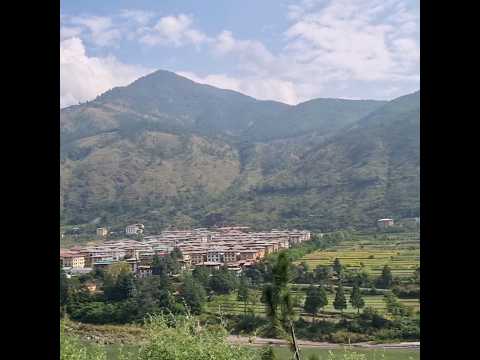
Top Venues in Wangdue Phodrang
Amankora Punakha
Dhensa Boutique Resorts
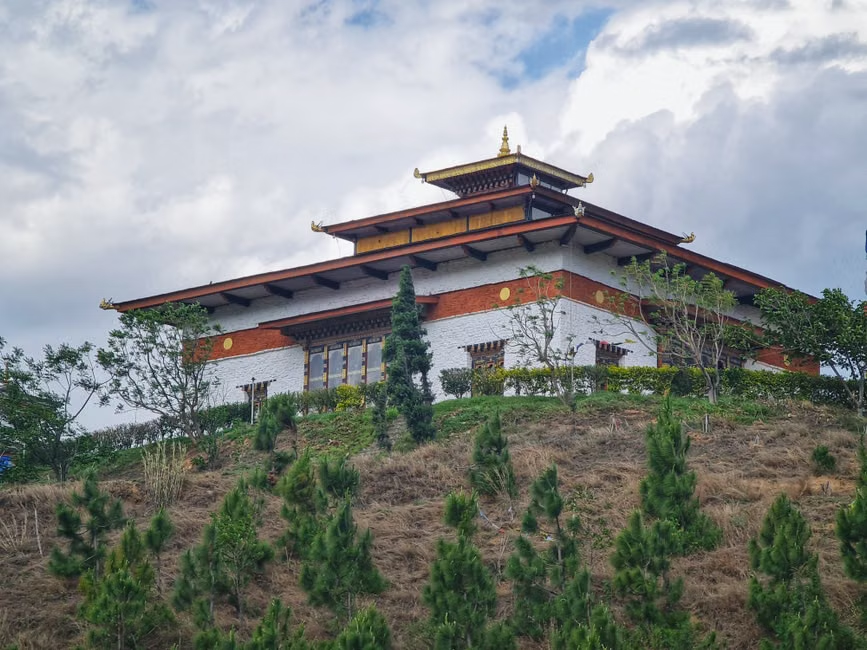
Kichu Resort
Compare Wangdue Phodrang with Other Top Destinations
Frequently Asked Questions
Is Wangdue Phodrang a good destination for a small wedding?
Yes, particularly so. Wangdue Phodrang and the adjacent Punakha Valley are ideally suited to intimate weddings of up to around 60 guests. The boutique resort properties, dramatic Himalayan scenery, and authentic Bhutanese cultural setting create a deeply memorable experience for small, meaning-focused celebrations. It is not well-suited to large weddings requiring high-capacity venues.
What is the best time of year to hold a celebration in Wangdue Phodrang?
The best periods are spring (March, April, May) and autumn (September, October, November). Both offer clear skies, comfortable temperatures, and accessible roads. Spring brings blooming landscapes; autumn delivers exceptional visibility and golden harvest scenery. Monsoon (June–August) and winter (December–February) are generally unsuitable for outdoor celebrations due to heavy rain and cold respectively.
How do guests travel to Wangdue Phodrang for an event?
All guests fly into Paro International Airport — Bhutan's only international airport — and then travel by road to Wangdue Phodrang, a scenic drive of approximately 3 to 3.5 hours. There is no railway network in Bhutan. All foreign visitors require a Bhutan visa and must travel through a licensed Bhutanese tour operator, so coordinated group transfers are the standard approach for event guests.
What kinds of venues are available for events in Wangdue Phodrang?
The venue landscape consists primarily of boutique resort properties, heritage-influenced lodges, and outdoor spaces such as riverside terraces and mountain-view lawns. Large ballroom-style banquet halls are not available here. The setting favours intimate, nature-integrated ceremonies and private receptions rather than large-format productions. Many properties can be booked exclusively for a celebration group.
How many guests can realistically be accommodated for a celebration in this area?
The Wangdue Phodrang and Punakha Valley area comfortably supports celebrations of up to approximately 60–80 guests when accommodation across multiple nearby properties is coordinated. Beyond this size, the local inventory becomes stretched. This destination is genuinely best suited to small, intimate gatherings rather than large wedding parties.
Do I need to work with a local Bhutanese operator to plan an event here?
Yes. Bhutan's tourism regulations require all foreign visitors to travel through a licensed Bhutanese tour operator, which means event planning here inherently involves local specialists. This is actually an advantage — experienced local operators have deep knowledge of permits, cultural protocols, logistics, and vendor coordination, and their involvement significantly improves event quality and reliability.
Can specialist wedding vendors (photographers, florists, etc.) travel to Wangdue Phodrang from outside Bhutan?
Yes, but it requires advance planning. Visiting professionals must comply with Bhutan's tourism permit requirements, which means they need to be registered through a licensed tour operator and plan their travel well ahead of the event date — typically several months in advance. Couples planning to bring specialist vendors from India or elsewhere should factor this into their timeline.
What makes a celebration in Wangdue Phodrang genuinely distinctive compared to other destinations?
The combination of Bhutan's ancient dzong architecture, Buddhist cultural traditions, Himalayan river valley scenery, and the country's inherent exclusivity (due to its high-value, low-volume tourism model) creates a setting that is genuinely unlike any conventional destination wedding market. The journey to Bhutan itself becomes part of the celebration experience for guests.
Is Wangdue Phodrang safe for international guests attending a wedding or event?
Yes. Bhutan is consistently regarded as one of the safest countries in Asia for travellers. Crime rates are very low, the local population is welcoming, and the government's tourism framework means that visiting guests are well-supported throughout their stay. Standard travel precautions apply, particularly regarding mountain road travel and altitude awareness.
What local cultural experiences can be incorporated into a celebration itinerary in Wangdue Phodrang?
The region offers genuinely distinctive cultural additions: visits to Wangdue Phodrang Dzong, traditional archery demonstrations, local weaving and craft experiences, monastery visits, and performances by traditional Bhutanese musicians and dancers. These can be woven into a multi-day celebration itinerary to give guests an immersive experience well beyond the event itself.
How reliable is internet and mobile connectivity for guests staying in Wangdue Phodrang?
Connectivity is improving but remains limited compared to major urban destinations. Most resort properties offer Wi-Fi, though speeds and reliability vary. Mobile coverage exists in the main valley areas but can be patchy in more remote locations. Guests who require consistently high-speed internet throughout their stay should confirm connectivity specifics directly with their accommodation property before booking.

Ready to explore venues in Wangdue Phodrang?
Wangdue Phodrang: Destination Wedding & Celebration Venues in Bhutan
◆Wangdue Phodrang is best suited to small, intimate weddings, private family celebrations, and culturally immersive events for guests who prioritise exclusivity, Himalayan scenery, and authentic Bhutanese heritage over large-scale logistics. Its primary vibe is Cultural & Timeless — shaped by ancient dzong architecture, Buddhist traditions, and dramatic river valley landscapes. The destination works particularly well for elopements, micro-weddings, and milestone private gatherings. The optimal seasons are spring (March–May) and autumn (September–November), when weather is clear and accessible. Guest travel requires advance planning — Bhutan is reached only via Paro International Airport, with no rail access — making this a destination for committed, experience-driven celebrations rather than large, logistically straightforward events.
Wangdue Phodrang at a Glance
| Attribute | Detail |
|---|---|
| Best For | Intimate weddings, elopements, private family milestones, cultural immersion events |
| Primary Vibe | Cultural & Timeless |
| Other Vibes | Serene, Himalayan, Heritage, Intimate |
| Best Season | Spring (Mar, Apr, May, Sep, Oct, Nov) |
Why Choose Wangdue Phodrang?
- Unmatched cultural authenticity: The restored Wangdue Phodrang Dzong — a 17th-century fortress overlooking the confluence of the Punatsangchhu and Dangchhu rivers — provides a ceremonial and visual backdrop that is genuinely unlike anything available in conventional destination wedding markets.
- Exclusivity by design: Bhutan's national tourism philosophy of high value, low volume means that any celebration here is inherently private and uncrowded. There are no mass-market resort strips or competing wedding parties sharing the same venue on the same weekend.
- Proximity to Punakha Valley: The Punakha Valley, approximately 20 km from Wangdue Phodrang town, significantly expands the range of accommodation and event spaces available to guests, including some of the most celebrated boutique luxury properties in Bhutan.
- Himalayan scenery as a natural event backdrop: River valleys, terraced farmland, forested ridgelines, and snow-capped peaks in the distance create a naturally dramatic setting for outdoor ceremonies, photography, and post-event experiences without any artificial decoration required.
- Deeply rooted local hospitality: Bhutanese hospitality culture — grounded in Buddhist values of warmth, mindfulness, and care — translates into a genuinely attentive guest experience that larger, more commercialised destinations often cannot replicate.
- Ideal season length: With two distinct good-weather windows (spring and autumn), couples have meaningful flexibility in scheduling, and both seasons offer their own character — spring brings rhododendron blooms and warming temperatures, while autumn delivers crystal-clear skies and the golden light of harvest season.
Which Celebrations Work Best in Wangdue Phodrang?
- Intimate destination weddings: Wangdue Phodrang is particularly well-suited to small wedding parties — typically under 60 guests — where the emphasis is on meaning, scenery, and cultural depth rather than scale. The local venue inventory comfortably supports this size, and the Bhutanese setting lends a ceremony a sense of occasion that is difficult to manufacture elsewhere.
- Elopements and micro-weddings: For couples seeking a truly private, personal ceremony with minimal guests, Wangdue Phodrang's seclusion and natural grandeur make it an exceptional choice. The logistics of reaching Bhutan naturally self-select for a smaller, committed guest list.
- Milestone family celebrations: Significant anniversaries, landmark birthdays, or multi-generational family gatherings benefit from the destination's combination of luxury accommodation options (particularly in the adjacent Punakha Valley), cultural experiences, and the sense of shared adventure that comes with travelling to Bhutan together.
- Spiritual and wellness retreats with a celebratory element: Given Bhutan's Buddhist heritage and the prevalence of meditation centres, monasteries, and wellness-oriented resorts in the region, celebrations that incorporate a mindfulness, wellness, or spiritual dimension find a genuinely appropriate home here.
Venues & Event Spaces
The venue landscape in and around Wangdue Phodrang is characterised by boutique resort properties, traditional Bhutanese farmhouse-style lodges, and heritage-influenced accommodation with outdoor lawns and terraces suited to small ceremonies. Larger ballroom-style banquet halls are not a feature of this destination — the event infrastructure here is deliberately intimate and nature-integrated rather than convention-centre in character.
Outdoor spaces — riverside terraces, mountain-view lawns, and dzong-facing courtyards — are among the most compelling event settings available. Many properties in the broader Punakha–Wangdue corridor are designed with Bhutanese architectural traditions in mind, using local stone, timber, and craftsmanship, which gives even a simple outdoor ceremony a strong sense of place. Indoor event spaces tend to be smaller and more atmospheric than capacious, making them well-suited to seated dinners, private receptions, and intimate gatherings rather than large-format productions.
Couples and planners should note that venue exclusivity — booking an entire property for a celebration — is both feasible and common in this region given the boutique scale of most properties, and this approach is generally recommended for a cohesive guest experience.
Best Time to Celebrate
The curated best seasons for Wangdue Phodrang are spring (March, April, May) and autumn (September, October, November), and both windows are genuinely excellent for different reasons.
Spring brings warming temperatures after winter, with rhododendrons and wildflowers in bloom across the valley slopes. March and April are particularly photogenic, with clear skies and a freshness to the landscape that makes outdoor ceremonies especially beautiful. May is slightly warmer and can see the early edges of pre-monsoon humidity, but generally remains very pleasant.
Autumn — particularly October and November — is widely considered the finest time to be in Bhutan. Post-monsoon skies are exceptionally clear, Himalayan peaks are visible, the harvest season brings a golden quality to the terraced farmland, and temperatures are comfortable without being cold. September marks the transition out of monsoon and can still see some residual rainfall early in the month, but conditions improve steadily.
Monsoon (June–August) brings heavy rainfall, elevated landslide risk on mountain roads, and significantly reduced visibility. Road access to Wangdue Phodrang from Paro can be disrupted, and outdoor events become unreliable. This period is genuinely unsuitable for destination celebrations.
Winter (December–February) brings cold temperatures — particularly at night and at higher elevations — and some high-altitude passes and roads may become difficult or temporarily impassable. While Wangdue Phodrang's valley floor remains accessible, the cold limits outdoor event comfort significantly, and the overall guest experience is more challenging. These months are best avoided for celebrations unless the couple specifically wants a winter aesthetic and has planned logistics carefully.
Getting There & Local Connectivity
All international guests arrive in Bhutan via Paro International Airport, which is the country's only international airport. From Paro, Wangdue Phodrang is reached by road — a scenic drive of approximately 3 to 3.5 hours through Thimphu and over the Dochu La pass, depending on road conditions and stops. This road journey is itself a significant part of the Bhutan experience, passing through pine forests, mountain passes adorned with prayer flags, and traditional villages.
There is no railway network in Bhutan, so road travel is the only option once guests have landed at Paro. For event groups, private vehicle convoys or coordinated transfers arranged through local tour operators are the standard approach. Bhutan's road infrastructure is generally well-maintained on the main Paro–Thimphu–Punakha–Wangdue corridor, though mountain driving requires experienced local drivers and adequate time allowances.
Within the Wangdue Phodrang and Punakha area, local movement is straightforward for small groups — distances between key sites, accommodation, and event venues are manageable, and most properties can coordinate local transport for guests. However, the destination is not suited to large groups who need to move independently or spontaneously; coordinated group logistics managed by a local operator are strongly recommended.
All foreign visitors to Bhutan require a visa and must travel through a licensed Bhutanese tour operator, which means event planning here inherently involves working with local specialists — a factor that actually benefits event quality, as these operators have deep knowledge of local logistics, permits, and cultural protocols.
Local Vendor & Hospitality Ecosystem
Bhutan's hospitality sector, while smaller in absolute scale than major Indian destination wedding markets, is highly professional within its niche. Properties in the Punakha–Wangdue corridor — particularly those affiliated with international luxury brands or well-established independent operators — have experience hosting private celebrations and can coordinate catering, décor, and event logistics to a high standard.
Local catering draws on Bhutanese culinary traditions — featuring dishes like ema datshi (chilli and cheese), red rice, and locally sourced meats and vegetables — which can be a genuinely memorable and distinctive element of a celebration menu. Most properties can also accommodate international cuisine preferences for guests who require it.
The vendor ecosystem for specialist wedding services (floral design, photography, entertainment, bespoke décor) is more limited locally than in established Indian destination wedding markets. Couples planning elaborate productions should expect to bring specialist vendors from outside Bhutan, factoring in the country's tourism permit requirements for visiting professionals. This is a manageable process but requires advance planning — typically several months ahead of the event date.
Cultural performers, traditional musicians, and local artisans are available and can add an authentically Bhutanese dimension to celebrations — this is an area where local operators excel and where the destination genuinely differentiates itself.
Pros & Things to Consider
Why Wangdue Phodrang Works Well
- Extraordinary natural and cultural scenery that requires minimal artificial enhancement for events
- Genuine exclusivity — Bhutan's tourism model prevents overcrowding and ensures a private atmosphere
- Deeply authentic local hospitality culture that prioritises guest wellbeing
- Two generous good-weather windows (spring and autumn) offering scheduling flexibility
- Proximity to Punakha Valley expands accommodation and venue options meaningfully
- The destination itself is a memorable experience for guests — the journey to Bhutan is part of the celebration
Things to Consider
- Guest travel is genuinely complex — Bhutan requires a visa, a licensed tour operator, and a long-haul or connecting flight to Paro, which may deter some guests or require significant advance coordination
- Venue capacity is inherently limited — the destination is not suited to weddings or events exceeding approximately 60–80 guests without very careful planning across multiple properties
- Specialist wedding vendors (photographers, florists, entertainment) may need to be brought in from outside Bhutan, adding logistical layers and lead time
- Monsoon season (June–August) and winter (December–February) are genuinely unsuitable for outdoor celebrations, narrowing the usable calendar compared to some other destinations
- Internet and mobile connectivity, while improving, remains limited in some resort areas — guests who need reliable high-speed connectivity throughout their stay should confirm this with their specific property in advance
When Wangdue Phodrang May Not Be the Right Fit
- Large guest lists: If your celebration involves more than 80–100 guests, the local venue and accommodation inventory in Wangdue Phodrang and the adjacent Punakha Valley will be stretched. A destination with a larger, more developed hospitality infrastructure would serve a big wedding party more comfortably.
- Guests with limited travel flexibility: The requirement for a Bhutan visa, a licensed tour operator, and travel via Paro International Airport (which has limited international connections) means that guests who cannot plan well in advance, have restricted travel documents, or find long journeys difficult may struggle to attend. This is a real consideration for mixed guest lists.
- Monsoon-season plans: Any celebration planned between June and August faces significant risk from heavy rainfall, potential road disruption, and unreliable outdoor conditions. If your preferred dates fall in this window, a different destination is strongly advisable.
- Events requiring large-scale production infrastructure: Couples envisioning elaborate stage productions, large sound systems, extensive lighting rigs, or complex multi-day event formats will find the local vendor and infrastructure ecosystem limiting. Wangdue Phodrang excels at intimate, atmosphere-led celebrations — not large-format productions.