
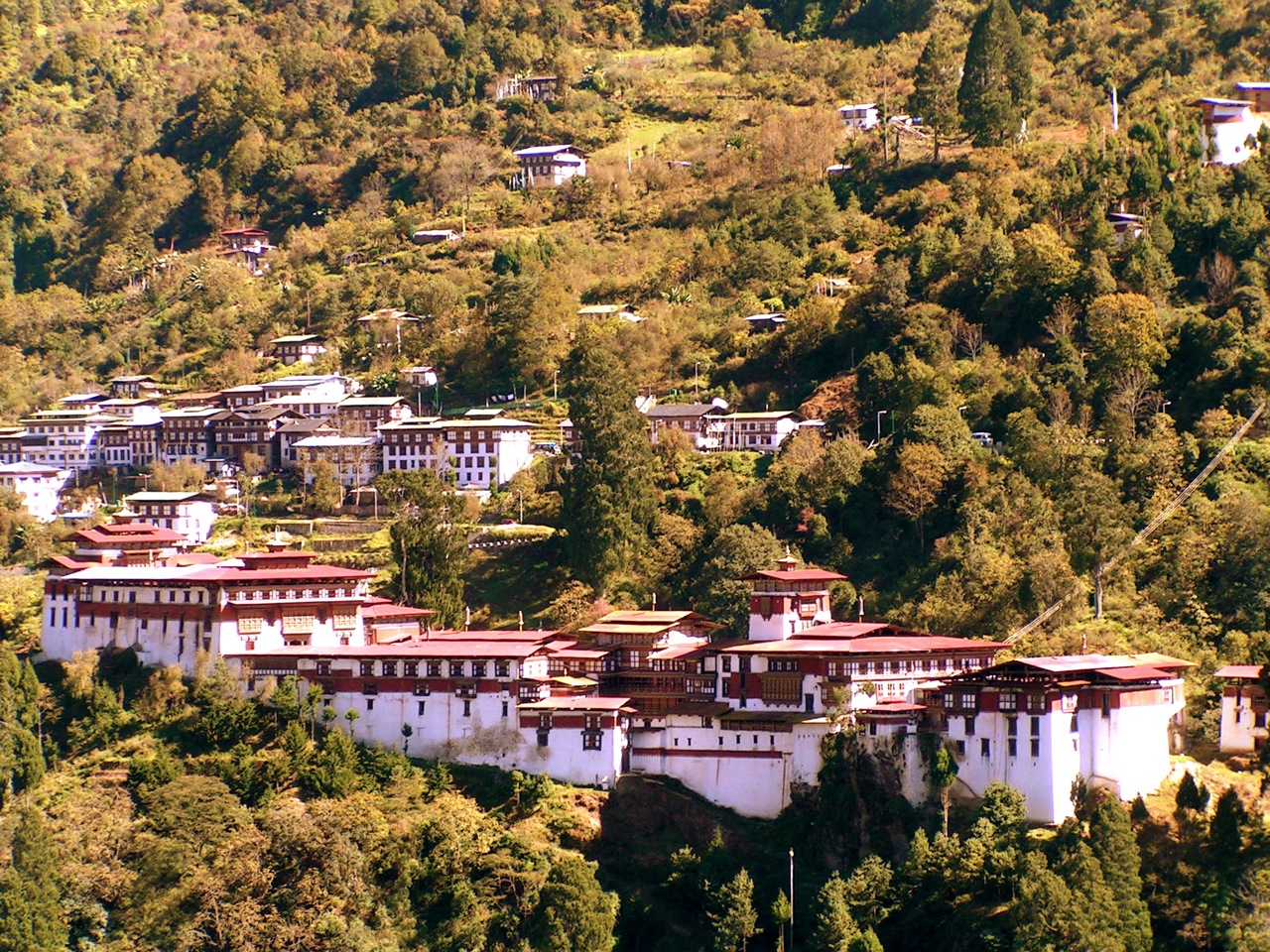
Why Trongsa is Perfect for Your Celebration
- Home to Trongsa Dzong, the ancestral seat of Bhutan's royal family — an unmatched heritage backdrop for ceremonies
- Exceptionally private and exclusive setting; ideal for intimate gatherings away from mass tourism
- Deeply authentic Bhutanese cultural experiences — traditional music, masked dances, and local cuisine — naturally enrich celebrations
- Misty mountain valley scenery and dramatic gorge landscapes provide extraordinary photography opportunities
- Spring and autumn seasons offer clear skies, blooming rhododendrons or golden foliage, and comfortable temperatures for outdoor events
- Bhutan's strict tourism policy ensures a pristine, uncrowded environment that makes every celebration feel truly special

Top Venues in Trongsa
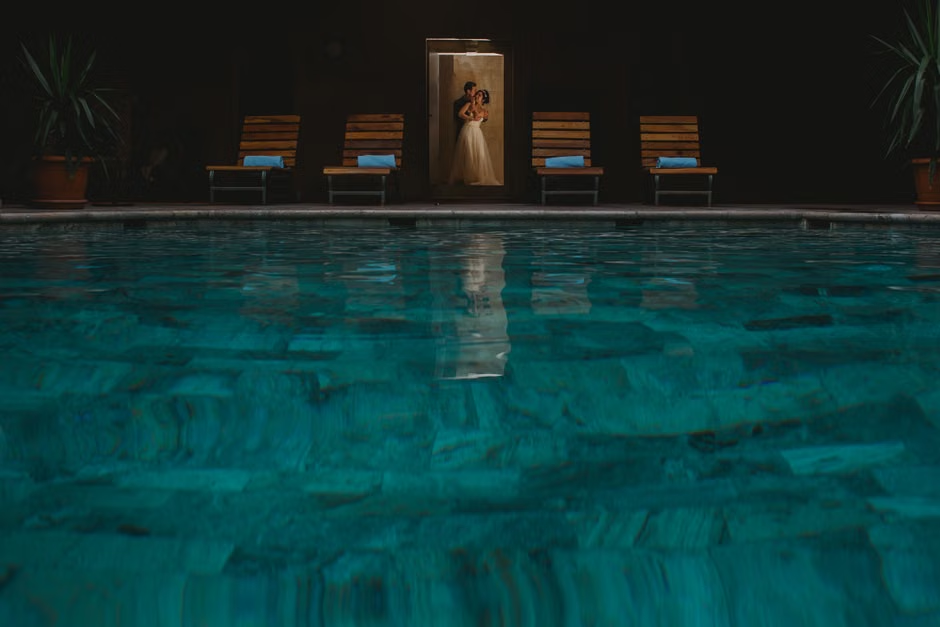
Yangkhil Resort
Compare Trongsa with Other Top Destinations
Frequently Asked Questions
Is Trongsa a good destination for an intimate wedding?
Yes. Trongsa is particularly well-suited to small, intimate weddings of 20–60 guests. The combination of Trongsa Dzong's dramatic heritage backdrop, mountain valley scenery, and deeply authentic Bhutanese culture creates a ceremony environment that is genuinely extraordinary. The destination's limited scale is an asset for couples who prioritise exclusivity, privacy, and cultural depth over large-scale production.
What is the best time of year to hold a celebration in Trongsa?
Spring (March, April, May) and autumn (September, October, November) are the best periods. Both offer clear skies, comfortable temperatures, and the landscape at its most photogenic — rhododendron blooms in spring, golden foliage and crisp air in autumn. October is widely considered the single best month for events in central Bhutan. The monsoon (June–August) and deep winter (December–February) are best avoided.
How do guests get to Trongsa for a destination event?
All international guests enter Bhutan through Paro International Airport and then travel overland — a journey of roughly two days to Trongsa, typically with an overnight stop en route. The nearest domestic airport (Bathpalathang, Bumthang) is approximately 70 km away and reduces the final road leg, but domestic flights are limited and weather-dependent. Indian nationals can also enter overland via border crossings such as Phuentsholing.
How many guests can Trongsa realistically accommodate for a destination event?
Trongsa's hospitality infrastructure comfortably supports intimate gatherings of roughly 20–80 guests when accommodation is consolidated across the town's available properties. Groups larger than this would need guests to stay in surrounding areas with additional transfers, which adds logistical complexity. The destination is genuinely best suited to smaller, cohesive guest groups rather than large-scale events.
Do I need a special permit or visa to hold an event in Bhutan?
Yes. All international visitors to Bhutan — including event guests — must obtain a Bhutan visa and travel through a licensed Bhutanese tour operator. This is a national requirement, not specific to events. Planning a celebration in Trongsa therefore requires early engagement with an experienced, licensed Bhutan-specialist operator who can manage permits, logistics, and vendor coordination for the entire group.
What kinds of venues and event spaces are available in Trongsa?
Trongsa offers small resort-style properties with traditional Bhutanese architecture, outdoor terraces, and garden spaces suitable for ceremonies and intimate receptions. The aesthetic is defined by stone, timber, and heritage character. Large ballrooms, convention halls, or multi-venue production spaces are not available — the destination suits a single-venue or two-venue approach for a cohesive, close-knit celebration.
Can local vendors in Trongsa handle wedding catering and décor?
Local teams handle traditional Bhutanese catering — red rice, ema datshi, momos, and seasonal produce — with genuine skill and authenticity. For contemporary floral design, international cuisine, or large-scale audio-visual production, vendors typically need to be sourced from Thimphu or Paro and transported in. Early planning and coordination through a licensed operator is essential for any specialist requirements.
Is Trongsa safe for international guests travelling for a celebration?
Yes. Bhutan is consistently regarded as one of the safest countries in Asia for travellers. Trongsa itself is a small, peaceful town with very low crime. The primary safety considerations are practical rather than security-related: mountain road conditions during monsoon or winter, and the importance of travel insurance and flexible itineraries given the remoteness of the location.
What makes Trongsa culturally distinctive as a wedding destination?
Trongsa is the ancestral seat of Bhutan's royal Wangchuck dynasty and home to the country's largest and most historically significant dzong. This gives the destination a depth of royal and cultural heritage that is unique in Bhutan. Traditional masked Cham dances, handwoven textiles, Buddhist ceremonial practices, and local festivals can be authentically incorporated into a celebration — not as staged performances, but as living expressions of local culture.
What is connectivity like in Trongsa during an event?
Internet and mobile connectivity in Trongsa is limited compared to Bhutan's urban centres like Thimphu or Paro. Basic mobile coverage is generally available in the town, but high-speed or reliable broadband cannot be assumed. Guests and planners should treat connectivity as a supplement rather than a given, and any event elements that depend on live streaming or consistent internet access should be planned with contingencies.
Is Trongsa suitable for a multi-day celebration itinerary?
Yes, and it is arguably the ideal format for this destination. A multi-day itinerary — combining a central ceremony with cultural excursions to the dzong, surrounding valleys, local monasteries, and traditional craft experiences — makes the most of what Trongsa offers. Guests who travel this far benefit greatly from a programme that extends beyond a single event day and immerses them in the destination's character.

Ready to explore venues in Trongsa?
Trongsa: Destination Wedding & Cultural Celebration Venues in Bhutan
◆Trongsa is Bhutan's most historically significant town and the ancestral seat of the country's royal dynasty, making it one of the most culturally profound — and genuinely rare — settings for an intimate destination wedding or private celebration. Its primary strength is cultural immersion and heritage: the dramatic Trongsa Dzong, misty mountain valleys, and living Bhutanese traditions create an atmosphere that no purpose-built resort destination can replicate. It suits small, intimate weddings, private milestone celebrations, and cultural retreats best. The optimal seasons are spring (March–May) and autumn (September–November). Accessibility is limited — guests must travel through Bhutan's controlled tourism system — making this a destination for those who prioritise exclusivity and authenticity over convenience or scale.
Trongsa at a Glance
| Attribute | Detail |
|---|---|
| Best For | Intimate Weddings, Private Milestone Celebrations, Cultural Retreats, Elopements |
| Primary Vibe | Cultural & Timeless |
| Other Vibes | Heritage, Mystical, Secluded, Royal |
| Best Season | Spring (Mar, Apr, May, Sep, Oct, Nov) |
Why Choose Trongsa?
- Unrivalled royal and dzong heritage: Trongsa Dzong — the largest dzong in Bhutan and the ancestral home of the Wangchuck royal dynasty — provides a ceremonial and visual backdrop that is genuinely unique in the world. No other destination offers this specific combination of living royal history and dramatic fortress architecture.
- Extraordinary natural scenery: Perched above a deep river gorge and surrounded by forested mountain ridges, Trongsa's landscape is dramatic and photogenic in every season. Spring brings rhododendron blooms; autumn delivers crisp air and golden light — both exceptional for outdoor ceremonies and photography.
- Genuine privacy and exclusivity: Bhutan's tourism policy — which limits visitor numbers and requires all international guests to travel through licensed operators — means Trongsa never feels crowded. A celebration here is inherently exclusive, with no risk of the destination feeling overrun.
- Deep cultural authenticity: Local traditions — masked Cham dances, traditional Bhutanese cuisine, handwoven textiles, and Buddhist ceremonial practices — can be meaningfully woven into a celebration in ways that feel genuine rather than staged, because they are part of everyday life in Trongsa.
- Intimate scale suits small guest lists: The town's hospitality infrastructure, while modest, is well-suited to groups of 20–80 guests who want a cohesive, close-knit experience rather than a large-scale production.
- Pristine environment: Bhutan's constitutional commitment to environmental conservation means the landscapes around Trongsa are exceptionally well-preserved — clean air, dense forests, and unpolluted rivers contribute to a setting that feels genuinely unspoiled.
Which Celebrations Work Best in Trongsa?
- Intimate destination weddings: Trongsa is particularly well-suited to small, meaningful weddings where the setting and cultural experience matter more than scale. The dzong backdrop, mountain scenery, and Bhutanese hospitality create a ceremony environment that is deeply memorable for both the couple and their guests.
- Elopements and micro-weddings: For couples seeking a truly private, just-the-two-of-us or very small gathering experience, Trongsa's remoteness and intimate infrastructure are genuine assets rather than limitations.
- Private milestone celebrations: Significant anniversaries, landmark birthdays, or family reunion gatherings benefit from Trongsa's combination of exclusivity, cultural richness, and natural beauty — events where the experience of being somewhere extraordinary is itself the gift.
- Cultural retreats and pre-wedding experiences: Groups who want to build a multi-day cultural journey around a central celebration — visiting dzongs, attending local festivals, trekking in the surrounding valleys — will find Trongsa an ideal base for a celebration that extends beyond a single event day.
Venues & Event Spaces
Trongsa's venue landscape is intimate by nature. The town offers small resort-style properties with mountain and valley views, some of which have outdoor terraces and garden spaces suitable for ceremonies and small receptions. Traditional Bhutanese architecture — stone walls, timber detailing, and sloping roofs — defines the aesthetic of most properties, giving every indoor and outdoor space a distinctive heritage character without any artificial theming.
Outdoor spaces in and around Trongsa — forested clearings, riverside areas, and viewpoints overlooking the dzong — can be used for ceremonies with appropriate permissions and planning through licensed Bhutanese tour operators. The dzong itself and its immediate surroundings are a protected heritage site and are not available as a private event venue, but they form an extraordinary visual backdrop for photography and ceremonial processions in the vicinity.
Given the scale of the local hospitality infrastructure, events in Trongsa are best planned for groups that can be accommodated across one or two properties, with a cohesive, single-venue or two-venue approach. Large multi-venue productions requiring extensive banquet halls, ballrooms, or convention-scale spaces are not available here — and that is precisely the point for the couples and hosts who choose this destination.
Best Time to Celebrate
The curated best seasons for Trongsa are spring (March, April, May) and autumn (September, October, November), and both have distinct character worth understanding when planning.
Spring (March–May) brings warming temperatures after winter, with rhododendron forests in bloom across the surrounding hillsides. Skies are generally clear, mountain views are sharp, and the landscape is lush and colourful. March can still carry some residual winter chill at higher elevations, while April and May are typically the most comfortable months for outdoor events.
Autumn (September–November) follows the monsoon season and offers some of the clearest skies of the year. The air is crisp and clean, visibility is excellent, and the forests take on golden and amber tones. October is widely considered the single best month for events in central Bhutan — stable weather, spectacular light, and a festive atmosphere as local harvest and religious festivals often coincide.
Monsoon (June–August) brings heavy and persistent rainfall to Trongsa. Mountain roads — the only access routes — become vulnerable to landslides and washouts, making logistics genuinely risky. Outdoor events are largely impractical, and the risk of travel disruption for guests is significant. This period is best avoided for event planning.
Winter (December–February) brings cold temperatures, frost, and occasional snowfall at higher elevations around Trongsa. While the town itself rarely sees heavy snow, temperatures can drop sharply at night, road conditions can be difficult, and the overall environment is challenging for outdoor celebrations. Some properties may have reduced services during the deepest winter months.
Getting There & Local Connectivity
Reaching Trongsa requires advance planning and is a multi-stage journey for most guests. All international visitors to Bhutan must enter through Paro International Airport, the country's only international gateway, and then travel overland. Trongsa is located in central Bhutan, roughly midway along the east-west highway, and the road journey from Paro typically takes the better part of two days, with an overnight stop commonly made in Punakha or Wangdue Phodrang.
The nearest domestic airport is at Bathpalathang in the Bumthang valley, which is served by Bhutan's domestic airline on select routes from Paro. This reduces the overland journey to Trongsa significantly — Bumthang is approximately 70 km from Trongsa town — but domestic flight availability is limited and subject to weather cancellations, so it should be treated as a supplement to road planning rather than a guaranteed shortcut.
Within Trongsa itself, movement is straightforward given the town's compact size. Local transport for a guest group is typically arranged through the licensed tour operator managing the visit, with vehicles provided as part of the overall travel package. Bhutan's tourism regulations require all international visitors to travel with a licensed operator, which in practice means group logistics — transfers, local excursions, and inter-property movement — are handled centrally rather than independently. This is both a convenience and a constraint: it simplifies coordination but limits spontaneous flexibility.
Indian nationals have a somewhat simpler entry process into Bhutan and can travel overland from border crossings such as Phuentsholing, making Trongsa more accessible for Indian guests than for those travelling from further afield. For international guests from outside the subcontinent, the journey is longer and requires more careful itinerary planning.
Local Vendor & Hospitality Ecosystem
Trongsa's vendor ecosystem is small, deeply local, and genuinely authentic — which is both its greatest strength and its most important planning consideration. Local caterers and hospitality teams are experienced in preparing traditional Bhutanese cuisine, and incorporating local food — red rice, ema datshi, momos, and seasonal produce — into a celebration menu is both natural and strongly recommended as part of the cultural experience.
For elements that go beyond traditional Bhutanese hospitality — contemporary floral design, international cuisine, large-scale audio-visual production, or specialist wedding photography — planners should expect to bring vendors in from Thimphu or Paro, or in some cases from outside Bhutan entirely. This adds logistical complexity and lead time to the planning process, and it is an important factor to account for early.
Licensed Bhutanese tour operators — who are a mandatory part of any international visit — often have established relationships with local vendors and can coordinate cultural performances, traditional décor, and ceremonial elements that would be difficult to source independently. Working closely with an experienced Bhutan-specialist operator is strongly advisable for any event of meaningful scale.
The hospitality teams at Trongsa's properties are generally warm, attentive, and proud of their cultural heritage — qualities that translate well into event hosting. Service standards are genuine rather than polished in a corporate-hotel sense, which suits the destination's character well but may require adjustment of expectations for guests accustomed to large international hotel brands.
Pros & Things to Consider
Why Trongsa Works Well
- Genuinely one-of-a-kind heritage setting — Trongsa Dzong and the surrounding mountain landscape are irreplaceable as a ceremonial backdrop
- Bhutan's tourism policy guarantees an uncrowded, exclusive atmosphere that cannot be replicated in more accessible destinations
- Spring and autumn seasons offer reliably good weather with dramatic natural beauty at its peak
- Deep cultural authenticity — local traditions, cuisine, and craftsmanship enrich celebrations in ways that feel real rather than performed
- Very safe environment; Bhutan consistently ranks among the safest countries in Asia for travellers
- Intimate scale creates a naturally cohesive guest experience — everyone stays close, shares the same environment, and the celebration feels unified
Things to Consider
- Accessibility is genuinely challenging — multi-day overland journeys or limited domestic flights mean guests need significant advance planning and flexibility
- Accommodation capacity is limited; large guest lists (100+) cannot be comfortably housed in Trongsa itself and would require guests to stay in surrounding areas with additional transfers
- Specialist vendors (contemporary floral, AV production, international cuisine) must typically be sourced from Thimphu or Paro and transported in, adding cost and complexity
- Bhutan's mandatory licensed-operator requirement means independent planning is not possible — all logistics must flow through an approved operator, which requires early engagement
- Internet and mobile connectivity in Trongsa is limited compared to urban centres — guests and planners should not rely on consistent high-speed connectivity during the event
- Winter months can bring difficult road conditions and cold temperatures that make outdoor events impractical
When Trongsa May Not Be the Right Fit
- Large guest lists: If your celebration involves more than 80–100 guests, Trongsa's current accommodation and venue infrastructure will struggle to support the group comfortably in one place. A destination with larger resort or hotel capacity would serve a bigger gathering better.
- Guests with limited travel flexibility: The multi-day journey required to reach Trongsa — whether via Paro and overland, or via domestic flight — is a significant commitment. If a meaningful portion of your guest list has mobility limitations, very tight travel schedules, or low tolerance for long road journeys on mountain roads, a more accessible destination would be a kinder choice.
- Monsoon-season events: Planning an outdoor or partially outdoor celebration between June and August carries real risk of disruption from heavy rainfall and potential road closures. If your dates fall in this window, Trongsa is not advisable.
- Events requiring large-scale production infrastructure: If your vision involves extensive stage production, large ballrooms, international DJ acts, or a vendor ecosystem that needs to be on-site and easily resupplied, Trongsa's remote location and limited local vendor base will create significant logistical friction. A destination with a more mature events industry would be a more practical fit.