
Why Trashigang is Perfect for Your Celebration
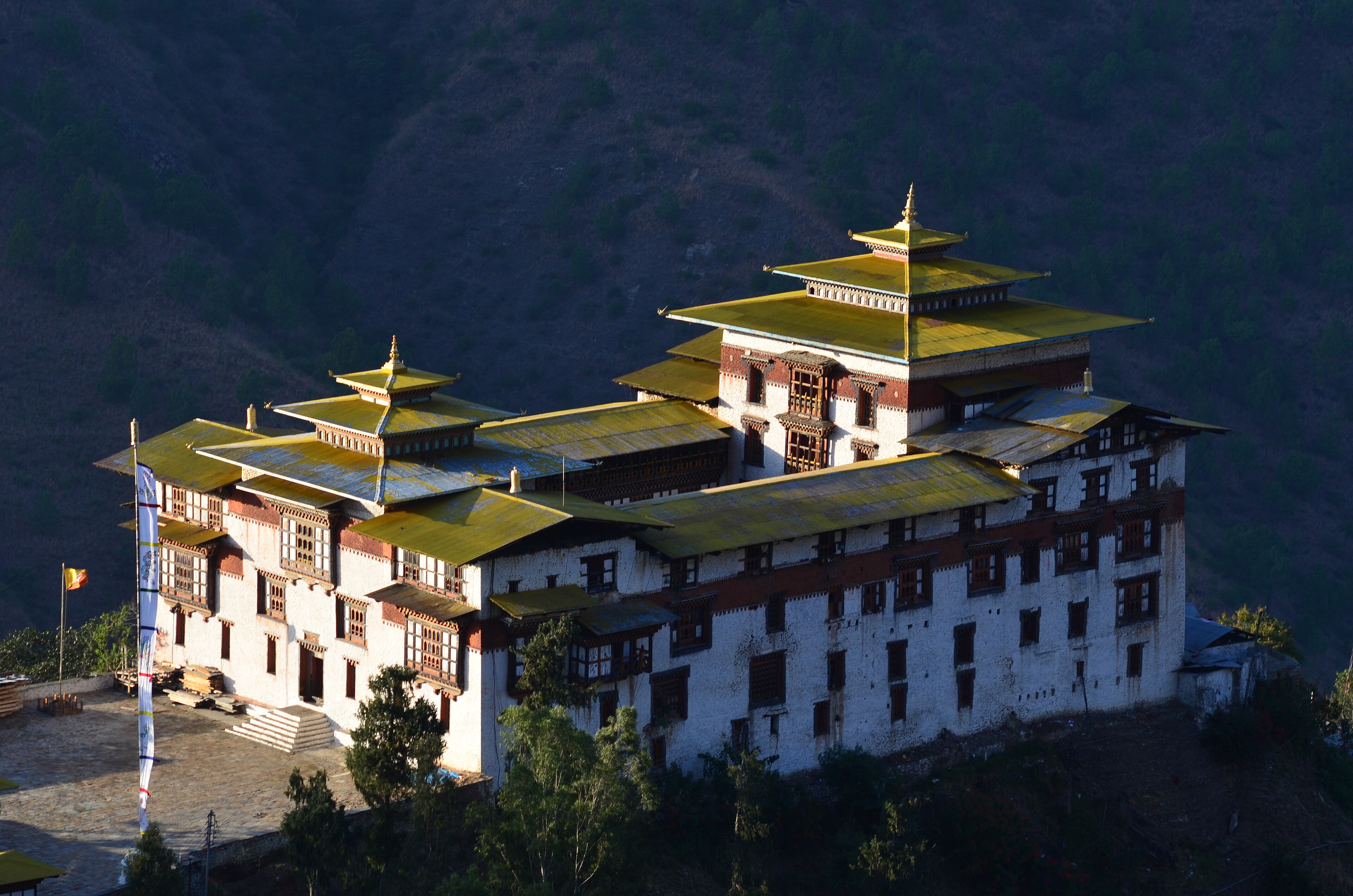
- Trashigang Dzong — a 17th-century fortress-monastery — provides a breathtaking, historically resonant backdrop unique to eastern Bhutan
- Exceptional cultural immersion: Tshechu festivals, traditional Bhutanese architecture, and living monastic culture surround every event
- Genuine seclusion and privacy — ideal for intimate gatherings where exclusivity and authenticity matter more than scale
- Dramatic natural scenery: deep river gorges, forested ridgelines, and Himalayan foothills frame every outdoor moment
- Best visited in spring and autumn when mountain roads are clear, skies are crisp, and the landscape is at its most vivid
- Bhutan's strict tourism policy naturally limits crowds, ensuring a private, unhurried atmosphere for any celebration
Compare Trashigang with Other Top Destinations
Frequently Asked Questions
Is Trashigang suitable for a destination wedding?
Yes, for small and intimate weddings. Trashigang is particularly well-suited to wedding parties of under 50 guests who prioritise cultural authenticity, dramatic natural scenery, and genuine seclusion over large-scale venue infrastructure. The 17th-century Trashigang Dzong and surrounding landscapes provide a ceremony backdrop of extraordinary character, but hosts should plan carefully given the destination's remote location and modest venue capacity.
What is the best time of year to hold an event in Trashigang?
April, May, September, and October are the recommended months. Spring (April–May) offers lush landscapes and clear skies before the monsoon, while autumn (September–October) brings post-monsoon clarity, sharp mountain views, and the finest light of the year. Both seasons offer mild, comfortable temperatures suitable for outdoor ceremonies and guest movement. The monsoon (June–August) and winter (November–March) are generally unsuitable for events.
How do guests travel to Trashigang?
Most guests fly into Paro — Bhutan's only international airport — and then take a domestic Druk Air flight to Yonphula Domestic Airport, approximately 23 km from Trashigang town. Alternatively, guests can travel overland from Paro or Thimphu, a scenic but lengthy two-to-three-day mountain road journey. All international visitors to Bhutan must travel through a licensed Bhutanese tour operator, so event hosts should coordinate guest travel arrangements through an experienced Bhutan-based planner.
How many guests can Trashigang realistically accommodate for an event?
Trashigang is best suited to gatherings of under 50 guests. The town's accommodation stock consists of small guesthouses and lodges rather than large resort complexes, and venue spaces are intimate in scale. For groups larger than this, accommodation will need to be spread across multiple properties, and catering and logistics become significantly more complex. Hosts planning larger celebrations should consider whether a more developed destination better fits their needs.
What kinds of event spaces are available in Trashigang?
Trashigang offers intimate, characterful spaces rather than purpose-built event infrastructure. Available options include guesthouse terraces and garden areas, outdoor natural settings such as riverside clearings and hillside viewpoints, and community spaces that can be engaged for private functions. There are no large banquet halls or resort event lawns. Outdoor ceremonies against the backdrop of the dzong or river gorge are among the most memorable options, subject to local permissions.
Do I need a special permit or visa to hold an event in Bhutan?
Yes. All international visitors to Bhutan — including event guests — must obtain a visa and travel through a licensed Bhutanese tour operator. Bhutan also charges a Sustainable Development Fee per visitor per night. Event hosts should work with a licensed Bhutan-based event or tour operator from the earliest planning stages to ensure all guests' travel, permits, and regulatory requirements are correctly managed well in advance of the event date.
What is the local vendor and catering situation like for events in Trashigang?
Local catering draws on eastern Bhutanese culinary traditions and is genuinely good for small groups, with fresh local produce and traditional dishes available. For more elaborate catering, specialist décor, or audio-visual production, vendors typically need to be sourced from Thimphu or Paro and transported to eastern Bhutan. Hosts should plan for this logistical layer and work with an experienced Bhutan-based event coordinator who has established supply relationships in the region.
How reliable is internet and mobile connectivity in Trashigang?
Connectivity is limited compared to western Bhutan or major Indian cities. Mobile coverage exists in the town centre but can be patchy in surrounding areas. Internet speeds at local guesthouses are generally adequate for basic communication but not reliable for high-bandwidth uses such as live-streaming an event. Hosts planning any digital component — live streaming, real-time social sharing, or remote coordination — should build in contingency and communicate realistic expectations to guests in advance.
Is Trashigang safe for international guests?
Yes. Bhutan is consistently regarded as one of the safest countries in Asia for visitors. Crime rates are very low, the local population is welcoming and respectful of guests, and Bhutan's regulated tourism environment means visitors are well-supported throughout their stay. The primary safety considerations in Trashigang are environmental — mountain road conditions, altitude, and monsoon-season weather — rather than personal security, and these are manageable with proper planning and the right travel season.
Can Trashigang work for a social gathering or milestone birthday, not just a wedding?
Yes, and it is particularly well-suited to milestone celebrations — 40th, 50th, or 60th birthdays — where a small group of close friends or family travel together for a shared, once-in-a-lifetime experience. The combination of cultural immersion, dramatic scenery, monastery visits, and genuine remoteness creates a multi-day programme of real depth. Groups seeking a meaningful retreat rather than a conventional party venue will find Trashigang especially rewarding.
What makes Trashigang genuinely different from other Bhutanese destinations for events?
Trashigang sits in eastern Bhutan, a region far less visited than the more developed western towns of Paro and Thimphu. This means deeper cultural authenticity — the Sharchop traditions, weaving culture, and monastic life of eastern Bhutan are less shaped by tourism — and a level of seclusion and privacy that even other Bhutanese destinations cannot fully match. For hosts who want their event to feel genuinely unrepeatable, eastern Bhutan's character is distinct and compelling.

Ready to explore venues in Trashigang?
Trashigang: Destination Wedding & Intimate Event Venues in Eastern Bhutan
◆Trashigang is eastern Bhutan's most significant town and a destination best suited to small, deeply intimate celebrations — private weddings, milestone birthdays, and social gatherings — where cultural authenticity and dramatic natural scenery matter far more than large-scale infrastructure. Its primary vibe is Cultural & Timeless, shaped by a living 17th-century dzong, Bhutanese monastic traditions, and a landscape of forested gorges and Himalayan ridgelines. The best seasons are spring (April–May) and autumn (September–October), when mountain roads are passable and skies are clear. Accessibility is genuinely limited — guests typically fly via Paro and connect by road — making Trashigang most appropriate for small, well-planned guest groups rather than large wedding parties.
Trashigang at a Glance
| Attribute | Detail |
|---|---|
| Best For | Intimate weddings, private social gatherings, milestone birthday celebrations, cultural immersion events |
| Primary Vibe | Cultural & Timeless |
| Other Vibes | Remote & Secluded, Scenic & Natural, Heritage-Rich |
| Best Season | Autumn / Fall (Apr, May, Sep, Oct) |
Why Choose Trashigang?
- The Trashigang Dzong as a living backdrop: Few destinations anywhere in the world can offer a 17th-century fortress-monastery perched above a river gorge as the visual anchor of a celebration. This is not a restored heritage property — it is a functioning centre of Bhutanese religious and civic life, lending events an authenticity that purpose-built venues simply cannot replicate.
- Genuine cultural immersion: Eastern Bhutan's Sharchop culture, traditional weaving, Tshechu festival traditions, and monastic rhythms create a living cultural environment that surrounds guests throughout their stay — not a curated performance, but an actual way of life.
- Natural drama and seclusion: The Drangme Chhu river gorge, forested ridgelines, and views toward the eastern Himalayan foothills provide a landscape backdrop of rare intensity. For outdoor ceremonies and photography, the scenery is exceptional.
- Bhutan's tourism policy as a feature, not a limitation: Bhutan's regulated, low-volume tourism approach means Trashigang is never crowded. Events here feel genuinely private and exclusive by default, without needing to engineer that exclusivity artificially.
- Authentic local hospitality: Eastern Bhutanese hospitality is warm, unhurried, and deeply personal. For small groups, the host-to-guest ratio and quality of personal attention typically exceeds what is possible in larger, more commercialised destinations.
- A truly once-in-a-lifetime setting: For couples or hosts who have already considered more conventional destinations and want something that guests will genuinely never forget, Trashigang's combination of remoteness, cultural depth, and visual drama is difficult to match.
Which Celebrations Work Best in Trashigang?
- Intimate destination weddings: Trashigang is particularly well-suited to small wedding parties — typically under 50 guests — where the emphasis is on meaning, beauty, and cultural experience rather than scale. The dzong, surrounding landscapes, and local traditions provide a ceremony setting of extraordinary character.
- Milestone birthday celebrations: A significant birthday — a 40th, 50th, or 60th — celebrated in one of the world's most remote and culturally intact kingdoms carries a weight and memorability that few other destinations can offer. Small groups travelling together for a shared experience find Trashigang particularly rewarding.
- Private social gatherings and retreats: Groups seeking a genuine retreat from urban life — combining celebration with cultural exploration, hiking, and monastery visits — find eastern Bhutan an ideal framework. The destination naturally structures itself around shared experience rather than passive entertainment.
- Cultural and heritage-themed events: For hosts who want the event itself to be an education — in Bhutanese architecture, textile traditions, Buddhist philosophy, or Himalayan ecology — Trashigang provides living, accessible content that enriches every element of a multi-day programme.
Venues & Event Spaces
Trashigang's event infrastructure is modest by the standards of larger Bhutanese towns such as Thimphu or Paro, and this is an important planning consideration. The available venue types include small guesthouses and locally-operated lodges with outdoor terraces and garden spaces, community halls that can be engaged for private functions, and natural outdoor settings — riverside clearings, monastery courtyards (subject to permissions), and hillside viewpoints — that serve as ceremony locations of genuine beauty. There are no large convention centres, no purpose-built wedding banquet halls, and no resort complexes with dedicated event lawns of the kind found in more developed Bhutanese or Indian destinations. What exists instead is a collection of intimate, characterful spaces that suit small gatherings exceptionally well. Hosts planning events here should work with experienced Bhutan-based event coordinators who understand local permissions, logistics, and the specific character of what eastern Bhutan can and cannot provide.
Best Time to Celebrate
The curated best seasons for Trashigang are spring (April–May) and autumn (September–October), and both have distinct advantages worth understanding in detail.
April and May bring warming temperatures after winter, clear mountain skies, and the landscape at its most lush and green following the dry season. Rhododendrons and wildflowers are often in bloom across the eastern hills, and the light quality for outdoor photography is exceptional. Road conditions are generally good before the monsoon arrives. Temperatures are mild — comfortable for outdoor ceremonies and guest movement — without the cold of higher-altitude winter months.
September and October are widely considered the finest months across Bhutan for any outdoor activity or event. The monsoon has cleared, leaving the landscape intensely green and the air exceptionally clean and clear. Mountain views are at their sharpest, and the post-monsoon light has a quality that is particularly valued for photography and outdoor gatherings. October in particular often coincides with Tshechu festival periods in various dzongkhags, which — with careful planning — can be incorporated as a cultural highlight for guests.
June through August should generally be avoided for events. The monsoon brings heavy rainfall to eastern Bhutan, and the mountain roads connecting Trashigang to the rest of the country are vulnerable to landslides and closures. Outdoor events become impractical, and guest travel becomes significantly more uncertain and stressful.
November through March brings cold conditions, particularly at night and at higher elevations. While some days are clear and beautiful, frost is possible, road conditions can deteriorate, and the overall environment is less comfortable for guests who are not accustomed to high-altitude cold. Heating infrastructure in smaller lodges is limited. These months are not recommended for events unless the host and all guests are specifically prepared for cold-weather conditions.
Getting There & Local Connectivity
Reaching Trashigang requires deliberate planning, and this is one of the most important factors for any event host to communicate clearly to guests. The primary air access point for eastern Bhutan is Yonphula Domestic Airport, located approximately 23 km from Trashigang town. Yonphula is served by Druk Air on domestic routes from Paro, Bhutan's only international airport. This means most international guests will fly into Paro first — typically via Delhi, Kolkata, Bangkok, Singapore, or Kathmandu — and then take a domestic connection to Yonphula. Domestic flight schedules are limited and weather-dependent, as Yonphula sits at high altitude and is subject to visibility restrictions.
An alternative for guests who prefer road travel, or when flights are unavailable, is the overland route from Paro or Thimphu through central and eastern Bhutan — a journey of roughly two to three days by road, passing through some of Bhutan's most spectacular mountain scenery. This is a genuine experience in itself, but requires guests to be comfortable with long mountain drives on winding roads.
Within Trashigang, local movement is primarily by road. The town itself is compact and walkable for those staying centrally, but excursions to surrounding monasteries, viewpoints, and villages require vehicles. Local taxis and hired vehicles are available, and event coordinators can typically arrange group transport for a small guest party. There is no public rail network anywhere in Bhutan.
Local Vendor & Hospitality Ecosystem
Trashigang's vendor ecosystem is genuine but limited in scale, and event hosts should approach planning with realistic expectations. The town has a small but capable local hospitality sector — guesthouses and lodges whose staff are experienced in hosting international visitors and small tour groups. Local catering draws on eastern Bhutanese culinary traditions, with fresh produce, river fish, and traditional dishes available. For events requiring more elaborate catering, décor, or technical production, it is generally advisable to bring specialist vendors from Thimphu or Paro, or to work with a Bhutan-based event management company that has established supply chains into eastern Bhutan.
Floral decoration using local and seasonal materials is feasible and can be beautiful. Audio-visual and lighting equipment is more limited locally, and reliable power supply should be confirmed and backed up for any event requiring consistent electricity. Internet and mobile connectivity in Trashigang is improving but remains limited compared to western Bhutan — guests and hosts should plan accordingly, particularly for live-streaming or real-time digital communication during events.
The local community is generally welcoming of respectful visitors and private celebrations, and Bhutan's broader culture of hospitality — rooted in Buddhist values of generosity and care — means that the human warmth surrounding any event here is typically exceptional, even where physical infrastructure is modest.
Pros & Things to Consider
Why Trashigang Works Well
- Extraordinary cultural and scenic authenticity — a setting that genuinely cannot be replicated elsewhere
- Natural privacy and exclusivity, built into the destination's character rather than engineered artificially
- Ideal for small, meaningful gatherings where depth of experience matters more than scale
- Spring and autumn seasons offer genuinely excellent weather, clear skies, and beautiful light
- Bhutanese hospitality is warm, personal, and deeply attentive for small groups
- The surrounding landscape — gorges, forests, monasteries, mountain views — provides a multi-day programme of genuine richness for guests
Things to Consider
- Accessibility is genuinely challenging: multiple flights, long road journeys, and weather-dependent connections mean guest travel requires careful management and contingency planning
- Venue infrastructure is modest — there are no large banquet halls, luxury resort complexes, or purpose-built wedding venues of the kind available in more developed destinations
- Connectivity (internet, mobile) is limited, which affects live-streaming, real-time coordination, and guest communication during the event
- Specialist vendors (AV, elaborate décor, large-scale catering) may need to be sourced from western Bhutan and transported, adding logistical complexity
- Bhutan's tourism regulations require all international visitors to travel through licensed operators and pay the Sustainable Development Fee — hosts must factor this into the planning process for all international guests
- The destination is best suited to guest groups of under 50; larger parties will quickly exceed the comfortable capacity of local accommodation and venue options
When Trashigang May Not Be the Right Fit
- Large guest lists: If your celebration involves more than 40–50 guests, Trashigang's accommodation and venue capacity will be genuinely strained. A destination with larger resort infrastructure would serve a bigger group more comfortably.
- Guests with limited mobility or travel tolerance: The combination of high-altitude flying, long mountain road journeys, and limited medical facilities in eastern Bhutan makes this destination unsuitable for guests who are elderly, have significant health considerations, or are uncomfortable with adventurous travel.
- Monsoon-season plans: Any event planned between June and August faces a high risk of road closures, flight disruptions, and outdoor event cancellations due to monsoon conditions. This is not a destination where monsoon-season events can be reliably executed.
- Hosts requiring large-scale production: If your event vision involves elaborate stage production, large AV setups, extensive imported décor, or catering at banquet scale, the logistical complexity and infrastructure limitations of Trashigang make it a poor fit — a more developed destination would deliver that vision far more reliably.