
Why Mongar is Perfect for Your Celebration
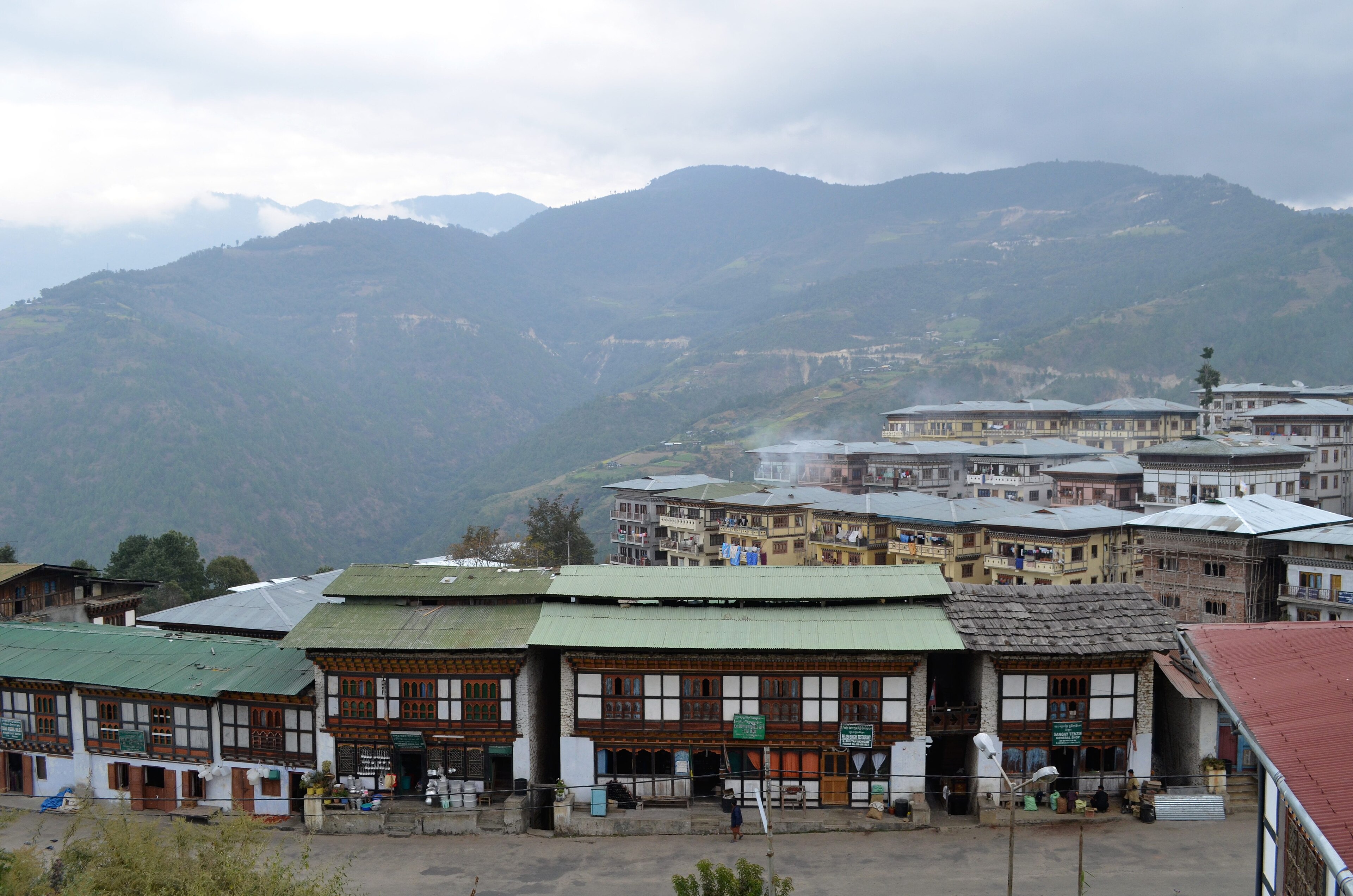
- Mongar Dzong provides a dramatic, centuries-old Bhutanese fortress backdrop unlike any conventional event venue
- Surrounding forested valleys and terraced hillsides offer naturally scenic outdoor settings for intimate ceremonies
- Deeply authentic Bhutanese cultural immersion — local festivals, traditional cuisine, and handwoven textiles enrich guest experiences
- Extremely private and exclusive — very few large events take place here, ensuring a truly personal celebration
- Spring (Apr–May) and autumn (Sep–Oct) bring clear mountain air, blooming rhododendrons or golden foliage, and comfortable temperatures
- Ideal for small, meaningful gatherings where cultural depth and natural beauty matter more than large-scale infrastructure
Compare Mongar with Other Top Destinations
Frequently Asked Questions
Is Mongar a good destination for a small intimate wedding?
Yes. Mongar is particularly well-suited to small, intimate weddings — typically under 80–100 guests — where the couple prioritises cultural authenticity, natural beauty, and privacy over large-scale infrastructure. The Mongar Dzong backdrop, forested hillsides, and genuine Bhutanese hospitality create a deeply meaningful setting that is genuinely rare among destination wedding locations.
What is the best time of year to hold a celebration in Mongar?
April, May, September, and October are the recommended months. Spring (April–May) brings rhododendron blooms and mild temperatures, while autumn (September–October) offers post-monsoon clarity, golden landscapes, and some of the sharpest mountain views of the year. Both seasons offer reliable road access and comfortable outdoor conditions. The monsoon months (June–August) and cold winter months (November–March) are generally inadvisable for events.
How do guests get to Mongar?
Guests can fly into Yongphulla Airport (near Trashigang, roughly 55 km from Mongar) via Druk Air's limited domestic services from Paro, Bhutan's main international gateway. Alternatively, guests can travel overland from Thimphu or Paro — a scenic but lengthy 12–14 hour mountain road journey. Pre-arranging group transport with local drivers is strongly recommended. All international visitors (except Indian, Bangladeshi, and Maldivian nationals) must enter Bhutan through a licensed tour operator.
How large a guest group can Mongar realistically accommodate?
Mongar's current hotel and venue inventory comfortably supports guest groups of up to roughly 80–100 people. Beyond this, accommodation and event space become genuinely stretched. For larger celebrations, organisers may need to distribute guests across multiple properties in the area or consider a different destination with a larger hospitality infrastructure.
What kinds of event spaces are available in Mongar?
Mongar offers hotel banquet and dining halls, outdoor garden and terrace spaces with valley views, and — subject to local permissions — traditional community and monastery courtyards. The setting is characterful and naturally scenic rather than purpose-built for events. Large-scale production setups are possible but require advance planning, and some equipment may need to be sourced from Thimphu.
Is Mongar suitable for social celebrations like milestone birthdays or anniversaries?
Yes. Mongar works well for milestone social celebrations where the destination itself is part of the gift. A landmark birthday or anniversary celebrated against the backdrop of Mongar Dzong and the eastern Bhutanese highlands creates a genuinely memorable experience. The intimate scale and cultural richness make it particularly rewarding for small, close-knit groups.
What is the local catering and vendor situation like for events in Mongar?
Local hotels provide reliable Bhutanese cuisine — red rice, ema datshi, and locally sourced produce are consistently available and of good quality. For more elaborate international menus or large catering operations, supplementing with resources coordinated through a Thimphu-based event company is advisable. Basic floral decoration, local photography, and sound equipment are available; more sophisticated production requires advance logistics planning.
How reliable is internet and mobile connectivity in Mongar for event planning and guests?
Connectivity in eastern Bhutan, including Mongar, is limited compared to western Bhutan or major Indian cities. Mobile coverage exists in the town but can be patchy in surrounding areas. High-speed internet is not consistently available. Organisers and guests should plan for limited connectivity and not rely on real-time digital coordination during the event itself.
Are there any entry requirements specific to Bhutan that event organisers should know about?
Yes. All international visitors except Indian, Bangladeshi, and Maldivian nationals must enter Bhutan through a licensed Bhutanese tour operator and pay the Sustainable Development Fee. Indian nationals require a valid passport or voter ID. These requirements apply to all guests attending an event in Mongar and should be communicated clearly well in advance of travel.
What makes Mongar genuinely distinctive compared to more established event destinations?
Mongar's distinctiveness comes from its rarity — very few large celebrations take place here, meaning a couple or group choosing Mongar is doing something genuinely uncommon. The combination of Mongar Dzong, living Bhutanese cultural traditions, forested highland scenery, and the country's broader ethos of measured, sustainable tourism creates an event experience that is difficult to replicate anywhere else.

Ready to explore venues in Mongar?
Mongar: Destination Wedding & Celebration Venues in Eastern Bhutan
◆Mongar is a small, culturally immersive hill town in eastern Bhutan, best suited to intimate weddings, social gatherings, and milestone celebrations for small guest groups who prioritise authenticity and natural beauty over large-scale infrastructure. Its primary vibe is Cultural & Timeless — shaped by Mongar Dzong, forested ridges, traditional Bhutanese architecture, and a pace of life that feels genuinely unhurried. The best seasons are spring (April–May) and autumn (September–October), when mountain roads are clear and skies are open. Accessibility is limited — guests must fly into Yongphulla Airport or travel long mountain roads — making Mongar most practical for small, carefully planned groups rather than large wedding parties.
Mongar at a Glance
| Attribute | Detail |
|---|---|
| Best For | Intimate weddings, social celebrations, milestone birthdays, cultural gatherings |
| Primary Vibe | Cultural & Timeless |
| Other Vibes | Serene, Himalayan, Forested, Exclusive |
| Best Season | Autumn / Fall (Apr, May, Sep, Oct) |
Why Choose Mongar?
- Mongar Dzong as a backdrop: The district's imposing whitewashed dzong — a traditional Bhutanese fortress-monastery — provides a ceremonial and visually striking setting that no purpose-built event venue can replicate.
- Genuine cultural immersion: Celebrations here are naturally woven into living Bhutanese culture — local festivals (tsechus), traditional textiles, and authentic cuisine give guests an experience that goes far beyond a standard destination event.
- Exceptional privacy and exclusivity: Mongar receives very few international visitors and almost no large-scale events, meaning a celebration here is genuinely rare and personal rather than one of dozens happening simultaneously.
- Dramatic natural scenery: Forested hillsides, terraced farmland, and clear mountain air — particularly beautiful during spring rhododendron blooms and autumn golden foliage — create naturally photogenic surroundings for ceremonies and portraits.
- Bhutanese hospitality culture: Eastern Bhutan is known for its warm, community-oriented hospitality, and local hosts typically go to considerable lengths to make guests feel genuinely welcomed rather than processed.
- Low environmental footprint: For couples who value sustainability and low-impact celebrations, Mongar's small scale and Bhutan's broader conservation ethos make it a genuinely responsible choice.
Which Celebrations Work Best in Mongar?
- Intimate destination weddings: Mongar is particularly well-suited to small wedding ceremonies — typically under 80–100 guests — where the couple wants a deeply meaningful, culturally rich setting rather than a grand ballroom or poolside resort. The dzong backdrop, mountain air, and local traditions make ceremonies feel genuinely ceremonial.
- Social celebrations and milestone birthdays: A landmark birthday or anniversary celebrated in Mongar carries a sense of occasion that is hard to manufacture elsewhere. The destination itself becomes the gift — guests remember the journey and the place as much as the event.
- Cultural gatherings and retreats: Groups with an interest in Bhutanese culture, Buddhism, or Himalayan traditions will find Mongar a natural fit for a gathering that combines celebration with genuine discovery.
- Pre-wedding or post-wedding experiences: Even if the main wedding takes place elsewhere in Bhutan (such as Thimphu or Paro), Mongar can serve as a meaningful extension — a smaller, quieter chapter of a broader Bhutanese celebration journey for close family and friends.
Venues & Event Spaces
Mongar's event venue landscape is modest but characterful. The town offers a small number of mid-range hotels and guesthouses with banquet or dining hall facilities capable of hosting intimate gatherings. Outdoor spaces — hotel gardens, terraced grounds with valley views, and open areas near the dzong — can be arranged for ceremonies and receptions, particularly during the dry spring and autumn seasons. Traditional community halls and monastery courtyards may also be accessible for cultural events, subject to local permissions and coordination with district authorities. Guests should expect a more improvised, bespoke approach to event setup compared to established wedding destinations — local vendors and hotel teams are experienced at working creatively within the available infrastructure, but large-scale production (elaborate stage setups, extensive floral installations, or large catering operations) will require advance planning and, in some cases, bringing in resources from Thimphu or other larger Bhutanese towns.
Best Time to Celebrate
April, May, September, and October are the recommended months for events in Mongar, and the reasons go beyond simply "pleasant weather."
- April and May (Spring): Rhododendrons and wildflowers are in bloom across the surrounding hillsides, temperatures are mild (typically 15°C–25°C during the day), and mountain roads are generally clear and passable. Daylight hours are long, giving outdoor ceremonies and receptions ample natural light. This is also a period when local festivals may be active, adding cultural richness to a guest's experience.
- September and October (Autumn): Post-monsoon clarity brings some of the sharpest mountain views of the year. The landscape turns golden and amber, humidity drops significantly, and temperatures remain comfortable. October in particular is widely considered one of the finest months to be anywhere in Bhutan — skies are typically clear, air quality is excellent, and the festive season (including major tsechus) is often underway.
- June to August (Monsoon — avoid for events): Eastern Bhutan receives heavy monsoon rainfall during these months. Landslides are a genuine risk on mountain roads, flights to Yongphulla Airport are frequently disrupted, and outdoor event setups become impractical. This period is strongly inadvisable for any event that depends on reliable guest arrival and outdoor spaces.
- November to March (Winter — use with caution): Temperatures drop sharply, particularly at night, and higher passes may see frost or occasional snow. While some winter days are clear and beautiful, the cold limits outdoor ceremony options, heating requirements add logistical complexity, and shorter daylight hours constrain event timing. This period is not impossible for a small indoor gathering but requires careful planning.
Getting There & Local Connectivity
Reaching Mongar requires deliberate planning, and this is one of the most important factors for any event organiser to communicate clearly to guests.
- By air: Yongphulla Airport, located in the Trashigang district roughly 55 km from Mongar town, is the nearest domestic airport. Druk Air operates limited scheduled services connecting it to Paro (Bhutan's main international gateway). Flight frequency is low and subject to weather cancellations — guests should build buffer days into their travel plans.
- By road from Paro/Thimphu: The overland journey from western Bhutan to Mongar takes approximately 12–14 hours by road, crossing several mountain passes. While the scenery is spectacular, this is a significant undertaking for guests who are not accustomed to mountain driving. Organised group transport (minibuses or SUVs with experienced local drivers) is the standard approach.
- Local movement: Within Mongar and its immediate surroundings, taxis and hired vehicles are the primary means of transport. There is no public bus network suited to group event logistics. For a guest group of any size, pre-arranging a fleet of local vehicles through the hotel or a local tour operator is strongly recommended.
- Bhutan entry requirements: All international visitors to Bhutan (except Indian, Bangladeshi, and Maldivian nationals) must enter through a licensed Bhutanese tour operator and pay the Sustainable Development Fee. Event organisers should factor this into guest briefings well in advance.
Local Vendor & Hospitality Ecosystem
Mongar's vendor ecosystem is small but genuine. Local hotels have experience catering to both domestic Bhutanese guests and international travellers, and their kitchen teams are well-versed in traditional Bhutanese cuisine — ema datshi, red rice, and locally sourced meats and vegetables are reliably available and of good quality. For events requiring more elaborate catering (multi-course international menus, large buffet setups), supplementing local capacity with resources brought in from Thimphu or coordinated through a Bhutan-based event management company is advisable.
Floral decoration using local blooms is feasible, particularly in spring. Photography and videography professionals with experience in Bhutanese settings are available through Thimphu-based agencies who travel to eastern Bhutan for assignments. Sound and lighting equipment for events is available locally at a basic level; more sophisticated production will require advance logistics. The overall hospitality culture in eastern Bhutan is warm and attentive — staff at local properties typically take genuine pride in hosting guests well, even if the physical infrastructure is more modest than in western Bhutan's more developed tourism corridor.
Pros & Things to Consider
Why Mongar Works Well
- Genuinely unique and memorable — very few couples or groups have celebrated here, making it a truly distinctive choice
- Mongar Dzong and surrounding landscapes provide naturally dramatic, photogenic settings
- Deep cultural authenticity — Bhutanese traditions, cuisine, and hospitality are not performed for tourists but are simply how life is lived here
- Extremely private — no competing large events, no crowds, no noise from adjacent functions
- Spring and autumn seasons offer reliably comfortable conditions for outdoor ceremonies
- Bhutan's overall safety record and community-oriented culture make it a reassuring environment for guests of all ages
Things to Consider
- Guest logistics are genuinely complex — limited flights, long road journeys, and Bhutan's entry requirements mean careful advance planning is non-negotiable
- Venue capacity is limited — Mongar is not suited to guest lists above roughly 80–100 people without significant logistical creativity
- Production infrastructure (sound, lighting, large-scale décor) is limited locally and may need to be sourced from Thimphu
- Internet and mobile connectivity in eastern Bhutan is limited — guests and organisers should not rely on consistent high-speed access
- Monsoon season (June–August) makes the destination effectively unsuitable for events due to road and flight disruption risks
- Bhutan's Sustainable Development Fee and tour operator requirement add a layer of administrative planning that does not apply to most other destinations
When Mongar May Not Be the Right Fit
- Large guest lists: If your celebration involves more than 80–100 guests, Mongar's current accommodation and venue capacity will be genuinely stretched. A destination with a larger hotel inventory and event infrastructure would serve a bigger group more comfortably.
- Guests with limited travel flexibility: Elderly guests, those with mobility considerations, or guests who cannot manage long mountain road journeys or uncertain flight schedules may find the journey to Mongar genuinely difficult. The travel demands here are higher than at most destination wedding locations.
- Monsoon-season plans: Any event planned between June and August faces a real risk of road closures, flight cancellations, and disrupted outdoor setups. If your dates fall in this window, Mongar is not a reliable choice.
- High-production events: If your vision involves elaborate stage production, large floral installations, international DJ setups, or a multi-vendor luxury event ecosystem, Mongar's local infrastructure will require significant supplementation — and the logistical effort may outweigh the destination's advantages for that style of event.