
Why Haa Valley is Perfect for Your Celebration
- One of Bhutan's least-visited valleys — genuine seclusion for intimate celebrations
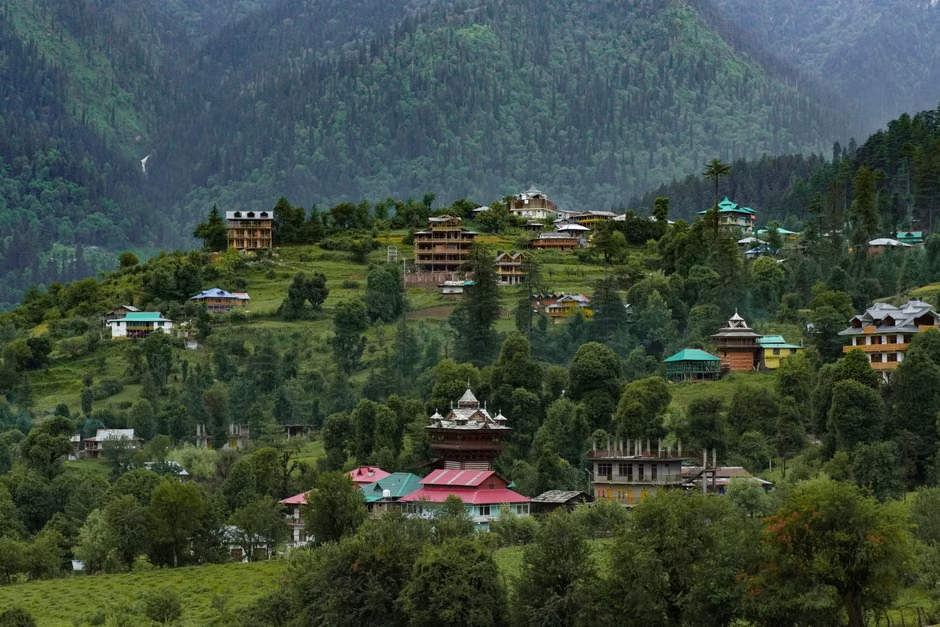
- Dramatic Himalayan scenery: forested ridges, open meadows, and the Haa River
- Traditional Bhutanese dzongs and lhakhangs provide culturally immersive ceremony backdrops
- Clear autumn skies (Sep–Oct) and spring blooms (Apr–May) create stunning natural settings
- Low tourist footfall means near-total privacy for small guest groups
- Authentic Bhutanese hospitality and local cultural experiences unavailable in more commercial destinations

Compare Haa Valley with Other Top Destinations
Frequently Asked Questions
Is Haa Valley a good destination for a wedding?
Yes, for the right kind of wedding. Haa Valley is particularly well-suited to micro-weddings, elopements, and very intimate ceremonies of under 30–40 guests. Its Himalayan scenery, traditional Bhutanese cultural setting, and genuine seclusion make it a deeply meaningful choice for couples who prioritise authenticity and natural beauty over scale or conventional wedding infrastructure.
How many guests can realistically be accommodated in Haa Valley for an event?
Practically, Haa Valley's accommodation and venue capacity comfortably supports groups of up to around 30–40 guests staying within the valley itself. Larger groups may need to base some guests in Paro and arrange daily transfers, which adds logistical complexity. The valley is genuinely best suited to small, intimate gatherings rather than large celebrations.
How do guests get to Haa Valley?
All guests arrive via Paro International Airport, Bhutan's only international airport, served by a small number of regional airlines. From Paro, Haa Valley is reached by road — a scenic mountain drive of several hours. All visitors to Bhutan must also obtain a visa and comply with Bhutan's regulated tourism framework, typically arranged through a licensed Bhutanese tour operator.
What is the best time of year to hold a celebration in Haa Valley?
April–May and September–October are the curated best seasons. Spring brings wildflower blooms and clear skies; autumn offers the clearest mountain views and the most stable dry weather. October is particularly reliable. The monsoon (June–August) brings heavy rain and road risk, while winter (November–March) brings sub-zero nights and potential road closures.
What kinds of venues and event spaces are available in Haa Valley?
Venues are primarily small independent resorts and guesthouses built in traditional Bhutanese style. Outdoor meadow settings along the valley floor are the most visually striking option for ceremonies. Indoor spaces are modest in scale, generally suited to intimate dinners and small receptions. There are no purpose-built wedding or conference venues — the natural landscape is the primary setting.
Do I need to hire wedding vendors locally, or can I bring my own team?
Specialist wedding vendors — photographers, videographers, event stylists — are not based in Haa Valley. Couples should plan to bring key creative vendors from Paro, Thimphu, or internationally, factoring in their travel and accommodation. Local catering and basic décor using Bhutanese materials can be arranged through accommodation providers, but complex vendor requirements need advance planning.
Is Bhutan's tourism regulation a significant factor in planning an event in Haa Valley?
Yes, and it's important to factor in early. All international visitors to Bhutan must book through a licensed Bhutanese tour operator and pay the Sustainable Development Fee. This adds a coordination layer and lead time that differs from planning events in more open destinations. Working with an experienced Bhutan-based operator from the outset is strongly recommended.
What is connectivity like in Haa Valley for guests during an event?
Mobile and internet connectivity in Haa Valley is limited. Most guesthouses offer some internet access, but it is not consistently high-speed. Guests should be prepared for reduced digital connectivity. This is generally experienced as part of the valley's peaceful, off-grid character rather than a significant inconvenience, but it is worth communicating clearly to guests in advance.
Are there cultural experiences that can be incorporated into a celebration itinerary in Haa Valley?
Yes. The valley's traditional dzongs, lhakhangs (temples), and living Buddhist culture offer genuinely meaningful experiences — monastery visits, traditional archery demonstrations, local walks, and cultural performances can all be arranged through local operators. These experiences are a distinctive strength of Haa Valley and can meaningfully enrich a multi-day celebration itinerary.
Is Haa Valley suitable for a birthday or anniversary celebration rather than a wedding?
Yes. The valley is well-suited to private milestone celebrations — significant birthdays, anniversaries, and personal retreats — for small groups. Its seclusion, natural beauty, and cultural depth make it a compelling setting for any occasion where the experience of being somewhere extraordinary together matters more than conventional event infrastructure.

Ready to explore venues in Haa Valley?
Haa Valley, Bhutan: Intimate Wedding & Event Destination Guide
◆Haa Valley is best suited for very small, intimate celebrations — micro-weddings, elopements, private milestone events, and retreat-style social gatherings — held against one of Bhutan's most unspoiled Himalayan backdrops. Its primary vibe is peaceful and secluded: low tourist traffic, forested mountain ridges, open meadows, and traditional Bhutanese architecture define the setting. The valley is genuinely accessible only via Paro International Airport followed by a mountain road transfer, making guest logistics a real planning consideration. Hospitality infrastructure is modest and locally run, which suits small groups seeking authenticity over scale. The curated best seasons are spring (April–May) and autumn (September–October), when weather is stable and the landscape is at its most photogenic.
Haa Valley at a Glance
| Category | Detail |
|---|---|
| Best For | Elopements, Micro-Weddings, Private Retreats, Intimate Social Celebrations |
| Primary Vibe | Peaceful & Secluded |
| Other Vibes | Culturally Immersive, Naturally Dramatic, Authentically Bhutanese |
| Best Season | Autumn / Fall (Apr, May, Sep, Oct) |
Why Choose Haa Valley?
- Extraordinary seclusion: Haa Valley remains one of Bhutan's least-visited regions, meaning a small celebration here carries a genuine sense of privacy and exclusivity that more popular Bhutanese towns cannot offer.
- Dramatic natural scenery: The valley is framed by forested ridges rising toward high Himalayan peaks, with the Haa River running through open meadows — a naturally photogenic setting that requires no artificial decoration to feel special.
- Cultural and spiritual depth: Traditional dzongs, lhakhangs (temples), and the living Buddhist culture of the valley provide a meaningful ceremonial context that is genuinely unique to this part of the world.
- Low footfall, high authenticity: Unlike Paro or Thimphu, Haa sees very few international visitors, which means local interactions, hospitality, and experiences feel unscripted and genuinely warm.
- Stable, clear weather in season: April–May and September–October typically bring clear skies, mild daytime temperatures, and excellent visibility of the surrounding peaks — conditions that make outdoor ceremonies and photography particularly rewarding.
- A truly once-in-a-lifetime setting: For couples or groups who want a celebration story that is impossible to replicate elsewhere, Haa Valley's combination of remoteness, Himalayan grandeur, and Bhutanese culture is genuinely hard to match.
Which Celebrations Work Best in Haa Valley?
- Elopements and micro-weddings: The valley is ideally scaled for very small ceremonies — typically under 30 guests — where the landscape itself is the primary venue. The seclusion, natural beauty, and cultural setting make it one of the most distinctive elopement destinations in South Asia.
- Private milestone celebrations: Significant birthdays, anniversaries, and personal retreats benefit enormously from the valley's quietude and the sense of occasion that comes with traveling somewhere genuinely remote and meaningful.
- Intimate social gatherings and retreats: Small groups — friends, families, or professional teams — seeking a retreat format with cultural immersion and natural surroundings will find Haa Valley a compelling and unusual choice.
- Cultural and spiritual ceremonies: For couples or families with a connection to Bhutanese or broader Buddhist traditions, the valley's dzongs and temples offer a ceremonial backdrop with real spiritual resonance, not just aesthetic appeal.
Venues & Event Spaces
Haa Valley's event infrastructure is intentionally modest and in keeping with Bhutan's broader philosophy of low-impact, high-value tourism. Venue options are primarily small independent resorts and guesthouses set within or at the edge of the valley, typically featuring traditional Bhutanese architectural styles — whitewashed walls, timber detailing, and pitched roofs — that blend naturally into the landscape. Outdoor meadow settings along the valley floor are the most visually compelling option for ceremonies, with the surrounding forested ridges and peaks providing a natural amphitheatre effect. Indoor event spaces are limited in scale, generally suited to gatherings of under 80 guests, and are best used for intimate dinners, pre-ceremony rituals, or small receptions rather than large banquet-style events. The valley does not have purpose-built wedding or conference venues in the conventional sense — the setting itself is the venue, and planning should be approached with that in mind.
Best Time to Celebrate
The curated best seasons for Haa Valley are spring (April and May) and autumn (September and October), and both have distinct character worth understanding when planning.
April and May bring warming temperatures after winter, with rhododendrons and wildflowers blooming across the valley slopes. Daytime temperatures are typically comfortable for outdoor events, skies are generally clear, and the landscape has a fresh, vivid quality. May can occasionally see the early edge of pre-monsoon moisture, so late April is often the more reliable window within this spring period.
September and October are widely considered the finest months across Bhutan for outdoor events. The monsoon retreats by mid-September, leaving the landscape lush and green, the air exceptionally clear, and the mountain views at their sharpest. October in particular offers stable, dry conditions with cool evenings and warm days — ideal for outdoor ceremonies and photography. The golden light of early autumn gives the valley a particularly beautiful quality in the late afternoon.
Monsoon (June–August) brings heavy rainfall, elevated landslide risk on mountain roads, and generally poor conditions for outdoor events. Road access from Paro can be disrupted, and the valley's limited infrastructure makes weather-related delays harder to manage than in more developed destinations.
Winter (November–March) brings progressively colder temperatures, with sub-zero nights from December through February. Some higher roads may become inaccessible, and the valley's limited accommodation stock is not designed for extreme cold-weather comfort. While late November can still be pleasant, the core winter months are generally unsuitable for events involving guests who are not accustomed to high-altitude cold.
Getting There & Local Connectivity
All international guests arrive via Paro International Airport, Bhutan's only international airport, which is served by a small number of airlines connecting through regional hubs. From Paro, Haa Valley is reached by road — a mountain drive that is scenic but takes several hours depending on road conditions and the specific route taken. All visitors to Bhutan require a visa and must travel under Bhutan's regulated tourism framework, which typically involves booking through a licensed Bhutanese tour operator. This regulatory layer is an important planning consideration: it adds lead time and coordination requirements that differ significantly from planning an event in India or Southeast Asia.
Within the valley itself, local transport is limited. There is no public transport network of note, and guests will generally rely on vehicles arranged through their tour operator or accommodation. For a small group, this is manageable — a handful of vehicles can comfortably serve a micro-wedding party. For larger groups, coordinating multiple vehicles over mountain roads requires careful advance planning. Mobile connectivity within the valley is limited, and internet access, while available at most guesthouses, is not consistently high-speed. Groups should plan for reduced digital connectivity as part of the experience rather than as an inconvenience to be solved.
Local Vendor & Hospitality Ecosystem
Haa Valley's vendor ecosystem is genuinely local and small-scale. Catering is typically handled by accommodation providers using locally sourced ingredients — Bhutanese cuisine is distinctive, flavourful, and well-suited to small group dining, though couples seeking elaborate multi-cuisine menus or highly specialized catering will need to plan carefully and communicate requirements well in advance. Floral decoration using local and seasonal materials is possible, and local artisans can contribute to event styling in ways that feel authentically Bhutanese rather than generic.
Specialist wedding vendors — dedicated photographers, videographers, event stylists, and entertainment professionals — are not based in Haa Valley itself. Couples planning a celebration here should expect to bring key creative vendors from Paro, Thimphu, or even internationally, factoring in their travel and accommodation as part of the event plan. This is a normal and expected part of planning in a remote destination, and many couples find that the logistical simplicity of a very small guest list offsets the complexity of sourcing vendors from outside the valley.
Bhutanese hospitality is genuinely warm and attentive at a personal scale. Guesthouse and small resort staff in Haa are accustomed to hosting international guests and are generally helpful in facilitating local cultural experiences — monastery visits, traditional archery demonstrations, local walks — that can meaningfully enrich a celebration itinerary beyond the ceremony itself.
Pros & Things to Consider
Why Haa Valley Works Well
- Unmatched natural beauty and seclusion — a genuinely rare setting for a celebration
- Very low tourist footfall means near-total privacy for small groups
- Authentic Bhutanese cultural experiences are deeply integrated into any stay
- Spring and autumn seasons offer stable, photogenic conditions for outdoor events
- The regulatory tourism framework, while requiring planning, also ensures a well-managed, uncrowded experience
- Ideal scale for micro-weddings and intimate gatherings where personal connection matters more than spectacle
Things to Consider
- Guest travel is genuinely complex: international flights to Paro, Bhutan visa and tourism levy, and a multi-hour mountain road transfer are all required — this is not a destination for guests with limited travel flexibility
- Accommodation capacity is limited; a guest list beyond 30–40 people will strain the valley's available rooms, potentially requiring some guests to stay in Paro and travel in daily
- Specialist wedding vendors (photographers, stylists, entertainment) must generally be sourced from outside the valley and their logistics planned carefully
- Internet and mobile connectivity is limited — not a problem for most celebrations, but worth communicating clearly to guests in advance
- Bhutan's tourism regulations require booking through licensed operators, adding a coordination layer that differs from planning in more open destinations
- Winter months and the monsoon season significantly restrict usability, leaving a relatively narrow annual window of genuinely ideal conditions
When Haa Valley May Not Be the Right Fit
- Large guest lists: If your celebration involves more than 40–50 guests, Haa Valley's accommodation and venue capacity will be genuinely insufficient. A destination with larger resort infrastructure would serve the group better.
- Guests with limited travel flexibility: The combination of international flights, Bhutan's visa and tourism levy system, and a long mountain road transfer makes this a demanding journey. If a significant portion of your guest list includes elderly guests, young children, or people with mobility considerations, the logistics may be prohibitive.
- Monsoon-season plans: Any event planned between June and August faces real risk of road disruption, heavy rainfall, and poor outdoor conditions. The valley's limited infrastructure makes weather contingency planning harder than in more developed destinations.
- Groups requiring extensive vendor infrastructure: If your event vision requires a large team of specialist vendors — elaborate catering, live entertainment, complex décor — the local ecosystem will not support this without significant external sourcing, which adds cost and complexity that may be better served by a destination with a more mature event industry.