
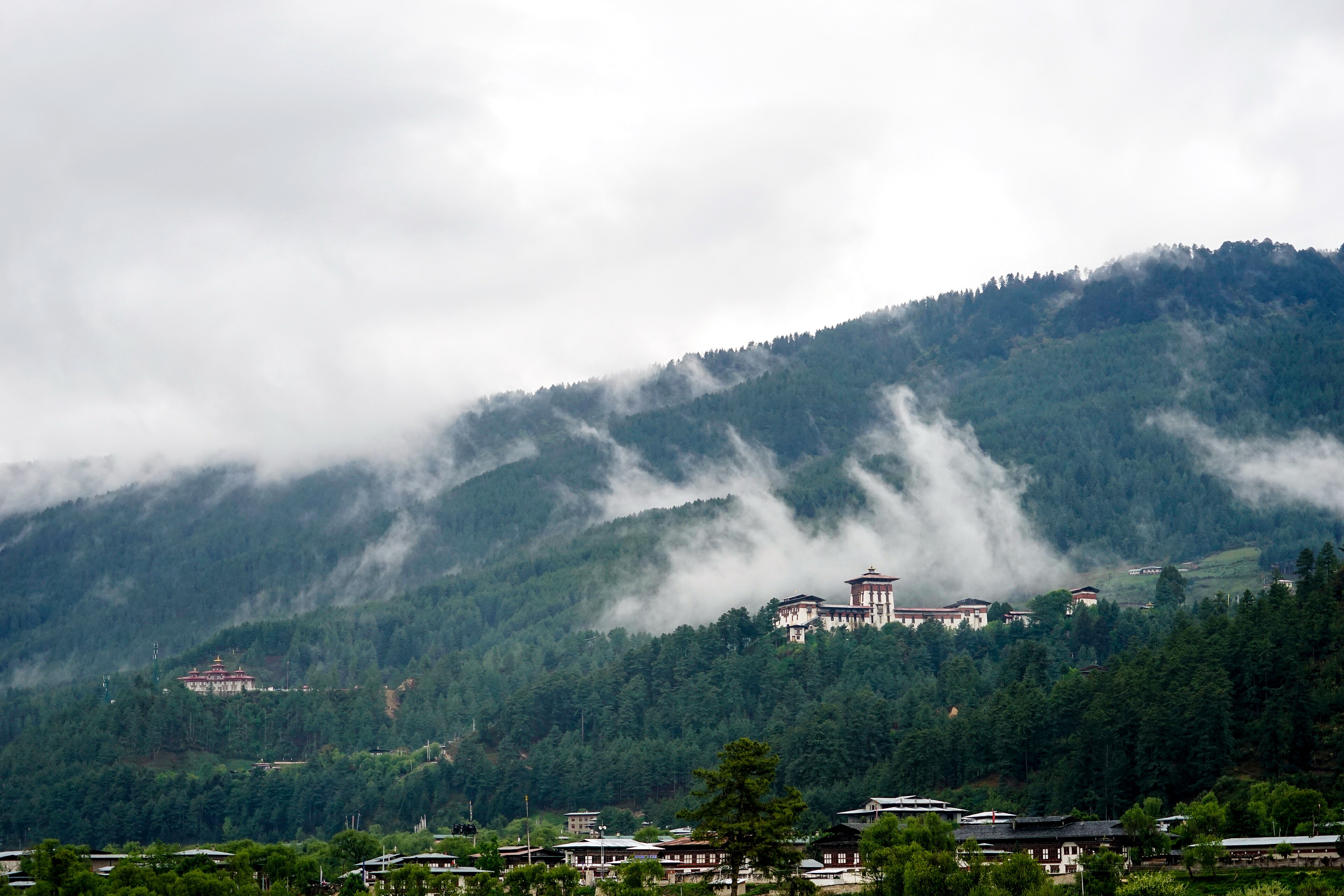
Why Bumthang is Perfect for Your Celebration
- Ancient dzongs and sacred monasteries provide a one-of-a-kind ceremonial backdrop found nowhere else on earth
- Intimate valley scale naturally suits small, exclusive celebrations of 20–80 guests
- Jambay Lhakhang and Kurjey Lhakhang festivals (Tsechus) can coincide with events in Apr/May and Oct, adding authentic cultural spectacle
- Pristine alpine scenery — buckwheat fields, pine forests, and snow-capped ridges — creates extraordinary photography settings
- Bhutan's strict low-volume, high-value tourism policy ensures exclusivity and privacy for event groups
- Boutique heritage lodges and farmhouse-style properties offer deeply personal, culturally immersive hospitality
Top Venues in Bumthang
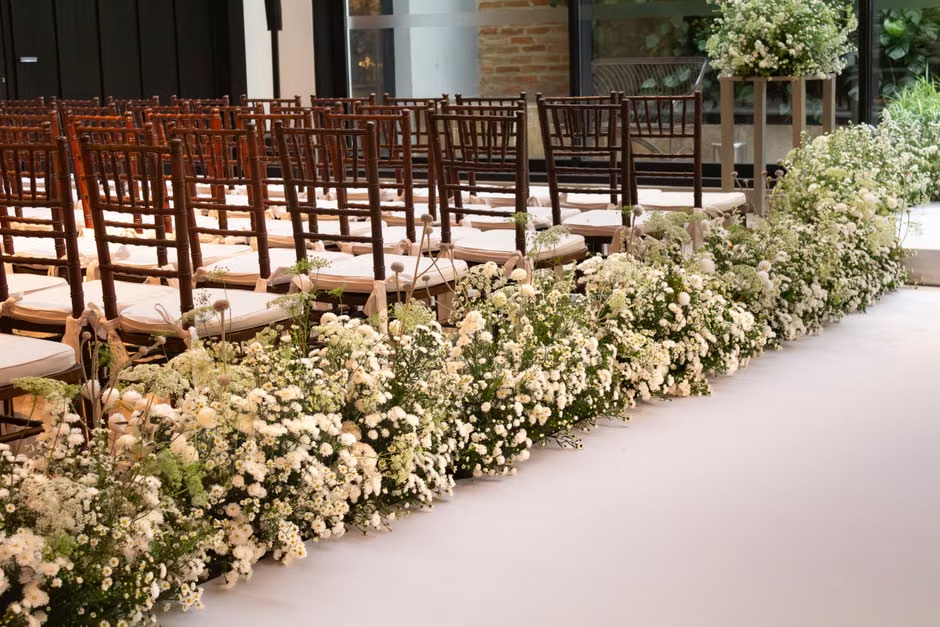
Amankora Bumthang
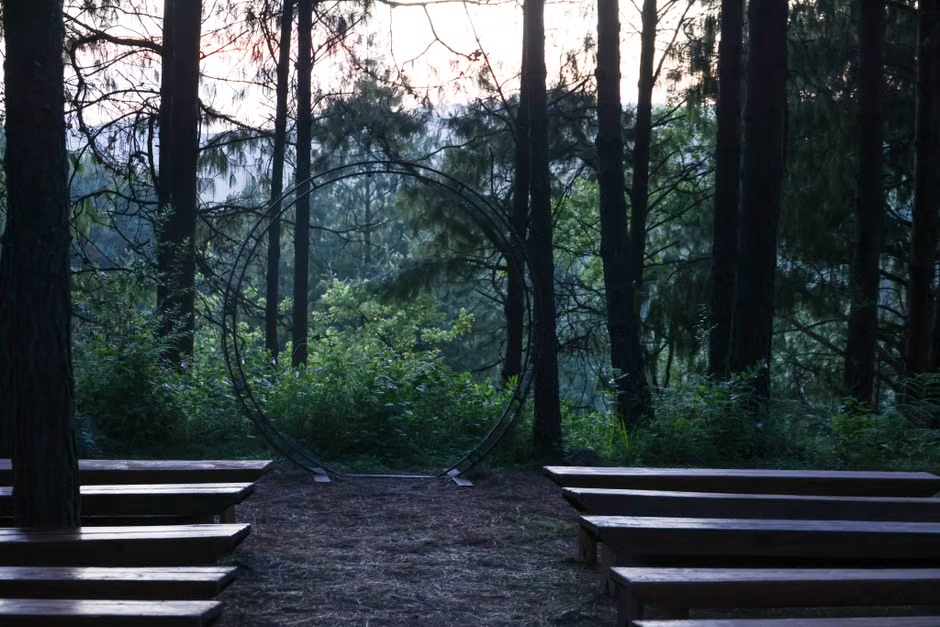
Wangdicholing Resort
Swiss Guest House Bumthang
Compare Bumthang with Other Top Destinations
Frequently Asked Questions
Is Bumthang a good destination for an intimate wedding?
Yes, particularly for small, meaningful celebrations. Bumthang's boutique lodges, sacred valley landscapes, and ancient monastery backdrops make it one of the world's most distinctive settings for intimate weddings of 20–80 guests. Its natural exclusivity — enforced by Bhutan's national tourism policy — ensures privacy that larger, more accessible destinations cannot genuinely offer.
What is the best time of year to hold a wedding or celebration in Bumthang?
April, May, September, and October are the recommended months. Spring (April–May) brings clear skies, blossoming apple orchards, and mild daytime temperatures. Autumn (September–October) offers the clearest mountain visibility, golden valley colours, and the possibility of coinciding with Bumthang's celebrated Tsechu festivals. Both windows avoid the monsoon and the harsh winter cold.
How do international guests get to Bumthang?
All international guests enter Bhutan through Paro International Airport, which is served by select airlines from regional hubs including Delhi, Kolkata, Bangkok, Singapore, and Kathmandu. From Paro, guests can fly domestically to Bathpalathang Airport near Jakar (approximately 30–40 minutes) or travel overland in approximately 8–10 hours. Domestic flights are subject to weather cancellations, so planners should build contingency into travel schedules.
Do guests need a visa to attend an event in Bumthang?
Yes. All international visitors to Bhutan — including event guests — require a visa and must pay Bhutan's Sustainable Development Fee, processed through a licensed Bhutanese tour operator. This regulatory requirement applies to all nationalities except Indian, Bangladeshi, and Maldivian citizens, who follow a separate permit process. Event planners should factor this into guest communication and lead times.
How many guests can Bumthang realistically accommodate for a destination event?
Bumthang's boutique property inventory comfortably supports events of roughly 20–80 guests when accommodation is consolidated across the valley's main lodges. Events approaching or exceeding 100 guests will face genuine constraints — both in event space capacity and in housing all guests within a reasonable distance of each other. This destination is best suited to intimate, curated celebrations rather than large-scale gatherings.
What kinds of venues and event spaces are available in Bumthang?
Bumthang's event spaces are primarily boutique heritage lodges and traditional Bhutanese-style resorts with outdoor terraces, garden lawns, and intimate indoor dining rooms. There are no large standalone banquet halls or convention centres. Outdoor settings — particularly during the clear-sky months — are a genuine strength, with valley and monastery views forming natural ceremonial backdrops. Some properties can arrange traditional tent structures for larger outdoor gatherings.
Can cultural or spiritual elements be incorporated into a Bumthang wedding ceremony?
Yes, and this is one of Bumthang's strongest distinguishing features. Licensed Bhutanese tour operators can arrange monastery blessings, traditional Bhutanese cultural performances, local artisan demonstrations, and — depending on timing — access to Tsechu festival programming. These elements add authentic cultural depth that is genuinely specific to this destination and cannot be replicated elsewhere.
Is altitude a concern for guests attending an event in Bumthang?
It can be. Bumthang's valleys sit between approximately 2,600 and 3,500 metres above sea level. Most healthy adults acclimatise within a day or two, but guests with respiratory conditions, cardiovascular concerns, or limited high-altitude experience should consult a physician before travelling. Planners should schedule arrival a day before the main event to allow guests time to adjust, and should communicate altitude information clearly in guest travel briefings.
What is the local hospitality and catering standard like for events?
At the upper end, Bumthang's internationally operated luxury lodges deliver world-class hospitality within a deeply Bhutanese cultural framework. Catering draws on local ingredients — red rice, buckwheat, locally produced cheese, honey, and apple products — which can be woven into event menus as a genuine point of distinction. International cuisine is available but limited by supply chain realities at this altitude. Overall standards are high for the scale of events the destination supports.
What should event planners know about working with local vendors in Bumthang?
Bumthang's specialist vendor ecosystem is small. The major lodges handle most event coordination in-house or through established Bhutan-based licensed operators. Specialist vendors — photographers, florists, AV technicians, entertainment — typically need to be sourced from outside Bhutan and coordinated through a licensed operator, which adds lead time. Planners should begin vendor coordination at least 6–9 months ahead and work with a Bhutan-specialist event operator from the outset.
Are there cultural considerations or local customs that event planners should be aware of?
Yes. Bhutan has a strong culture of respect for religious sites and traditions. Dzong courtyards and monastery precincts are sacred spaces and are not available for private commercial events, though they can be visited and photographed as part of guest cultural programming. Dress codes at religious sites are conservative. Event planners should brief guests on local customs — including removing shoes at temples and refraining from photography inside certain sacred spaces — well in advance of arrival.
Is Bumthang safe for international guests attending a wedding or event?
Yes. Bhutan consistently ranks among the safest countries in Asia for international visitors. Crime rates are very low, the local community is welcoming, and the country's licensed tourism system means all international guests are supported by registered operators throughout their stay. The primary safety considerations in Bumthang are altitude-related health and road conditions on mountain passes, both of which are manageable with proper planning.

Ready to explore venues in Bumthang?
Bumthang: Destination Wedding & Cultural Celebration Venues in Bhutan
◆Bumthang is Bhutan's spiritual and cultural heartland — a group of four high-altitude valleys in central Bhutan best suited to small, intimate destination weddings, private celebrations, and culturally immersive events for groups typically between 20 and 80 guests. Its primary character is Cultural & Timeless: ancient dzongs, working monasteries, and traditional Bhutanese farmhouses define the landscape. The best seasons are April, May, September, and October, when skies are clear and temperatures are comfortable. Accessibility is genuinely limited — guests must fly into Bhutan via Paro and travel overland, and Bhutan's visa and tourism policies add planning complexity — making this destination best suited to couples and planners who prioritise exclusivity and authenticity over convenience or scale.
Bumthang at a Glance
| Category | Detail |
|---|---|
| Best For | Intimate Destination Weddings, Cultural Celebrations, Private Retreats, Spiritual Ceremonies |
| Primary Vibe | Cultural & Timeless |
| Other Vibes | Sacred, Alpine, Exclusive, Heritage |
| Best Season | Autumn / Fall (Apr, May, Sep, Oct) |
Why Choose Bumthang?
- Unparalleled ceremonial backdrops: Bumthang's ancient dzongs — including Jakar Dzong and the sacred Kurjey Lhakhang — offer a ceremonial setting that is genuinely unique in the world. No other destination combines active monastic architecture with open valley landscapes at this scale.
- Natural exclusivity by design: Bhutan's national tourism policy limits visitor volumes and requires all international guests to travel through licensed operators. This means any event held in Bumthang is inherently private and uncrowded — a quality that most luxury destinations can only simulate.
- Festival calendar alignment: Bumthang hosts some of Bhutan's most celebrated Tsechu festivals, including the Jambay Lhakhang Drup (typically October/November) and the Kurjey Tsechu (June, though outside the curated best window). Timing an event around these festivals adds authentic cultural spectacle that guests remember for life.
- Boutique luxury accommodation: Despite its remote character, Bumthang hosts internationally recognised luxury lodges — including properties operated by Aman and COMO — that deliver world-class hospitality within a deeply local architectural and cultural framework.
- Pristine natural scenery: The Chokhor Valley's buckwheat fields, apple orchards, pine-forested ridges, and clear mountain rivers create extraordinary natural photography settings across all four seasons, with the clearest light and most vivid colours in April–May and September–October.
- Genuine cultural immersion for guests: Beyond the event itself, guests can engage with monastery visits, traditional Bhutanese textile weaving, archery demonstrations, and local cuisine — making a Bumthang celebration a multi-day cultural journey rather than a single-day event.
Which Celebrations Work Best in Bumthang?
- Intimate Destination Weddings: Bumthang is particularly well-suited to small, meaningful weddings where the setting and experience matter more than scale. The valley's boutique lodge capacity naturally accommodates groups of 20–80 guests, and the combination of sacred landscapes and world-class hospitality creates a ceremony environment that is genuinely difficult to replicate elsewhere.
- Cultural & Spiritual Ceremonies: Couples or families seeking a ceremony with genuine spiritual resonance — whether a blessing at a monastery, a traditional Bhutanese ritual, or simply a ceremony held in the presence of ancient sacred architecture — will find Bumthang uniquely accommodating. Local monks and cultural guides can be engaged through licensed operators.
- Private Milestone Celebrations: Significant anniversaries, milestone birthdays, and family reunion gatherings suit Bumthang's intimate scale and the sense of occasion that comes with travelling to one of the world's most protected and least-visited destinations.
- Corporate Retreats & Leadership Offsites: Bumthang's combination of physical remoteness, cultural depth, and high-quality boutique accommodation makes it a compelling choice for small executive retreats where disconnection from routine and genuine reflection are the goals. The absence of large conference infrastructure is a feature, not a limitation, for this use case.
Venues & Event Spaces
Bumthang's event venue landscape is defined by boutique heritage lodges, traditional farmhouse-style resorts, and open valley settings rather than large ballrooms or convention-scale facilities. The most prominent properties are architecturally rooted in Bhutanese vernacular design — stone and timber construction, internal courtyards, and views directly onto monastery walls or valley farmland. Outdoor lawn and terrace settings are available at several properties and are particularly well-suited to daytime ceremonies and evening receptions during the clear-sky months of April–May and September–October.
Indoor event spaces tend to be intimate — typically suited to seated dinners of 30–80 guests — reflecting both the boutique scale of the properties and Bhutan's broader philosophy of low-volume, high-quality tourism. There are no large standalone banquet halls or convention centres in Bumthang; all event infrastructure is property-based. Some properties can arrange traditional Bhutanese tent structures and outdoor pavilions for larger gatherings within their grounds. Dzong courtyards and monastery precincts are sacred spaces and are not available for private commercial events, though they form a powerful visual backdrop for photography and cultural programming arranged through licensed operators.
Best Time to Celebrate
The curated best seasons for events in Bumthang are April, May, September, and October — and the reasoning is specific to this high-altitude destination's climate and cultural calendar.
April and May mark the transition from winter to spring at Bumthang's elevations (2,600–3,500 m). Daytime temperatures typically reach 15–20°C, skies are predominantly clear, and the valley landscapes are at their most vivid — apple trees blossom, buckwheat fields turn green, and the surrounding ridges retain patches of snow that add dramatic visual depth. The Kurjey Lhakhang area is particularly photogenic in May. Nights remain cool (5–8°C), so event programming should account for temperature drops after sunset.
September and October are widely considered the finest months in Bumthang. The monsoon has cleared, leaving exceptionally clean air and sharp mountain visibility. Autumn colours — golden buckwheat, turning deciduous trees, and amber grasslands — create a warm, rich palette. October in particular aligns with the Jambay Lhakhang Drup festival period, which can add extraordinary cultural programming for guests. Daytime temperatures are similar to spring (12–18°C), with cooler nights.
June through August brings the monsoon to Bumthang. While the valley receives less rainfall than lower Bhutanese regions, trails become muddy, cloud cover reduces mountain visibility significantly, and outdoor event logistics become unreliable. November through March brings genuine winter conditions — temperatures regularly drop below freezing overnight, some higher passes and roads may close, and the valley's sparse winter landscape, while beautiful, is challenging for outdoor events and for guests unaccustomed to cold-weather travel.
Getting There & Local Connectivity
Reaching Bumthang requires deliberate planning. Bathpalathang Airport (BUT), located approximately 3 km from Jakar town, is the closest airport and is served by Druk Air and Bhutan Airlines on domestic routes from Paro. Paro International Airport (PBH) is the only international gateway into Bhutan, meaning all international guests must first fly into Paro — typically via Kolkata, Delhi, Bangkok, Singapore, or Kathmandu — and then connect onward to Bumthang by domestic flight or by road.
The overland journey from Paro or Thimphu to Bumthang takes approximately 8–10 hours by road through mountain passes, including the Pelela Pass at around 3,300 m. This route is scenic but demanding, and is not suitable for guests with mobility limitations or altitude sensitivity. Domestic flights from Paro to Bumthang take approximately 30–40 minutes and are subject to weather cancellations, particularly during monsoon months — a logistical factor that event planners must build contingency around.
There is no railway network in Bhutan. Within Bumthang itself, local transport is primarily by private vehicle arranged through lodges and licensed tour operators. The four valleys of Bumthang are spread across a meaningful geographic area, so inter-valley movement for guests attending multi-day events requires coordinated vehicle logistics. Road conditions are generally good on main routes but can be affected by weather on secondary tracks.
Local Vendor & Hospitality Ecosystem
Bumthang's hospitality ecosystem is small but genuinely high-quality at the upper end. The internationally operated luxury lodges bring in experienced event management capabilities and can coordinate catering, décor, cultural programming, and guest logistics to a standard that meets international expectations for intimate luxury events. These properties typically work with Bhutan-based licensed tour operators who handle the regulatory and logistical complexity of bringing international guest groups into the country.
Local catering draws on Bhutanese culinary traditions — red rice, buckwheat dishes, locally produced cheese and honey, and Bumthang's own apple products — which can be woven into event menus as a genuine point of cultural distinction. International cuisine is available at the major lodges but is necessarily limited by supply chain realities at this altitude and remoteness.
Specialist wedding vendors (florists, photographers, entertainment) from outside Bhutan can be brought in through licensed operators, though this adds logistical complexity and lead time. Local artisans — weavers, thangka painters, and traditional musicians — are available for cultural programming and add authentic texture to celebrations. Event planners should expect longer lead times for all vendor coordination than they would in a more established destination wedding market, and should work with a Bhutan-specialist operator from the earliest planning stages.
Pros & Things to Consider
Why Bumthang Works Well
- Genuinely unique setting — ancient monasteries, sacred valleys, and Himalayan landscapes that no other destination can replicate
- Natural exclusivity enforced by national policy — events here are inherently private and uncrowded
- World-class boutique luxury accommodation (Aman, COMO) within a deeply authentic cultural context
- Rich cultural programming available — monastery visits, Tsechu festivals, traditional crafts, local cuisine
- Extremely safe destination with very low crime and a stable, welcoming local community
- Clear, clean mountain air and exceptional natural light during the best seasons make for outstanding event photography
Things to Consider
- Accessibility is genuinely complex — international guests must transit through Paro, and domestic connections to Bumthang are weather-dependent and limited in frequency
- Bhutan's tourism visa and Sustainable Development Fee requirements add regulatory complexity and cost for all international guests
- Total accommodation capacity in Bumthang is limited — events larger than approximately 80–100 guests will face real constraints in housing all guests within the valley
- Altitude (2,600–3,500 m) can affect guests unaccustomed to high elevations, particularly older guests or those with respiratory conditions
- Vendor ecosystem is small — specialist vendors (florists, AV, entertainment) typically need to be sourced from outside Bhutan and coordinated through licensed operators
- Winter months (November–March) bring genuine cold and some road/pass closures, significantly narrowing the usable event calendar
When Bumthang May Not Be the Right Fit
- Large guest lists (100+ guests): The combined accommodation and event space capacity of Bumthang's properties cannot comfortably support very large celebrations. Couples expecting to host more than 80–100 guests will find the local inventory genuinely insufficient without splitting groups across distant properties.
- Guests with limited travel flexibility: The multi-leg journey — international flight to Paro, domestic connection or long overland drive to Bumthang — is demanding. Guest groups that include elderly travellers, young children, or individuals with mobility or altitude sensitivity may find the journey disproportionately challenging relative to the event experience.
- Monsoon-season events (June–August): Outdoor ceremonies and valley-view settings — which are central to Bumthang's appeal — are significantly compromised by monsoon cloud cover, rain, and muddy conditions. Couples whose preferred dates fall in this window should consider rescheduling or choosing a different destination.
- Planners requiring a mature, full-service local vendor market: Unlike established destination wedding markets, Bumthang does not have a deep local ecosystem of specialist wedding vendors. Couples who need a wide choice of local florists, photographers, entertainment acts, or bespoke décor suppliers will find the options limited and the logistics of importing vendors from outside Bhutan time-consuming.