
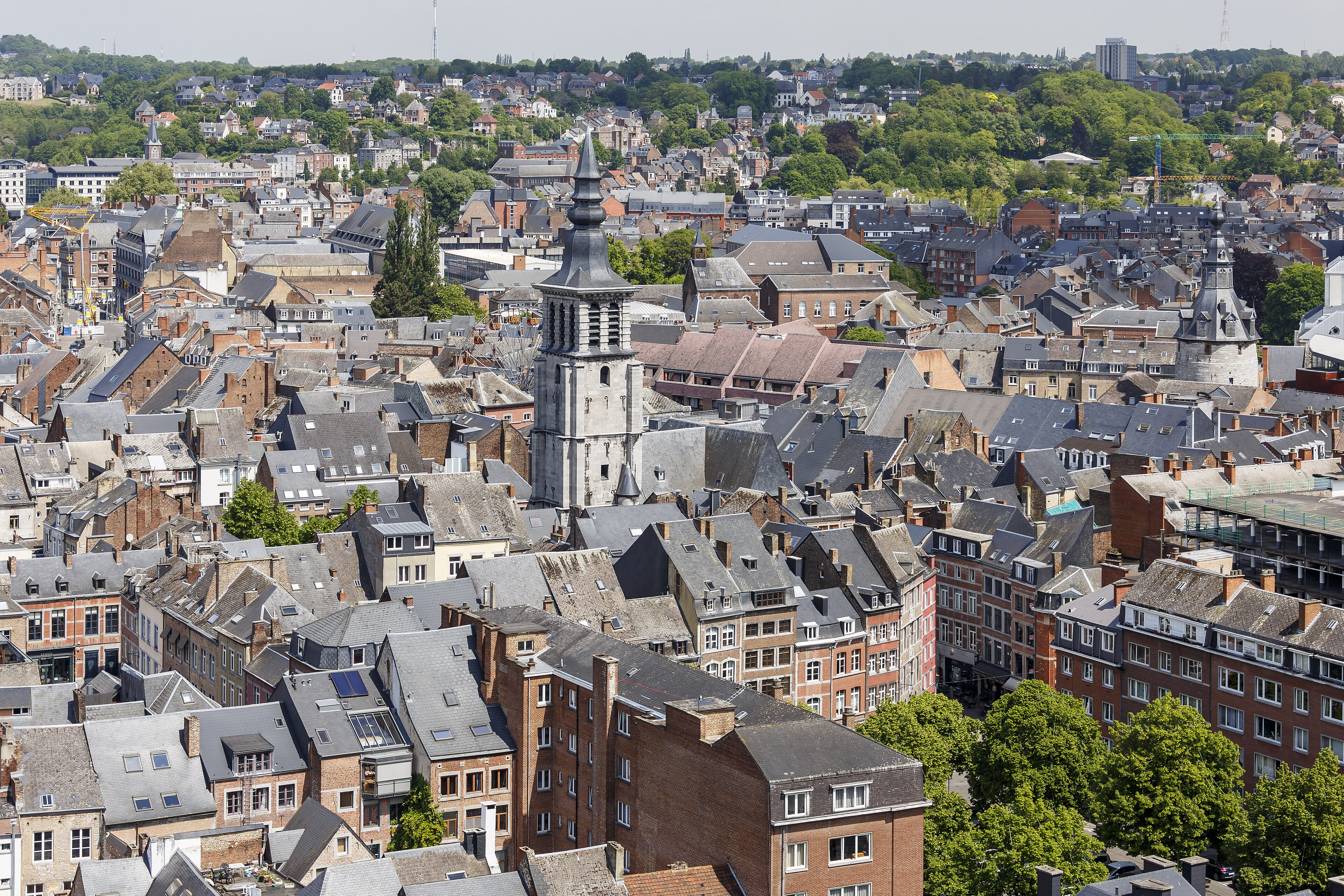
Why Namur is Perfect for Your Celebration
- The Citadel of Namur — one of Europe's largest fortified complexes — provides a dramatic, historically resonant backdrop for ceremonies and receptions
- The confluence of the Meuse and Sambre rivers creates naturally scenic outdoor event settings with riverside terraces and garden spaces
- Direct intercity rail links to Brussels (~60 min) make guest travel straightforward from across Belgium and neighbouring countries
- Namur's compact, walkable old town means guests can move easily between ceremony, reception, and accommodation on foot
- A genuine Wallonian culinary tradition — local game, artisan cheeses, Belgian craft beer and wine — gives catering a distinctive regional character
- Intimate city scale suits smaller, curated celebrations where personalised service and exclusivity matter more than mass-market event infrastructure
Compare Namur with Other Top Destinations
Frequently Asked Questions
Is Namur a good destination for a wedding?
Yes, particularly for intimate to mid-sized weddings of roughly 30–150 guests. Namur offers a genuinely distinctive setting — a medieval citadel, riverside old town, and Wallonian culinary tradition — that gives a celebration a strong sense of place. It suits couples who prioritise atmosphere and cultural character over large-scale event infrastructure.
What is the best time of year to hold a wedding or event in Namur?
May through September is the curated best season. Long daylight hours, mild temperatures, and accessible outdoor spaces — riverside terraces, garden settings, citadel-adjacent venues — are all at their most usable during this window. September is particularly appealing for pleasant conditions with fewer summer crowds. Events outside this period face real constraints on outdoor viability.
How do guests typically travel to Namur for a destination event?
Most guests travel by train. Namur's central railway station has frequent direct intercity services to Brussels (approximately one hour), Liège, and Luxembourg. International guests typically fly into Brussels Airport or Brussels South Charleroi Airport and connect by train, usually with one change. The rail-first approach works well for European guest lists.
What kinds of venues are available in Namur for weddings and celebrations?
Namur's venue landscape is dominated by heritage properties — château-style hotels, historic townhouses, and cultural spaces within the citadel complex — alongside riverside terraces and hotel gardens. These spaces suit intimate, characterful events well. Purpose-built large convention facilities are limited, so very large single-venue events may require creative planning.
How many guests can Namur realistically accommodate for a destination wedding?
Namur is best suited to guest lists of roughly 30–200 guests. Within that range, the local venue and accommodation inventory is generally adequate. For significantly larger groups, a single venue seating everyone together becomes harder to find, and guests may need to be distributed across multiple accommodation properties in and around the city centre.
What makes Namur's food and catering distinctive for an event?
Wallonian cuisine gives event catering a genuine regional identity. Local caterers can draw on regional game, artisan cheeses, seasonal produce, Trappist and craft beers, and Meuse valley wines. This culinary specificity — rarely found in generic hotel banquet menus — adds a meaningful sense of place to a celebration dinner or reception.
Is it easy for guests to get around Namur once they arrive?
Yes. Namur's old town is compact and walkable, meaning ceremony, reception, and most accommodation options are typically within comfortable walking distance of each other. Local taxis are available for guests with mobility needs or for transfers to venues on the citadel hill. For coordinated group shuttles, local operators can be arranged.
Does Namur have a well-developed wedding planning and vendor ecosystem?
Namur has a competent hospitality and events industry — as the Wallonian capital it regularly hosts formal government and cultural events — but it is not yet a deeply specialised destination wedding market. Some specialist vendors (bespoke floral designers, large-scale production) may need to be sourced from Brussels. Planning timelines should account for this.
What is the general climate in Namur, and how does it affect event planning?
Namur has a temperate continental climate with cold, grey winters (4°C–8°C) and mild summers (18°C–24°C, occasionally warmer). Year-round rainfall is possible. This makes the May–September window genuinely important for outdoor event viability — outside it, planners should design primarily for indoor formats with outdoor elements as a bonus rather than a given.
Are there outdoor ceremony options in Namur?
Yes, during the summer season. Riverside terraces along the Meuse, hotel gardens, and spaces within or adjacent to the citadel complex all offer outdoor ceremony settings. Evening events benefit from daylight extending past 9pm in July and August. Outdoor options outside May–September are weather-dependent and generally not reliable enough to plan around without strong indoor contingencies.
Is Namur suitable for corporate retreats or private social events, not just weddings?
Yes. As the capital of Wallonia, Namur has meeting and event spaces accustomed to professional and formal gatherings. The combination of cultural excursion options (citadel, museums, old town), strong regional dining, and easy rail access from Brussels makes it a practical and rewarding off-site destination for corporate groups seeking genuine atmosphere alongside functional event infrastructure.

Ready to explore venues in Namur?
Namur: Destination Wedding & Event Venues in Wallonia, Belgium
◆Namur is best suited to intimate, culturally rich celebrations — weddings, milestone anniversaries, and private social gatherings — where heritage atmosphere and a distinctive regional identity matter more than large-scale event infrastructure. The city's primary vibe is Cultural & Timeless, anchored by its medieval citadel, the confluence of the Meuse and Sambre rivers, and a well-preserved Wallonian old town. The curated best season runs from May through September, when long daylight hours and mild temperatures make outdoor riverside and citadel-adjacent events genuinely viable. Guest accessibility is strong by European standards: direct intercity rail from Brussels takes roughly an hour, and two international airports serve the region within comfortable driving distance. Namur is a mid-range to upper-mid European destination — not a budget city break, but not in the same tier as Paris or Amsterdam for event costs.
Namur at a Glance
| Category | Detail |
|---|---|
| Best For | Intimate weddings, anniversary celebrations, private social gatherings, cultural events |
| Primary Vibe | Cultural & Timeless |
| Other Vibes | Riverside, Heritage, Intimate, Romantic |
| Best Season | Summer (May, Jun, Jul, Aug, Sep) |
Why Choose Namur?
- The Citadel as a living backdrop: The Citadel of Namur — one of the largest fortified complexes in Europe — is not merely a tourist landmark but an active cultural site whose elevated position above the city provides genuinely dramatic ceremony and photography settings that few European cities of comparable size can match.
- Riverside character that is genuinely usable: The confluence of the Meuse and Sambre rivers runs through the heart of the city, and several event-capable properties and terraces sit directly on or adjacent to the water, making riverside receptions a realistic — not just aspirational — option during the summer season.
- Rail connectivity that simplifies guest logistics: Namur's central railway station sits within easy walking distance of the old town and most event venues, with frequent direct intercity services to Brussels, Liège, and Luxembourg. For a European destination wedding, this level of rail access meaningfully reduces the coordination burden on planners and guests alike.
- A compact, walkable city that keeps groups together: Unlike sprawling resort destinations where guests scatter across a wide area, Namur's old town is compact enough that ceremony, reception, and accommodation can all sit within comfortable walking distance — a practical advantage for multi-day celebrations.
- Distinctive Wallonian culinary identity: The region's food and drink culture — local game, artisan cheeses, Trappist and craft beers, regional wines from the Meuse valley — gives catering a genuine sense of place that generic hotel banquet menus rarely achieve. Local caterers and chefs can build menus that feel authentically rooted in the destination.
- Relative exclusivity within the European wedding circuit: Namur is not yet a saturated destination wedding market in the way that Tuscany, Provence, or the Algarve are. Couples seeking a culturally rich European setting without competing for venue dates against dozens of other weddings in the same weekend will find Namur a genuinely less congested option.
Which Celebrations Work Best in Namur?
- Intimate destination weddings (30–150 guests): Namur's venue inventory — heritage properties, château-style hotels, riverside terraces — is best calibrated to smaller, curated guest lists. The city's character rewards couples who want a meaningful sense of place over sheer scale, and the compact geography makes multi-day wedding programmes (welcome dinner, ceremony, reception, farewell brunch) logistically coherent.
- Milestone anniversary and birthday celebrations: The combination of heritage atmosphere, excellent regional dining, and easy access from Brussels and beyond makes Namur a natural fit for significant private celebrations where the setting itself is part of the gift.
- Corporate retreats and private social gatherings: Namur's status as the capital of Wallonia means it has a functional business events infrastructure — meeting rooms, AV-equipped spaces, and catering operations accustomed to professional groups — alongside the cultural and culinary assets that make an off-site feel genuinely rewarding rather than merely functional.
- Cultural and heritage-themed events: Groups with a specific interest in European history, architecture, or regional culture will find Namur unusually rich for its size — the citadel, the Félicien Rops Museum, the Walloon Parliament building, and the old town's Baroque churches all provide context and excursion options that give a multi-day event programme genuine depth.
Venues & Event Spaces
Namur's event venue landscape is characterised by heritage properties and characterful independent hotels rather than large purpose-built convention centres. The most distinctive spaces tend to be château-style or historic townhouse properties, several of which sit on or near the citadel hill or within the old town, offering stone-walled interiors, period architectural detail, and — in summer — access to garden or terrace spaces that work well for outdoor ceremonies and cocktail receptions.
Riverside terraces and hotel gardens along the Meuse provide outdoor reception settings with water views, particularly well-suited to summer evening events when daylight extends late into the evening. For larger gatherings, the city also has dedicated event halls and cultural venues — including spaces within the citadel complex itself — that can accommodate seated dinners and receptions beyond what the smaller boutique properties can manage alone.
Planners should note that Namur's venue inventory skews toward mid-sized and intimate spaces. Groups requiring a single venue to seat several hundred guests under one roof will find the options more limited than in a larger Belgian city, and may need to consider a combination of spaces or a venue slightly outside the city centre. For groups of up to 150–200, however, the local supply is generally adequate and the quality of the settings is high relative to the city's size.
Best Time to Celebrate
The curated best season for events in Namur runs from May through September, and this recommendation is grounded in several concrete factors beyond simply "the weather is nicer."
May and June offer mild temperatures (typically 15°C–22°C), long daylight hours, and the full bloom of the city's riverside parks and gardens — conditions that make outdoor ceremonies and terrace receptions genuinely comfortable and visually rewarding. Rainfall is possible but generally manageable, and the city is not yet at peak summer tourist density, which can make venue availability and local service quality more consistent.
July and August are the warmest months, with temperatures occasionally reaching the mid-to-upper 20s°C. Daylight extends past 9pm, making evening outdoor receptions particularly atmospheric along the Meuse. These are also the months when Namur hosts several of its own cultural festivals and outdoor events, which can add to the celebratory atmosphere of the city but may also affect accommodation availability — advance planning is advisable.
September offers a gentle transition: temperatures remain pleasant (typically 14°C–20°C), crowds thin relative to July and August, and the early autumn light along the river and citadel is particularly photogenic. For couples who want summer conditions without peak-season density, September is often the strongest single month.
Outside this window, the practical challenges are real. October and November bring increasing rain, shorter days, and temperatures that make outdoor elements unreliable. December through February are cold, grey, and short-dayed — outdoor ceremonies are not viable, and the city's riverside character, which is central to its appeal, is largely inaccessible in any comfortable sense. March and April can be pleasant on good days but are genuinely unpredictable, with cold snaps and sustained rain periods that make outdoor planning risky without robust contingency arrangements.
Getting There & Local Connectivity
Namur is well-connected by European standards, particularly for guests travelling from within Belgium or from neighbouring countries. The city's central railway station — Gare de Namur — sits within easy walking distance of the old town and most event venues, with frequent direct intercity services to Brussels (approximately one hour), Liège, and onward connections to Luxembourg and France. For a destination wedding or private event, this rail access is a meaningful practical advantage: guests from Brussels, Ghent, Antwerp, or Liège can reach Namur without needing to hire a car or arrange airport transfers.
For international guests, Brussels Airport is the primary gateway, located approximately 65 km from Namur city centre and reachable by a combination of train services (typically with one change). Brussels South Charleroi Airport, approximately 45 km away, serves a range of European low-cost carriers and is accessible by road or shuttle. Neither airport is directly connected to Namur by a single non-stop train, so international guests should factor in a transfer leg — generally straightforward but worth communicating clearly in guest travel information.
Within the city, Namur is compact and walkable for most event-related movement. Local taxis and ride-hailing services are available for guests with mobility considerations or for transfers between venues and accommodation. For groups requiring coordinated transport — shuttle buses between a ceremony venue on the citadel hill and a riverside reception, for example — local operators are available, and the city's scale makes such logistics manageable without the complexity of a larger urban destination.
Local Vendor & Hospitality Ecosystem
As the capital of Wallonia, Namur has a hospitality and events ecosystem that punches somewhat above its population size. The city regularly hosts government functions, diplomatic events, and regional cultural gatherings, which means local caterers, florists, AV suppliers, and event coordinators have genuine experience with formal, high-expectation events — not just the tourist-facing hospitality that smaller Belgian towns might offer.
Wallonian cuisine is a genuine asset: local suppliers can source regional game, artisan dairy products, and seasonal produce that give event catering a distinctive character. Belgian craft beer and regional wines from the Meuse valley are readily available and add an authentic local dimension to beverage programmes. Several of the city's established restaurants and catering operations have experience with private event formats and can adapt to the specific requirements of a wedding or celebration dinner.
That said, Namur is not a destination with the deep, specialised wedding-industry infrastructure of a city like Bruges or Ghent, which have longer histories as international wedding destinations. Couples planning a highly complex, multi-vendor event — bespoke floral installations, international entertainment acts, large-scale production — may find that some specialist suppliers need to be sourced from Brussels or further afield. This is a manageable consideration rather than a fundamental limitation, but it is worth factoring into planning timelines and logistics.
Pros & Things to Consider
Why Namur Works Well
- Genuinely distinctive heritage setting — the citadel and riverside old town provide a sense of place that is hard to replicate in a generic hotel ballroom
- Strong rail connectivity makes guest travel from Brussels and major Belgian cities straightforward and car-free
- Compact city scale keeps multi-day event programmes logistically coherent without requiring extensive guest transport coordination
- Authentic Wallonian culinary tradition gives catering a regional identity that adds meaning to the celebration
- Less saturated as a destination wedding market than comparable Western European cities, meaning better venue availability and more attentive local service
- Long summer daylight hours (events can run outdoors comfortably past 9pm in July) are a genuine practical and atmospheric advantage
Things to Consider
- Venue capacity for very large groups (200+ guests under one roof) is limited — the local inventory is calibrated to intimate and mid-sized events, and larger celebrations may require creative venue combinations
- International guests flying in will need to manage a transfer leg from Brussels or Charleroi airports, as there is no direct rail connection from either airport to Namur without a change
- Specialist wedding vendors (bespoke floral designers, large-scale production companies, international entertainment) may need to be sourced from Brussels, adding coordination complexity
- The city's appeal is heavily tied to its outdoor and riverside character — events planned outside the May–September window face real constraints on outdoor viability and overall atmosphere
- Accommodation inventory within the city centre is sufficient for smaller guest lists but may require guests to stay across multiple properties for larger groups, which adds a coordination layer
When Namur May Not Be the Right Fit
- Large-scale weddings or events (200+ guests): If your guest list requires a single venue to seat a very large group for a formal dinner and reception, Namur's current venue inventory may not comfortably accommodate this without significant compromise or a venue outside the city centre.
- Events planned for October through April: The city's most compelling assets — riverside terraces, citadel views, garden ceremonies — are genuinely inaccessible or uncomfortable in the colder, wetter months. Couples committed to an outdoor ceremony or reception should plan firmly within the May–September window or accept that indoor-only formats will be the realistic option.
- Guests primarily travelling from outside Europe: While Namur is well-connected within Belgium and to neighbouring countries, guests flying intercontinentally will face a multi-leg journey (international flight to Brussels, then a connecting train with at least one change). For a guest list that is predominantly non-European, a destination with a major international hub airport may reduce travel fatigue significantly.
- Couples seeking a well-established, full-service destination wedding industry: If you want a destination where specialist wedding planners, bespoke florists, and large-scale event production companies are abundant and locally based, Namur's ecosystem — while competent — is less developed in this specific niche than larger Belgian cities or more established European wedding destinations. The planning process here will likely require more direct coordination and potentially sourcing some vendors from further afield.