
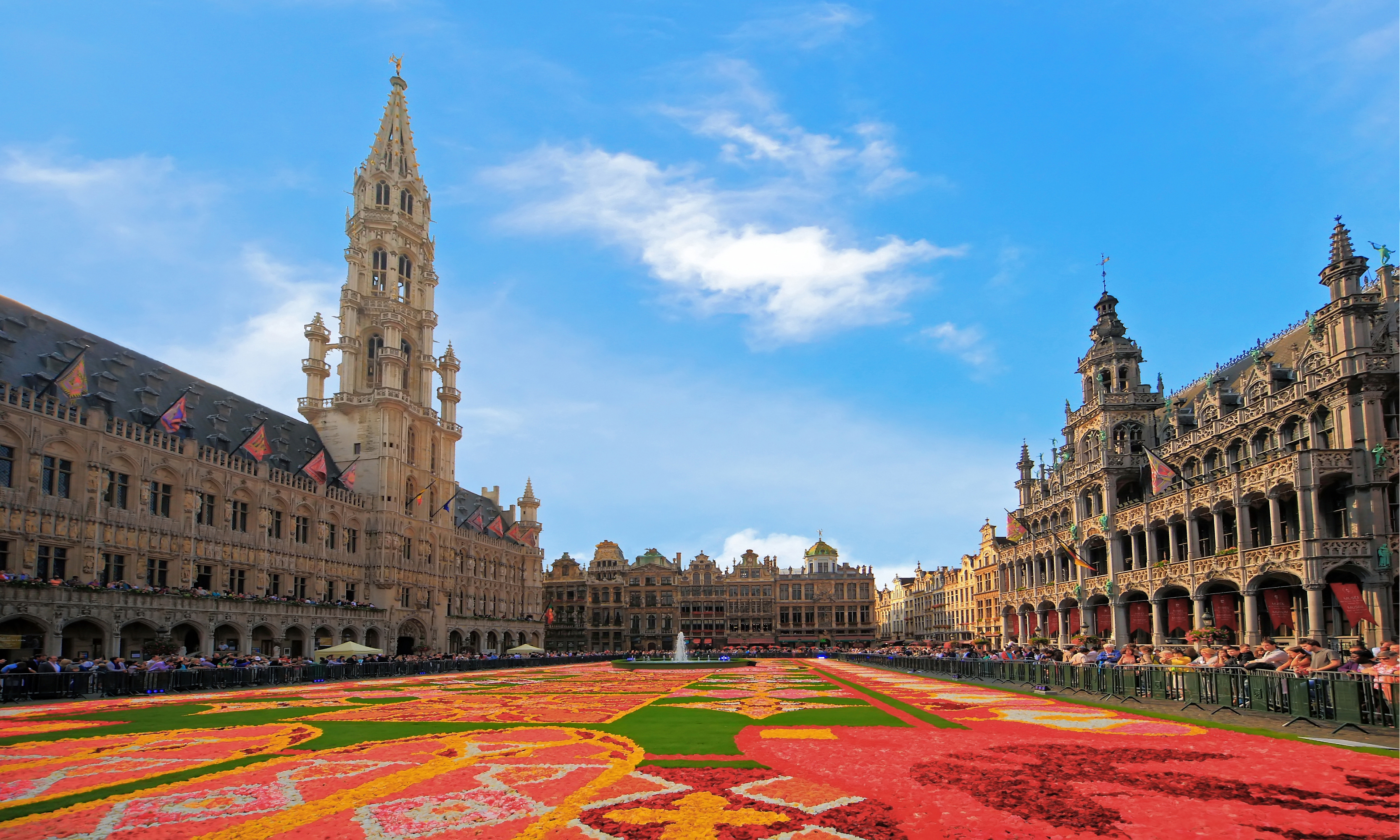
Why Brussels is Perfect for Your Celebration
- Iconic historic venues including guild halls, châteaux, and Art Nouveau mansions
- World-class international hotel inventory with dedicated event and banquet facilities
- Exceptional culinary scene — Belgium's fine dining and chocolate culture elevate every celebration
- Central European location with direct rail and air links from London, Paris, Amsterdam, and beyond
- Long summer days (May–Sep) allow extended outdoor receptions and garden ceremonies
- Mature, multilingual event vendor ecosystem experienced in large-scale international celebrations
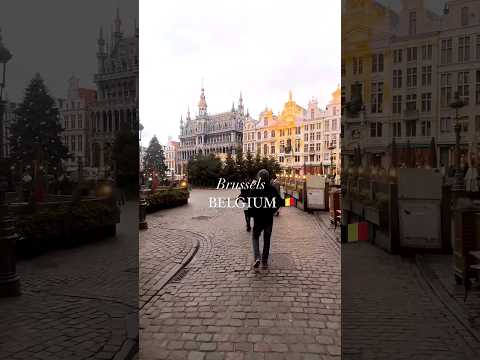
Compare Brussels with Other Top Destinations
Frequently Asked Questions
Is Brussels a good destination for a wedding celebration?
Yes, particularly for couples seeking a European city wedding with genuine historic character. Brussels suits intimate to mid-sized weddings well, offering a combination of medieval and Art Nouveau venues, grand hotel ballrooms, and a world-class culinary scene. It works best for couples whose guest list is drawn from across Europe or internationally, given the city's exceptional rail and air connectivity.
What is the best time of year to hold a wedding or event in Brussels?
May through September is the recommended window. This period offers the mildest temperatures, the longest daylight hours (extending to 9–10 pm in midsummer), and the best conditions for outdoor ceremonies and garden receptions. September is particularly well-regarded for its balance of good weather, reduced tourist pressure, and a rich cultural calendar. Events outside this window face cold temperatures, frequent rain, and limited outdoor viability.
How easy is it for international guests to travel to Brussels?
Very easy by European standards. Brussels Airport (BRU) offers direct connections to most major global hubs, and Brussels-Midi station connects to London (under 2 hours via Eurostar), Paris (around 1 hour 20 minutes), and Amsterdam (under 2 hours) by high-speed rail. The airport is linked to the city centre by a direct train in around 20 minutes. For a geographically dispersed guest list, Brussels is among the most accessible cities in Western Europe.
What kinds of venues are available for events in Brussels?
Brussels offers a genuinely diverse range: medieval guild halls and historic squares in the city centre, Art Nouveau and Belle Époque mansions in residential neighbourhoods, luxury hotel ballrooms with dedicated banquet facilities, purpose-built convention centres for large corporate events, and private château estates on the city's outskirts for a more secluded garden-party atmosphere. The variety suits events from intimate private dinners to large-scale conferences.
How large a guest group can Brussels realistically accommodate for an event?
Brussels comfortably handles events from small intimate gatherings up to several hundred guests. The city's larger hotel ballrooms and convention facilities can accommodate 400–600 guests for a seated event. For very large celebrations exceeding 500 guests requiring a single integrated venue campus, the urban hotel-and-venue model may feel less seamless, and early venue booking is essential given summer demand on accommodation.
Is Brussels suitable for corporate events and conferences?
Yes, strongly so. As the seat of the European Union and NATO, Brussels hosts thousands of high-profile international events annually. The city has purpose-built convention infrastructure, a mature corporate event management industry, and luxury hotel meeting facilities. Its central European location and exceptional rail and air connectivity make it a natural choice for international conferences, executive retreats, and product launches.
What makes the local vendor and hospitality ecosystem in Brussels well-suited to events?
Brussels' role as a major diplomatic and corporate hub has produced a mature, multilingual event industry experienced in managing international guest groups and cross-cultural requirements. Local caterers and in-house hotel teams operate at a high standard, underpinned by Belgium's strong culinary tradition. Florists, AV specialists, and event managers are accustomed to working within architecturally sensitive historic venues, which requires specific technical competence.
Do guests need a visa to attend an event in Brussels?
It depends on nationality. Belgium is part of the Schengen Area, so guests from outside Schengen — including many South Asian, African, and some Middle Eastern countries — will need a Schengen visa. This requires advance planning and can be a meaningful administrative consideration for large guest groups. Couples and planners should factor visa lead times into their event timeline and communicate requirements to guests early.
What should I know about accommodation for a large guest group in Brussels?
Brussels has a substantial hotel inventory across multiple tiers, concentrated in the city centre and along the Avenue Louise corridor. For large groups, early room-block booking is essential — July and August are peak tourist season and hotel availability tightens considerably. The compact city centre means guests staying at different properties are typically within easy walking or short taxi distance of each other and of most event venues.
What is local transport like for a guest group once they arrive in Brussels?
Brussels is well-suited to group movement. The city has a comprehensive metro, tram, and bus network, and the historic centre is compact enough that many venues and hotels are within walking distance of each other. Private coach and minibus hire is readily available for transfers between the airport, hotels, and event venues. Taxis and ride-hailing services are accessible throughout the city.
Are outdoor ceremonies and receptions reliably possible in Brussels?
During May through September, outdoor events are viable and popular, but Brussels is not a reliably sunny destination even in summer — rain and overcast skies are possible in any month. Any outdoor ceremony or reception should have a credible indoor contingency plan. September and early June tend to be drier than July and August, when afternoon thunderstorms are an occasional risk.

Ready to explore venues in Brussels?
Brussels: Destination Wedding & Event Venues in the Heart of Europe
◆Brussels is a cosmopolitan European capital that suits romantic weddings, corporate events, milestone celebrations, and cultural festivals particularly well. Its primary vibe is Romantic & Dreamy, anchored by medieval guild halls, Art Nouveau mansions, and grand hotel ballrooms. The best season runs from May through September, when long daylight hours and mild temperatures make outdoor ceremonies and garden receptions genuinely viable. The city is exceptionally well-connected by air and high-speed rail, making it one of the most accessible event destinations in Europe for international guest groups. The local hospitality and vendor ecosystem is mature, multilingual, and experienced in large-scale international celebrations.
Brussels at a Glance
| Category | Detail |
|---|---|
| Best For | Destination Weddings, Corporate Events, Milestone Celebrations, Cultural Festivals |
| Primary Vibe | Romantic & Dreamy |
| Other Vibes | Grand, Cosmopolitan, Historic, Cultural |
| Best Season | Summer (May, Jun, Jul, Aug, Sep) |
Why Choose Brussels?
- Unmatched architectural grandeur: The Grand Place — a UNESCO World Heritage Site — and the surrounding historic quarter provide a genuinely extraordinary backdrop that few European cities can match for sheer visual drama at an event.
- Diverse venue typology: Brussels offers a rare combination of medieval guild halls, Belle Époque and Art Nouveau mansions, purpose-built convention centres, luxury hotel ballrooms, and private château estates within or just outside the city, giving planners genuine flexibility across event scales and styles.
- World-class culinary culture: Belgian cuisine — Michelin-starred restaurants, artisan chocolatiers, fine wine and beer traditions — elevates every celebration from the welcome dinner to the wedding banquet in ways that are genuinely distinctive to this city.
- Central European location with exceptional connectivity: Brussels Airport (BRU) offers direct flights to most major global hubs, while Brussels-Midi station connects to London via Eurostar in under two hours and to Paris and Amsterdam in under two hours by Thalys/Intercity Express — making it one of the easiest European cities for a geographically dispersed guest list to converge on.
- Mature, multilingual event industry: As the seat of the European Union and NATO, Brussels hosts thousands of high-profile international events annually. The local vendor ecosystem — caterers, florists, AV specialists, interpreters, and event managers — is experienced, professional, and accustomed to working across languages and cultural expectations.
- Long summer days: From May through August, Brussels enjoys daylight until 9–10 pm, allowing extended outdoor receptions, garden ceremonies, and evening terrace dinners that simply aren't possible in the shorter days of autumn and winter.
Which Celebrations Work Best in Brussels?
- Destination Weddings: Brussels suits couples seeking a European city wedding with genuine historic character — intimate ceremonies in Art Nouveau chapels or guild halls, followed by receptions in grand hotel ballrooms or private mansion gardens. The city works particularly well for smaller to mid-sized weddings (up to around 200–300 guests) where quality of experience and setting matter more than sheer scale.
- Corporate Events & Conferences: As Europe's de facto political and diplomatic capital, Brussels has a deeply embedded corporate event culture. The city's convention infrastructure, luxury hotel meeting facilities, and proximity to EU institutions make it a natural choice for international conferences, product launches, and executive retreats.
- Milestone Celebrations (Anniversaries, Birthdays, Reunions): The city's combination of fine dining, cultural richness, and accessible luxury makes it well-suited to significant personal celebrations — a landmark anniversary dinner at a Michelin-starred restaurant, a private birthday event in a historic venue, or a family reunion spread across the city's many neighbourhoods.
- Cultural Festivals & Brand Activations: Brussels' vibrant arts scene, public squares, and festival culture make it a strong platform for brand-led cultural events, product showcases, and experiential activations, particularly during the summer months when the city's outdoor spaces are at their most animated.
Venues & Event Spaces
Brussels offers one of the most varied event venue landscapes in Western Europe. At the historic end of the spectrum, the city's medieval guild halls and the Grand Place itself can be hired for private events, providing an incomparable setting that is genuinely unique to Brussels. Art Nouveau and Belle Époque mansions — particularly concentrated in the Ixelles and Uccle neighbourhoods — offer intimate, architecturally distinctive spaces for smaller celebrations and private dinners.
The city's luxury hotel inventory includes several properties with large, purpose-designed ballrooms and banquet suites capable of hosting several hundred guests, alongside dedicated pre-function spaces, outdoor terraces, and garden areas that come into their own during the summer season. For larger-scale corporate events and conferences, Brussels also has purpose-built convention and exhibition centres with full technical infrastructure.
Beyond the city centre, the wider Brussels Capital Region and its immediate surroundings include private château estates and country house venues that offer a more secluded, garden-party atmosphere — particularly appealing for outdoor summer weddings where guests want a sense of escape from the urban environment while remaining within easy reach of the city's hotels and transport links.
Best Time to Celebrate
The curated best season for Brussels events runs from May through September, and this recommendation is grounded in several concrete factors beyond simply "the weather is nice."
May and June are arguably the most pleasant months: temperatures are mild (typically 15–20°C), rainfall is moderate, and the city's parks and outdoor spaces are in full bloom. Daylight extends well into the evening, making outdoor ceremonies and terrace receptions genuinely comfortable. June in particular tends to be drier than July and August.
July and August are the warmest months (occasionally reaching 25–28°C), with the longest days and the most animated street life. These months are popular for outdoor events, though occasional summer thunderstorms are a real possibility and should be factored into contingency planning for outdoor receptions.
September offers a pleasant shoulder-summer feel — temperatures remain mild, the summer crowds begin to thin, and the city's cultural calendar (theatre, music, festivals) is particularly rich. It is often considered the most balanced month for an event: good weather probability, slightly lower demand on venues, and a beautiful early-autumn light.
The months outside this window carry meaningful trade-offs. October sees rapidly cooling temperatures, shortening days, and increasing rainfall — outdoor events become unreliable. November through February is genuinely cold (often 2–7°C), grey, and frequently wet or foggy; outdoor ceremonies are impractical, and the city's characteristic charm is harder to showcase to guests who have travelled internationally. March and April can be pleasant on good days but are characterised by unpredictable cold spells and variable rain — not a reliable window for events with significant outdoor components.
Getting There & Local Connectivity
By air: Brussels Airport (BRU), located approximately 12 km northeast of the city centre, is one of Western Europe's better-connected mid-sized international airports, with direct services to major hubs across Europe, North America, the Middle East, and Africa. A dedicated Airport Express train connects the airport to Brussels-Central, Brussels-Midi, and Brussels-Nord stations in around 20 minutes, making the journey from plane to city centre straightforward for arriving guests.
By rail: Brussels-Midi (Brussels-South) station is the city's primary high-speed rail hub, served by Eurostar from London St Pancras (under 2 hours), Thalys from Paris Gare du Nord (around 1 hour 20 minutes) and Amsterdam Centraal (around 1 hour 50 minutes), and ICE services from Cologne and Frankfurt. For a guest list drawn from across Western Europe, rail travel to Brussels is often faster and more convenient than flying. Brussels-Central station, in the heart of the historic city, handles domestic and regional services.
Local movement: Brussels has a well-developed public transport network of metro, tram, and bus lines covering the city comprehensively. For event groups, the city is also well-served by private coach and minibus hire operators experienced in moving guest groups between hotels, venues, and the airport. Taxis and ride-hailing services are readily available. The compact nature of the historic centre means that many hotels, restaurants, and event venues are within comfortable walking distance of each other, which is a genuine practical advantage for multi-day celebrations.
Local Vendor & Hospitality Ecosystem
Brussels' status as a major international diplomatic and corporate hub has produced a hospitality and event vendor ecosystem that is genuinely mature by European standards. The city has a deep bench of experienced event management companies, many of whom work regularly with international clients and are accustomed to managing multilingual guest groups, cross-cultural catering requirements, and the logistical complexity of multi-day celebrations.
Catering is a particular strength: Belgium's culinary tradition — rooted in French technique but with its own distinct identity — means that both in-house hotel catering and independent caterers operate at a high standard. The city's Michelin-starred restaurant scene also provides options for private dining buyouts and bespoke tasting menus as part of a wider celebration programme.
Florists, photographers, AV and lighting specialists, and entertainment providers in Brussels are experienced in working within historic and architecturally sensitive venues, which requires a specific kind of technical and logistical competence. The city also has a strong tradition of artisan craft — chocolatiers, patisseries, and lace-makers — that can be woven into welcome gifts, favours, and experiential elements in ways that are genuinely specific to Brussels rather than generic luxury add-ons.
Pros & Things to Consider
Why Brussels Works Well
- Exceptional international accessibility by both air and high-speed rail, reducing travel friction for a geographically dispersed guest list
- Genuinely distinctive historic and architectural venue options unavailable in most other European cities
- A mature, multilingual event industry with deep experience in international celebrations
- Outstanding culinary culture that elevates every element of a multi-day celebration
- Long summer days (May–September) enabling extended outdoor events and evening receptions
- Compact city centre makes multi-venue celebrations and guest movement logistically manageable
Things to Consider
- Weather unpredictability: Even in summer, Brussels is not a reliably sunny destination — rain and overcast skies are possible in any month, and outdoor events should always have a credible indoor contingency plan.
- Scale limitations for very large weddings: While Brussels has strong mid-sized venue options, couples planning very large South Asian-style weddings (500+ guests across multiple days of ceremony) may find the local venue inventory less naturally suited than purpose-built destination wedding resorts in other regions.
- Urban setting: Brussels is fundamentally a city destination — guests seeking a countryside, beachside, or mountain backdrop will need to look at venues on the city's outskirts, which adds a logistical layer.
- Schengen visa requirements: For guests travelling from outside the Schengen Area (including many South Asian, African, and some Middle Eastern countries), obtaining a Belgian/Schengen visa requires advance planning and can be a meaningful administrative burden for large guest groups.
- Summer demand on accommodation: July and August are peak tourist season in Brussels, meaning hotel availability across all tiers can tighten significantly — early booking is essential for groups requiring a block of rooms.
When Brussels May Not Be the Right Fit
- Very large-scale traditional weddings (500+ guests): Couples planning a very large multi-day wedding with multiple ceremony formats and a need for a single integrated resort campus may find Brussels' urban hotel-and-venue model less seamless than a dedicated destination wedding resort.
- Guests with significant Schengen visa challenges: If a substantial portion of the guest list faces complex or uncertain visa situations for Belgium/Schengen, the administrative burden and risk of guests being unable to attend is a real consideration that may favour a destination with simpler entry requirements.
- Outdoor-focused winter or autumn celebrations: Any event planned between October and April that relies heavily on outdoor spaces — garden ceremonies, terrace receptions, outdoor dining — is genuinely at risk from Brussels' cold, grey, and frequently wet off-season climate.
- Guests seeking a tropical, beach, or mountain landscape: Brussels' appeal is urban, historic, and cultural. Couples or planners whose vision centres on a natural landscape backdrop — ocean, mountains, jungle, desert — will find this destination a poor match regardless of season.