
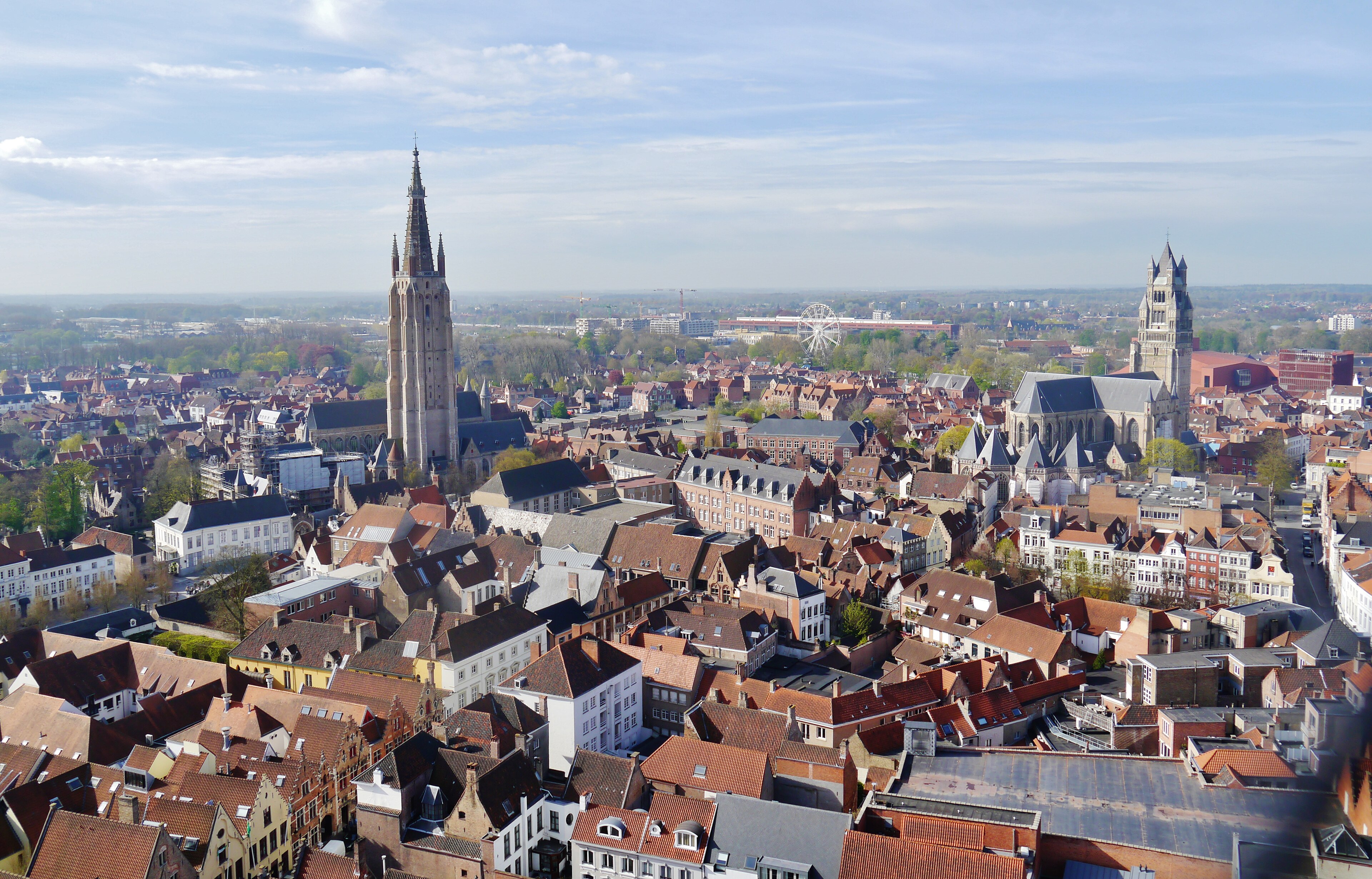
Why Bruges is Perfect for Your Celebration
- Uniquely preserved medieval streetscapes and canal-side settings provide a cinematic, one-of-a-kind event backdrop
- Heritage manor houses, historic guild halls, and boutique château-style hotels offer intimate, character-rich venue options
- Summer months (May–Sep) bring long evenings with up to 17 hours of daylight, ideal for outdoor ceremonies and receptions
- Excellent rail connectivity from Brussels, Ghent, and the Belgian coast makes guest travel straightforward
- A mature local hospitality and catering ecosystem with experienced event vendors accustomed to international clientele
- Compact city centre means guests can walk between ceremony, reception, and accommodation — reducing logistics complexity
Compare Bruges with Other Top Destinations
Frequently Asked Questions
Is Bruges a good destination for a wedding?
Yes, particularly for intimate weddings. Bruges is well-suited to smaller celebrations — typically under 150 guests — where atmosphere, heritage, and a curated guest experience are the priority. Its medieval canals, Gothic architecture, and canal-side heritage venues create a genuinely distinctive setting that is difficult to replicate elsewhere in Europe.
What is the best time of year to hold a wedding or event in Bruges?
Summer — May through September — is the recommended window. This period offers the mildest temperatures, the longest daylight hours (up to 17 hours in midsummer), and the most reliable conditions for outdoor ceremonies and receptions. September is particularly appealing for couples who want summer warmth with noticeably fewer tourists than July and August.
How many guests can venues in Bruges typically accommodate?
Most heritage venues in Bruges comfortably accommodate between 20 and 200 guests. The city's intimate scale means it is not well-suited to very large events of 300 or more in a single space. For smaller, curated celebrations, the local venue inventory is genuinely strong and varied.
How do guests get to Bruges for a destination event?
The primary international gateway is Brussels Airport (BRU), which has extensive European and intercontinental connections. From Brussels, direct trains reach Bruges in approximately 1 hour 15 minutes to 1 hour 30 minutes. Bruges railway station also has frequent direct intercity services from Ghent, Antwerp, and the Belgian coast, making rail travel the most practical option for European guests.
What kinds of event spaces are available in Bruges?
Bruges offers historic palace hotels with private event salons, canal-side boutique heritage hotels, walled courtyard gardens, historic guild halls, and château-style estate venues on the city's outskirts. The emphasis is on character-rich, heritage spaces rather than purpose-built convention facilities, which suits intimate and culturally-focused celebrations particularly well.
Is Bruges suitable for outdoor ceremonies?
Yes, during the summer months. Canal-side terraces, walled courtyard gardens, and private estate grounds are genuinely usable for outdoor ceremonies from May through September. Even in summer, Belgium's climate can produce overcast days or occasional showers, so a credible indoor contingency plan is always advisable for any outdoor event element.
How easy is it for a large guest group to get around Bruges once they arrive?
Very straightforward. The historic city centre is compact and walkable — most venues, hotels, and points of interest are within comfortable walking distance of one another. For guests staying slightly outside the centre, taxis and private minibuses are readily available. The city is also well-served by bicycle hire, which many guests find enjoyable between events.
Are local vendors and caterers in Bruges experienced with international events?
Yes. Bruges has a mature hospitality ecosystem shaped by decades of international tourism. Local caterers, florists, photographers, and event coordinators are experienced with multilingual, multicultural guest groups. English is widely spoken across the sector, and several independent planners specialise specifically in destination weddings and events in Bruges.
Can Belgian food and drink be meaningfully incorporated into an event in Bruges?
Absolutely — and it is one of the destination's genuine strengths. Belgian cuisine is highly regarded, and local specialities including artisan chocolate, regional cheeses, craft beer, and North Sea seafood can be authentically woven into event menus. This adds real cultural character to catering rather than a generic international offering.
Are there any restrictions to be aware of when using heritage venues in Bruges?
Yes. Many of Bruges's most desirable event spaces are protected historic structures, which can limit permissible décor, lighting installations, and structural modifications. Working with vendors and planners who are experienced with listed-building constraints is important — most established local event professionals are familiar with these requirements and plan accordingly.
How far in advance should we book a venue in Bruges for a summer event?
For peak summer dates — particularly July and August — booking 12 to 18 months in advance is strongly advisable. The combination of limited heritage venue inventory and high seasonal demand means popular properties fill up well ahead of time. May, June, and September offer slightly more flexibility, but early planning is still recommended across the full summer window.
Is Bruges safe for international guests attending a wedding or event?
Yes. Bruges is consistently regarded as a very safe city. Its compact, well-lit historic centre, strong local policing presence, and well-developed tourism infrastructure mean that international guests — including those unfamiliar with Belgium — can move around comfortably and independently, including in the evenings.

Ready to explore venues in Bruges?
Bruges: Destination Wedding & Cultural Event Venues in Belgium
◆Bruges is a UNESCO-listed medieval city in West Flanders, Belgium, best suited to intimate weddings, cultural celebrations, anniversary events, and small corporate gatherings. Its primary vibe is Cultural & Timeless — defined by Gothic spires, winding canals, cobblestone lanes, and centuries-old guild architecture. The best season for events is summer (May through September), when long daylight hours and mild temperatures make outdoor canal-side ceremonies and garden receptions genuinely practical. Bruges is well-connected by rail from Brussels and Ghent, making guest travel straightforward for European attendees, though intercontinental guests will typically route through Brussels Airport. The city's intimate scale means it suits smaller, curated guest lists rather than large-format weddings of several hundred people.
Bruges at a Glance
| Category | Detail |
|---|---|
| Best For | Intimate Weddings, Cultural Celebrations, Anniversary Events, Small Corporate Gatherings |
| Primary Vibe | Cultural & Timeless |
| Other Vibes | Romantic, Heritage, Boutique, Canal-side |
| Best Season | Summer (May, Jun, Jul, Aug, Sep) |
Why Choose Bruges?
- Unrivalled medieval backdrop: Bruges is among the best-preserved medieval cities in Europe. Its canal network, Flemish Gothic architecture, and historic market squares provide a naturally cinematic setting that requires minimal decoration — the city itself is the venue.
- Heritage venue diversity: The city offers a genuine range of character-rich event spaces — from converted palace hotels and historic guild halls to intimate canal-side manor houses and walled garden estates — giving planners real choice without sacrificing authenticity.
- Long summer evenings: Between May and September, Bruges enjoys up to 17 hours of daylight. This extended golden hour is particularly valuable for outdoor ceremonies, canal boat processions, and evening receptions that spill into warm, well-lit nights.
- Excellent rail connectivity: Bruges railway station sits at the city's edge and offers frequent direct intercity trains to Brussels (approximately one hour), Ghent, and the Belgian coast. For a European guest list, this makes arrival and departure genuinely easy without requiring car hire.
- Compact, walkable city centre: The historic core is small enough that guests can walk between ceremony venue, reception space, and accommodation — a logistical advantage that reduces the need for shuttle buses and simplifies group coordination.
- Mature hospitality ecosystem: Bruges has hosted international tourism and events for decades. Local caterers, florists, photographers, and event coordinators are experienced with multilingual, multicultural guest groups, and the city's hospitality standards are consistently high.
Which Celebrations Work Best in Bruges?
- Intimate destination weddings: Bruges is particularly well-suited to smaller weddings — typically under 150 guests — where the emphasis is on atmosphere, heritage, and a curated guest experience rather than scale. Canal-side ceremonies, courtyard receptions, and candlelit guild-hall dinners are all genuinely achievable here.
- Cultural celebrations and milestone anniversaries: The city's rich artistic and historical identity makes it an excellent setting for significant personal milestones — anniversary dinners, landmark birthday celebrations, and family reunion events — where the destination itself is part of the occasion's meaning.
- Pre-wedding events (engagement parties, rehearsal dinners): Bruges's abundance of intimate restaurant spaces, private dining rooms in heritage hotels, and canal-side terraces makes it well-suited to the smaller, more personal events that surround a main wedding celebration.
- Small corporate and creative gatherings: The city's boutique hotel meeting facilities, combined with its cultural richness and easy European rail access, make it a credible choice for leadership retreats, creative workshops, and incentive travel events where the environment is intended to inspire rather than simply accommodate.
Venues & Event Spaces
Bruges offers a distinctive mix of venue types that reflect its medieval heritage and Flemish character. The most sought-after spaces tend to be historic palace hotels — former aristocratic residences converted into luxury accommodation with private event salons, courtyard gardens, and period-furnished reception rooms. Alongside these, the city has a number of boutique heritage hotels occupying centuries-old canal-side townhouses, which offer intimate private dining and small ceremony spaces with genuine architectural character.
Beyond hotels, Bruges has historic civic buildings and guild halls that can be hired for private events — these spaces typically feature vaulted ceilings, original stonework, and a grandeur that is difficult to replicate in purpose-built venues. Canal-side terraces and walled garden courtyards attached to heritage properties are popular for outdoor ceremonies during the summer months, offering a naturally photogenic setting without requiring elaborate decoration.
For larger receptions, some properties on the city's outskirts and in the surrounding West Flanders countryside offer château-style estate venues with greater indoor capacity and private grounds — these are particularly suitable for groups that want a more exclusive, self-contained event environment. Purpose-built conference and banquet facilities also exist within the city's larger hotels for groups requiring more conventional event infrastructure alongside the heritage setting.
Best Time to Celebrate
The curated best season for events in Bruges is summer: May through September. This window is recommended for several concrete reasons beyond simply "pleasant weather."
- May and June offer mild temperatures (typically 14°C–20°C), lower tourist density than peak July–August, and the full bloom of the city's canal-side gardens and window boxes — making them arguably the most photogenic months for outdoor ceremonies.
- July and August are the warmest months (occasionally reaching 22°C–25°C) with the longest daylight hours. These are peak tourist months, which means the city is lively and fully operational, but also that popular venues and accommodation book up well in advance — early planning is essential.
- September offers a genuine shoulder-season advantage: summer warmth lingers, crowds thin noticeably after the school holiday period ends, and the city's canal reflections take on a particularly golden quality in the lower autumn light. It is often considered the most comfortable month for guests who find peak-summer crowds overwhelming.
- October and November mark a transition into the less suitable period. Temperatures drop sharply, rain becomes more frequent and persistent, and daylight hours shorten significantly — outdoor elements become unreliable, and the overall atmosphere shifts from celebratory to atmospheric-but-grey.
- December through February is genuinely difficult for events: temperatures regularly fall below 5°C, outdoor spaces are largely impractical, and while the city's Christmas market (December) creates a festive atmosphere, it also brings significant crowds and accommodation pressure that can complicate private event logistics.
- March and April are unpredictable — spring arrives gradually in Belgium, and while occasional warm days occur, persistent showers and cool temperatures make outdoor planning unreliable. These months are better treated as shoulder season than as a genuine alternative to the summer window.
Getting There & Local Connectivity
Bruges does not have its own commercial airport. The primary international gateway is Brussels Airport (BRU), which offers extensive intercontinental and European connections and is linked to Bruges by a direct train service (with one change at Brussels Midi/Zuid, total journey approximately 1 hour 15 minutes to 1 hour 30 minutes). Brussels South Charleroi Airport serves additional low-cost European routes and is reachable by bus and train, though the journey is somewhat longer and less direct.
For guests travelling within Belgium and from neighbouring countries, Bruges railway station is the city's main transport hub. Direct intercity trains connect Bruges to Brussels, Ghent, Antwerp, and the Belgian coast, with frequent departures throughout the day. Guests arriving from the Netherlands, France, or Germany can typically reach Bruges by rail with at most one connection, making it genuinely accessible for a European guest list without requiring car hire.
Within the city, Bruges's compact historic centre is best navigated on foot — most heritage hotels, ceremony venues, and reception spaces are within comfortable walking distance of one another. For guests staying slightly outside the centre or for groups requiring coordinated transfers, taxis and private minibuses are readily available. The city is also famously cycle-friendly, and bicycle hire is a practical and enjoyable option for guests who want to explore between events.
Local Vendor & Hospitality Ecosystem
Bruges has a well-established hospitality and events ecosystem shaped by decades of international tourism and a strong local tradition of fine dining and artisanal craft. Catering and cuisine are a genuine strength: Belgian culinary standards are high, and the city has a deep pool of experienced caterers capable of delivering everything from formal multi-course Flemish banquets to relaxed canal-side buffets. Local specialities — Belgian chocolate, artisan cheeses, craft beer, and regional seafood — can be meaningfully incorporated into event menus in ways that feel authentic rather than generic.
Floral and décor vendors in Bruges are experienced with heritage venue constraints (stone walls, listed interiors, limited fixings) and tend to work with seasonal European blooms that complement the city's colour palette naturally. Photography and videography professionals familiar with the city's light conditions and most photogenic canal-side locations are available locally, though for destination weddings many couples also bring their own photographer from their home country — both approaches work well.
Event coordination and planning services are available through most of the city's larger heritage hotels, and several independent destination wedding planners based in Belgium specialise specifically in Bruges events. English is widely spoken across the hospitality sector, which significantly reduces communication friction for international couples and planners. The city's relatively small size means that vendor relationships are often close-knit, and experienced local planners typically have established working relationships with the best venue and supplier contacts.
Pros & Things to Consider
Why Bruges Works Well
- Genuinely unique medieval setting that is difficult to replicate anywhere else in the world
- Strong summer season with long daylight hours and reliable mild temperatures for outdoor events
- Excellent European rail connectivity makes guest travel straightforward without requiring flights
- Compact, walkable city centre simplifies group logistics and reduces transport costs
- High hospitality standards and a mature, experienced local vendor ecosystem
- Multilingual hospitality sector (Dutch, French, English) accommodates international guest groups comfortably
- Authentic local culinary culture — Belgian cuisine, chocolate, and craft beer add genuine character to event catering
Things to Consider
- Scale limitations: Bruges is an intimate city. Venues that can comfortably accommodate 300+ guests in a single space are limited — it is not the right destination for very large-format weddings or events requiring a single grand ballroom for several hundred people.
- Peak-season crowds: July and August bring significant tourist volumes to the city centre. Public spaces, canal-side areas, and popular streets will be busy, which can affect the exclusivity of outdoor event moments and complicate guest movement.
- No direct intercontinental airport: Guests flying from outside Europe will need to connect through Brussels, adding travel time and a transfer leg that some guests may find inconvenient.
- Weather unpredictability even in summer: Belgium's climate is temperate but not Mediterranean. Even in July and August, overcast days and occasional rain showers are possible — outdoor event plans should always have a credible indoor contingency.
- Listed building constraints: Many of Bruges's most desirable heritage venues are protected historic structures. This can limit what décor, lighting rigs, or structural modifications are permissible, requiring vendors experienced with these constraints.
- Advance booking essential: The combination of limited venue inventory and high summer demand means that popular properties and event spaces book up many months — sometimes over a year — in advance for peak-season dates.
When Bruges May Not Be the Right Fit
- Very large guest lists: If your event requires a single venue capable of hosting 300 or more guests in one space, Bruges's heritage venue inventory may not comfortably meet that need. A city with larger purpose-built event infrastructure would be more suitable.
- Guests primarily travelling from outside Europe: For a guest list that is predominantly intercontinental — flying from South Asia, North America, or East Asia — the absence of a direct-access international airport in Bruges adds a meaningful transfer leg that may make a destination with its own major hub more practical.
- Outdoor-focused events planned outside the summer window: If the event concept depends heavily on outdoor ceremonies, garden receptions, or canal-side settings, planning outside the May–September window carries real weather risk. Bruges in winter or early spring is atmospheric but genuinely cold and wet — not a reliable outdoor event environment.
- Events requiring very large, self-contained resort-style accommodation blocks: Bruges's hotel inventory is characterised by boutique and mid-sized heritage properties rather than large resort complexes. If a group requires 200+ rooms under one roof with full resort amenities, the local supply may not match that requirement.