
Why Bimini is Perfect for Your Celebration
- Just 80 km from Miami — one of the most accessible true island escapes in the Atlantic
- World-renowned big-game fishing and diving create built-in adventure programming for guests
- Small island scale naturally supports exclusive buyouts and intimate group events
- Calm, crystal-clear waters ideal for beach ceremonies and water-based activities during dry season
- Bahamian cultural warmth and laid-back hospitality give events an authentic, unhurried character
- Seaplane and private charter access from South Florida adds a dramatic, memorable arrival experience

Compare Bimini with Other Top Destinations
Frequently Asked Questions
Is Bimini a good destination for a small wedding?
Yes. Bimini is particularly well-suited to small, intimate destination weddings. Its compact island scale, oceanfront settings, and the ability to effectively take over a resort or marina property create a genuinely exclusive atmosphere. It works best for guest lists that the local accommodation inventory can comfortably absorb — typically up to a few dozen to around one hundred guests, depending on the property.
What is the best time of year to plan an event in Bimini?
The dry season — January, February, March, April, and December — is the strongly recommended window. These months bring calm seas, low humidity, minimal rainfall, and consistent sunshine, all of which are critical for outdoor ceremonies and water-based activities. The Atlantic hurricane season (June–November) carries meaningful risk of storms and event disruption and is best avoided for fixed-date celebrations.
How do guests get to Bimini?
Bimini is served by South Bimini Airport (BIM), accessible by short charter flight or seaplane from Miami (approximately 20–30 minutes) or by inter-island flight from Nassau. A fast ferry from Port Miami is also available, taking roughly two hours. Guests from outside North America will typically connect through Miami or Nassau. The Miami connection makes Bimini very accessible for US East Coast guests.
What kinds of event venues are available in Bimini?
Bimini's venues are primarily oceanfront resort properties, marina and waterfront settings, and open beach spaces. These suit outdoor ceremonies, beach receptions, and sunset dinners well. The island does not have large ballrooms or convention-scale banquet halls — its strength is natural, outdoor, and waterfront settings rather than formal indoor event infrastructure.
How large a guest group can Bimini realistically accommodate?
Bimini is best suited to groups of up to roughly 100–400 guests, depending on the property and event format. The island's accommodation inventory is limited compared to larger resort destinations, so very large guest lists may find it difficult to house everyone on the island simultaneously. Early coordination with the resort is essential for groups on the larger end of this range.
What adventure activities can be incorporated into an event programme in Bimini?
Bimini is world-renowned for big-game fishing, shark diving, reef snorkelling, and dolphin encounters. These activities translate naturally into multi-day event itineraries — fishing tournaments, dive excursions, sunset boat cruises, and bonfire nights on the beach are all commonly incorporated. Local operators specialising in these experiences are well-established and accustomed to working with event groups.
Do I need to bring vendors from outside Bimini for my event?
For many specialist requirements — florists, photographers, entertainment companies, and specialty caterers — yes. Bimini's local vendor ecosystem is smaller than a major city or large resort island. Resort properties typically offer in-house catering and coordination, but independent specialist vendors are often sourced from Nassau or Miami and transported to the island. Engaging an experienced destination event planner early is strongly recommended.
Is Bimini suitable for a corporate retreat or group getaway?
Yes, particularly for activity-led corporate retreats. Bimini's fishing, diving, and water sports culture provides genuine outdoor team-building programming that is difficult to replicate in a standard hotel setting. The island's small scale and natural exclusivity also make it well-suited to groups seeking a genuinely off-the-beaten-path experience rather than a conventional conference environment.
What is local transport like for a group once they arrive in Bimini?
On North Bimini, golf carts are the primary mode of transport — the island is small enough to traverse end-to-end in minutes. There is no conventional taxi fleet or public bus network, so event organisers should coordinate with their resort or local operators to arrange group transport for off-property excursions. This simplicity is generally an asset: guests are rarely far from the venue or the beach.
How reliable is internet and mobile connectivity in Bimini?
Connectivity in Bimini is limited compared to urban or larger resort destinations. Mobile coverage and internet speeds are functional but not consistently strong across the island. This is worth factoring into event coordination planning — particularly for real-time communication during the event itself — and guests should be advised to expect a more disconnected experience, which many find part of the appeal.
Is Bimini safe for a group of international guests?
Generally, yes. Bimini is considered a safe destination for visitors, with a small, close-knit community and a tourism-oriented local culture. Standard travel precautions apply, as they would anywhere. The island's compact size means guests are rarely in unfamiliar or isolated situations. Event groups staying within resort properties will find the environment well-managed and hospitable.

Ready to explore venues in Bimini?
Bimini: Destination Wedding & Adventure Event Venues in the Bahamas
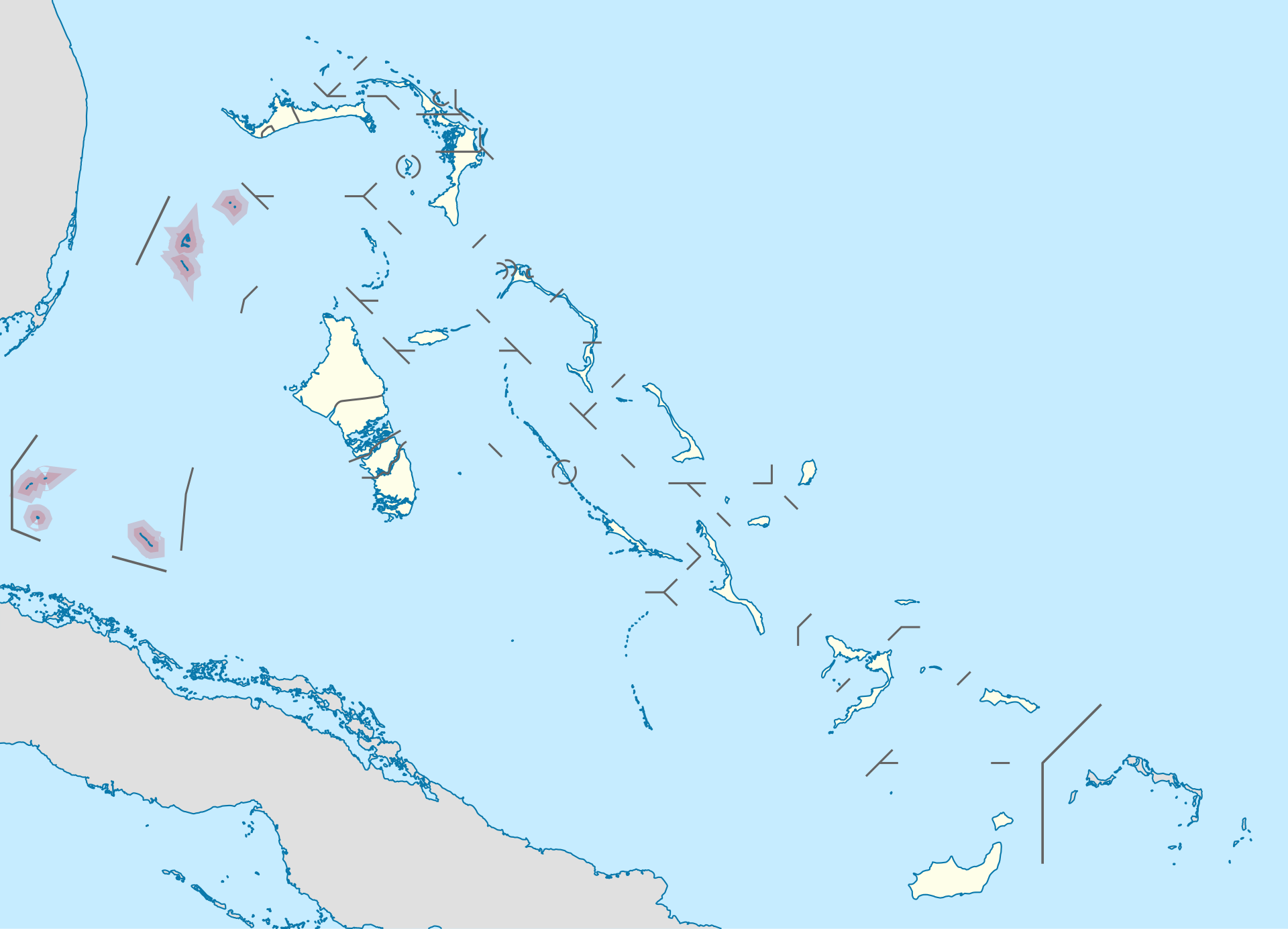
◆Bimini is a small island chain in the western Bahamas, roughly 80 kilometres east of Miami, and one of the most accessible true island destinations in the Atlantic. It is strongest for intimate, adventure-driven celebrations — destination weddings, milestone birthday parties, and group getaways where the ocean, fishing, diving, and barefoot luxury are central to the experience. The dry season (January through April, and December) offers the most reliable conditions for outdoor events. Bimini is not a large-scale convention or mass-wedding destination; its appeal lies in exclusivity, natural beauty, and proximity to South Florida, making it a genuinely distinctive choice for groups of up to a few hundred guests.
Bimini at a Glance
| Category | Detail |
|---|---|
| Best For | Destination Weddings, Milestone Birthday Parties, Group Adventure Getaways, Intimate Celebrations |
| Primary Vibe | Adventurous & Thrilling |
| Other Vibes | Barefoot Luxe, Oceanfront, Intimate & Exclusive |
| Best Season | Dry Season (Jan, Feb, Mar, Apr, Dec) |
Why Choose Bimini?
- Unmatched proximity to South Florida: Bimini sits just 80 kilometres from Miami, making it reachable by short flight, seaplane, or fast ferry — a genuine island escape without a long-haul journey for most North American guests.
- World-class adventure programming built in: Big-game fishing, shark diving, snorkelling over shallow reefs, and dolphin encounters give event groups a ready-made activity itinerary that few other island destinations can match at this scale.
- Natural exclusivity at small scale: The island's compact geography means a group can genuinely feel like they have the place to themselves, particularly during resort or marina buyouts — a quality that is difficult to replicate in larger, more tourist-heavy destinations.
- Dramatic arrival experience: Guests arriving by seaplane from Miami or by private charter land directly into a postcard-worthy setting, creating a memorable first impression that sets the tone for the entire event.
- Authentic Bahamian culture: Bimini has a deep cultural identity — as the legendary haunt of Ernest Hemingway and a historic centre of Bahamian fishing tradition — that gives events a genuine sense of place rather than a generic resort backdrop.
- Calm, clear waters during dry season: The western Bahamas' dry season delivers consistently calm seas and exceptional water clarity, making beach ceremonies, sunset cruises, and water-based activities reliably beautiful and safe.
Which Celebrations Work Best in Bimini?
Destination Weddings: Bimini's oceanfront settings, intimate scale, and the ability to effectively take over a resort or marina property make it particularly well-suited to small-to-medium destination weddings where the couple wants a genuinely remote, romantic feel without sacrificing accessibility from the US East Coast.
Milestone Birthday Parties: The island's adventure culture — fishing tournaments, dive excursions, bonfire nights on the beach — translates naturally into multi-day birthday celebration itineraries. Groups looking for an experience-led party rather than a ballroom event will find Bimini a strong fit.
Group Adventure Getaways & Corporate Retreats: Bimini's fishing and diving reputation draws groups specifically seeking activity-based bonding. Corporate groups looking for an off-site retreat with genuine outdoor programming, rather than a standard hotel conference setup, will find the island's character well-aligned with that brief.
Intimate Celebrations & Vow Renewals: For very small groups — immediate family and close friends — Bimini offers a level of privacy and natural beauty that larger resort islands often cannot provide. Sunset beach ceremonies and private boat dinners are genuinely achievable here without elaborate logistics.
Venues & Event Spaces
Bimini's event venue landscape is defined by its island character rather than by a large inventory of purpose-built banquet facilities. The primary venue types available include:
- Oceanfront resort properties with indoor and outdoor event spaces, capable of hosting receptions, dinners, and ceremonies directly on or adjacent to the beach. These properties typically offer integrated accommodation, catering, and event coordination, which simplifies logistics for destination groups.
- Marina and waterfront settings that can be configured for cocktail receptions, rehearsal dinners, and informal gatherings, with the added visual drama of boats and open water as a backdrop.
- Beach and natural outdoor spaces — Bimini's beaches are among its strongest assets, and open-air ceremonies on the sand, under the stars, or at the water's edge are a defining feature of events here. These settings require coordination with local vendors for temporary structures, lighting, and sound.
- Private boat and yacht charters that function as floating event venues for smaller groups — sunset cruises, private dinners at anchor, and fishing excursion days are all commonly incorporated into multi-day event programmes.
It is important to note that Bimini does not have a large inventory of grand ballrooms, convention-scale banquet halls, or heritage palace venues. The destination's strength lies in natural, outdoor, and waterfront settings rather than formal indoor event infrastructure.
Best Time to Celebrate
The real curated best season for Bimini is the Dry Season: January, February, March, April, and December. During these months, the western Bahamas experiences its most stable and pleasant conditions — lower humidity, minimal rainfall, calm Atlantic seas, and consistent sunshine. For outdoor events specifically, this window is significantly more reliable than the rest of the year.
January through March represent the peak of the dry season, with the clearest skies and the calmest water conditions — ideal for beach ceremonies, boat excursions, and open-air receptions. April remains excellent, though temperatures begin to climb slightly toward the end of the month. December is a strong choice for groups wanting a festive, end-of-year celebration in a warm tropical setting, with conditions generally comparable to January.
The months outside this window present meaningful challenges. May is a transitional month — humidity rises noticeably and the risk of unsettled weather increases, making it a less reliable choice for outdoor events. June through November falls within the Atlantic hurricane season, which brings the genuine risk of tropical storms, rough seas, heavy rainfall, and event disruption. While not every day in this period is stormy, the unpredictability is significant enough that planning a fixed-date event during hurricane season carries real logistical and financial risk. Outdoor ceremonies and water-based activities are particularly vulnerable. Groups with flexibility should strongly favour the dry season window.
Getting There & Local Connectivity
Bimini is served by South Bimini Airport (BIM), which handles small aircraft, charter flights, and seaplane services. The most common access routes for guests are:
- From Miami: Short charter flight or seaplane (approximately 20-30 minutes), or fast ferry service from Port Miami (approximately 2 hours). This makes Bimini genuinely easy for guests based in South Florida.
- From Nassau: Short inter-island flight, making it accessible for guests connecting through Nassau's Lynden Pindling International Airport from international origins.
- International guests: Will typically route through Miami or Nassau, adding a connection to their journey. This is manageable but should be factored into guest travel planning, particularly for guests coming from Europe, Asia, or other long-haul origins.
Once on the island, local connectivity is simple by necessity — Bimini is small enough that golf carts are the primary mode of transport on North Bimini, and the island can be traversed end-to-end in minutes. This simplicity is an asset for group logistics: guests are never far from the event venue, accommodation, or the beach. There is no public bus network or taxi fleet in the conventional sense, so event organisers should coordinate with their resort or local operators to arrange group transport for any off-property excursions.
Local Vendor & Hospitality Ecosystem
Bimini's vendor ecosystem is smaller and more specialised than what a major city or large resort island would offer, which has both advantages and limitations worth understanding before planning an event here.
Strengths of the local ecosystem: The island's resort properties have experience handling destination group events and typically offer in-house catering, event coordination, and accommodation packages that reduce the need to source multiple independent vendors. Local operators specialising in fishing charters, dive excursions, and water sports are well-established and accustomed to working with event groups. Bahamian hospitality is genuinely warm and personal at this scale.
Limitations to plan around: Bimini does not have a deep bench of independent wedding vendors — florists, photographers, entertainment companies, and specialist caterers are not as numerous or as locally based as they would be in a larger destination. Many event planners working in Bimini bring key vendors in from Nassau or Miami, which is entirely feasible but adds a logistical layer and should be budgeted for in terms of coordination time. Décor and specialty supplies may need to be shipped or transported to the island in advance. Groups planning elaborate, highly customised events should engage an experienced destination event planner with prior Bimini or Bahamas experience early in the process.
Pros & Things to Consider
Why Bimini Works Well
- Exceptional natural beauty — turquoise water, white sand beaches, and clear skies during dry season create a genuinely stunning event backdrop
- Proximity to Miami makes it one of the most accessible true island escapes available to North American guests
- Small island scale naturally creates an exclusive, private atmosphere that larger destinations cannot replicate
- Adventure programming (fishing, diving, snorkelling, boat charters) gives multi-day events a rich activity itinerary
- Authentic Bahamian cultural character gives events a genuine sense of place
- Seaplane and private charter arrival options create a memorable, dramatic guest experience
Things to Consider
- Venue inventory is limited — Bimini is not suited to very large guest lists or events requiring grand ballroom or convention-scale infrastructure
- Independent vendor depth is thin; specialist suppliers (florists, photographers, entertainment) often need to be sourced from Nassau or Miami and transported to the island
- Hurricane season (June–November) makes outdoor event planning genuinely risky for more than half the year
- International guests face a multi-leg journey, which can be a deterrent for guests coming from outside North America
- Island logistics — supply chains, equipment transport, and contingency planning — require more lead time and coordination than a mainland destination
- Internet and mobile connectivity on the island is limited compared to urban destinations, which can affect real-time event coordination
When Bimini May Not Be the Right Fit
- Large guest lists: If your event requires accommodation and event space for several hundred guests simultaneously, Bimini's limited hotel inventory and venue scale will likely be insufficient. A larger resort island or mainland destination would serve this need better.
- Guests travelling from outside North America: International guests from Europe, Asia, or other long-haul origins will face a multi-connection journey. If a significant portion of your guest list is international, the travel burden may outweigh the destination's appeal for them.
- Events planned during hurricane season (June–November): If your dates fall within this window and outdoor elements are central to your event, Bimini's weather unpredictability poses a real risk. A destination with a more reliable year-round climate would be a safer choice.
- Events requiring elaborate, highly customised décor or specialist vendors on-site: If your vision depends on a deep local vendor ecosystem — multiple florists, specialist caterers, large entertainment companies — Bimini's limited local supply base means significant additional logistics. A destination with a more mature event industry infrastructure would reduce that complexity.