
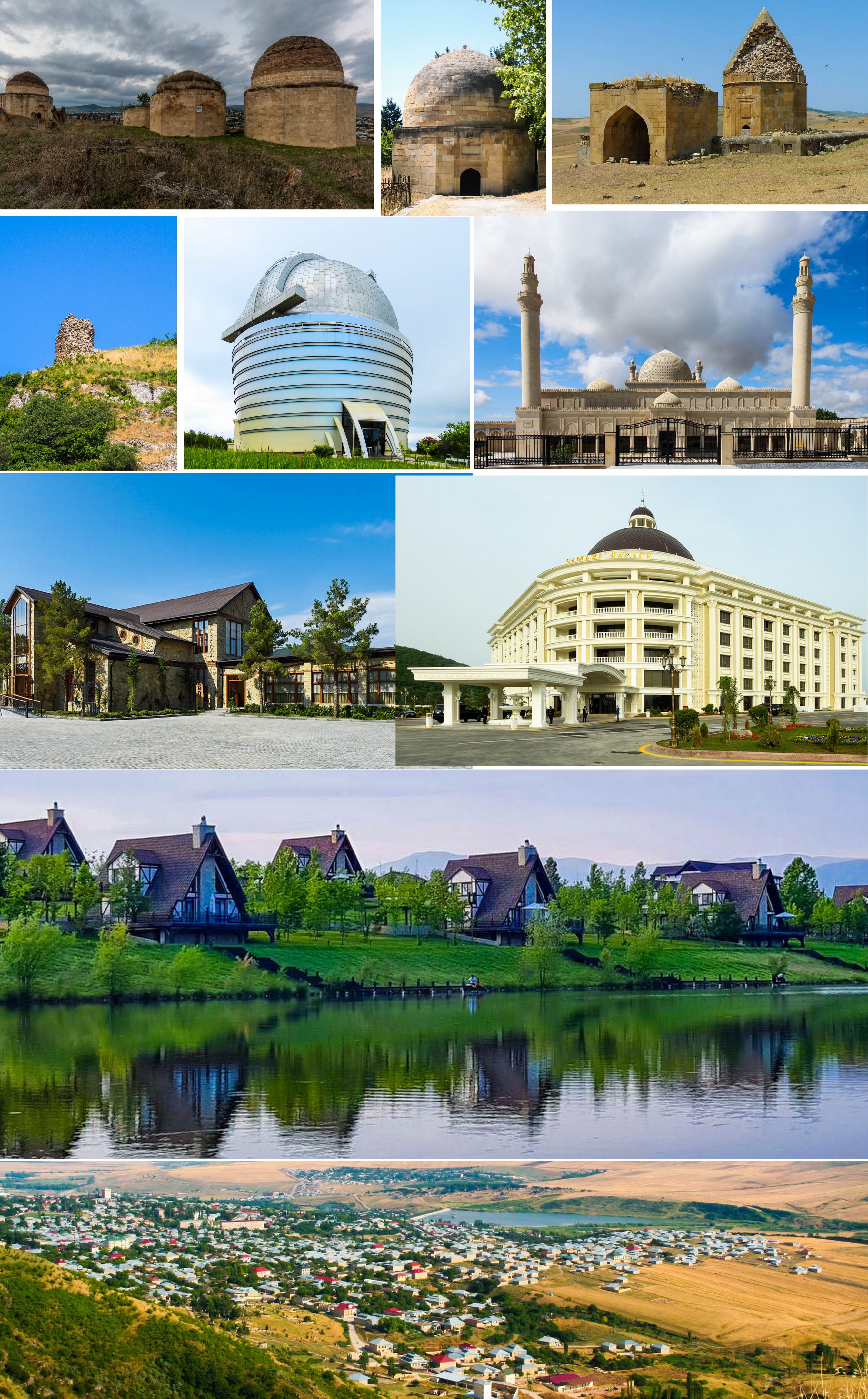
Why Shamakhi is Perfect for Your Celebration
- Rich silk-weaving and medieval heritage creates an authentically cultural event backdrop
- Vineyard and mountain landscapes offer scenic outdoor ceremony settings
- Juma Mosque and historic caravanserai sites add architectural grandeur to pre-event photography
- Intimate scale suits smaller, curated guest lists seeking exclusivity over spectacle
- Spring and early autumn seasons deliver reliably mild, photogenic weather
- Proximity to Baku (~2 hrs) allows guests to combine a city stay with a regional celebration

Top Venues in Shamakhi
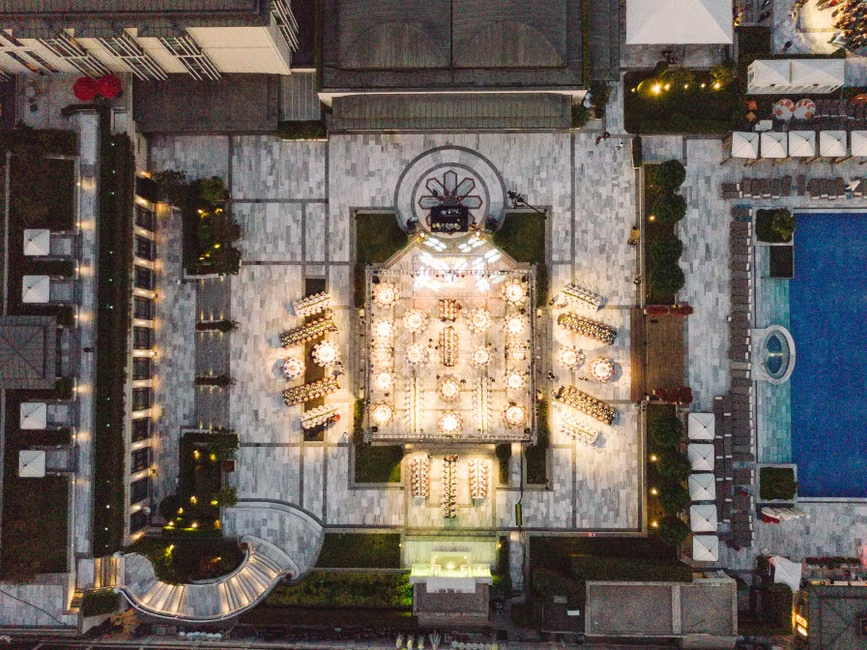
Shamakhi Palace Hotel
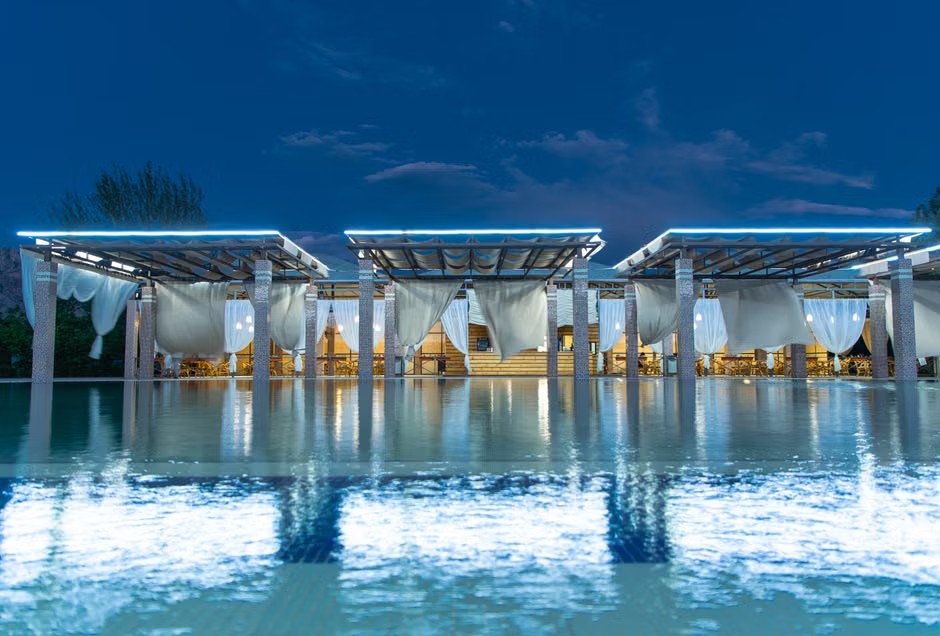
Ismayilli Resort & Spa
Compare Shamakhi with Other Top Destinations
Frequently Asked Questions
Is Shamakhi a good destination for an intimate wedding?
Yes. Shamakhi is particularly well-suited to intimate destination weddings, typically for guest lists under 200 people. Its heritage properties, vineyard landscapes, and authentic Azerbaijani cultural character create a genuinely distinctive atmosphere. The destination rewards couples who prioritise a sense of place and cultural richness over large-scale luxury infrastructure.
What is the best time of year to hold a wedding or event in Shamakhi?
April, May, June, September, and October are the curated best months. Spring brings lush green hillsides and mild temperatures; early autumn offers harvest-season vineyard scenery and similarly comfortable conditions. July and August are too hot and dry for comfortable outdoor events, while November through March brings cold winters that limit outdoor viability significantly.
How do guests get to Shamakhi from abroad?
International guests fly into Heydar Aliyev International Airport in Baku, which has good connections to major European, Middle Eastern, and Central Asian hubs. From Baku, Shamakhi is approximately two hours by road. There is no direct railway connection, so private coach or car transfer from Baku is the standard arrangement for event groups.
What kinds of venues are available in Shamakhi for weddings and events?
Shamakhi offers heritage-influenced hotel properties, boutique resort facilities in the surrounding foothills, vineyard-adjacent outdoor spaces, and courtyard venues suited to ceremonies and receptions. The inventory is best matched to guest lists of roughly 80–250 people. Very large-scale convention or ballroom infrastructure is not a feature of the local venue landscape.
Can a large guest group find accommodation in Shamakhi?
Moderate-sized groups can generally be accommodated across the available hotel and resort properties in and around Shamakhi. For very large guest lists — particularly those expecting to stay under one roof — accommodation may need to be split across multiple properties, or supplemented with options in the nearby Ismayilli district. Early planning and block-booking are advisable.
Do I need a local wedding coordinator for an event in Shamakhi?
Strongly advisable, yes. While Azerbaijani hospitality is warm and hotel staff are generally helpful, English proficiency among independent local vendors varies. A local coordinator familiar with the Shamakhi–Baku vendor network will significantly ease logistics, particularly for sourcing specialist services — such as professional AV, large-scale florals, or entertainment — that may need to be brought in from Baku.
What makes Shamakhi culturally distinctive as an event destination?
Shamakhi is one of the oldest cities in the South Caucasus, with a documented Silk Road history, active silk-weaving traditions, medieval Islamic architecture, and a regional cuisine built around saffron pilafs, slow-cooked lamb, and local wines. These elements — genuinely embedded in the place rather than staged for tourists — give events here a cultural depth that is difficult to replicate elsewhere.
Is Shamakhi suitable for pre-wedding functions like mehendi or engagement parties?
Yes. Shamakhi's courtyard spaces, garden terraces, and vineyard-adjacent outdoor areas are well-suited to informal pre-wedding gatherings. The destination's cultural warmth and scenic settings make these functions feel naturally festive. The mild spring and early autumn seasons are particularly good for outdoor pre-wedding events.
What local food and beverage options are available for event catering?
Azerbaijani cuisine is a genuine strength — expect saffron-infused pilafs, slow-cooked lamb and poultry dishes, fresh herb salads, and regional wines from the Shirvan area. Incorporating local food and beverage into an event is both feasible and strongly recommended as a differentiating experience. International menu options are available at hotel level but are less distinctive.
How far in advance should I start planning a destination event in Shamakhi?
Given the more limited local vendor ecosystem compared to a major city, planning 9–12 months in advance is advisable for a destination wedding or large social event. This allows adequate time to secure venue availability during the popular spring and autumn windows, coordinate Baku-based specialist vendors, and arrange group accommodation and transport logistics.

Ready to explore venues in Shamakhi?
Shamakhi: Destination Wedding & Cultural Event Venues in Azerbaijan
◆Shamakhi is best suited to intimate, culturally immersive weddings and social celebrations for smaller guest groups who value heritage, authenticity, and scenic Caucasus landscapes over large-scale luxury infrastructure. Its primary vibe is Cultural & Timeless — shaped by silk-weaving traditions, medieval Islamic architecture, and vineyard-covered hillsides. The destination suits destination weddings, anniversary gatherings, and curated social events most naturally. The optimal season runs through spring and early autumn (April–June and September–October), when temperatures are mild and the landscape is at its most photogenic. Accessibility is moderate — guests fly into Baku and travel onward by road — making it a realistic choice for groups willing to embrace a short scenic transfer as part of the experience.
Shamakhi at a Glance
| Category | Detail |
|---|---|
| Best For | Intimate Destination Weddings, Anniversary Celebrations, Cultural Social Events, Pre-Wedding Gatherings |
| Primary Vibe | Cultural & Timeless |
| Other Vibes | Rustic, Scenic, Heritage, Vineyard |
| Best Season | Spring (Apr, May, Jun, Sep, Oct) |
Why Choose Shamakhi?
- Authentic Silk Road heritage: Shamakhi is one of the oldest continuously inhabited cities in the South Caucasus, with a documented history stretching back over two millennia. Its medieval Juma Mosque, ancient caravanserai ruins, and silk-weaving traditions give events here a genuinely rare cultural depth that purpose-built resort destinations simply cannot replicate.
- Vineyard and mountain scenery: The surrounding Shirvan foothills are dotted with vineyards and orchards, providing naturally beautiful outdoor backdrops for ceremonies and photography without requiring elaborate decoration.
- Intimate scale and exclusivity: Shamakhi's relatively modest tourism infrastructure is, for the right group, a genuine advantage — events here feel private and curated rather than part of a busy wedding-season conveyor belt.
- Proximity to Baku: At roughly two hours by road from Azerbaijan's capital, Shamakhi is close enough for guests to combine a city stay in Baku with a regional celebration, easing international travel logistics considerably.
- Mild spring and autumn climate: The curated best seasons deliver comfortable daytime temperatures, low rainfall, and clear skies — conditions that are genuinely well-suited to outdoor ceremonies and garden receptions.
- Emerging destination character: For couples who want a celebration that feels genuinely off the beaten path within the broader Caucasus region, Shamakhi offers a story and a setting that guests are unlikely to have encountered before.
Which Celebrations Work Best in Shamakhi?
- Intimate destination weddings: Shamakhi's heritage properties and vineyard settings are particularly well-matched to smaller weddings — typically under 200 guests — where the emphasis is on atmosphere, cultural richness, and a sense of place rather than grand ballroom scale.
- Anniversary and milestone celebrations: The city's timeless, unhurried character makes it a natural fit for milestone gatherings where couples or families want a meaningful, experience-led event rather than a conventional banquet.
- Pre-wedding and mehendi-style gatherings: Outdoor garden and courtyard spaces, combined with the region's warm hospitality traditions, suit pre-wedding functions that benefit from an informal, culturally textured setting.
- Cultural and heritage-themed social events: Corporate or social groups with an interest in Azerbaijani culture, Caucasus history, or the Silk Road narrative will find Shamakhi a genuinely compelling backdrop for themed dinners, cultural evenings, and networking events.
Venues & Event Spaces
Shamakhi's event venue landscape is characterised by heritage-influenced properties, boutique hotels, and resort-style facilities in the surrounding foothills rather than large convention-scale venues. Guests can expect:
- Heritage and palace-style properties: Several properties in and around Shamakhi draw on the city's historical architectural vocabulary, offering ornate interiors, courtyard spaces, and garden terraces suited to ceremonies and receptions.
- Vineyard and countryside resorts: The broader Shamakhi–Ismayilli corridor includes resort properties set within agricultural and forested landscapes, offering outdoor lawns, terraced gardens, and scenic mountain views as natural event settings.
- Banquet halls and indoor function rooms: Mid-scale properties in the city centre typically offer enclosed banquet facilities suitable for seated dinners and evening receptions, particularly useful during shoulder-season months when outdoor events may be less predictable.
- Courtyard and open-air spaces: Several heritage-adjacent venues feature traditional courtyard layouts that lend themselves naturally to intimate ceremonies, cultural performances, and al-fresco dining.
The overall venue inventory is best suited to guest lists in the range of 80–250 people. Groups requiring very large-scale infrastructure — multiple simultaneous event spaces, convention-grade AV, or accommodation for 500+ guests on a single property — will find the local supply more limited than in a major city destination.
Best Time to Celebrate
The curated best season for Shamakhi events runs across April, May, June, September, and October — broadly the spring and early autumn windows.
- April and May bring the most visually striking conditions: the surrounding hills are green, wildflowers are in bloom across the foothills, and daytime temperatures are comfortably mild (typically in the mid-teens to low twenties Celsius). Rainfall is possible but generally manageable, and the landscape is at its most lush and photogenic.
- June extends the spring window with warmer, drier conditions. Early June is generally excellent; later in the month temperatures begin climbing toward summer levels, so timing within the month matters for outdoor events.
- September and October offer the autumn equivalent — harvest season in the vineyards, golden foliage beginning to appear on the hillsides, and a return to comfortable temperatures after the summer heat. This is arguably the most atmospheric period for vineyard-adjacent events, with the added visual interest of the harvest landscape.
July and August bring peak summer heat to the region — dry, dusty, and significantly warmer than the spring and autumn windows. Outdoor ceremonies and daytime events become uncomfortable, and the landscape loses much of its green vibrancy. These months are generally not recommended for outdoor-focused celebrations.
November through March brings cold winters to Shamakhi, with frost and occasional snow possible at higher elevations. While indoor events remain feasible, the outdoor and garden-based elements that define much of the destination's appeal are largely unavailable, and the overall atmosphere is considerably less inviting for destination guests travelling from warmer climates.
Getting There & Local Connectivity
The primary gateway for international and domestic guests is Heydar Aliyev International Airport in Baku, which is well-connected to major European, Middle Eastern, and Central Asian hubs. From Baku, Shamakhi is reached by road — a journey of approximately two hours under normal conditions, passing through increasingly scenic Caucasus foothills as the city approaches.
There is no direct railway connection to Shamakhi itself, making private road transfer the standard and most practical option for event groups. For planners, this means coordinating coach or minibus transfers from Baku is a routine part of the logistics plan — not an unusual complication, but one that requires advance organisation, particularly for larger guest groups arriving on multiple flights.
Within Shamakhi and the surrounding area, local transport options are limited compared to a major city. For event purposes, it is generally advisable to arrange dedicated group transport for guests rather than relying on local taxis or public options, particularly for transfers between accommodation and event venues in the evening.
Guests travelling from South Asia, the Gulf, or Europe will typically find Baku well-served by direct or one-stop connections, making the overall journey manageable even for international destination wedding guests. The road transfer from Baku, while adding time, is itself a scenic introduction to the Caucasus landscape and can be framed as part of the destination experience.
Local Vendor & Hospitality Ecosystem
Shamakhi's vendor ecosystem reflects its character as an emerging, culturally rich destination rather than a mature wedding-industry hub. Key characteristics include:
- Local catering strengths: Azerbaijani cuisine — featuring slow-cooked lamb dishes, saffron-infused pilafs, fresh herbs, and regional wines — is genuinely well-represented locally, and incorporating authentic local food and beverage into an event is both feasible and strongly recommended as a differentiating experience for guests.
- Craft and décor traditions: The city's silk-weaving heritage and broader Azerbaijani craft traditions (carpet-making, copperwork, ceramics) offer authentic decorative elements that can meaningfully distinguish an event's aesthetic from generic international wedding styling.
- Hospitality warmth: Azerbaijani hospitality culture places significant emphasis on guest welcome and generosity, and this is genuinely felt at the property and community level in Shamakhi — a quality that experienced event planners consistently note as an asset.
- Vendor maturity considerations: Specialist wedding vendors — international-standard photographers, large-scale floral designers, professional AV and lighting companies — are more readily available in Baku than in Shamakhi itself. Planners should expect to source some specialist services from the capital and factor in logistics accordingly.
- Language: Azerbaijani is the primary language; Russian is widely understood among older residents and hospitality professionals. English proficiency varies and is generally more reliable at hotel and resort level than among independent local vendors — a professional local coordinator or interpreter is a practical asset for event planning.
Pros & Things to Consider
Why Shamakhi Works Well
- Genuinely distinctive cultural and heritage setting that most guests will not have experienced before
- Vineyard and mountain scenery provides naturally beautiful ceremony and photography backdrops
- Intimate scale suits curated, smaller guest lists seeking exclusivity
- Spring and early autumn seasons are reliably mild and visually striking
- Authentic Azerbaijani cuisine and craft traditions add meaningful local character to events
- Proximity to Baku means international guests have a well-connected gateway city
Things to Consider
- No direct railway access — all guests require road transfer from Baku, adding logistical coordination
- Specialist wedding vendors (high-end AV, international florists, large-scale production) are more limited locally than in a major city
- Accommodation inventory is more limited than in a capital city — very large guest lists may need to be split across multiple properties
- English proficiency among local vendors is variable; a local coordinator is strongly advisable
- Summer months (July–August) are genuinely unsuitable for outdoor events due to heat and dust
- Winter months significantly restrict the outdoor and garden elements that define much of the destination's appeal
When Shamakhi May Not Be the Right Fit
- Very large guest lists: Groups of 300 or more guests requiring accommodation and event space on a single property will likely find Shamakhi's current venue inventory insufficient — a larger city destination would serve this need more reliably.
- Guests with limited travel flexibility: If a significant portion of the guest list has difficulty with multi-leg journeys or long road transfers, the Baku-plus-road-transfer routing may create meaningful friction that a more directly accessible destination would avoid.
- Outdoor events planned for July or August: The summer heat and dry conditions make outdoor ceremonies and garden receptions genuinely uncomfortable during these months — couples with fixed summer dates would be better served by a destination with a more forgiving summer climate.
- Events requiring large-scale production infrastructure: If the event brief calls for major stage production, large-format AV, or convention-scale technical requirements, Shamakhi's local vendor ecosystem may not support this without significant importation of resources from Baku, adding complexity and lead time.