
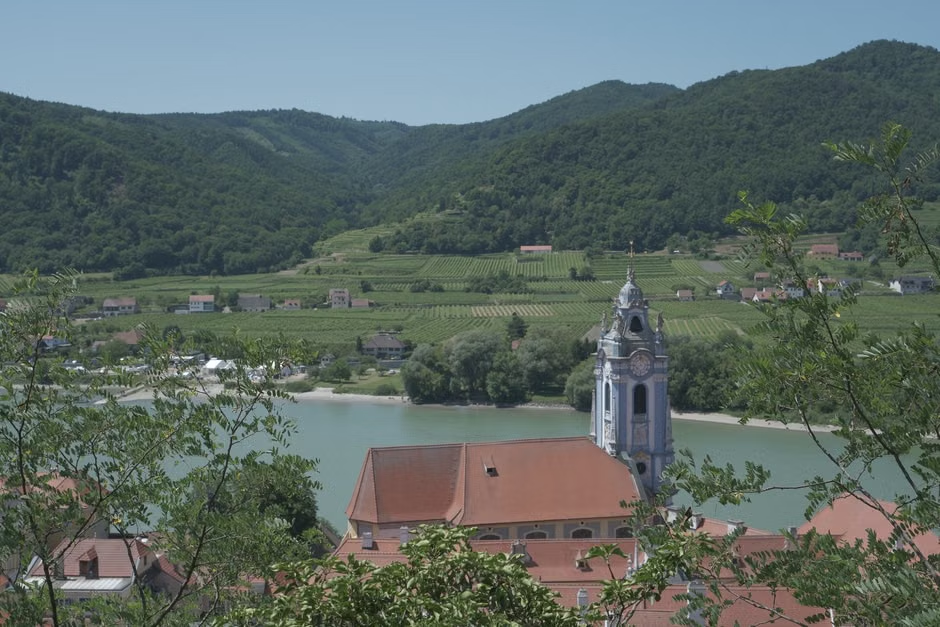
Why Wachau Valley / Krems is Perfect for Your Celebration
- UNESCO World Heritage landscape provides a naturally cinematic backdrop for ceremonies and photography
- Wachau Riesling and Grüner Veltliner wine culture makes vineyard weddings and wine-pairing dinners genuinely authentic here
- Melk Abbey and Göttweig Abbey offer rare, historically significant ceremony and reception settings
- Danube river cruises can be incorporated as a unique guest experience or floating reception element
- Summer evenings are long and warm, ideal for outdoor terrace dinners overlooking the river
- Proximity to Vienna (under 90 minutes) means international guests can combine a city stay with the valley celebration
Compare Wachau Valley / Krems with Other Top Destinations
Frequently Asked Questions
Is Wachau Valley a good destination for a destination wedding?
Yes, particularly for intimate and romantic celebrations. The Wachau Valley is genuinely well-suited to destination weddings for couples who prioritise scenery, wine culture, and European heritage. Its UNESCO World Heritage landscape, vineyard estates, and Danube riverside settings create a naturally cinematic backdrop. It works best for guest lists of roughly 20 to 150 people, where the boutique character of the valley's venues and hotels is an asset rather than a limitation.
What is the best time of year to hold a wedding or event in Wachau Valley?
May through September is the clear best season. Summer brings warm temperatures, long daylight hours, and fully operational outdoor venues, vineyard terraces, and Danube river cruises. September is particularly atmospheric as the harvest season begins and the vineyards turn golden. Outside this window, many boutique venues reduce hours or close, river services are suspended, and the cold, grey climate makes outdoor celebrations impractical.
How do international guests typically get to Wachau Valley / Krems?
Most international guests fly into Vienna International Airport (VIE), one of Central Europe's major hubs, and then travel to Krems by car or train — a journey of roughly one hour. Direct train services run from Vienna's Franz-Josefs-Bahnhof to Krems an der Donau. For guests arriving from within Europe, the connection is straightforward; those coming from further afield should plan for the Vienna transfer as part of their travel itinerary.
What size of guest group can the Wachau Valley realistically accommodate for an event?
The valley comfortably supports celebrations of approximately 20 to 150 guests. Boutique vineyard estates, heritage hotels, and riverside venues in villages like Dürnstein and Weißenkirchen are well-suited to this range. Krems itself has larger hotel properties that can push capacity somewhat higher. Guest lists above 200 will find the local venue inventory genuinely stretched, and a different destination would likely serve those needs better.
What kinds of venues are available for weddings and events in the Wachau Valley?
The valley offers vineyard estates with terrace and cellar spaces, boutique heritage hotels with riverside gardens and private dining rooms, historic castle and abbey-adjacent settings, and outdoor Danube riverside lawns. In Krems, larger hotel properties provide purpose-built banquet and conference facilities. Private Danube cruise vessels can also be chartered for cocktail hours or dinner receptions during the summer season.
Can we incorporate a Danube river cruise into our wedding or event programme?
Yes. Private Danube cruise vessels can be chartered during the summer season for cocktail hours, dinner receptions, or guest transfers between valley villages. Scheduled passenger boats also connect the main Wachau stops, and a boat transfer can serve as a guest experience in its own right. This is a well-established format for events in the region and one of the destination's genuinely distinctive offerings.
How do we move guests between venues and villages within the valley?
Private coach or minibus transfers are the most practical solution for moving event groups between the valley's villages — Dürnstein, Weißenkirchen, Spitz, Melk, and Krems. The road along the Danube is scenic but narrow, and taxis are limited outside Krems. For summer events, Danube boat services offer a scenic alternative for some transfers. A local event coordinator with valley experience is strongly recommended for multi-site celebrations.
Is the local vendor and catering ecosystem in Wachau Valley suited to international event clients?
Generally yes, though the ecosystem is boutique in scale. Local caterers produce high-quality Austrian cuisine incorporating regional ingredients — Wachau apricots, Danube fish, local wines — at a standard suited to formal event dining. Winemakers often collaborate directly on curated wine programmes. Photographers, florists, and coordinators with valley experience are available, but the pool is smaller than in a major city, so early booking is important for peak summer dates.
Do we need special permissions to hold a ceremony at an abbey or castle in the Wachau Valley?
Yes, typically. Ceremonies or receptions at or adjacent to heritage settings such as Melk Abbey or Göttweig Abbey require advance coordination with the relevant heritage or religious authorities, and not all spaces are available for private events at all times. A local event planner with established relationships in the valley is the most reliable way to navigate these permissions and understand what is genuinely available for your chosen date.
What makes September a particularly good month for a Wachau Valley celebration?
September marks the beginning of the Wachau harvest season, when the vineyards shift from green to amber and gold, creating some of the valley's most visually striking conditions for photography and outdoor events. Local harvest festivals add an authentic cultural dimension that can be incorporated into a celebration's programme. Temperatures remain pleasant, daylight hours are still generous, and the peak tourist crowds of July and August have begun to ease.
Is Wachau Valley / Krems a safe destination for international guests?
Yes. Austria consistently ranks among Europe's safest countries, and the Wachau Valley and Krems are low-crime, well-maintained destinations with strong local infrastructure. International guests — including those travelling alone or in small groups — generally find the region very comfortable and welcoming. Standard travel precautions apply, but there are no specific safety concerns associated with this destination.

Ready to explore venues in Wachau Valley / Krems?
Wachau Valley / Krems: Destination Wedding & Event Venues in Lower Austria
◆Wachau Valley and Krems, in Lower Austria, is best suited to intimate, romantic celebrations — particularly weddings, anniversary dinners, and small private gatherings — where scenery, wine culture, and UNESCO World Heritage heritage are the primary draw. The destination's primary vibe is Romantic & Dreamy, shaped by terraced Danube vineyards, medieval abbeys, and riverside villages. Summer (May through September) is the clear season of choice, offering warm evenings, long daylight hours, and fully operational outdoor venues. Accessibility is good for European guests and manageable for international travellers via Vienna, though the valley's intimate scale means it suits smaller guest lists more naturally than large-format events.
Wachau Valley / Krems at a Glance
| Category | Detail |
|---|---|
| Best For | Intimate Weddings, Anniversary Celebrations, Private Dinners, Elopements |
| Primary Vibe | Romantic & Dreamy |
| Other Vibes | Heritage & Cultural, Vineyard & Rustic, Serene & Scenic |
| Best Season | Summer (May, Jun, Jul, Aug, Sep) |
Why Choose Wachau Valley / Krems?
- UNESCO World Heritage landscape as your backdrop: The Wachau Valley's designation as a UNESCO World Heritage Site is not merely a label — it reflects a genuinely preserved cultural landscape of terraced vineyards, Baroque abbeys, and medieval fortifications that provide a ceremony and photography backdrop almost impossible to replicate elsewhere in Central Europe.
- Authentic wine culture woven into the celebration: Wachau Riesling and Grüner Veltliner are among Austria's most celebrated wines, and the valley's wineries and wine estates can be incorporated directly into events — from vineyard ceremonies to curated wine-pairing dinners — in a way that feels genuinely local rather than staged.
- Danube river as an event element: The Danube is not merely a scenic feature; river cruises, boat transfers between villages, and riverside terrace dinners are all practically achievable during the summer season, giving celebrations a dimension that few other European destinations can offer.
- Historic abbey and castle settings: Melk Abbey, Göttweig Abbey, and the ruins above Dürnstein provide ceremony and reception settings of extraordinary historical weight — rare opportunities to celebrate within genuinely centuries-old architecture.
- Proximity to Vienna without being absorbed by it: Krems and the Wachau Valley sit roughly 75–85 km from Vienna, close enough that guests can combine a city stay with the valley celebration, yet far enough to feel genuinely removed from urban pace and noise.
- Intimate scale suits smaller, curated guest lists: The valley's character — winding roads, village-scale venues, boutique hotels — naturally favours celebrations of 20 to 150 guests, where personal attention and a sense of place matter more than sheer capacity.
Which Celebrations Work Best in Wachau Valley / Krems?
Intimate Destination Weddings: The Wachau Valley is particularly well-suited to couples seeking a European destination wedding that prioritises scenery, wine, and heritage over scale. Vineyard ceremonies, riverside vow exchanges, and abbey-adjacent receptions are all genuinely achievable here, and the valley's boutique hotel inventory supports small-to-medium guest groups comfortably.
Elopements & Micro-Weddings: For couples planning a ceremony with a very small circle — or just the two of them — the valley's romantic villages like Dürnstein and Weißenkirchen offer an atmosphere of quiet, unhurried beauty that larger, more commercial destinations cannot match. Local officiants and small-scale caterers are accustomed to serving intimate events.
Anniversary & Milestone Celebrations: A significant anniversary — 10th, 25th, 50th — celebrated with a private dinner in a vineyard estate or a Danube river cruise is a natural fit for this destination. The combination of fine Austrian cuisine, local wine, and extraordinary scenery makes milestone dinners here genuinely memorable.
Private Corporate Retreats & Incentive Events: Krems, as the valley's urban hub, has meeting and event infrastructure that supports small corporate groups. A retreat combining a Danube excursion, a winery visit, and a formal dinner in a historic setting is a well-established format for incentive travel groups in this region.
Pre-Wedding Celebrations & Honeymoons: The valley's romantic character makes it an equally strong choice for a honeymoon stay or a pre-wedding gathering — a wine-tasting evening, a boat trip, or a leisurely dinner on a riverside terrace — rather than only the main event itself.
Venues & Event Spaces
The Wachau Valley and Krems offer a range of venue types that reflect the region's heritage and landscape character. The most distinctive are vineyard estates and wine cellars, where ceremonies can take place among the vines and receptions move into barrel-vaulted cellars or open terraces overlooking the Danube. Historic castle and abbey settings — including properties adjacent to or within medieval fortifications — provide ceremony spaces of rare architectural grandeur, though these typically require coordination with heritage authorities and are better suited to smaller groups.
Boutique heritage hotels in villages such as Dürnstein and Weißenkirchen frequently offer dedicated event spaces — garden terraces, private dining rooms, and riverside lawns — that can accommodate ceremonies and receptions for groups of roughly 30 to 150 guests. In Krems itself, the urban hotel inventory includes larger properties with purpose-built banquet and conference facilities capable of hosting events at the upper end of the local capacity range.
Outdoor riverside settings — terraces, lawns, and boat decks — are a genuine feature of summer events here, and many properties are designed with the Danube view as a central element of their event offering. For groups seeking a floating element, private Danube cruise vessels can be chartered for cocktail hours or dinner receptions, a format that is well-established in this region during the summer season.
Best Time to Celebrate
The curated best season for Wachau Valley / Krems is Summer: May through September, and this reflects the destination's genuine operational and atmospheric peak. During these months, the vineyards are in active growth — green and lush from May through August, then beginning to turn golden in September — providing the landscape photography that defines this destination's visual identity. Daylight hours are long, with sunset falling late in the evening, which allows outdoor ceremonies and terrace dinners to run well into the night without artificial lighting. Temperatures are warm but rarely extreme, typically ranging from the mid-teens at night to the mid-to-high twenties during the day, making outdoor events comfortable for guests.
May and June are particularly appealing for couples who want the valley at its most verdant and flower-filled, before the peak summer tourist season fully arrives. July and August represent the warmest and busiest period — outdoor events are fully viable, but accommodation should be booked well in advance. September is arguably the most atmospheric month of all: the harvest season begins, the vineyards take on amber and gold tones, and the valley hosts its own wine harvest festivals, which can be incorporated into a celebration's programme.
The months outside this window present genuine challenges. October is a shoulder month — the harvest is largely complete, temperatures drop noticeably, and while some venues remain open, the outdoor event season is effectively closing. November through March is cold, grey, and operationally limited: many boutique hotels and vineyard estates reduce their hours or close entirely, river cruise services are suspended, and the landscape, while occasionally beautiful under snow, does not support the outdoor celebrations that define this destination's appeal. April can be unpredictable — late frosts are possible, rain is frequent, and the vineyards have not yet reached their photogenic peak. Couples planning outdoor elements should treat April as a risk month rather than a reliable shoulder season.
Getting There & Local Connectivity
The primary international gateway for Wachau Valley and Krems is Vienna International Airport (VIE), one of Central Europe's major hubs with direct connections to destinations across Europe, the Middle East, Asia, and North America. From the airport, guests can reach Krems in approximately one hour by car or by a combination of train services via Vienna's city rail network. Direct train services run from Vienna's Franz-Josefs-Bahnhof to Krems an der Donau, making the journey straightforward for guests arriving without a car.
Within the valley itself, local connectivity requires more planning for large groups. The Wachau's villages — Dürnstein, Weißenkirchen, Spitz, Melk — are connected by a scenic but narrow road that runs along the Danube, and by a railway line on the northern bank. For event groups, private coach or minibus transfers are the most practical solution for moving guests between accommodation, ceremony venues, and reception sites, particularly if the celebration spans multiple villages. Taxis and ride-hailing services are available in Krems but are limited in the smaller villages. The Danube itself offers a genuinely useful transport option in summer: scheduled passenger boats and private charter vessels connect the valley's main stops, and a boat transfer can double as a guest experience in its own right.
Local Vendor & Hospitality Ecosystem
The Wachau Valley and Krems have a well-established hospitality ecosystem oriented around wine tourism, cultural travel, and boutique events. Local caterers and restaurants are experienced in producing high-quality Austrian cuisine — often incorporating regional ingredients such as Wachau apricots, freshwater fish from the Danube, and locally produced wines — at a standard that suits formal event dining. The valley's winemakers are frequently willing to collaborate directly with event planners on curated wine programmes, which is a genuine differentiator for celebrations here.
Wedding and event planning services are available locally, though the ecosystem is smaller and more boutique in character than in a major city. Couples planning from abroad — particularly from outside Europe — are generally advised to engage a local event coordinator with specific Wachau experience, as navigating heritage venue permissions, seasonal availability, and the logistics of multi-site celebrations across the valley's villages requires local knowledge. Florists, photographers, and musicians with experience in the valley's specific settings are available, and the region's popularity as a romantic travel destination means that vendors here are generally accustomed to working with international clients.
Pros & Things to Consider
Why Wachau Valley / Krems Works Well
- UNESCO World Heritage landscape provides a ceremony and photography backdrop of genuine, internationally recognised beauty
- Authentic wine culture — Wachau Riesling and Grüner Veltliner — can be woven directly into the celebration programme
- Danube river adds a unique, usable event element (cruises, riverside terraces, boat transfers) not available at most European destinations
- Historic abbey and castle settings offer ceremony spaces of extraordinary architectural and historical character
- Proximity to Vienna means international guests have a major hub airport within 90 minutes, with strong onward connectivity
- The valley's boutique, unhurried character suits couples who want a celebration that feels personal and place-specific rather than generic
- September harvest season adds a particularly atmospheric dimension — golden vineyards, harvest festivals, and seasonal menus
Things to Consider
- Limited large-scale venue capacity: The valley's boutique character means that guest lists above roughly 150–200 guests will find the local venue inventory genuinely stretched; this is not a destination for large-format weddings or conferences.
- Seasonal dependency: The destination's outdoor appeal is almost entirely concentrated in May–September; couples with flexibility on dates should plan accordingly, and those committed to off-season dates should have robust indoor contingency plans.
- Multi-site logistics require planning: If a celebration spans multiple villages — ceremony in Dürnstein, reception in Weißenkirchen, accommodation in Krems — private transport coordination is essential and adds logistical complexity.
- Heritage venue permissions: Ceremonies or receptions at or adjacent to abbey and castle settings typically require advance coordination with heritage authorities, and not all spaces are available for private events at all times.
- Smaller vendor pool: Compared to Vienna or other major European event cities, the local vendor ecosystem is smaller; couples should book key suppliers (photographers, florists, coordinators) well in advance, particularly for peak summer dates.
When Wachau Valley / Krems May Not Be the Right Fit
- Large guest lists (200+): If your celebration requires a single venue capable of hosting 200 or more guests under one roof with full event infrastructure, the Wachau Valley's boutique inventory is unlikely to meet that need comfortably. A larger Austrian or Central European city would be a more practical choice.
- Off-season outdoor celebrations: Couples committed to an outdoor ceremony or reception between November and April will find the valley's climate, reduced venue availability, and suspended river services a significant constraint. The destination's strongest qualities are simply not accessible outside the summer season.
- Guests with very limited travel flexibility: While Vienna is an excellent hub, guests travelling from regions without strong European connections — or those who find multi-leg journeys difficult — may find the additional transfer from Vienna to Krems a meaningful barrier, particularly for elderly or mobility-limited guests.
- Celebrations requiring a large, integrated urban event infrastructure: If your event requires a wide range of entertainment options, large nightlife venues, or a dense concentration of hotels within walking distance of a single venue, Krems and the valley villages are not structured to provide that; Vienna would serve those needs far better.