
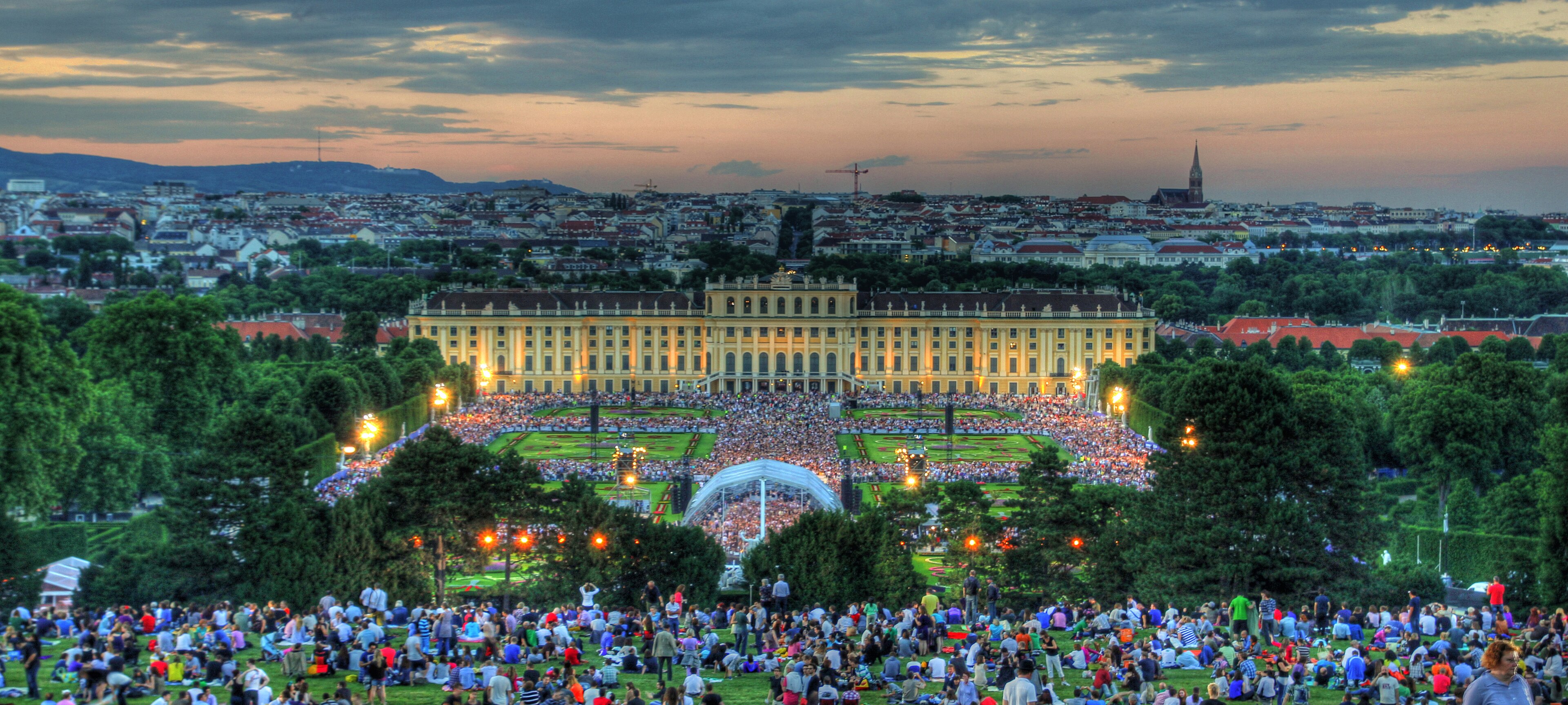
Why Vienna is Perfect for Your Celebration
- Iconic imperial palaces and baroque ballrooms provide unrivalled grandeur for ceremonies and receptions
- Long summer days (May–Sep) allow outdoor garden events in Vienna's famous palace grounds and parks
- Vienna International Airport (VIE) offers direct connections from across Asia, the Middle East, North America, and Europe
- A deeply mature hospitality and events industry with experienced wedding planners, florists, orchestras, and caterers
- UNESCO World Heritage historic centre provides a breathtaking backdrop for photography and guest experiences
- Excellent city-wide public transport and a compact, walkable old town make group logistics straightforward
Compare Vienna with Other Top Destinations
Frequently Asked Questions
Is Vienna a good destination for a wedding?
Yes. Vienna is particularly well-suited to destination weddings that prioritise grandeur, heritage, and atmosphere. The city offers genuine imperial palace ballrooms, baroque chapels, and manicured garden settings that are difficult to replicate elsewhere. Its mature hospitality industry, excellent international connectivity, and long summer days (May–September) make it a practical as well as spectacular choice for couples planning a destination celebration.
What is the best time of year to hold an event in Vienna?
May through September is the recommended window. This period offers warm temperatures, long daylight hours extending well past 9 pm in midsummer, and full access to outdoor palace gardens and terrace venues. September is often considered the most refined month — warm, less crowded, and coinciding with the reopening of Vienna's opera and concert season. Outside this window, cold temperatures and limited daylight significantly restrict outdoor event formats.
How easy is it for international guests to reach Vienna?
Very easy. Vienna International Airport (VIE) is a major Central European hub with direct flights from cities across Europe, Asia, the Middle East, and North America. The airport is connected to the city centre in approximately 16 minutes by the City Airport Train. Vienna is also a major European rail hub, with high-speed connections to Munich, Budapest, Prague, and Zurich, making it accessible for guests travelling from within Europe by train.
What kinds of event venues are available in Vienna?
Vienna offers an exceptionally diverse range — from genuine imperial palace state rooms and baroque ballrooms to heritage hotel grand salons, contemporary luxury hotel event spaces, palace gardens, riverside terraces, rooftop venues, private wine cellars, and exclusive-use boutique palais properties. The city also has large purpose-built congress facilities for high-capacity corporate events. Most of the most prestigious venues are concentrated in or near the 1st District historic centre.
How many guests can Vienna venues typically accommodate?
This varies considerably by venue type. Intimate heritage spaces and boutique palais properties typically suit groups of 20–150 guests. Grand hotel ballrooms and palace event rooms generally accommodate 100–500 guests comfortably for a seated dinner. Larger congress and event centres can handle corporate gatherings of several hundred to over a thousand. For very large combined ceremony-and-reception formats above 800 guests in a single heritage space, options become more limited.
Is Vienna suitable for corporate galas and formal business events?
Yes, strongly so. Vienna has a long tradition of hosting high-formality events — state banquets, diplomatic receptions, and international summits — and the local infrastructure is well-calibrated to corporate formats. Grand ballrooms, precision catering, multilingual staff, and a reputation for operational reliability make it a natural choice for European leadership summits, award ceremonies, and high-profile gala dinners.
What is the local transport situation for event guest groups?
Excellent. Vienna's U-Bahn, tram, and bus network is among the most reliable in Europe and covers the city comprehensively. The historic centre is compact and walkable, so guests staying in the 1st District can often reach ceremony and reception venues on foot. For groups spread across multiple districts, private coach hire is readily available and well-suited to coordinated transfers between venues and accommodation.
Are there risks to planning an outdoor event in Vienna in summer?
Yes, one genuine risk: afternoon and evening thunderstorms are a real feature of July and August in Vienna. While most summer days are clear and warm, outdoor events in these months should have a credible indoor contingency plan rather than treating outdoor formats as guaranteed. May, June, and September carry lower storm risk and are generally more reliable for outdoor ceremonies and receptions.
How experienced is Vienna's local events and vendor industry?
Very experienced. Vienna has hosted formal events at the highest level for centuries, and the local industry reflects this — specialist wedding and event planners, bespoke caterers, classical music ensembles, floral designers, and luxury transport providers are all well-established categories with multiple experienced providers. Many local planners have specific expertise in managing destination events for international couples and corporate clients.
Do guests need a visa to attend an event in Vienna?
Vienna is within the Schengen Area, so visa requirements depend on each guest's nationality. Citizens of many countries — including EU member states, the UK, USA, Canada, and Australia — can enter without a visa for short stays. However, guests from certain countries in South Asia, Africa, and elsewhere may require a Schengen visa. For a guest list with diverse nationalities, it is worth checking Schengen visa requirements early in the planning process.
Can Vienna accommodate cultural or non-European wedding traditions?
Generally yes, though with some planning effort. Vienna's hospitality sector is cosmopolitan and experienced with international clients, and specialist vendors for various cultural traditions can typically be sourced. However, the city's native vendor ecosystem is rooted in Central European traditions, so certain highly specific cultural requirements — particular ceremonial formats, specialist cuisine, or specific ritual elements — may require more lead time to arrange than in destinations where those traditions are locally native.
What makes Vienna distinctive compared to other European event destinations?
Vienna's distinguishing characteristic is the authenticity and density of its imperial heritage in an active, functioning city. The event spaces available here — genuine palace ballrooms, baroque state rooms, UNESCO-listed historic streets — are not reconstructed or themed; they are the real thing, embedded in a city that continues to operate at a high cultural and diplomatic level. Combined with excellent connectivity and a mature hospitality industry, this gives Vienna a depth of occasion that is genuinely rare.

Ready to explore venues in Vienna?
Vienna: Destination Wedding & Event Venues in Austria's Imperial Capital
◆Vienna is one of Europe's premier destination-event cities, best suited to weddings, corporate galas, cultural celebrations, and milestone private events that call for genuine grandeur. Its primary vibe is Cultural & Timeless — shaped by imperial palaces, baroque architecture, world-class opera, and a hospitality tradition stretching back centuries. The best season runs from May through September, when long daylight hours and warm temperatures make outdoor palace gardens and riverside terraces fully usable. Vienna International Airport (VIE) provides direct connections from most major global hubs, making international guest travel straightforward. The city sits at the upper end of European event destinations in terms of venue prestige and hospitality quality.
Vienna at a Glance
| Category | Detail |
|---|---|
| Best For | Destination Weddings, Corporate Galas, Cultural Celebrations, Milestone Private Events |
| Primary Vibe | Cultural & Timeless |
| Other Vibes | Imperial, Romantic, Grand, Heritage |
| Best Season | Summer (May, Jun, Jul, Aug, Sep) |
Why Choose Vienna?
- Unrivalled imperial venue stock: Vienna has a concentration of genuine palace ballrooms, baroque state rooms, and heritage event spaces that is almost unmatched in Europe — these are not replica or themed spaces, but historically significant buildings with centuries of ceremonial use behind them.
- Exceptional international air connectivity: Vienna International Airport (VIE) operates direct routes to and from cities across Asia, the Middle East, North America, and throughout Europe, meaning guests from almost any origin can reach the city with at most one connection.
- A deeply mature events and hospitality industry: Vienna has hosted state banquets, royal weddings, and international summits for generations. The local ecosystem of event planners, florists, orchestral ensembles, bespoke caterers, and luxury transport providers is among the most experienced in Europe.
- UNESCO World Heritage historic centre: The entire Innere Stadt (1st District) is a UNESCO-listed historic centre, meaning that ceremony and reception photography takes place against a backdrop of genuine architectural heritage — St. Stephen's Cathedral, the Hofburg, the Ringstrasse boulevards — rather than a constructed aesthetic.
- Excellent in-city logistics for groups: Vienna's public transport network (U-Bahn, tram, and bus) is among the most reliable in Europe, and the historic centre is compact enough to be walkable. Large guest groups can move between ceremony, reception, and accommodation venues without complex private transport arrangements.
- Summer season aligns with peak venue availability and outdoor use: The May–September window gives event planners access to palace gardens, riverside terraces, and rooftop venues that are simply not viable in the colder months, substantially expanding the range of event formats available.
Which Celebrations Work Best in Vienna?
- Destination Weddings: Vienna is particularly well-suited to couples seeking a ceremony and reception with genuine historical weight. Palace ballrooms, baroque chapels, and manicured garden settings provide a level of grandeur that is difficult to replicate elsewhere. The city's romantic character — classical music, candlelit interiors, cobblestone streets — makes it a natural fit for weddings where atmosphere is a primary consideration.
- Corporate Galas and Award Ceremonies: Vienna's combination of grand ballrooms, world-class catering, and a reputation for precision and formality makes it a strong choice for high-profile corporate events. International companies regularly use the city for European leadership summits, product launches, and annual gala dinners, and the local infrastructure is well-calibrated to these formats.
- Cultural Celebrations and Milestone Events: Significant anniversaries, landmark birthdays, and cultural gatherings benefit from Vienna's rich artistic and musical heritage. The availability of private concert performances, opera house hire, and classical ensemble bookings gives cultural events a dimension that few other cities can offer.
- Festivals and Themed Events: Vienna's summer calendar is already rich with outdoor festivals, and private events can draw on this energy — outdoor garden parties, classical music evenings, and Viennese-themed banquets all sit naturally within the city's cultural identity rather than feeling imposed upon it.
Venues & Event Spaces
Vienna's event venue landscape is exceptionally diverse across both style and scale. At the grandest end, the city offers genuine imperial palace spaces — state rooms, mirrored ballrooms, and formal gardens attached to historic royal residences — that can accommodate large ceremonial gatherings. Heritage hotel ballrooms in the 1st District provide a slightly more intimate but equally opulent alternative, typically suited to seated dinners and receptions of between 50 and 500 guests.
Beyond the palace and heritage hotel category, Vienna has a strong supply of purpose-built congress and event centres capable of handling very large corporate gatherings, as well as a growing number of contemporary luxury hotel event spaces in districts like Donau City that offer modern production infrastructure alongside high-end hospitality. Outdoor options include palace gardens, riverside terraces along the Danube Canal, rooftop venues with views across the historic skyline, and the city's numerous public parks, which can be privately hired for events during the summer season. Smaller, more intimate celebrations are well served by private dining rooms in historic restaurants, wine cellars beneath the old city, and boutique palais properties that offer exclusive-use arrangements.
Best Time to Celebrate
The curated best season for Vienna events runs from May through September, and this recommendation is grounded in several concrete factors beyond simply "pleasant weather."
From May onwards, average daytime temperatures climb into the high teens and low twenties Celsius, and daylight extends well into the evening — by June and July, usable outdoor light persists past 9 pm. This makes outdoor garden ceremonies, terrace receptions, and evening events in palace grounds genuinely viable rather than aspirational. The city's parks and gardens are in full bloom from late May, providing natural colour and fragrance that significantly enhances outdoor event aesthetics without additional floristry cost.
June, July, and August represent the peak of Vienna's summer, with temperatures typically between 22°C and 28°C during the day. These months offer the most reliable conditions for outdoor events, though occasional afternoon thunderstorms are a real possibility in July and August and should be factored into contingency planning for outdoor formats.
September is often considered the most refined month for events — temperatures remain warm (typically 18°C–23°C), the summer crowds begin to thin, and the city's cultural season (opera, concert halls) reopens after its summer break, making it possible to combine an event with a private cultural experience for guests.
Outside this window, the picture changes considerably. October sees temperatures drop rapidly and daylight shorten, making outdoor events increasingly impractical from mid-month onwards. November through February brings cold, grey conditions with temperatures frequently below 5°C and occasional snow — while Vienna's indoor venues remain fully operational, the outdoor dimension that defines many of the city's most distinctive event formats is effectively unavailable. March and April are transitional months with unpredictable cold snaps and significant rainfall; outdoor events in this period carry meaningful weather risk.
Getting There & Local Connectivity
Vienna International Airport (VIE) is one of Central Europe's major hub airports, located approximately 18 km from the city centre. It is served by a wide range of international carriers with direct routes from major cities across Europe, Asia, the Middle East, and North America. The airport is connected to the city centre by the City Airport Train (CAT), which reaches Wien Mitte station in approximately 16 minutes, as well as by S-Bahn suburban rail and bus services — making the airport transfer straightforward for arriving guests without requiring private transfers.
Wien Hauptbahnhof (Vienna Central Station) is the city's primary rail hub, with direct high-speed connections to major European cities including Munich, Budapest, Prague, Zurich, and beyond via Railjet and Nightjet services. For guests travelling from within Europe, rail is a genuinely competitive option in terms of both journey time and convenience.
Within the city, Vienna's public transport network is widely regarded as one of the best in Europe — the U-Bahn (metro), tram network, and bus system together cover the entire city comprehensively, run frequently, and are easy to navigate. For event groups, private coach hire is readily available and well-suited to moving guests between ceremony, reception, and accommodation venues, particularly when those venues are spread across different districts. Taxis and ride-hailing services are plentiful throughout the city.
Local Vendor & Hospitality Ecosystem
Vienna's vendor and hospitality ecosystem for events is among the most developed in Europe. The city has a long tradition of formal entertaining — state banquets, diplomatic receptions, and high-society events have been a continuous feature of Viennese life for centuries — and this has produced a local industry that is both highly skilled and accustomed to operating at significant scale and formality.
Specialist wedding and event planners with international experience are well established in the city, and many have specific expertise in managing destination events for non-Austrian couples and corporate clients. Catering at the high end is defined by the Viennese culinary tradition — formal Austrian cuisine, Viennese pastry, and wine service — but international catering options are also readily available given the city's cosmopolitan character. Floral design, classical music ensembles, private orchestra hire, and bespoke entertainment (including opera singers and chamber quartets for private performances) are all mature service categories with multiple established providers.
Luxury accommodation supply is substantial, with a large number of internationally branded and independent luxury properties concentrated in and around the 1st District, ensuring that even large guest groups can be accommodated at a high standard within walking distance of major event venues. The city's hotel staff are generally multilingual, and English is widely spoken across the hospitality sector.
Pros & Things to Consider
Why Vienna Works Well
- Genuine imperial and baroque venue stock unavailable in most other cities
- Excellent international air and rail connectivity for guests from diverse origins
- Long summer days (May–Sep) enable outdoor palace garden and terrace events
- Deeply experienced local events industry with specialists across every service category
- UNESCO World Heritage city centre provides an extraordinary backdrop for photography and guest experience
- Compact, walkable historic centre simplifies group logistics considerably
- Multilingual hospitality workforce makes international guest management straightforward
- Rich cultural programming (opera, concerts, museums) provides natural guest activities around the main event
Things to Consider
- Seasonal limitation for outdoor events: The outdoor venue formats that define Vienna's most distinctive event experiences are genuinely only viable from May through September. Events planned outside this window are largely confined to indoor spaces, which — while excellent — represent a narrower range of formats.
- July–August thunderstorm risk: Afternoon and evening thunderstorms are a real feature of Vienna's peak summer months. Outdoor events in July and August should have credible indoor contingency arrangements rather than treating outdoor formats as guaranteed.
- Advance booking lead times: The most sought-after palace and heritage venues in Vienna book up significantly in advance, particularly for summer Saturdays. Event planners should expect to work with longer lead times than they might for less in-demand destinations.
- Navigating Austrian event regulations: Noise ordinances, heritage building restrictions, and local permitting requirements for events in historic spaces can add complexity to planning. Working with a locally experienced event planner is strongly advisable rather than attempting to navigate these independently.
- Language: While English is widely spoken in the hospitality sector, official communications, contracts, and vendor negotiations may require German-language capability or a local intermediary, particularly for smaller or more specialist suppliers.
When Vienna May Not Be the Right Fit
- Events planned for November through March: If outdoor settings — palace gardens, riverside terraces, rooftop venues — are central to the event vision, Vienna's winter months make this effectively impossible. A destination with a warmer year-round climate would be more appropriate for outdoor-format events outside the May–September window.
- Very large-scale events requiring a single mega-venue: While Vienna has substantial event infrastructure, couples or planners seeking a single venue capable of accommodating 1,000+ guests for a combined ceremony and reception in a heritage setting may find the options more limited than in destinations with purpose-built large-scale event complexes.
- Guests with very limited international travel experience or complex visa situations: Vienna sits within the Schengen Area, and guests from certain countries may face non-trivial visa requirements. For a guest list drawn predominantly from countries with restricted Schengen access, the administrative burden on guests should be factored into the destination decision.
- Events where a distinctly non-European cultural aesthetic is the primary requirement: Vienna's venue and vendor ecosystem is deeply rooted in European — specifically Central European — cultural traditions. Events that require a specific non-European cultural format (certain South Asian wedding traditions, for example) can be accommodated, but may require more effort to source appropriate specialist vendors than in destinations where those traditions are native.