
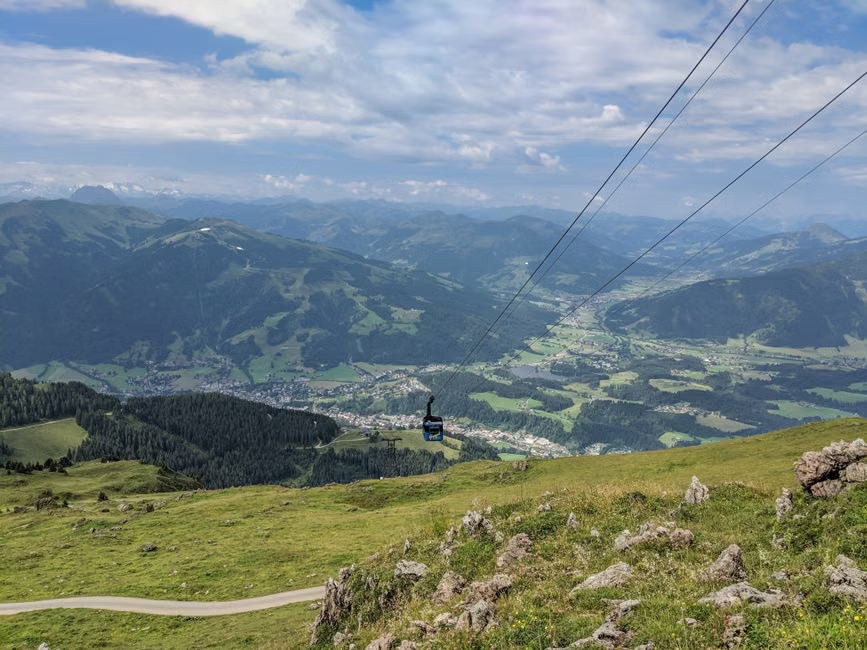
Why Kitzbuhel is Perfect for Your Celebration
- Iconic snow-covered alpine backdrop with the Hahnenkamm and Kitzbüheler Horn as natural scenery
- Concentration of luxury and boutique hotels within a compact, walkable medieval town centre
- World-famous winter sports culture adds unique experiential programming for guests (skiing, sleigh rides, après-ski)
- Excellent rail connectivity from Innsbruck, Salzburg, and Munich makes guest travel straightforward
- Mature European hospitality ecosystem with experienced event caterers, florists, and planners
- Intimate town scale suits exclusive, private celebrations without the anonymity of a large city
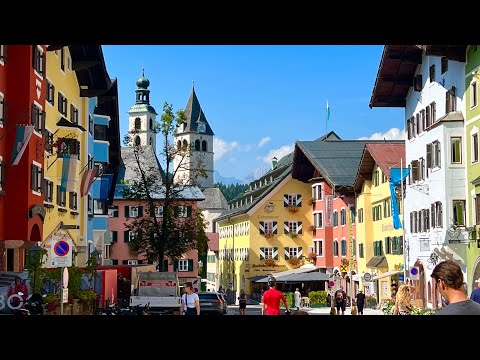
Top Venues in Kitzbuhel
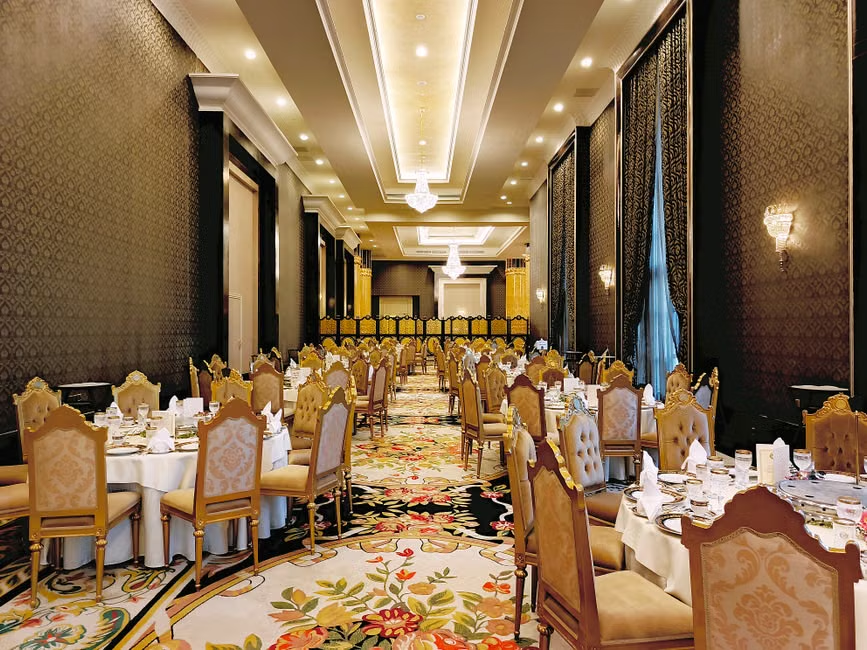
Grand Hotel Kitzbühel
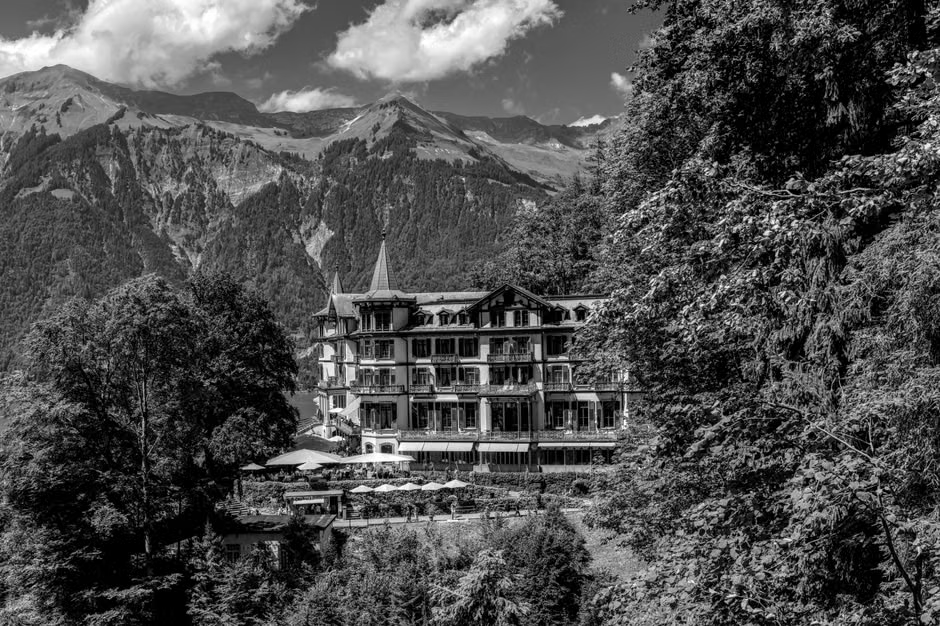
Hotel Tennerhof
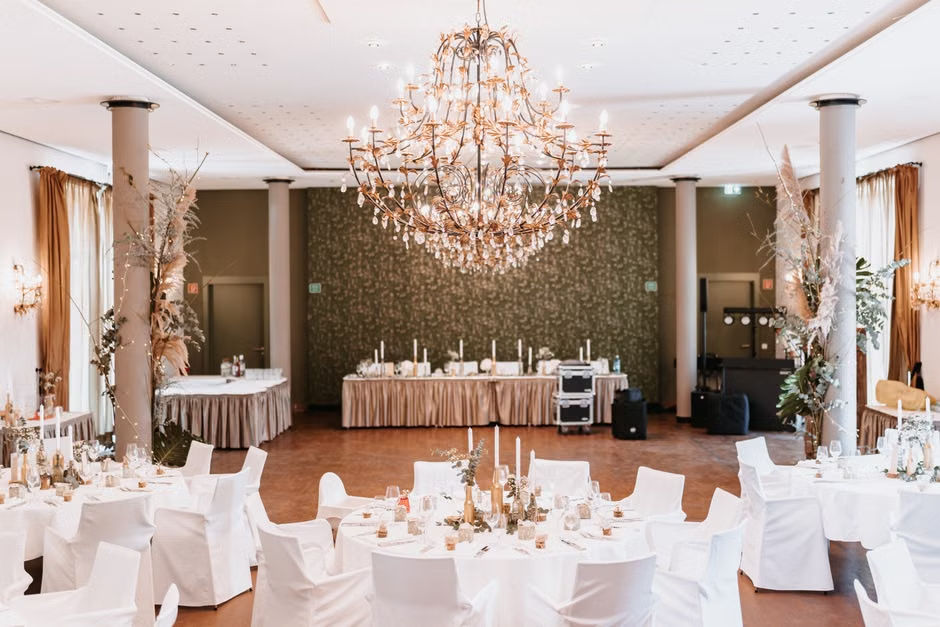
Hotel Zur Tenne
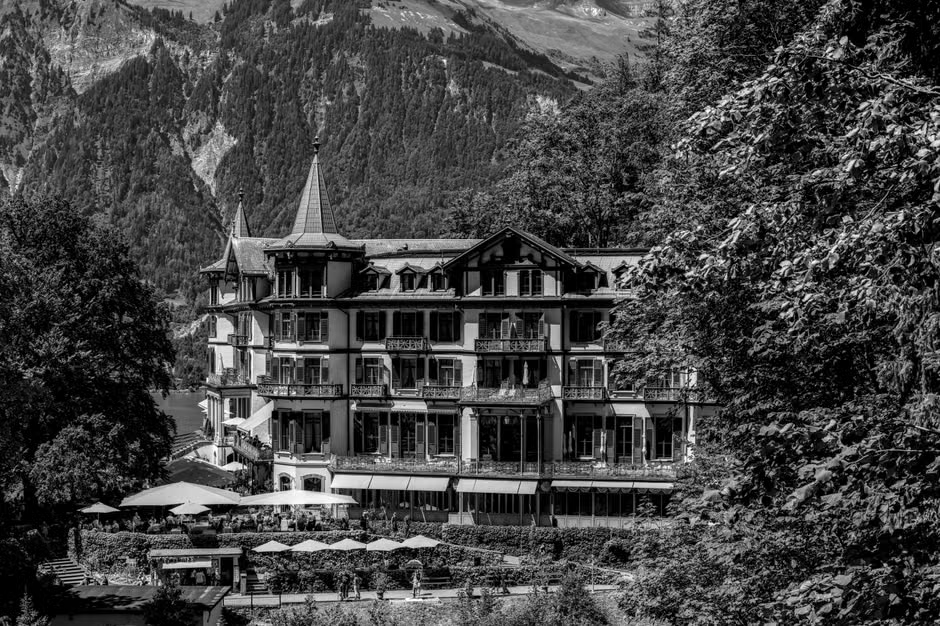
Hotel Goldener Greif
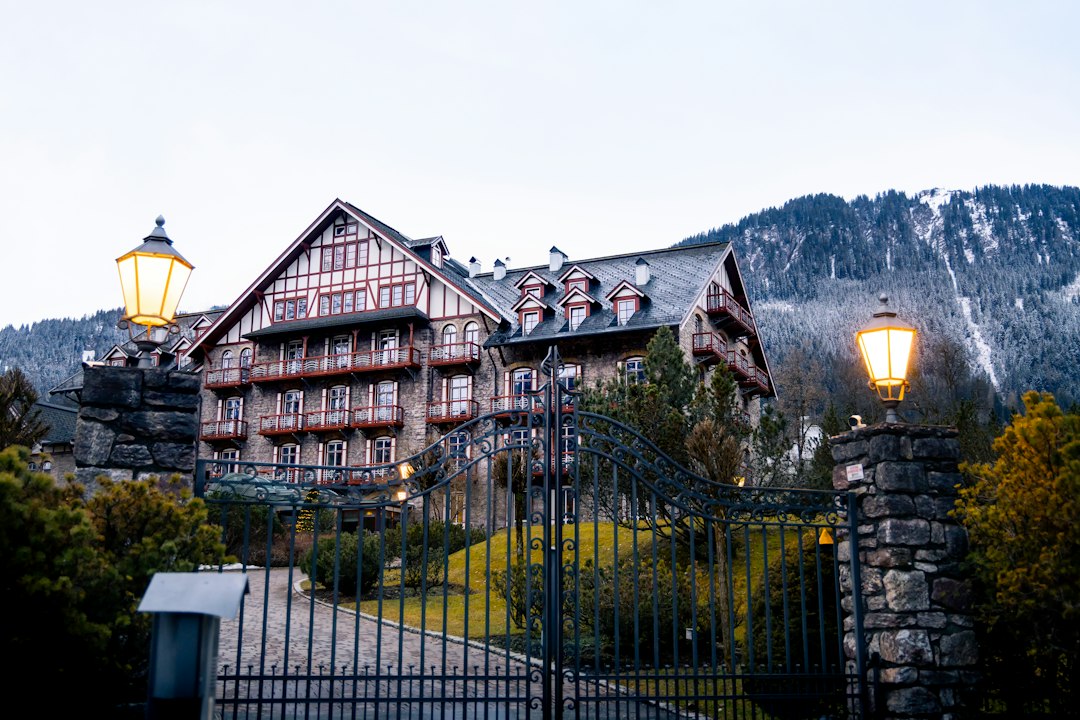
Hotel Schwarzer Adler
Compare Kitzbuhel with Other Top Destinations
Frequently Asked Questions
Is Kitzbühel a good destination for an intimate destination wedding?
Yes. Kitzbühel is particularly well-suited to intimate destination weddings, typically for groups under 150 guests. The combination of a medieval old town, luxury hotel ballrooms, mountain chapel ceremonies, and après-ski receptions creates a distinctive and memorable experience. The compact, walkable town centre also simplifies logistics for smaller groups considerably.
What is the best time of year to hold a wedding or event in Kitzbühel?
December through March is the curated best season. Snow-covered scenery, a festive alpine atmosphere, and full hotel and hospitality capacity align during these months. January and February represent peak ski season with the most dramatic mountain conditions, while December offers a festive character and March a slightly quieter but still fully alpine experience.
How do guests typically travel to Kitzbühel for a destination event?
Most guests arrive via Innsbruck Airport or Salzburg Airport, both approximately 75–80 km away, followed by rail or road transfer. Kitzbühel's own railway station receives direct services from Innsbruck and Salzburg, making rail the most straightforward option for European guests. Munich Airport is also a practical alternative for long-haul arrivals connecting through Germany.
What guest group sizes can Kitzbühel's venues realistically support?
Kitzbühel's venue inventory is best suited to events of up to approximately 200–250 guests. Several hotel ballrooms and function spaces can accommodate seated dinners in this range. Groups significantly larger than this will find the local accommodation and event space inventory stretched and should plan across multiple properties with a specialist coordinator.
What kinds of event spaces are available in Kitzbühel?
The main options include hotel ballrooms and private dining rooms in historic or chalet-style buildings, traditional Tyrolean chalet interiors with timber and stone features, heated outdoor terraces with mountain views, medieval church and chapel ceremony venues, and mountain-top restaurant spaces accessible by gondola. The overall aesthetic is distinctly alpine and heritage-influenced.
Is Kitzbühel suitable for corporate retreats and incentive travel events?
Yes. Kitzbühel is a strong choice for high-end corporate retreats and incentive travel. Luxury hotels offer meeting and event facilities, and the ski slopes, sleigh rides, and mountain excursions provide memorable team activity programming. The prestige of the Kitzbühel name carries genuine weight in European corporate culture, making it a credible and aspirational choice.
How easy is it for guests to get around Kitzbühel once they arrive?
Very straightforward for most event purposes. The old town is compact and almost entirely walkable, so guests staying at different hotels can reach ceremony venues, restaurants, and gathering points on foot. For mountain excursions or transfers to outlying areas, local taxi and private transfer services are available, though advance booking is strongly advisable during peak winter season.
What unique guest experiences can be built into an event programme in Kitzbühel?
Kitzbühel offers genuinely destination-specific programming: skiing and snowboarding on the Hahnenkamm slopes, horse-drawn sleigh rides, guided mountain excursions, après-ski social evenings, gondola rides to mountain-top dining venues, and visits to the medieval old town. These experiences are specific to this alpine setting and add memorable value beyond a standard hotel event.
How far in advance should I book for a winter event in Kitzbühel?
For most winter dates, booking 12–18 months in advance is advisable given the destination's popularity. The Hahnenkamm downhill race weekend in late January is an exception — hotels can be fully committed two years or more ahead for that specific window. Events planned around that period require exceptional lead time and early coordination with a local specialist.
Is the local vendor and hospitality ecosystem experienced enough for a high-end destination event?
Generally yes. Kitzbühel has hosted international ski racing elites, European business leaders, and luxury private events for decades, producing a hospitality culture attuned to premium delivery. Local caterers, event planners, florists, and activity providers are experienced with private event groups. For very large or highly complex productions, supplementing with specialists from Innsbruck or Salzburg is a practical and common approach.
What languages are spoken in Kitzbühel, and will there be communication challenges for international guests?
German is the primary language. Hospitality staff at the town's luxury hotels are generally fluent in English, and the destination is well-accustomed to international guests. For event coordination outside the main hotels — with local vendors, municipal offices, or smaller suppliers — German-language support or a local event coordinator is advisable to avoid communication gaps.

Ready to explore venues in Kitzbuhel?
Kitzbühel: Destination Wedding & Exclusive Event Venues in the Austrian Alps
◆Kitzbühel is a compact, prestigious alpine town in the Austrian Tyrol, best suited to intimate destination weddings, exclusive corporate retreats, and private luxury celebrations. Its primary strength is a combination of genuine medieval heritage, world-class winter sports culture, and a concentration of luxury and boutique hotels within walking distance of each other. The curated best season is winter — December through March — when snow-covered scenery, a festive atmosphere, and full hospitality capacity align. Accessibility is solid for European guests via rail from Innsbruck, Salzburg, and Munich, though long-haul international guests will require connecting flights. The overall character is high-end and intimate rather than large-scale or budget-flexible.
Kitzbühel at a Glance
| Category | Detail |
|---|---|
| Best For | Intimate Destination Weddings, Corporate Retreats, Private Celebrations, Anniversary Events |
| Primary Vibe | Luxury & Glamour |
| Other Vibes | Alpine Heritage, Romantic, Exclusive |
| Best Season | Winter (Jan, Feb, Mar, Dec) |
Why Choose Kitzbühel?
- Iconic alpine scenery as a natural backdrop: The Hahnenkamm and Kitzbüheler Horn mountains frame every outdoor moment with dramatic, snow-covered peaks — a backdrop that is genuinely difficult to replicate in a ballroom or urban setting.
- A walkable, self-contained medieval old town: Kitzbühel's compact historic centre means guests can move between accommodation, ceremony venues, and dining on foot, reducing logistical complexity for event organisers considerably.
- Mature luxury hospitality infrastructure: The town has hosted international ski racing elites, European royalty, and high-profile private events for decades, meaning the local hospitality ecosystem — hotels, caterers, florists, event planners — is genuinely experienced at delivering premium events.
- Unique experiential programming for guests: Skiing, sleigh rides, après-ski evenings, and guided mountain excursions give wedding and corporate guests activities that are specific to this destination and genuinely memorable, rather than generic city tourism.
- Strong rail connectivity from major European cities: Direct or single-change rail connections from Innsbruck, Salzburg, and Munich make Kitzbühel accessible for European guests without requiring a domestic flight, which simplifies group travel logistics.
- Intimate scale suits exclusive, private events: The town's relatively small size means a well-organised event can feel as though it has taken over the destination — a quality that larger resort cities cannot easily replicate.
Which Celebrations Work Best in Kitzbühel?
- Intimate Destination Weddings: Kitzbühel is particularly well-suited to smaller, high-quality weddings — typically under 150 guests — where the emphasis is on atmosphere, exclusivity, and a memorable setting rather than sheer scale. The combination of heritage hotel ballrooms, mountain chapel ceremonies, and après-ski receptions creates a genuinely distinctive wedding experience.
- Corporate Retreats and Incentive Travel: The town's concentration of luxury hotels with meeting facilities, combined with its world-class ski slopes and team activity options, makes it a strong choice for high-end corporate retreats, leadership off-sites, and incentive travel programmes. The prestige of the Kitzbühel name carries genuine weight in European corporate culture.
- Private Milestone Celebrations: Significant anniversaries, landmark birthdays, and family reunion events benefit from Kitzbühel's ability to offer a fully immersive destination experience — guests arrive, stay, celebrate, and explore all within a single, beautiful environment.
- Engagement Parties and Pre-Wedding Events: The romantic alpine setting, candlelit hotel dining rooms, and après-ski social culture make Kitzbühel an excellent location for pre-wedding celebrations, engagement dinners, and intimate rehearsal events.
Venues & Event Spaces
Kitzbühel's event venue landscape is defined by its luxury and boutique hotels, most of which are housed in historic or chalet-style buildings within or immediately adjacent to the medieval old town. Typical event spaces include:
- Hotel ballrooms and private dining rooms: Several of the town's established hotels offer dedicated event spaces ranging from intimate private dining rooms for 20–30 guests to ballrooms capable of accommodating 150–250 guests for seated dinners.
- Chalet-style function spaces: A number of properties offer traditional Tyrolean chalet interiors — exposed timber beams, stone fireplaces, and alpine décor — which provide a distinctive aesthetic that is specific to this region and difficult to replicate elsewhere.
- Outdoor terraces and mountain-view lawns: During the winter season, heated outdoor terraces and snow-covered garden spaces are used for cocktail receptions, après-ski gatherings, and ceremony settings, with mountain panoramas as a natural backdrop.
- Historic chapel and church venues: The town's medieval churches and chapels are available for religious or civil ceremonies, offering genuine architectural heritage as a ceremony setting.
- Mountain-top and ski-area event spaces: Some events make use of mountain restaurants and summit venues accessible by gondola, creating a genuinely unique dining or reception experience above the treeline.
The overall venue inventory is well-suited to events of up to approximately 200–250 guests. Groups significantly larger than this may find the local accommodation and event space inventory stretched, and should plan accommodation across multiple properties.
Best Time to Celebrate
The curated best season for Kitzbühel is winter: December, January, February, and March. This is when the destination is operating at its fullest and most iconic capacity:
- December brings the festive alpine atmosphere — Christmas markets, snow-dusted streets, and a warm, celebratory energy across the town's hotels and restaurants. It is an excellent month for intimate winter weddings and end-of-year corporate events.
- January and February represent peak ski season, coinciding with the famous Hahnenkamm downhill race in late January. Snow cover is typically reliable, the mountain scenery is at its most dramatic, and the full range of après-ski and mountain activity programming is available for guests. Note that the Hahnenkamm race weekend specifically draws very large crowds and significantly affects hotel availability — events planned around that weekend require very early booking.
- March offers a slightly softer version of peak winter — snow conditions remain generally good, the festive crowds of January have eased, and the atmosphere is often described as more relaxed while still fully alpine in character.
The remaining months present genuine trade-offs:
- April and May are a transitional shoulder season — snow has typically melted at lower elevations, many hotels and restaurants operate on reduced schedules or close entirely for maintenance, and the destination loses much of its defining alpine character without yet offering the green summer landscape.
- June through September is Kitzbühel's summer season, which is pleasant and green but fundamentally different in character. The ski infrastructure is inactive, the town is quieter, and the specific alpine-winter atmosphere that defines the destination's appeal for events is absent. Summer events are possible but miss the destination's primary strength.
- October and November are the quietest off-season months, with the lowest hotel occupancy, the most limited hospitality openings, and the least favourable conditions for events of any kind.
Getting There & Local Connectivity
Kitzbühel is well-served by two regional airports: Innsbruck Airport and Salzburg Airport, both approximately 75–80 km from the town centre and reachable by a combination of rail and road. Munich Airport, while further, is also a practical option for guests flying from outside Europe, given Munich's strong international connectivity and the direct rail route into the Tyrolean region.
The town's own railway station sits centrally and receives direct services from Innsbruck, Salzburg, and — with a change — from Munich, making rail the most straightforward arrival method for European guests. Journey times from Innsbruck are typically under two hours; from Salzburg, approximately 90 minutes to two hours depending on the service.
Within Kitzbühel itself, the compact old town is almost entirely walkable, which is a genuine logistical advantage for event groups. Guests staying at different hotels can reach ceremony venues, restaurants, and gathering points on foot. For mountain excursions or transfers to outlying properties, local taxi services and private transfer operators are available, though advance booking is strongly advisable during peak winter season when demand is high.
Road access via the Austrian motorway network is straightforward for guests arriving by private car or coach, and coach transfers from Innsbruck or Salzburg airports are a common and practical solution for larger groups.
Local Vendor & Hospitality Ecosystem
Kitzbühel's vendor ecosystem is shaped by decades of hosting high-profile international guests — ski racing celebrities, European business leaders, and luxury travellers — which has produced a hospitality culture that is genuinely attuned to premium event delivery.
- Catering and cuisine: The town's hotels and independent restaurants offer a strong range of Austrian and international cuisine, with particular strength in alpine-regional specialities. Several properties have in-house catering teams experienced in large private dining events and wedding banquets.
- Event planning and coordination: A number of local and regional event planning agencies specialise in alpine destination events, with established relationships with local suppliers, mountain venue operators, and activity providers.
- Floristry and décor: Local florists and décor specialists are experienced in working with alpine aesthetics — incorporating seasonal flowers, pine, and mountain-inspired elements — though couples seeking highly bespoke or non-alpine styling may wish to bring specialist suppliers from Vienna, Munich, or Innsbruck.
- Photography and videography: The destination attracts a strong pool of alpine and lifestyle photographers, many of whom are experienced in mountain wedding and event photography specifically.
- Activity and entertainment providers: Ski instructors, sleigh ride operators, mountain guide services, and après-ski entertainment providers are well-established and accustomed to working with private event groups.
The overall vendor ecosystem is mature and reliable for events up to approximately 200 guests. For very large or highly complex events, supplementing local vendors with specialists from Innsbruck or Salzburg is a practical and commonly-used approach.
Pros & Things to Consider
Why Kitzbühel Works Well
- Genuinely iconic alpine scenery that is specific to this destination and immediately recognisable to European guests
- Compact, walkable old town reduces logistical complexity for event groups
- Mature luxury hospitality infrastructure with decades of experience serving high-profile guests
- Unique guest programming — skiing, sleigh rides, mountain dining — that is memorable and destination-specific
- Strong rail connectivity from Innsbruck, Salzburg, and Munich simplifies European guest travel
- Intimate scale creates an exclusive, private atmosphere that larger resort cities cannot replicate
- Very safe, well-maintained destination with high standards of public infrastructure
Things to Consider
- Limited scale for very large events: The local venue and accommodation inventory is best suited to events under 200 guests. Significantly larger groups will need to spread accommodation across multiple properties and may find the event space options constrained.
- Peak season demand and early booking: The Hahnenkamm race weekend in late January is one of the most heavily booked periods in the alpine calendar — hotels can be fully committed a year or more in advance, and events planned around that window require exceptional lead time.
- Seasonality of the destination's appeal: Kitzbühel's defining character is winter-specific. Events planned outside December–March will find a quieter, less fully-operational destination that does not deliver the same atmosphere.
- Long-haul international guest travel: While European guests are well-served by rail and regional airports, guests travelling from Asia, the Americas, or the Middle East face a multi-leg journey that adds complexity and travel time.
- Language: The primary language is German. While hospitality staff at luxury hotels are generally fluent in English, event communications and vendor coordination outside the main hotels may require German-language support or a local coordinator.
When Kitzbühel May Not Be the Right Fit
- Large-scale events over 300 guests: The local venue inventory does not comfortably support very large guest lists. A destination with a larger convention or resort infrastructure would serve such events better.
- Events planned for spring or autumn: If the preferred event date falls in April, May, October, or November, Kitzbühel's shoulder and off-season character — with reduced hospitality openings and the absence of its defining alpine atmosphere — makes it a less compelling choice than it would be in winter.
- Guest groups with predominantly long-haul international travel: If the majority of guests are travelling from outside Europe, the multi-leg journey to a small alpine town adds meaningful complexity and travel fatigue compared to a destination served by a major international hub airport.
- Events requiring a very large, diverse vendor ecosystem on-site: Highly complex productions requiring a wide range of specialist vendors — large-scale AV, bespoke entertainment, specialist cuisine — may find the local ecosystem requires significant supplementation from Innsbruck, Salzburg, or further afield, adding logistical layers.