
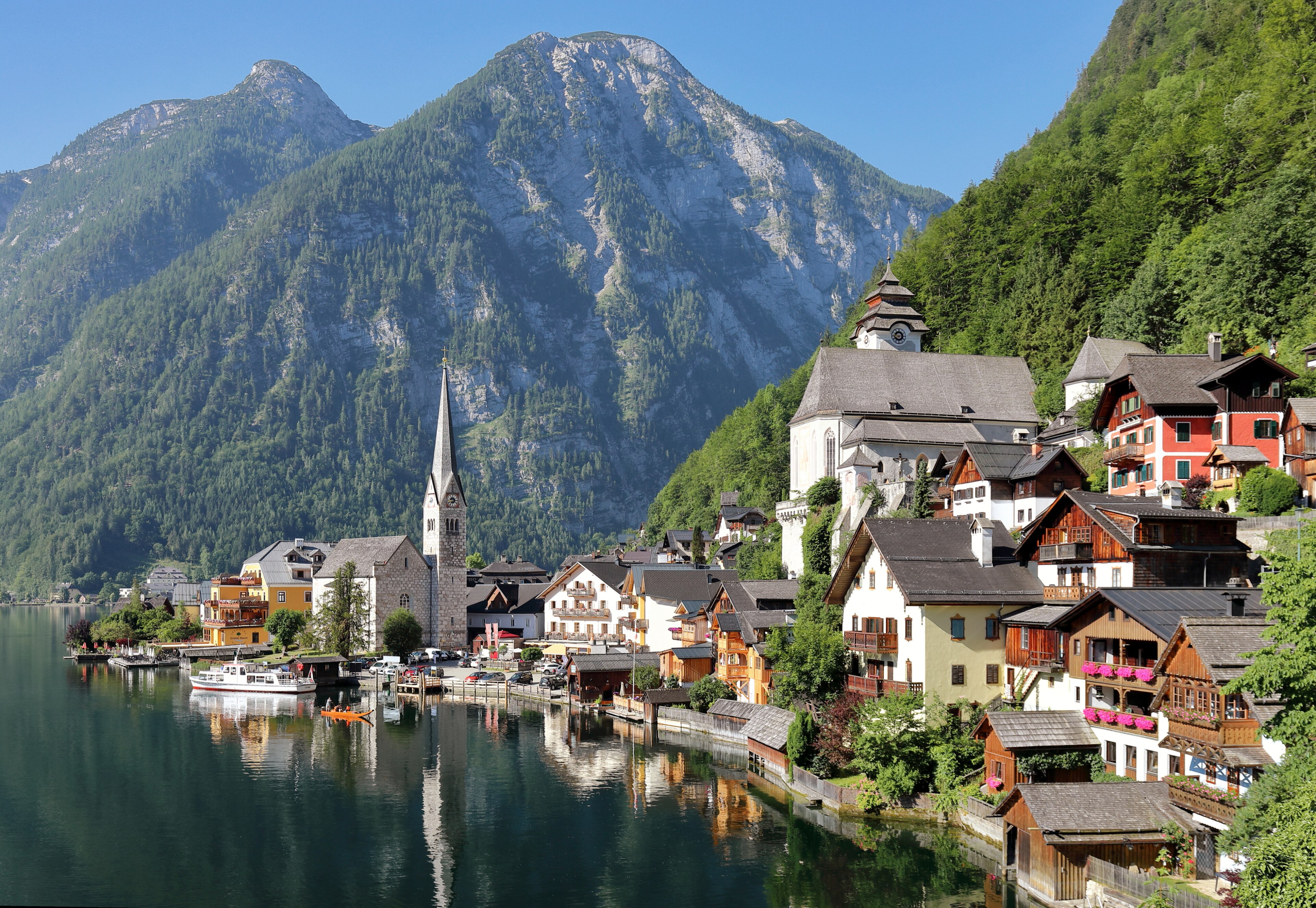
Why Hallstatt is Perfect for Your Celebration
- UNESCO World Heritage village setting provides an unmatched, naturally cinematic backdrop
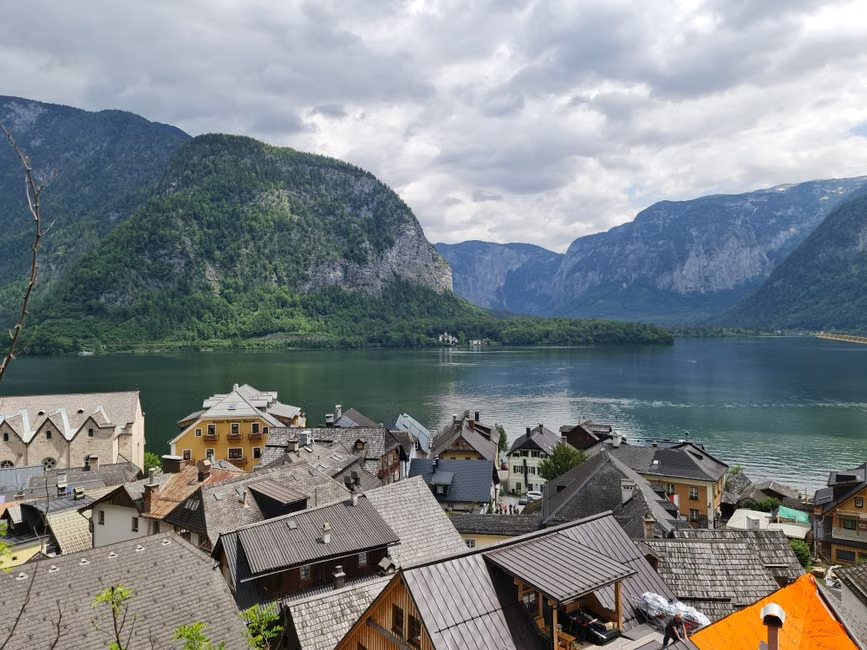
- Hallstätter See (lake) offers stunning waterfront ceremony and photo opportunities
- Hallstatt Parish Church (Pfarrkirche) is a genuinely historic venue for intimate ceremonies
- Summer months bring long Alpine daylight — events can run well into the golden-hour evening
- Extreme exclusivity: the village's small size naturally limits guest numbers, ensuring privacy
- Proximity to Salzburg (approx. 75 km) allows guests to combine the event with broader Austrian cultural experiences
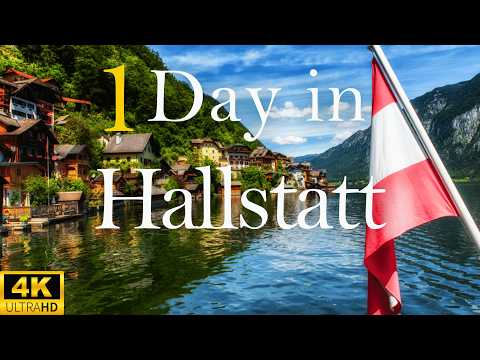
Top Venues in Hallstatt
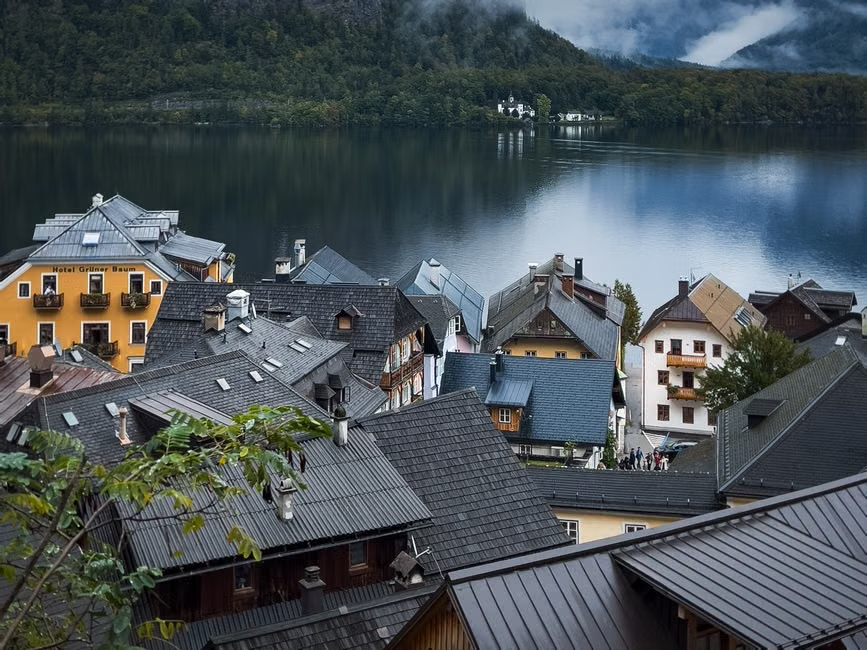
Seehotel Grüner Baum
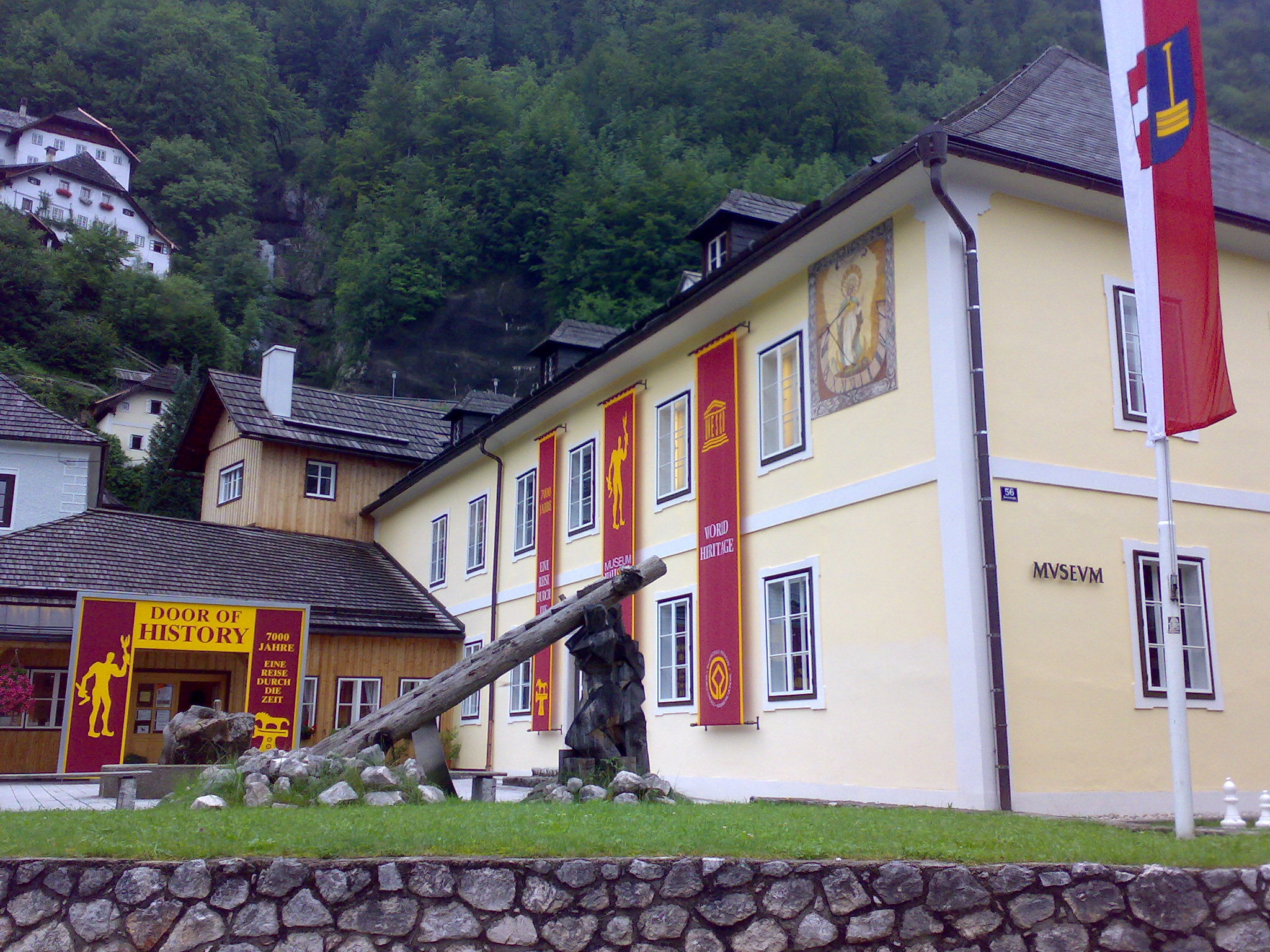
Heritage Hotel Hallstatt
Pension Sarstein
Compare Hallstatt with Other Top Destinations
Frequently Asked Questions
Is Hallstatt a good destination for a wedding?
Yes, particularly for intimate weddings. Hallstatt is genuinely well-suited to small, boutique destination weddings where atmosphere and exclusivity are the priority. The UNESCO-listed lakeside village, historic parish church, and Alpine mountain backdrop create a naturally romantic setting. It works best for guest lists under approximately 80–100 people, as the village's venue and accommodation capacity is limited by its small physical scale.
What is the best time of year to hold a wedding or event in Hallstatt?
June through September is the recommended window. These summer months offer reliably warm Alpine weather, the longest daylight hours (particularly June and July, when evenings stay light past 9 pm), and full access to all local venues and transport connections. September is a particularly good choice for those who prefer slightly cooler temperatures and fewer day-trippers. Outside this window, cold temperatures, snowfall, and seasonal venue closures make event planning significantly more difficult.
How do guests travel to Hallstatt for a destination event?
Most guests fly into Salzburg Airport (SZG), approximately 75 km away, and then travel onward by private road transfer or by train to Hallstatt Bahnhof followed by a short ferry crossing to the village. For groups, coordinating private coach transfers from Salzburg is generally the most practical approach. Vienna International Airport is also a viable entry point, with onward travel taking approximately three hours by road or rail.
How many guests can realistically be accommodated for an event in Hallstatt?
Hallstatt's village-scale infrastructure comfortably supports events up to approximately 80–100 guests when combining all available local accommodation and event spaces. Beyond this, guests will need to be accommodated in nearby towns such as Bad Ischl or Obertraun, which adds transport logistics. The destination is genuinely best suited to intimate gatherings rather than large-scale celebrations.
Can guests get around Hallstatt easily once they arrive?
Within the village, yes — but on foot only. Hallstatt is almost entirely pedestrian, with most areas inaccessible to conventional vehicles due to the narrow, steep layout. This means all movement between accommodation, ceremony, and reception venues is typically on foot, which is charming but requires consideration for guests with mobility limitations. Boat transfers on the lake can be arranged for ceremonial arrivals or group movements.
What kinds of event spaces are available in Hallstatt?
The primary event spaces are lakefront heritage hotels and guesthouses with terrace or garden areas overlooking the lake and mountains, the historic Hallstatt Parish Church for ceremonies, and the village's lakeside promenade and surrounding Alpine meadows for outdoor elements. There are no large banquet halls or purpose-built event centres — the destination is designed around intimate, heritage-character spaces rather than large-scale production infrastructure.
Do I need to bring in vendors from outside Hallstatt for a wedding?
For most specialist services, yes. Local catering within heritage hotels is generally of good quality, but specialist wedding vendors — florists, photographers, videographers, hair and makeup artists, and dedicated event coordinators — are typically sourced from Salzburg or Vienna. Working with a destination wedding coordinator who has established relationships in the region is strongly recommended to manage the logistics of bringing external vendors to the village.
Is Hallstatt crowded with tourists during the summer event season?
Yes, particularly in July and August. Hallstatt is one of the most visited villages in Europe and attracts very large numbers of day-trippers during peak summer. Most day visitors arrive mid-morning and leave by late afternoon, so scheduling key event moments — ceremonies, outdoor dinners, photography — for early morning or evening significantly reduces the impact of tourist crowds. A good local coordinator will be familiar with managing this timing.
Is Hallstatt suitable for guests with mobility limitations?
Only partially. The village is largely pedestrian with cobblestone paths and steep gradients in several areas, which can be genuinely challenging for guests who use wheelchairs or have difficulty walking on uneven terrain. The ferry crossing from the railway station also requires some physical agility. Couples planning events with guests who have significant mobility needs should discuss specific access requirements with their venue and coordinator in advance.
What makes Hallstatt distinctive compared to other European wedding destinations?
Hallstatt's distinctiveness comes from the combination of a UNESCO World Heritage designation, a genuinely historic lakeside parish church, a glacial Alpine lake, and a village scale that creates natural exclusivity. Very few destinations in Europe offer all of these elements together. The setting requires minimal additional décor investment because the natural and architectural backdrop is already extraordinary — which is a meaningful practical advantage for event design.
Can a symbolic or civil ceremony be held in Hallstatt?
Yes. Symbolic ceremonies can be arranged in various outdoor and indoor settings within the village, including lakeside terraces and Alpine meadow locations above the village. For legally recognised civil ceremonies, couples will need to navigate Austrian civil registration requirements, which typically involve advance paperwork and registration with local authorities. Working with a coordinator experienced in Austrian destination weddings is advisable for the legal process.

Ready to explore venues in Hallstatt?
Hallstatt: Destination Wedding & Intimate Event Venues in the Austrian Alps
◆Hallstatt is a small UNESCO World Heritage village in Upper Austria, set on the western shore of the Hallstätter See (lake) and surrounded by the Dachstein Alps. It is best suited to intimate, boutique destination weddings, elopements, anniversary celebrations, and small private gatherings where atmosphere and exclusivity matter more than scale. The primary vibe is Romantic and Dreamy — the combination of a glacial lake, a historic parish church, and mountain panoramas is genuinely rare in Europe. The best season runs from June through September, when Alpine weather is reliably warm and daylight hours are long. Accessibility requires planning — guests typically fly into Salzburg and transfer by road or rail — but the journey itself is scenic and manageable for a well-organised group.
Hallstatt at a Glance
| Category | Detail |
|---|---|
| Best For | Intimate Weddings, Elopements, Anniversary Celebrations, Private Social Gatherings |
| Primary Vibe | Romantic & Dreamy |
| Other Vibes | Alpine Serenity, Heritage & Culture, Exclusive & Private |
| Best Season | Summer (Jun, Jul, Aug, Sep) |
Why Choose Hallstatt?
- UNESCO World Heritage status: The village itself is a protected cultural landscape, meaning the architectural and natural backdrop for any event is genuinely historic and visually extraordinary — not a constructed resort aesthetic.
- Hallstätter See as a natural event canvas: The lake provides waterfront ceremony settings, boat arrivals, and reflective mountain views that are difficult to replicate anywhere else in Central Europe.
- Hallstatt Parish Church (Pfarrkirche): A centuries-old lakeside church that is a legitimate, functioning venue for religious or symbolic ceremonies, offering a level of authenticity that purpose-built event spaces cannot match.
- Natural exclusivity: The village's small physical footprint and limited accommodation capacity mean that a group booking a significant portion of local properties effectively has the destination to themselves — a genuine privacy advantage for high-profile or intimate events.
- Long summer daylight: At this latitude, June and July evenings remain light until well past 9 pm, extending the usable window for outdoor ceremonies, lakeside dinners, and photography without artificial lighting.
- Gateway to broader Austria: Proximity to Salzburg (approximately 75 km) means guests can extend their trip to include one of Europe's most celebrated cultural cities, making the overall travel proposition more attractive for international attendees.
Which Celebrations Work Best in Hallstatt?
- Intimate Destination Weddings: Hallstatt is particularly well-suited to weddings with smaller guest lists — typically under 80 to 100 guests — where the couple prioritises setting and atmosphere over large-scale production. The lakeside church, waterfront promenades, and heritage hotel terraces create a naturally complete wedding environment without requiring extensive décor.
- Elopements and Micro-Weddings: For couples seeking a ceremony with just a handful of witnesses, Hallstatt is among the most compelling options in Europe. The village's scale and scenery are ideally proportioned for very small, deeply personal celebrations.
- Anniversary and Milestone Celebrations: The romantic and dreamy character of the destination makes it a natural fit for significant anniversaries, vow renewals, or milestone birthday celebrations where the experience itself is the gift.
- Private Social Gatherings: Small corporate retreats, family reunions, or exclusive social events benefit from the village's contained geography, which naturally encourages group cohesion and shared experience in a way that larger resort destinations do not.
Venues & Event Spaces
Hallstatt's venue landscape reflects its character as a small, historic village rather than a purpose-built resort destination. The primary event spaces are lakefront heritage hotels and guesthouses, several of which have terrace or garden areas with direct lake and mountain views suitable for outdoor ceremonies and dinners. The Hallstatt Parish Church is a genuine historic venue for religious or symbolic ceremonies. The village's narrow lakeside promenade and the surrounding Alpine meadows above the village offer outdoor settings for photography and informal gatherings. Because the village is compact, most event logistics — accommodation, ceremony, reception, and dining — can be managed within walking distance of one another, which is a practical advantage for group events. Larger marquee or banquet-hall style infrastructure is not a feature of this destination; events here are typically designed around the natural environment and the intimate interiors of heritage properties rather than large-scale production setups.
Best Time to Celebrate
The curated best season for Hallstatt is Summer: June, July, August, and September. This window works well for several concrete reasons beyond simply "pleasant weather."
- June and July offer the longest daylight hours — outdoor ceremonies and lakeside dinners can run into the late evening in natural light, which is a significant practical and aesthetic advantage.
- August is the warmest month, with lake temperatures occasionally suitable for swimming, and the surrounding Alpine meadows are in full bloom — the visual backdrop is at its peak.
- September brings slightly cooler temperatures and thinner tourist crowds while retaining reliable dry weather and good mountain visibility. Early autumn light is particularly favourable for photography.
- October sees temperatures drop sharply, early morning mist can persist through the day, and some local hospitality businesses begin seasonal closures — making event logistics progressively harder to coordinate.
- November through March brings heavy snowfall, frozen or partially frozen lake conditions, significantly reduced transport options (the ferry connection from the railway station can be disrupted), and widespread closure of smaller hotels and restaurants. Events during this period are generally not feasible without very careful advance planning and acceptance of significant logistical constraints.
- April and May are transitional months with unpredictable cold rain, residual snow at altitude, and limited vendor and hospitality availability as businesses reopen gradually — not recommended for events requiring reliable outdoor access.
Getting There & Local Connectivity
The most practical gateway for international guests is Salzburg Airport (SZG), approximately 75 km from Hallstatt. From Salzburg, guests can reach Hallstatt by a combination of train to Hallstatt Bahnhof (on the opposite shore of the lake) followed by a short ferry crossing to the village, or by private road transfer directly to the village. The road transfer option is generally more practical for groups with luggage, and for event purposes, coordinating a fleet of private coaches or minibuses from Salzburg is the most common approach. Vienna International Airport is also a viable entry point for guests flying from further afield, with onward travel to Hallstatt by train or road taking approximately three hours. Within the village itself, Hallstatt is almost entirely pedestrian — the village is too narrow and steep for conventional vehicle access in most areas, which means all guest movement between accommodation, ceremony, and reception venues is on foot. This is a genuine logistical consideration for guests with mobility limitations and should be factored into event planning from the outset. Boat transfers on the lake can be arranged for ceremonial arrivals or departures and add a distinctive experiential element to the event programme.
Local Vendor & Hospitality Ecosystem
Hallstatt's vendor ecosystem is shaped by its status as one of Austria's most visited tourist villages, which means a baseline of professional hospitality infrastructure exists — but it is calibrated to tourism rather than large-scale event production. Local catering is generally of high quality, drawing on Austrian and broader Central European culinary traditions, and several properties have in-house catering teams experienced in private dining and small event service. For specialist wedding vendors — florists, photographers, videographers, hair and makeup artists, and event coordinators — the most reliable approach is typically to source professionals from Salzburg or even Vienna who are experienced in destination event work and willing to travel to Hallstatt. Local coordination support is available but limited in depth compared to established wedding-destination cities. Couples and planners should expect to manage more of the vendor logistics themselves or through a dedicated destination wedding coordinator, rather than relying on a mature, locally-embedded vendor network. On the positive side, the village's small scale means that a good local coordinator with established relationships can effectively manage the entire event ecosystem — accommodation, catering, ceremony logistics, and transport — as a single, coherent operation.
Pros & Things to Consider
Why Hallstatt Works Well
- Genuinely world-class natural scenery that requires minimal additional décor investment
- Historic church and lakefront settings provide authentic, non-manufactured ceremony backdrops
- Small village scale creates natural exclusivity and group cohesion for intimate events
- Long summer daylight hours extend the usable event window without artificial lighting
- Very high safety standards and well-maintained public infrastructure throughout the village
- Proximity to Salzburg gives guests a culturally rich extension to their trip
Things to Consider
- Limited venue capacity: No single venue in Hallstatt can comfortably accommodate a large wedding or event — guest lists above approximately 80–100 people will find the local infrastructure genuinely stretched.
- Multi-leg travel for guests: Reaching Hallstatt requires at least two transport modes for most international guests (flight + road or rail + ferry), which adds complexity and cost to the guest travel experience.
- Pedestrian-only village: The absence of vehicle access in most of the village is charming but creates real logistical challenges for guests with mobility limitations, heavy luggage, or equipment-heavy event setups.
- High tourist footfall in peak summer: Hallstatt is one of the most photographed villages in the world and attracts very large numbers of day-trippers in July and August — events need to be timed and located to manage the presence of general tourists in the background.
- Limited specialist event vendor depth locally: Most specialist wedding and event vendors will need to be sourced from Salzburg or further afield, adding coordination complexity.
- Seasonal availability window is narrow: The genuinely reliable event season is effectively four months (June–September), with limited flexibility on either side.
When Hallstatt May Not Be the Right Fit
- Large guest lists (100+ guests): The village's accommodation and venue capacity is genuinely limited. Groups significantly above 80–100 guests will find it difficult to keep everyone accommodated within the village itself, and no single event space can comfortably host a large reception.
- Guests with significant mobility limitations: The village is largely pedestrian, with uneven cobblestone paths and steep gradients in places. Guests who rely on wheelchairs or have difficulty walking on uneven terrain will find navigation genuinely challenging.
- Events requiring large-scale production infrastructure: If the event vision involves large marquees, extensive AV production, elaborate stage setups, or significant logistical infrastructure, Hallstatt's physical constraints and heritage protection rules make this very difficult to execute.
- Tight travel budgets for international guests: The multi-leg journey to Hallstatt — typically involving an international flight, onward domestic travel to Salzburg, and a final road or rail-and-ferry transfer — means guest travel is inherently more complex and costly than destinations served by a major international hub airport. This is a real consideration for events with guests travelling from multiple countries.