
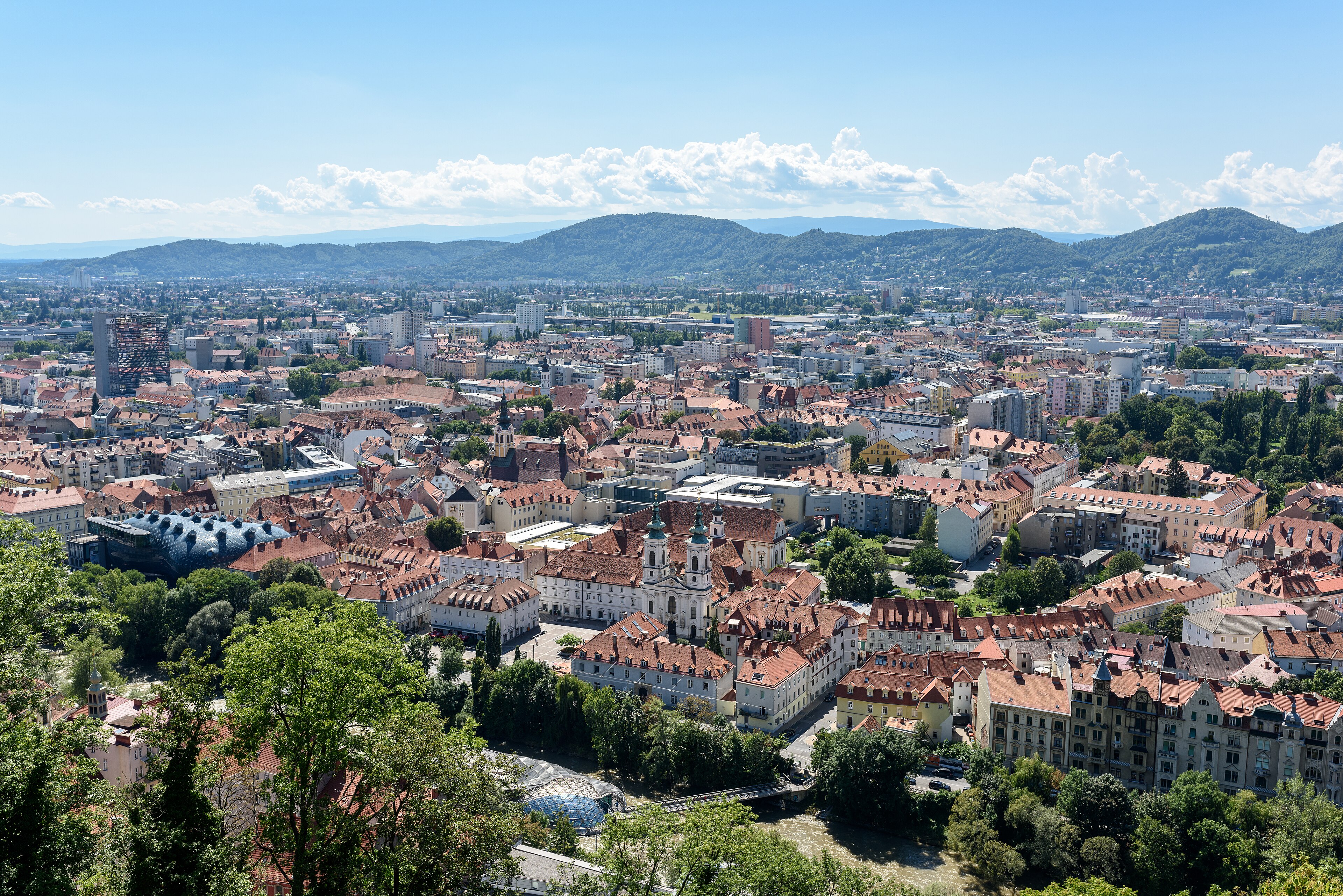
Why Graz is Perfect for Your Celebration
- UNESCO World Heritage old town provides a stunning, ready-made backdrop for ceremonies and photography
- Rich Baroque and Renaissance architecture offers unique, characterful event spaces unlike typical hotel ballrooms
- Styrian wine country on the city's doorstep adds a distinctive culinary and hospitality dimension to celebrations
- Warm, long summer days (May–September) allow extended outdoor receptions and garden events
- Compact, walkable city center makes guest logistics straightforward — venues, accommodation, and dining are all close together
- Sophisticated European hospitality infrastructure with experienced local event vendors and caterers
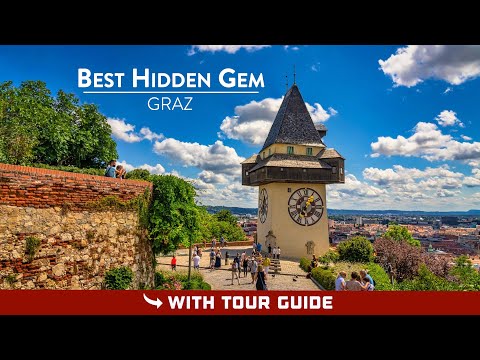
Top Venues in Graz
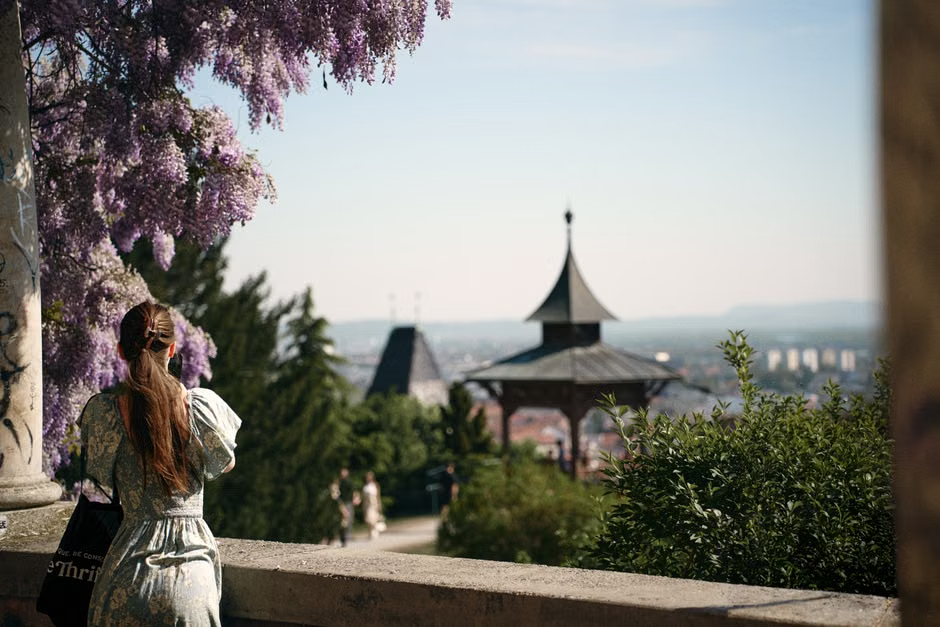
Schlossberghotel
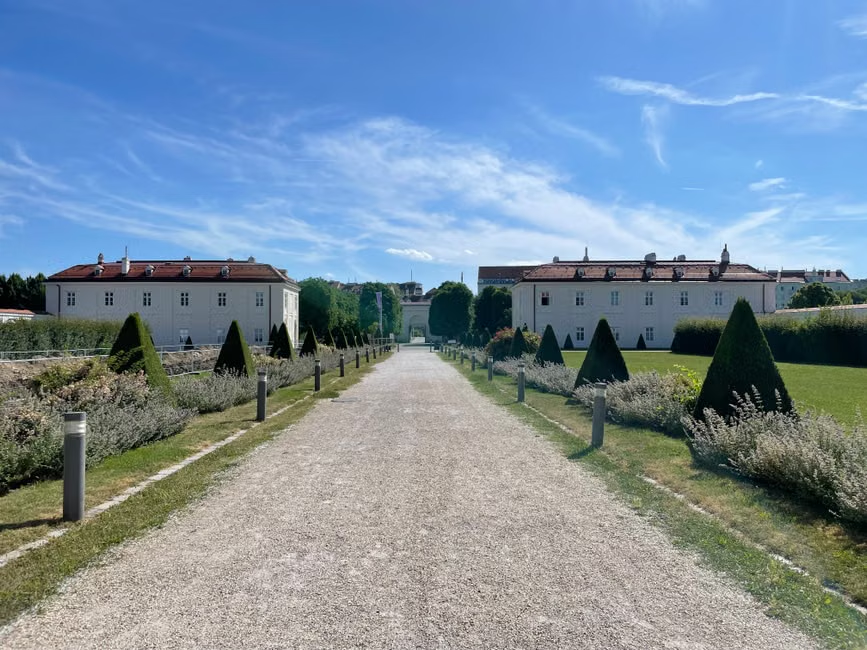
Augarten Hotel
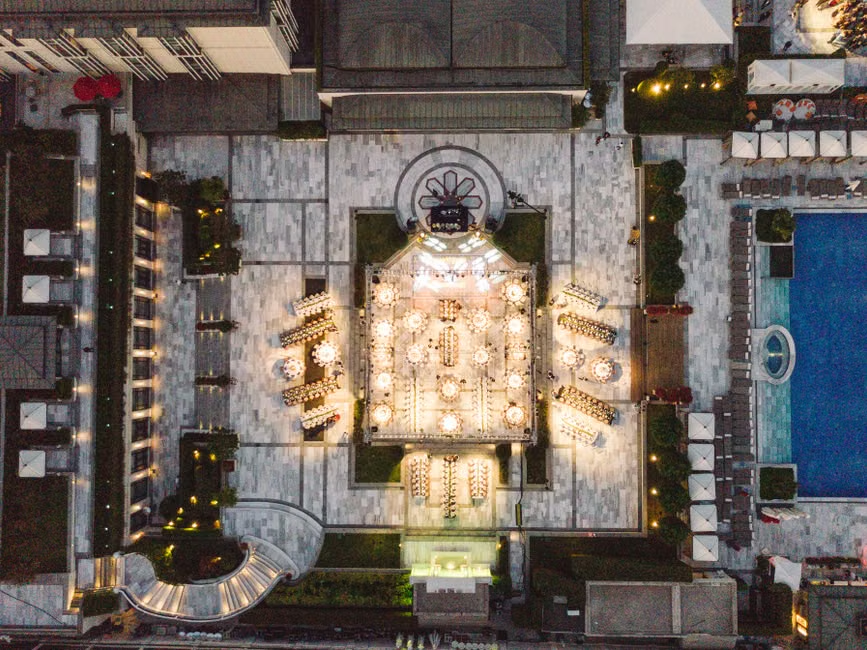
Hotel Weitzer
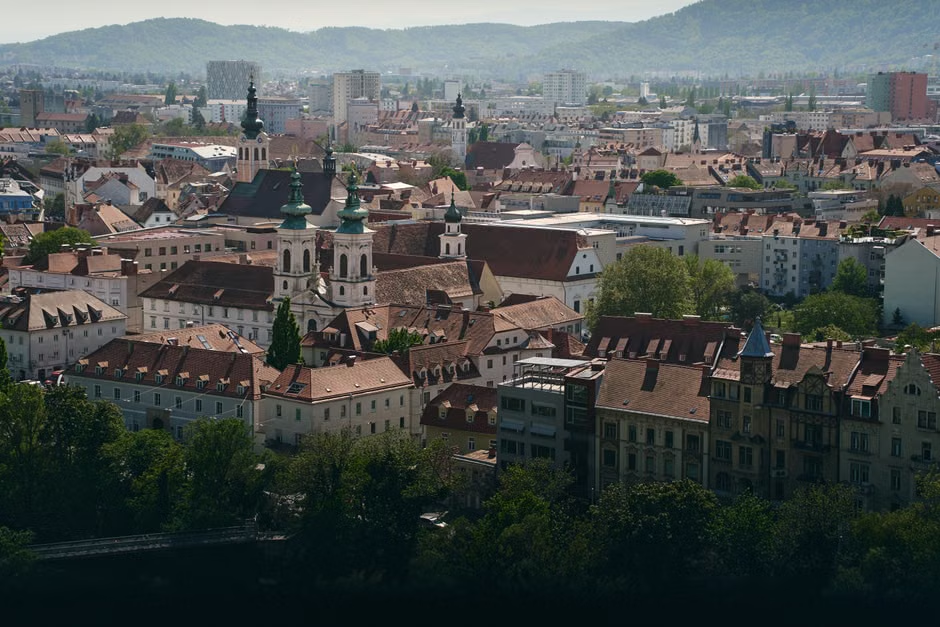
Hotel Daniel Graz
Compare Graz with Other Top Destinations
Frequently Asked Questions
Is Graz a good destination for a wedding?
Yes. Graz is particularly well-suited to intimate and mid-sized weddings, typically in the range of 30 to 250 guests. The UNESCO-listed Baroque old town, historic courtyards, and riverside hotel terraces provide a genuinely distinctive European setting. The city's compact scale also simplifies guest logistics, with accommodation, ceremony venues, and dining all within easy reach of each other.
What guest group sizes can Graz venues realistically support?
Graz venues are generally best suited to events of up to around 250 to 300 guests for a single-space reception. Some hotel ballrooms and congress facilities can accommodate larger groups for seated dinners or conference formats, but the city's most characterful heritage spaces — courtyards, garden terraces, and historic halls — tend to work best for more intimate gatherings. Very large events of 400 or more guests may find the local inventory limiting.
What is the best time of year to plan an event in Graz?
May through September is the strongest window. Long daylight hours, warm temperatures, and reliable enough weather make outdoor ceremonies and evening receptions genuinely viable. May and September are particularly pleasant — warm without the peak-summer heat. Outside this window, cold winters and unpredictable spring weather make outdoor use difficult, and the city's most distinctive open-air spaces are largely unusable from November through March.
How do guests get to Graz?
Graz has its own international airport (GRZ), approximately 9 km from the city center, with direct connections to a range of European cities. Guests from further afield typically fly into Vienna and take a direct train to Graz, which takes around two and a half hours. Graz Hauptbahnhof also connects directly to Salzburg, Ljubljana, and other regional hubs, making rail travel a practical and comfortable option for many European guests.
What kinds of event spaces are available in Graz?
Graz offers a varied mix: historic palace courtyards and Baroque-era buildings in the old town, hotel ballrooms and garden terraces, riverside venues along the Mur, parkland settings in the Stadtpark area, and purpose-built congress facilities for larger corporate events. The general character leans toward intimate elegance — venues with genuine architectural character rather than generic large-scale function rooms.
Is Graz suitable for corporate events and retreats?
Yes. Graz works well for corporate retreats, incentive events, and mid-sized conferences. The combination of a stimulating cultural environment, quality hotels with meeting facilities, and straightforward rail access from Vienna makes it a strong choice for groups wanting something more memorable than a standard conference city. The old town and local culinary scene also give delegates a rewarding destination experience beyond the event itself.
How easy is it for guests to get around Graz once they arrive?
Very easy. The city center is compact and largely walkable, meaning most event-relevant locations — hotels, venues, restaurants, and the old town — are reachable on foot or by the city's tram network. For coordinated group transfers between a venue and accommodation, the short distances make private coach or minibus arrangements straightforward. Taxis and ride-hailing services are readily available throughout the city.
What makes the local catering and hospitality ecosystem in Graz distinctive?
Graz benefits from Styria's strong regional food and wine culture. Local caterers have access to high-quality Styrian produce — including regional wines, artisan cheeses, and locally grown ingredients — giving event menus a genuine sense of place. The city also has experienced event coordinators, florists, and photographers familiar with its venues and light. For very large or technically complex productions, some specialist suppliers may need to be sourced from Vienna.
Are outdoor events in Graz reliable during summer?
Generally yes, but with one caveat: Central European summers bring occasional afternoon thunderstorms, particularly in July and August. Outdoor events during May through September are broadly viable and the long daylight hours are a real asset, but any outdoor reception should have a covered contingency plan. May and September tend to be the most stable months with lower storm frequency than the peak summer weeks.
Is Graz a good fit for cultural festivals or themed celebrations?
Yes. Graz has a long tradition of arts and cultural events, and its public squares, historic halls, and open-air spaces lend themselves naturally to festival-format celebrations, themed anniversary events, or product launches with a cultural angle. The city's own identity — Baroque architecture, Styrian culinary culture, a lively arts scene — provides a ready-made thematic framework that event planners can draw on.
How much accommodation is available in Graz for a large guest group?
Graz has a solid range of accommodation concentrated in and around the city center, from boutique heritage hotels to larger international-brand properties. For events of up to around 150 to 200 guests, accommodating everyone within easy walking distance of the old town is generally feasible. For larger groups, guests may need to be distributed across several properties, which the city's compact layout makes manageable — all are typically within a short tram or taxi ride of each other.
What should I know about planning a winter event in Graz?
Winter in Graz (November through February) is cold, with temperatures regularly below freezing and limited daylight. The city has a festive atmosphere in December thanks to its Christmas markets, but outdoor event spaces are largely unusable and the destination's most distinctive open-air settings cannot be showcased. Winter events in Graz work best when planned entirely indoors, and planners should set guest expectations accordingly — it is a different experience from the summer version of the city.

Ready to explore venues in Graz?
Graz: Destination Wedding & Cultural Event Venues in Styria, Austria
◆Graz is Austria's second-largest city and the capital of Styria, best known for its UNESCO World Heritage-listed Baroque and Renaissance old town, sophisticated culinary culture rooted in Styrian wine and produce, and a compact, highly walkable city center. It suits intimate to mid-sized weddings, corporate retreats, cultural festivals, and milestone celebrations particularly well. The strongest season runs from May through September, when long daylight hours and warm temperatures support outdoor receptions and garden events. Graz is well-connected by rail and has its own international airport, making it genuinely accessible for European guests, though intercontinental travelers will typically route through Vienna.
Graz at a Glance
| Attribute | Detail |
|---|---|
| Best For | Intimate weddings, corporate events, cultural festivals, milestone celebrations |
| Primary Vibe | Cultural & Timeless |
| Other Vibes | Romantic, Baroque, Culinary, European Sophistication |
| Best Season | Summer (May, Jun, Jul, Aug, Sep) |
Why Choose Graz?
- UNESCO World Heritage setting: The Graz old town is one of the best-preserved Baroque city centers in Central Europe, providing a genuinely extraordinary architectural backdrop that requires no additional decoration to impress guests.
- Distinctive venue character: Graz offers a range of heritage palaces, historic courtyards, riverside hotel terraces, and parkland gardens that give events a sense of place impossible to replicate in a generic convention hotel.
- Styrian culinary identity: The region has a strong, celebrated food and wine culture — pumpkin seed oil, Schilcher rosé wine, and locally sourced Styrian produce — giving catering at Graz events a genuinely distinctive regional character.
- Compact and walkable: The city center is small enough that guests can walk between ceremony venues, reception spaces, and accommodation, reducing the logistical complexity that larger cities impose on event planners.
- Strong rail connectivity: Graz Hauptbahnhof connects directly to Vienna, Salzburg, Ljubljana, and other Central European cities, making it straightforward for guests traveling from across Austria and neighboring countries.
- Intimate scale without isolation: Graz is large enough to have a mature hospitality and vendor ecosystem — experienced caterers, florists, photographers, and AV suppliers — while remaining small enough to feel personal and unhurried.
Which Celebrations Work Best in Graz?
- Intimate and mid-sized weddings: Graz is particularly well-suited to weddings in the range of 30 to 250 guests. The city's heritage courtyards, hotel gardens, and riverside terraces create a romantic, characterful setting, and the concentration of quality accommodation in the center means guests are never far from the venue.
- Corporate retreats and incentive events: The combination of a stimulating cultural environment, high-quality hotels with meeting facilities, and easy rail access from Vienna makes Graz a strong choice for corporate groups seeking something more memorable than a standard conference city.
- Cultural festivals and themed celebrations: Graz has a long tradition of arts and culture events, and its public squares, historic halls, and open-air spaces lend themselves naturally to festival-format celebrations, product launches with a cultural angle, or milestone anniversary events.
- Milestone birthday and anniversary celebrations: For guests traveling from across Europe, Graz offers a genuinely rewarding destination experience — the old town, the Schlossberg hill, and the local food scene give attendees a reason to extend their stay, making the event feel like a true occasion rather than just a party.
Venues & Event Spaces
Graz offers a varied landscape of event spaces that reflect its architectural heritage and Central European sophistication. The most characterful options include historic palace courtyards and Baroque-era buildings in and around the old town, which can be hired for private ceremonies and receptions. Several of the city's established hotels offer dedicated ballrooms and garden terraces that combine period architecture with modern event infrastructure — audiovisual equipment, catering kitchens, and flexible room configurations.
Riverside venues along the Mur offer a scenic, contemporary alternative, with terraces that work particularly well for summer evening receptions. The Stadtpark (city park) area provides green, open-air settings suitable for garden parties and outdoor ceremonies during the summer months. For larger corporate or festival-format events, the city has purpose-built congress and exhibition facilities that can accommodate several hundred delegates. Across all categories, the general character of Graz venues leans toward intimate elegance rather than grand scale — the city is better suited to events where atmosphere and detail matter more than sheer capacity.
Best Time to Celebrate
The curated best season for Graz is Summer: May through September, and this reflects the city's climate and event calendar accurately. During these months, average daytime temperatures typically range from the mid-teens in May to the mid-to-upper twenties Celsius in July and August, with long daylight hours that allow outdoor receptions to run well into the evening. The Schlossberg gardens, hotel terraces, and courtyard spaces that define Graz's most distinctive event settings are only genuinely usable in this window.
May and September are particularly pleasant — warm but not oppressively hot, with lower humidity than the peak of summer and generally reliable weather. June, July, and August are the warmest months and the most popular for outdoor events, though occasional afternoon thunderstorms are a feature of the Central European summer and should be factored into outdoor planning with a covered contingency.
Outside this window, the picture changes considerably. October and early November can still be mild and atmospheric, with autumn foliage adding visual interest, but outdoor events become increasingly weather-dependent and the evenings cool quickly. November through February brings cold, grey conditions — temperatures regularly drop below freezing, outdoor spaces are largely unusable for events, and the city's characteristic charm is harder to showcase to guests. December has a festive quality thanks to Christmas markets, but it is a cold-weather proposition and not suited to the kind of outdoor celebrations that make Graz distinctive. March and April are transitional — temperatures are rising but unpredictable, with spring showers common and outdoor reliability still limited. For any event where outdoor spaces are central to the experience, May is the earliest genuinely reliable month.
Getting There & Local Connectivity
Graz is served by its own international airport (Graz Airport, GRZ), located approximately 9 km south of the city center. The airport handles direct connections to a range of European cities, making it a practical entry point for guests traveling from within Europe. For intercontinental guests or those from destinations without a direct Graz connection, Vienna International Airport is the most common alternative, with Graz reachable from Vienna by a well-served direct train in approximately two and a half hours.
Graz Hauptbahnhof (the central railway station) is one of the city's strongest logistical assets for event planners. It sits close to the city center and connects Graz directly to Vienna, Salzburg, Klagenfurt, Ljubljana, and other regional hubs, with frequent daily services. For a guest group traveling from Vienna, the train is often the most convenient option — no airport transfers, no check-in queues, and arrival directly in the city center.
Within Graz itself, the city is compact enough that most event-relevant locations — hotels, ceremony venues, restaurants, and the old town — are reachable on foot or by the city's tram network. For groups requiring coordinated transfers between a venue and accommodation, the short distances involved make private coach or minibus arrangements straightforward and cost-effective. Taxis and ride-hailing services are readily available. Parking is available for guests arriving by car, though the old town center has pedestrian zones that limit vehicle access, which is worth communicating to self-driving guests in advance.
Local Vendor & Hospitality Ecosystem
Graz has a well-developed hospitality and events industry that punches above its size. As a university city and regional capital with a strong tradition of arts festivals and cultural events, it has cultivated a mature ecosystem of local vendors — experienced wedding planners and event coordinators, florists familiar with both traditional and contemporary styles, photographers who know the city's best light and locations, and catering operations that can draw on Styria's exceptional regional produce.
The Styrian food and wine culture is a genuine asset for event catering. Local caterers have access to high-quality regional ingredients — Styrian pumpkin seed oil, locally grown vegetables, Schilcher wine from the western Styrian hills, and a range of artisan producers — that give event menus a distinctive, place-specific character. This is not a destination where catering defaults to generic international hotel food; there is a real culinary identity to draw on.
For larger or more complex events, it is worth noting that Graz's vendor pool, while capable, is smaller than that of Vienna or other major European event cities. For very large-scale productions requiring specialist technical suppliers or unusually large quantities of a specific resource, some elements may need to be sourced from Vienna or coordinated with suppliers from outside the region. For events in the typical range that Graz venues support — up to a few hundred guests — the local ecosystem is generally well-equipped to deliver without needing to import significant external resource.
Pros & Things to Consider
Why Graz Works Well
- UNESCO-listed old town provides an extraordinary, authentic backdrop that is genuinely difficult to replicate elsewhere
- Compact city center simplifies guest logistics — accommodation, venues, and dining are all within easy reach of each other
- Strong rail connectivity from Vienna and other Central European cities makes it accessible for a broad European guest list
- Distinctive Styrian culinary culture elevates event catering beyond generic hotel menus
- Warm, long summer days (May–September) are well-suited to outdoor ceremonies and evening receptions
- Intimate city scale creates a personal, unhurried atmosphere that larger event cities often cannot match
- Mature local vendor ecosystem capable of delivering high-quality events without extensive external sourcing
Things to Consider
- Venue capacity is generally limited to mid-sized events — guests expecting a grand ballroom for 500+ will find the local inventory constrained
- Intercontinental guests face a two-leg journey (typically via Vienna), which adds travel complexity compared to a major hub city
- The outdoor season is genuinely seasonal — events planned outside May–September face real weather risk, and the city's most distinctive spaces are harder to use in winter
- Summer afternoon thunderstorms are a feature of the Central European climate and require outdoor events to have a covered contingency plan
- For very large-scale technical productions, some specialist suppliers may need to be sourced from Vienna, adding coordination complexity
- German is the working language of local vendors and hospitality staff — while English is widely spoken in hotels and the tourism sector, event planning communications with smaller local suppliers may occasionally require translation support
When Graz May Not Be the Right Fit
- Very large guest lists: If your event requires a single venue to seat or host 400 or more guests, Graz's venue inventory may not comfortably accommodate the scale — a larger Austrian or Central European city would offer more options at that capacity.
- Outdoor-focused events in autumn or winter: If the outdoor setting is central to your event concept and your dates fall between October and April, Graz's climate makes reliable outdoor use genuinely difficult. A destination with a warmer or more stable year-round climate would be a better fit.
- Guests traveling primarily from outside Europe: For a guest list that is predominantly intercontinental — from South Asia, North America, or East Asia — the two-leg journey via Vienna adds meaningful travel time and complexity. A destination with stronger direct long-haul connectivity may serve that guest group better.
- Events requiring a very large, diverse vendor pool on short notice: For highly complex productions with specialist technical, entertainment, or décor requirements that need to be sourced locally and quickly, Graz's smaller vendor market may not have the depth of a major European event capital. Planning lead time becomes more important here than in a larger city.