
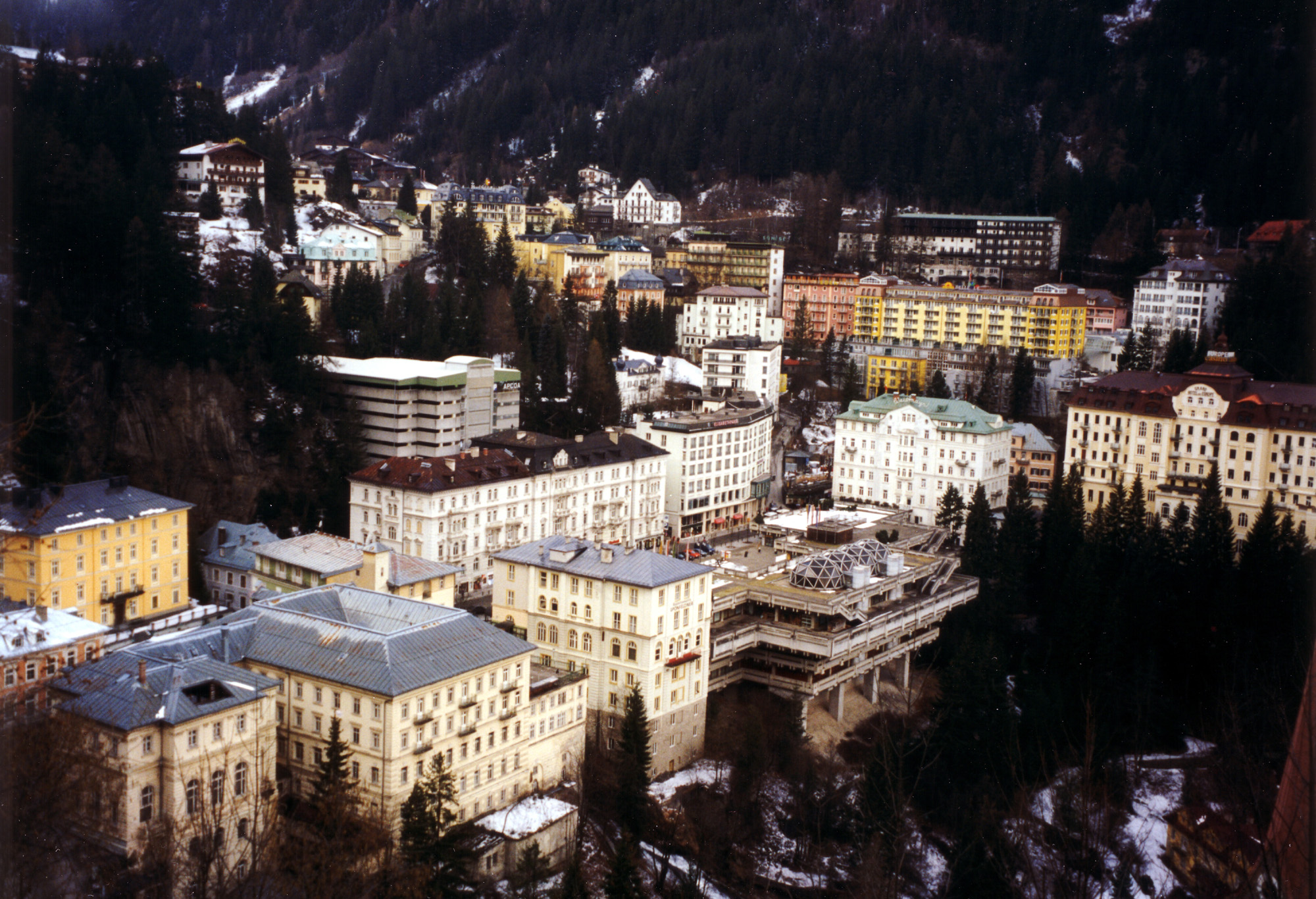
Why Bad Gastein is Perfect for Your Celebration
- Dramatic Alpine waterfall cascading through the town centre — a genuinely unique natural backdrop for ceremonies
- Historic Belle Époque grand hotels offer ornate ballrooms and terraces with mountain panoramas
- Thermal spa culture creates a natural wellness retreat experience for guests before and after events
- Intimate town scale ensures exclusivity — no mass-tourism crowds during summer events
- Direct Tauern Railway connection makes guest arrival straightforward without requiring flights
- Summer Alpine light (long golden evenings) extends outdoor celebration windows well into the evening
Compare Bad Gastein with Other Top Destinations
Frequently Asked Questions
Is Bad Gastein a good destination for a wedding?
Yes, particularly for intimate weddings. Bad Gastein is well-suited to smaller, exclusive celebrations — typically under 150 guests — where atmosphere, Alpine scenery, and a curated multi-day guest experience are priorities. The town's Belle Époque heritage hotels, dramatic waterfall setting, and thermal spa culture create a genuinely distinctive wedding environment that larger, more commercial destinations cannot replicate.
What is the best time of year to hold an event in Bad Gastein?
Summer — June through September — is the clear best window. During these months, Alpine meadows are in full bloom, all hotels and venues operate at full capacity, mountain access is open for group excursions, and long daylight hours extend outdoor event windows into the evening. October brings early frost risk, and November through April is dominated by ski-season conditions unsuitable for most celebrations.
How do guests travel to Bad Gastein?
The most practical route is via Salzburg Airport, followed by the Tauern Railway directly to Bad Gastein's own town-centre station — a scenic and reliable journey of roughly 1.5 to 2 hours. Guests from Vienna or Munich can also reach Bad Gastein by direct or single-change rail services. Self-drive via the Tauern Autobahn is also viable for guests based in the region.
What kinds of venues are available for events in Bad Gastein?
Event spaces in Bad Gastein are primarily anchored in the town's historic grand hotels, which offer formal ballrooms, private dining rooms, and outdoor terraces with mountain and waterfall views. The surrounding Alpine landscape — meadows, forested paths, elevated viewpoints — is also used for outdoor ceremonies and group activities during summer. There are no large purpose-built convention centres in the town.
How many guests can Bad Gastein realistically accommodate for an event?
Bad Gastein is best suited to events up to around 150 guests within a single venue. The town's hotel-anchored event infrastructure does not comfortably support very large single-venue gatherings. Larger groups can be distributed across multiple properties in the Gastein Valley, but this adds coordination complexity and is best managed with a specialist event planner familiar with the area.
Is Bad Gastein suitable for a corporate retreat or incentive travel event?
Yes. The combination of seclusion, heritage meeting spaces within grand hotels, thermal wellness facilities, and the motivational Alpine environment makes Bad Gastein a strong choice for leadership offsites, strategy retreats, and incentive travel groups. The setting encourages genuine disconnection from urban routine, which is a meaningful asset for corporate programming focused on focus and team cohesion.
What local vendors and services are available for event planning in Bad Gastein?
The grand hotels have mature in-house catering and event coordination capabilities. However, specialist wedding vendors — bespoke florists, large-scale AV suppliers, dedicated wedding planners — are not all locally available and may need to be sourced from Salzburg or further afield. Planning with sufficient lead time (typically 12+ months for a destination wedding) is advisable to manage external supplier logistics.
Can guests with mobility limitations attend events in Bad Gastein?
With careful planning, yes — but the town's steep hillside topography and mountain setting require specific attention. Movement between venues and accommodation involves elevation changes, and some outdoor ceremony locations are not easily accessible for guests with significant mobility limitations. Event planners should discuss accessibility requirements with hotels early and arrange appropriate transport solutions for affected guests.
What makes Bad Gastein distinctive compared to other Alpine event destinations?
Bad Gastein's combination of a natural waterfall cascading through the town centre, Belle Époque grand hotel architecture, and a genuine century-old thermal spa heritage creates a layered sense of place that is unusual even within the Alps. The town's small scale also means a group can achieve a level of exclusivity — effectively having the destination to themselves — that is harder to replicate in larger, more commercially active Alpine resorts.
Is a wellness or spa retreat a viable event format in Bad Gastein?
Yes — it is one of the strongest formats for this destination. Bad Gastein's radon-thermal spa tradition is central to the town's identity, and thermal bathing and spa treatments can be integrated meaningfully into a multi-day celebration itinerary. This makes it particularly well-suited to hen parties, anniversary retreats, and post-wedding recovery weekends where wellness programming is a genuine priority rather than an add-on.
How far in advance should I plan a destination event in Bad Gastein?
A minimum of 12 months lead time is strongly advisable, and 18 months is preferable for summer dates. The town's limited total accommodation and venue inventory means that popular summer weekends can be committed well in advance. Additional lead time is needed if specialist vendors need to be sourced from outside the local area, which is common for more complex event productions.

Ready to explore venues in Bad Gastein?
Bad Gastein: Destination Wedding & Event Venues in the Austrian Alps
◆Bad Gastein is a small, historic Alpine spa town in Salzburg State, Austria, best suited to intimate, exclusive weddings, private wellness retreats, and boutique corporate events. Its primary vibe is Peaceful & Secluded — defined by Belle Époque grand hotel architecture, a dramatic natural waterfall at the town's heart, and a long-established thermal spa culture. Summer (June through September) is the clear window for outdoor celebrations, when Alpine meadows are in full colour and temperatures are comfortable. Guest access is manageable via the Tauern Railway or Salzburg Airport, though the mountain setting means logistics require advance planning. This is not a destination for large-scale, high-volume events — it excels at depth of experience over breadth of capacity.
Bad Gastein at a Glance
| Attribute | Detail |
|---|---|
| Best For | Intimate weddings, wellness retreats, private celebrations, boutique corporate events |
| Primary Vibe | Peaceful & Secluded |
| Other Vibes | Heritage, Romantic, Wellness-focused |
| Best Season | Summer (Jun, Jul, Aug, Sep) |
Why Choose Bad Gastein?
- A genuinely unique natural centrepiece: The Gasteiner Ache waterfall cascades directly through the town, providing a dramatic, photogenic backdrop that no purpose-built venue can replicate — ceremony and portrait settings here are inherently distinctive.
- Belle Époque architectural heritage: Bad Gastein's grand hotels were built during the late 19th and early 20th centuries when the town was a favoured retreat of European royalty and aristocracy. That architectural legacy — ornate facades, high-ceilinged ballrooms, wide terraces — gives events a sense of occasion that is difficult to manufacture elsewhere.
- Thermal wellness as a guest experience: The town's radon-thermal spa tradition means guests can integrate genuine wellness programming — thermal bathing, spa treatments — into a multi-day celebration itinerary, which is a meaningful differentiator for wellness-conscious couples and corporate groups.
- Exclusivity by scale: Bad Gastein is a small town. During summer, it attracts visitors but never reaches the saturation of larger Alpine resorts. A group booking a significant portion of the town's accommodation effectively has a private Alpine village for their event.
- Reliable rail access: The Tauern Railway connects Bad Gastein directly to Salzburg and onward to Vienna and Munich, meaning guests from major Central European cities can arrive without flying — a practical and increasingly valued option for international guest groups.
- Long Alpine summer evenings: At this latitude and altitude, summer days are long, with usable outdoor light well into the evening. Outdoor dinners, terrace receptions, and mountain-view ceremonies benefit from extended golden-hour windows that compressed urban settings cannot offer.
Which Celebrations Work Best in Bad Gastein?
- Intimate destination weddings: Bad Gastein is particularly well-suited to smaller weddings — typically under 150 guests — where the emphasis is on atmosphere, scenery, and a curated guest experience rather than scale. The combination of heritage hotel ballrooms, outdoor Alpine settings, and thermal spa access creates a multi-day wedding itinerary that feels genuinely immersive rather than transactional.
- Wellness & spa retreats: The town's thermal heritage makes it a natural fit for wellness-themed celebrations — hen parties, anniversary retreats, or post-wedding recovery weekends — where spa programming is central rather than incidental to the event.
- Private corporate retreats: Leadership offsites, strategy retreats, and incentive travel groups benefit from Bad Gastein's combination of seclusion, heritage meeting spaces within grand hotels, and the motivational backdrop of the Hohe Tauern mountains. The environment encourages focus and genuine disconnection from urban routine.
- Anniversary & milestone celebrations: The romantic, unhurried character of the town — thermal baths, mountain walks, candlelit heritage dining rooms — makes it well-suited to significant personal milestones where the setting itself is meant to feel special rather than merely functional.
Venues & Event Spaces
Bad Gastein's event venue landscape is defined by its historic grand hotels, which were constructed during the town's late 19th-century heyday as an aristocratic retreat. These properties typically offer a combination of formal ballrooms or banquet halls with period detailing, outdoor terraces with direct mountain and waterfall views, and smaller private dining rooms suited to intimate dinners or pre-event gatherings. The architectural character of these spaces — high ceilings, ornate plasterwork, wide windows framing Alpine panoramas — is a consistent strength across the town's heritage properties.
Beyond the grand hotel interiors, the surrounding Alpine landscape itself functions as an event space: mountain meadows, forested paths, and viewpoints above the town are accessible during summer and are commonly used for outdoor ceremonies, pre-reception photography, and group excursions that form part of a multi-day celebration programme. Outdoor event infrastructure (marquees, temporary structures) can be arranged through specialist Alpine event suppliers, though this requires earlier planning lead time than in larger urban destinations.
The town does not have large-scale purpose-built convention centres or standalone banquet halls separate from its hotel stock — event capacity is primarily hotel-anchored, which reinforces the intimate, exclusive character of celebrations here but does set a practical ceiling on guest numbers for any single-venue event.
Best Time to Celebrate
The curated best season for Bad Gastein is Summer: June, July, August, and September. This window works for several concrete reasons beyond simply "the weather is pleasant."
- June – September temperatures typically range from around 12°C at night to 22°C during the day at town altitude — comfortable for outdoor ceremonies and receptions without the heat stress that affects lower-altitude summer destinations.
- Alpine flora is at its peak from late June through August, with mountain meadows in full bloom — a significant visual asset for outdoor ceremonies and photography.
- All hotels and venues are fully operational during summer, with maximum staffing and programming. Some properties reduce services or close partially during shoulder and winter periods.
- Mountain access is fully open: cable cars, hiking paths, and scenic viewpoints above the town are accessible, enabling group excursions and outdoor pre-wedding activities that are central to the destination's appeal.
- Daylight hours are long — particularly in June and July — extending the usable window for outdoor events into the late evening without artificial lighting.
October sees a rapid temperature drop and early frost risk at altitude, making outdoor elements increasingly unreliable. November through April brings heavy snowfall and Alpine winter conditions — while the town does operate as a ski destination in winter, the infrastructure and vendor ecosystem pivot entirely toward ski tourism rather than events, and many heritage hotel event spaces operate on reduced schedules. May is a genuine shoulder month — temperatures are rising but unpredictable, and some summer-season services are not yet fully open — making it a less reliable choice for event planning.
Getting There & Local Connectivity
The most practical air gateway for international guests is Salzburg Airport (SZG), which is served by a range of European carriers and connects to major hub airports. From Salzburg, Bad Gastein is reachable by the Tauern Railway — a scenic and reliable route that deposits guests directly at Bad Gastein's own railway station in the town centre, making the journey straightforward without requiring onward road transfers. Travel time from Salzburg by rail is approximately 1.5 to 2 hours.
Guests travelling from Vienna or Munich can also reach Bad Gastein by direct or single-change rail services, which makes the destination genuinely accessible to Central European guest groups without requiring flights at all. Road access via the Tauern Autobahn is also viable for guests self-driving, though mountain road conditions should be factored into planning for any events near the shoulder of the summer season.
Within Bad Gastein itself, the town is compact and largely walkable for guests staying in the central hotel cluster. For guests accommodated in the broader Gastein Valley (which includes the neighbouring villages of Bad Hofgastein and Dorfgastein), local bus and valley rail services connect the settlements, though for large groups, coordinated private transfers are generally the more reliable option. The town's topography — it is built on a steep hillside — means that while distances are short, some movement between venues and accommodation involves elevation changes that should be factored into accessibility planning for guests with mobility considerations.
Local Vendor & Hospitality Ecosystem
Bad Gastein's hospitality ecosystem is mature in the context of its scale — the town has operated as a high-end tourism destination for well over a century, and its grand hotels carry institutional knowledge of hosting significant private events. In-house catering at the heritage properties is generally of a high standard, drawing on Austrian and broader European culinary traditions, and the thermal spa facilities are professionally operated.
However, the specialist wedding and events vendor ecosystem — independent florists, dedicated wedding planners, bespoke entertainment suppliers, large-scale AV and production companies — is more limited than in major European city destinations or larger Alpine resort towns. Couples and event planners should expect to source some specialist vendors from Salzburg or further afield and factor in the logistics of bringing external suppliers into a mountain town. This is a manageable challenge with sufficient lead time, but it does mean that last-minute or highly complex production requirements are harder to fulfil locally than in a larger destination.
The town's hospitality staff are accustomed to international guests — English is widely spoken in the hotel sector — and the general service culture reflects Austrian standards of professionalism and discretion, which suits the private, exclusive character of events here.
Pros & Things to Consider
Why Bad Gastein Works Well
- Genuinely distinctive natural setting — the Alpine waterfall, mountain panoramas, and thermal heritage are not replicable elsewhere
- Belle Époque heritage hotel architecture provides inherent elegance without requiring extensive decoration
- Small town scale creates natural exclusivity — a group can feel they have the destination to themselves
- Thermal spa culture adds a meaningful wellness dimension to multi-day event programmes
- Reliable rail connectivity from Salzburg, Vienna, and Munich reduces dependence on flights for Central European guests
- Long summer daylight hours extend outdoor event windows significantly
- Very safe, well-maintained environment with high general service standards
Things to Consider
- Limited total venue capacity: The town cannot comfortably host very large events (200+ guests) within a single venue — groups of this size would need to be distributed across multiple properties, which adds coordination complexity.
- Specialist vendor gaps: Bespoke wedding production, large-scale floral design, and specialist entertainment suppliers are not all locally available and may need to be sourced from Salzburg or further, adding logistics and lead-time requirements.
- Strict seasonal window: The viable event season is genuinely narrow — June to September — and outside this window, the destination's appeal and operational capacity change significantly.
- Mountain accessibility: The steep topography and mountain road conditions require careful planning for guests with mobility limitations, and weather can affect outdoor elements even within the summer season.
- Limited flight options directly nearby: Salzburg Airport is the practical gateway, but guests from outside Europe or from non-Salzburg-served origins will face connecting journeys that add travel time and complexity.
When Bad Gastein May Not Be the Right Fit
- Large guest lists (200+): If your celebration requires a single venue accommodating a very large number of guests under one roof, Bad Gastein's hotel-anchored inventory is unlikely to meet that need comfortably — a larger Alpine resort town or a city destination would be more appropriate.
- Events outside June–September: If your preferred dates fall in the winter or spring months, the combination of heavy snowfall, reduced hotel operations, and a vendor ecosystem oriented toward ski tourism rather than events makes Bad Gastein a poor fit for celebrations — a different season or destination would serve better.
- Guest groups with complex international travel needs: If a significant portion of your guest list is travelling from outside Europe or from regions without convenient connections to Salzburg, the multi-leg journey to Bad Gastein may be a genuine deterrent to attendance — a destination with a major international hub airport would reduce travel friction considerably.
- Highly production-intensive events: If your event concept requires large-scale staging, complex AV production, or a wide range of specialist vendors available at short notice, the limited local supplier ecosystem in a small mountain town will create friction — a major city destination with a mature events industry would be a more practical base.