
Why Sydney is Perfect for Your Celebration
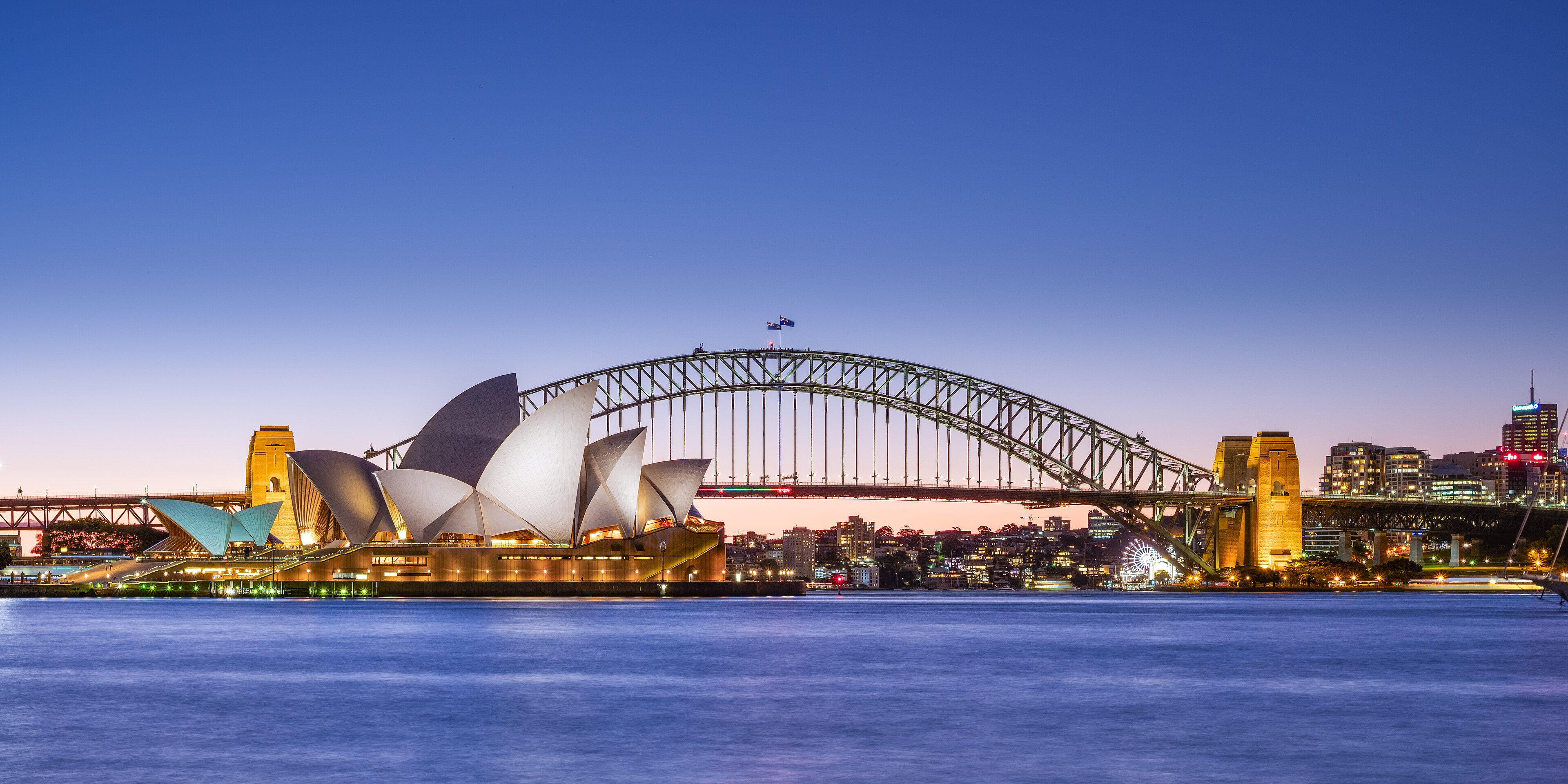
- Iconic Sydney Harbour backdrop for ceremonies and receptions
- World-class luxury hotels with dedicated event and wedding teams
- Excellent international and domestic flight connectivity via SYD
- Mature, professional vendor ecosystem — florists, caterers, AV, planners
- Diverse venue styles: waterfront, rooftop, heritage, garden, and ballroom
- Spring season (Sep–Nov) offers mild weather perfect for outdoor celebrations
Compare Sydney with Other Top Destinations
Frequently Asked Questions
Is Sydney a good destination for a wedding celebration?
Yes. Sydney is particularly well-suited to destination weddings where the setting is central to the experience. The harbour, iconic landmarks, and diverse venue styles — from waterfront ballrooms to heritage sandstone buildings — create a genuinely memorable backdrop. The city's mature hospitality ecosystem means planning support, catering, and accommodation are all available at high standard.
What is the best time of year to hold an event in Sydney?
Spring — specifically September, October, November, and the shoulder months of March and April — is the curated best season. Temperatures are mild (typically low-to-mid 20s Celsius), humidity is moderate, and daylight hours are long. This period avoids the heat and storm risk of summer (December–February) and the cool, shorter days of winter (June–August).
How easy is it for international guests to travel to Sydney?
Very easy from most major international hubs. Sydney Kingsford Smith Airport is Australia's primary international gateway, with direct flights from cities across Asia, Europe, North America, and the Middle East. The airport is approximately 8–10 km from the CBD, with a direct train link to the city centre. Note that most international visitors require an Australian visa, which should be communicated to guests early.
What kinds of venues are available in Sydney for events?
Sydney offers genuine variety: waterfront ballrooms and harbour-view function spaces in luxury hotels, heritage sandstone buildings in The Rocks precinct, rooftop terraces with CBD skyline views, garden venues in inner suburbs, large-capacity convention spaces in Darling Harbour, and private harbour cruise vessels. The range covers intimate gatherings through to large-scale corporate conferences and receptions.
How many guests can Sydney venues realistically accommodate?
Sydney's venue inventory spans a wide range. Intimate settings comfortably host 20–80 guests, mid-scale ballrooms and function spaces typically accommodate 200–500, and the largest hotel and convention venues in Darling Harbour can host 1,000 or more for seated dinners or cocktail receptions. The city's accommodation depth means large guest groups can generally be housed within a single precinct.
Is Sydney suitable for corporate conferences and incentive events?
Yes. Sydney is one of Asia-Pacific's established MICE destinations. Large-capacity hotel ballrooms, professional AV and production infrastructure, and a city that genuinely rewards delegates during downtime all make it a strong choice for regional or global corporate gatherings. Darling Harbour in particular is a well-developed hub for conference-scale events.
What is the local transport situation for event guests once they arrive?
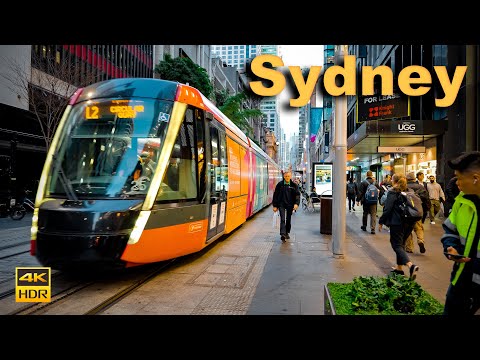
Movement within Sydney is generally straightforward. The CBD, Darling Harbour, The Rocks, and Circular Quay — where most event venues and hotels are concentrated — are within a compact, walkable or short-taxi radius. Ferries from Circular Quay provide scenic harbour transport. For coordinated group movement, Sydney's private coach and minibus hire market is well-developed and experienced with event logistics.
How developed is Sydney's event vendor ecosystem?
Highly developed. Sydney has a fully mature events industry covering wedding and event planners, specialist florists, high-end multicultural caterers, AV and production companies, luxury transport, and photography. Couples and corporate planners are engaging an established professional market, not pioneering a new one. Multicultural catering is a particular strength, with credible options across South Asian, East Asian, European, and contemporary Australian cuisines.
Are there outdoor event options in Sydney, and how weather-dependent are they?
Yes — harbour foreshores, garden venues, rooftop terraces, and private cruise vessels all offer outdoor settings. Spring (September–November, March–April) is the most reliable season for outdoor events, with mild temperatures and manageable rainfall. Summer (December–February) carries heat and afternoon storm risk, making contingency planning essential. Winter outdoor events are possible but less reliably comfortable, particularly in the evenings.
Is Sydney safe for international guests attending a destination event?
Yes. Sydney consistently ranks among the world's safest major cities. Infrastructure is reliable, emergency services are well-resourced, and the city is experienced with large international visitor groups. Guests unfamiliar with Australia can navigate the city independently with confidence, and the hospitality industry is accustomed to managing the needs of international event attendees.
Can Sydney accommodate a multi-day destination wedding or corporate retreat?
Yes. The city's accommodation depth — with multiple internationally branded hotels in close proximity to each other and to major venues — makes multi-day event programmes practical. Guests can be housed in a single precinct, with day-two and day-three activities (harbour cruises, cultural experiences, dining events) all accessible without significant travel. Sydney's broader tourism infrastructure supports extended stays naturally.

Ready to explore venues in Sydney?
Sydney: Destination Wedding & Event Venues in New South Wales, Australia
◆Sydney is a globally recognised event destination best suited to destination weddings, corporate conferences, milestone celebrations, and large-scale festivals. Its primary character is chic and cosmopolitan — defined by the Sydney Harbour, a skyline of iconic landmarks, and a hospitality industry that operates at international standard. The best season for outdoor and harbour-facing events is spring (September through November and March–April), when temperatures are mild and conditions are reliably pleasant. Sydney is highly accessible via direct international and domestic flights, and its mature vendor ecosystem means event planning infrastructure is among the strongest available in the Asia-Pacific region.
Sydney at a Glance
| Attribute | Detail |
|---|---|
| Best For | Destination Weddings, Corporate Events, Milestone Celebrations, Festivals |
| Primary Vibe | Chic & Cosmopolitan |
| Other Vibes | Waterfront & Scenic, Urban & Sophisticated, Heritage & Cultural |
| Best Season | Spring (Mar, Apr, Sep, Oct, Nov) |
Why Choose Sydney?
- Unmatched harbour scenery: Sydney Harbour — with the Opera House and Harbour Bridge as natural backdrops — provides a ceremony and reception setting that is genuinely difficult to replicate anywhere else in the world. Waterfront venues along Circular Quay, The Rocks, and Darling Harbour offer this backdrop at multiple price points and guest capacities.
- Exceptional international connectivity: Sydney Kingsford Smith Airport (SYD) is Australia's busiest international gateway, with direct flights from major hubs across Asia, Europe, North America, and the Middle East. Guests travelling from almost anywhere in the world can reach Sydney with, at most, one connection.
- Deep, professional event vendor ecosystem: Sydney has a fully mature events industry — experienced wedding planners, specialist florists, high-end catering companies, AV and production houses, and luxury transport providers all operate at scale here. Couples and corporate planners are not pioneering a new market; they are engaging an established one.
- Diverse venue typology: From heritage sandstone buildings in The Rocks to glass-and-steel rooftop terraces in the CBD, waterfront pavilions in Darling Harbour, and garden estates in the surrounding suburbs, Sydney offers genuine variety in venue character — not just a single dominant style.
- World-class accommodation inventory: The city holds a substantial number of internationally branded luxury and upper-upscale hotels, many with dedicated event floors, in-house catering, and accommodation blocks that can absorb large guest groups without dispersing them across the city.
- Safety, infrastructure, and ease of movement: Sydney consistently ranks among the world's safest major cities. Its public transport network — trains, ferries, and buses — is reliable and well-mapped, making it straightforward for guests unfamiliar with the city to move independently between accommodation, venues, and attractions.
Which Celebrations Work Best in Sydney?
Destination Weddings: Sydney is particularly well-suited to destination weddings where the setting itself is part of the experience. Harbour-facing ceremonies, rooftop receptions with skyline views, and heritage-building dinners all deliver a sense of occasion that guests remember. The city's accommodation depth means even a guest list of 200–300 can be housed comfortably within a short radius of the venue.
Corporate Conferences and Incentive Events: Sydney is one of Asia-Pacific's leading MICE (Meetings, Incentives, Conferences, Exhibitions) destinations. The combination of large-capacity hotel ballrooms, professional AV infrastructure, and a city that genuinely rewards delegates during downtime makes it a strong choice for regional or global corporate gatherings.
Milestone Celebrations (Birthdays, Anniversaries, Reunions): The city's restaurant and private dining scene, combined with harbour cruise options and rooftop event spaces, makes it well-suited to milestone events for groups of 20 to several hundred. The cosmopolitan character of the city means there is genuine entertainment and experience value for guests beyond the event itself.
Festivals and Cultural Events: Sydney has a strong tradition of large-scale public and private festivals — from food and wine events to arts and music gatherings. Private festival-style celebrations (garden parties, multi-day retreats, cultural showcases) can draw on the city's established production and logistics infrastructure.
Venues & Event Spaces
Sydney's venue landscape is genuinely diverse. At the premium end, waterfront ballrooms and harbour-view function spaces in internationally branded luxury hotels offer full-service event packages with in-house catering, accommodation, and dedicated event coordination. Heritage sandstone buildings — particularly concentrated in The Rocks and Macquarie Street precincts — provide a distinctive architectural character that contrasts with the city's modern skyline and suits formal dinners, ceremonies, and cocktail receptions.
Darling Harbour is home to several large-capacity hotel event spaces and purpose-built convention facilities, making it the natural hub for conferences and large-scale corporate functions. Rooftop terraces across the CBD offer more intimate settings with skyline views, typically suited to cocktail receptions and smaller milestone events. Garden and estate venues exist in the inner suburbs and, within a reasonable drive, in the surrounding hills and wine regions, offering a greener, more relaxed alternative to the urban core.
Harbour cruise and floating venue options are a genuinely Sydney-specific category — private charter vessels operating on the harbour provide a mobile event space with the Opera House and Harbour Bridge as a moving backdrop, particularly popular for cocktail receptions and milestone dinners of 50–200 guests.
Best Time to Celebrate
The curated best season for Sydney events is spring: September, October, November, and the shoulder months of March and April. This recommendation reflects several practical realities beyond simply "the weather is nice."
In spring (September–November), Sydney's average daytime temperatures sit comfortably in the low-to-mid 20s Celsius, humidity is moderate, and rainfall — while possible — is generally not the sustained, event-disrupting kind seen in summer. Daylight hours are long enough for late-afternoon outdoor ceremonies without the heat stress of midsummer. The city's parks, harbour foreshores, and garden venues are at their most photogenic, with spring blooms adding natural colour. Importantly, this period falls outside the peak summer holiday season (December–January), meaning accommodation availability is generally better and the city is not at its most crowded.
March and April share similar temperature characteristics — warm but not hot, with the humidity of summer beginning to ease — and represent a genuine shoulder-season alternative for couples or planners who cannot secure a spring date.
December through February (Sydney's summer) brings heat that can exceed 35°C on peak days, elevated humidity, and the risk of afternoon thunderstorms. While many events do take place in summer, outdoor ceremonies and receptions require contingency planning, and the holiday period (particularly late December and early January) compresses accommodation availability and raises costs significantly.
June through August (winter) brings Sydney's coolest and shortest days. Temperatures rarely drop below 8–10°C overnight, but the combination of cool evenings, reduced daylight, and a generally grey sky character makes outdoor harbour events less reliably pleasant. Indoor ballroom and heritage-building events work well in winter, but the season is generally less favoured for destination celebrations where outdoor scenery is part of the appeal.
May is a genuine shoulder month — typically mild and often pleasant — that sits between the curated best season and winter, and can work well for indoor-focused events or those with flexible outdoor contingency plans.
Getting There & Local Connectivity
Sydney Kingsford Smith Airport is located approximately 8–10 km south of the CBD — one of the shortest airport-to-city distances of any major international gateway. A dedicated Airport Link train connects the airport directly to Central Station and the broader suburban rail network in under 15 minutes, making arrival logistics straightforward for guests arriving from interstate or internationally. Taxis, rideshare services, and private transfers are all readily available.
For domestic guests, Sydney is connected by frequent air services from Melbourne, Brisbane, Perth, Adelaide, and all other major Australian cities. Interstate train services (notably from Melbourne and Brisbane via the XPT and other intercity services) arrive at Sydney Central Station, which sits at the southern edge of the CBD.
Within the city, movement for event groups is generally easy. The CBD, Darling Harbour, The Rocks, and Circular Quay — where the majority of event-relevant hotels and venues are concentrated — are all within a compact, walkable or short-taxi radius of each other. Ferries operating from Circular Quay provide a scenic and practical transport option for guests moving between harbour-side venues and accommodation. For groups requiring coordinated transport (airport transfers, venue shuttles), Sydney's private coach and minibus hire market is well-developed.
Local Vendor & Hospitality Ecosystem
Sydney's event vendor ecosystem is among the most developed in the Asia-Pacific region. Wedding and event planners operating in the city typically have established relationships with venues, caterers, florists, photographers, and production companies — meaning a couple or corporate planner engaging a Sydney-based coordinator is accessing a network, not just an individual.
Catering quality in Sydney is genuinely high, reflecting the city's broader food culture. The city has a strong tradition of multicultural cuisine, and specialist caterers can credibly deliver everything from formal European banquet menus to contemporary Australian, Asian-fusion, or culturally specific menus for South Asian, East Asian, or Middle Eastern celebrations. This is particularly relevant for international couples planning a destination wedding who want their cultural food traditions represented authentically.
Floral and décor suppliers in Sydney operate at international standard, with access to both locally grown and imported flowers. AV and production companies serving the Sydney market are experienced with large-scale events and technically sophisticated requirements. Luxury transport — prestige cars, vintage vehicles, harbour vessels — is readily available through established hire companies.
The hospitality staff culture in Sydney's major hotels is professional and internationally experienced, with many properties having dedicated wedding and events coordinators who manage the full planning process from initial enquiry through to post-event follow-up.
Pros & Things to Consider
Why Sydney Works Well
- Iconic, globally recognisable harbour setting that adds inherent prestige to any event
- Exceptional international and domestic flight connectivity — guests can arrive from almost anywhere with minimal difficulty
- Deep luxury and upper-upscale hotel inventory capable of accommodating large guest groups in a single precinct
- Fully mature, professional event vendor ecosystem with no meaningful gaps in service categories
- Strong safety record and reliable infrastructure — guests unfamiliar with the city can navigate independently with confidence
- Genuine venue diversity across styles, capacities, and characters — waterfront, heritage, rooftop, garden, and ballroom all available
- Spring season (Sep–Nov) delivers reliably pleasant outdoor conditions with long daylight hours
Things to Consider
- Scale of the city: Sydney is a large, spread-out metropolitan area. If guests are accommodated across multiple precincts (e.g. some in the CBD, some in Darling Harbour, some in North Sydney), coordinating group movement requires deliberate planning and potentially dedicated shuttle arrangements.
- Summer weather risk: December–February events face genuine heat and storm risk. Outdoor ceremonies and receptions in this period require robust contingency plans — covered alternatives, cooling infrastructure, or a willingness to move entirely indoors.
- Peak-season accommodation pressure: The December–January holiday period compresses hotel availability significantly. Couples or planners targeting this window should expect to book accommodation blocks well in advance.
- Urban character: Sydney is fundamentally a city destination. Couples seeking a secluded, private, or rural estate experience will need to look beyond the CBD and inner suburbs — options exist in the surrounding hills and wine regions, but they require guests to travel further from the airport and central accommodation.
- Visa requirements for international guests: Australia requires visas for most international visitors. For events with a significant international guest list, this is a logistical consideration that needs to be communicated and planned for well in advance — it is not a barrier, but it is a step that does not exist for domestic destinations.
When Sydney May Not Be the Right Fit
- Guests facing long, complex international journeys: While Sydney is well-connected from major hubs, guests travelling from smaller cities in South Asia, Africa, or parts of Europe may face long total journey times with connections. For a guest list where the majority of attendees are based in a region with limited direct services to Australia, the travel burden may be significant.
- Couples prioritising a secluded, private estate experience: Sydney's strongest venue offering is urban and harbour-facing. Truly private, secluded estate weddings — where the venue is the only building in sight — are not the city's natural strength. Couples for whom that character is the priority may find better options in regional wine country or rural destinations.
- Events requiring very large single-venue outdoor capacity: While Sydney has large indoor ballrooms and convention spaces, very large outdoor event footprints (think 1,000+ guests under open sky in a single location) are more constrained in the urban core. Purpose-built outdoor festival grounds exist but are not the city's primary event identity.
- Guests who require visa-free or minimal-documentation travel: Australia's visa requirements add a layer of administrative complexity for international guests that some other destination options do not. For events where a significant portion of the guest list holds passports with limited visa-free access to Australia, this is a genuine practical consideration worth weighing early in the planning process.