
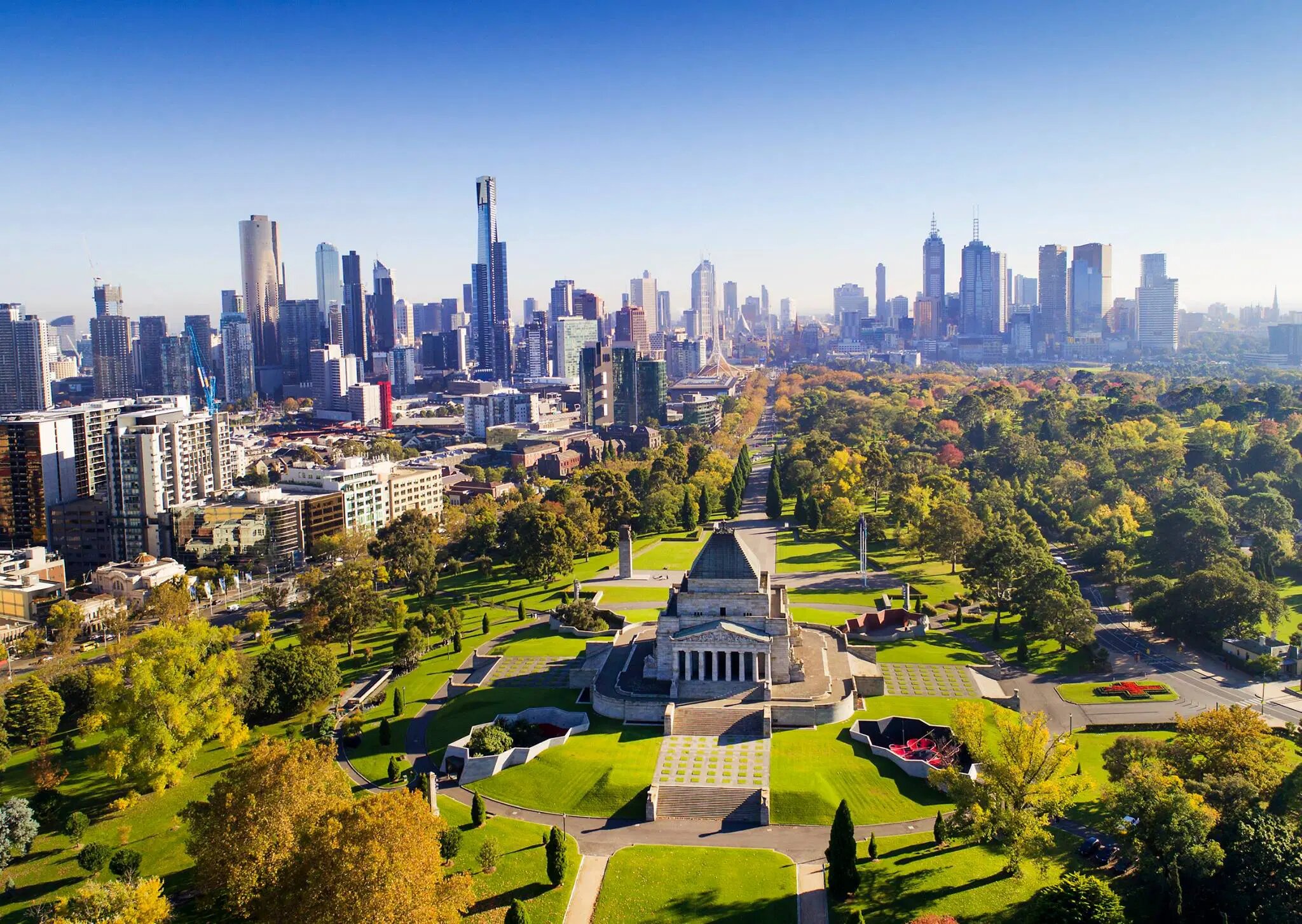
Why Melbourne is Perfect for Your Celebration
- Extraordinary venue diversity — from CBD heritage ballrooms and waterfront spaces to Yarra Valley vineyard estates
- World-class hospitality infrastructure with internationally experienced event teams
- Direct international flights from Asia, Europe, and North America make guest travel straightforward
- Long summer days in Dec–Mar provide extended golden-hour windows for outdoor ceremonies and photography
- Mature, highly professional local vendor ecosystem covering catering, florals, AV, entertainment, and styling
- Proximity to the Yarra Valley wine region (~1 hour) dramatically expands the estate and winery venue options
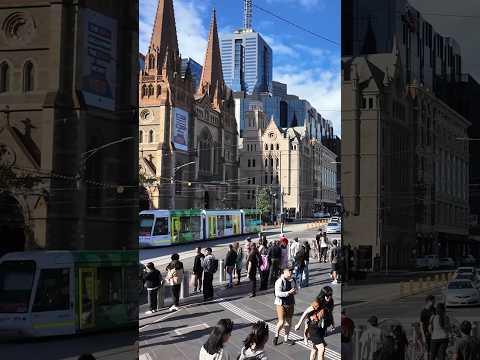
Top Venues in Melbourne
Crown Towers Melbourne
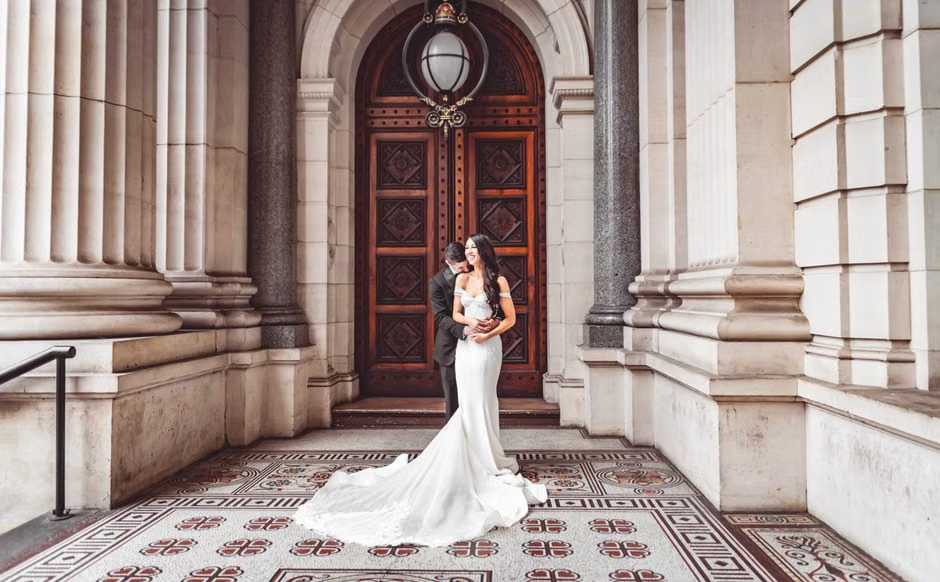
InterContinental Melbourne The Rialto
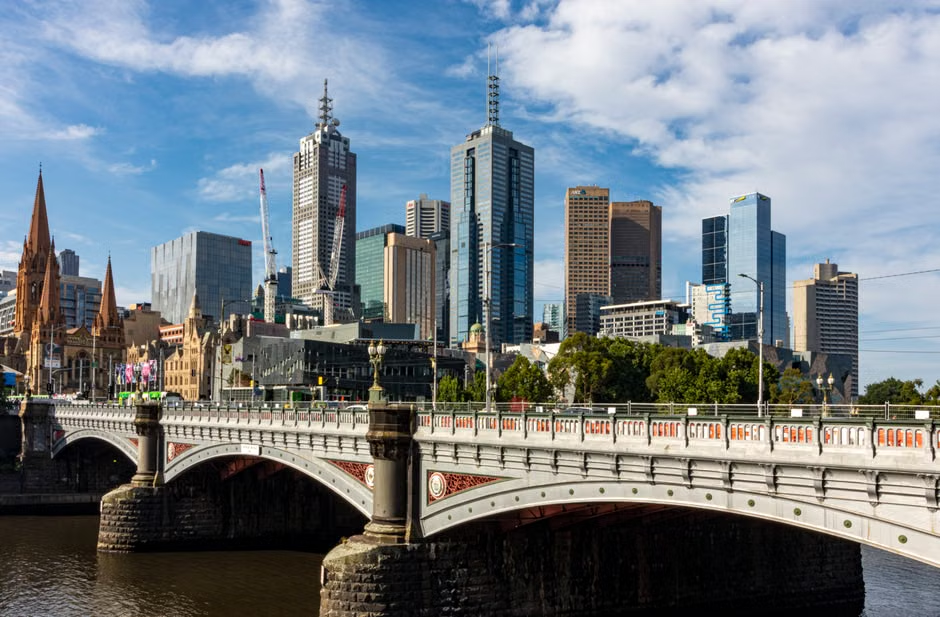
Sofitel Melbourne on Collins
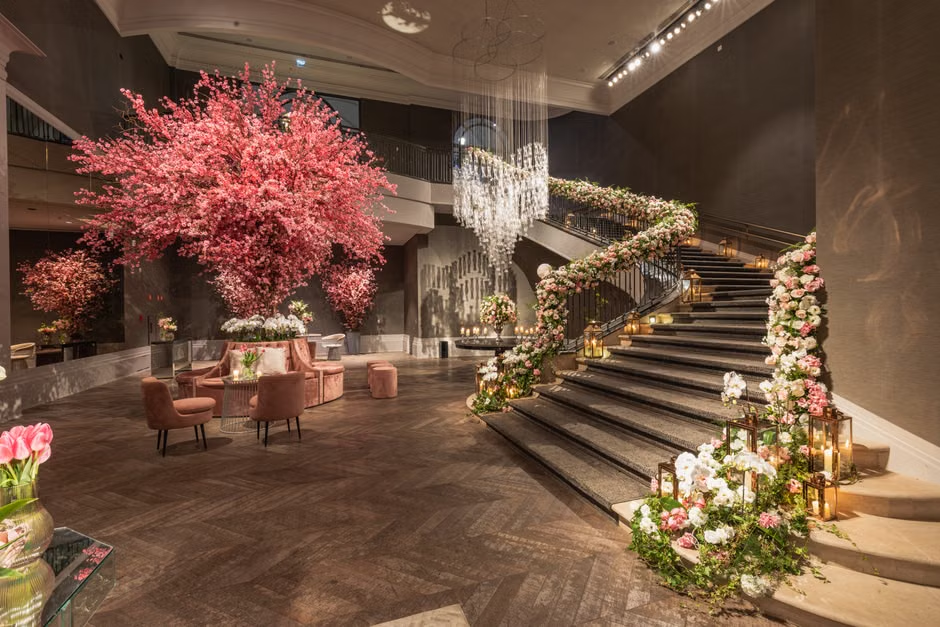
Grand Hyatt Melbourne
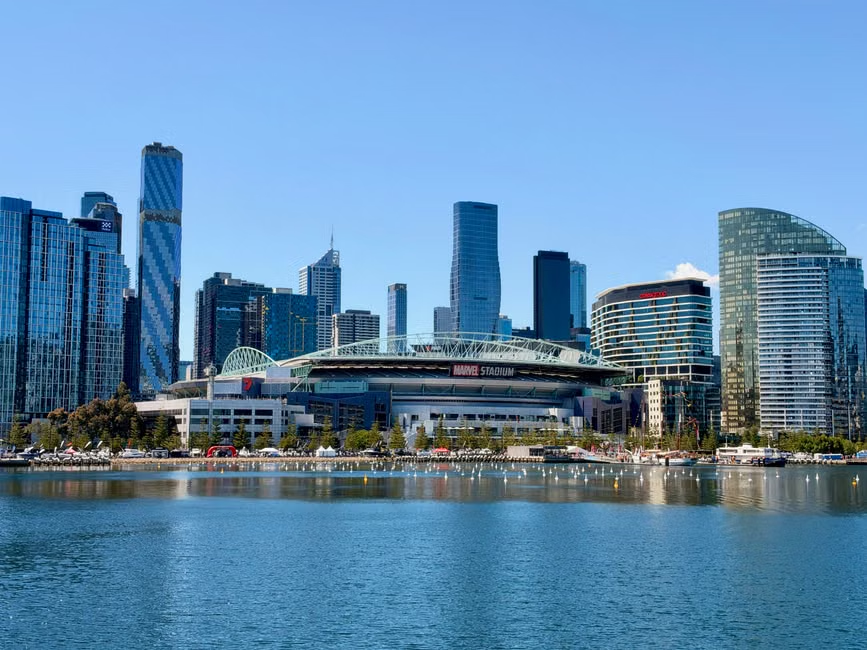
Marriott Melbourne
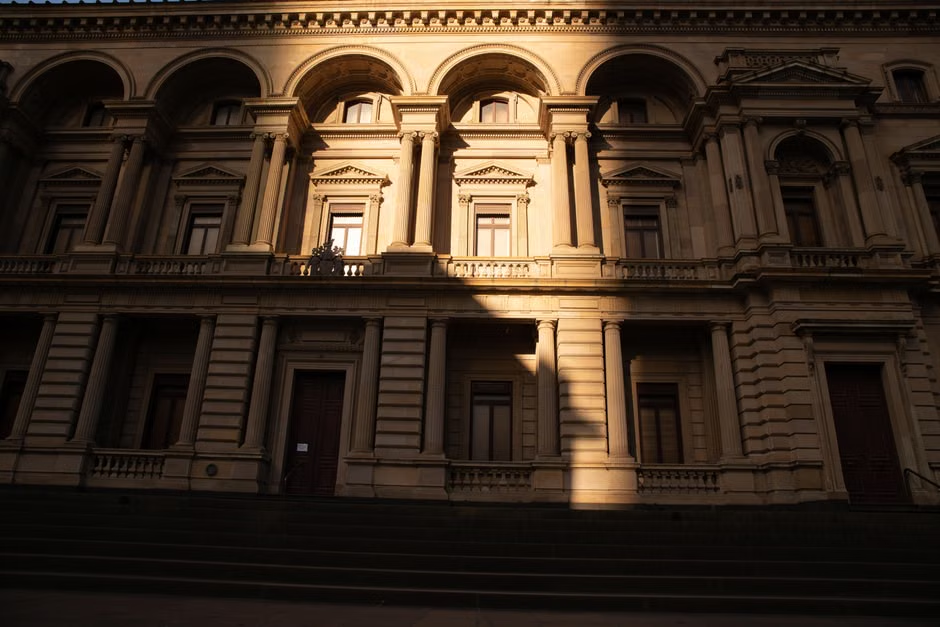
Mercure Melbourne Treasury Gardens
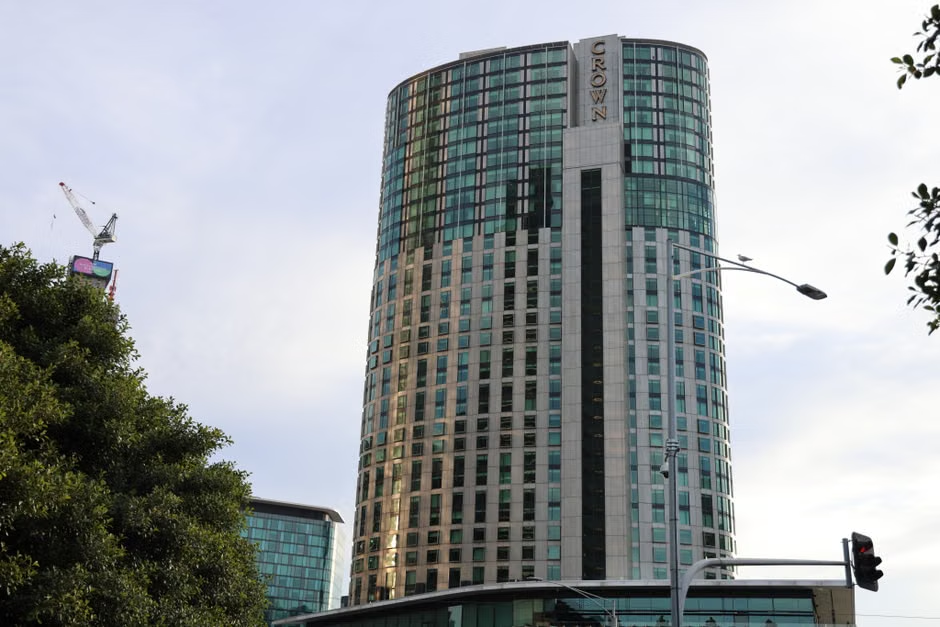
Crowne Plaza Melbourne
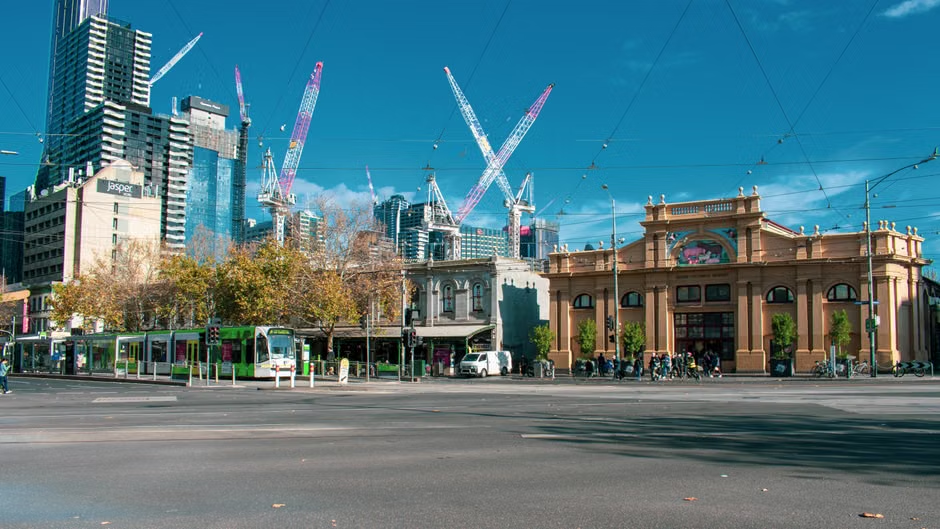
Hilton Melbourne Little Queen Street
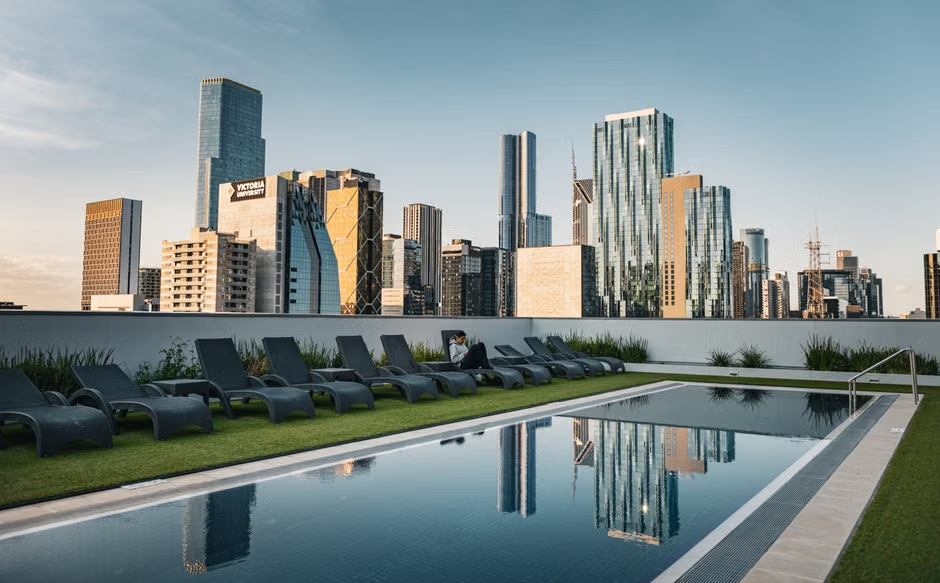
Ibis Melbourne Hotel and Apartments
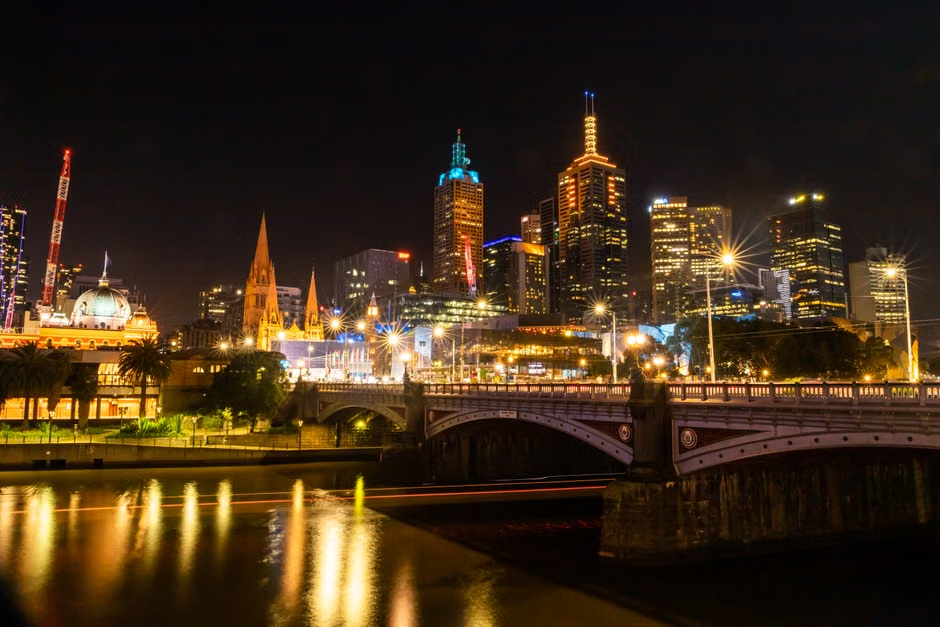
Holiday Inn Melbourne on Flinders
Compare Melbourne with Other Top Destinations
Frequently Asked Questions
Is Melbourne a good destination for a wedding?
Yes. Melbourne suits destination weddings particularly well, offering a wide range of settings — from heritage ballrooms and waterfront spaces in the CBD to vineyard estates in the Yarra Valley. The city's mature hospitality industry, strong international connectivity, and high accommodation density make it practical for both local and overseas guests. Summer months (December through March) are the most reliable for outdoor ceremonies.
What is the best time of year to hold an event in Melbourne?
Summer — specifically January, February, March, and December — is the recommended season. These months offer the longest daylight hours (sunset after 8 pm during daylight saving), the warmest and most stable evenings, and vineyard and garden venues at their most visually striking. Winter (June–August) is the least suitable for outdoor events due to cold temperatures and persistent rain.
How easy is it for international guests to travel to Melbourne?
Very straightforward. Melbourne Airport (Tullamarine) operates direct services from major hubs across Asia, the Middle East, Europe, and North America. Most international guests can reach Melbourne with a single connection or fewer. Domestic guests from Sydney, Brisbane, and other Australian cities face flight times of under two hours, making Melbourne genuinely accessible for a nationally distributed guest list.
What kinds of venues are available in Melbourne for events?
Melbourne offers exceptional variety — grand hotel ballrooms, heritage-listed buildings with Victorian-era architecture, contemporary waterfront spaces along the Southbank precinct, rooftop terraces, converted warehouse and gallery spaces, and vineyard estates in the nearby Yarra Valley. This breadth means the destination suits everything from intimate private dinners to large-scale gala events and multi-day conferences.
How large a guest list can Melbourne venues realistically accommodate?
Melbourne's larger hotel ballrooms and dedicated event spaces can comfortably accommodate several hundred to over a thousand guests for seated dinners or receptions. Vineyard and estate venues in the Yarra Valley typically suit smaller to mid-sized groups. The city's accommodation density means housing a large guest list across multiple hotels in the CBD is rarely a logistical problem.
Is Melbourne suitable for corporate conferences and large-scale festivals?
Yes — it is arguably Australia's strongest city for both. Melbourne hosts major international conferences, sporting finals, and cultural festivals year-round, which means its convention infrastructure, AV and production companies, and event management professionals operate at a consistently high standard. The city's purpose-built convention facilities are among the largest in Australia and can be configured for a wide range of event formats.
What is the local vendor and catering ecosystem like for events in Melbourne?
Highly developed. Melbourne's reputation as Australia's food and design capital translates directly into event planning — the city has a deep pool of experienced caterers, florists, stylists, photographers, and entertainment producers who regularly work at an international standard. Premium suppliers are in high demand during summer, so booking six to twelve months in advance for peak-season events is strongly advisable.
How do guests get around Melbourne during a multi-day event?
Within the CBD, Melbourne's tram network (free in the central zone), rideshare services, and taxis make individual movement easy. For group transfers between venues — particularly to Yarra Valley or Mornington Peninsula locations — private coach hire is the most practical solution. These regional areas are not well-served by public transport, and organised transfers are essential for large groups attending events outside the city centre.
Does Melbourne's weather affect outdoor event planning?
Yes, and this is a genuine consideration. Even in summer, Melbourne is known for rapid weather changes — warm, sunny mornings can give way to cool, windy, or wet conditions within hours. Robust wet-weather contingency planning (marquees, covered alternatives) is essential for any outdoor ceremony or reception, regardless of the time of year. January and February are statistically the driest months but are not immune to sudden changes.
Are there vineyard or estate venues near Melbourne suitable for weddings?
Yes. The Yarra Valley wine region, approximately 45 to 60 minutes from the Melbourne CBD, has a well-established collection of vineyard and estate venues with ceremony lawns, barrel-room receptions, and panoramic valley views. The Mornington Peninsula, roughly 90 minutes south, offers a coastal and winery alternative. Both regions have their own experienced local vendor networks and are well-regarded on the destination event circuit.
Is Melbourne a safe destination for international event guests?
Yes. Melbourne consistently ranks among the world's most liveable and safest cities. It has reliable emergency services, well-maintained public infrastructure, and a welcoming, multicultural population. International guests — including those travelling alone or in small groups — generally find the city very comfortable and easy to navigate, with English as the primary language removing most communication barriers.

Ready to explore venues in Melbourne?
Melbourne: Destination Wedding & Event Venues in Victoria, Australia
◆Melbourne is one of the Asia-Pacific region's most capable and versatile event destinations — a chic, cosmopolitan city in Victoria, Australia, with a mature hospitality infrastructure, exceptional international air connectivity, and a venue landscape that spans grand CBD ballrooms, waterfront precincts, heritage laneways, and vineyard estates in the nearby Yarra Valley. It suits corporate conferences, large-scale festivals, milestone celebrations, and destination weddings equally well. The summer months of December through March deliver the most reliable conditions for outdoor events, with long daylight hours and warm evenings. Guests travelling from Asia, Europe, or North America will find direct or single-connection flights readily available, and the city's public transport and accommodation density make group logistics straightforward.
Melbourne at a Glance
| Category | Detail |
|---|---|
| Best For | Corporate Events, Festivals & Conferences, Destination Weddings, Milestone Celebrations |
| Primary Vibe | Chic & Cosmopolitan |
| Other Vibes | Cultural & Creative, Waterfront & Scenic, Vineyard & Estate |
| Best Season | Summer (Jan, Feb, Mar, Dec) |
Why Choose Melbourne?
- Unmatched venue diversity: Melbourne offers a genuinely rare breadth of event settings — from grand heritage ballrooms on Collins Street and sleek rooftop terraces overlooking the CBD skyline, to sprawling vineyard estates in the Yarra Valley roughly an hour from the city centre. Few cities in the region can match this range within a single destination.
- World-class hospitality infrastructure: The city hosts major international conferences, sporting events, and cultural festivals year-round, which means its hotels, caterers, AV suppliers, and event management companies operate at a consistently high professional standard — a significant advantage for complex, multi-day celebrations.
- Exceptional international connectivity: Melbourne Airport (Tullamarine) is one of Australia's busiest international gateways, with direct services from major hubs across Asia, the Middle East, Europe, and North America. Guests travelling from most parts of the world can reach Melbourne with a single connection or fewer.
- Long summer days for outdoor events: During December through March, Melbourne enjoys daylight until well past 8 pm, giving outdoor ceremonies and receptions an extended golden-hour window that is genuinely difficult to replicate in destinations with shorter summer days.
- Mature, creative vendor ecosystem: Melbourne's reputation as Australia's food, design, and arts capital translates directly into event planning — the city has a deep pool of experienced florists, stylists, photographers, chefs, and entertainment producers who regularly work at an international standard.
- Cultural richness as a guest experience: Beyond the event itself, Melbourne's laneways, galleries, restaurants, and sporting precincts give guests a genuinely compelling city to explore — an important factor for multi-day destination events where the surrounding experience matters as much as the venue itself.
Which Celebrations Work Best in Melbourne?
- Corporate Conferences & Incentive Events: Melbourne is arguably Australia's premier corporate event city. Its convention infrastructure, high-capacity hotel ballrooms, and proximity to world-class dining and entertainment make it a natural fit for large-scale conferences, product launches, and incentive travel programs. The city's professional services culture also means local support staff and event management companies are highly experienced with international corporate clients.
- Festivals & Large-Scale Celebrations: Melbourne's event culture — shaped by decades of hosting major international festivals, sporting finals, and cultural events — means the city's logistics, crowd management, and multi-venue coordination capabilities are genuinely strong. Large milestone celebrations, gala dinners, and multi-day festival-style events are well-supported here.
- Destination Weddings: For couples seeking a cosmopolitan, design-forward wedding with access to both urban sophistication and natural beauty, Melbourne delivers. Vineyard estate weddings in the Yarra Valley, waterfront ceremonies along the Yarra River or Port Phillip Bay, and heritage ballroom receptions in the CBD all represent genuinely distinct and high-quality options. International guests will find the travel logistics manageable, and the city's accommodation density means housing a large guest list is rarely a problem.
- Milestone Celebrations & Private Parties: Significant birthdays, anniversaries, and family reunions benefit from Melbourne's restaurant and private dining scene, which is among the strongest in the Southern Hemisphere. Exclusive venue hire — from rooftop bars to private winery dining rooms — is well-established and professionally managed.
Venues & Event Spaces
Melbourne's event venue landscape is one of its defining strengths. Within the CBD and its immediate surrounds, guests will find grand hotel ballrooms capable of hosting several hundred to over a thousand guests, heritage-listed buildings with ornate Victorian-era architecture that lend a distinctive character to formal celebrations, and contemporary waterfront spaces along the Southbank precinct with views across the Yarra River. The city's laneway culture has also produced a category of intimate, design-forward event spaces — converted warehouses, gallery spaces, and rooftop terraces — that suit smaller, more curated gatherings.
Beyond the CBD, the Yarra Valley wine region — typically around 45 to 60 minutes from the city centre — offers a substantial collection of vineyard and estate venues with ceremony lawns, barrel-room receptions, and panoramic valley views. The Mornington Peninsula, roughly 90 minutes south, adds a coastal and winery dimension for groups willing to travel slightly further. Both regions are well-established on the destination event circuit and have their own experienced local vendor networks.
For large-scale events requiring purpose-built convention infrastructure, Melbourne's dedicated convention and exhibition facilities are among the largest in Australia, with flexible configurations that can accommodate everything from intimate gala dinners to multi-thousand-person conferences.
Best Time to Celebrate
The curated best season for Melbourne events is Summer: January, February, March, and December. This recommendation reflects several genuinely practical advantages for outdoor and semi-outdoor celebrations:
- Extended daylight: Daylight saving time in Victoria means sunset falls after 8 pm during peak summer, giving outdoor ceremonies and garden receptions a long, warm window that is particularly valuable for photography and atmosphere.
- Warm, dry evenings: While Melbourne's weather is famously variable, summer evenings are generally the most reliably warm and calm of the year — temperatures typically ranging from the high teens to the mid-twenties Celsius after dark, comfortable for outdoor dining and dancing.
- Vineyard and garden venues at their best: Yarra Valley estates and garden venues are at their most visually striking during summer, with vines in full leaf and gardens in bloom — a meaningful consideration for couples choosing these settings specifically for their aesthetic.
- January and February specifically tend to be the driest months, though Melbourne's reputation for sudden weather changes means contingency planning (marquees, wet-weather options) remains advisable even in peak summer.
The months June through August represent the least suitable period for events with any outdoor component. Winter in Melbourne brings temperatures regularly in the 8°C–13°C range, persistent grey skies, and frequent rain — conditions that significantly limit outdoor ceremony and reception options and can dampen the overall guest experience. April and May see temperatures cooling rapidly, daylight hours shortening, and rainfall increasing — they are workable for fully indoor events but are generally considered shoulder season at best. September and October are Melbourne's spring months and can be beautiful, but they are also the city's most meteorologically unpredictable period — warm sunny days can be followed by cold, windy, and wet conditions within hours, making outdoor event planning genuinely risky without robust contingency arrangements. November begins to settle into more reliable warmth and is a reasonable shoulder-season option for indoor-primary events.
Getting There & Local Connectivity
Melbourne is one of Australia's best-connected cities for international and domestic travel. Melbourne Airport (Tullamarine) operates direct services to and from major cities across Asia (including Singapore, Hong Kong, Kuala Lumpur, Tokyo, and several Chinese cities), the Middle East (Dubai, Abu Dhabi), the United Kingdom, and the United States, as well as comprehensive domestic connections to every major Australian city. For guests travelling from interstate, flight times from Sydney and Brisbane are under two hours, and from Perth under four hours — making Melbourne genuinely accessible for a nationally distributed guest list.
Within the city, Melbourne's public transport network — trams, trains, and buses — is extensive and well-used, and the CBD's tram network is free within the central zone. For event groups, however, private coach and minibus hire is the most practical solution for moving guests between accommodation, ceremony venues, and reception spaces, particularly when events extend into the evening after public transport frequency reduces. Rideshare services operate widely across the city and inner suburbs. For guests travelling to Yarra Valley or Mornington Peninsula venues, private coach transfers are strongly advisable — these regions are not well-served by public transport, and the distances involved make individual car hire or rideshare impractical for large groups.
Southern Cross Station in the CBD serves as the main intercity and regional rail hub, with V/Line services connecting Melbourne to regional Victorian towns. For most international event guests, however, rail travel to Melbourne is not the primary mode of arrival — the airport is the dominant gateway.
Local Vendor & Hospitality Ecosystem
Melbourne's vendor ecosystem for events is genuinely one of the strongest in the Asia-Pacific region. The city's status as Australia's food and design capital means that catering quality — from multi-course fine dining to large-scale banquet service — is consistently high, with a deep pool of chefs and catering companies experienced in both Australian and international cuisines. This is particularly relevant for multicultural weddings and corporate events with diverse guest lists.
The floristry, styling, and event design industry in Melbourne is mature and internationally influenced, with many practitioners having trained or worked abroad. Photography and videography professionals are plentiful and experienced with both indoor heritage settings and outdoor vineyard and coastal environments. AV and production companies regularly service large-scale events and are familiar with the technical requirements of both hotel ballrooms and purpose-built event spaces.
Entertainment options are broad — Melbourne has a strong live music culture, a well-established DJ and band circuit, and access to circus, theatrical, and performance artists through its arts festival ecosystem. For corporate events specifically, the city's professional conference organiser (PCO) industry is well-developed, with companies experienced in managing international delegate groups, multi-day programs, and complex logistics.
One practical consideration: Melbourne's vendor market, particularly for premium suppliers during peak summer weekends, can be competitive. Securing preferred caterers, photographers, and stylists well in advance — ideally six to twelve months ahead for a summer event — is advisable.
Pros & Things to Consider
Why Melbourne Works Well
- Exceptional venue diversity across CBD, waterfront, heritage, and vineyard settings
- World-class hospitality and event management professionals with international experience
- Strong international and domestic air connectivity makes guest travel manageable
- Long summer days provide extended outdoor event windows in Dec–Mar
- Rich surrounding city experience — dining, culture, sport — enhances multi-day event programs
- High accommodation density in the CBD means housing large guest lists is rarely a logistical problem
- Very safe, well-governed city with reliable infrastructure and emergency services
Things to Consider
- Weather unpredictability: Even in summer, Melbourne is genuinely famous for its ability to produce four seasons in one day. Outdoor events always carry some weather risk, and robust wet-weather contingency planning is not optional — it is essential.
- Peak-season vendor competition: Summer weekends, particularly in January and February, are in high demand across the event industry. Late bookings for premium suppliers may result in limited availability or the need to compromise on preferred vendors.
- Regional venue transfer logistics: Yarra Valley and Mornington Peninsula venues, while beautiful, require organised group transport — guests cannot easily self-navigate to these locations, and the cost and coordination of coach transfers adds a logistical layer that purely CBD-based events avoid.
- Scale of the city can feel impersonal: For couples or planners seeking an intimate, boutique destination feel, Melbourne's scale and urban character may feel less exclusive than a smaller regional or rural setting. The city does not offer the sense of "taking over" a destination that smaller venues in regional areas can provide.
When Melbourne May Not Be the Right Fit
- Guests primarily travelling from regional Australia with limited air connections: While Melbourne is well-connected from major cities, guests travelling from smaller regional Australian towns may face inconvenient routing or limited direct services, making travel more burdensome than it would be from a destination closer to their home state's main hub.
- Events requiring a fully outdoor setting with guaranteed weather: If an outdoor ceremony or reception without any covered contingency is non-negotiable, Melbourne's variable climate — even in summer — introduces a level of risk that destinations with more reliably stable weather do not. Planners who cannot accept any weather contingency should consider this carefully.
- Couples seeking a remote, exclusive, or boutique destination feel: Melbourne is a major international city. If the appeal of a destination event lies in its sense of remoteness, exclusivity, or the feeling of a small, intimate locale, Melbourne's urban scale and density work against that experience. Smaller regional Australian destinations may better serve that brief.
- Events with a very tight planning timeline in peak summer: Melbourne's summer event calendar is genuinely competitive. Groups attempting to plan a large-scale event with less than four to five months' lead time during December through February may find preferred venues already committed and key vendors unavailable — a constraint that less in-demand destinations do not impose to the same degree.