
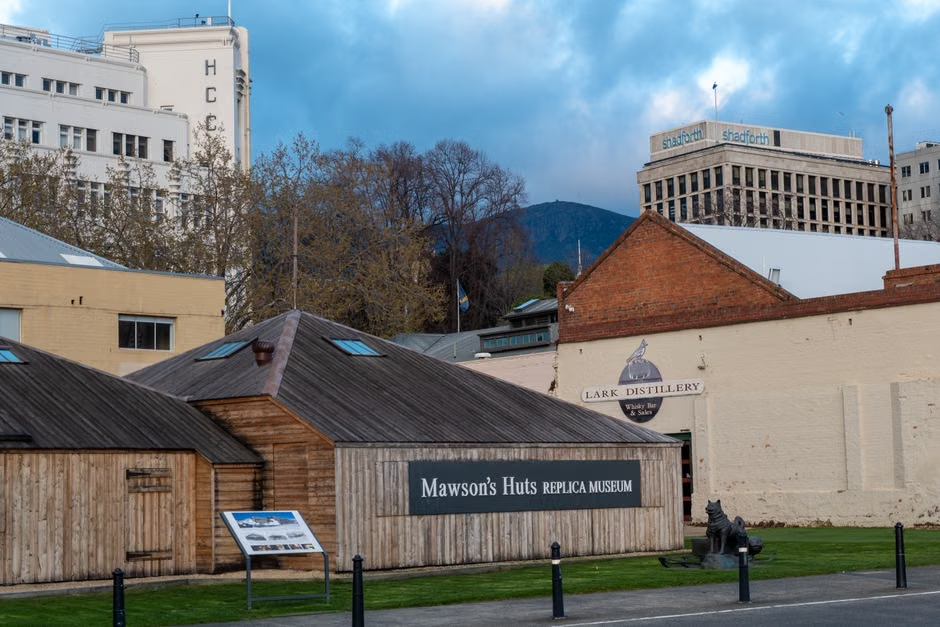
Why Hobart / Tasmania is Perfect for Your Celebration
- Dramatic wilderness and waterfront backdrops unique to the Southern Hemisphere
- Rich sandstone heritage architecture ideal for intimate, characterful celebrations
- World-class Tasmanian produce and wine elevate event catering to a memorable standard
- MONA (Museum of Old and New Art) and the broader arts scene create extraordinary pre- and post-event experiences for guests
- Summer (Dec–Mar) brings long daylight hours — events can run well into the evening in natural light
- Island exclusivity gives celebrations a genuinely secluded, destination-event feel without requiring international travel for Australian guests

Compare Hobart / Tasmania with Other Top Destinations
Frequently Asked Questions
Is Hobart / Tasmania a good destination for a wedding?
Yes, particularly for intimate and destination-style weddings. Tasmania's combination of wilderness scenery, heritage waterfront venues, and world-class local food and wine creates a genuinely memorable setting. It works best for smaller guest lists — typically under 150 — where the island experience itself is a central part of the celebration, rather than large-scale events requiring extensive single-venue capacity.
What guest group sizes can Tasmanian venues realistically support?
Most of Hobart's distinctive heritage and boutique venues comfortably accommodate between 50 and 200 guests. A small number of larger hotel and entertainment venues can host receptions for up to 400–500 guests. For events significantly above that scale, the local inventory becomes constrained, and planners should assess venue options carefully before committing to a large guest list.
How do guests get to Hobart for a destination event?
Hobart Airport (HBA) is the primary gateway, with regular domestic flights from Sydney, Melbourne, Brisbane, and other Australian cities. There is no intercity passenger rail to Tasmania — all guests arrive by air or via the Spirit of Tasmania ferry from Melbourne. International guests will need to connect through a mainland Australian hub, typically Sydney or Melbourne, before the final leg to Hobart.
What is the best time of year to hold an event in Tasmania?
Summer — December through March — is the clear best window. This period offers Tasmania's warmest temperatures, lowest rainfall relative to the rest of the year, and exceptionally long daylight hours (sunset past 9 pm in January). These conditions make outdoor ceremonies and receptions genuinely practical. Winter (June–August) is cold, wet, and has very short days, making it unsuitable for most traditional outdoor event formats.
What kinds of venues are available for events in Hobart?
Hobart's venue landscape is defined by heritage character — converted sandstone warehouses, colonial-era hotels, and waterfront properties are among the most distinctive options. Full-service hotel properties in the CBD and Sandy Bay area offer larger ballroom and conference facilities. Beyond the city, vineyard estates in the Coal River Valley and rural properties in the Huon Valley provide outdoor ceremony and reception settings within roughly 20–30 km of the city centre.
How do guests get around Tasmania once they arrive?
Local movement is almost entirely by road — there is no passenger rail network in Tasmania. For event groups, organised coach or minibus transfers are the standard approach for moving guests between accommodation, venues, and activities. Hobart's city centre and the Salamanca/waterfront precinct are compact and walkable, which simplifies logistics for events concentrated in the CBD. For venues outside the city, organised transport is essentially necessary.
Is the local vendor and catering ecosystem strong enough for a destination event?
Yes, for most event scales. Hobart has a mature ecosystem of experienced wedding and event professionals, and Tasmania's food and beverage supply chain — premium seafood, cool-climate wines, artisan producers — is genuinely exceptional. For very large or technically complex events requiring specialist crews or high-volume production infrastructure, some elements may need to be sourced from the mainland, so early planning and longer lead times are advisable.
What makes a Tasmanian event experience distinctive for guests?
The island setting itself creates a sense of occasion — guests who travel to Tasmania are genuinely invested in the experience. Beyond the event, MONA (Museum of Old and New Art), the Salamanca Market, wilderness day trips to Freycinet or Bruny Island, and distillery and vineyard visits give guests a curated cultural and culinary experience that is difficult to replicate in a mainland city. The long summer evenings and dramatic scenery also make for exceptional event photography.
Do I need a wet-weather contingency plan for an outdoor event in Tasmania?
Yes, even in summer. Tasmania's position in the Roaring Forties means weather can shift quickly, and a passing shower or wind event is possible even in January and February. Experienced local event planners will always build a credible wet-weather option into any outdoor program — whether a marquee, an indoor backup space, or a flexible ceremony structure. This is standard practice for Tasmanian events rather than an unusual precaution.
How far in advance should I book venues and suppliers for a summer event in Tasmania?
For peak summer dates — particularly January, the Dark MOFO festival period (June, though this is off-season for most events), and the Taste of Tasmania festival around New Year — the island's best venues and top-tier suppliers book out well in advance. For a December–February event, securing your venue and key vendors 12–18 months ahead is strongly advisable. Tasmania's boutique inventory means there is less redundancy than in a larger city if your first-choice venue is unavailable.
Is Tasmania suitable for corporate retreats and incentive travel events?
Yes, it is a strong choice for high-value corporate groups. The combination of genuine seclusion, world-class food and wine, and memorable activities — wilderness hiking, sailing on the Derwent, distillery and vineyard visits, private MONA experiences — creates an incentive travel proposition that feels meaningfully different from a standard city conference. The island's boutique scale suits groups of 20–100 particularly well.

Ready to explore venues in Hobart / Tasmania?
Hobart / Tasmania: Destination Wedding & Event Venues in Australia's Island South
◆Hobart and Tasmania are best suited to intimate, characterful celebrations — small-to-medium weddings, milestone events, corporate retreats, and arts or cultural festivals — where the setting itself is a central part of the experience. The destination's primary vibe is peaceful and secluded: an island removed from mainland Australia's bustle, with dramatic wilderness, a working waterfront, and a dense concentration of heritage sandstone architecture. Summer (December through March) is the clear window for outdoor events, offering Tasmania's warmest temperatures and the longest daylight hours in the Southern Hemisphere. Accessibility is straightforward for Australian domestic guests via Hobart Airport, though international attendees will require a mainland connection. The overall character skews boutique and experiential rather than large-scale or mass-market.
Hobart / Tasmania at a Glance
| Category | Detail |
|---|---|
| Best For | Intimate Weddings, Milestone Celebrations, Cultural Festivals, Corporate Retreats |
| Primary Vibe | Peaceful & Secluded |
| Other Vibes | Heritage & Artistic, Wilderness & Scenic, Culinary & Cultural |
| Best Season | Summer (Jan, Feb, Mar, Dec) |
Why Choose Hobart / Tasmania?
- Genuinely unique scenery: The combination of the Derwent River waterfront, kunanyi / Mount Wellington rising directly behind the city, and the broader Tasmanian wilderness creates a backdrop that is essentially impossible to replicate anywhere else in Australia.
- Heritage architecture with real character: Hobart's Georgian and Victorian sandstone buildings — particularly concentrated around Salamanca Place and the waterfront precinct — give events a sense of history and texture that purpose-built function centres simply cannot match.
- World-class food and beverage culture: Tasmania's reputation for premium produce — oysters, salmon, cool-climate wines, whisky, artisan cheese — means event catering here is genuinely exceptional and locally sourced, which guests consistently remember.
- MONA and the arts ecosystem: The Museum of Old and New Art (MONA) has transformed Hobart into a serious international arts destination. Its presence means guests have extraordinary cultural experiences available before and after any event, and the museum itself hosts private events of significant scale and ambition.
- Island exclusivity: The fact that guests must travel to reach Tasmania — by air or the Spirit of Tasmania ferry — creates a natural sense of occasion and commitment that elevates any celebration held here above an ordinary city event.
- Long summer evenings: Hobart's southerly latitude means December and January evenings stay light until well past 9 pm, allowing outdoor ceremonies and receptions to run in natural light far later than is possible in mainland Australian cities.
Which Celebrations Work Best in Hobart / Tasmania?
- Intimate destination weddings: Tasmania is particularly well-suited to weddings where the couple wants the destination itself to be a character in the day — small guest lists (typically under 150) who are genuinely invested in the experience, rather than large-scale events requiring hundreds of rooms in a single property.
- Milestone birthday and anniversary celebrations: The island's boutique accommodation options, exceptional dining, and scenic day-trip possibilities (Freycinet, the Huon Valley, Bruny Island) make it an outstanding setting for a multi-day milestone celebration where guests are treated to a curated experience.
- Cultural and arts festivals: Hobart already hosts internationally recognised events including Dark MOFO and the Sydney to Hobart Yacht Race finish. The city's infrastructure and appetite for large-scale cultural programming make it a credible host for privately organised festivals and arts-adjacent events.
- Corporate retreats and incentive travel: The combination of seclusion, outstanding food and wine, and genuinely memorable activities (wilderness hiking, sailing on the Derwent, distillery visits) makes Tasmania a strong choice for high-value corporate groups seeking an experience that feels meaningfully different from a standard city conference.
- Elopements and micro-weddings: For couples wanting a legally recognised ceremony in a spectacular natural setting with minimal logistical complexity, Tasmania's wilderness locations — from mountain plateaus to secluded coastal coves — offer options that are difficult to match.
Venues & Event Spaces
Hobart's event venue landscape is defined by its heritage character and boutique scale. The most distinctive spaces are converted historic buildings — former warehouses, colonial-era hotels, and sandstone merchant premises — particularly concentrated in the Salamanca and waterfront precincts. These properties typically offer intimate indoor spaces with exposed timber and stone, often paired with outdoor terraces or courtyard areas that come into their own during summer.
Larger-scale event infrastructure exists at a small number of full-service hotel and casino properties in the Sandy Bay and CBD areas, which can accommodate conferences and receptions for several hundred guests and provide on-site accommodation blocks. For outdoor ceremonies, the options are genuinely exceptional: waterfront lawns along the Derwent, vineyard estates in the Coal River Valley (approximately 20–25 km from the city centre), and private rural properties in the Huon Valley to the south.
The broader Tasmanian region also offers destination-within-a-destination options: the Freycinet Peninsula, the Tasman Peninsula, and the East Coast all have boutique properties capable of hosting small, exclusive events for guests willing to travel a little further from Hobart itself. For planners, it is worth noting that Tasmania's venue inventory is genuinely boutique — there are relatively few properties with the capacity and infrastructure to handle very large guest lists (300+) under one roof, and this is a real planning consideration rather than a minor caveat.
Best Time to Celebrate
The curated best season for events in Hobart and Tasmania is Summer: December, January, February, and March. This window is the clear choice for several concrete reasons beyond simply "the weather is nicer."
Tasmania sits at approximately 43° south latitude — further south than any other Australian state capital — which means its seasons are more pronounced than mainland cities. Summer brings average daytime temperatures in the high teens to low-to-mid twenties Celsius, low rainfall relative to the rest of the year, and — critically — daylight that extends past 9 pm in December and January. This last point is genuinely significant for outdoor events: a sunset ceremony at 8:30 pm in January is entirely realistic, and the quality of light during the long Tasmanian summer evenings is exceptional for photography.
January and February are typically the most reliably warm and settled months, though even in summer Tasmania's weather can shift quickly — the island's position in the Roaring Forties means wind and a passing shower are always possible, and event planners should build contingency into any outdoor program.
Autumn (April–May) sees temperatures dropping rapidly and daylight shortening. The landscape is beautiful — cool-climate foliage colour is genuine — but outdoor evening events become increasingly impractical, and the weather is noticeably more variable.
Winter (June–August) is genuinely unsuitable for most outdoor event formats. Hobart winters are cold (overnight temperatures regularly near or below 5°C), days are short (sunset before 5 pm in June), and rainfall is at its highest. Dark MOFO, the winter arts festival, demonstrates that Hobart can host compelling events in winter, but these are specifically designed around the season's character — a traditional outdoor wedding or garden reception in July would face serious practical challenges.
Spring (September–November) is a shoulder period: conditions improve progressively through the season, and by November outdoor events are increasingly viable, but the weather remains variable and the risk of a cold, wet day is meaningfully higher than in the December–March window.
Getting There & Local Connectivity
Hobart Airport (HBA) is the primary gateway, located approximately 17 km east of the city centre. It is well-served by domestic routes from Sydney, Melbourne, Brisbane, and other major Australian cities, with multiple daily services on the main routes. For Australian domestic guests, getting to Hobart is generally straightforward, though the island's geography means there is no road or rail alternative — everyone flies (or takes the overnight Spirit of Tasmania ferry from Melbourne, which is a genuine option for guests travelling with vehicles or seeking a more leisurely arrival).
International guests will need to connect through a mainland Australian hub — typically Sydney or Melbourne — which adds a leg to the journey. This is a real consideration for events with a significant international guest list, as connection timing and potential delays add complexity to travel planning.
There is no intercity passenger rail network in Tasmania. Local movement within Hobart and the surrounding region is almost entirely by road. For event groups, this means coach or minibus transfers are the standard solution for moving guests between accommodation, venues, and activities. Hobart's compact city centre is walkable, and the Salamanca and waterfront precincts are easily navigated on foot, which simplifies logistics for events concentrated in the CBD area. For guests venturing further afield — to vineyard estates, coastal properties, or wilderness locations — organised transport is essentially mandatory, as public transport outside the city centre is limited.
Local Vendor & Hospitality Ecosystem
Tasmania's hospitality and events industry has matured significantly over the past decade, driven in large part by the growth of tourism following MONA's opening and the international profile of events like Dark MOFO and the Taste of Tasmania festival. Hobart now has a genuine ecosystem of experienced wedding and event professionals — celebrants, photographers, florists, caterers, and stylists — who are accustomed to working with destination clients and understand the logistical realities of an island setting.
The food and beverage supply chain is a particular strength. Tasmania's producers are among Australia's most celebrated, and local caterers have direct relationships with farms, fisheries, vineyards, and distilleries that allow event menus to be genuinely and specifically Tasmanian rather than generically "Australian." This is a meaningful differentiator for events where the guest experience is a priority.
The trade-off is scale: because Tasmania's events industry is boutique, the depth of vendor options at the very top end is narrower than in Sydney or Melbourne. For highly specialised requirements — a particular international florist, a very large production crew, bespoke lighting infrastructure for a 500-person gala — some elements may need to be brought in from the mainland, which adds logistical complexity and lead time. Planners working on larger or more technically complex events should build extra lead time into their vendor sourcing process and confirm availability early, particularly for peak summer dates when the island's best suppliers are in high demand.
Pros & Things to Consider
Why Hobart / Tasmania Works Well
- Genuinely spectacular and distinctive natural scenery — wilderness, waterfront, and mountain in close proximity
- Heritage sandstone architecture provides authentic, characterful event spaces unavailable in newer cities
- World-class local produce and cool-climate wine and spirits elevate event catering
- Long summer daylight hours allow outdoor events to run late into the evening in natural light
- Island setting creates a natural sense of occasion and guest commitment — people who travel to Tasmania for an event are genuinely invested
- MONA and the broader arts and cultural scene give guests extraordinary experiences beyond the event itself
- Very safe, clean, and well-organised destination with reliable infrastructure
Things to Consider
- Venue capacity is genuinely limited at the larger end — events requiring 300+ guests under one roof will find the local inventory constrained
- All guests must fly (or ferry) to reach the island, which adds cost and complexity, particularly for international attendees requiring a mainland connection
- Tasmania's weather is changeable even in summer — outdoor events should always have a credible wet-weather contingency plan
- The vendor ecosystem, while high quality, is smaller than mainland capitals — specialist or high-volume requirements may need mainland sourcing
- No passenger rail network means all ground transport is road-based, requiring organised coach or vehicle transfers for groups moving between locations
- Peak summer dates (particularly January and the Dark MOFO/Taste of Tasmania festival periods) see high demand for accommodation and venues — early booking is essential
When Hobart / Tasmania May Not Be the Right Fit
- Very large guest lists: If your event requires 400 or more guests accommodated in a single venue with full on-site facilities, Hobart's boutique inventory will likely not meet that need without significant compromise or splitting guests across multiple properties.
- Guests with limited travel flexibility: An event where a significant proportion of guests cannot easily manage a flight — elderly guests, families with very young children, or guests from international locations without convenient Australian hub connections — may find the island's access requirements a genuine barrier to attendance.
- Outdoor events outside the summer window: A couple committed to an outdoor ceremony and reception in the May–October period will face real challenges with cold temperatures, short days, and higher rainfall. Tasmania in winter is beautiful but not suited to traditional outdoor event formats.
- Events requiring very large-scale production infrastructure: A gala or concert requiring extensive technical production, large staging, or specialist crews that cannot be sourced locally will face meaningful logistical complexity in getting equipment and personnel to the island efficiently.