
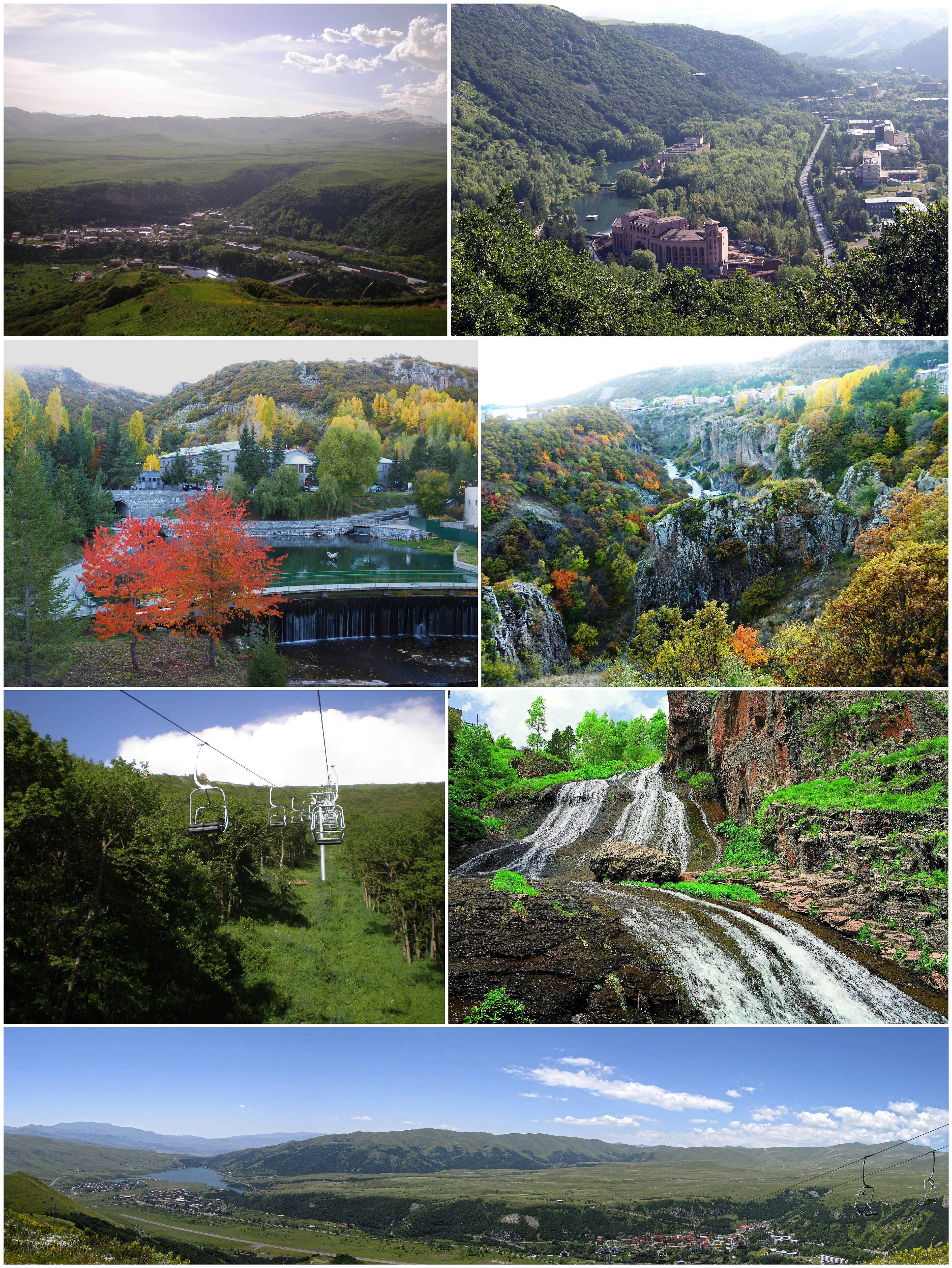
Why Jermuk is Perfect for Your Celebration
- Dramatic Jermuk Gorge and waterfall scenery provides a naturally stunning backdrop for ceremonies and photography
- Famous mineral spring culture and spa resorts create a built-in wellness dimension for multi-day retreats and corporate offsites
- Small, secluded town character ensures genuine privacy and exclusivity for intimate gatherings
- Cool summer temperatures (typically 18–22°C in Jul–Aug) make outdoor events comfortable when much of the region is hot
- Proximity to Noravank Monastery and Vayots Dzor wine country adds rich cultural excursion options for guests
- Limited tourist crowds in summer mean venues and local staff can give dedicated, unhurried attention to event groups
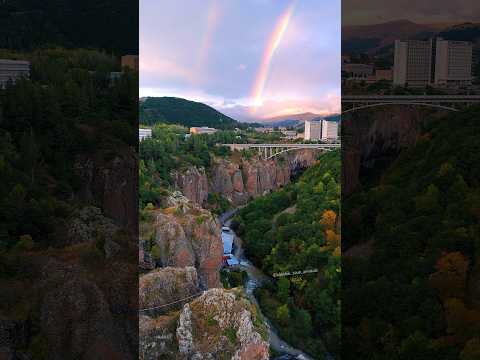
Compare Jermuk with Other Top Destinations
Frequently Asked Questions
Is Jermuk a good destination for an intimate wedding?
Yes. Jermuk is particularly well-suited to small, intimate weddings — typically under 150 guests — where the couple prioritizes natural scenery, privacy, and a distinctive alpine setting. The Jermuk Gorge, waterfall, and forested surroundings provide a naturally romantic backdrop, and the resort-style properties allow accommodation, dining, and ceremony space to be consolidated in one location.
What is the best time of year to hold an event in Jermuk?
June through September is the recommended window. Jermuk's elevation keeps summer temperatures in the 18–22°C range — comfortable for outdoor ceremonies and receptions. The gorge scenery is at its most lush, road access from Yerevan is reliable, and resort facilities operate at full capacity. October through May brings snow risk, reduced access reliability, and limited outdoor usability.
How do guests travel to Jermuk for a destination event?
All guests arrive via Zvartnots International Airport in Yerevan, then travel by road to Jermuk — approximately 170 km, typically around two and a half hours. There is no railway connection and no regional airport serving Jermuk. Pre-arranged coach or minibus transfers from Yerevan are the standard and most practical solution for event groups.
What size of guest group can Jermuk realistically accommodate?
Jermuk works best for gatherings of up to roughly 150–200 guests. The town's resort properties can comfortably host intimate and mid-sized events within that range, often providing accommodation, dining, and event space under one roof. Very large events exceeding that scale will find the local venue inventory insufficient without significant supplementary arrangements.
What kinds of event spaces are available in Jermuk?
The dominant format is resort-style hotels that combine indoor banquet halls, outdoor terraces, and garden areas with on-site accommodation and spa facilities. Jermuk does not have large standalone convention centres or dedicated wedding palaces. Outdoor ceremony spaces overlooking the gorge or near the waterfall are among the most distinctive options, best used during the summer months.
Is Jermuk suitable for corporate retreats and offsites?
Yes. Jermuk's isolation, compact scale, and resort infrastructure make it a strong fit for small-to-medium corporate groups — typically up to 80–120 delegates. The combination of meeting space, accommodation, spa facilities, and natural surroundings in one location suits structured offsite formats well, and the distance from Yerevan minimizes the distraction of city life.
Can local vendors handle wedding catering and decoration in Jermuk?
Resort properties in Jermuk typically manage catering in-house, drawing on Armenian culinary traditions and local produce. Specialist decorators, florists, and event stylists are generally sourced from Yerevan and brought to Jermuk for the event. This is a workable arrangement but requires advance planning — event planners should build extra lead time into their vendor coordination.
What makes Jermuk distinctive compared to a city-based event venue?
Jermuk offers a combination that urban venues cannot replicate: dramatic gorge and waterfall scenery, cool alpine summer temperatures, a genuine mineral spa culture, and a level of privacy and exclusivity that comes from the town's small scale and limited tourist footfall. Multi-day events here naturally incorporate wellness experiences, cultural excursions to Noravank Monastery, and Vayots Dzor wine country visits.
How reliable is internet and mobile connectivity in Jermuk for event purposes?
Connectivity is functional but limited by city standards. Mobile coverage works for Armenian networks in the town centre but can be inconsistent in the gorge and on trails. Resort properties offer Wi-Fi, though bandwidth may not support high-demand uses like live-streaming. Event planners with significant digital infrastructure needs should confirm specifics with their chosen venue well in advance.
Are there cultural or sightseeing activities for guests during a multi-day event in Jermuk?
Yes. Jermuk's own mineral spring gallery, gorge promenade, and waterfall are walkable from most resort properties. Within a short drive, guests can visit Noravank Monastery — one of Armenia's most celebrated medieval sites — and explore the Vayots Dzor wine route. These excursions add meaningful cultural depth to multi-day events without requiring long travel.
Is Jermuk safe for international guests attending a destination event?
Yes. Jermuk is generally considered very safe. Armenia as a whole has a low rate of tourist-directed crime, and Jermuk's small, community-oriented character reinforces that. International guests should be briefed on the road transfer logistics from Yerevan and the limited English-language signage in some areas, but safety itself is not a meaningful concern for event planning purposes.

Ready to explore venues in Jermuk?
Jermuk: Destination Wedding & Event Venues in Armenia's Alpine Spa Town
◆Jermuk is a small alpine spa town in Armenia's Vayots Dzor Province, best suited to intimate weddings, wellness retreats, and small-to-medium corporate offsites. Its primary vibe is peaceful and secluded — defined by mineral spring culture, forested gorge scenery, and cool mountain air rather than urban energy or large-scale event infrastructure. The destination works best in summer (June through September), when temperatures are mild and road access is reliable. Guest travel requires coordinated road transfers from Yerevan's international airport, roughly 170 km away, so logistical planning is essential. The hospitality ecosystem is modest but genuine, with a handful of resort-style properties capable of hosting focused, private gatherings.
Jermuk at a Glance
| Category | Detail |
|---|---|
| Best For | Intimate Weddings, Wellness Retreats, Corporate Offsites, Social Celebrations |
| Primary Vibe | Peaceful & Secluded |
| Other Vibes | Alpine, Nature-Immersive, Spa & Wellness |
| Best Season | Summer (Jun, Jul, Aug, Sep) |
Why Choose Jermuk?
- Naturally dramatic scenery: The Jermuk Gorge and its waterfall provide a visually striking, entirely natural backdrop that requires no additional decoration — a genuine asset for ceremony photography and guest experience alike.
- Cool summer climate: While much of the South Caucasus region experiences intense summer heat, Jermuk's elevation keeps July and August temperatures typically in the 18–22°C range, making outdoor events genuinely comfortable during the peak season.
- Built-in wellness dimension: Jermuk's identity as Armenia's foremost mineral spa destination means that multi-day events naturally incorporate spa treatments, mineral water tastings, and therapeutic bathing — a differentiator that few other Armenian destinations can offer.
- Genuine privacy and exclusivity: The town's small scale and limited tourist footfall in any given week mean that an event group can effectively feel as though they have the destination to themselves, particularly when booking resort accommodation in full.
- Cultural excursion richness: Proximity to Noravank Monastery — one of Armenia's most celebrated medieval sites — and the emerging Vayots Dzor wine route gives guests meaningful half-day excursion options that deepen the overall experience.
- Attentive, unhurried hospitality: Because Jermuk is not overwhelmed by high-volume tourism, local hotel and catering staff can typically give event groups a level of personal attention that is harder to guarantee in busier destinations.
Which Celebrations Work Best in Jermuk?
- Intimate Weddings: Jermuk is particularly well-suited to small, meaningful weddings — typically under 150 guests — where the couple prioritizes scenery, privacy, and a distinctive setting over large-scale production. The gorge, forested surroundings, and spa resort atmosphere create a naturally romantic environment without requiring elaborate theming.
- Wellness & Spa Retreats: The town's mineral spring heritage makes it a natural fit for wellness-themed gatherings — bachelorette retreats, anniversary celebrations with a spa focus, or any event where therapeutic relaxation is part of the programme rather than an afterthought.
- Corporate Offsites & Leadership Retreats: Small-to-medium corporate groups (typically up to 80–120 delegates) benefit from Jermuk's isolation, which minimizes distraction and encourages genuine focus. The combination of meeting space, accommodation, and natural surroundings in a single compact location suits structured offsite formats well.
- Social Milestone Celebrations: Significant birthdays, family reunions, and anniversary gatherings that benefit from a shared, immersive experience — rather than a conventional banquet hall setting — find Jermuk's resort environment a compelling alternative to city-based venues.
Venues & Event Spaces
Jermuk's event venue landscape is defined primarily by resort-style hotels that combine accommodation, dining, spa facilities, and event spaces under one roof. These properties typically offer indoor banquet halls suitable for seated dinners and ceremonies, as well as outdoor terraces and garden areas that take advantage of the mountain scenery during the summer months. The town does not have large standalone convention centers or dedicated wedding palaces of the kind found in major Armenian cities — the resort model is the dominant format, which suits intimate and mid-sized gatherings well but places a natural ceiling on guest capacity for very large events.
Outdoor ceremony spaces — whether a hotel terrace overlooking the gorge, a forested clearing, or a riverside setting near the waterfall — are among the most distinctive features available to event planners here. These spaces are weather-dependent and best utilized during the June–September window. Indoor spaces within the resort properties provide reliable backup options and are typically equipped for audio-visual requirements at a functional level, though highly technical production setups may require equipment brought in from Yerevan.
Best Time to Celebrate
The curated best season for events in Jermuk is Summer: June, July, August, and September. This window works for several concrete reasons beyond simply "pleasant weather." Daytime temperatures in July and August typically sit between 18°C and 22°C at Jermuk's elevation — warm enough for outdoor ceremonies and garden receptions, but cool enough that guests are genuinely comfortable rather than seeking shade. The gorge and surrounding forests are at their most lush and photogenic during this period, and the Jermuk Waterfall is at a strong flow. Road access from Yerevan is reliable and straightforward, with no weather-related disruption risk for guest transfers.
June offers slightly cooler and occasionally wetter conditions than July–August but is generally reliable and benefits from longer daylight hours. September remains warm and stable, with the added visual interest of early autumn colour beginning to appear in the surrounding hills — a particularly attractive backdrop for photography.
The rest of the year presents genuine challenges. October sees rapid temperature drops and an increasing risk of early snowfall, which can complicate outdoor plans and guest transfers. November through March brings heavy snow, significantly reduced road reliability on mountain approaches, and most resort properties operating at reduced capacity or closing seasonal facilities. April and May are transitional months with cold temperatures, unpredictable late frosts, and muddy trail conditions — not ideal for outdoor event elements. For any event with outdoor components or guests travelling from outside Armenia, the June–September window is strongly recommended.
Getting There & Local Connectivity
All international guests arrive via Zvartnots International Airport in Yerevan, which is the sole major international gateway for Armenia. From Yerevan, Jermuk is reached by road — a journey of approximately 170 km that typically takes around two and a half hours under normal summer driving conditions. The route passes through scenic highland terrain and is well-maintained during the summer months, making it a comfortable transfer for guests, though it does require coordination.
There is no railway connection to Jermuk, and no regional airport serving the town or the broader Vayots Dzor area. This means that all guest movement — arrival, departure, and any excursions during the event — is road-based. For event groups, this is best managed through pre-arranged coach or minibus transfers, which local operators in Yerevan and Jermuk can typically provide. Within the town itself, Jermuk is compact and walkable for guests staying at centrally located resort properties, with the main attractions — the mineral spring gallery, the gorge promenade, and the waterfall — all accessible on foot from most accommodation.
Mobile connectivity in Jermuk is functional for Armenian networks but can be inconsistent in some areas of the gorge and on hiking trails. Wi-Fi within resort properties is generally available, though bandwidth may be limited compared to city standards — event planners relying on high-speed internet for live-streaming or large file transfers should confirm infrastructure with their chosen venue in advance.
Local Vendor & Hospitality Ecosystem
Jermuk's vendor ecosystem is modest in scale but genuine in character. The town's resort hotels typically handle catering in-house, drawing on Armenian culinary traditions — including the region's distinctive highland produce, local honey, and Vayots Dzor wines — which gives events a sense of authentic local flavour. For events requiring specialist wedding catering, elaborate multi-course menus, or international cuisine, it is worth confirming the specific capabilities of the chosen property, as the range of in-house culinary expertise varies.
Florists, decorators, and event stylists with experience in destination events are available but are more commonly sourced from Yerevan and brought to Jermuk for the occasion, rather than being based locally. The same applies to professional photographers and videographers with destination wedding portfolios. This is a normal and workable arrangement, but it requires advance planning and adds a logistical layer that event planners should factor into their timelines.
Entertainment options — live music, traditional Armenian folk performers, and similar — can be arranged through Yerevan-based agencies. The local hospitality staff at Jermuk's resort properties are generally experienced in hosting group stays and have a reputation for attentive, personal service that suits the intimate event format well.
Pros & Things to Consider
Why Jermuk Works Well
- Genuinely distinctive alpine and gorge scenery that creates a memorable, non-generic event backdrop
- Cool, comfortable summer temperatures that make outdoor events pleasant when other Armenian locations may be uncomfortably hot
- Mineral spa culture provides a built-in wellness programme that enriches multi-day events without additional planning
- Small town scale ensures privacy and a sense of exclusivity that is difficult to replicate in busier destinations
- Proximity to Noravank Monastery and Vayots Dzor wine country adds cultural depth for guest excursions
- Resort properties typically offer accommodation, dining, spa, and event space in one location, simplifying logistics for group stays
Things to Consider
- All guests must travel by road from Yerevan — approximately 170 km — with no rail or air alternative; this requires careful transfer coordination, particularly for large or elderly guest groups
- Venue capacity is inherently limited by the town's small scale; very large events (200+ guests) will find the local inventory insufficient without significant supplementary arrangements
- Specialist vendors (decorators, photographers, entertainment) typically need to be sourced from Yerevan and transported to Jermuk, adding planning complexity and lead time
- Wi-Fi and mobile connectivity, while functional, may not meet the expectations of guests accustomed to city-standard digital infrastructure
- The destination is strongly seasonal — outside June–September, weather and access conditions make event planning significantly more challenging
- International guests unfamiliar with Armenia may require more detailed pre-arrival guidance and transfer support than they would for a more established destination
When Jermuk May Not Be the Right Fit
- Large guest lists: If your event requires comfortable accommodation and event space for more than 150–200 guests in a single location, Jermuk's current hospitality inventory is unlikely to meet that need without significant compromise.
- Guests with limited mobility or travel tolerance: The 170 km road transfer from Yerevan, while scenic, is a meaningful journey — particularly for elderly guests or those with mobility considerations. A destination with direct airport proximity would serve such a guest profile better.
- Events planned outside June–September: Any event with significant outdoor components, or where reliable road access for all guests is essential, should not be planned in Jermuk between October and May given the genuine snow and access risks during that period.
- Events requiring high-production technical infrastructure: If your event depends on large-scale audio-visual production, high-bandwidth live-streaming, or complex technical staging, Jermuk's current venue infrastructure may require substantial supplementary equipment and technical crew brought from Yerevan, which adds cost and complexity that a city-based venue would not.