
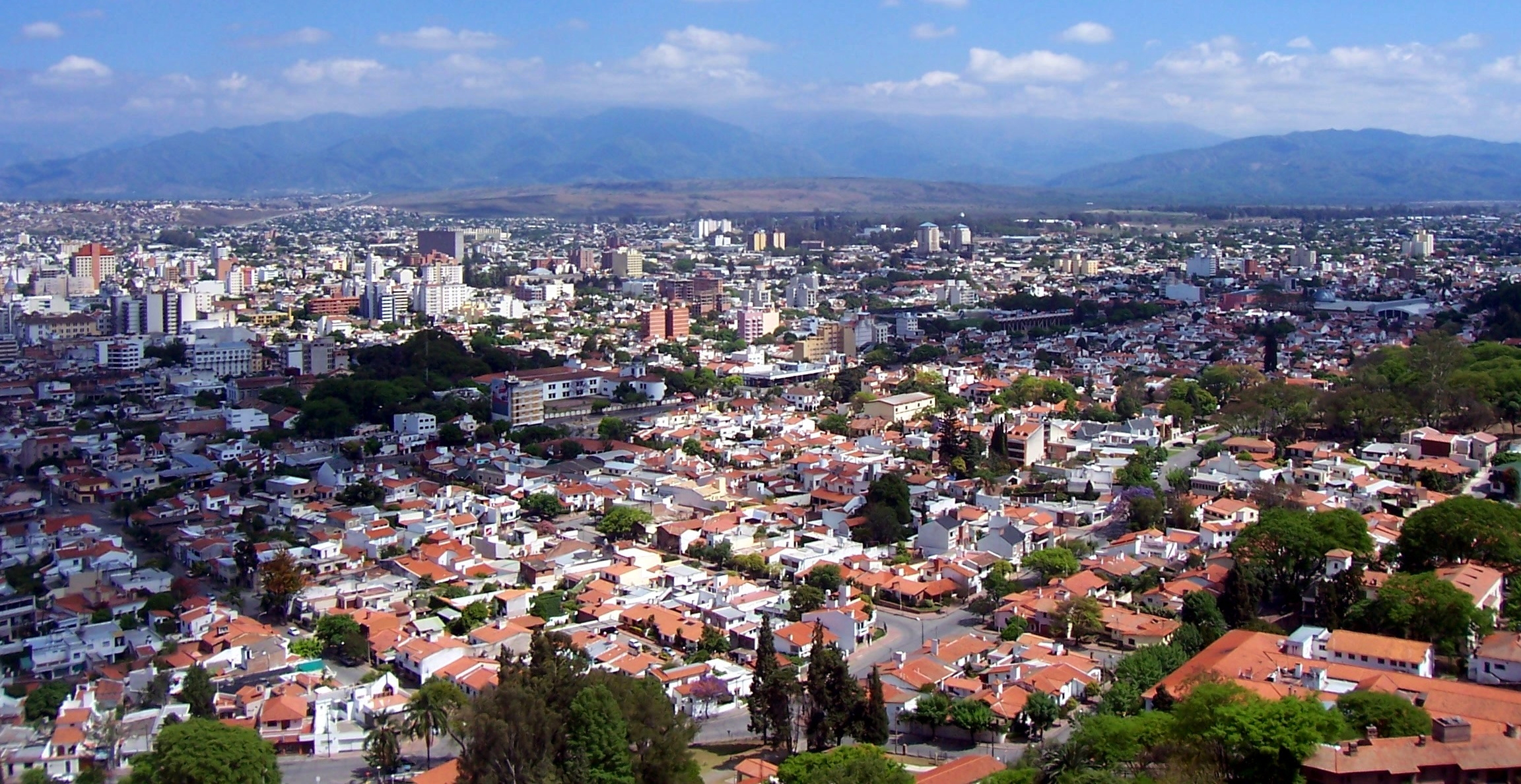
Why Salta is Perfect for Your Celebration
- Stunning colonial architecture and cobblestone plazas provide a naturally photogenic backdrop for ceremonies and receptions
- Hacienda-style estates and heritage boutique hotels offer intimate, character-rich event spaces unlike generic ballrooms
- Rich local culture — folk music (zamba, chacarera), regional cuisine, and artisan crafts — creates an immersive guest experience
- Andean mountain scenery and the nearby Quebrada de Humahuaca add dramatic landscape options for outdoor events and excursions
- Spring season (Mar, Apr, Sep, Oct, Nov) delivers reliably mild, dry weather ideal for outdoor ceremonies and garden receptions
- Compact, walkable city center makes guest logistics straightforward for small to mid-sized groups

Compare Salta with Other Top Destinations
Frequently Asked Questions
Is Salta a good destination for an intimate wedding?
Yes. Salta is particularly well-suited to intimate destination weddings of roughly 30–200 guests. Its colonial courtyards, hacienda estates, and heritage boutique hotels create a naturally romantic and distinctive atmosphere, and the compact city center makes guest logistics straightforward. The cultural richness of the region — folk music, regional cuisine, Andean landscapes — gives a multi-day celebration genuine depth beyond the ceremony itself.
What is the best time of year to hold a wedding or event in Salta?
The best seasons are the Southern Hemisphere autumn (March–April) and spring (September–November). Both windows offer mild temperatures, low humidity, and minimal rainfall — ideal for outdoor ceremonies and garden receptions. The summer months (December–February) bring frequent afternoon thunderstorms, and the winter months (June–August) can be cold at night given Salta's altitude, making outdoor events less comfortable.
How do guests typically get to Salta for a destination event?
Most guests fly into Martín Miguel de Güemes International Airport, which is approximately 9 km from the city center. Regular domestic flights connect Salta to Buenos Aires (roughly a two-hour flight) and other major Argentine cities. International guests will generally connect through Buenos Aires. The short airport-to-city transfer makes arrival logistics simple once guests land.
What kinds of event venues are available in Salta?
Salta offers colonial-era courtyards, hacienda-style estates, heritage boutique hotels with garden terraces, and full-service hotel ballrooms. The most distinctive spaces are converted colonial buildings with internal patios and vaulted interiors. Outdoor venues — including rooftop terraces and vineyard-adjacent properties in the broader region — are particularly viable during the spring season.
How large a guest group can Salta realistically accommodate for an event?
Salta works best for groups of roughly 30–250 guests. Most of the city's heritage and boutique venues are designed for intimate to mid-sized gatherings, and the overall accommodation inventory in the city center is well-suited to this scale. Very large events requiring a single space for 300 or more guests will find the local venue stock more constrained.
Can guests easily get around Salta once they arrive?
Yes, for centrally located events. Salta's historic center is compact and walkable, so guests staying in city-center hotels can reach most venues, restaurants, and cultural sites on foot. For venues outside the center — such as hacienda properties in the nearby San Lorenzo valley — private vehicle hire and small coach transfers are readily available and practical for groups.
What makes the local hospitality and vendor ecosystem suited to destination events?
Salta has a genuine, established events ecosystem with local wedding planners, caterers, florists, and photographers experienced in destination celebrations. Regional gastronomy — northwestern Argentine cuisine and high-altitude Torrontés wine — is a distinctive asset that can be woven into event programming. Folk music and dance groups are available for authentic cultural entertainment. Early vendor engagement is advisable, as the market is smaller than in Buenos Aires.
Is Salta's altitude something event planners need to account for?
Salta city sits at approximately 1,200 metres above sea level — mild enough that most guests adapt quickly without significant discomfort. It is worth noting for elderly guests or those with respiratory sensitivities, and particularly relevant if excursions to higher-altitude sites (such as the Salinas Grandes at over 3,400 m) are planned as part of the guest program.
What cultural experiences can be incorporated into a multi-day celebration in Salta?
Salta offers a rich range of cultural programming: live folk music and dance (zamba, chacarera) from established local groups, regional gastronomy tastings, artisan market visits, guided tours of the colonial historic center, and landscape excursions to the Quebrada de Humahuaca or the Andean salt flats. These experiences are genuinely specific to this region and give guests a memorable stay beyond the event itself.
Are there outdoor ceremony options in Salta, and how weather-dependent are they?
Yes. Colonial courtyards, garden terraces, hacienda lawns, and rooftop spaces all offer outdoor ceremony options. Weather dependability is highest during the spring seasons (March–April and September–November), when rainfall is low and temperatures are mild. Summer outdoor events carry meaningful rain risk due to the regional wet season, and winter events require attention to nighttime cold at altitude.
Is Salta suitable for corporate retreats or non-wedding social events?
Yes. Salta works well for corporate retreats where cultural immersion is part of the brief — the combination of meeting-capable heritage hotel spaces, distinctive local gastronomy, folk cultural programming, and landscape excursions creates a genuinely differentiated off-site experience. It also suits milestone anniversary celebrations and extended family or friend-group gatherings where guests want to explore the city independently between hosted events.

Ready to explore venues in Salta?
Salta: Destination Wedding & Cultural Event Venues in Argentina
◆Salta is a well-preserved colonial city in northwestern Argentina, set at roughly 1,200 metres above sea level against the foothills of the Andes. Its primary strength as an event destination lies in cultural immersion and heritage aesthetics — cobblestone plazas, terracotta-roofed mansions, vine-draped courtyards, and a living tradition of Andean folk music and regional cuisine. It suits intimate to mid-sized destination weddings, anniversary celebrations, corporate retreats with a cultural dimension, and social gatherings where atmosphere and authenticity matter more than large-scale infrastructure. The spring months (March, April, September, October, November) deliver the most reliable outdoor conditions. Domestic air access from Buenos Aires is straightforward; international guests will typically connect through Buenos Aires.
Salta at a Glance
| Category | Detail |
|---|---|
| Best For | Intimate destination weddings, anniversary celebrations, cultural retreats, social gatherings |
| Primary Vibe | Cultural & Timeless |
| Other Vibes | Heritage, Andean, Romantic, Rustic-Elegant |
| Best Season | Spring (Mar, Apr, Sep, Oct, Nov) |
Why Choose Salta?
- Authentic colonial architecture: Salta's historic center is among the best-preserved in Argentina, offering a naturally photogenic environment — ornate churches, arcaded plazas, and pastel-painted mansions — that requires minimal decoration to feel extraordinary.
- Distinctive venue typology: The city and its immediate surroundings offer hacienda-style estates, heritage boutique hotels built within colonial-era buildings, and garden courtyards that are genuinely different from the generic ballroom-and-banquet-hall model found in larger Argentine cities.
- Rich cultural programming for guests: Local folk music traditions (zamba, chacarera), regional gastronomy (locro, empanadas salteñas, Torrontés wine), artisan markets, and excursions to the Quebrada de Humahuaca or the Salinas Grandes give guests a full, immersive experience beyond the event itself.
- Manageable scale for intimate groups: Salta's compact city center and the relatively contained local hospitality inventory make it particularly well-suited to groups of 30–200 guests, where personalised service and cohesive logistics are easier to achieve than in a sprawling metropolis.
- Reliable spring weather: The spring shoulder seasons deliver mild daytime temperatures, low humidity, and minimal rainfall — conditions that are genuinely dependable for outdoor ceremonies, garden receptions, and daytime excursions.
- Growing but not overcrowded event market: Salta has developed a meaningful hospitality and events ecosystem without yet reaching the saturation point of larger Argentine destinations, meaning vendors are experienced but venues are not perpetually booked out months in advance.
Which Celebrations Work Best in Salta?
- Destination Weddings: Salta is particularly well-suited to couples seeking a ceremony with genuine cultural character — colonial courtyards, mountain backdrops, and local folk traditions create a setting that feels personal and storied rather than generic. Intimate to mid-sized weddings (roughly 30–200 guests) are the most natural fit given the local venue inventory.
- Anniversary & Milestone Celebrations: The city's romantic, unhurried atmosphere and heritage accommodation options make it an excellent choice for milestone anniversaries where the experience of the place itself is part of the gift.
- Corporate Retreats with a Cultural Dimension: Companies seeking an off-site retreat that combines productive meeting space with genuine cultural immersion — local gastronomy, folk performances, guided excursions — will find Salta a compelling alternative to more conventional conference destinations.
- Social Gatherings & Family Reunions: The city's walkability, the variety of local restaurants and cultural sites, and the availability of multi-room heritage properties make it practical for extended family or friend-group gatherings where guests want to explore independently between hosted events.
Venues & Event Spaces
Salta's event venue landscape is defined by heritage character rather than large-scale convention infrastructure. The most sought-after spaces are typically colonial-era buildings that have been sensitively converted into boutique hotels or private event estates — these commonly feature internal courtyards (patios) ideal for cocktail hours and intimate ceremonies, vaulted stone or brick interiors suited to seated dinners, and garden terraces with mountain views. Hacienda-style properties on the city's outskirts and in the nearby San Lorenzo valley offer larger outdoor lawns and more expansive grounds for multi-day celebrations. The city center also has a number of full-service hotels with dedicated banquet and ballroom facilities capable of hosting mid-sized receptions. Outdoor venues — rooftop terraces, vineyard estates in the broader Salta wine region, and open-air cultural spaces — are particularly viable during the spring season when weather conditions are most stable. What Salta does not offer in abundance is very large-scale convention-center-style infrastructure; groups requiring a single venue to seat 500 or more guests will find the local inventory more constrained than in Buenos Aires or Mendoza.
Best Time to Celebrate
The curated best season for events in Salta is Spring: March, April, September, October, and November. This recommendation reflects two distinct spring windows — the Southern Hemisphere autumn (March–April) and the Southern Hemisphere spring (September–November) — both of which share similar characteristics: mild daytime temperatures typically ranging from the mid-teens to the mid-twenties Celsius, low to moderate humidity, and significantly reduced rainfall compared to the summer months. These conditions are directly relevant to event planning because Salta's most distinctive venues — colonial courtyards, garden terraces, hacienda lawns — are outdoor or semi-outdoor spaces that depend on dry, comfortable weather to function at their best.
The summer months (December through February) bring Salta's rainy season, with afternoon and evening thunderstorms that are frequent enough to make outdoor event planning genuinely risky without substantial covered contingency space. Temperatures also climb, and the combination of heat and humidity reduces the comfort of outdoor ceremonies. The winter months (June through August) present a different challenge: Salta's altitude means nights and early mornings can be genuinely cold, with frost possible, and the dry, clear days — while beautiful for photography — require careful planning around guest comfort for any outdoor element. May is a reasonable shoulder month, generally drier than summer and not yet as cold as mid-winter, and can work well for events that are primarily indoor or have good covered options.
Getting There & Local Connectivity
Salta is served by Martín Miguel de Güemes International Airport, located approximately 9 kilometres from the city center — a short transfer that makes arrival logistics straightforward for guests. The airport operates regular domestic services from Buenos Aires (both Jorge Newbery/Aeroparque and Ezeiza), as well as connections from other major Argentine cities including Córdoba and Mendoza. International guests will almost universally connect through Buenos Aires, which has strong transatlantic and regional connections; the Buenos Aires–Salta domestic leg is typically around two hours.
Within the city, Salta's compact historic center is genuinely walkable, which is a meaningful advantage for event groups — guests staying in centrally located hotels can reach the main plaza, restaurants, and many event venues on foot. For transfers to venues outside the center (hacienda properties in San Lorenzo, for example, roughly 10–15 km away), private vehicle hire and small coach transfers are readily available and practical for groups. The city has standard taxi and ride-hailing services. Intercity rail is not a practical option for most guests — the famous Tren a las Nubes is a scenic tourist experience rather than a functional passenger rail connection — so air travel is the primary arrival mode for guests coming from outside the province.
Local Vendor & Hospitality Ecosystem
Salta has developed a genuine hospitality and events ecosystem over the past two decades, driven partly by growth in domestic tourism and partly by increasing interest from Argentine couples seeking destination weddings outside Buenos Aires and Mendoza. Local wedding planners, florists, photographers, and catering operations with experience in destination events are available, though the market is smaller and less competitive than in Argentina's largest cities — which means early engagement with vendors is advisable, particularly for peak spring dates.
Regional gastronomy is a genuine asset: Salta's culinary identity is distinct and celebrated within Argentina, with a strong tradition of northwestern Argentine cuisine (locro, humita, tamales, empanadas salteñas) and a growing wine culture centred on the high-altitude Torrontés grape. Incorporating local food and drink into an event program is both straightforward and genuinely impressive for guests unfamiliar with the region. Folk music and dance — particularly zamba and chacarera — can be arranged through established local cultural groups and add an authentic entertainment dimension that is specific to this region. The overall hospitality standard at the better hotels and heritage properties is solid, with staff accustomed to hosting international and domestic guests with specific event requirements.
Pros & Things to Consider
Why Salta Works Well
- Genuinely distinctive colonial and Andean aesthetic that is difficult to replicate elsewhere in Argentina
- Compact, walkable city center simplifies guest logistics for small to mid-sized groups
- Rich cultural programming — folk music, regional cuisine, artisan markets, landscape excursions — keeps guests engaged across a multi-day celebration
- Spring seasons deliver reliable, mild, dry weather well-suited to outdoor ceremonies and garden receptions
- Heritage boutique hotels and hacienda estates offer intimate, character-rich accommodation that enhances the overall guest experience
- Growing but not saturated events market means experienced vendors without the booking pressure of Argentina's most popular destinations
Things to Consider
- Venue capacity is generally limited — groups larger than 200–250 guests may find it difficult to source a single space that comfortably accommodates everyone, and very large weddings (300+) are genuinely challenging to execute here
- International guests face a multi-leg journey (international flight to Buenos Aires, then a domestic connection), which adds travel time and cost compared to destinations with direct international access
- The rainy summer season (December–February) significantly limits outdoor event viability, and the cold Andean winters (June–August) require careful planning around guest comfort for any outdoor element
- The local vendor market, while capable, is smaller than in Buenos Aires or Mendoza — couples with very specific or elaborate production requirements may need to bring in specialists from outside the province
- Altitude (approximately 1,200 m above sea level) is mild enough that most guests adapt quickly, but it is worth noting for elderly guests or those with respiratory sensitivities, particularly if excursions to higher-altitude sites are planned
When Salta May Not Be the Right Fit
- Very large guest lists: If your event requires a single venue to seat 300 or more guests comfortably, Salta's current hospitality inventory is likely to feel constrained — a larger Argentine city would be a more practical choice.
- Summer outdoor events: Couples with a fixed December–February date and a strong preference for outdoor ceremonies should be aware that Salta's rainy season makes this genuinely risky without substantial covered backup infrastructure.
- Guests with very limited travel flexibility: International guests who cannot manage a connecting flight through Buenos Aires, or who have limited time for travel, may find the journey to Salta disproportionately demanding relative to a destination with more direct international access.
- Events requiring large-scale production infrastructure: If the event concept depends on elaborate staging, large AV rigs, or convention-center-scale technical facilities, Salta's heritage venue stock — which prioritises atmosphere over technical specification — may not be the right match.