
Why El Calafate / Patagonia is Perfect for Your Celebration
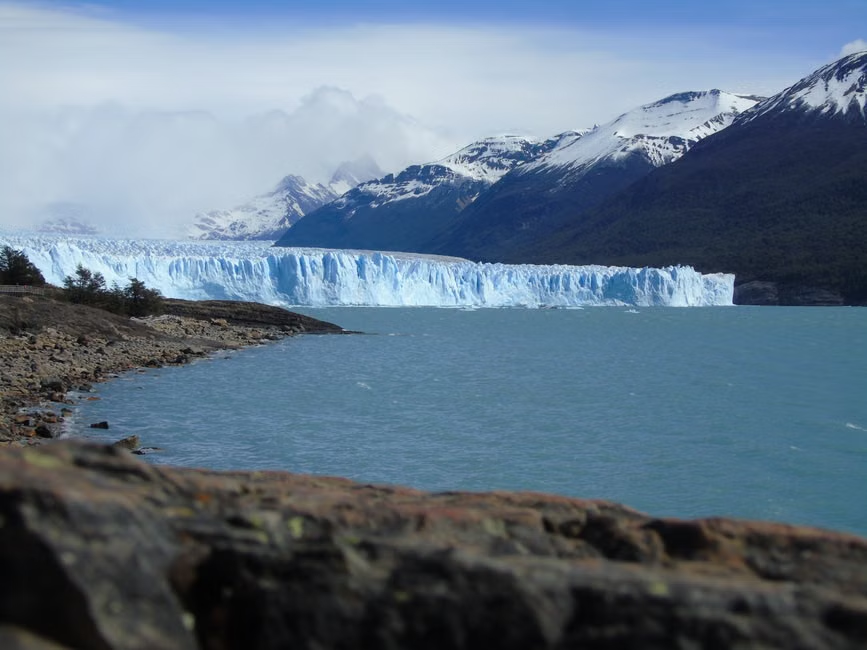
- Perito Moreno Glacier provides a once-in-a-lifetime ceremonial backdrop found nowhere else on Earth
- Boutique lakeside lodges on Lago Argentino offer exclusive buyouts for truly private celebrations
- Southern Hemisphere summer (Dec–Mar) delivers long daylight hours — up to 17 hours of light per day
- Patagonian estancias offer authentic gaucho culture, open-fire asados, and vast private land for events
- Intimate scale of local hospitality ecosystem suits small, curated guest lists of 20–80 people
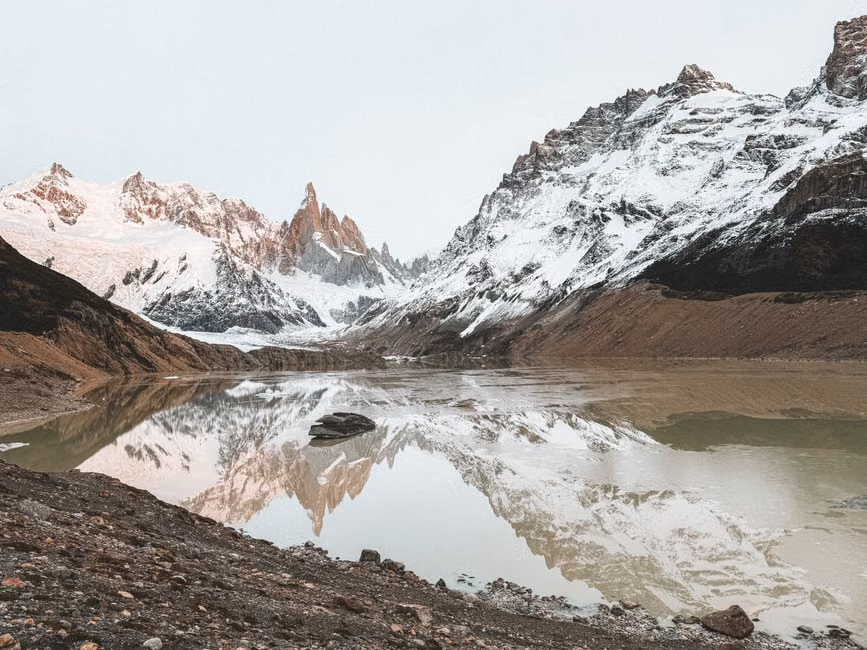
- Dramatic, photogenic scenery — glaciers, condors, turquoise lakes — makes every event moment visually extraordinary

Top Venues in El Calafate / Patagonia
Eolo Patagonia's Spirit
Los Sauces by Amancay
Hotel Kosten Aike
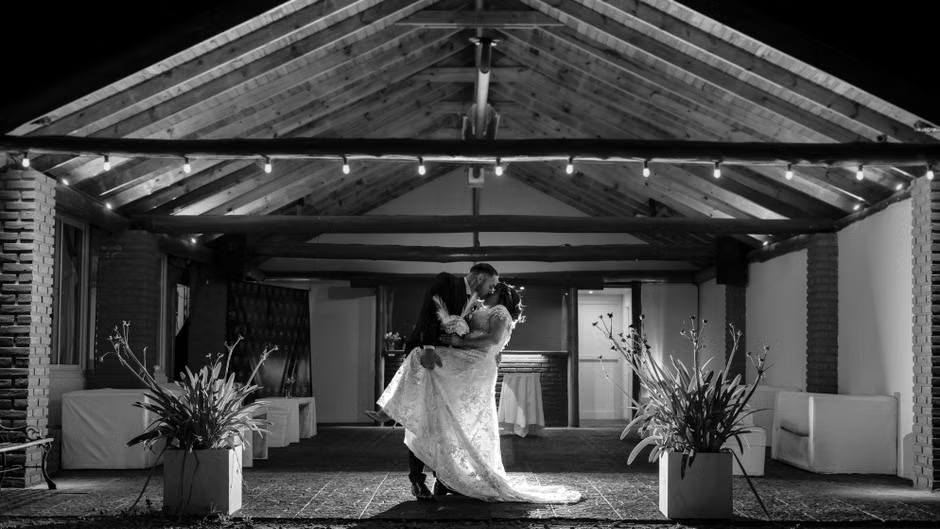
Posada Los Alamos
Hotel Kau Yatun
Compare El Calafate / Patagonia with Other Top Destinations
Frequently Asked Questions
Is El Calafate / Patagonia a good destination for a wedding?
Yes, particularly for intimate and small-scale weddings. El Calafate is genuinely well-suited to couples who want a dramatic natural setting — glaciers, Andean lakes, open steppe — and a sense of shared adventure with a curated guest list. It works best for groups of roughly 10–80 guests. It is not well-suited to large traditional weddings requiring ballroom-scale venues or extensive on-site vendor infrastructure.
What is the best time of year to hold an event in El Calafate / Patagonia?
The Southern Hemisphere summer — December through March — is the only realistic window for events here. This period offers the mildest temperatures, up to 17 hours of daylight per day, full access to the Perito Moreno Glacier and Los Glaciares National Park, and the complete operation of local lodges and event vendors. The rest of the year brings harsh winters, strong spring winds, and significantly reduced hospitality availability.
How do guests get to El Calafate for a destination event?
Guests fly into Comandante Armando Tola International Airport, located approximately 23 km from El Calafate town. Most guests will connect through Buenos Aires, making the total journey from Europe, North America, or Asia typically 20–30 hours. There is no passenger rail service to El Calafate. Advance planning for group airport transfers is essential, as local public transport is very limited.
What kinds of venues are available for events in El Calafate / Patagonia?
The venue landscape is defined by boutique lakeside lodges, Patagonian estancias, and intimate resort properties — not large convention hotels or traditional banquet halls. Most properties can be taken over entirely for a private event. Outdoor ceremony spaces with glacier or lake views are a defining feature. Capacity at individual properties typically ranges from 20 to around 100 guests.
How many guests can realistically attend an event in El Calafate?
Most individual properties comfortably accommodate 20–80 guests for a private event. With careful coordination across multiple nearby properties and the use of temporary outdoor structures during summer, groups of up to around 100–120 guests are feasible. Beyond that, the local venue and hospitality infrastructure becomes genuinely stretched, and a different destination would likely serve a larger group better.
What is the local hospitality and vendor ecosystem like for events?
Small but experienced within its niche. El Calafate has a core group of local and Buenos Aires-based photographers, caterers, florists, and event coordinators who specialise in Patagonian events. However, for anything beyond the core lodge offering, vendors often need to travel from Buenos Aires, requiring advance planning and longer lead times than a larger city destination. Catering quality — particularly open-fire asado and Argentine cuisine — is generally excellent.
Can guests stay at the event venue itself, or do they need separate accommodation?
In most cases, boutique lodges and estancias in El Calafate offer on-site accommodation as part of a full buyout arrangement, meaning guests stay, dine, and celebrate in the same property. This is actually one of the destination's strengths — it creates a fully immersive, contained experience. For larger groups that exceed a single property's room count, nearby lodges can be coordinated, with group transfers arranged between them.
What makes El Calafate / Patagonia distinctive as an event destination compared to a typical resort location?
The defining difference is the natural environment itself. The Perito Moreno Glacier, Lago Argentino, the open Patagonian steppe, and the Andean skyline are not decorative backdrops — they are genuinely extraordinary and found nowhere else on Earth. Combined with authentic gaucho culture, open-fire hospitality, and the shared experience of travelling somewhere genuinely remote, events here carry a sense of occasion and meaning that a conventional resort setting cannot replicate.
Is El Calafate / Patagonia suitable for a corporate retreat or incentive event?
Yes. The destination has a well-established track record for senior leadership retreats and incentive travel programmes. The remoteness encourages genuine disconnection from routine, the landscape provides a powerful shared experience, and the boutique lodge model supports focused, high-quality group time. Activities such as glacier walks, horseback riding, and kayaking can be integrated directly into the programme.
What should I know about weather and wind when planning an outdoor event here?
Patagonian weather is variable even during the best summer months. Wind is the most significant factor — the region is known for strong, unpredictable gusts that can affect outdoor ceremonies and décor. Temperatures can drop sharply in the evening even on warm days. Experienced local planners build contingency arrangements into every outdoor event, and guests should be advised to bring layers regardless of the season.
How far in advance should I plan an event in El Calafate / Patagonia?
At least 12–18 months in advance is strongly advisable. The summer season is short (December–March), the number of suitable properties is limited, and popular dates — particularly around New Year and the peak January–February window — book well ahead. Vendor coordination, particularly for specialists travelling from Buenos Aires, also requires longer lead times than a more accessible destination.

Ready to explore venues in El Calafate / Patagonia?
El Calafate / Patagonia: Destination Wedding & Exclusive Event Venues in Argentine Patagonia
◆El Calafate and the broader Patagonia region of southern Argentina is best suited to small, intimate, and highly exclusive celebrations — elopements, micro-weddings, milestone birthdays, and private corporate retreats — where dramatic natural scenery is the primary draw. The destination's primary vibe is Nature & Wilderness: glaciers, steppe lakes, condors, and Andean peaks define every event backdrop. The best season runs through the Southern Hemisphere summer (December through March), when daylight stretches up to 17 hours and temperatures are mild enough for outdoor ceremonies. Accessibility is genuinely limited — guests must fly into a small regional airport with limited direct connections — making this destination most appropriate for curated guest lists rather than large-scale gatherings.
El Calafate / Patagonia at a Glance
| Category | Detail |
|---|---|
| Best For | Intimate Weddings, Elopements, Milestone Birthdays, Private Corporate Retreats |
| Primary Vibe | Nature & Wilderness |
| Other Vibes | Remote & Exclusive, Adventure, Romantic Seclusion |
| Best Season | Summer (Jan, Feb, Mar, Dec) |
Why Choose El Calafate / Patagonia?
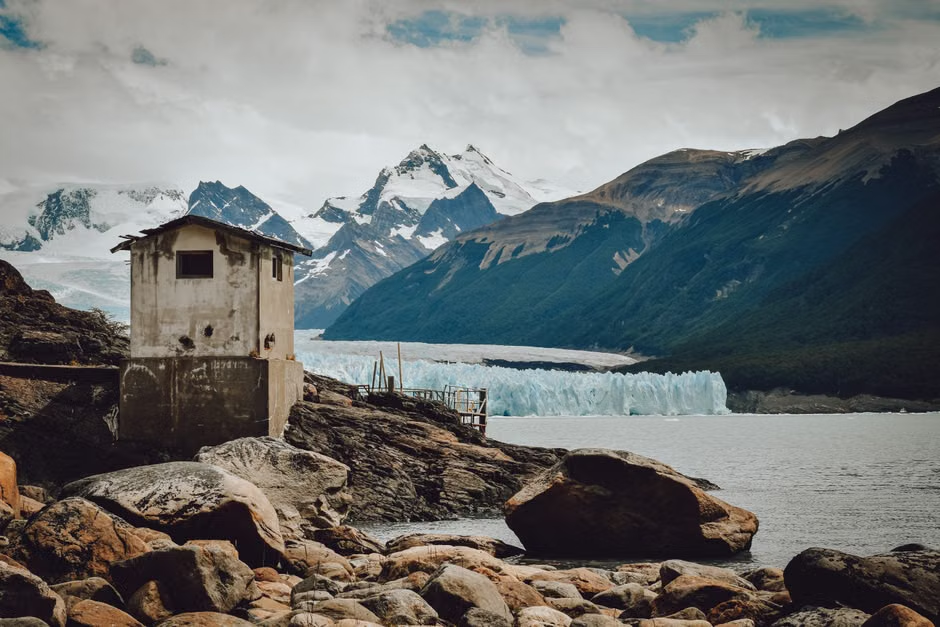
- Unrivalled natural scenery: The Perito Moreno Glacier — one of the few advancing glaciers on Earth — provides a ceremonial backdrop that is genuinely unique on a global scale. No other destination offers this specific combination of ice, turquoise water, and Andean sky.
- Exclusive lodge and estancia buyouts: The local hospitality model is built around small, high-quality boutique properties that can be taken over entirely for a private event, giving couples and hosts a level of exclusivity that is difficult to achieve in larger, more tourist-heavy destinations.
- Extended summer daylight: During December through February, El Calafate experiences up to 17 hours of natural light per day, allowing outdoor ceremonies and receptions to run well into the evening without artificial lighting — a genuinely rare logistical advantage for photographers and event designers alike.
- Authentic Patagonian culture: Gaucho traditions, open-fire asado feasts, and the raw character of the steppe give events here a cultural texture that is specific and memorable — not a generic luxury resort experience, but something rooted in place.
- Privacy and remoteness as a feature: The very isolation that makes logistics challenging also means that guests who do make the journey are fully present and immersed — there are no day-trippers, no competing events nearby, and no urban noise.
- Wildlife and landscape as living décor: Andean condors, guanacos, flamingos on Lago Argentino, and the ever-shifting light of the Patagonian sky mean that the natural environment itself contributes to the event atmosphere in ways that no decorator can replicate.
Which Celebrations Work Best in El Calafate / Patagonia?
- Intimate Weddings & Elopements: This is where El Calafate genuinely excels. The combination of extraordinary scenery, small-capacity boutique lodges, and the sense of a shared adventure makes it particularly compelling for couples who want their wedding to feel like a journey rather than a banquet. Guest lists of 10–60 people are the most realistic and most rewarding fit.
- Milestone Birthday Celebrations: A significant birthday — a 40th, 50th, or 60th — celebrated against the backdrop of Patagonia carries a sense of occasion that a city hotel simply cannot match. The exclusivity of a lodge buyout and the novelty of the destination make the event itself the gift.
- Private Corporate Retreats & Leadership Offsites: The remoteness and natural grandeur of Patagonia have made it a favoured setting for senior leadership retreats and incentive travel programmes. The environment encourages genuine disconnection from routine, and the shared experience of the landscape builds team cohesion in ways that a conference room cannot.
- Adventure-Themed Celebrations: Groups who want to combine a celebration with trekking, glacier walks, kayaking on glacial lakes, or horseback riding across the steppe will find that El Calafate and the surrounding Los Glaciares National Park offer a genuinely integrated experience — the adventure is not an add-on, it is the event.
Venues & Event Spaces
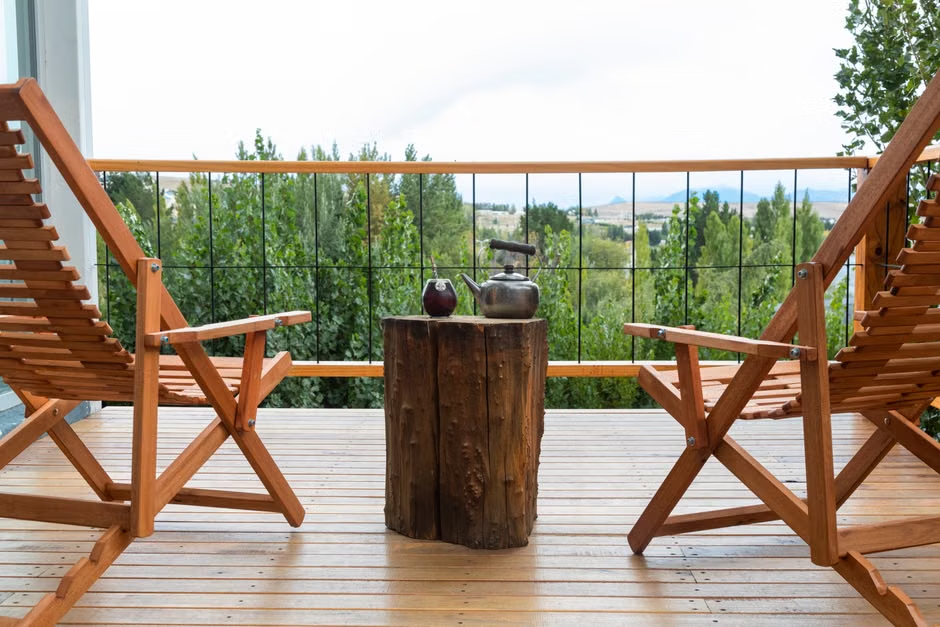
The venue landscape in El Calafate and the wider Patagonia region is defined by boutique lodges, lakeside estancias, and intimate resort properties rather than large convention hotels or traditional banquet halls. Most properties are designed around the landscape — floor-to-ceiling windows framing glacier or lake views, open-fire common rooms, and outdoor terraces that serve as natural ceremony spaces. Capacity at individual properties is typically modest, generally suited to groups of 20–100 guests, with the most exclusive properties accommodating fewer than 50.
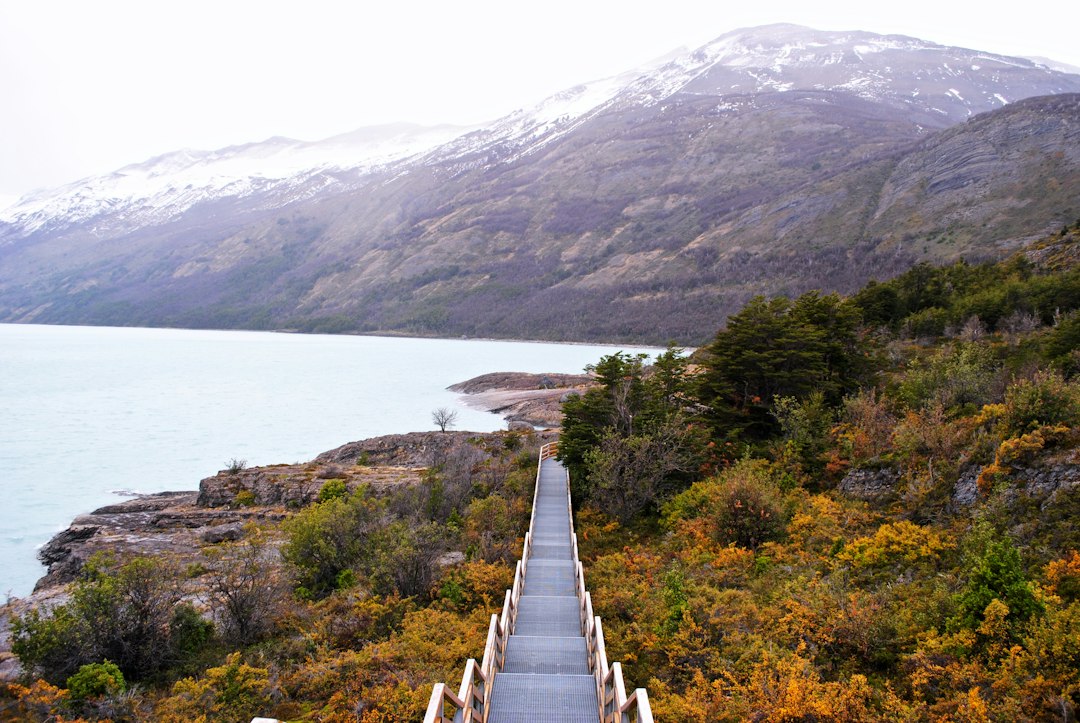
Outdoor ceremony spaces — on lakeshores, on elevated steppe viewpoints, or with direct sightlines to glacial formations — are a defining feature of events here. Indoor reception spaces tend to be warm and intimate rather than grand and ballroom-scale, with stone, timber, and local materials creating a sense of place. Some estancias offer large private land holdings where temporary structures can be erected for larger outdoor receptions during the summer months, though this requires careful logistical planning given the region's wind conditions.
There are no purpose-built wedding venues or dedicated event convention centres in El Calafate — all events are hosted within the existing hospitality infrastructure, which is a strength (authenticity, exclusivity) and a constraint (limited scale, limited vendor infrastructure) simultaneously.
Best Time to Celebrate
The curated best season for El Calafate / Patagonia is Summer: January, February, March, and December. This is the Southern Hemisphere summer, and it is the only realistic window for outdoor events in this destination.
During these months, temperatures typically range from around 8°C at night to 18°C during the day — cool by most standards, but genuinely mild for Patagonia. More importantly, daylight is extraordinary: December and January see up to 17 hours of light, meaning outdoor ceremonies can take place in the late afternoon and still enjoy golden-hour light well into the evening. The Perito Moreno Glacier is fully accessible, trails in Los Glaciares National Park are open, and most lodges and estancias are operating at full capacity with their complete event services.
The rest of the year presents significant challenges. April through August brings the Patagonian winter: temperatures drop well below freezing, snowfall is common, many boutique lodges close entirely for the season, and the short daylight hours (as few as 8–9 hours in June) make outdoor events impractical. September through November is a transitional spring period characterised by some of the strongest and most unpredictable winds in the region — Patagonian spring winds are legendary among travellers and can make outdoor events genuinely difficult to manage, even when temperatures are otherwise acceptable. Vendor availability is also more limited in shoulder season, as many local hospitality and event professionals follow the lodge season.
Getting There & Local Connectivity
El Calafate is served by Comandante Armando Tola International Airport (FTE), located approximately 23 km from the town centre. The airport receives domestic flights from Buenos Aires (primarily Aeroparque Jorge Newbery and Ezeiza International Airport) and a small number of other Argentine cities. International guests will almost universally need to connect through Buenos Aires, making the total journey from Europe, North America, or Asia typically 20–30 hours of travel time including connections.
There is no passenger rail service to El Calafate. Road access exists via Ruta Nacional 40 and connecting provincial roads, but the distances involved — El Calafate is roughly 320 km from the Chilean border crossing at Cerro Castillo and over 2,500 km from Buenos Aires by road — mean that driving is not a practical option for most guests.
Within the destination, local transport is limited. There is no public transit system of note. Most lodges provide their own transfers from the airport, and private vehicle hire or organised group transfers are the standard arrangement for moving guests between the airport, town, and outlying properties. For events spread across multiple properties or involving excursions to the glacier or national park, dedicated group transport must be arranged in advance — this is a standard part of event logistics here, but it requires planning and adds to the overall coordination complexity.
Local Vendor & Hospitality Ecosystem
El Calafate's event vendor ecosystem is small but experienced within its niche. Because the destination has attracted high-end international travellers and a steady stream of intimate destination weddings for over two decades, there is a core group of local and Buenos Aires-based vendors — photographers, florists, caterers, and event coordinators — who specialise specifically in Patagonian events and understand the logistical realities of working in this environment.
However, the ecosystem is genuinely limited in scale. There are no large event production companies based locally, and for anything beyond the core hospitality offering of the lodges themselves, couples and planners should expect to bring in specialists from Buenos Aires or even internationally. This adds logistical complexity and lead time to the planning process — vendors travelling to El Calafate need accommodation, transport, and advance coordination that would not be necessary in a larger city.
Catering at the lodge and estancia level is generally of high quality, with a strong emphasis on Argentine cuisine — particularly open-fire asado, Patagonian lamb, and locally sourced produce. Wine lists typically feature excellent Argentine Malbec and Patagonian varietals. For highly customised menus or international cuisine, advance discussion with the property is essential.
Floristry and décor sourcing is the area of greatest constraint: fresh flowers and specialised décor materials are not locally abundant and must be transported, which affects both availability and planning timelines. Experienced local planners have established supply chains for this, but it is not something that can be arranged at short notice.
Pros & Things to Consider
Why El Calafate / Patagonia Works Well
- Genuinely one-of-a-kind natural scenery — the Perito Moreno Glacier and Los Glaciares National Park are irreplaceable backdrops
- Boutique lodge buyouts offer a level of privacy and exclusivity that is rare in more accessible destinations
- Extended summer daylight (up to 17 hours) gives outdoor events exceptional flexibility and photographic quality
- Authentic Patagonian culture — gaucho traditions, asado feasts, open-fire hospitality — gives events a strong sense of place
- The shared experience of travelling to a remote destination creates a powerful sense of occasion and guest commitment
- Experienced niche vendor community understands the specific demands of events in this environment
Things to Consider
- Accessibility is genuinely challenging — most guests will face long multi-leg journeys, which limits realistic guest list size and increases no-show risk
- Patagonian weather is highly variable even in summer — wind, sudden temperature drops, and overcast skies are common and cannot be fully planned around
- Venue capacity is inherently limited — this destination does not suit guest lists above roughly 100–120 people without significant temporary infrastructure investment
- Vendor and décor supply chains require long lead times and careful advance planning; last-minute changes are difficult to accommodate
- Many lodges close entirely outside the summer season, meaning the planning window is narrow and popular dates book well in advance
- Internet and mobile connectivity in the region is limited, which affects real-time coordination during the event itself
When El Calafate / Patagonia May Not Be the Right Fit
- Large guest lists: If your celebration involves more than 80–100 guests, the local venue and hospitality infrastructure will struggle to accommodate everyone comfortably in a single property or coordinated setting. A destination with larger-scale resort infrastructure would serve this need better.
- Guests with limited travel flexibility: If a significant portion of your guest list includes elderly guests, young children, or people with mobility considerations, the long multi-leg journey and the physically active nature of the destination (uneven terrain, wind, cold evenings) may make attendance genuinely difficult.
- Events planned outside the summer window: Any celebration planned for April through November faces a combination of harsh weather, limited lodge availability, and a significantly reduced vendor ecosystem. This is not a year-round destination for events.
- Couples or hosts seeking a traditional, large-format wedding experience: If the vision involves a grand ballroom, a large bridal party, elaborate stage production, or a guest list of 200+, El Calafate's boutique, nature-first hospitality model is not the right match — and attempting to force that format here would work against the destination's genuine strengths.