
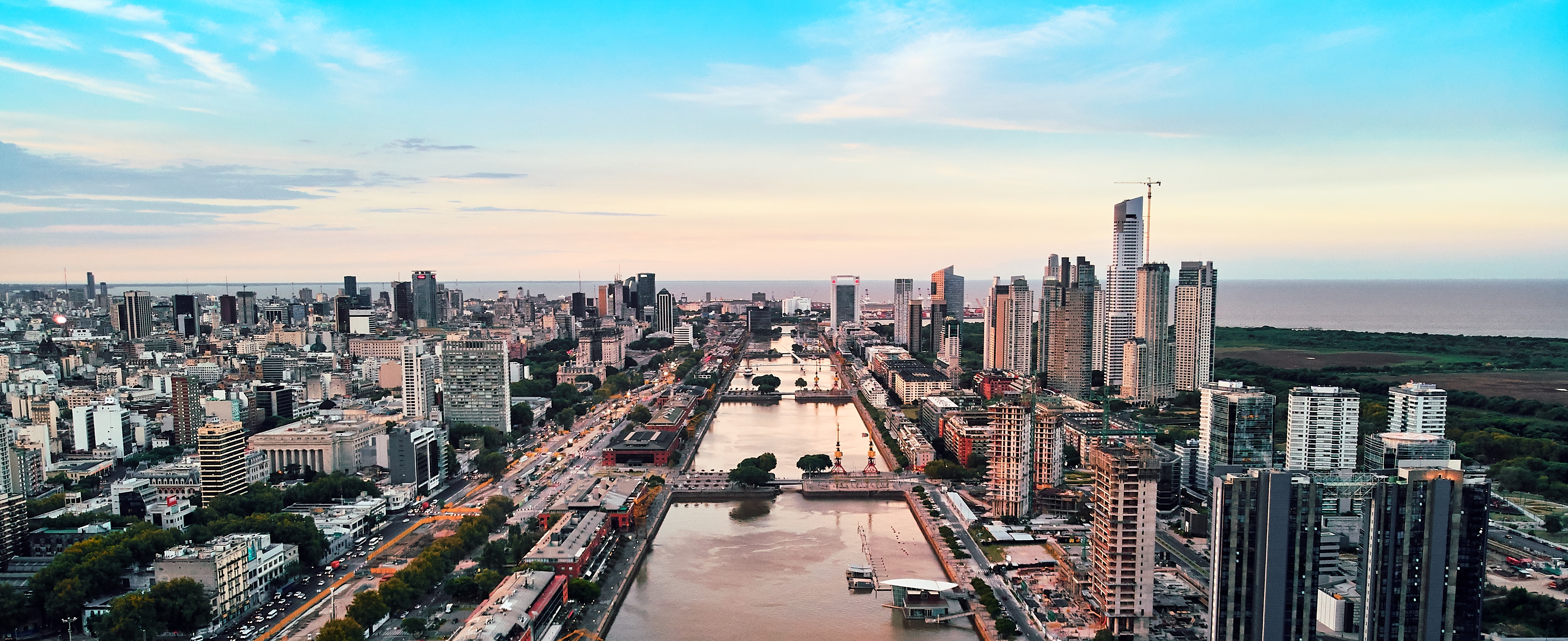
Why Buenos Aires is Perfect for Your Celebration
- Iconic European-style architecture and grand historic ballrooms create a naturally dramatic event backdrop
- World-class gastronomy and Argentine wine culture elevate every celebration banquet and cocktail hour
- Vibrant tango and arts scene offers unique live entertainment options genuinely embedded in local culture
- Excellent international air connectivity makes it accessible for guests traveling from across the globe
- Diverse venue portfolio spans heritage mansions, luxury hotel ballrooms, rooftop terraces, and garden estates
- Best season (spring: Sep–Nov and early autumn: Mar–Apr) offers reliably mild, pleasant weather for outdoor events

Compare Buenos Aires with Other Top Destinations
Frequently Asked Questions
Is Buenos Aires a good destination for a wedding?
Yes. Buenos Aires is particularly well-suited to destination weddings, offering a combination of grand heritage venues, world-class gastronomy, and a deeply festive local culture. The city's Recoleta and Palermo neighbourhoods provide iconic architectural backdrops, and the local event vendor ecosystem is mature enough to support large, complex international celebrations with relative confidence.
What is the best time of year to hold an event in Buenos Aires?
Spring — specifically September, October, November, and the early autumn months of March and April — is the curated best season. These windows offer mild temperatures, low humidity, and a high proportion of clear days. October and November are particularly scenic, with jacaranda trees in bloom across Recoleta and Palermo. Summer (December–February) brings heat and humidity; winter (June–August) is cold and overcast.
How easy is it for international guests to reach Buenos Aires?
Very easy by Latin American standards. Ministro Pistarini International Airport (EZE) receives direct long-haul flights from major European, North American, and Latin American hubs. Guests from most major origin cities can reach Buenos Aires with a single direct flight. The airport is approximately 35 km from the city centre, so transfer logistics for large groups require advance planning.
What kinds of venues are available for events in Buenos Aires?
The city offers a broad range: grand ballrooms in historic palace hotels, luxury international hotel convention facilities, dedicated standalone event halls, converted heritage mansions, contemporary loft and gallery spaces, and waterfront venues in Puerto Madero. Outdoor garden and rooftop options are available and work well during the spring and early autumn seasons.
How large a guest list can Buenos Aires venues realistically accommodate?
Buenos Aires can comfortably support events ranging from intimate gatherings of 50–80 guests up to large-scale galas and conferences of 800–1,000 or more. The city's major convention-capable hotels and dedicated event halls provide genuine large-scale capacity, while boutique heritage venues suit more intimate celebrations. Accommodation for large guest groups is well-supported by the city's extensive hotel inventory.
What makes Buenos Aires distinctive as an event destination compared to other major cities?
The combination of European-influenced architecture, a genuinely festive and social local culture, world-class Argentine cuisine and wine, and the unique presence of tango as a living cultural tradition gives Buenos Aires a character that is difficult to replicate elsewhere. Live tango entertainment, milonga evenings, and access to the city's arts scene provide event programming options that are authentically rooted in local culture.
Is the local event vendor ecosystem in Buenos Aires reliable for international celebrations?
Generally yes. Buenos Aires has a mature, competitive market of event planners, caterers, florists, AV specialists, and entertainment providers with experience handling large international events. Working with a bilingual local event coordinator is strongly recommended to navigate vendor contracts and communication effectively, particularly given that Spanish is the primary working language across most of the supply chain.
What are the main logistical considerations for organising a large event in Buenos Aires?
Key considerations include: airport transfer planning for large groups arriving at EZE (approximately 35 km from the city centre); coordinating accommodation across multiple hotels if the guest list exceeds a single property's capacity; engaging bilingual local event management support; and accounting for Argentina's economic environment when structuring advance payments and vendor contracts. Local expertise significantly reduces these complexities.
Can Buenos Aires accommodate corporate events and conferences, not just weddings?
Yes. Buenos Aires is one of Latin America's leading corporate event destinations. Several major hotels offer large convention and conference facilities, and the city's international connectivity makes it practical for globally dispersed delegate groups. It suits product launches, leadership summits, incentive travel programmes, and large-scale gala dinners equally well alongside its wedding and social event credentials.
What local transport options are available for moving event guests around the city?
Private coach and minibus transfers are the standard and most practical option for moving event groups between hotels, venues, and the airport. The city also has a metro system (Subte), an extensive bus network, and widely available ride-hailing services. Buenos Aires's major event neighbourhoods — Recoleta, Palermo, Puerto Madero, and the Microcentro — are all within a compact, navigable area, making multi-venue programmes logistically manageable.
Are there outdoor ceremony options in Buenos Aires, and when do they work best?
Yes. Several properties offer garden grounds, rooftop terraces, and waterfront outdoor spaces. These work best during spring (September–November) and early autumn (March–April), when temperatures are mild and humidity is low. Summer outdoor events (December–February) are generally inadvisable due to heat and humidity, and winter (June–August) outdoor options are limited by cold and overcast conditions.

Ready to explore venues in Buenos Aires?
Buenos Aires: Destination Wedding & Event Venues in Argentina
◆Buenos Aires is Argentina's cosmopolitan capital and one of Latin America's strongest destinations for weddings, corporate galas, and large social celebrations. Its primary vibe is Vibrant & Festive — shaped by tango culture, grand European-influenced architecture, and a deeply social local character. The city suits destination weddings, milestone social events, and corporate conferences particularly well. Spring (September–November) and early autumn (March–April) offer the most reliable event weather. Buenos Aires is highly accessible internationally, with direct long-haul flights from Europe, North America, and across Latin America, and a mature hospitality and vendor ecosystem capable of supporting events at significant scale.
Buenos Aires at a Glance
| Category | Detail |
|---|---|
| Best For | Destination Weddings, Social Galas, Corporate Events, Milestone Celebrations |
| Primary Vibe | Vibrant & Festive |
| Other Vibes | Cosmopolitan, Heritage, Romantic, Cultural |
| Best Season | Spring (Mar, Apr, Sep, Oct, Nov) |
Why Choose Buenos Aires?
- Architectural grandeur: The city's Recoleta, Palermo, and Puerto Madero neighbourhoods offer a concentration of heritage mansions, belle époque palaces, and contemporary luxury venues that create a naturally dramatic visual backdrop for any celebration.
- World-class gastronomy: Argentine cuisine — anchored by premium beef, exceptional wine, and a growing fine-dining scene — gives every event banquet and cocktail reception a genuinely distinctive character that guests remember.
- Tango and arts culture: Live tango performances, milonga evenings, and access to the city's vibrant arts and theatre scene provide unique, culturally embedded entertainment options that no other destination can replicate.
- International accessibility: Ministro Pistarini International Airport (EZE) receives direct flights from major hubs across Europe, North America, and Latin America, making it genuinely practical for a globally dispersed guest list.
- Mature event vendor ecosystem: Buenos Aires has a well-developed network of event planners, florists, caterers, photographers, and AV specialists experienced in handling large-scale international celebrations.
- Neighbourhood diversity: From the upscale elegance of Recoleta to the bohemian energy of Palermo and the modern waterfront of Puerto Madero, the city offers meaningfully different event atmospheres within a compact, navigable urban area.
Which Celebrations Work Best in Buenos Aires?
- Destination Weddings: The city's heritage palaces, luxury hotel ballrooms, and garden estates make it a compelling choice for couples seeking a European-influenced yet distinctly South American wedding experience. The combination of grand architecture, fine dining, and tango entertainment creates a multi-day celebration that guests genuinely travel for.
- Social Galas & Milestone Celebrations: Buenos Aires's festive, social culture makes it a natural fit for landmark birthdays, anniversaries, and family reunions. The city's nightlife infrastructure and entertainment options extend celebrations well beyond the formal event itself.
- Corporate Events & Conferences: With large convention-capable hotels, strong business infrastructure, and excellent international connectivity, Buenos Aires is one of Latin America's leading corporate event destinations. It suits product launches, leadership summits, and incentive travel programmes particularly well.
- Pre- and Post-Wedding Celebrations: The city's restaurant scene, cultural attractions, and neighbourhood character make it easy to build a multi-day programme around a central wedding event — engagement dinners, welcome cocktails, and farewell brunches all have natural, high-quality settings here.
Venues & Event Spaces
Buenos Aires offers a genuinely broad range of event venue types, spanning several distinct categories. At the upper end, the city's historic palace hotels — particularly concentrated in Recoleta — provide grand ballrooms with ornate period detailing, capable of hosting formal seated dinners and ceremonies for several hundred guests. Luxury international hotel brands operating in the city offer large, flexible convention and banquet facilities suited to both weddings and corporate events at significant scale.
Beyond the major hotels, the city has a strong tradition of salones de fiestas — dedicated event halls — ranging from intimate heritage townhouses to large standalone banquet complexes. Palermo and San Telmo in particular have a concentration of converted industrial spaces, art galleries, and boutique event venues that suit more contemporary or creative event briefs. Puerto Madero's waterfront setting adds a modern, scenic dimension, with venues offering river views and open-air terrace options.
Outdoor garden ceremonies are viable during the spring and early autumn seasons, with several properties offering manicured grounds or rooftop terraces. For very large events — corporate conferences or gala dinners exceeding 800–1,000 guests — the city's convention centre infrastructure provides purpose-built capacity that few other Latin American cities can match.
Best Time to Celebrate
The curated best season for Buenos Aires events is Spring (March, April, September, October, November) — which in the Southern Hemisphere context means both early autumn (March–April) and true spring (September–November). Both windows share similar advantages: mild daytime temperatures typically ranging from the mid-teens to the mid-twenties Celsius, low humidity, and a high proportion of clear, sunny days. These conditions are particularly well-suited to outdoor ceremonies, garden receptions, and rooftop events.
March and April benefit from the tail end of summer warmth without the oppressive heat and humidity of January and February. September and October mark the city's floral peak — jacaranda trees bloom across Palermo and Recoleta, creating a genuinely photogenic urban backdrop. November is generally excellent but can occasionally see the first hints of summer heat building toward December.
Months to approach with caution: December through February brings Buenos Aires's summer, with temperatures regularly exceeding 30°C and high humidity that makes outdoor events uncomfortable and logistically demanding. January in particular sees a significant portion of the local population on holiday, which can affect vendor availability and local service quality. June through August is the Southern Hemisphere winter — cold, frequently overcast, and poorly suited to outdoor events. Indoor events remain viable in winter, but the city's characteristic outdoor and terrace culture is largely unavailable. May is a reasonable shoulder month — generally mild and often overlooked — though it sits outside the curated best-season window and weather reliability is somewhat lower than the peak spring months.
Getting There & Local Connectivity
Buenos Aires is served by two airports. Ministro Pistarini International Airport (EZE), located approximately 35 km southwest of the city centre in Ezeiza, handles all long-haul international arrivals and is the primary gateway for destination event guests flying in from overseas. Journey time to the city centre is typically 45–60 minutes by road, depending on traffic. Aeroparque Jorge Newbery (AEP), situated just 4 km from the city centre on the Río de la Plata waterfront, handles domestic flights and some regional international routes — useful for guests connecting from other Argentine cities or neighbouring countries.
Within the city, Buenos Aires has an extensive public transport network including a metro system (Subte), an extensive bus network, and widely available ride-hailing services. For event groups, private coach and minibus transfers between hotels, venues, and the airport are straightforward to arrange through local operators. The city's major event neighbourhoods — Recoleta, Palermo, Puerto Madero, and the Microcentro — are all within a relatively compact area, making multi-venue programmes and guest movement between accommodation and event spaces logistically manageable.
Rail connectivity via the Retiro and Constitución terminals serves the greater Buenos Aires metropolitan area and intercity routes, though for international event guests, air travel remains the primary arrival mode. The city's road infrastructure is well-developed, and private transfers are the standard and most practical option for moving event groups.
Local Vendor & Hospitality Ecosystem
Buenos Aires has one of the most developed event vendor ecosystems in Latin America. The city has a long tradition of large-scale social celebrations — quinceañeras, weddings, and corporate galas are deeply embedded in local culture — which has produced a mature, competitive market of specialist suppliers. Event planners with international experience, high-quality floral designers, professional AV and lighting companies, and a deep pool of catering talent are all readily available.
Argentine cuisine and wine are genuine strengths: the local catering industry has access to world-class beef, fresh produce, and an exceptional domestic wine supply from Mendoza and Patagonia, giving event menus a distinctive and high-quality character. The city's restaurant scene — which includes internationally recognised fine-dining establishments — also provides strong options for pre- and post-event dinners and private dining experiences.
Hospitality standards at the city's major hotels are consistently high, with staff at international-brand properties typically experienced in managing large event groups and multilingual guest lists. The city's entertainment industry — tango shows, live music, theatre — provides a rich pool of performance talent for event entertainment that is genuinely rooted in local culture rather than generic.
Pros & Things to Consider
Why Buenos Aires Works Well
- Exceptional architectural and cultural backdrop that gives events a distinctive, memorable character
- Highly accessible internationally, with direct long-haul connections from multiple continents
- Mature, experienced event vendor and hospitality ecosystem capable of handling large, complex celebrations
- World-class food and wine culture that elevates every event dining experience
- Diverse venue portfolio across multiple neighbourhoods, suiting a wide range of event styles and scales
- Rich cultural entertainment options — tango, theatre, live music — that extend the celebration experience
- Spring season (Sep–Nov) offers genuinely beautiful urban scenery, particularly the jacaranda bloom in Recoleta and Palermo
Things to Consider
- Long-haul travel for some guests: For guest lists based primarily in Asia or the Middle East, Buenos Aires involves very long travel times and potentially complex routing, which may affect attendance rates.
- Summer heat and humidity: December through February can be genuinely uncomfortable for outdoor events, limiting the usable season for al fresco celebrations.
- Currency and economic context: Argentina's economic environment has historically been volatile, which can create complexity around advance payments, vendor contracts, and financial planning for international event organisers — working with experienced local event management partners is advisable.
- Language: Spanish is the primary language; while major hotels and international vendors typically have English-speaking staff, working with a bilingual local event coordinator is strongly recommended for smooth communication across the full vendor chain.
- Airport transfer time: The approximately 35 km distance from EZE to the city centre means arrival and departure logistics require careful planning, particularly for large groups with staggered flight times.
When Buenos Aires May Not Be the Right Fit
- Primarily outdoor events planned for December–February or June–August: Summer heat and humidity, or winter cold and overcast conditions, make outdoor ceremonies and receptions significantly less comfortable during these months — a different season or a destination with more year-round outdoor viability may serve better.
- Guest lists concentrated in Asia or the Middle East: The very long travel distances and limited direct routing from those regions can make attendance genuinely difficult for a significant portion of the guest list, reducing the practical appeal of Buenos Aires as a destination.
- Events requiring very intimate, secluded settings: Buenos Aires is a major, busy metropolis — couples or planners seeking a remote, private, or nature-immersed setting (a hillside estate, a beachfront retreat, a jungle lodge) will find the city's urban character a poor match for that brief.
- Planners unfamiliar with navigating Argentine administrative and contractual norms: Without experienced local support, the logistical and financial complexity of organising a large international event in Buenos Aires can be meaningfully higher than in destinations with more standardised international event infrastructure.