
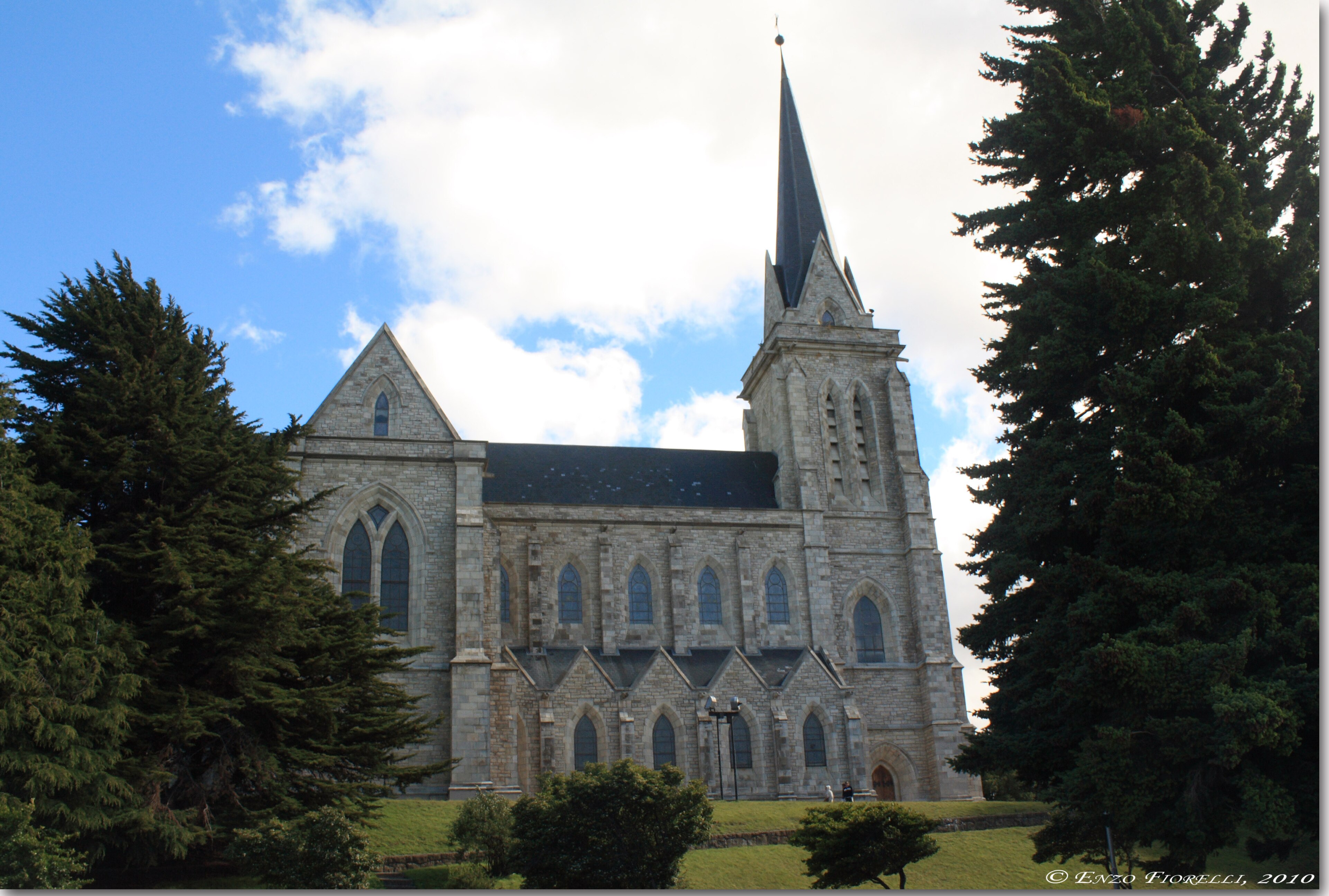
Why Bariloche is Perfect for Your Celebration
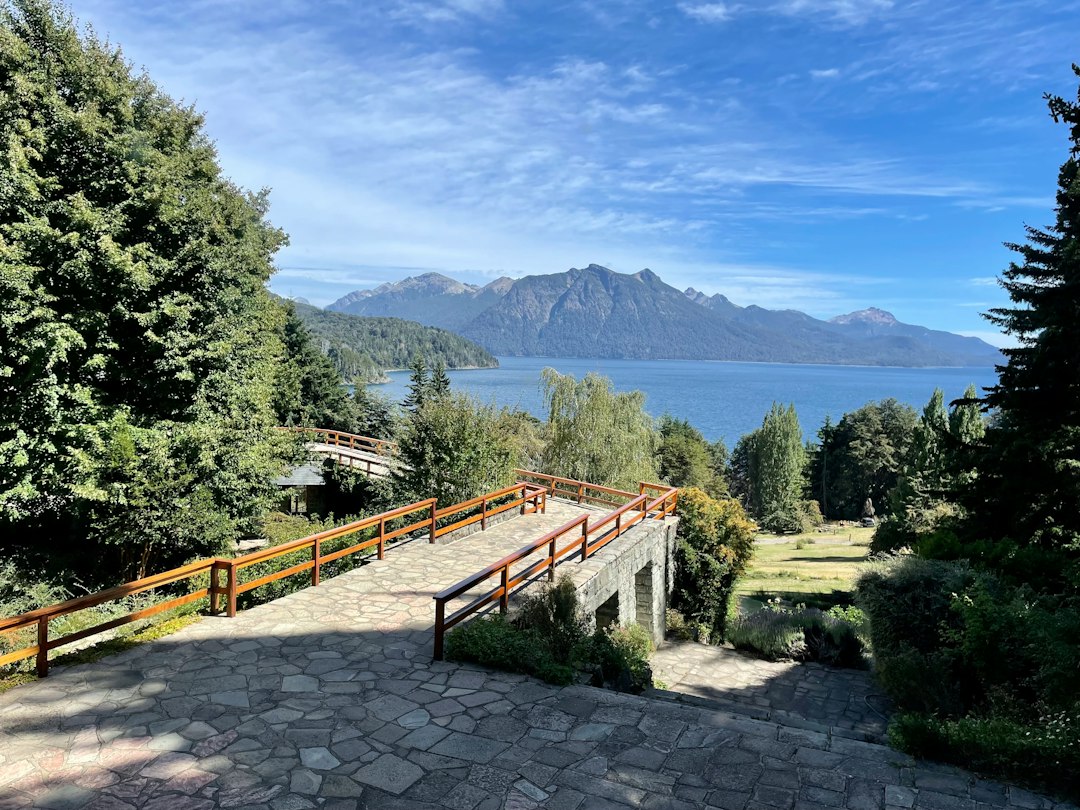
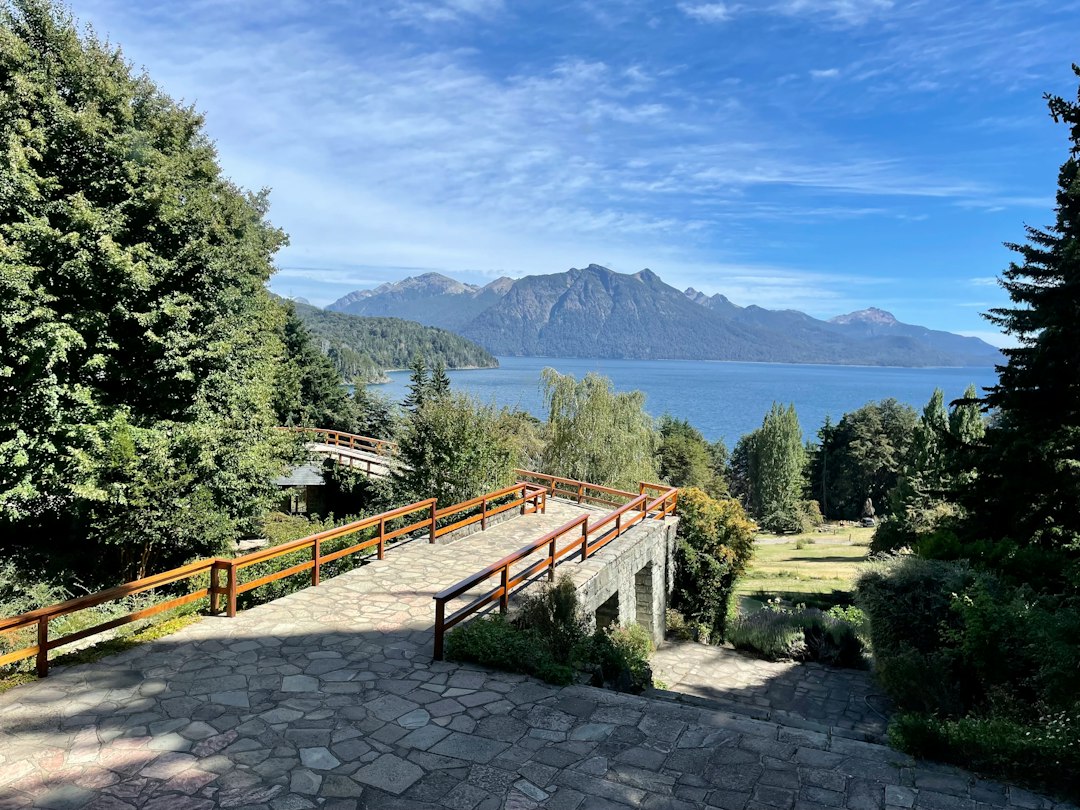
- Dramatic Nahuel Huapi Lake and Andes mountain backdrop for ceremonies and photography
- Boutique lakeside lodges and alpine resorts offering exclusive-use event packages
- Long Patagonian summer days (Dec–Mar) provide extended golden-hour windows for outdoor events
- Intimate destination feel — naturally limits guest lists to close family and friends
- Well-developed local tourism ecosystem with experienced event caterers, florists, and coordinators
- Unique Swiss-Patagonian architectural character gives venues a distinctly European alpine aesthetic

Top Venues in Bariloche
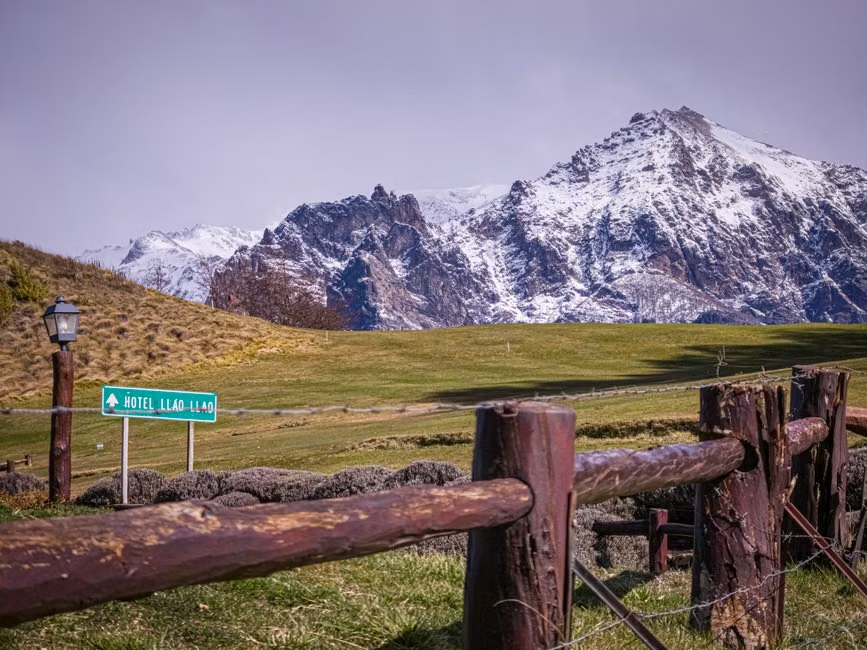
Llao Llao Hotel & Resort, Golf-Spa
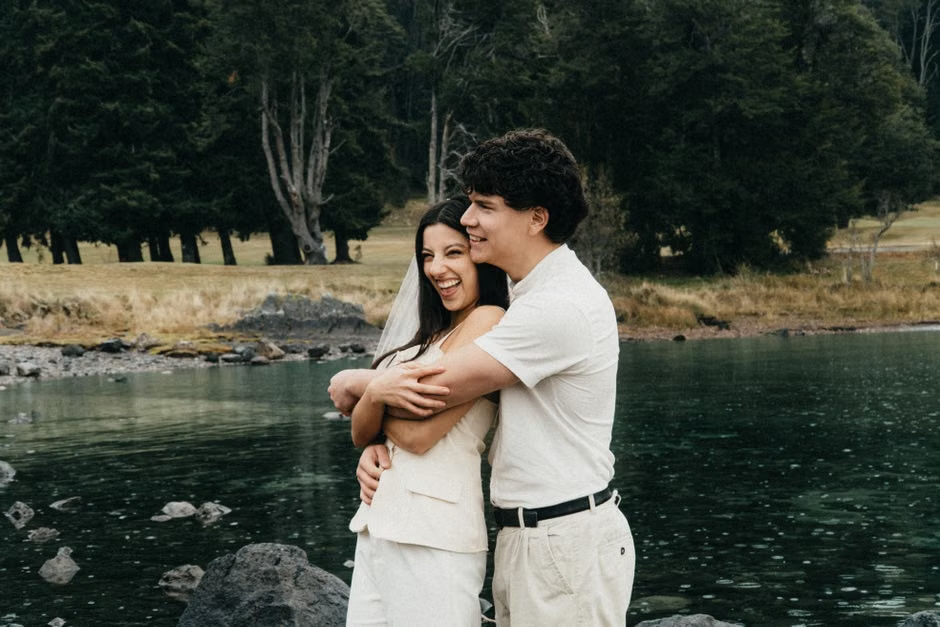
Design Suites Bariloche
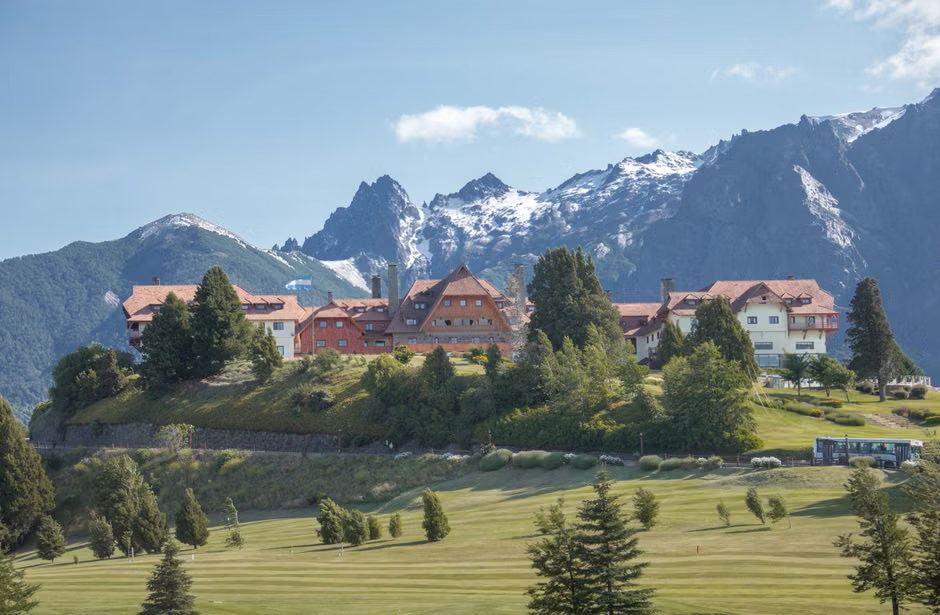
Hotel Edelweiss
Hotel Panamericano Bariloche
Hotel Tres Reyes
Hotel Nevada
Compare Bariloche with Other Top Destinations
Frequently Asked Questions
Is Bariloche a good destination for a wedding?
Yes. Bariloche is particularly well-suited to intimate destination weddings where the natural landscape is central to the experience. Nahuel Huapi Lake, the Andes backdrop, and the alpine forest setting create ceremony and reception environments that are genuinely extraordinary. It works best for guest lists of roughly 30–200 people, where the boutique-scale local venue inventory can deliver a cohesive, exclusive experience.
What is the best time of year to hold a celebration in Bariloche?
The best window is the Southern Hemisphere summer: December, January, February, and March. These months offer the warmest temperatures, the longest days — with sunset as late as 9:30–10 pm in January — and the most reliable conditions for outdoor events. Winter (June–August) brings heavy snow and limited outdoor access, and spring (September–November) is unpredictable with cold snaps and strong Andean winds.
How do guests get to Bariloche for a destination event?
Bariloche has its own airport (BRC) with regular direct flights from Buenos Aires, approximately two hours away. International guests typically fly into Buenos Aires first and connect domestically. The airport is about 15 km from the city centre. Rail access exists but is infrequent and impractical for most event guests. Private transfers from the airport are the standard arrangement for destination groups.
What size of guest group can Bariloche realistically accommodate?
Most Bariloche event properties are best suited to groups of 30–250 guests. The destination's boutique-scale venue inventory means very large events — 300 or more guests in a single space — are difficult to execute without significant logistical complexity. For intimate celebrations, this scale is actually an advantage, creating a more exclusive and personalised experience.
What kinds of venues are available for events in Bariloche?
The venue landscape is defined by lakeside resorts, alpine lodges, and boutique hotels rather than large convention halls. Many properties offer outdoor ceremony lawns with lake and mountain views, covered terraces for receptions, and indoor dining rooms for evening events. The Llao Llao peninsula area, about 25 km from the city centre, has some of the most scenically dramatic options with greater seclusion.
Can guests find accommodation easily during a destination event in Bariloche?
Generally yes, though early planning is essential. Bariloche is one of Argentina's most visited destinations, and peak summer dates — particularly January — see high demand from the general tourist market. For groups, coordinating a room block at or near the event venue well in advance (ideally 12–18 months for the best properties) is strongly advisable to avoid guests being spread across distant accommodation.
What local transport options exist for event guests once they arrive?
Within the city centre, taxis and ride-hailing services are available. For groups staying at more remote lakeside properties — particularly in the Llao Llao area — private transfers and chartered minibuses are the practical standard. The road connecting the city to the Llao Llao peninsula is well-maintained and scenic. A dedicated transport coordinator is recommended for groups spread across multiple properties.
How developed is the local event vendor ecosystem in Bariloche?
Reasonably well-developed for a Patagonian city of its size. Local wedding coordinators, caterers, florists, and photographers with destination event experience are available. Catering typically features Patagonian lamb, smoked meats, artisan chocolate, and regional wines. For highly specialised production needs — large staging, elaborate lighting — it is worth confirming local availability early, as some requirements may need to be sourced from Buenos Aires.
Is outdoor weather reliable enough for an outdoor ceremony in Bariloche?
During the summer window (December–March), outdoor events are generally viable, but Patagonian weather can be changeable even in summer — afternoon wind off the Andes and occasional cloud cover are not uncommon. A covered contingency plan is strongly recommended for any outdoor ceremony or reception. January and February tend to offer the most stable conditions within the summer season.
What makes Bariloche distinctive as a celebration destination compared to a typical city venue?
The primary distinction is the natural setting. Nahuel Huapi Lake, the Andes peaks, and the Patagonian forest create a visual and atmospheric backdrop that no urban venue can replicate. The destination's Swiss-influenced alpine architecture, boutique property scale, and the availability of exclusive-use lodge arrangements give celebrations a genuinely immersive, private character that is difficult to achieve in a larger city.
What activities can guests enjoy during a multi-day celebration in Bariloche?
The surrounding Nahuel Huapi National Park offers a strong range of guest programming: boat excursions on the lake, kayaking, hiking trails of varying difficulty, scenic drives along the Circuito Chico, and visits to the city's artisan chocolate shops and local breweries. These activities make multi-day destination events genuinely engaging for guests beyond the core celebration itself.

Ready to explore venues in Bariloche?
Bariloche: Destination Wedding & Celebration Venues in Argentine Patagonia
◆Bariloche is best suited to intimate, nature-immersive celebrations — destination weddings, milestone birthdays, and private retreats — where the setting itself is the centrepiece. Its primary vibe is Nature & Wilderness: Andean peaks, glacial lakes, and dense Patagonian forest frame every event. The destination works best in the Southern Hemisphere summer (December through March), when long days and mild temperatures make outdoor ceremonies genuinely comfortable. Air access via Bariloche International Airport is reasonable from Buenos Aires and other Argentine cities, though international guests will require a connection. The local hospitality ecosystem is well-developed for a Patagonian city of its size, with boutique and upscale properties capable of hosting events of up to a few hundred guests.
Bariloche at a Glance
| Category | Detail |
|---|---|
| Best For | Destination Weddings, Milestone Birthdays, Private Retreats, Honeymoon Celebrations |
| Primary Vibe | Nature & Wilderness |
| Other Vibes | Romantic, Alpine, Boutique, Scenic |
| Best Season | Summer (Jan, Feb, Mar, Dec) |
Why Choose Bariloche?
- Unmatched natural scenery: Nahuel Huapi Lake and the surrounding Andes provide a ceremony backdrop that is genuinely difficult to replicate — snow-capped peaks, mirror-still water, and ancient forest create a visual drama that no constructed venue can match.
- Boutique exclusivity: Many of Bariloche's best event properties are smaller, lodge-style or boutique resorts that can be partially or fully taken over by a wedding or celebration group, offering a level of privacy and personalisation rarely available in larger urban destinations.
- Swiss-Patagonian architectural character: The city's distinctive alpine-influenced stone-and-timber architecture gives venues a European mountain aesthetic that photographs exceptionally well and creates a cohesive, immersive atmosphere for multi-day events.
- Extended summer daylight: December and January in Patagonia bring very long days — sunset can fall as late as 9:30–10 pm — giving outdoor ceremonies and receptions an unusually generous golden-hour window.
- Established tourism infrastructure: Bariloche is one of Argentina's most visited destinations, which means local vendors — caterers, florists, photographers, transport operators — are experienced in serving discerning guests and can support event logistics at a meaningful scale.
- Natural activity programming: The surrounding national park offers kayaking, hiking, boat excursions on the lake, and scenic drives that give multi-day guest groups genuinely memorable pre- and post-event programming without leaving the area.
Which Celebrations Work Best in Bariloche?
- Destination Weddings: Bariloche is particularly well-suited to couples who want the landscape to be as much a part of the day as the ceremony itself. Lakeside lawns, mountain-view terraces, and forest clearings provide ceremony settings that feel genuinely extraordinary. The intimate scale of most local properties naturally suits guest lists of 30–200, making it ideal for close-circle celebrations rather than large-scale banquets.
- Milestone Birthdays & Anniversary Celebrations: The destination's combination of scenic grandeur and boutique hospitality makes it a strong choice for significant personal milestones — a 40th or 50th birthday, a silver or golden anniversary — where the experience of the place is itself the gift. Exclusive-use lodge arrangements work especially well for these formats.
- Private Retreats & Corporate Celebrations: Bariloche's national park setting and the availability of full-property buyouts at several lodges make it a credible choice for high-end corporate retreats, leadership off-sites, or incentive travel groups that want a celebration element built in. The outdoor activity ecosystem supports structured group programming.
- Honeymoon Extensions: While not a standalone event format, Bariloche is frequently used as a honeymoon destination immediately following a wedding held elsewhere in Argentina, and some couples choose to hold a small intimate ceremony here precisely because it doubles as the honeymoon location.
Venues & Event Spaces
Bariloche's event venue landscape is defined by lakeside and mountain-view resorts, alpine lodges, and boutique hotels rather than large convention-style banquet halls. The most distinctive properties sit on or near the shores of Nahuel Huapi Lake, offering outdoor ceremony lawns with direct water and mountain views, covered terraces for receptions, and indoor ballrooms or dining rooms for evening events. Several properties in the Llao Llao peninsula area — roughly 25 km west of the city centre — offer a more secluded, nature-immersed setting with the lake on multiple sides. City-centre properties tend to offer larger indoor capacities and easier guest logistics, while the more remote lakeside lodges trade scale for exclusivity and scenery. Outdoor spaces — forest clearings, lakeside jetties, mountain-view decks — are a genuine feature of the local venue offer and are a primary reason couples choose this destination. Most properties with event infrastructure can accommodate ceremonies, cocktail hours, and seated dinners within a single venue footprint, which simplifies logistics for destination groups.
Best Time to Celebrate
The curated best season for Bariloche events is Summer: January, February, March, and December. This is the Southern Hemisphere summer, and it represents the window when Patagonian weather is most reliably mild and outdoor events are genuinely viable.
- December & January are the peak of summer — the longest days, warmest temperatures (typically reaching the high teens to low twenties Celsius), and the most stable weather windows. These months are the strongest choice for outdoor ceremonies.
- February & March remain excellent, with slightly shorter days but often more settled weather than December. March in particular can offer beautiful autumn-edge light and fewer crowds than the January peak.
- April & May bring Patagonian autumn — temperatures drop noticeably, days shorten, and rainfall increases. Outdoor events become less reliable, though the autumn foliage can be visually striking for those willing to plan around the weather.
- June through August is winter in Bariloche — heavy snowfall, sub-zero overnight temperatures, and the closure or reduced operation of some event-facing properties. While the ski season draws tourists, it is not a practical window for outdoor celebrations and significantly limits venue options.
- September through November is spring, but Patagonian spring is notoriously unpredictable — cold snaps, strong winds off the Andes, and variable rainfall make outdoor event planning genuinely risky. It is generally not recommended for destination events unless the entire celebration can be held indoors.
Getting There & Local Connectivity
Bariloche is served by its own international airport (BRC), located approximately 15 km from the city centre, with regular direct flights from Buenos Aires (both Aeroparque and Ezeiza) and connections from other major Argentine cities. Flight time from Buenos Aires is roughly two hours. International guests will typically route through Buenos Aires, which has strong intercontinental connections from Europe, North America, and other South American hubs. The airport is small but functional, and during the summer season flight frequency increases to meet tourist demand.
Rail access exists via the El Tren Patagónico service connecting Bariloche to Viedma on the Atlantic coast, but this is a long-distance, infrequent service and is not a practical option for most event guests. Road access from other Patagonian towns is possible but involves significant distances.
Within Bariloche and the surrounding area, local transport for event groups typically relies on private transfers and chartered minibuses. The road between the city centre and the Llao Llao peninsula — the Circuito Chico — is well-maintained and scenic, but guests staying at more remote properties will need coordinated transport for any city-side activities. Taxis and ride-hailing services operate in the city centre. For groups spread across multiple properties, a dedicated transport coordinator is strongly advisable.
Local Vendor & Hospitality Ecosystem
Bariloche has a more developed event vendor ecosystem than most Patagonian cities of comparable size, driven by decades of high-end tourism and a steady flow of destination weddings. Local wedding coordinators and event planners with genuine experience in destination celebrations are available, and many of the larger properties have in-house event teams. Catering quality is generally strong, with a regional emphasis on Patagonian lamb, locally smoked meats, artisan chocolate (Bariloche is Argentina's chocolate capital), and Patagonian wines from nearby Río Negro and Neuquén valleys.
Floral and décor vendors exist locally, though for very large or highly specific design briefs, some couples choose to bring in additional suppliers from Buenos Aires. Photography and videography professionals experienced in outdoor, natural-light Patagonian settings are well-represented locally. For events requiring significant production — large lighting rigs, elaborate staging, live bands — it is worth confirming local availability early, as the market is smaller than in Buenos Aires and peak summer dates book out well in advance.
Pros & Things to Consider
Why Bariloche Works Well
- Genuinely extraordinary natural scenery that elevates every event photograph and guest memory
- Boutique and exclusive-use property options that create a private, immersive experience for destination groups
- Long summer days providing extended outdoor event windows with exceptional natural light
- Well-established local hospitality and vendor ecosystem relative to its size
- Strong activity programming options in the national park for multi-day guest groups
- Distinctive alpine-Patagonian aesthetic that gives events a genuinely unique visual identity
Things to Consider
- Guest lists are naturally constrained by local venue capacity — very large events (300+ guests) are difficult to accommodate without significant logistical complexity
- International guests face a multi-leg journey: intercontinental flight to Buenos Aires, then a domestic connection to Bariloche, which adds travel time and cost
- Patagonian weather, even in summer, can be changeable — wind off the Andes and afternoon cloud cover are not uncommon, and outdoor events should always have a covered contingency plan
- Peak summer dates (especially January) are in high demand from the general tourist market, meaning accommodation and venue availability requires early planning — sometimes 12–18 months in advance for the best properties
- The local vendor market, while competent, is smaller than in major cities — highly specialised production requirements may need to be sourced from Buenos Aires with associated logistics
When Bariloche May Not Be the Right Fit
- Very large guest lists: If your celebration requires seating 400 or more guests in a single venue, Bariloche's boutique-scale property inventory will likely not comfortably support it without significant compromise on setting or experience quality.
- Guests with limited travel flexibility: For a guest list that includes many elderly guests, young children, or people with limited ability to manage multi-leg international travel, the journey to Bariloche — particularly for guests coming from outside Argentina — may be genuinely burdensome.
- Events planned outside the summer window: If your preferred dates fall between May and November, Bariloche's weather and seasonal venue closures make it a risky choice for outdoor-dependent celebrations. A different destination with a more forgiving year-round climate would serve those dates better.
- Celebrations requiring urban amenities at scale: If your event brief includes large-scale nightlife, extensive shopping access, or a wide variety of restaurant options for guests to explore independently, Bariloche's relatively small city centre may feel limiting compared to a major metropolitan destination.