
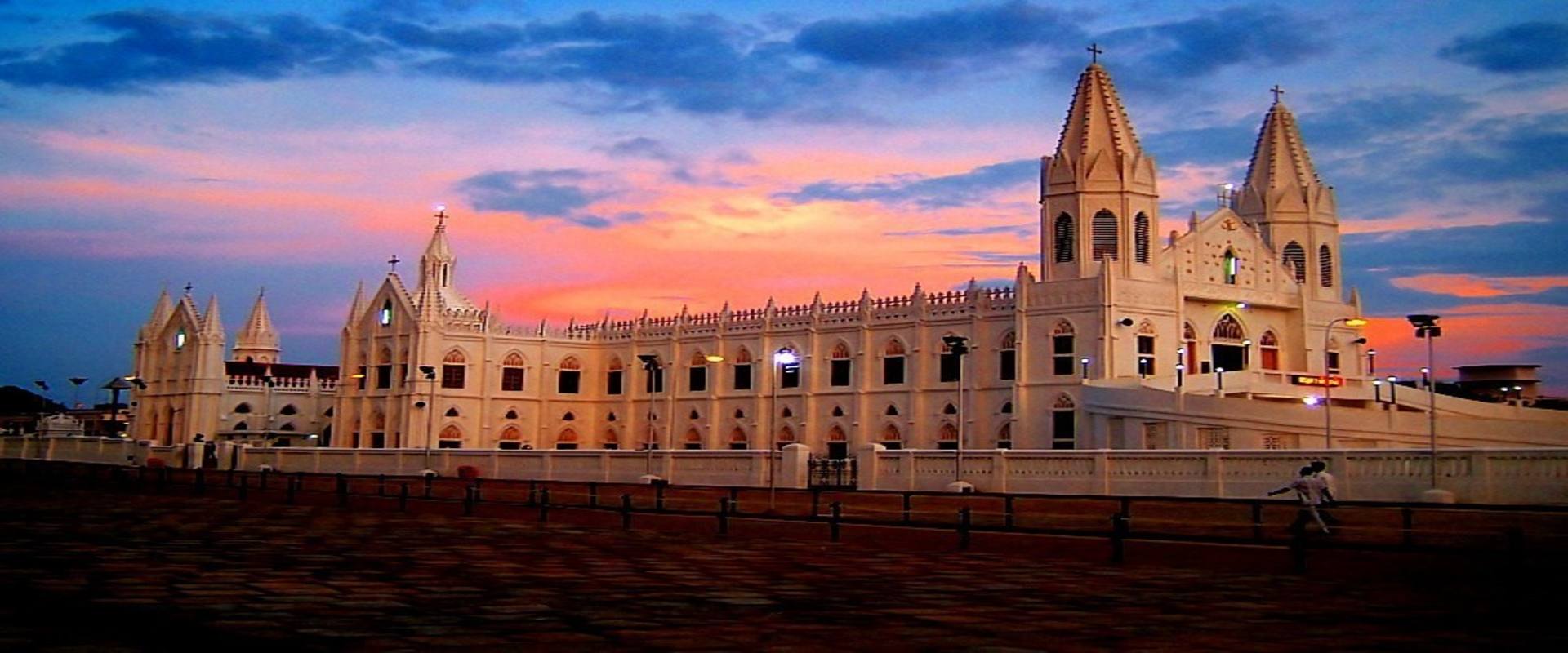
Why Velankanni is Perfect for Your Celebration
- Home to the iconic Basilica of Our Lady of Good Health — one of India's most visited pilgrimage sites, lending unmatched spiritual gravitas to any faith-centred event
- Vibrant annual festival season (especially August–September Feast) creates a ready-made cultural backdrop for community and religious gatherings
- Pongal celebrations here carry deep Tamil cultural authenticity, with local folk traditions and community participation
- Beachside setting along the Bay of Bengal provides a serene, scenic backdrop for outdoor ceremonies and family reunions
- Strong local hospitality ecosystem geared toward large pilgrim groups — experienced in managing high-volume, multi-day stays
- Compact, walkable town centre makes guest logistics straightforward for group events
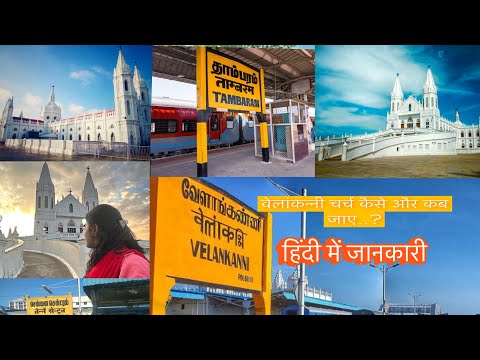
Top Venues in Velankanni
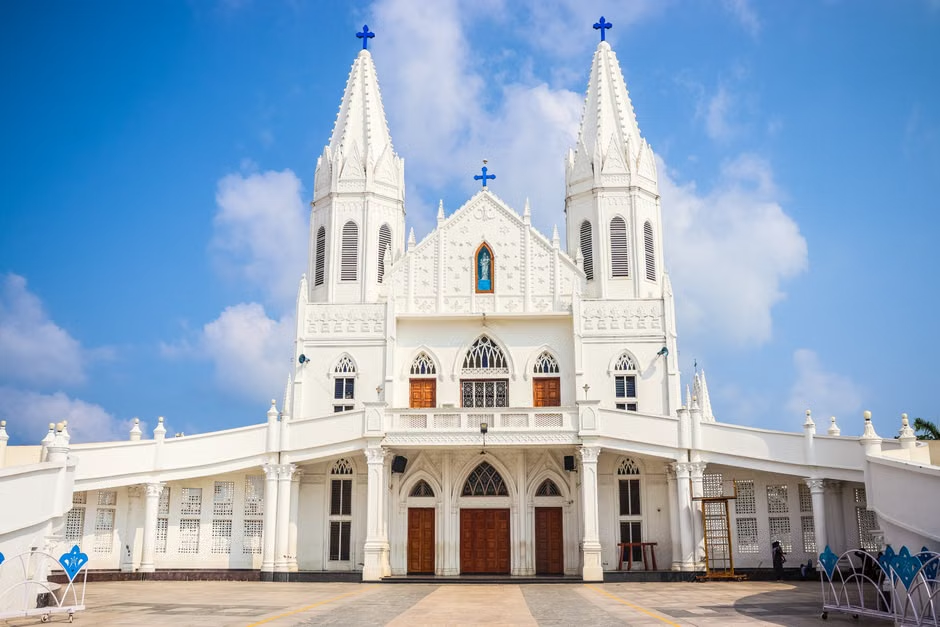
Hotel Sea View
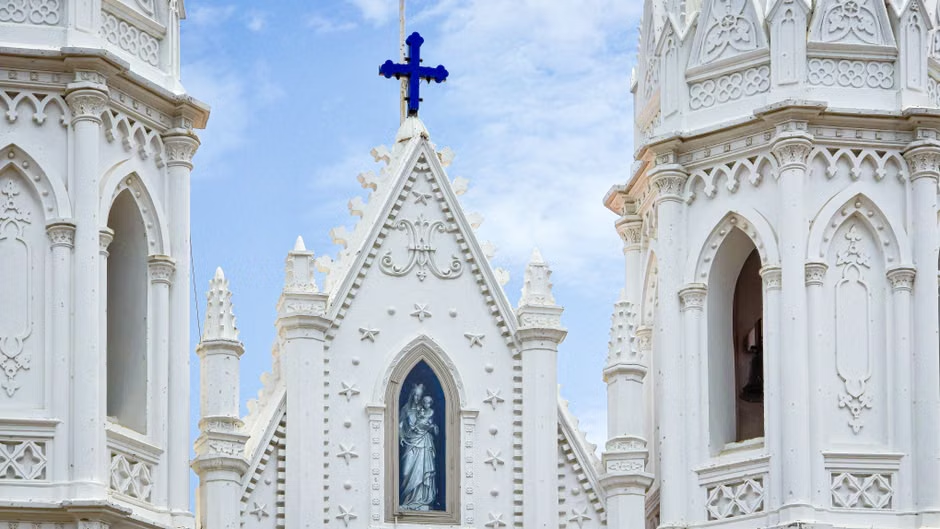
Hotel Annai Velankanni
Compare Velankanni with Other Top Destinations
Frequently Asked Questions
Is Velankanni a good destination for a Pongal celebration?
Yes, Velankanni is particularly well-suited for Pongal celebrations. The town's deep Tamil cultural roots, active community participation, and available open spaces and community halls make it an authentic setting for the harvest festival's cooking rituals, folk performances, and communal feasting. Celebrating Pongal here connects the occasion to living coastal Tamil traditions rather than a staged event environment.
What size of guest group can Velankanni realistically accommodate for an event?
Velankanni's venue and accommodation infrastructure is best suited to community-scale gatherings of roughly 100–500 guests. The town's hotels, community halls, and pilgrim rest houses are experienced in managing large group stays, but very large-scale events requiring a single grand venue for 1,000+ guests may find the local inventory stretched. Spreading guests across multiple properties is common and generally well-managed here.
What is the best time of year to plan a spiritual gathering or pilgrimage event in Velankanni?
November through February is the optimal window. The coastal climate is at its most comfortable — lower humidity, moderate temperatures, and reliable dry weather — making multi-day outdoor and semi-outdoor gatherings practical. This period also aligns with Pongal in mid-January. The August–September feast season is culturally the most vibrant but brings monsoon-transition weather and extremely high accommodation demand.
How do guests typically travel to Velankanni?
Rail is the most practical option for most guests. Velankanni has its own railway station with direct services from Chennai, Coimbatore, and other Tamil Nadu cities. Guests flying in typically arrive at Tiruchirappalli International Airport and travel onward by road — a journey of roughly 90 km. Road access from Nagapattinam (approximately 12 km away) is straightforward for those arriving by bus or private vehicle.
What kinds of event spaces are available in Velankanni?
Velankanni offers hotel banquet halls and open lawns, church-affiliated and community halls, beachside open spaces, and pilgrim rest house gathering areas. These are practical, community-scale spaces well-suited to religious functions, cultural gatherings, and folk festivals. The town does not currently have the kind of luxury resort ballroom or heritage palace venue infrastructure found in larger event destinations.
Is Velankanni suitable for a temple festival or religious family function?
Yes. Velankanni's sacred atmosphere — centred on the Basilica of Our Lady of Good Health and a calendar of local religious festivals — makes it a natural fit for temple festivals and religious family functions such as thanksgiving prayers, naming ceremonies, and family pilgrimage gatherings. The local community and hospitality ecosystem is experienced in supporting faith-centred multi-day events.
How far in advance should accommodation be booked for a group event in Velankanni?
For events during the November–February peak season, booking 3–6 months in advance is advisable. During the annual feast period in August–September, accommodation fills extremely quickly and bookings 6–12 months ahead are strongly recommended. Outside these peak windows, shorter lead times are generally manageable, though group bookings always benefit from early confirmation.
Are local catering and event vendors available in Velankanni?
Yes, for community-scale events. The town has a well-developed catering industry experienced in large-group Tamil feast-style meals — a direct result of the pilgrim economy. Basic decoration, lighting, and folk entertainment vendors are also available locally. For high-production event design, luxury catering, or professional AV, vendors are typically sourced from Nagapattinam, Thanjavur, or Chennai.
What makes Velankanni distinctive as an event destination compared to a typical resort town?
Velankanni's distinctiveness lies in its living devotional identity. The town is not a purpose-built event destination — it is a genuine pilgrimage centre with a centuries-old sacred tradition, active community participation in festivals, and a coastal folk culture that is authentically Tamil. Events held here carry a cultural and spiritual weight that a resort setting cannot replicate, which is its primary draw for the right event type.
Is Velankanni safe for large family groups and elderly guests?
Yes, Velankanni is generally considered very safe for family groups including elderly guests and children. The town is compact and walkable, the local community is accustomed to welcoming large pilgrim groups of all ages, and the overall atmosphere is calm and orderly outside major festival peak periods. Standard group travel precautions apply, particularly during the high-crowd feast season.
Can Velankanni host a cultural festival gathering with folk performances?
Yes. The region has a living tradition of Tamil folk music, Kolattam, Bharatanatyam, and coastal fishing community performance arts. Local folk performers are available for hire and experienced in community event contexts. Community halls and beachside open spaces provide suitable venues for cultural programme evenings, making Velankanni a genuinely authentic setting for cultural festival gatherings.

Ready to explore venues in Velankanni?
Velankanni: Spiritual Gatherings, Pilgrim Events & Celebration Venues
◆Velankanni is a small but nationally significant pilgrimage town on the Coromandel Coast of Tamil Nadu, best suited to spiritual gatherings, Pongal celebrations, temple festivals, religious family functions, and community-oriented events. Its primary identity is devotional — anchored by the Basilica of Our Lady of Good Health, one of India's most visited sacred sites — and its event ecosystem reflects that: strong on community hospitality, culturally rich, and genuinely suited to faith-centred and folk-cultural celebrations. The town is accessible by rail from major Tamil Nadu cities and by road, though air access requires a transfer via Tiruchirappalli. Accommodation is predominantly in the mid-range tier, making it a practical choice for large pilgrim-style group stays.
Velankanni at a Glance
| Category | Details |
|---|---|
| Best For | Pongal Celebration, Spiritual / Pilgrimage Gathering, Temple Festival, Cultural Festival Gathering |
| Primary Vibe | Spiritual & Soulful |
| Other Vibes | Coastal & Serene, Community-Centred, Culturally Rooted |
| Best Season | Winter (November–February) |
Why Choose Velankanni?
- Unmatched spiritual gravitas: The Basilica of Our Lady of Good Health is among the most revered pilgrimage sites in South Asia, lending an authentic sacred atmosphere that no purpose-built event venue can replicate — ideal for faith-centred gatherings and religious family functions.
- Deep Tamil cultural roots: Velankanni's calendar is woven with Tamil folk traditions, local festivals, and community rituals, making it a genuinely authentic setting for Pongal celebrations and cultural festival gatherings rather than a staged tourist experience.
- Beachside coastal setting: The town sits directly on the Bay of Bengal, offering a naturally scenic backdrop for outdoor ceremonies, community gatherings, and family reunions without requiring elaborate décor.
- Experienced in large-group hospitality: Because the town regularly hosts hundreds of thousands of pilgrims annually, its local hospitality infrastructure — guesthouses, community halls, catering services — is well-practised at managing large, multi-day group stays.
- Compact, walkable town centre: The core of Velankanni is small enough that guests can move between the basilica, beach, and accommodation on foot or by short auto-rickshaw rides, reducing the logistical complexity of group transport.
- Relatively low commercial noise: Unlike larger tourist cities, Velankanni retains a quieter, more contemplative character outside its major festival periods, which suits intimate spiritual retreats and family ceremonies seeking a peaceful environment.
Which Celebrations Work Best in Velankanni?
- Pongal Celebration: Pongal is one of Tamil Nadu's most important harvest festivals, and celebrating it in Velankanni connects the occasion to deep coastal Tamil traditions. Local communities participate actively, and the town's open spaces and community halls are well-suited to the cooking rituals, folk performances, and communal feasting that define the festival.
- Spiritual / Pilgrimage Gathering: This is Velankanni's strongest suit. The presence of the Basilica of Our Lady of Good Health — drawing pilgrims of multiple faiths — makes the town a natural anchor for organised pilgrimage tours, prayer retreats, and inter-faith spiritual gatherings of any scale.
- Temple Festival: The town's annual feast (typically in August–September) is one of the largest religious festivals in South India, but smaller temple and church festivals occur throughout the year. Groups organising their own festival-aligned gatherings will find the local atmosphere highly supportive and participatory.
- Cultural Festival Gathering: Velankanni's blend of Tamil folk music, coastal fishing community traditions, and Catholic devotional culture creates a genuinely layered cultural environment. Organised cultural gatherings — folk performances, traditional arts showcases, community storytelling events — find a receptive and authentic local context here.
- Local Folk Festival / Fair: The region around Velankanni has a living tradition of local fairs and folk performances tied to the agricultural and fishing calendar. Groups interested in experiencing or incorporating authentic Tamil folk culture into their event will find willing local performers and a supportive community environment.
- Religious Family Function: Naming ceremonies, thanksgiving prayers, family pilgrimages, and other faith-centred family milestones are a natural fit for Velankanni's sacred setting. The town's guesthouses and community halls are accustomed to hosting extended family groups for multi-day religious occasions.
Venues & Event Spaces
Velankanni's venue landscape is shaped by its identity as a pilgrimage town rather than a leisure resort destination. The primary event spaces available include:
- Hotel banquet halls and open lawns: Several mid-range hotels along the beach road and town centre offer banquet halls and outdoor spaces suitable for gatherings of 100–300 guests. These are practical rather than palatial, but well-suited to community-style events.
- Community and parish halls: The town has a number of church-affiliated and community-run halls that are commonly used for religious family functions, prayer gatherings, and cultural programmes. These spaces are typically large, functional, and experienced in managing group catering.
- Beachside open spaces: The coastline adjacent to the town offers natural open-air settings for informal gatherings, folk performances, and community celebrations, particularly during the cooler winter months.
- Pilgrim rest houses and dharamshalas: For large pilgrim-style groups prioritising proximity to the basilica over event amenities, the town has a range of pilgrim accommodation complexes with attached gathering spaces.
It is worth noting that Velankanni does not currently have the kind of luxury resort or heritage palace venue infrastructure found in larger event destinations. Groups requiring grand ballrooms, five-star banquet facilities, or elaborate destination-wedding-scale production spaces will find the local inventory limited — the town's strengths lie in authentic, community-scale event hosting rather than high-production luxury events.
Best Time to Celebrate
The winter months of November through February are the clear optimal window for events in Velankanni. During this period, temperatures along the Coromandel Coast typically range from the mid-20s to low 30s Celsius, with lower humidity than the rest of the year and a reliable coastal breeze that makes outdoor gatherings genuinely comfortable. This season also aligns with Pongal (mid-January), making it the natural peak for Tamil cultural celebrations.
The rest of the year presents meaningful challenges:
- March to May brings intensifying heat and humidity, with temperatures regularly exceeding 35°C and coastal humidity making outdoor events uncomfortable. This period is generally unsuitable for large outdoor gatherings.
- June to September is the Southwest Monsoon season. While Velankanni's direct monsoon exposure is somewhat moderated compared to the west coast, rainfall is still significant, seas are rough, and outdoor event planning becomes unreliable.
- October to early November is the Northeast Monsoon season, which affects the Coromandel Coast more directly than the Southwest Monsoon. This is typically the wettest period for Velankanni specifically, with heavy and sometimes cyclone-associated rainfall — the highest-risk window for outdoor events.
The August–September period, while climatically challenging (falling in the monsoon transition), is when the town's famous annual feast takes place and draws its largest crowds. Groups wishing to attend or align with this festival should plan for high accommodation demand, limited availability, and the possibility of rain — but will experience Velankanni at its most vibrant and culturally alive.
Getting There & Local Connectivity
Velankanni is accessible by multiple modes of transport, though it requires some planning for guests travelling from outside Tamil Nadu:
- By air: The nearest airport with meaningful connectivity is Tiruchirappalli International Airport (TRZ), approximately 90 km from Velankanni. From there, guests can travel onward by road. Chennai International Airport is a further option for those connecting from major metros, with road or rail onward travel. Neither option is a short transfer, so air-travelling guests should factor in additional journey time.
- By rail: Velankanni has its own railway station with direct train services from Chennai, Coimbatore, and several other Tamil Nadu cities, as well as connections from further afield during peak pilgrimage seasons. Rail is generally the most practical and comfortable option for guests travelling from within Tamil Nadu and neighbouring states.
- By road: The town is well-connected by state highways to Nagapattinam (the nearest major town, approximately 12 km away) and to the broader Tamil Nadu road network. Private buses, taxis, and auto-rickshaws are readily available for local movement.
- Local transport: Within Velankanni itself, the town is compact enough that most key locations — the basilica, beach, hotels, and community halls — are reachable by auto-rickshaw or on foot. For larger groups, local tempo travellers and mini-buses can be arranged through local operators.
Local Vendor & Hospitality Ecosystem
Velankanni's vendor and hospitality ecosystem is shaped almost entirely by its role as a pilgrimage destination, which has both strengths and limitations for event planners:
- Catering: The town has a well-developed local catering industry experienced in feeding large groups — a direct result of the pilgrim economy. Tamil vegetarian and non-vegetarian feast-style catering is widely available and generally reliable for community-scale events. Specialised wedding catering or multi-cuisine banquet menus may require vendors to be brought in from Nagapattinam or further afield.
- Decoration and event production: Basic floral decoration, lighting, and stage setup vendors are available locally, particularly those experienced in religious and community event aesthetics. High-production event design — elaborate mandap construction, luxury floral installations, professional AV production — will typically need to be sourced from Nagapattinam, Thanjavur, or Chennai.
- Photography and entertainment: Local photographers and folk performers (traditional music, Bharatanatyam, Kolattam) are available and experienced in community and religious event contexts. For destination-wedding-scale photography or entertainment production, external vendors are advisable.
- Accommodation management: The town's guesthouses and hotels are experienced in managing large group bookings, particularly for pilgrim-style stays. Advance booking is essential during the November–February peak season and critical during the August–September feast period.
Pros & Things to Consider
Why Velankanni Works Well
- Authentic, deeply felt spiritual atmosphere that cannot be manufactured — genuinely meaningful for faith-centred events
- Strong community hospitality infrastructure built around large-group pilgrim stays
- Beautiful coastal setting along the Bay of Bengal, naturally scenic for outdoor gatherings
- Rich Tamil cultural and folk tradition ecosystem, ideal for Pongal and cultural festival events
- Compact, walkable town centre simplifies group logistics
- Rail connectivity from major Tamil Nadu cities makes guest travel practical
- Relatively peaceful and contemplative atmosphere outside major festival periods
Things to Consider
- Luxury venue infrastructure is limited — groups expecting five-star banquet halls or palace-style settings will find the local inventory does not match that expectation
- Air access requires a transfer via Tiruchirappalli or Chennai, adding journey time for guests flying in from outside the region
- The Northeast Monsoon (October–November) brings heavy coastal rainfall that can significantly disrupt outdoor event plans
- During the annual feast (August–September), accommodation availability is extremely tight and must be booked many months in advance
- High-production event vendors (luxury décor, professional AV, multi-cuisine catering) often need to be sourced from outside the town
- The town's strong religious identity means it is not a neutral secular event space — the atmosphere is devotional, which is a strength for the right event type but may feel incongruous for purely social or commercial events
When Velankanni May Not Be the Right Fit
- Large-scale luxury destination weddings: Groups planning a high-production wedding with luxury resort venues, grand ballrooms, and elaborate décor will find Velankanni's current venue inventory insufficient. A destination with a more developed luxury hospitality sector would be a better match.
- Monsoon-season outdoor events: Any event planned between October and early November (Northeast Monsoon) or June to September (Southwest Monsoon transition) that relies on outdoor spaces faces a genuine risk of disruption from coastal rainfall. A destination with more reliable dry-season windows would be more suitable for outdoor-dependent events in those months.
- Guests requiring direct air connectivity: If a significant portion of the guest list is flying in from metros or international destinations and requires a short, direct airport transfer, Velankanni's distance from the nearest well-connected airport adds meaningful travel complexity. A destination with a closer or better-served airport would ease guest logistics considerably.
- Purely secular or commercial events: Velankanni's identity is fundamentally devotional. Corporate events, purely social parties, or secular celebrations that have no connection to the town's spiritual or cultural character may feel out of place here — and the local vendor ecosystem is not optimised for those event types.