
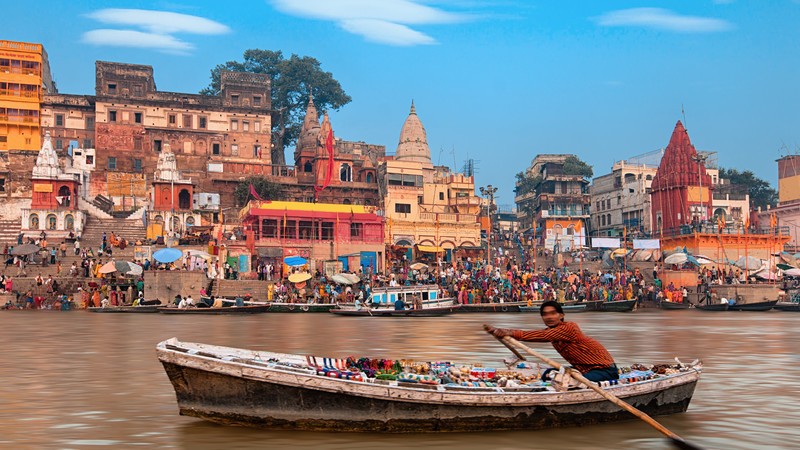
Why Varanasi is Perfect for Your Celebration
- Iconic Ganges ghats provide a one-of-a-kind ceremonial backdrop unavailable anywhere else in India
- Home to some of Hinduism's most sacred temples, ideal for traditional temple weddings and religious functions
- Dev Deepawali transforms the entire riverfront into a sea of lamps — a spectacular setting for milestone celebrations
- A mature hospitality ecosystem with heritage havelis, riverside hotels, and experienced local event vendors
- Winter months (November–February) offer cool, comfortable weather perfectly suited to outdoor ghat ceremonies
- Deep cultural infrastructure — classical music, Banarasi silk, traditional cuisine — enriches every event naturally

Top Venues in Varanasi
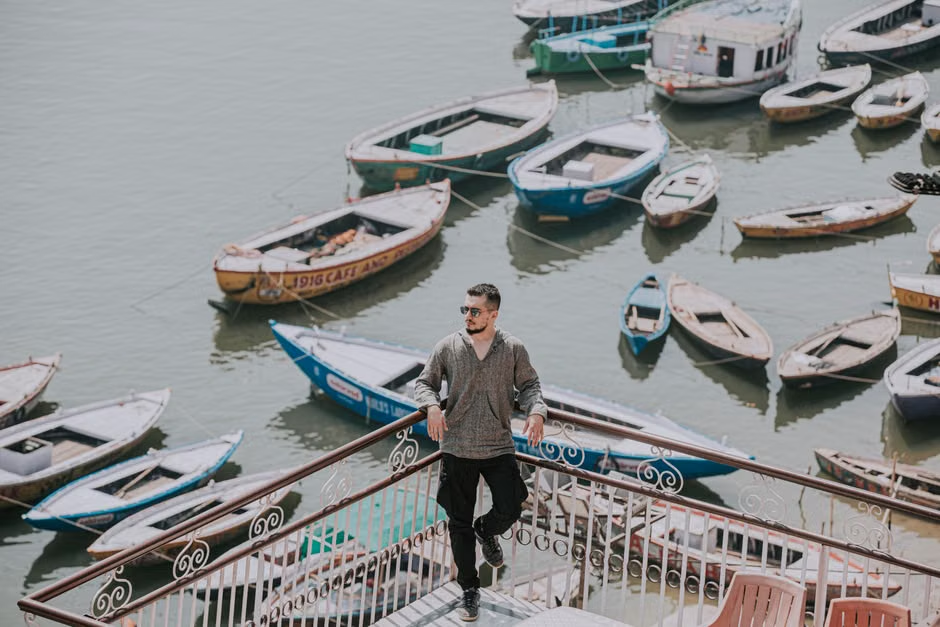
Taj Ganges
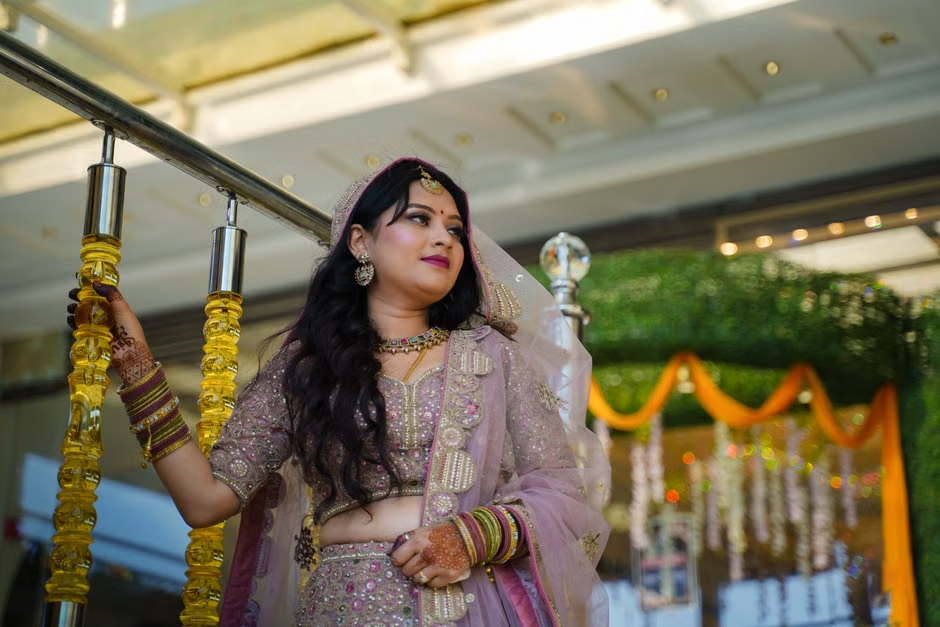
Radisson Hotel Varanasi
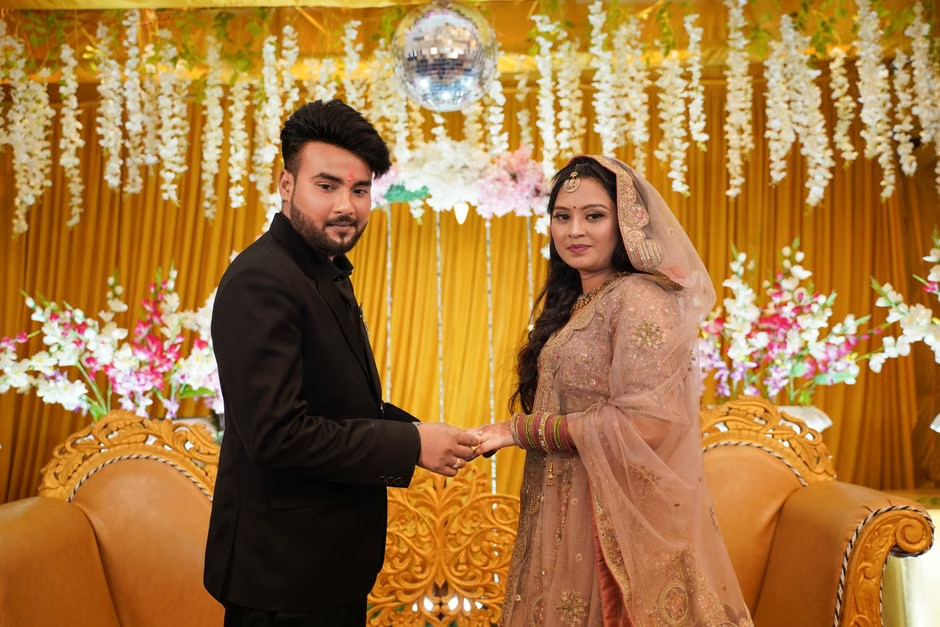
Rivatas by Ideal
StayVista at The Vara House
Hotel Surya
Ramada by Wyndham Varanasi
Hotel Alka
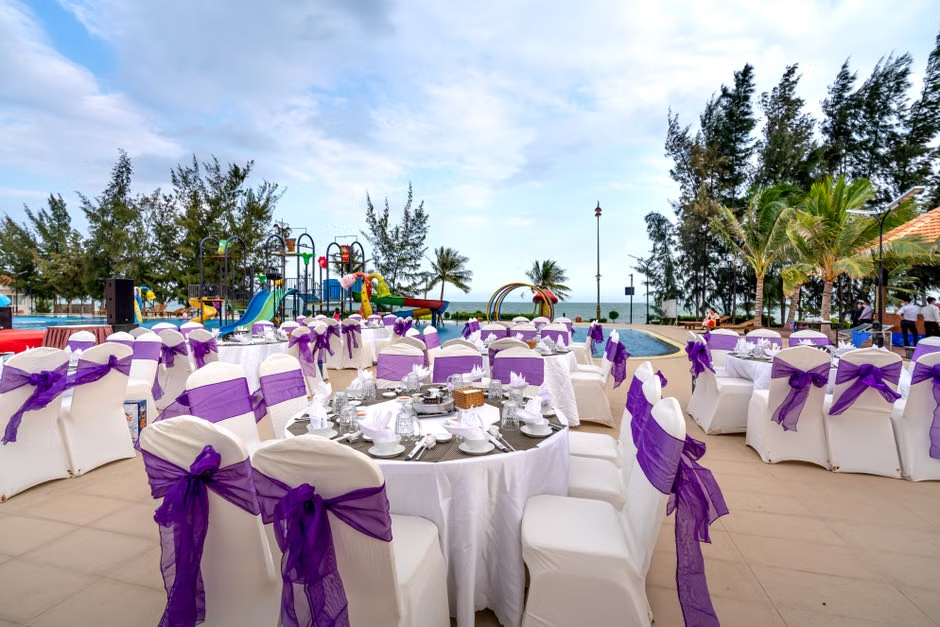
THE GAUTAM RESORT BY SND HOSPITALITY
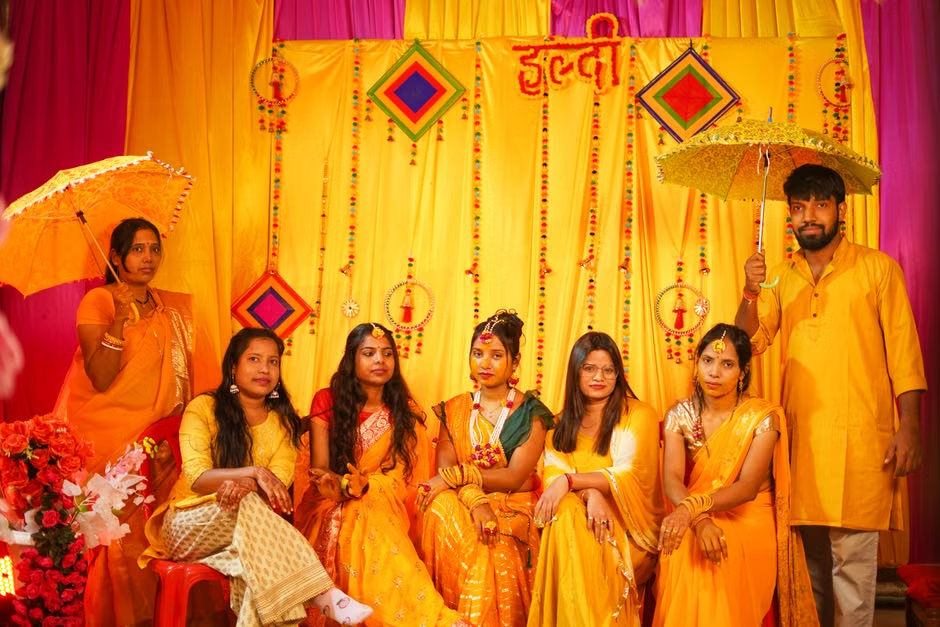
Sterling Varanasi
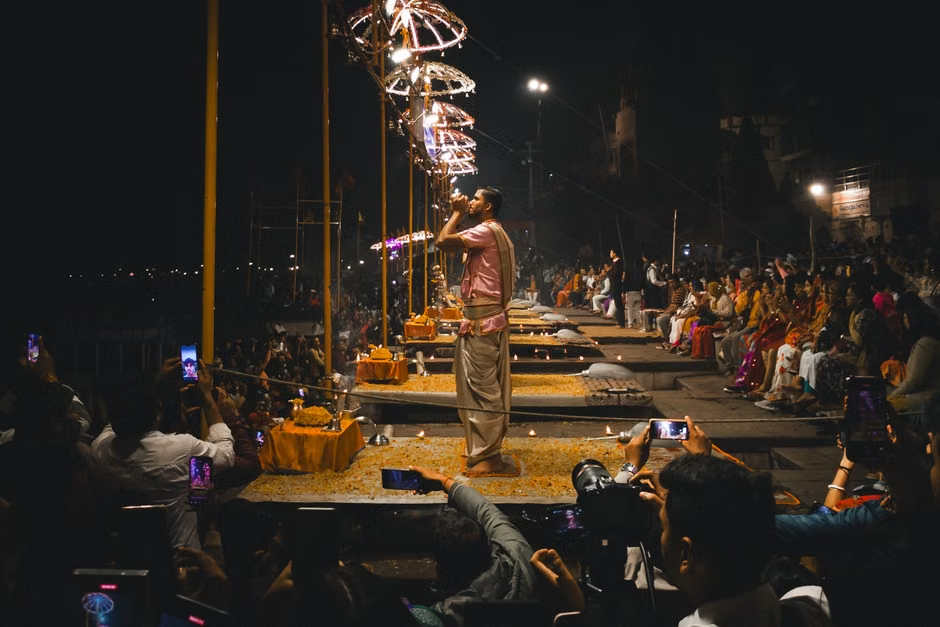
Allure of Kashi
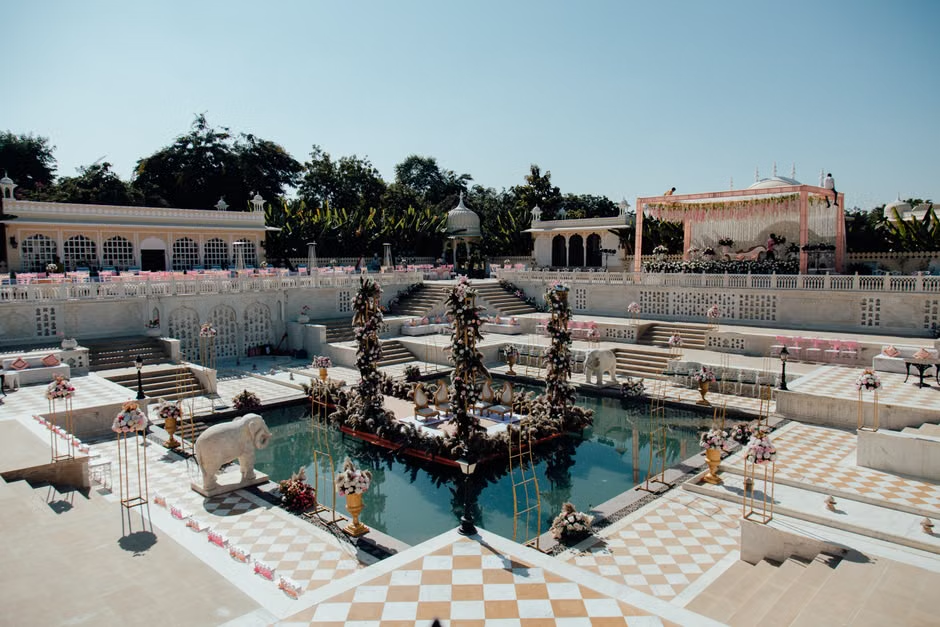
Nandgaon Kashi Resort & Spa
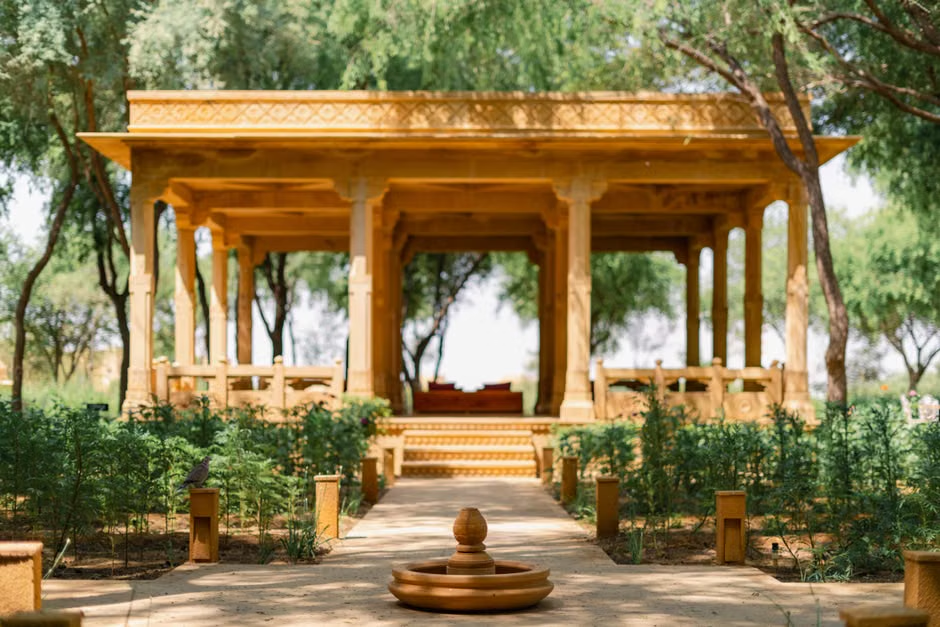
Frosty Fern Hotel & Resort
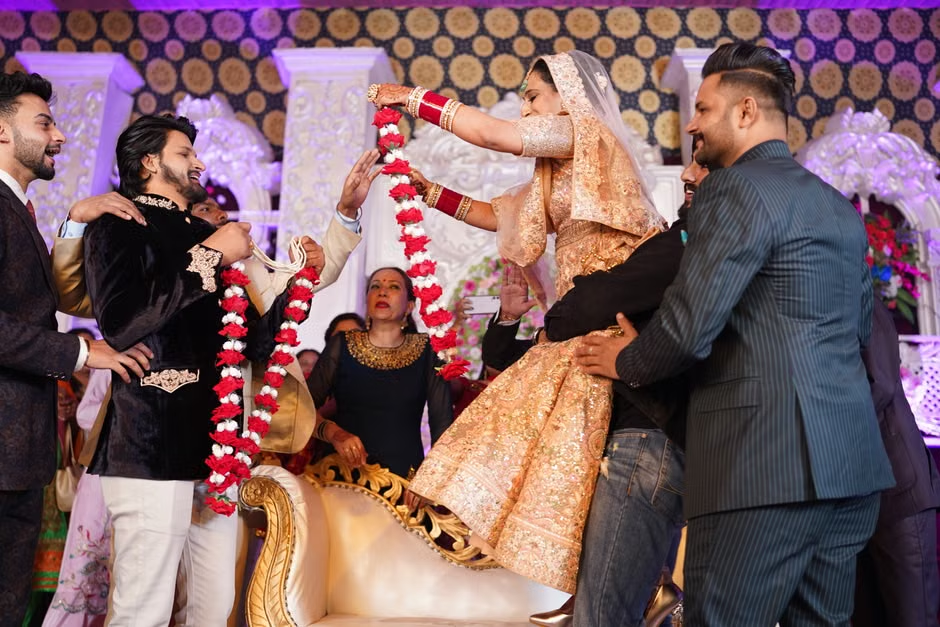
SKS Saffron Suites
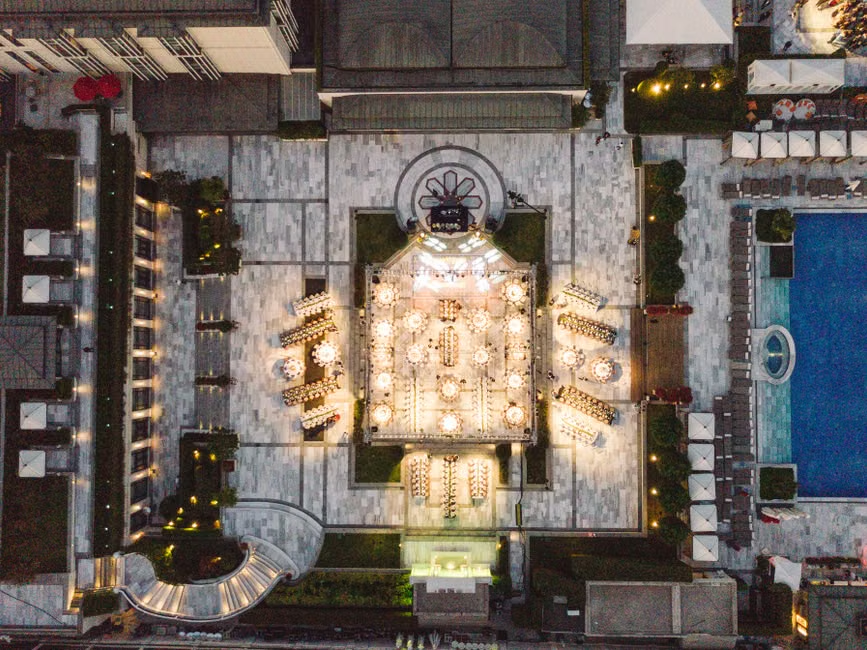
The pinaki
Hotel Hardik Palacio Varanasi
Sri Mahadev Home stay
Compare Varanasi with Other Top Destinations
Frequently Asked Questions
Is Varanasi a good destination for a traditional Hindu temple wedding?
Yes, it is among the strongest destinations in India for this purpose. Varanasi's density of historically significant, active temples — including Kashi Vishwanath — combined with an experienced local priest community and established ritual infrastructure makes it particularly well-suited to traditional Hindu temple weddings. The sacred geography of the Ganges ghats adds a ceremonial depth that purpose-built wedding venues cannot replicate.
What is Dev Deepawali and why is it significant for celebrations in Varanasi?
Dev Deepawali falls on Kartik Purnima, typically in November, and sees the entire Ganges riverfront illuminated with hundreds of thousands of earthen lamps. It is one of the most visually spectacular events in India. Hosting a family gathering, milestone celebration, or community event during this period means the city's own festival becomes the backdrop — no additional theming or décor can match the scale of the natural spectacle.
What guest group sizes can Varanasi venues realistically accommodate?
Varanasi's venue inventory is best suited to events in the range of 50 to 400 guests. Riverside luxury hotels can handle mid-to-large receptions and banquets, while heritage havelis are better suited to intimate gatherings of 50–150. Very large events exceeding 500 guests may find the local venue and vendor infrastructure stretched, and the old city's access constraints add logistical complexity for very large groups.
What is the best time of year to plan a wedding or celebration in Varanasi?
November through February is the optimal window. Temperatures are cool and comfortable (roughly 8°C–22°C), the air is clear, and outdoor ghat ceremonies are genuinely pleasant. November also includes Dev Deepawali. The summer months (April–May) bring extreme heat above 38°C, and the monsoon (June–September) makes outdoor events impractical. October is a transitional shoulder month that can work but carries some residual monsoon risk.
How do guests typically travel to Varanasi for a destination event?
Varanasi is served by Lal Bahadur Shastri International Airport with direct flights from Delhi, Mumbai, Bengaluru, Kolkata, and other major cities. Varanasi Junction is a major railway station with excellent connections across northern and central India, making train travel a practical option for many guests. For peak-season events — particularly around Dev Deepawali and the winter wedding season — group travel bookings should be made well in advance.
Is Varanasi suitable for a religious family function like a mundan or thread ceremony?
Yes, and it is specifically sought out for this purpose. Many Hindu families consider Varanasi — Kashi — the most auspicious location in India for samskara rituals including mundan, upanayana, and annaprashan. The city has a large, experienced community of priests familiar with a wide range of regional Hindu traditions, and the ritual infrastructure (temple access, sacred river proximity, ritual materials) is well-organised for family functions of this kind.
What kinds of venues are available for events in Varanasi?
The venue landscape includes riverside luxury hotels with banquet halls and lawns, restored heritage havelis suited to intimate gatherings, ghat-side open spaces for ceremonial functions, and temple premises for religious ceremonies. The old city's heritage havelis offer particular character for smaller pre-wedding functions, while hotels in the Cantt and Mahmoorganj areas provide more conventional banquet infrastructure for larger receptions.
How does local transport work for a large wedding group in Varanasi?
The broader city — Cantt area, Mahmoorganj, airport corridor — is navigable by car and auto-rickshaw. However, the old city and ghat areas have extremely narrow lanes inaccessible to larger vehicles, so guests typically walk the final stretch to ghat-side venues. This is a standard part of the Varanasi event experience, but it should be factored into planning for elderly guests or those with mobility considerations. Experienced local event coordinators are generally well-versed in managing this split-logistics reality.
What makes Varanasi's local catering and hospitality ecosystem suited to religious events?
Varanasi's catering culture is predominantly vegetarian and sattvic, which aligns naturally with religious functions and temple weddings. The city has a well-developed network of caterers experienced in traditional Banarasi thali formats, sweets, and chaats. Its pilgrimage economy means hospitality operators are accustomed to managing large groups with diverse needs. Priest coordination is particularly strong, with a large pool of experienced priests familiar with varied regional Hindu traditions.
Are there any practical constraints to be aware of when planning an event near the ghats?
Yes. Vehicle access to ghat-side venues is limited by the old city's narrow lanes — guests walk the final approach. Noise restrictions near active temple precincts can affect late-night music and sound systems. Alcohol service is restricted or unavailable in certain areas given the city's religious character. Events during major festivals like Dev Deepawali or Mahashivratri require accommodation and logistics to be secured significantly in advance due to very high demand.
Is Varanasi suitable for a Spiritual or Pilgrimage Gathering that combines a family event with a religious visit?
Yes, and this is one of the formats Varanasi handles most naturally. The city's entire infrastructure — temples, ghats, priests, pilgrimage logistics — is oriented around receiving groups combining devotion with family gathering. Events that include a ritual dip at the ghats, a Kashi Vishwanath darshan, and an evening Ganga Aarti viewing alongside a private family function are well-supported by local operators experienced in exactly this combination.

Ready to explore venues in Varanasi?
Varanasi: Spiritual Weddings, Festival Celebrations & Sacred Event Venues
◆Varanasi is India's foremost destination for spiritually rooted celebrations — temple weddings, Dev Deepawali gatherings, religious family functions, and pilgrimage-linked events. Its primary vibe is Spiritual & Soulful, anchored by the sacred Ganges ghats, ancient temples, and a living cultural heritage that actively shapes every event held here. The best season runs from November through February, when cool, dry weather makes outdoor ghat ceremonies and riverside functions genuinely comfortable. Accessibility is solid — a domestic airport and a major railway junction serve the city — though the old city's narrow lanes require thoughtful group logistics planning. Venue options span luxury riverside hotels to intimate heritage havelis, generally at a more accessible cost tier than comparable heritage destinations.
Varanasi at a Glance
| Category | Details |
|---|---|
| Best For | Dev Deepawali Celebration, Holi / Diwali Celebration, Temple / Spiritual Wedding, Religious Family Function |
| Primary Vibe | Spiritual & Soulful |
| Other Vibes | Cultural & Heritage, Festive & Communal, Riverside & Atmospheric |
| Best Season | Winter (November–February) |
Why Choose Varanasi?
- Unmatched sacred geography: The Ganges ghats are among the most spiritually significant ceremonial spaces in the world — no other Indian city offers this specific combination of river, temple, and living ritual culture as a wedding or event backdrop.
- Dev Deepawali — a built-in spectacle: Held on Kartik Purnima (typically November), Dev Deepawali sees the entire riverfront illuminated with hundreds of thousands of lamps. Hosting a celebration around this event is an experience that requires no additional decoration or theming.
- Deep temple infrastructure: Varanasi's density of active, historically significant temples — including Kashi Vishwanath — makes it genuinely suited to traditional Hindu temple weddings and religious ceremonies in a way that purpose-built event venues simply cannot replicate.
- Mature local vendor ecosystem: Decades of religious tourism and pilgrimage have produced a well-developed local hospitality and catering industry experienced in managing large groups, traditional menus, and multi-day religious functions.
- Banarasi cultural richness: Classical music (the Banaras gharana), Banarasi silk, traditional sweets, and a distinctive culinary tradition all contribute organically to event experiences without needing to be imported from elsewhere.
- Riverside hotel inventory: A range of properties — from luxury hotels with banquet facilities to heritage havelis directly on or near the ghats — gives event planners genuine flexibility in scale and style.
Which Celebrations Work Best in Varanasi?
Dev Deepawali Celebration: This is arguably Varanasi's single most spectacular event context. The city's ghats are transformed by lakhs of earthen lamps on Kartik Purnima, and hosting a family gathering, milestone celebration, or community event during this period means the city itself becomes the décor. Groups who time their visit around Dev Deepawali consistently describe it as a once-in-a-lifetime experience.
Holi / Diwali Celebration: Varanasi's Holi is among the most vivid and culturally immersive in India — celebrated with particular intensity at the ghats and in the old city lanes. Diwali, too, carries deep resonance here given the city's sacred character. Both festivals lend themselves naturally to family reunions and community gatherings that want cultural authenticity rather than a manufactured theme.
Temple / Spiritual Wedding: A traditional Hindu wedding conducted at or near one of Varanasi's ancient temples — with Ganga Aarti as a backdrop, priests from established temple traditions, and rituals performed in genuinely sacred spaces — is the defining event type this destination is built for. Couples seeking a deeply religious, ritually complete wedding rather than a primarily aesthetic one will find Varanasi particularly well-suited.
Religious Family Function: Mundan ceremonies, thread ceremonies, annaprashan, and other samskara rituals hold special significance when performed in Kashi. Many Hindu families specifically choose Varanasi for these rites of passage because of the city's religious primacy in the tradition, and the local infrastructure — priests, ritual materials, temple access — is well-organised for exactly this purpose.
Spiritual / Pilgrimage Gathering: Groups combining a family event with a pilgrimage — visiting Kashi Vishwanath, taking a ritual dip at the ghats, attending the evening Ganga Aarti — find Varanasi uniquely able to serve both purposes simultaneously. The city's entire infrastructure is oriented around receiving pilgrims, which means large groups with diverse mobility needs are generally well-accommodated.
Temple Festival: Beyond Dev Deepawali, Varanasi hosts a calendar of temple festivals — Mahashivratri, Nag Panchami, Annakut — that draw enormous participation and create a naturally festive atmosphere. Hosting a private celebration alongside or adjacent to a major temple festival amplifies the experience considerably.
Venues & Event Spaces
Varanasi's event venue landscape is genuinely diverse, though it differs meaningfully from a purpose-built wedding destination. The primary categories include:
- Riverside luxury hotels: Several well-established hotels in the city offer full banquet and lawn facilities, capable of hosting seated dinners, mehendi functions, and receptions for mid-to-large guest counts. These properties typically combine modern event infrastructure with proximity to the ghats.
- Heritage havelis and guesthouses: Varanasi has a number of restored havelis — traditional courtyard mansions — that offer intimate, atmospheric settings for smaller functions, sangeet evenings, or pre-wedding gatherings. These spaces are particularly well-suited to events of 50–150 guests where character matters more than scale.
- Ghat-side open spaces: Several ghats have designated areas that can be used for ceremonial functions, Aarti viewings, and outdoor gatherings, typically requiring coordination with local authorities and temple trusts. These are not conventional banquet spaces but offer an unmatched ceremonial atmosphere.
- Temple premises: For religious ceremonies specifically, many of Varanasi's temples have mandap spaces and courtyard areas that can be arranged for weddings and family functions, subject to the temple's own protocols and scheduling.
- Hotel banquet halls: Mid-range and upscale hotels in the Cantt and Mahmoorganj areas offer more conventional air-conditioned banquet halls suitable for receptions, corporate offsites, and community gatherings where a controlled indoor environment is preferred.
Best Time to Celebrate
The November–February window is the clear optimal period for events in Varanasi, and for specific reasons beyond simply "pleasant weather." Temperatures during this period typically range from around 8°C at night to 22°C during the day — cool enough for outdoor ghat ceremonies and evening functions without the discomfort of heat or humidity. The air is generally clear, which matters significantly for photography and for the visual impact of the ghats and river. November specifically includes Dev Deepawali (Kartik Purnima), making it the single most sought-after month for celebrations tied to the city's festival calendar.
December and January are the coolest months and are particularly popular for weddings and family functions, as the combination of comfortable daytime temperatures and crisp evenings suits multi-day event formats well. February begins to warm slightly but remains very comfortable and is often less congested than the peak December–January period.
March–May sees temperatures climb sharply, frequently exceeding 38–42°C by May. Outdoor ghat events become genuinely uncomfortable, and the heat affects guest experience significantly — this period is generally not recommended for celebrations unless events are entirely indoor and air-conditioned.
June–September brings the monsoon, with heavy and sometimes unpredictable rainfall. The ghats can flood, outdoor spaces become unusable, and the general humidity makes multi-day events logistically challenging. The monsoon also affects road conditions in parts of the old city. This period is best avoided for event planning.
October is a transitional shoulder month — the monsoon typically recedes, temperatures begin to drop, and the city starts preparing for the festival season. It can work for events, particularly later in the month, but carries some residual monsoon risk and is generally less reliable than November onward.
Getting There & Local Connectivity
Varanasi is served by Lal Bahadur Shastri International Airport, which handles direct flights from major Indian cities including Delhi, Mumbai, Bengaluru, and Kolkata, as well as some international connections. For guests travelling from across India, air connectivity is generally reliable, though the airport's capacity is more limited than a metro hub, and peak-season flights (especially around Dev Deepawali and the winter wedding season) can book up quickly — early coordination for group travel is advisable.
Varanasi Junction is a major railway station on the Indian Railways network, well-connected to virtually every significant city in India. For guests travelling from northern and central India, the train is often the most practical option, with overnight services from Delhi, Lucknow, Patna, and other regional centres. The station's central location makes it convenient for onward movement to hotels.
Local movement within Varanasi requires some planning for large groups. The old city — where the ghats and most temples are located — has extremely narrow lanes that are inaccessible to larger vehicles. Guests typically need to walk the final stretch to ghat-side venues, which should be factored into logistics for elderly guests or those with mobility considerations. The broader city (Cantt area, Mahmoorganj) is more navigable by car and auto-rickshaw. Dedicated event coordinators in Varanasi are generally experienced in managing this split-logistics reality for wedding groups.
Local Vendor & Hospitality Ecosystem
Varanasi's vendor ecosystem is shaped by its dual identity as a major pilgrimage city and an increasingly popular event destination. On the hospitality side, the city has a well-established network of hotels, guesthouses, and catering operations accustomed to handling large groups with diverse dietary requirements — the predominantly vegetarian and sattvic food culture of the city is a natural fit for religious functions and temple weddings.
For event-specific services — decoration, floral arrangements, sound and lighting, photography — the local vendor base has grown considerably in recent years, with experienced operators who understand the specific requirements of ghat-side and temple-adjacent events (waterproofing, generator backup, noise considerations near temple precincts). Banarasi catering — featuring the city's distinctive sweets, chaats, and traditional thali formats — is a genuine strength and adds authentic character to event menus.
Priest and ritual coordination is exceptionally well-developed, given the city's religious function. Families planning temple weddings or religious ceremonies will find a large pool of experienced, knowledgeable priests familiar with a wide range of regional Hindu traditions, not just the local Banarasi customs.
Where the ecosystem is thinner is in large-scale luxury event production — elaborate destination-wedding-style décor, international cuisine, or very large (500+ guest) outdoor productions may require bringing in vendors from Delhi or Mumbai, which adds coordination complexity. The city is better suited to events that lean into its authentic character than those that try to overlay a generic luxury-wedding aesthetic onto it.
Pros & Things to Consider
Why Varanasi Works Well
- Genuinely irreplaceable spiritual and cultural setting — the Ganges ghats cannot be replicated elsewhere
- Strong temple and ritual infrastructure for traditional Hindu ceremonies and religious family functions
- Dev Deepawali provides a built-in, spectacular event backdrop in November
- Experienced local priests, caterers, and hospitality operators familiar with large religious gatherings
- Authentic Banarasi food, music, and craft traditions enrich events organically
- Good rail connectivity makes it accessible for guests from across northern and central India
- Winter weather (November–February) is genuinely comfortable for outdoor and semi-outdoor events
Things to Consider
- The old city's narrow lanes make vehicle access to ghat-side venues impossible — group logistics require careful planning, especially for elderly or mobility-impaired guests
- Large-scale luxury event production (elaborate décor, international catering, 500+ guest outdoor events) may require importing vendors from other cities
- The city is extremely busy during major festivals — accommodation and transport need to be secured well in advance, particularly around Dev Deepawali and Mahashivratri
- Noise, crowds, and the general intensity of the old city may not suit guests seeking a quiet, private, or resort-style event environment
- Monsoon season (June–September) and peak summer (April–May) are genuinely unsuitable for most outdoor event formats
- The spiritual and religious character of the city is pervasive — events that don't align with this ethos (e.g. events requiring alcohol service in certain areas, or very loud late-night music near temple precincts) may face practical and cultural constraints
When Varanasi May Not Be the Right Fit
- Guests planning outdoor events between April and September: The combination of extreme heat (April–May) and heavy monsoon rains (June–September) makes outdoor ghat-side or lawn events genuinely impractical during this period. Couples with fixed dates in these months should consider an indoor-only format or a different destination.
- Events requiring a fully private, resort-style environment: Varanasi's old city is dense, busy, and public by nature. Guests seeking the seclusion of a private resort campus, a quiet hillside retreat, or a controlled luxury environment will find the city's character works against that preference.
- Very large-scale productions (600+ guests) with elaborate décor requirements: While the city can accommodate mid-to-large events well, very large productions requiring extensive outdoor infrastructure, international-standard catering, or complex technical setups may find the local vendor ecosystem stretched — and the old city's access constraints compound this.
- Guests for whom the spiritual and religious atmosphere is not a draw: Varanasi's identity is inseparable from its sacred character. Couples or families planning a primarily social, secular, or entertainment-focused celebration may find the city's ethos a poor match for what they are trying to create.