
Why Ujjain is Perfect for Your Celebration
- Home to Mahakaleshwar Jyotirlinga — one of India's 12 most sacred Shiva shrines, ideal for spiritually significant ceremonies
- Kumbh Mela host city (Simhastha) — proven infrastructure for very large-scale religious and cultural gatherings
- Rich calendar of temple festivals and folk cultural events that can be woven into event programming
- Ujjain Junction provides direct rail connectivity from Mumbai, Delhi, Bhopal, and Indore for guest travel
- Authentic, unhurried devotional atmosphere that is genuinely difficult to replicate in more commercialised destinations
- Growing mid-range and select-service hotel inventory near the temple precinct, suitable for religious family functions and pilgrimages
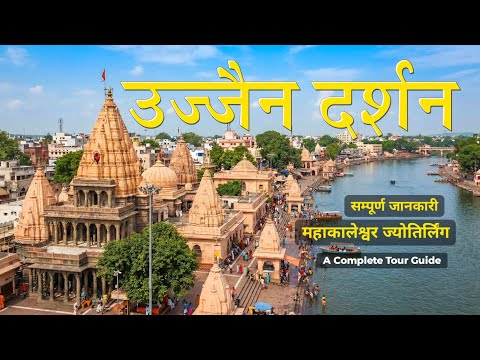
Top Venues in Ujjain
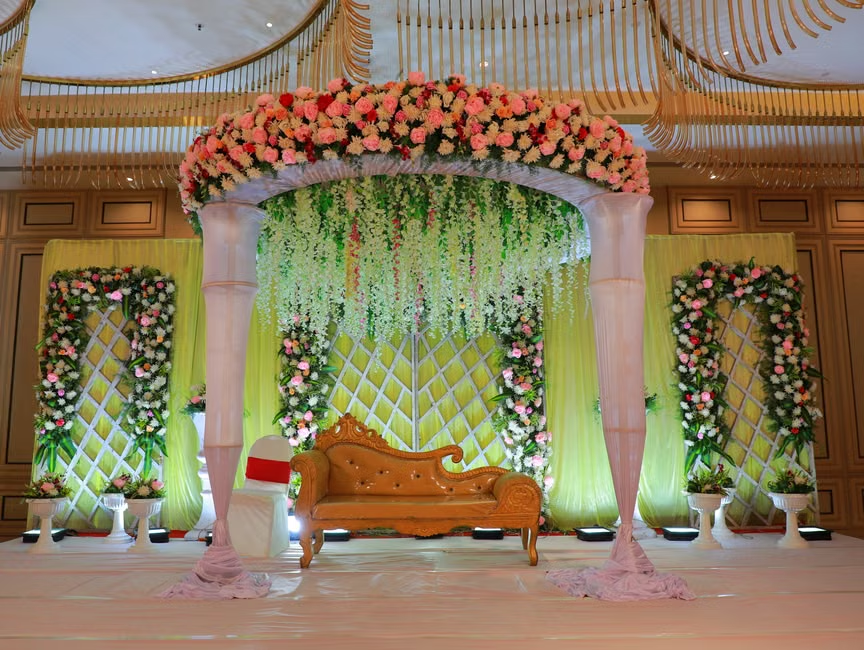
Ramada by Wyndham Ujjain
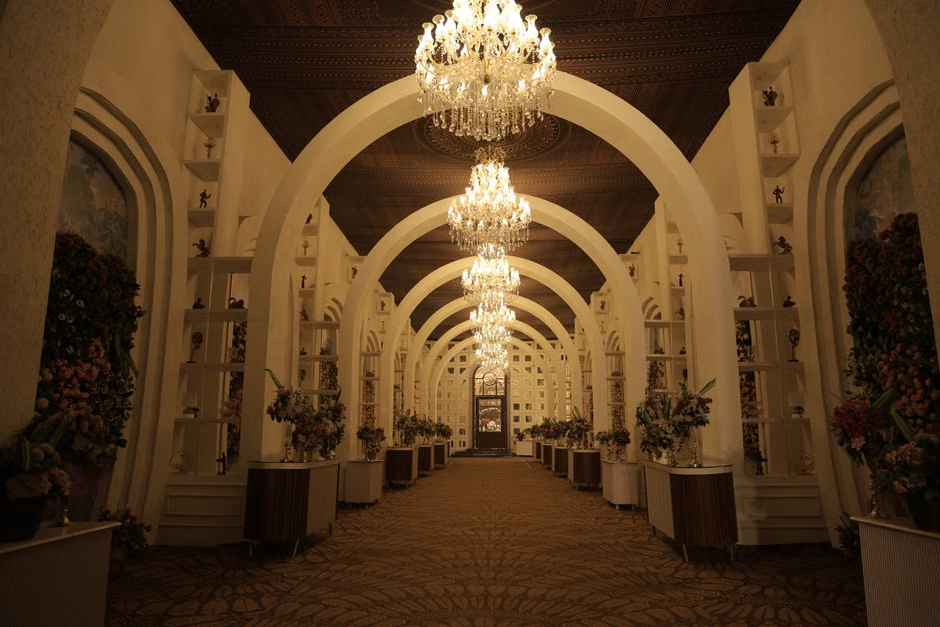
Hotel Anjushree
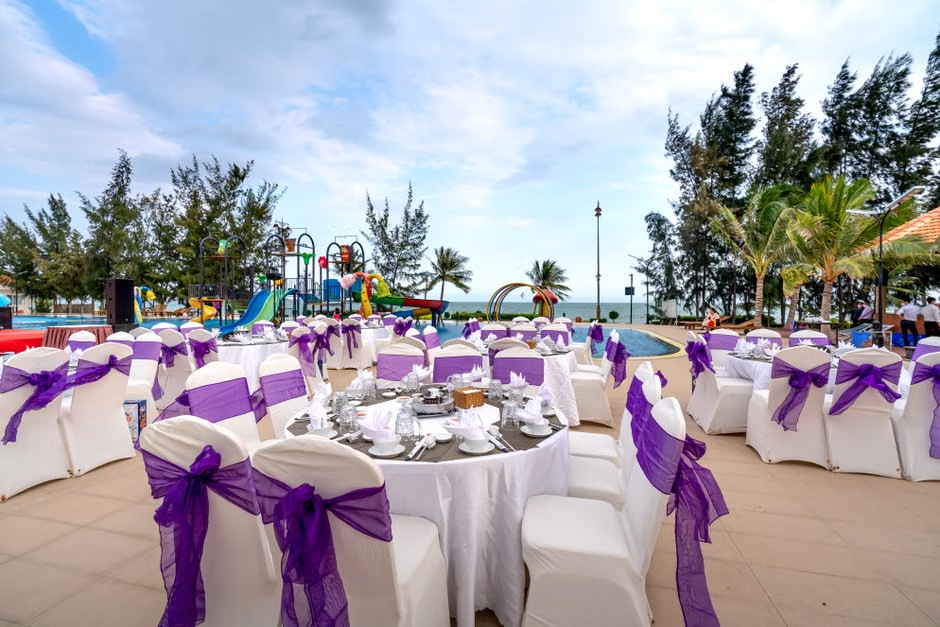
Meghdoot Resorts Prime
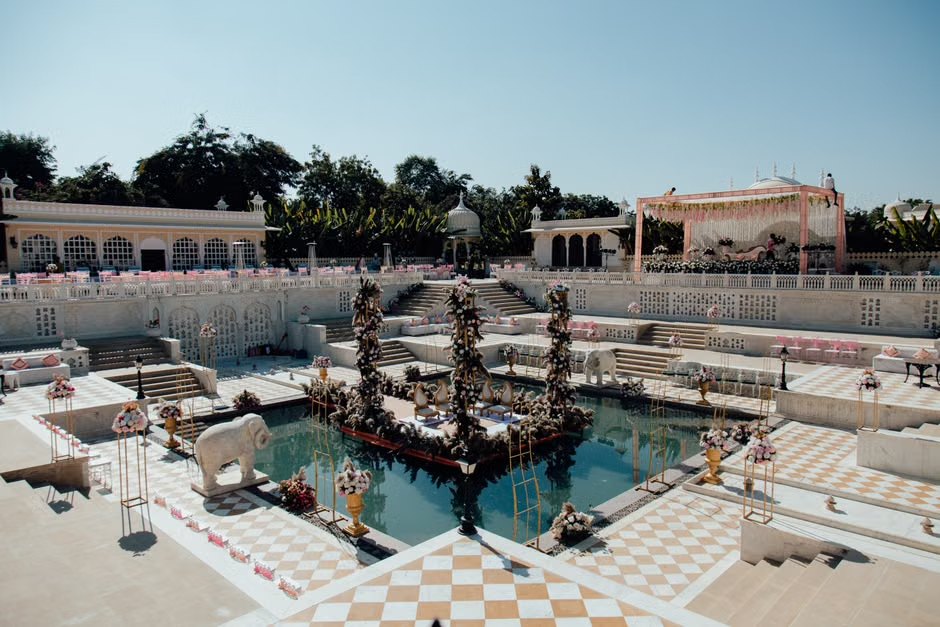
Rudraksh Club & Resort
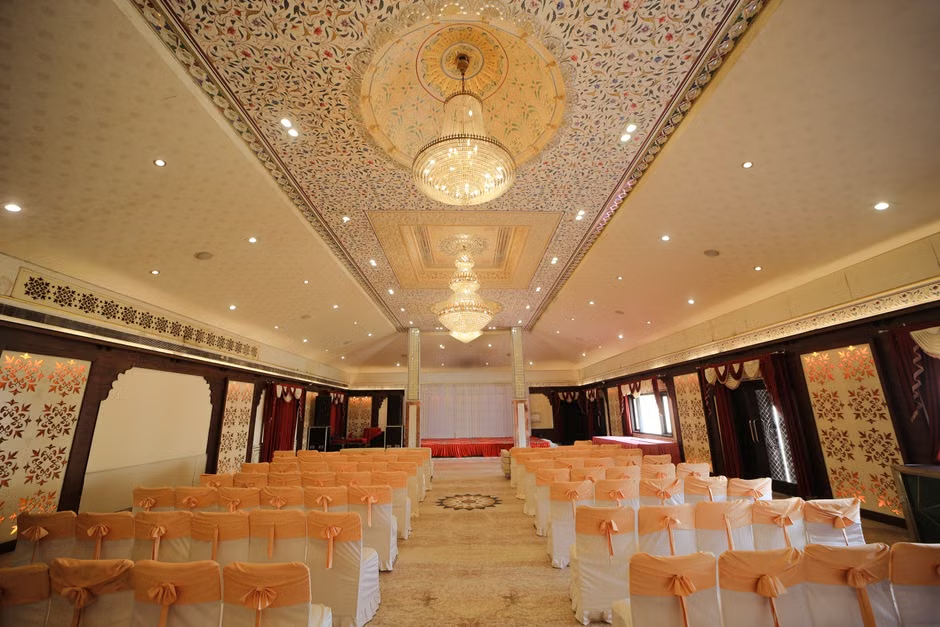
Hotel Shipra Residency (MPTDC)

Hotel Shri Shivay
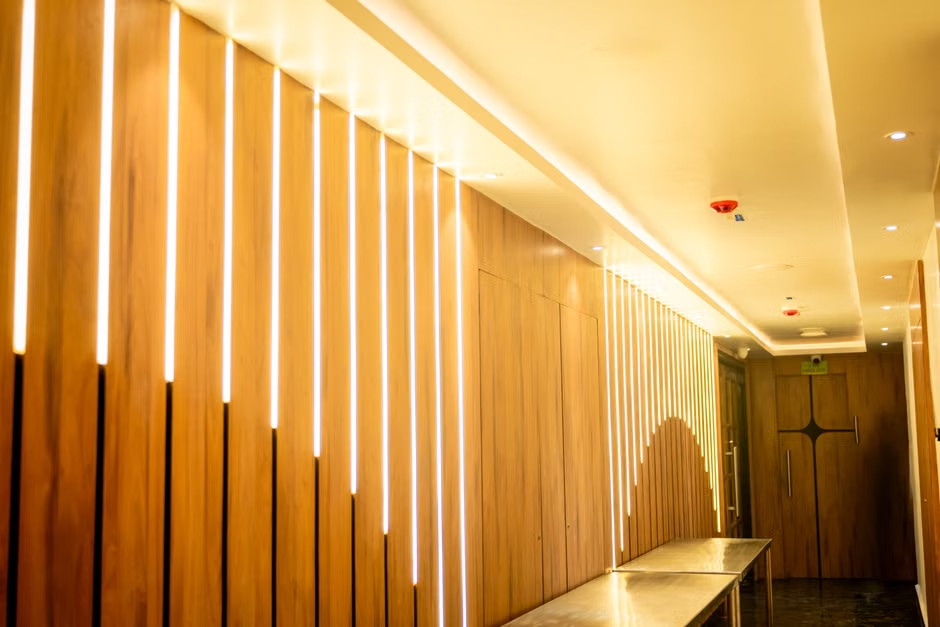
Hotel Manju Shree | Best Hotel in Ujjain
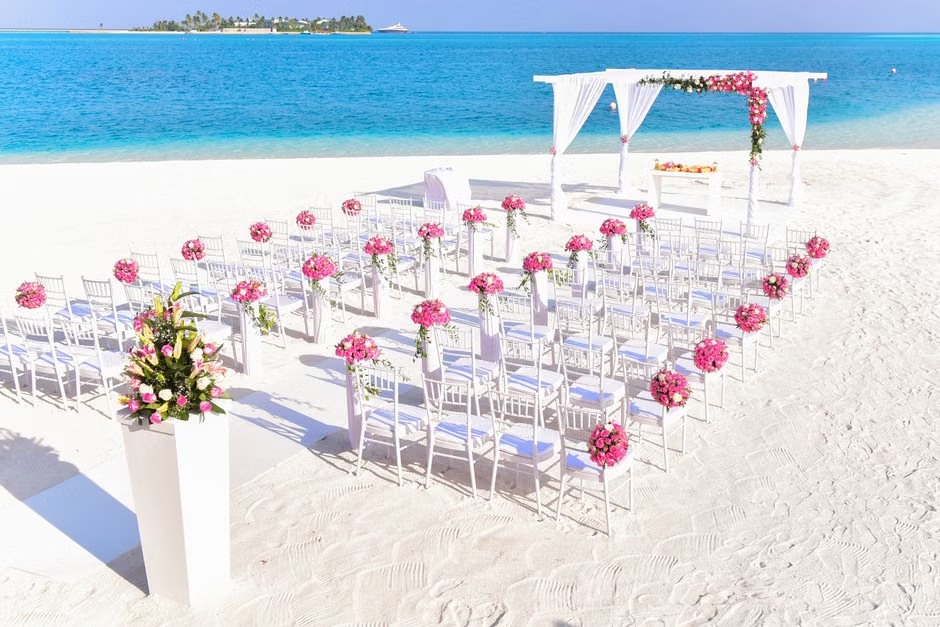
the highway memories resort & suits
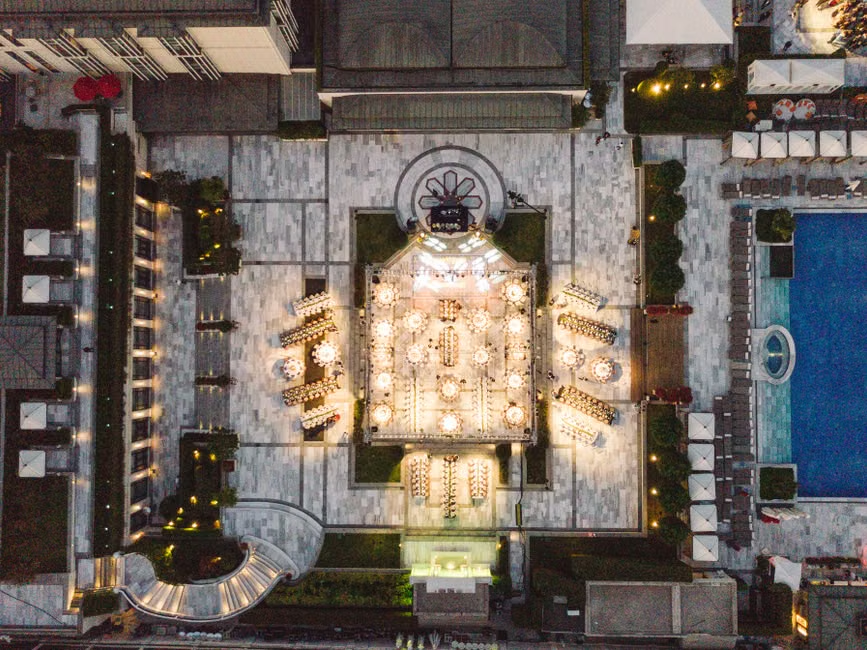
The Raj vasa
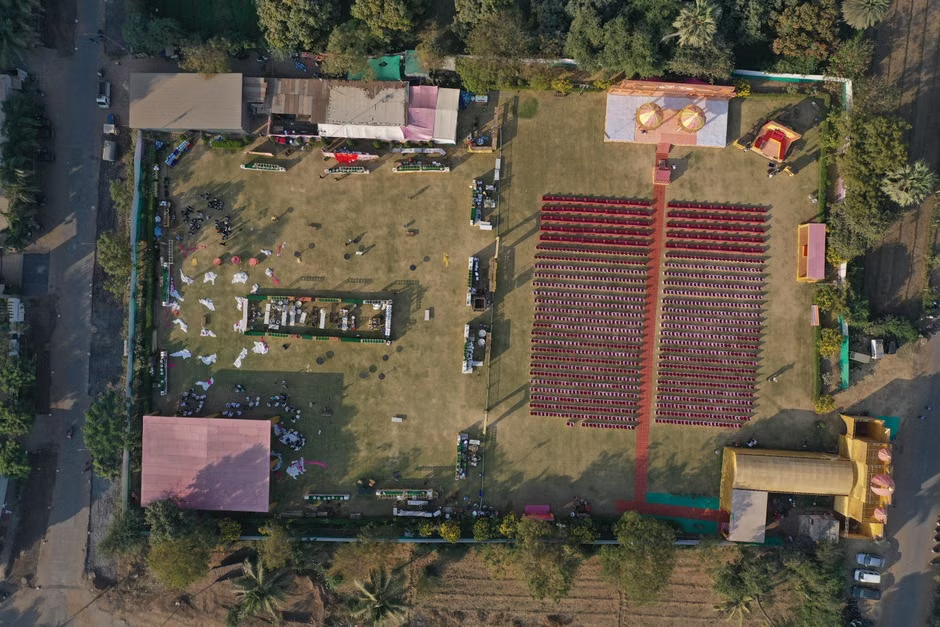
MPT Ujjaini, Ujjain
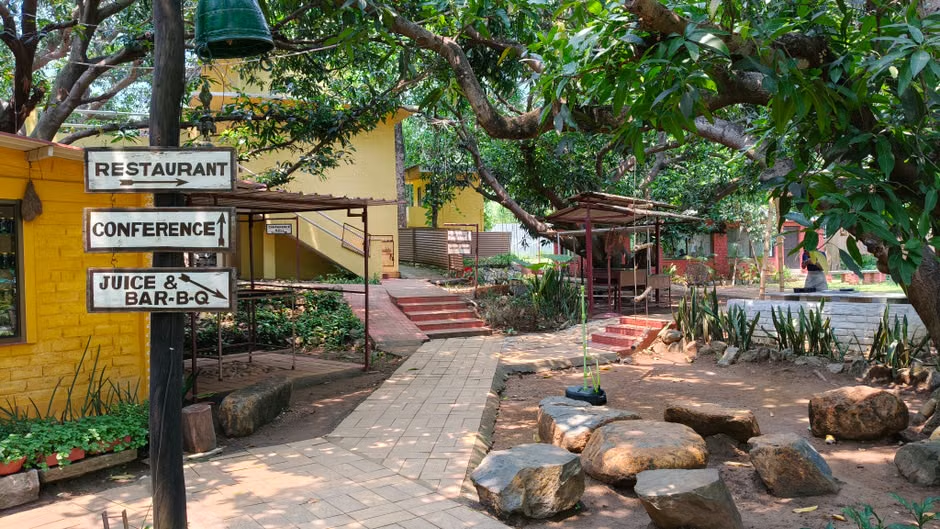
Malgudi Days - The Best Resort in Ujjain

JK HOTEL RESORTS
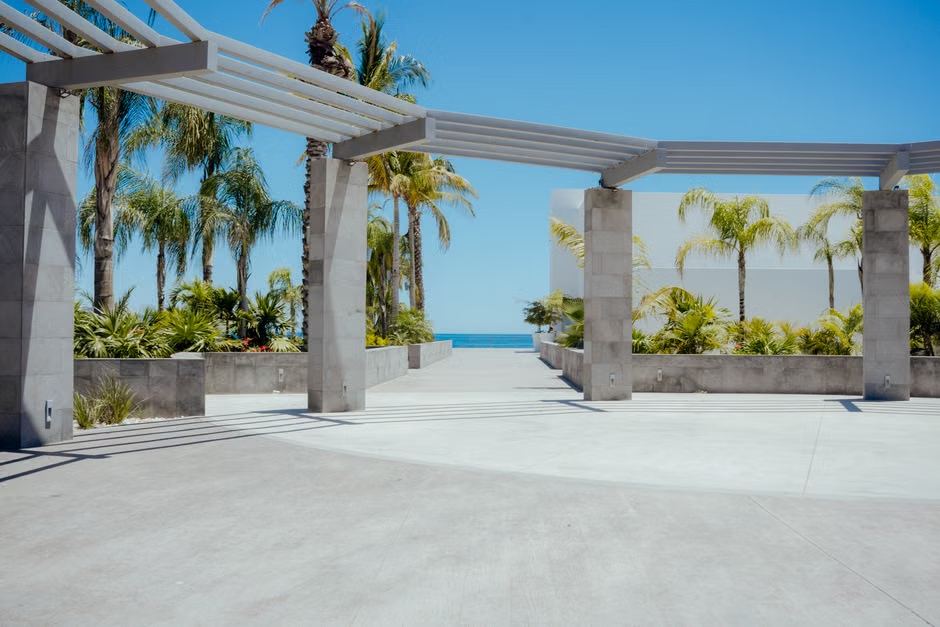
Meghdoot Resort, Indore Road, Ujjain
Compare Ujjain with Other Top Destinations
Frequently Asked Questions
Is Ujjain a good destination for a Mahakal or spiritual festival gathering?
Yes, Ujjain is among the most fitting destinations in India for this event type. The Mahakaleshwar Jyotirlinga — one of the twelve sacred Jyotirlingas — anchors the city's spiritual identity, and the surrounding temple circuit, Shipra ghats, and daily Bhasma Aarti create an authentically devotional environment that purpose-built venues cannot replicate. The city also has proven experience hosting very large-scale religious gatherings through its Simhastha Kumbh Mela hosting history.
What size of guest group can Ujjain realistically accommodate for a religious or cultural event?
Ujjain can accommodate a wide range of group sizes. Smaller religious family functions of 50–200 guests are well-served by hotel banquet halls and dharamshalas. Larger cultural or spiritual gatherings of several hundred to a few thousand guests are also feasible, particularly using community halls, ghat-side open spaces, and the city's experience with large-scale pilgrimage logistics. Very large events may require spreading accommodation across multiple properties.
What is the best time of year to plan an event in Ujjain?
November through February is the recommended window. Temperatures are cool and dry — typically 15°C to 28°C during the day — making outdoor ceremonies, ghat-side aartis, and open-air cultural programmes comfortable. This period also aligns with several important festival dates in the Hindu calendar. Avoid March–May (extreme heat) and June–September (monsoon rains that disrupt outdoor events and affect road conditions).
How do guests travel to Ujjain for an event?
Most guests travel by rail — Ujjain Junction (UJN) has direct train connections to Mumbai, Delhi, Bhopal, Indore, Jaipur, and Ahmedabad, making it the most convenient option for families across India. Guests flying in use Devi Ahilya Bai Holkar Airport in Indore, approximately 55 km away, followed by a 60–75 minute road transfer. Event organisers typically arrange group coach or cab transfers from the airport.
What kinds of venues are available in Ujjain for religious and cultural events?
Ujjain offers hotel banquet halls and lawns, large dharamshalas (pilgrim rest houses) managed by religious trusts, ghat-side open spaces along the Shipra River, temple-associated mandap spaces, and open grounds on the city's periphery for very large gatherings. The inventory is well-suited to devotional and cultural formats rather than elaborate multi-function wedding resort setups.
Is Ujjain suitable for a religious family function like a mundan or thread ceremony?
Yes. Performing sacred rites of passage — mundan, upanayana (thread ceremony), annaprashan, or similar — in Ujjain carries deep religious significance for many Hindu families, given the city's status as one of India's seven sacred cities. Experienced pandits and ritual coordinators are readily available, and the proximity to the Mahakaleshwar temple and Shipra ghats adds spiritual weight to the occasion.
What is the local catering and vendor ecosystem like for events in Ujjain?
Local caterers are experienced in large-scale sattvic (pure vegetarian) cooking suited to religious functions and pilgrimage gatherings. Pandit and ritual coordination services are abundant. For more technically complex event production — professional lighting, stage design, AV — the local base is more limited, and organisers often supplement with vendors from nearby Indore, which has a more developed event production industry.
Are there any important planning considerations specific to Ujjain?
Yes. During major festival periods — Mahashivaratri, Navaratri, and Simhastha Kumbh Mela — the city is extremely crowded, accommodation books out far in advance, and traffic congestion is significant. Early booking is essential if your event coincides with these dates. Also note that strict vegetarian norms apply near the temple precinct, and non-vegetarian catering is generally unavailable in the core religious areas of the city.
Can Ujjain host a temple or spiritual wedding?
Yes, though with some nuance. Several temples in Ujjain have associated mandap spaces for weddings, and the city's sacred atmosphere makes it a meaningful choice for couples seeking a spiritually grounded ceremony. Organisers should confirm temple scheduling and protocols well in advance, as availability near the Mahakaleshwar precinct is subject to the temple's own calendar and management guidelines.
What makes Ujjain distinctive compared to other pilgrimage or heritage event destinations?
Ujjain's distinctiveness lies in the combination of an active, living sacred city — not a heritage site frozen in time — with a proven capacity for very large gatherings. The Bhasma Aarti at Mahakaleshwar, the Shipra ghat rituals, and the Malwa region's folk cultural traditions give events here an authenticity and spiritual depth that is genuinely specific to this place rather than a generic heritage backdrop.

Ready to explore venues in Ujjain?
Ujjain: Sacred Destination for Spiritual Gatherings, Temple Weddings & Cultural Events
◆Ujjain is one of India's seven sacred cities and is strongest as a destination for spiritually rooted events — Mahakal and spiritual festival gatherings, religious family functions, pilgrimage gatherings, temple festivals, and regional folk and cultural celebrations. Its primary vibe is deeply devotional and culturally rich, anchored by the Mahakaleshwar Jyotirlinga and a living tradition of large-scale religious festivals. The best season for events is winter (November–February), when the climate is cool and dry. Guests can reach Ujjain comfortably by rail (Ujjain Junction is well-connected nationally) or by road from Indore's airport, roughly an hour away. The hospitality inventory is predominantly mid-range, making it a genuinely accessible destination for religious and cultural gatherings rather than a high-end luxury circuit.
Ujjain at a Glance
| Attribute | Detail |
|---|---|
| Best For | Mahakal / Spiritual Festival Gathering, Regional Folk & Cultural Festival Gathering, Religious Family Function, Spiritual / Pilgrimage Gathering |
| Primary Vibe | Spiritual & Soulful |
| Other Vibes | Heritage, Devotional, Folk-Cultural |
| Best Season | Winter (November–February) |
Why Choose Ujjain?
- Mahakaleshwar Jyotirlinga: One of the twelve most sacred Shiva shrines in India, giving any ceremony held here an unmatched spiritual significance that pilgrims and devotees travel from across the country to experience.
- Proven large-gathering infrastructure: As the host city of Simhastha Kumbh Mela — one of the world's largest religious gatherings — Ujjain has demonstrated capacity for managing very large numbers of visitors, which translates into practical experience with crowd logistics, temporary accommodation, and large-scale catering.
- Living festival calendar: The city's temple festivals, Kartik Mela, and regional folk cultural events provide a natural, authentic backdrop that can be integrated into event programming rather than artificially staged.
- Strong rail connectivity: Ujjain Junction connects directly to Mumbai, Delhi, Bhopal, Indore, and other major cities, making guest travel straightforward for families arriving from across India without the need to fly.
- Authentic devotional atmosphere: The ghats along the Shipra River, the ancient temple precincts, and the city's unhurried pace create a genuinely sacred environment that is difficult to replicate in more commercialised event destinations.
- Accessible mid-range hospitality: A growing inventory of mid-range hotels and guesthouses near the temple precinct makes Ujjain a practical choice for religious family functions and pilgrimage gatherings where the priority is proximity to sacred sites rather than resort-style luxury.
Which Celebrations Work Best in Ujjain?
Mahakal / Spiritual Festival Gathering: Ujjain is arguably the most fitting city in India for this event type. The Mahakaleshwar temple's daily Bhasma Aarti, the Shipra ghats, and the city's entire spiritual infrastructure make it a natural host for large devotional gatherings, spiritual retreats, and Mahakal-centred celebrations.
Regional Folk & Cultural Festival Gathering: Ujjain sits in the Malwa region, which has a distinct and vibrant folk tradition — including Malwi music, folk dance, and craft. Cultural gatherings that wish to draw on authentic regional heritage rather than a generic pan-Indian programme find Ujjain particularly well-suited.
Religious Family Function: Families choosing Ujjain for a mundan (first haircut), thread ceremony, annaprashan, or other sacred rite of passage benefit from the proximity to one of India's holiest sites. Performing such rituals in Ujjain carries deep religious significance for many Hindu families.
Spiritual / Pilgrimage Gathering: Group pilgrimages — whether organised by a community, a religious trust, or a family — find Ujjain's temple circuit (Mahakaleshwar, Harsiddhi, Kal Bhairav, Mangalnath, and others) comprehensive enough to anchor a multi-day itinerary without needing to travel far.
Temple Festival: The city's own temple festivals — particularly those tied to the Mahakaleshwar calendar, Navaratri, and Mahashivaratri — are occasions when private groups and organisations sometimes organise parallel cultural or devotional events, leveraging the city's heightened spiritual energy and visitor footfall.
Cultural Festival Gathering: Beyond purely religious programming, Ujjain's heritage of classical music, Sanskrit scholarship, and Malwa folk arts makes it a credible host for cultural festivals that blend the devotional with the artistic — particularly events that wish to position themselves within India's broader civilisational heritage.
Venues & Event Spaces
Ujjain's event venue landscape is shaped by its identity as a pilgrimage city rather than a leisure resort destination. The most commonly used spaces include:
- Hotel banquet halls and lawns: Several mid-range and select-service hotels near the city center and the Nanakheda area offer banquet halls and open lawns suitable for receptions, family functions, and cultural programmes of moderate scale.
- Dharamshalas and community halls: A significant number of large dharamshalas (pilgrim rest houses) managed by religious trusts operate in Ujjain, some of which have assembly halls capable of hosting several hundred guests for religious functions and community gatherings.
- Ghat-side open spaces: The ghats along the Shipra River — particularly Ram Ghat — serve as natural open-air venues for aarti ceremonies, cultural performances, and spiritual gatherings, especially during festival periods.
- Temple precincts and mandaps: Several temples in Ujjain have associated mandap spaces that can be used for weddings and religious ceremonies, subject to the temple's own scheduling and protocols.
- Outdoor grounds near the city periphery: For very large gatherings — particularly those associated with Kumbh Mela-scale events — large open grounds on the city's outskirts have historically been used with temporary infrastructure.
Event planners should note that Ujjain's venue inventory is more suited to gatherings of a devotional or cultural character than to the kind of elaborate multi-function wedding formats common in leisure resort destinations. Capacity and décor flexibility are generally more limited than in purpose-built wedding resort destinations.
Best Time to Celebrate
The curated best season for events in Ujjain is winter, November through February. During these months, daytime temperatures typically range from around 15°C to 28°C, with cool, dry nights that make outdoor ceremonies, ghat-side aartis, and open-air cultural programmes genuinely comfortable. The air is clear, the Shipra River is at a manageable level, and the city's temple precincts are at their most visually appealing under winter light.
Practically, winter also coincides with several important festival dates in the Hindu calendar — including Kartik Purnima and Mahashivaratri (which falls in February or March depending on the year) — making it easier to align a private gathering with the city's own devotional energy.
March through May brings rapidly rising temperatures, often exceeding 38°C–42°C by April and May. Outdoor events become uncomfortable and logistically challenging; guests travelling long distances may find the heat a significant deterrent.
June through September is the monsoon season. Ujjain receives moderate to heavy rainfall during this period, which disrupts outdoor programming, affects road conditions, and can make ghat-side venues inaccessible or unsafe. Indoor-only events are possible but the overall experience is diminished.
October is a transitional month — temperatures begin to drop but residual humidity from the monsoon can persist into early October, making it a shoulder period rather than a reliably comfortable window. Late October can work for indoor-focused events.
Getting There & Local Connectivity
Ujjain is well-served by rail. Ujjain Junction (UJN) is a major station on the Western Railway zone, with direct trains connecting to Mumbai, Delhi, Bhopal, Indore, Jaipur, Ahmedabad, and several other cities. For most guests travelling from within India, the train is the most direct and comfortable option, and the station is centrally located within the city.
For guests flying in, the nearest airport is Devi Ahilya Bai Holkar Airport in Indore, which is approximately 55 km from Ujjain city center — typically a 60–75 minute road journey depending on traffic. Indore airport has reasonable domestic connectivity to major Indian metros. Event organisers typically arrange coach or cab transfers between Indore airport and Ujjain for flying guests.
Within Ujjain, the city is compact enough that most temple sites, ghats, and hotels are reachable by auto-rickshaw or cab. For large groups, local bus or coach hire is practical and widely available. The temple precinct around Mahakaleshwar has pedestrian-priority zones during peak hours, so guests should be prepared for some walking near the main shrine. During major festival periods, the city experiences significant congestion, and early logistical planning for guest movement is strongly advisable.
Local Vendor & Hospitality Ecosystem
Ujjain's vendor ecosystem is well-developed for the specific event types it hosts most frequently — religious ceremonies, pilgrimage logistics, and cultural programmes. Local caterers are experienced in preparing large-scale sattvic (pure vegetarian) meals suited to religious functions, and the city has a strong tradition of community catering for temple festivals and Kumbh Mela-scale events.
Pandit and ritual coordination services are abundant and well-organised, given the city's identity as a centre of Sanskrit scholarship and Vedic tradition. Families planning religious ceremonies — from thread ceremonies to temple weddings — will find experienced ritual specialists readily available.
For more elaborate event production — stage design, professional lighting, sound, and décor — the local vendor base is more limited than in larger event-circuit cities. Organisers planning culturally elaborate or technically complex events often supplement local vendors with specialists brought in from Indore, which has a more developed event production industry and is close enough to make this practical.
Accommodation inventory, while growing, is predominantly in the mid-range segment. Large groups requiring a single-property block booking of several hundred rooms may need to spread guests across multiple properties or supplement with dharamshalas, which are plentiful and well-managed in Ujjain.
Pros & Things to Consider
Why Ujjain Works Well
- Unmatched spiritual authenticity — the Mahakaleshwar Jyotirlinga and the Shipra ghats provide a sacred setting that no purpose-built venue can replicate
- Strong rail connectivity makes guest travel straightforward for families across India without requiring flights
- Experienced local ecosystem for religious ceremonies, sattvic catering, and pilgrimage logistics
- Rich folk and classical cultural heritage of the Malwa region available for authentic programming
- Proven capacity for very large gatherings, given the city's Kumbh Mela hosting history
- Compact city layout makes it easy for guests to move between temples, ghats, and accommodation
Things to Consider
- Luxury hotel inventory is limited — guests expecting high-end resort-style accommodation will find fewer options than in major leisure destinations
- Event production vendors (lighting, décor, AV) are less developed locally; specialist suppliers may need to be sourced from Indore
- Flying guests face an additional road transfer from Indore airport, which adds time and coordination complexity
- During major festival periods (Mahashivaratri, Navaratri, Kumbh Mela), the city is extremely crowded, accommodation is scarce, and traffic congestion is significant — early booking is essential
- The city's devotional character means it is not well-suited to events with a strong entertainment or nightlife component
- Strict vegetarian norms apply near the temple precinct; non-vegetarian catering is generally not available in the core religious areas
When Ujjain May Not Be the Right Fit
- Outdoor-heavy events planned outside the winter window: If your event involves significant outdoor programming and cannot be scheduled between November and February, Ujjain's summer heat and monsoon rains create genuine logistical challenges that are difficult to mitigate.
- Events requiring large-scale luxury accommodation on a single property: Groups needing a single luxury resort to house and host several hundred guests in a self-contained setting will find Ujjain's current hotel inventory insufficient for that format.
- Events with a strong entertainment, nightlife, or non-vegetarian hospitality focus: Ujjain's identity as a sacred city means that certain event formats — late-night entertainment, alcohol-centred celebrations, or non-vegetarian banquets near the temple precinct — are either culturally inappropriate or practically unavailable in the core areas.
- International guests with limited domestic travel experience: The Indore airport transfer and the city's relatively limited international-standard hospitality infrastructure may make Ujjain a less comfortable choice for events with a significant proportion of international guests unfamiliar with Indian pilgrimage city logistics.