
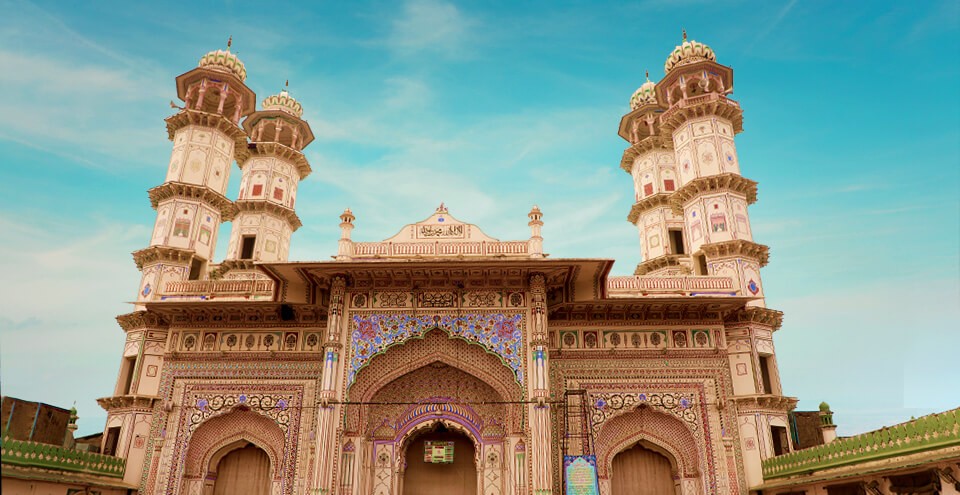
Why Tonk is Perfect for Your Celebration
- Rare Nawabi-Rajput architectural heritage — ornate palaces and havelis provide genuinely distinctive wedding backdrops
- Authentic Teej and Gangaur festival culture deeply embedded in local tradition, ideal for culturally immersive celebrations
- Intimate town scale means events feel exclusive and personal rather than crowded or commercialised
- Cool, dry winters (November–February) create near-perfect outdoor event conditions
- Accessible from Jaipur by road (~2 hours), making guest logistics manageable for a destination wedding
- Lower event footprint than major Rajasthan cities, offering a more private and unhurried celebration experience
Top Venues in Tonk
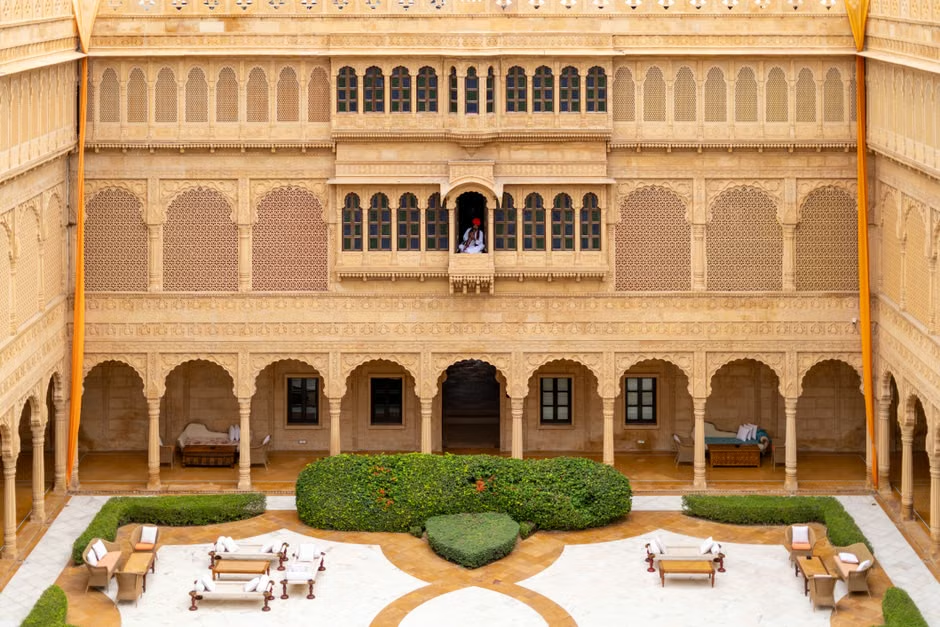
Hotel Rajmahal
Compare Tonk with Other Top Destinations
Frequently Asked Questions
Is Tonk a good destination for a heritage palace wedding?
Yes. Tonk is particularly well-suited to palace and heritage weddings. The town's Nawabi-era palaces and decorated havelis provide genuinely historic architectural settings — carved stonework, open courtyards, and ornate interiors — that create a distinctive backdrop. Because Tonk is not yet heavily commercialised as a wedding destination, these spaces tend to be available with more personal attention than comparable properties in busier Rajasthan cities.
What is the best time of year to hold a wedding or event in Tonk?
November through February is the optimal window. Daytime temperatures are typically between 10°C and 25°C, skies are clear, and humidity is low — conditions that make outdoor ceremonies and evening receptions genuinely comfortable. March onwards brings rapidly rising heat, and July through September is the monsoon season, both of which make outdoor events significantly more challenging to plan reliably.
How do guests travel to Tonk for a destination wedding?
Most guests fly into Jaipur International Airport, which is well-connected to major Indian cities, and then travel to Tonk by road — approximately a two-hour journey on generally good roads. Tonk also has its own railway station with connections to the Jaipur rail network, giving guests a direct train option. For large groups, hiring coaches from Jaipur for the transfer is the standard and practical approach.
What size of guest list can Tonk realistically accommodate for a wedding?
Tonk is best suited to small and medium-sized gatherings — typically up to around 300 guests for a well-organised event. Its heritage properties and event spaces are calibrated to intimate celebrations rather than very large weddings. For guest lists significantly above that range, planners often supplement local venues with additional infrastructure or distribute accommodation across multiple properties, sometimes including Jaipur-based options with daily transfers.
Is Tonk suitable for a Teej or Gangaur celebration?
Yes, and it is one of Tonk's strongest event categories. Teej and Gangaur are deeply embedded in local Rajasthani culture, and Tonk's communities celebrate them with genuine processions, folk music, and traditional rituals. Families wishing to host a celebration connected to these festivals will find the local cultural environment authentically engaged rather than staged for tourism. Note that Teej falls during the monsoon, so weather planning is important for that specific festival.
What kinds of event venues are available in Tonk?
Tonk's venue landscape is primarily defined by heritage properties — Nawabi-era palaces, decorated havelis, and traditional courtyard structures adapted for hospitality and private events. These typically offer open courtyards for outdoor ceremonies, interior halls for formal dinners, and lawns or terraces for pre-event gatherings. Community halls and local banquet spaces are also available for mid-sized functions, and outdoor riverside settings can be used for folk performances and informal celebrations.
How mature is the local wedding vendor ecosystem in Tonk?
Tonk's vendor ecosystem is developing rather than fully mature. Local caterers handle traditional Rajasthani cuisine well, and folk performers — musicians, dancers, artisans — are genuinely available and add authentic cultural texture. For more specialised requirements, most planners supplement with Jaipur-based vendors, which is practical given the proximity. Heritage property hosts are often well-connected locally and can facilitate introductions to cultural practitioners and artisans.
Can guests be accommodated within Tonk itself, or do they need to stay in Jaipur?
Tonk has heritage properties and hotels that can accommodate smaller guest groups within the town itself. For larger guest lists, accommodation capacity within Tonk may be insufficient to house everyone in one place, and planners often distribute guests across multiple local properties or arrange accommodation in Jaipur with daily coach transfers to Tonk for event functions. Early planning and booking is advisable given the limited total room inventory.
What makes Tonk different from other Rajasthan wedding destinations?
Tonk's distinctiveness comes from its Nawabi heritage — it was historically the only Muslim Nawabi state in Rajasthan, producing a rare architectural and cultural blend of Rajput and Islamic traditions. This gives events here a visual and cultural character that is genuinely different from the more widely known Rajasthan wedding cities. The town's intimate scale also means celebrations feel private and personal rather than part of a large commercial wedding circuit.
Is Tonk suitable for a welcome dinner or pre-wedding celebration?
Yes. The intimate character of Tonk's heritage properties makes them particularly well-suited to welcome dinners and pre-wedding functions. Guests can explore the property, interact with local artisans or folk performers, and settle into the destination's cultural atmosphere before the main event. The relaxed, personal scale of the town supports the informal, connective purpose of a welcome dinner better than a large commercial resort environment.
What local cultural experiences can be incorporated into a Tonk celebration itinerary?
Tonk offers genuine access to Rajasthani folk music and dance traditions, local craft heritage, and the living festival culture of Teej and Gangaur. Heritage property hosts can typically facilitate introductions to local artisans, folk performers, and cultural practitioners. Guests can also visit the town's Nawabi-era architectural landmarks — including the Sunehri Kothi — as part of a curated itinerary that gives the destination real substance beyond the event itself.
Are there any situations where Tonk might not be the right choice for a destination event?
Tonk may not be the best fit for very large weddings requiring a single venue for 500+ guests, events planned during the monsoon (July–September) where outdoor settings are essential, or guest lists with a high proportion of international travellers who may find the Jaipur transfer after a long flight tiring. Couples specifically seeking a large-scale luxury resort experience with full-service amenities may also find the current local property landscape better suited to heritage character than polished resort luxury.

Ready to explore venues in Tonk?
Tonk: Heritage Palace Weddings, Nawabi Festivals & Destination Events
◆Tonk is a Nawabi heritage town in central Rajasthan, best suited to intimate palace and heritage weddings, Teej and Gangaur celebrations, and culturally immersive destination events. Its primary vibe is Royal and Heritage, shaped by a rare combination of Rajput and Islamic architectural traditions — ornate palaces, decorated havelis, and historic mosques — that few Rajasthan towns can match at this scale of intimacy. The ideal season is November through February, when cool, dry weather makes outdoor events genuinely comfortable. Tonk is accessible from Jaipur by road in roughly two hours, making it a practical destination for guests flying into Rajasthan. It suits small-to-medium guest lists and those seeking an authentic, unhurried celebration over a large-scale commercial event.
Tonk at a Glance
| Category | Details |
|---|---|
| Best For | Teej & Gangaur Celebration, Palace / Heritage Wedding, Destination Wedding, Intimate Wedding |
| Primary Vibe | Royal & Heritage |
| Other Vibes | Nawabi, Cultural, Intimate, Folk-Traditional |
| Best Season | Winter (November–February) |
Why Choose Tonk?
- Genuinely rare Nawabi-Rajput heritage: Tonk was historically the only Muslim Nawabi state in Rajasthan, producing a distinctive architectural and cultural blend — ornate palaces, sunehri kothi (golden mansion), and decorated havelis — that gives events here a visual character unlike any other Rajasthan destination.
- Authentic festival culture: Teej and Gangaur are celebrated with deep local tradition in Tonk, making the town a particularly meaningful setting for couples who want their celebration woven into a living cultural festival rather than a staged backdrop.
- Intimate scale and privacy: Tonk's relatively small footprint means events are not competing with large tourist crowds or back-to-back commercial weddings. Guests experience the town as a genuine destination rather than a wedding factory.
- Practical Jaipur gateway access: Jaipur International Airport is approximately 100 km away, and Tonk has its own railway station with connections to the Jaipur rail network, making multi-city guest logistics manageable without requiring complex onward travel.
- Ideal winter event conditions: November through February brings cool, dry days and clear skies — conditions that make outdoor ceremonies, heritage courtyard dinners, and folk performance evenings genuinely comfortable rather than aspirational.
- Lower event density: Because Tonk is not yet a heavily commercialised wedding circuit destination, vendors and hospitality providers tend to give individual events more focused attention, and heritage spaces are not perpetually booked months in advance.
Which Celebrations Work Best in Tonk?
- Teej & Gangaur Celebration: These are among the most important festivals in Rajasthani culture, and Tonk's local communities celebrate them with genuine processions, folk music, and traditional rituals. Hosting a family celebration or cultural gathering around these festivals here connects guests to something authentically local rather than recreated for tourism.
- Palace / Heritage Wedding: The town's Nawabi palaces and decorated havelis provide the kind of architectural grandeur — carved archways, ornate interiors, open courtyards — that makes a heritage wedding feel genuinely historic rather than themed. This is Tonk's single strongest event category.
- Destination Wedding: For couples who want a Rajasthan destination wedding without the scale and commercial density of Jaipur or Udaipur, Tonk offers a credible alternative — real heritage, real culture, and a sense that guests have travelled somewhere genuinely special.
- Intimate Wedding: Tonk's venue inventory and town character are naturally calibrated to smaller guest lists. Couples planning a close-family ceremony in a heritage setting will find the town's scale works in their favour rather than against them.
- Wedding Reception: Heritage courtyards and haveli lawns translate well to evening reception formats — folk musicians, traditional lighting, and open-air dining under winter skies create a reception atmosphere that is difficult to replicate in a conventional banquet hall.
- Welcome Dinner / Pre-Wedding Celebration: The intimate character of Tonk's heritage properties makes them particularly well-suited to the more personal, relaxed format of a welcome dinner — guests can explore the property, interact with local artisans, and settle into the destination before the main event.
- Cultural Festival Gathering: Beyond weddings, Tonk is a strong setting for family or community gatherings timed around Rajasthani cultural moments — the town's living folk traditions, local craft heritage, and festival calendar give such gatherings genuine substance.
- Local Folk Festival / Fair: Tonk's surrounding region has a tradition of local fairs and folk gatherings. Groups interested in experiencing or incorporating these into a celebration itinerary will find the local calendar genuinely rich in the winter months.
- Temple Festival, Diwali Celebration, Religious Family Function: The town's mix of Hindu and Islamic heritage means it has a broad range of sacred spaces and festival traditions. Religious family functions — whether tied to a temple festival or a Diwali gathering — find a respectful and culturally engaged local environment.
- Anniversary Celebration, Vow Renewal / Couple Anniversary, Retirement Celebration, Naming / Family Ceremony: Tonk's intimate heritage properties are well-suited to smaller, meaningful family milestones. The setting adds significance without requiring the logistical scale of a large destination wedding.
Venues & Event Spaces
Tonk's event venue landscape is defined primarily by heritage properties — historic havelis, Nawabi-era palaces, and traditional courtyard structures that have been adapted for hospitality and private events. These spaces typically offer open courtyards suitable for outdoor ceremonies and evening receptions, decorated interior halls for formal dinners, and lawns or terraces for pre-event gatherings. The architectural detailing — carved stonework, painted ceilings, arched corridors — provides a natural event aesthetic that requires minimal additional decoration.
Beyond dedicated heritage properties, Tonk has community halls and local banquet spaces that can accommodate mid-sized gatherings, particularly for religious functions, receptions, and cultural festival events. Outdoor spaces within and around the town — including riverside areas along the Banas River — offer natural settings for folk performances and informal celebration formats. Event planners working in Tonk typically combine a heritage property as the primary venue with supplementary outdoor or community spaces for specific functions within a multi-day celebration itinerary.
Best Time to Celebrate
The winter months of November through February are the clear optimal window for events in Tonk. Daytime temperatures during this period typically range from around 10°C to 25°C, with clear skies and low humidity — conditions that make outdoor ceremonies, courtyard dinners, and evening folk performances genuinely comfortable for guests of all ages. Nights can be cool, particularly in December and January, which adds to the atmosphere of a heritage setting but does require guests to plan for warm evening wear.
The Teej and Gangaur festivals, which fall in the monsoon and spring seasons respectively, are culturally significant but present weather trade-offs: Teej (typically July–August) falls during the monsoon, when outdoor events face real disruption risk, while Gangaur (March–April) arrives as temperatures begin to climb. Couples wishing to incorporate the spirit of these festivals into a winter celebration can do so through local cultural programming rather than timing the event to the festival date itself.
March through June brings rapidly rising temperatures, with summer highs regularly exceeding 38°C — conditions that make outdoor events impractical and place significant strain on guest comfort, particularly for elderly attendees or those travelling from cooler climates. July through September is the monsoon season: rainfall is moderate compared to wetter Indian regions, but outdoor event reliability is low and road access from Jaipur can be affected by heavy rain. October functions as a transitional shoulder month — temperatures are falling and the monsoon is typically receding, making it a borderline-acceptable window for events, though November is generally preferable for reliable conditions.
Getting There & Local Connectivity
The primary gateway for guests travelling to Tonk is Jaipur International Airport, which is well-connected to major Indian cities and has some international connections. From Jaipur, Tonk is reachable by road in approximately two hours, and road quality on this route is generally good. For groups, hiring coaches or a fleet of vehicles from Jaipur is the standard approach, and local transport operators are familiar with this corridor.
Tonk also has its own railway station, connected to the Jaipur rail network, which gives guests travelling by train a direct option without requiring a road transfer from Jaipur. However, train frequency and connectivity to cities beyond Jaipur is more limited than the road option, so most outstation guests will find the Jaipur-to-Tonk road transfer the more practical route.
Within Tonk itself, the town is compact enough that most heritage properties, event venues, and local attractions are within a short drive of each other. Local auto-rickshaws and hired vehicles are available for guest movement between accommodation and event spaces. For larger groups, coordinating a dedicated shuttle service between the primary accommodation property and event venues is advisable, as Tonk does not have the organised tourist transport infrastructure of larger Rajasthan cities.
Local Vendor & Hospitality Ecosystem
Tonk's vendor ecosystem is developing rather than mature by the standards of major Rajasthan wedding destinations. Local caterers are experienced in traditional Rajasthani cuisine and can handle events of small to medium scale with genuine quality. For larger or more complex events, many planners supplement local vendors with specialists brought in from Jaipur — a common and practical approach given the proximity.
Folk musicians, traditional performers (including Kalbeliya dancers and Manganiyar musicians), and local artisans are genuinely available in and around Tonk, and their involvement in an event adds authentic cultural texture rather than a staged performance. Floral decoration, lighting, and basic event infrastructure vendors operate locally, though for highly specialised requirements — elaborate mandap structures, large-scale lighting rigs, or premium catering equipment — Jaipur-based vendors are typically engaged.
Hospitality in Tonk tends toward the personal and attentive rather than the polished and corporate. Heritage property hosts are often deeply knowledgeable about local culture and can facilitate introductions to local artisans, festival organisers, and cultural practitioners that add genuine depth to a celebration itinerary. This character suits couples and families who value authentic engagement over standardised luxury service.
Pros & Things to Consider
Why Tonk Works Well
- Genuinely distinctive Nawabi-Rajput heritage architecture unavailable at this intimacy level elsewhere in Rajasthan
- Authentic Teej and Gangaur cultural traditions deeply embedded in local life, not recreated for tourism
- Intimate town scale creates a private, unhurried celebration environment
- Practical road and rail access from Jaipur keeps guest logistics manageable
- Cool, dry winters provide reliable outdoor event conditions from November through February
- Lower event density means heritage spaces and local vendors give individual events more focused attention
Things to Consider
- No direct flight connectivity — all guests must route through Jaipur and complete a road or rail transfer, which adds travel time and coordination complexity for large outstation guest lists
- Heritage venue inventory is limited in scale — very large weddings (500+ guests) may find the available spaces insufficient without significant supplementary infrastructure
- The local vendor ecosystem, while genuine, is not as deep or specialised as Jaipur's — complex or highly customised event requirements will need Jaipur-based vendor support
- Accommodation capacity within Tonk itself is limited; large guest lists will need to be distributed across multiple properties or consider accommodation in Jaipur with daily transfers
- Tonk is not yet widely known as a wedding destination, which means less established event planning infrastructure and fewer pre-vetted vendor networks compared to more established Rajasthan cities
When Tonk May Not Be the Right Fit
- Very large guest lists: If your celebration requires a single venue accommodating 600 or more guests with full in-house accommodation, Tonk's current heritage property inventory is unlikely to meet that requirement without significant logistical compromise.
- Guests with limited travel flexibility: For a guest list that includes a large proportion of elderly attendees or international guests unfamiliar with Indian travel, the two-hour road transfer from Jaipur after a long flight adds a layer of fatigue that a destination closer to a major airport would avoid.
- Monsoon-season outdoor events: If your preferred dates fall between July and September and outdoor settings are central to your event vision, Tonk's monsoon weather makes reliable outdoor programming genuinely difficult to guarantee.
- Couples seeking a highly polished, full-service luxury resort experience: Tonk's heritage properties offer genuine character and warmth, but the destination does not currently have the kind of large-scale luxury resort infrastructure that some couples expect from a destination wedding setting — those seeking that specific combination may find a better fit elsewhere in Rajasthan.