
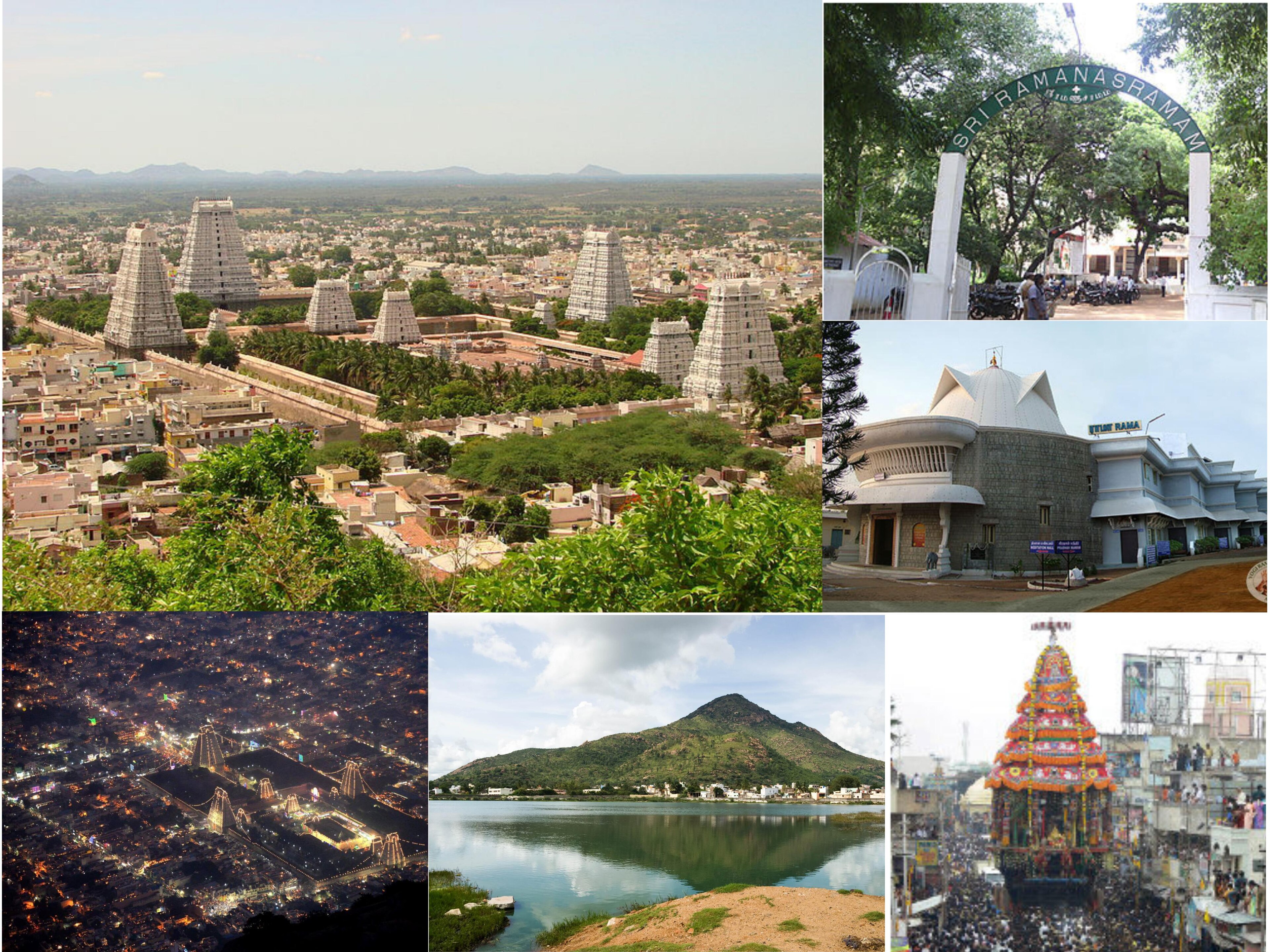
Why Tiruvannamalai is Perfect for Your Celebration
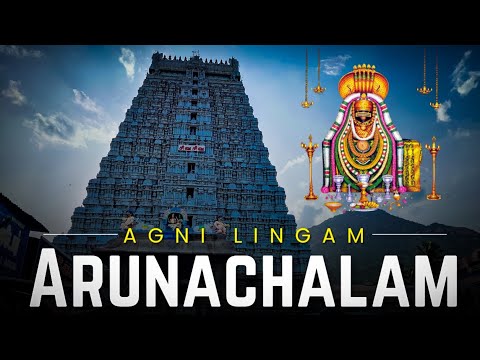
- Home to the ancient Arunachaleswarar Temple — one of the Pancha Bhuta Stalas — providing an unmatched sacred backdrop for religious and spiritual events
- Kartikai Deepam and Pongal festivals draw massive, joyful community gatherings, making the town naturally event-ready during winter months
- Ashrams and spiritual retreat centres (including Ramana Maharshi's Sri Ramanasramam) offer unique, contemplative spaces for leadership and spiritual retreats
- Strong local tradition of hosting pilgrims and large religious groups means hospitality infrastructure is accustomed to managing sizeable gatherings
- Cool, dry winter climate (November–February) creates comfortable conditions for outdoor ceremonies, girivalam (hill circumambulation) events, and open-air cultural programmes
- Authentic Tamil cultural ecosystem — local folk arts, temple music, and traditional catering — adds genuine regional character to any celebration
Top Venues in Tiruvannamalai
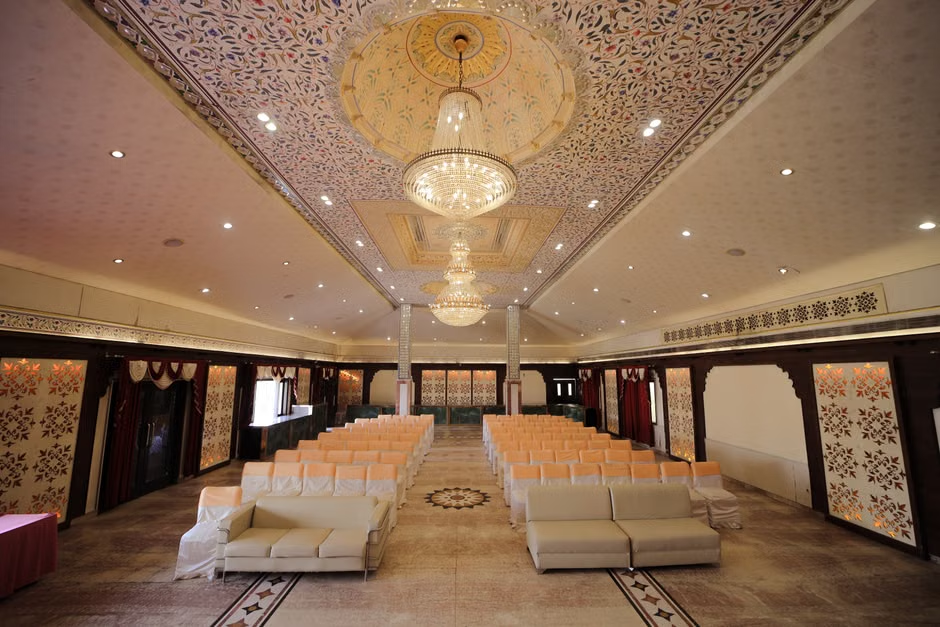
Hotel Arunachala
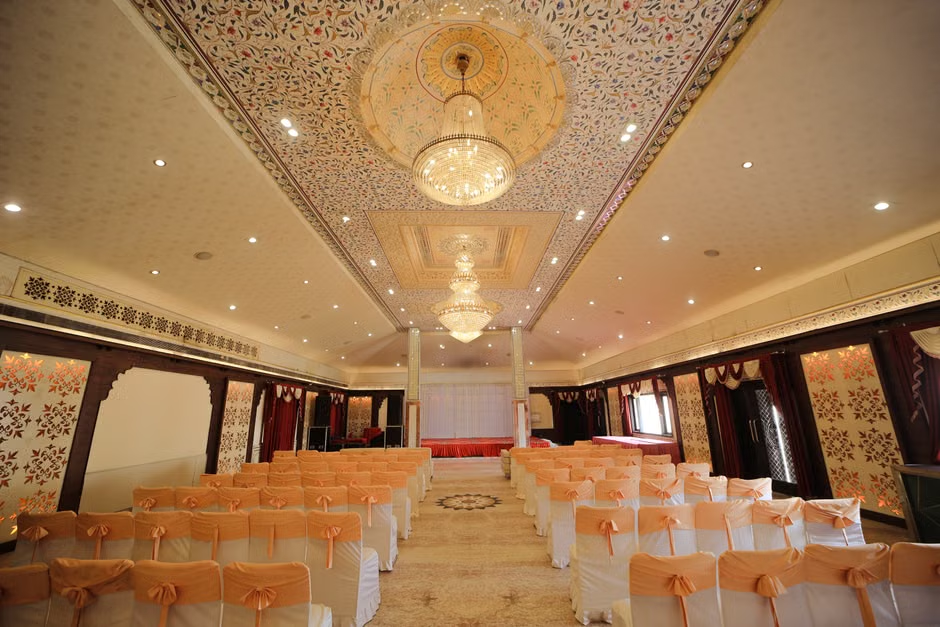
Hotel Ramakrishna
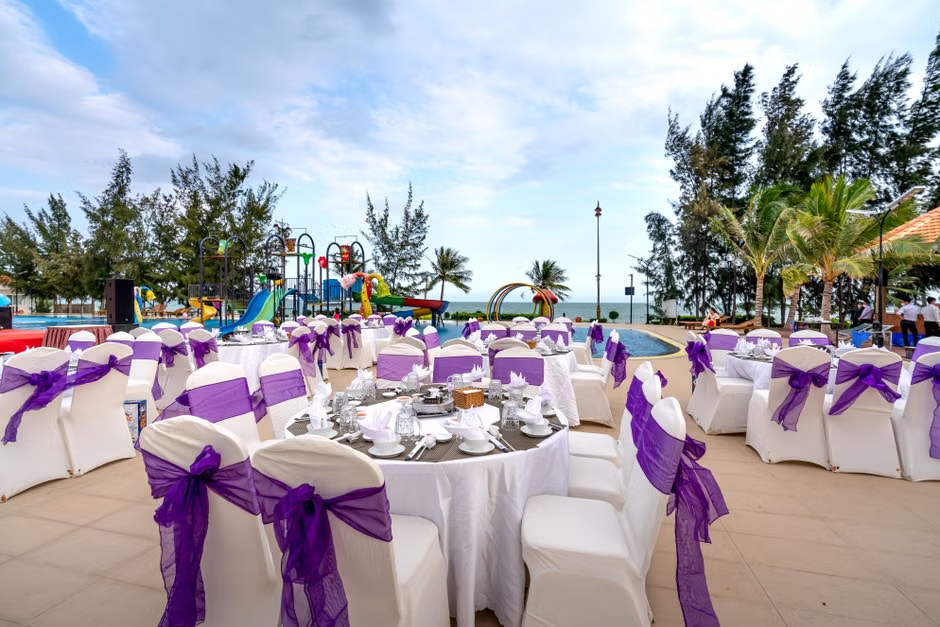
Dreaming Tree Resort
Compare Tiruvannamalai with Other Top Destinations
Frequently Asked Questions
Is Tiruvannamalai a good destination for a Pongal celebration or community gathering?
Yes, strongly so. Tiruvannamalai's deep-rooted Tamil cultural traditions and experienced local catering and event community make it one of the most authentic settings in Tamil Nadu for a Pongal celebration. Local vendors are well-versed in traditional rituals, kolam, sugarcane ceremonies, and regional cuisine, giving the event genuine cultural texture rather than a staged recreation.
What size of guest group can Tiruvannamalai realistically accommodate for an event?
Tiruvannamalai is best suited for gatherings of roughly 50 to 300 guests. The town has a range of resorts, community halls, ashram spaces, and dharamshalas that can handle mid-sized events comfortably. Very large gatherings exceeding 500 guests may find the local venue inventory stretched, and planners should assess space requirements carefully before committing.
How do guests typically travel to Tiruvannamalai for an event?
Most guests arrive via Chennai International Airport, then travel onward by road or rail — a journey of approximately three to four hours. Tiruvannamalai Railway Station is connected to Chennai via Villupuram and to Vellore via Katpadi, making train travel a practical option. For groups, hiring a fleet of vehicles from Chennai or Vellore is a common approach.
What is the best time of year to hold a spiritual gathering or temple festival event in Tiruvannamalai?
November through February is the ideal window. The climate is cool and dry, outdoor ceremonies are comfortable, and the town's own festival calendar — including Kartikai Deepam and Pongal — falls within this period. Avoid March–May (extreme heat) and June–September (monsoon humidity and occasional heavy rain).
What kinds of event spaces are available in Tiruvannamalai?
The destination offers temple-adjacent community halls and dharamshalas, ashram and retreat centre spaces, resort lawns and banquet halls on the town's outskirts, and smaller heritage-style properties near the temple. The range suits religious gatherings, spiritual retreats, family functions, and cultural programmes well, though large-scale contemporary event production infrastructure is limited.
Can Tiruvannamalai accommodate a large group's accommodation needs?
Yes, within limits. The town has a broad range of accommodation — pilgrim lodges, guesthouses, ashram rooms, and mid-range hotels — built up over decades of hosting large pilgrimage groups. For groups requiring uniform standards across all rooms, early booking is essential, particularly around Kartikai Deepam and Pongal when the town fills rapidly.
Is Tiruvannamalai suitable for a corporate offsite or leadership retreat?
Yes, particularly for organisations seeking a contemplative, spiritually grounded retreat format. The presence of established ashrams and retreat centres — including those associated with the Ramana Maharshi tradition — provides a distinctive, distraction-free environment. It is less suited for high-energy team-building formats requiring large sports or activity facilities.
What local cultural experiences can be incorporated into an event in Tiruvannamalai?
Tiruvannamalai has genuine access to Carnatic musicians, nadaswaram players, Bharatanatyam performers, and Tamil folk artists. Girivalam (the 14 km circumambulation of Arunachala) can be organised as a group experience. Traditional vegetarian feast formats, kolam workshops, and temple visits can all be woven into an event programme authentically.
Are there any important local customs or sensitivities event planners should be aware of?
Yes. Tiruvannamalai is a deeply religious town. Dress codes near the Arunachaleswarar Temple are conservative — shoulders and legs should be covered. Noise restrictions apply in sacred areas, particularly during temple rituals. Events should be planned with sensitivity to the town's devotional character, and planners should confirm local regulations around amplified music and public gatherings with venue operators.
How mature is the local vendor ecosystem for events in Tiruvannamalai?
For traditional Tamil events — vegetarian catering, floral decoration, religious ceremony logistics, and cultural performances — the local vendor ecosystem is experienced and reliable. For contemporary event production needs such as large AV systems, themed décor, or non-vegetarian catering, planners typically supplement with vendors sourced from Chennai or Vellore.
Is Tiruvannamalai a good fit for a religious family function like a naming ceremony or thread ceremony?
Yes. The proximity to the Arunachaleswarar Temple and the town's strong Shaivite tradition make it a genuinely meaningful setting for religious rites of passage. Local priests, traditional caterers, and community halls are well-accustomed to hosting these functions, and the sacred geography adds significance that guests typically find memorable.

Ready to explore venues in Tiruvannamalai?
Tiruvannamalai: Spiritual Gatherings, Temple Festivals & Event Venues
◆Tiruvannamalai is Tamil Nadu's foremost spiritual destination, built around the sacred Arunachala hill and the ancient Arunachaleswarar Temple — one of the Pancha Bhuta Stalas of Shaivism. It is strongest for spiritually rooted events: pilgrimage gatherings, temple festivals, Pongal celebrations, religious family functions, and cultural community events. The primary vibe is deeply devotional and culturally Tamil, with a warm, unhurried character. The best season runs from November through February, when the climate is cool and dry. Accessibility is moderate — no direct flights, but good rail and road links from Chennai and surrounding cities — making it well-suited for guests who plan ahead.
Tiruvannamalai at a Glance
| Attribute | Detail |
|---|---|
| Best For | Pongal Celebration, Spiritual / Pilgrimage Gathering, Temple Festival, Cultural Festival Gathering |
| Primary Vibe | Spiritual & Soulful |
| Other Vibes | Cultural, Devotional, Community-Oriented |
| Best Season | Winter (November–February) |
Why Choose Tiruvannamalai?
- Unmatched sacred setting: The Arunachaleswarar Temple — one of India's oldest and largest Shiva temples — and the Arunachala hill together create a genuinely rare backdrop for religious and spiritual events that very few destinations in South India can replicate.
- Living festival culture: Tiruvannamalai hosts some of Tamil Nadu's most vibrant public festivals, including Kartikai Deepam (the beacon-lighting festival) and Pongal, which means the town's infrastructure, local vendors, and community are already experienced in managing large, celebratory gatherings.
- Ashram and retreat ecosystem: The presence of Sri Ramanasramam and several other established spiritual centres gives the destination a ready-made infrastructure for contemplative retreats, leadership gatherings, and community programmes that go beyond standard hotel-based events.
- Authentic regional character: Local catering traditions, temple music, Carnatic performances, and folk arts are genuinely accessible here, giving events an authentic Tamil cultural texture that is difficult to replicate in larger, more commercialised cities.
- Manageable scale for intimate gatherings: The town's compact size and community-oriented character make it particularly well-suited for mid-sized, meaningful gatherings — religious family functions, naming ceremonies, family reunions — where intimacy and atmosphere matter more than sheer scale.
- Comfortable winter climate: From November through February, temperatures are genuinely pleasant for outdoor ceremonies, girivalam (the 14 km circumambulation of Arunachala), and open-air cultural programmes — a significant practical advantage for event planners.
Which Celebrations Work Best in Tiruvannamalai?
Pongal Celebration: Tiruvannamalai is an outstanding setting for Pongal gatherings. The festival's agricultural and devotional roots align naturally with the town's temple culture, and local vendors, caterers, and community spaces are well-practised in organising traditional Pongal programmes with kolam, sugarcane rituals, and regional cuisine.
Spiritual / Pilgrimage Gathering: Few destinations in South India carry the spiritual weight of Tiruvannamalai. Organising a pilgrimage group visit — whether centred on the Arunachaleswarar Temple, the girivalam route, or the ashrams — is straightforward here, with local guides, accommodation clusters near the temple, and a community deeply familiar with hosting devotees.
Temple Festival: The town's own festival calendar — particularly Kartikai Deepam, Brahmotsavam, and monthly Pradosham observances — makes it a natural host for temple-linked celebrations. Groups can time their events to coincide with these festivals for an immersive, community-scale experience.
Cultural Festival Gathering: Tiruvannamalai's tradition of Carnatic music, Bharatanatyam, and Tamil folk arts means that cultural festival gatherings can draw on genuine local talent and authentic performance traditions, rather than imported entertainment.
Local Folk Festival / Fair: The region's folk traditions — including local music, crafts, and seasonal fairs — provide a ready framework for community-oriented folk festival events, particularly during the winter months when outdoor gatherings are comfortable.
Religious Family Function: The proximity to the Arunachaleswarar Temple makes Tiruvannamalai a meaningful choice for religious family functions — thread ceremonies, ear-piercing rituals, annaprasana, and other rites of passage — where the sacred geography adds genuine significance to the occasion.
Venues & Event Spaces
Tiruvannamalai's event venue landscape is shaped by its character as a pilgrimage town rather than a leisure resort destination. The primary venue types available include:
- Temple-adjacent dharamshalas and community halls: Large, functional spaces traditionally used for religious gatherings, capable of hosting several hundred guests for seated meals and ceremonies.
- Ashram and retreat centre spaces: Several established spiritual centres offer meditation halls, open courtyards, and accommodation blocks that can be configured for retreat-style events, leadership gatherings, and community programmes.
- Independent resorts and hotels with event lawns: A growing number of properties on the town's outskirts offer landscaped outdoor lawns and banquet halls suitable for mid-sized celebrations, family functions, and corporate offsites.
- Heritage-style guesthouses and boutique properties: Smaller heritage-influenced properties near the temple area offer intimate settings for family ceremonies and small group gatherings where atmosphere is a priority.
- Outdoor natural settings: The foothills of Arunachala and the surrounding semi-arid landscape offer distinctive open-air settings for sunrise ceremonies, cultural performances, and community gatherings during the cooler months.
Event planners should note that Tiruvannamalai's venue inventory is more modest in scale than major metro or resort destinations — it is best suited for gatherings of up to a few hundred guests rather than very large-scale productions requiring extensive technical infrastructure.
Best Time to Celebrate
The curated best season for Tiruvannamalai is Winter (November–February), and this recommendation is well-grounded in the destination's specific climate and festival calendar.
During these months, daytime temperatures typically range from the low-to-mid 20s°C, with cool evenings that make outdoor ceremonies, girivalam walks, and open-air cultural programmes genuinely comfortable. Rainfall is minimal, skies are generally clear, and the town is at its most vibrant — Kartikai Deepam (usually November/December) and Pongal (January) fall within this window, meaning event planners can align celebrations with the town's own festival energy.
March–May brings rapidly rising temperatures, often exceeding 38°C by April and May. Outdoor events become physically demanding, and the spiritual atmosphere of the town is less festive. This period is generally unsuitable for large outdoor gatherings.
June–September is the southwest monsoon season. While Tiruvannamalai receives less rainfall than coastal Tamil Nadu, the humidity rises significantly, occasional heavy downpours can disrupt outdoor plans, and road conditions on approach routes can be affected. This period is best avoided for event planning.
October sees the northeast monsoon begin to affect Tamil Nadu, bringing residual rain and high humidity to Tiruvannamalai. While conditions improve through the month, October is generally considered a shoulder period rather than a reliable event window — the transition to comfortable winter weather typically completes by mid-to-late November.
Getting There & Local Connectivity
Tiruvannamalai does not have its own commercial airport. The most practical air gateway is Chennai International Airport, which is well-connected to major Indian cities and several international destinations. From Chennai, Tiruvannamalai is reachable by road or rail in approximately three to four hours, depending on the route and mode of transport. Puducherry Airport offers limited scheduled services and can serve as an alternative for guests arriving from select cities.
By rail, Tiruvannamalai Railway Station is connected to Chennai (via Villupuram), Katpadi (Vellore), and other regional hubs. Train services are regular and well-used by pilgrims, making rail a practical option for guests travelling from Chennai or Bengaluru (with a change at Katpadi or Villupuram).
Road connectivity is good — state highways link Tiruvannamalai to Chennai, Vellore, Villupuram, and Pondicherry, and private bus services as well as self-drive or hired car options are widely available. For groups, hiring a fleet of vehicles from Chennai or Vellore is a common and practical approach.
Within the town, local auto-rickshaws and hired vehicles are the primary modes of transport. The town centre is compact and walkable for guests staying near the temple, though groups spread across multiple accommodation properties will benefit from coordinated transport arrangements.
Local Vendor & Hospitality Ecosystem
Tiruvannamalai's hospitality ecosystem is shaped by decades of experience hosting large volumes of pilgrims and festival visitors. This means the town has a well-developed, if traditional, infrastructure for managing group accommodation, large-scale vegetarian catering, and community-style event logistics.
Catering: Local caterers are highly experienced in traditional Tamil Brahmin and Shaivite vegetarian cuisine — essential for religious family functions, Pongal celebrations, and temple-linked events. For events requiring non-vegetarian menus or more contemporary catering styles, planners may need to source vendors from Vellore or Chennai.
Décor and event production: Local vendors can handle traditional floral decoration, kolam artists, and temple-style event aesthetics well. For more elaborate contemporary event production — large-scale lighting rigs, AV systems, or themed décor — supplementing with vendors from Chennai or Vellore is advisable.
Spiritual and cultural performers: The town has genuine access to Carnatic musicians, nadaswaram players, Bharatanatyam performers, and folk artists, making it easier to source authentic cultural entertainment locally than in many other destinations.
Accommodation capacity: The town's accommodation inventory spans a range of guesthouses, pilgrim lodges, ashram rooms, and mid-range hotels. For large groups requiring uniform accommodation standards, planners should book well in advance, particularly around major festival dates when the town fills rapidly.
Pros & Things to Consider
Why Tiruvannamalai Works Well
- Genuinely sacred and spiritually charged setting — rare and meaningful for devotional events
- Strong local tradition of hosting large pilgrimage and festival gatherings — community infrastructure is event-ready
- Authentic Tamil cultural ecosystem: local music, folk arts, and traditional catering are readily accessible
- Cool, dry winter season (November–February) is genuinely comfortable for outdoor ceremonies and community events
- Compact, walkable town centre makes logistics simpler for groups staying near the temple
- Ashram and retreat centre infrastructure is well-suited for spiritual retreats and leadership gatherings
Things to Consider
- No commercial airport in the town — guests flying in must travel from Chennai (approximately 3–4 hours), which adds planning complexity for outstation guests
- Venue scale is limited — the destination is best suited for gatherings of up to a few hundred guests; very large-scale events may find the local inventory insufficient
- Contemporary event production (large AV, themed décor, non-vegetarian catering) may require vendors sourced from Chennai or Vellore, adding logistical layers
- Accommodation inventory, while broad in range, can fill quickly around major festival dates — early booking is essential for groups
- The town's deeply religious character means event planners should be sensitive to local customs, dress codes near the temple, and noise restrictions in sacred areas
When Tiruvannamalai May Not Be the Right Fit
- Large-scale events requiring extensive venue infrastructure: If your gathering requires a single venue capable of hosting 500+ guests with full contemporary production facilities, Tiruvannamalai's current inventory may not comfortably meet that need — a larger city would be more suitable.
- Guests with limited travel flexibility: If a significant portion of your guest list is flying in from distant cities and cannot manage a 3–4 hour onward journey from Chennai, the lack of a local airport may make attendance difficult for some guests.
- Events planned during summer or monsoon months: If your event dates fall between March and September, Tiruvannamalai's heat and monsoon conditions make it a less practical choice for outdoor or semi-outdoor celebrations.
- Events requiring a primarily non-vegetarian or contemporary culinary focus: Given the town's strong vegetarian and traditional catering culture, events where non-vegetarian cuisine or modern fusion menus are central to the experience may face sourcing challenges locally.