
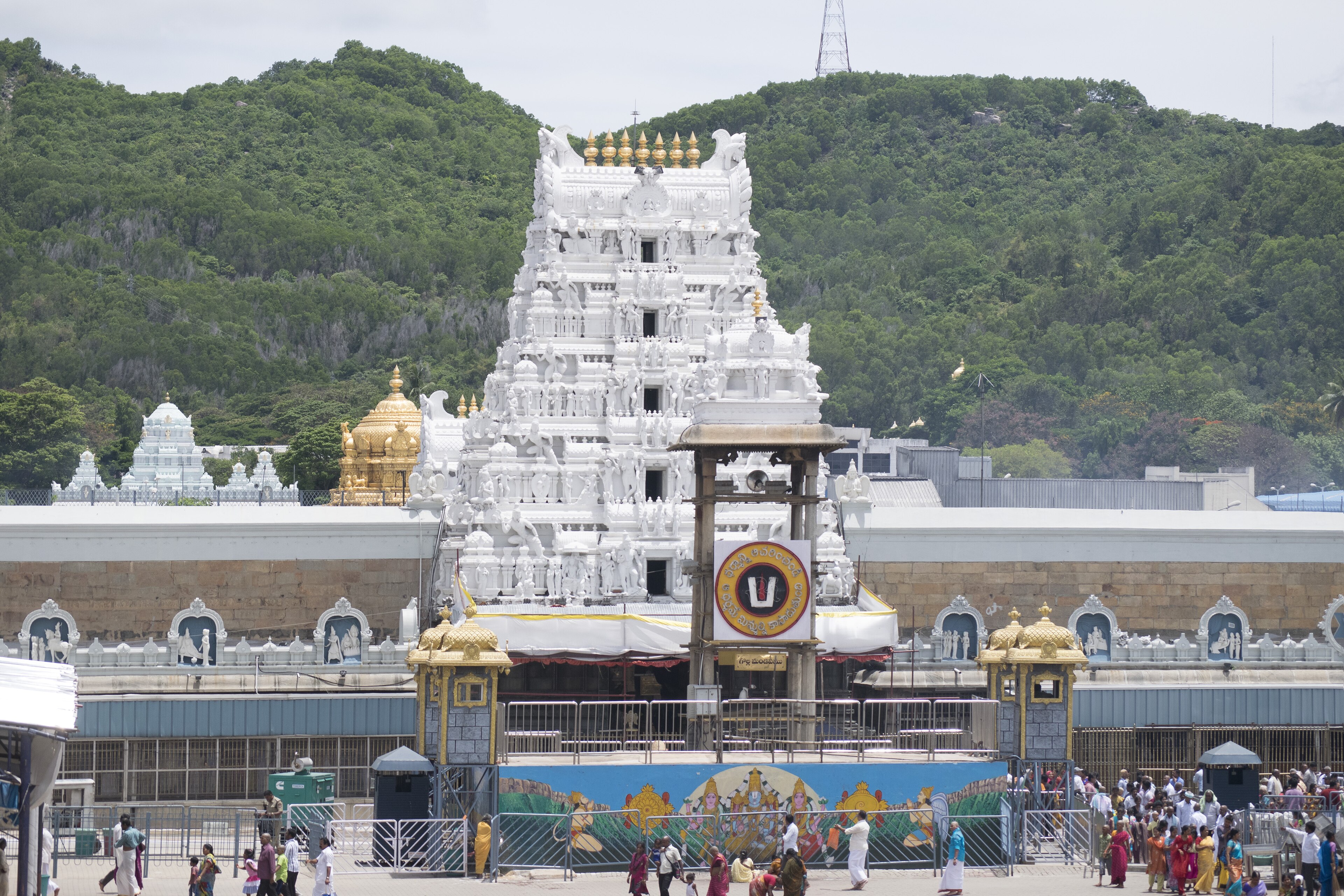
Why Tirupati is Perfect for Your Celebration
- Home to the Tirumala Venkateswara Temple — one of the world's most visited sacred sites, lending unmatched spiritual gravitas to any religious gathering
- Ideal for Brahmotsavam and temple festival gatherings, with established infrastructure for large-scale devotional events
- Well-connected by both rail (Tirupati Railway Station) and air (Tirupati Airport), making guest travel straightforward from across South India
- Sankranti and Ugadi celebrations carry deep cultural resonance here, with local communities and vendors experienced in traditional event formats
- A growing hospitality sector with hotels and retreat-style properties suited to accommodating pilgrimage and family gathering groups
- Cooler, pleasant winter months (November–February) create comfortable conditions for outdoor ceremonies and multi-day religious functions

Top Venues in Tirupati

Fortune Select Grand Ridge

Marasa Sarovar Premiere
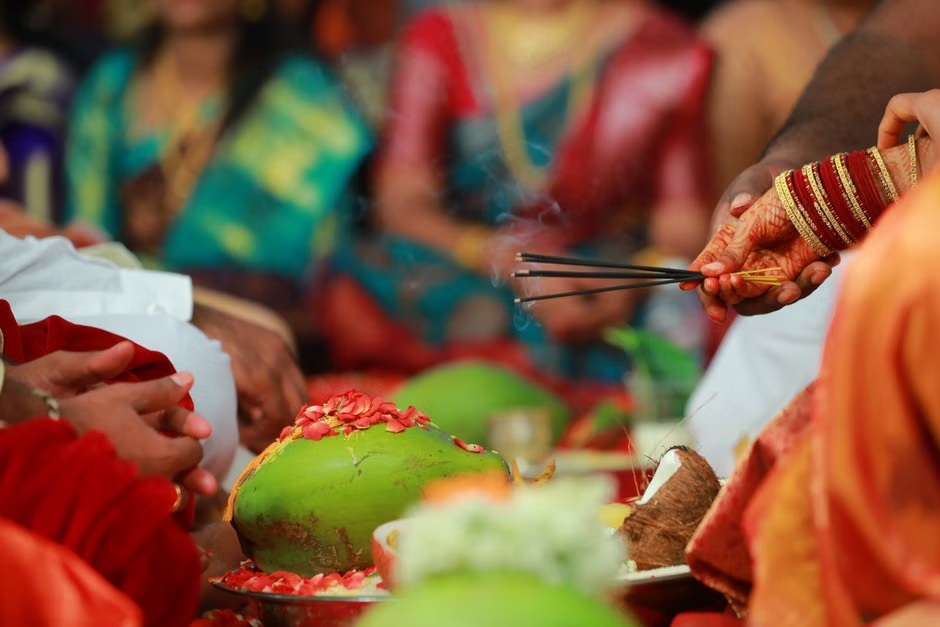
Guestline Hotel Tirupati
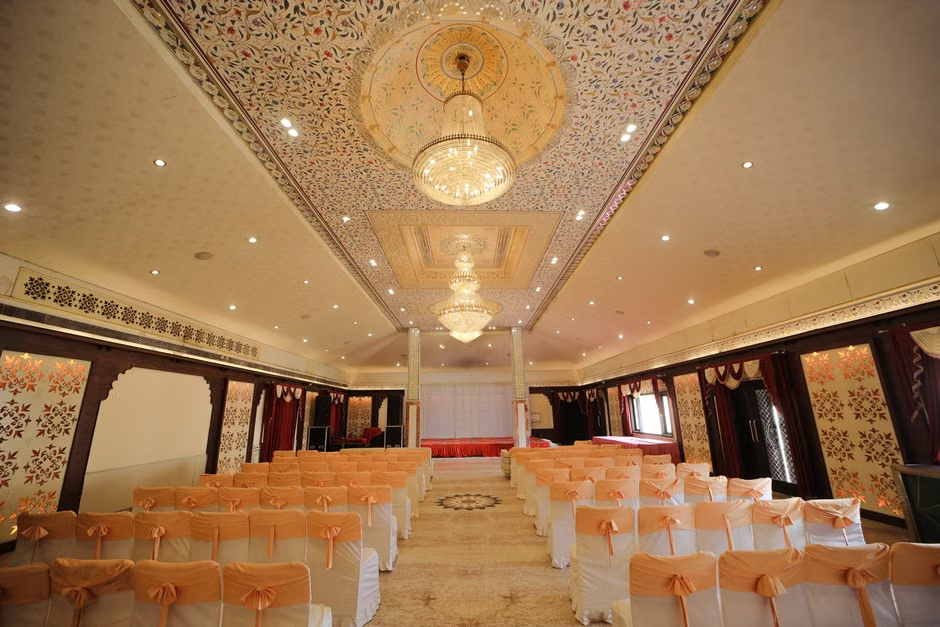
Hotel Bhimas Deluxe
Compare Tirupati with Other Top Destinations
Frequently Asked Questions
Is Tirupati a good destination for a Brahmotsavam or temple festival gathering?
Yes, strongly so. Tirupati is arguably India's most naturally suited destination for Brahmotsavam and temple festival gatherings. The city's entire hospitality and vendor ecosystem has evolved around large-scale devotional events, and the proximity to the Tirumala Venkateswara Temple lends unmatched spiritual significance. Local caterers, decorators, and hotel banquet teams are experienced in managing these formats at scale.
Can Tirupati accommodate a large group for a Sankranti or Ugadi celebration?
Yes. Tirupati's hotels and community event spaces can accommodate mid-to-large group sizes for structured celebrations. Local vendors are well-versed in traditional Sankranti and Ugadi formats — from traditional feasts to cultural programming. Booking accommodation and venues well in advance is advisable, particularly if the celebration date coincides with a major temple festival period.
What is the best time of year to plan a spiritual or pilgrimage gathering in Tirupati?
November through February is the recommended window. Temperatures are moderate, making outdoor ceremonies, processions, and multi-day programmes comfortable. Summer months (March–May) bring intense heat above 38°C, and the monsoon (June–September) adds humidity and rain. Events around major temple festival dates within the winter window should be booked very early due to high demand.
How easy is it for guests to travel to Tirupati from other cities?
Generally straightforward. Tirupati Airport (TIR) connects the city to Chennai, Bengaluru, Hyderabad, and Delhi, among others. Tirupati Railway Station (TPTY) is one of Andhra Pradesh's busiest, with direct trains from major South Indian cities and beyond. For most guests travelling from South India, the combination of rail and air options makes Tirupati comfortably accessible.
What kinds of event venues are available in Tirupati?
The primary options are hotel banquet halls and lawns, which offer in-house catering and accommodation for groups. Several properties have dedicated event spaces suited to religious functions and community gatherings. Spiritual retreat-style properties are also available for groups prioritising a contemplative atmosphere. Community halls serve more informal gatherings. Contemporary luxury-resort-style venues are limited.
Is Tirupati suitable for a religious family function like a naming ceremony or thread ceremony?
Yes. Religious family functions are among the event types Tirupati handles well. The sacred surroundings add meaningful context, and local hotels and vendors are experienced in coordinating with priests and ritual specialists. Many families combine a religious function with a pilgrimage visit to Tirumala, making Tirupati a practical and spiritually resonant choice for such occasions.
What should I know about local catering for events in Tirupati?
Tirupati's catering ecosystem is a genuine strength for vegetarian events. Local caterers are experienced in large-scale traditional South Indian vegetarian feasts, and the standard of vegetarian cooking is high. Non-vegetarian catering is limited and may require sourcing external vendors. Most hotel banquet menus default to pure vegetarian, which aligns naturally with the preferences of pilgrimage and religious gatherings.
How does the Tirumala access logistics work for event groups?
Tirumala, where the main Venkateswara Temple is located, sits atop a hill accessible via a ghat road or ropeway. The Tirumala Tirupati Devasthanams (TTD) operates dedicated bus services, and private vehicle arrangements are possible for smaller groups. Event planners should factor in TTD queuing systems and access timings when coordinating temple visits for guests, particularly those who are elderly or have mobility considerations.
Can Tirupati support a destination wedding with a spiritual or temple-style format?
Yes, particularly for couples seeking a temple or spiritual wedding format. Tirupati's sacred environment, experienced local priests, and traditional décor vendors make it well-suited to devotional wedding ceremonies. It is less suited to contemporary destination weddings that prioritise resort-leisure aesthetics, alcohol service, or nightlife — for those formats, a different destination would typically be a better fit.
Are there accommodation options for large guest groups attending an event in Tirupati?
Yes. The city has a range of hotels — from full-service properties with banquet facilities to more modest pilgrim-oriented accommodations — that together can support sizeable guest groups. For very large gatherings coinciding with peak pilgrimage or festival dates, accommodation availability tightens considerably, and early booking across multiple properties is strongly advisable to secure sufficient room inventory.
What makes Tirupati's local vendor ecosystem well-suited to devotional events?
Decades of serving large pilgrim and festival crowds have shaped a vendor community that is genuinely experienced in traditional South Indian religious event formats — from marigold and banana-leaf décor to large-scale sattvic catering and devotional music. Hotel event teams typically have established relationships with local priests and ritual specialists, reducing the coordination burden on external planners.

Ready to explore venues in Tirupati?
Tirupati: Spiritual Celebrations, Temple Festivals & Event Venues
◆Tirupati is one of India's foremost pilgrimage cities, built around the sacred Tirumala Venkateswara Temple and best suited to spiritual gatherings, temple festivals, religious family functions, and culturally rooted celebrations such as Brahmotsavam, Sankranti, and Ugadi. Its primary vibe is devotional and community-centred rather than glamorous or resort-leisure. The city is well-connected by rail and air, making it accessible for guests travelling from across South India and beyond. Hospitality infrastructure is solid and growing, with options spanning spiritual retreat-style properties to full-service hotels. Winter months (November–February) are the most comfortable for events.
Tirupati at a Glance
| Attribute | Detail |
|---|---|
| Best For | Brahmotsavam / Temple Festival Gathering, Sankranti Celebration, Ugadi Celebration, Spiritual / Pilgrimage Gathering |
| Primary Vibe | Spiritual & Soulful |
| Other Vibes | Community-Centred, Culturally Rooted, Devotional Heritage |
| Best Season | Winter (November–February) |
Why Choose Tirupati?
- Unmatched sacred significance: The Tirumala Venkateswara Temple is among the most visited religious sites on earth, lending a depth of spiritual meaning to any gathering held here that few other destinations can replicate.
- Purpose-built for large devotional gatherings: Tirupati's civic and hospitality infrastructure has evolved over decades to handle enormous volumes of pilgrims and festival participants, meaning large religious group events are genuinely well-supported logistically.
- Strong rail and air connectivity: Tirupati Airport (TIR) and Tirupati Railway Station (TPTY) together provide reliable access from Chennai, Bengaluru, Hyderabad, and other major South Indian cities, reducing travel friction for out-of-town guests.
- Deep cultural resonance for Telugu and Tamil communities: Festivals like Brahmotsavam, Sankranti, and Ugadi carry particular emotional and cultural weight in this region, and local vendors, caterers, and event organisers are experienced in executing them authentically.
- Growing hospitality sector: The city now hosts a range of hotels — from full-service properties with banquet facilities to quieter spiritual retreat-style accommodations — giving event planners meaningful choice across different group sizes and formats.
- Pleasant winter climate: Between November and February, temperatures are moderate and manageable, making multi-day outdoor ceremonies, processions, and community gatherings far more comfortable than in the hotter or wetter months.
Which Celebrations Work Best in Tirupati?
Brahmotsavam / Temple Festival Gathering: This is arguably Tirupati's signature event type. The city's entire ecosystem — from accommodation to local transport to catering — is oriented around large-scale devotional gatherings. Brahmotsavam-style events, whether tied to the official temple calendar or organised privately by communities and families, find a natural and deeply resonant home here.
Sankranti Celebration: Sankranti is one of the most important harvest and community festivals in Andhra Pradesh and Telangana, and Tirupati's cultural fabric makes it a particularly meaningful place to mark it. Local caterers and event organisers are well-versed in traditional Sankranti formats, from rangoli and bonfires to traditional feasts.
Ugadi Celebration: As the Telugu and Kannada New Year, Ugadi carries deep significance in this region. Celebrating it in Tirupati — with its sacred surroundings and community-oriented hospitality — adds a layer of spiritual and cultural authenticity that resonates strongly with families and communities rooted in South Indian tradition.
Spiritual / Pilgrimage Gathering: Groups travelling together for darshan, spiritual retreats, or multi-day devotional programmes find Tirupati exceptionally well-suited. The city is experienced at accommodating large pilgrim groups, and several hotels and retreat properties are specifically oriented toward this kind of stay.
Religious Family Function: Naming ceremonies, thread ceremonies, family pujas, and other religious milestones take on added meaning when conducted in proximity to one of Hinduism's most sacred temples. Families often choose Tirupati specifically to combine a religious function with a pilgrimage visit.
Temple Festival: Beyond the Tirumala temple's own calendar events, Tirupati and its surrounding region host numerous smaller temple festivals throughout the year. These are well-supported by local communities and offer a genuine, unmediated cultural experience for guests.
Venues & Event Spaces
Tirupati's event venue landscape is shaped by its identity as a pilgrimage city. The most common venue types include full-service hotel banquet halls and lawns, which are the primary choice for structured family gatherings and religious functions requiring catering and accommodation under one roof. Several properties offer dedicated event spaces that can accommodate mid-to-large group sizes, with in-house catering experienced in traditional South Indian vegetarian menus — a practical fit for the predominantly sattvic (pure vegetarian) preferences of many pilgrimage-oriented gatherings.
Beyond hotels, the city has community halls and dharamshalas (pilgrim rest houses) that serve more informal or budget-conscious group gatherings, though these are generally less suited to structured event production. For larger outdoor ceremonies or processions, open grounds near temple precincts and city parks are sometimes used, though these require advance coordination with local authorities. Spiritual retreat properties — quieter, campus-style accommodations — are increasingly available and suit groups prioritising a contemplative atmosphere over event production scale.
Best Time to Celebrate
The curated best season for Tirupati events is Winter (November–February), and this recommendation is grounded in concrete practical reasons. Temperatures during these months typically range from the low 20s°C at night to the high 20s or low 30s°C during the day — manageable for outdoor ceremonies, processions, and multi-day gatherings that involve significant time spent outdoors or in open temple precincts.
The summer months (March through May) bring intense heat, with temperatures regularly exceeding 38°C and occasionally touching 42°C. This makes outdoor events genuinely uncomfortable and potentially unsafe for elderly guests and children — a significant concern for family-oriented religious gatherings. The monsoon season (June through September) brings humidity, intermittent heavy rainfall, and the practical challenges of managing outdoor event logistics in wet conditions. October, while post-monsoon, still carries residual heat and occasional unseasonal rains, making it a less reliable shoulder month than it might be in other destinations.
Within the winter window, the period around major festival dates — Brahmotsavam (which falls on the Telugu calendar, typically in September–October, but also has a second occurrence), Sankranti (mid-January), and Ugadi (March–April, which falls outside the ideal weather window) — should be planned carefully, as the city sees very high visitor volumes during these periods and accommodation availability tightens significantly. Booking well in advance is strongly advisable for any event coinciding with a major temple festival date.
Getting There & Local Connectivity
Tirupati is well-served by both air and rail, which is a genuine advantage for event planners managing guests from multiple cities. Tirupati Airport (TIR) operates regular flights connecting the city to major hubs including Chennai, Bengaluru, Hyderabad, and Delhi, making it accessible for guests flying in from across India. The airport is located a short distance from the city center, and pre-arranged transfers are straightforward to organise for groups.
Tirupati Railway Station (TPTY) is one of the busiest stations in Andhra Pradesh, with direct train connections to Chennai, Bengaluru, Hyderabad, Mumbai, and numerous other cities. For guests travelling from South India, the train is often the most convenient and reliable option, and the station's central location makes onward transfers easy.
Within the city, local transport options include auto-rickshaws, taxis, and app-based cab services. For group movements — particularly the ascent to Tirumala — the Tirumala Tirupati Devasthanams (TTD) operates a dedicated bus service, and private vehicle arrangements can be made for smaller groups. Event planners should factor in the specific logistics of Tirumala access (which involves either a ghat road journey or a ropeway) when coordinating guest movements for any temple-related programme.
Local Vendor & Hospitality Ecosystem
Tirupati's vendor ecosystem is strongly oriented toward the needs of pilgrimage and religious gatherings, which is both its greatest strength and a defining characteristic that shapes what kinds of events it serves best. Catering is a particular strength: the city has a deep tradition of large-scale vegetarian cooking, and local caterers are experienced in preparing traditional South Indian feasts (including the famous Tirupati laddu prasadam tradition, which sets a high bar for food quality expectations among guests). Most catering vendors default to pure vegetarian menus, which aligns naturally with the preferences of religious gatherings but may require additional coordination for events where guests expect non-vegetarian options.
Decoration and event production vendors are available and experienced in traditional South Indian floral and temple-style aesthetics — marigold garlands, banana leaf arrangements, traditional kolam designs, and devotional staging. For more contemporary or fusion event aesthetics, the local vendor pool is narrower, and planners may need to bring in specialists from Chennai or Bengaluru.
Hotel banquet teams are generally experienced in managing religious family functions and community gatherings, and many properties have established relationships with local priests, ritual specialists, and music performers for devotional programmes. The overall hospitality culture in Tirupati is warm and community-oriented, reflecting the city's long tradition of welcoming pilgrims from across the country.
Pros & Things to Consider
Why Tirupati Works Well
- Exceptional spiritual significance — no other Indian city offers the same sacred backdrop for devotional gatherings
- Strong rail and air connectivity makes guest travel manageable from across South India
- Local catering ecosystem is highly experienced in large-scale traditional vegetarian feasts
- Vendor community is well-versed in traditional South Indian religious event formats
- Pleasant winter climate (November–February) supports comfortable multi-day outdoor events
- Growing hotel infrastructure provides meaningful accommodation options for group stays
Things to Consider
- The city's identity is strongly devotional — it is less suited to events that prioritise nightlife, alcohol-inclusive celebrations, or purely leisure-resort experiences
- Peak pilgrimage periods (major festival dates, weekends) cause significant accommodation pressure and require very early booking
- Non-vegetarian catering options are limited and may require advance planning or external vendors
- Contemporary or luxury-resort-style event production vendors are fewer locally; specialist suppliers may need to be sourced from larger nearby cities
- Tirumala access logistics (ghat road, ropeway, TTD queuing systems) require careful coordination for groups with elderly or mobility-limited guests
- Summer heat (March–May) makes this destination genuinely unsuitable for outdoor events during those months
When Tirupati May Not Be the Right Fit
- Events requiring alcohol service or non-vegetarian catering as a central feature: Tirupati's cultural and religious character means these elements are either unavailable or significantly constrained — a different destination would serve such events better.
- Purely leisure or resort-style destination weddings: Couples seeking a glamorous, resort-leisure backdrop with contemporary décor, nightlife, and a wide range of entertainment options will find Tirupati's offering limited compared to destinations purpose-built for that experience.
- Large-scale events planned during peak pilgrimage season without very early booking: If accommodation and venue availability cannot be secured well in advance around major temple festival dates, the logistical pressure on the city's infrastructure can make event execution genuinely difficult.
- Events planned for summer months (March–May) with significant outdoor components: The heat during this period is intense enough to pose real comfort and safety concerns for guests, particularly for outdoor ceremonies or processions — a cooler-season destination or an indoor-only format would be more appropriate.