
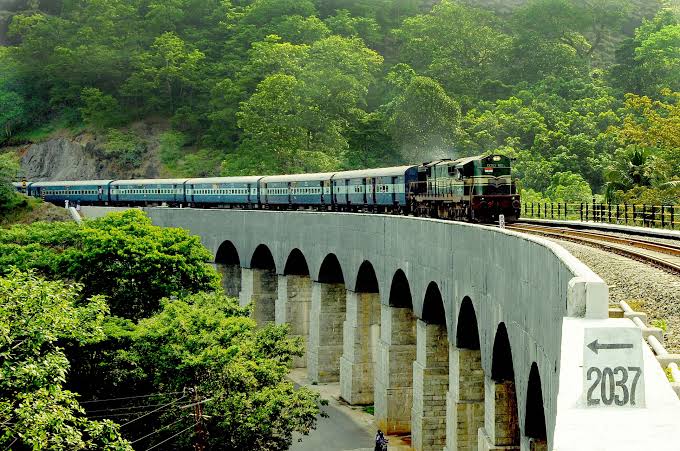
Why Thenmala is Perfect for Your Celebration
- India's first planned ecotourism destination — a genuinely rare, story-worthy setting for corporate and retreat events
- Shendurney Wildlife Sanctuary and Kallada River provide ready-made outdoor team-building and adventure activity infrastructure
- Monsoon season (July–August) transforms the landscape into peak lush greenery, creating a visually dramatic backdrop unavailable in drier destinations
- Eco-resort properties offer dedicated conference and event facilities within a forest setting, eliminating the need to shuttle between accommodation and venue
- Relative seclusion ensures minimal outside distraction — ideal for leadership retreats, strategy meets, and incentive trips requiring focused group engagement
- Onam celebrations in this region carry authentic Kerala cultural depth, with local folk performances, traditional cuisine, and festival atmosphere naturally integrated
Top Venues in Thenmala
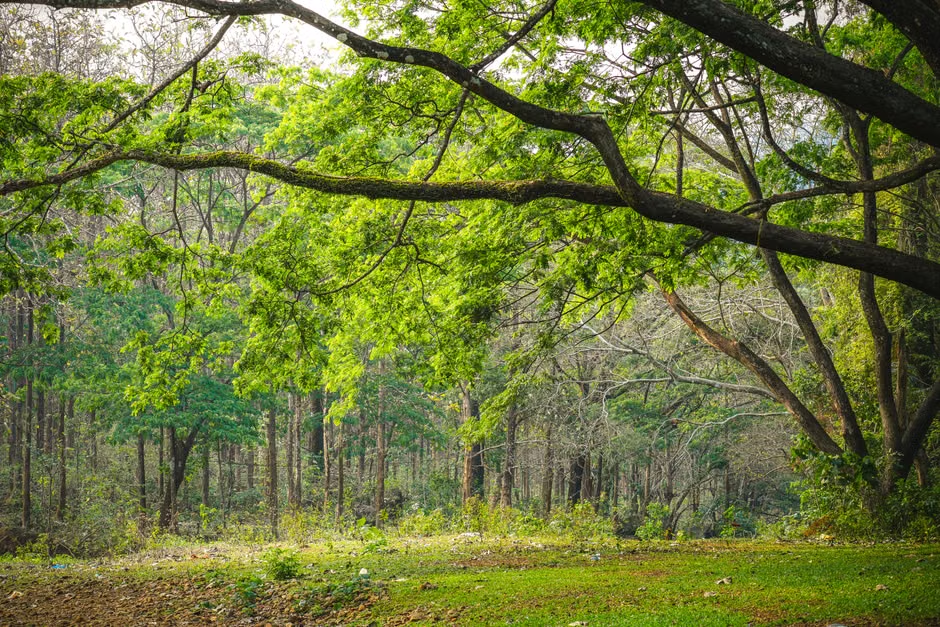
Thenmala Ecotourism Resort
Compare Thenmala with Other Top Destinations
Frequently Asked Questions
Is Thenmala a good destination for a corporate team-building retreat?
Yes. Thenmala is particularly well-suited to team-building retreats. India's first planned ecotourism destination, it offers a built-in activity infrastructure — nature trails, river-based activities, adventure zones, and wildlife sanctuary surroundings — that provides genuine team-building content without requiring extensive external logistics. The forest environment and seclusion also support the focused, collaborative mindset that effective retreats require.
What size of group can Thenmala realistically accommodate for a corporate event?
Thenmala works best for groups of roughly 30 to 120 guests. Accommodation inventory across the destination is limited, and groups exceeding that range may need to distribute across multiple properties, adding coordination complexity. The destination is not designed for large-scale conferences or events requiring a single venue to host 200 or more delegates.
How do guests typically get to Thenmala?
Most guests arrive via Trivandrum International Airport, approximately 90–100 km away (roughly 2–2.5 hours by road). By rail, Punalur station — about 20–25 km from Thenmala — connects to Kollam and the broader Kerala rail network. From either point, onward road transfer is necessary, so group transport arrangements should be planned in advance.
Why is the monsoon (July–August) recommended as the best time for events in Thenmala?
Thenmala's ecotourism infrastructure is specifically designed to function during the monsoon. In July–August, the Shendurney forests are at peak greenery, waterfalls are at full flow, the Kallada River is visually dramatic, and temperatures are cooler than the pre-monsoon heat. The landscape is at its most distinctive and immersive during this period — making it the optimal time for eco-retreat events, not a period to avoid.
What kinds of event spaces and venues are available in Thenmala?
Thenmala's venues are primarily eco-resorts and nature lodges offering open-air pavilions, riverside dining decks, forest-edge lawns, and small indoor conference rooms. The emphasis is on integration with the natural environment. There are no large ballroom or convention-centre-style spaces — the destination suits intimate, nature-immersive event formats rather than grand formal banquets.
Is Thenmala suitable for a leadership retreat or board strategy meeting?
Yes, particularly for small senior groups. The seclusion, natural surroundings, and absence of urban distraction make Thenmala well-suited to leadership retreats and board-level strategy sessions where focused, reflective thinking is the goal. Eco-resort properties typically offer small conference rooms alongside outdoor spaces, supporting a mix of structured sessions and informal group engagement.
Can Thenmala host an incentive trip for a high-performing corporate team?
Yes. Thenmala offers an incentive experience that feels genuinely exclusive and unusual — a curated eco-destination with wildlife sanctuary access, river scenery, nature activities, and authentic Kerala cultural experiences. For organisations seeking to reward teams with something beyond a standard beach or city hotel stay, Thenmala provides a distinctive and memorable alternative.
What outdoor activities are available for groups at Thenmala?
The ecotourism zone includes guided nature trails, a butterfly garden, deer park, adventure activity zones, boating on the Kallada reservoir, and access to the Shendurney Wildlife Sanctuary. Cultural experiences — including Kathakali performances and traditional Kerala cuisine events — can also be arranged through local operators, making the activity programme genuinely varied for a multi-day group stay.
How reliable is mobile and internet connectivity in Thenmala?
Connectivity in Thenmala's forested areas can be patchy. Mobile signal and internet access vary by location and network provider. Groups with significant digital connectivity requirements during the event — live streaming, large video calls, or real-time data work — should verify coverage and available bandwidth directly with their chosen property before confirming the booking.
Is Thenmala appropriate for an Onam celebration event?
Yes. Thenmala's location in Kerala means Onam celebrations here carry genuine cultural authenticity — traditional sadya feasts, Pookalam (flower rangoli) arrangements, folk performances, and local festival atmosphere are naturally accessible rather than staged for tourists. For groups wanting to experience Onam in an immersive, culturally rooted setting, Thenmala is a strong choice.
What should event organisers know about local vendors and catering in Thenmala?
A core set of local vendors — nature guides, activity coordinators, Kerala cuisine catering teams, and cultural performance groups — have genuine experience working with visiting groups over the destination's two-plus decades as an organised ecotourism zone. For standard retreat requirements, local vendors are generally adequate. More elaborate production elements may need to be sourced from Kollam or Thiruvananthapuram and transported in.
Is Thenmala suitable for a milestone birthday celebration like a 50th or 60th birthday?
Yes, for intimate groups. Thenmala suits milestone birthday getaways where the goal is a personalised, nature-immersive experience for a close group of family or friends — private resort stays, curated outdoor activities, Kerala cultural performances, and traditional cuisine create a memorable celebration. It is not suited to large birthday parties requiring grand banquet-hall formats or guest lists exceeding roughly 100–120 people.

Ready to explore venues in Thenmala?
Thenmala: Eco Retreat, Corporate Offsite & Event Destination in Kerala
◆Thenmala, located in Kollam district, Kerala, is India's first planned ecotourism destination and is strongest for corporate retreats, team-building programmes, leadership offsites, and incentive trips. Its primary vibe is nature-immersive and serene — dense forest, riverside settings, and wildlife sanctuary surroundings define the experience. The destination suits small-to-medium groups (typically under 150 guests) seeking genuine disconnection and structured outdoor engagement. The curated best season is the monsoon (July–August), when the landscape is at its most dramatic. Accessibility requires planning — guests typically arrive via Trivandrum airport or Kollam/Punalur railway and transfer by road. The overall character is eco-conscious and mid-range in hospitality scale.
Thenmala at a Glance
| Attribute | Detail |
|---|---|
| Best For | Team-Building Retreat, Corporate Offsite, Leadership Retreat, Incentive Trip |
| Primary Vibe | Nature & Serene |
| Other Vibes | Eco-Immersive, Rustic, Culturally Rooted (Kerala folk traditions) |
| Best Season | Monsoon (July–August) |
Why Choose Thenmala?
- India's first planned ecotourism zone: Thenmala carries a genuine, verifiable distinction that gives corporate events and retreats a compelling narrative hook — groups are not simply booking a resort, they are convening inside a purposefully conserved eco-destination.
- Shendurney Wildlife Sanctuary as a living activity venue: Guided nature trails, butterfly gardens, deer parks, and river-based activities are available within or immediately adjacent to the ecotourism zone, providing ready-made team-building and incentive content without requiring external logistics.
- Kallada River and reservoir scenery: The Kallada irrigation project reservoir and river create a distinctive water-and-forest landscape that supports boating, riverside dining setups, and scenic group photography — elements that elevate an offsite beyond a standard conference room experience.
- Genuine seclusion for focused group work: Unlike urban or semi-urban event destinations, Thenmala's relative remoteness is an asset for leadership retreats and strategy meets — there are minimal urban distractions, and the forest environment has a documented calming effect on group dynamics and creative thinking.
- Authentic Kerala cultural integration: Proximity to traditional Kerala communities means Onam celebrations, Kathakali performances, and local folk music can be authentically sourced and integrated into event programmes, rather than staged as tourist approximations.
- Monsoon-season differentiation: Most event destinations actively discourage monsoon bookings. Thenmala's ecotourism infrastructure is specifically designed to function during the monsoon, and the July–August landscape — waterfalls at full flow, forests intensely green, air cool and clean — offers a visual and sensory experience unavailable at any other time of year.
Which Celebrations Work Best in Thenmala?
- Team-Building Retreat: Thenmala is among the more naturally suited destinations in Kerala for structured team-building. The ecotourism zone's trail network, adventure activities, and riverside settings provide a physical and psychological environment that encourages collaboration, communication, and trust-building in ways that indoor venues cannot replicate.
- Corporate Offsite: The combination of eco-resort conference facilities and an immersive natural setting makes Thenmala effective for corporate offsites where the goal is to shift team mindset, not simply hold meetings in a different city. The seclusion supports focused working sessions, and the environment provides natural energy breaks.
- Leadership Retreat: Small, senior leadership groups benefit particularly from Thenmala's quietude and natural surroundings. The absence of urban noise and distraction, combined with the reflective quality of a forest environment, makes it well-suited to strategic thinking, values alignment, and leadership development programmes.
- Incentive Trip: For organisations rewarding high-performing teams, Thenmala offers an experience that feels genuinely exclusive and unusual — not a standard beach resort or city hotel, but a curated eco-destination with activities, scenery, and cultural experiences that participants are unlikely to have encountered before.
- Board / Strategy Meet: Smaller board-level groups find the privacy and seclusion of Thenmala's eco-resort properties appropriate for sensitive strategic discussions. The setting signals intentionality — choosing a forest retreat over a city hotel communicates that the meeting is substantive, not ceremonial.
- Destination Birthday Getaway: For milestone birthday celebrations — particularly 40th, 50th, 60th, or 70th birthdays — Thenmala offers an intimate, nature-immersive alternative to conventional party venues. A private resort stay with curated outdoor experiences, Kerala cuisine, and cultural performances creates a memorable, personalised celebration for a close group of family or friends.
Venues & Event Spaces
Thenmala's event venue landscape is defined by eco-resorts and nature lodges rather than large banquet halls or convention centres. Properties in and around the ecotourism zone typically offer open-air pavilions, riverside dining decks, forest-edge lawns, and small indoor conference rooms suitable for groups of 30 to 150 guests. The emphasis is on integration with the natural environment — event setups frequently use the forest canopy, river views, or garden clearings as the primary visual backdrop rather than constructed décor.
Outdoor spaces are the dominant event format here. Covered outdoor structures — essential given the monsoon season's rain — are available at the better-equipped eco-resort properties, allowing events to proceed during light to moderate rainfall without moving entirely indoors. For larger celebrations or events requiring a grand ballroom-style space, Thenmala's current inventory does not comfortably support that format, and groups with those requirements may need to consider supplementary arrangements or a different destination.
The ecotourism zone itself — managed by the Kerala Forest Development Corporation — includes public recreational infrastructure such as a sculpture garden, musical fountain, adventure zone, and nature interpretation centre, some of which can be incorporated into event programmes with appropriate permissions and coordination through local operators.
Best Time to Celebrate
The curated best season for Thenmala is the monsoon (July–August). This is a deliberate, informed recommendation rather than a default — Thenmala is one of the few event destinations in India where the monsoon is genuinely the optimal time to visit rather than a period to avoid. During July and August, the Shendurney forests reach peak greenery, waterfalls in the surrounding hills are at full flow, the Kallada River and reservoir are visually dramatic, and the air temperature is cooler and more comfortable than the pre-monsoon heat. The ecotourism infrastructure is designed to function in wet conditions, and the overall sensory experience of the destination is at its most distinctive during this period.
March through May brings significant heat and humidity to this part of Kerala, making outdoor activities and events physically uncomfortable. Pre-monsoon conditions can be oppressive, and the landscape is at its driest and least visually compelling. September through November sees extended post-monsoon and northeast monsoon rainfall that can be heavier and less predictable than the southwest monsoon of July–August, potentially disrupting outdoor event programmes. December through February is the conventional tourist season for Kerala generally — weather is pleasant, humidity drops, and the landscape remains reasonably green — making it an acceptable shoulder season for Thenmala events, though the forests are less dramatically lush than during the monsoon peak and some waterfall activity diminishes.
Getting There & Local Connectivity
Thenmala is accessible primarily by road. The nearest major airport is Trivandrum International Airport, approximately 90–100 km away, making it roughly a 2 to 2.5-hour drive under normal conditions. For groups flying in from other Indian cities, Trivandrum is the practical gateway, with onward road transfer to Thenmala typically arranged through the resort or a local transport operator.
By rail, Punalur is the nearest railway station of practical relevance, located approximately 20–25 km from Thenmala. Punalur connects to Kollam on the main Kerala coastal rail network, from which onward connections to Thiruvananthapuram, Ernakulam, and other major Kerala cities are available. Kollam itself is a larger rail hub and is approximately 60–70 km from Thenmala by road, offering broader train connectivity for guests arriving from different parts of India.
Local movement within Thenmala and the surrounding ecotourism zone is almost entirely road-dependent. There is no local public transport infrastructure suited to group movement, so event organisers should plan dedicated vehicle arrangements — typically a combination of minibuses or tempo travellers — for transferring guests between accommodation, event spaces, and activity sites. Road conditions in the forested hill sections can be narrow and winding, which is worth factoring into transfer time estimates, particularly for larger vehicle convoys.
Local Vendor & Hospitality Ecosystem
Thenmala's vendor ecosystem is modest in scale but genuine in character. The destination has been operating as an organised ecotourism zone for over two decades, which means a core set of local operators — nature guides, activity coordinators, cultural performance groups, and catering teams specialising in Kerala cuisine — have developed real experience working with visiting groups. This is not a destination where event infrastructure has to be entirely imported from a distant city.
For standard corporate retreat requirements — Kerala sadya-style catering, outdoor activity facilitation, basic audio-visual setup, and cultural entertainment — local vendors are generally adequate. For more elaborate event production (large-scale décor, specialist lighting rigs, high-end catering with extensive menu customisation, or professional event management at a metropolitan standard), organisers should expect to source some vendors from Kollam, Thiruvananthapuram, or Kochi and factor in the logistics of bringing them to a relatively remote location.
Accommodation capacity across the destination is limited compared to larger Kerala event hubs. Groups exceeding 100–120 guests may find it necessary to distribute accommodation across multiple properties, which adds a coordination layer. Early booking is advisable, particularly for the July–August peak season, as the limited inventory means popular dates fill quickly.
Pros & Things to Consider
Why Thenmala Works Well
- Genuinely distinctive eco-destination identity — gives events a memorable, story-worthy setting
- Monsoon season is an asset rather than a liability — lush, dramatic, and cool
- Built-in outdoor activity infrastructure within the ecotourism zone reduces logistics burden for team-building programmes
- Seclusion and natural environment support focused, distraction-free group work
- Authentic Kerala cultural experiences (Onam, folk performances, traditional cuisine) are genuinely accessible
- Relatively intimate scale suits close-knit leadership groups, incentive cohorts, and milestone birthday gatherings
Things to Consider
- Accommodation inventory is limited — groups larger than 100–120 guests will face capacity constraints and may need to split across properties
- No large ballroom or convention-centre-scale event space exists; the destination is not suited to events requiring grand indoor banquet formats
- Road access from the nearest airport is approximately 2–2.5 hours, which adds meaningful travel time for guests, particularly those with connecting flights
- Specialist event vendors (high-end décor, professional AV, large-scale catering) may need to be sourced from Kollam or Thiruvananthapuram and transported in, adding cost and coordination complexity
- Mobile and internet connectivity in forested areas can be patchy — groups with heavy digital connectivity requirements during the event itself should verify coverage with their chosen property in advance
- The monsoon, while the recommended season, does bring real rainfall — outdoor event contingency planning (covered structures, flexible scheduling) is essential, not optional
When Thenmala May Not Be the Right Fit
- Large-scale events (150+ guests): The destination's accommodation and venue inventory is not designed for large groups. Events requiring a single property to house and host 200 or more guests will find Thenmala's current infrastructure insufficient.
- Events requiring grand indoor banquet or convention facilities: If the event format centres on a large formal banquet, a plenary hall for hundreds of delegates, or a multi-day conference with parallel breakout rooms at scale, Thenmala does not have the built environment to support it.
- Guests with limited mobility or travel tolerance: The 2–2.5 hour road transfer from the nearest major airport, combined with winding forest roads in the final approach, can be taxing for elderly guests or those with mobility considerations. A destination with closer airport access would serve such groups better.
- Strictly dry-weather outdoor events with no contingency: Groups planning entirely open-air events without covered backup structures, particularly during the monsoon season, face genuine risk of disruption. If the event format cannot accommodate rain at all, a drier-season destination would be more appropriate.