
Why Thanjavur is Perfect for Your Celebration
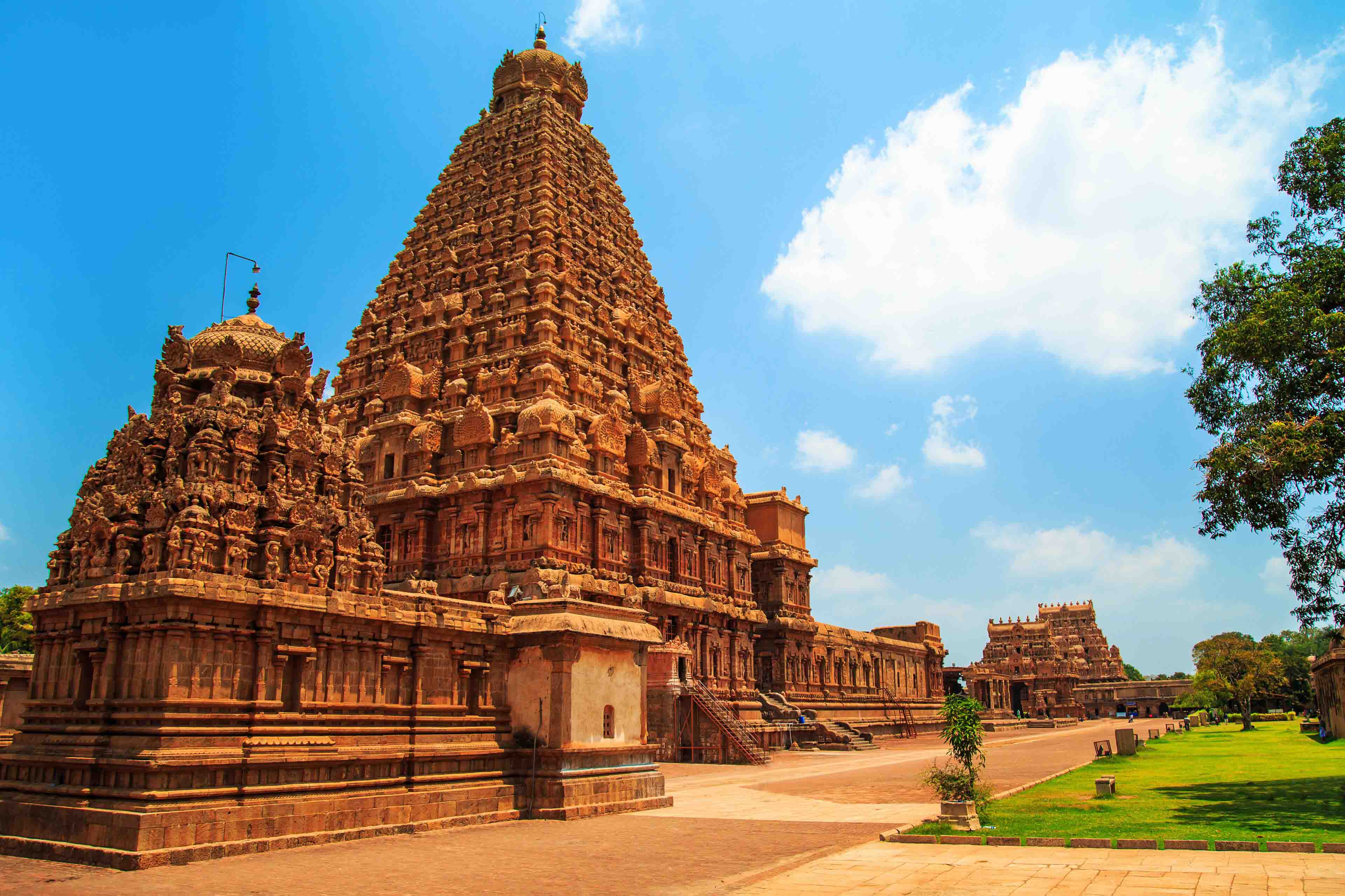
- Home to the UNESCO-listed Brihadeeswarar Temple — an unmatched ceremonial and photographic backdrop
- Thanjavur Palace complex offers genuine royal heritage event spaces for palace-style weddings
- Pongal and temple festival seasons (Jan–Feb) create a naturally festive, culturally immersive atmosphere
- Deep-rooted tradition of Carnatic music, Bharatanatyam, and Tanjore art enriches cultural event programming
- Relatively intimate city scale suits close-knit family gatherings and heritage-focused celebrations
- Well-connected by rail to Chennai, Madurai, and Trichy, making guest logistics manageable

Top Venues in Thanjavur
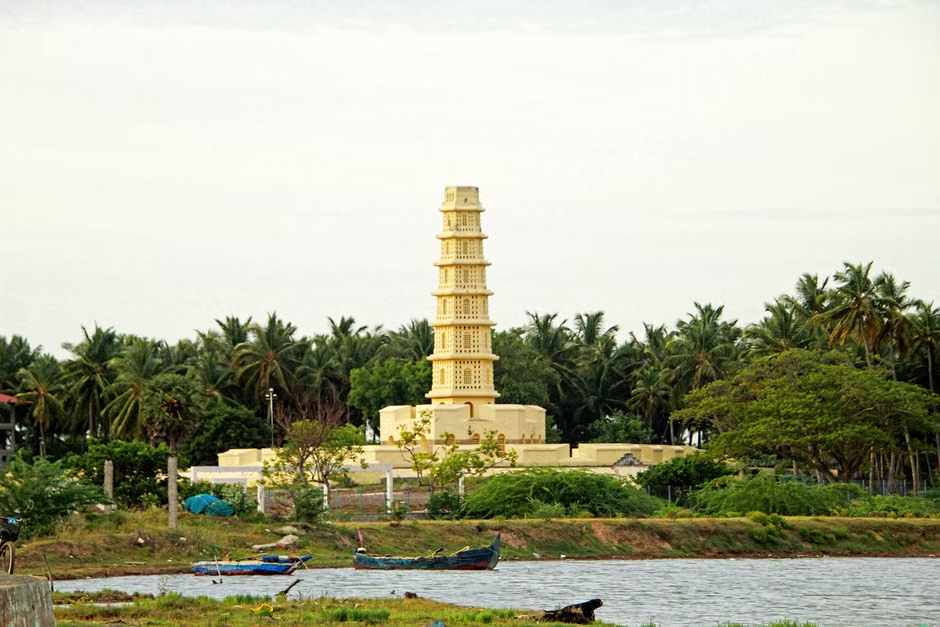
Hotel Sangam Thanjavur
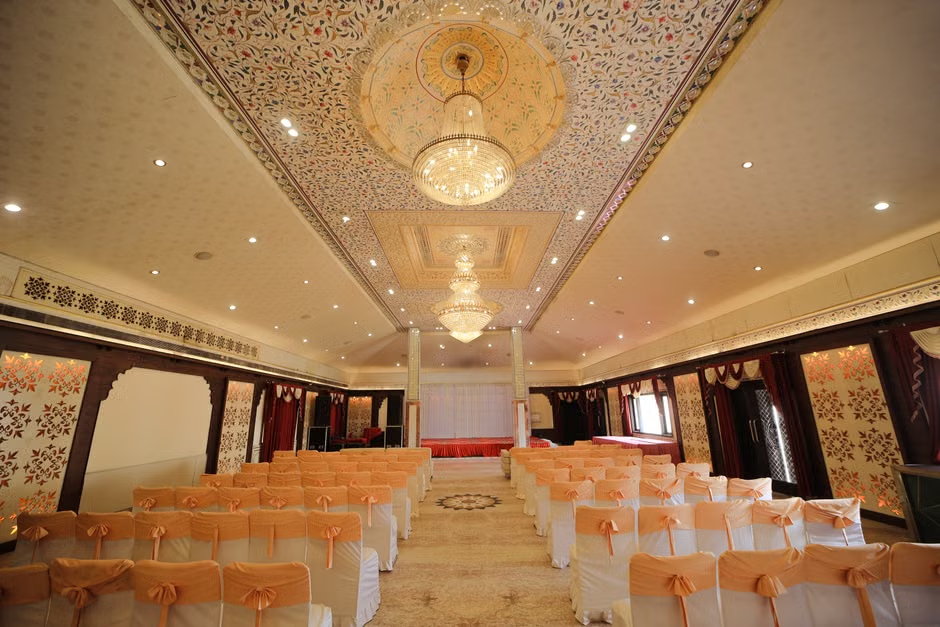
Hotel Parisutham
Compare Thanjavur with Other Top Destinations
Frequently Asked Questions
Is Thanjavur a good destination for a traditional South Indian wedding?
Yes, strongly so. Thanjavur is one of Tamil Nadu's most culturally authentic settings for traditional South Indian weddings. Local vendors are deeply experienced in Tamil wedding rituals, the city's heritage palace and temple architecture provides a genuinely historic backdrop, and the availability of classical music and Bharatanatyam performers adds a cultural dimension that is difficult to replicate elsewhere.
What is the best time of year to hold a wedding or celebration in Thanjavur?
November through February is the optimal window. Temperatures are comfortable (roughly 20°C–30°C), rainfall is minimal after the northeast monsoon withdraws in late November, and the city's festival calendar — including the Margazhi music season and Pongal — is at its richest. March onwards brings intense heat, and October–early November carries monsoon rainfall risk.
How do guests typically travel to Thanjavur for a destination event?
Most guests travel by rail — Thanjavur Junction has good connections from Chennai, Madurai, Trichy, and Coimbatore. Guests flying in use Tiruchirappalli International Airport as the primary air gateway, followed by a road transfer of roughly 55 km. Advance coordination of group transfers from Trichy airport is advisable, especially during peak festival season.
Is Thanjavur suitable for hosting a Pongal celebration event?
Yes, it is arguably the most authentic setting in Tamil Nadu for a hosted Pongal gathering. The harvest festival is deeply embedded in the city's community life — traditional kolam art, sugarcane rituals, and local music are genuinely part of the city's January atmosphere, making a hosted Pongal event feel culturally rooted rather than staged.
What guest-group sizes can Thanjavur venues realistically accommodate?
Thanjavur's venue stock is best suited to gatherings of roughly 100–400 guests. Intimate events of under 200 are particularly well-served by the heritage property and resort inventory. For very large events above 500 guests, permanent venue capacity is limited and temporary marquee setups on resort grounds are typically required.
Can I incorporate classical arts performances into my event in Thanjavur?
Yes, and this is one of Thanjavur's genuine strengths. As a living centre of Carnatic music and Bharatanatyam, the city has a deep pool of performers — Nadaswaram and Thavil ensembles, classical vocalists, and dance troupes — available for event programming at a quality and authenticity that is hard to match elsewhere in South India.
What kinds of venues are available for events in Thanjavur?
The venue landscape includes heritage properties and palace-adjacent spaces, river-facing resorts with outdoor lawn areas, and conventional banquet halls with traditional mandapam setups. The most distinctive options are heritage-character properties suited to palace-style weddings and cultural gatherings. Large convention-style venues are not a feature of the city's current inventory.
Is Thanjavur suitable for a Cultural Festival Gathering or temple festival event?
Yes. The city's calendar of temple festivals — centred on the Brihadeeswarar Temple and surrounding Chola-era shrines — and its classical arts season make it a natural host for cultural gatherings. Groups can time events to coincide with existing festivals for a richer experience, or programme standalone cultural events drawing on the city's deep local talent pool.
How easy is it for guests to get around Thanjavur once they arrive?
Relatively easy. The city is compact, and most heritage landmarks, the palace area, and the main accommodation cluster are within a short drive of each other. Hired cabs, auto-rickshaws, and chartered minibuses are the standard options for group movement. Advance booking of group transport is recommended during peak festival season in December–January.
Do I need to bring event vendors from outside Thanjavur?
For traditional Tamil catering, floral decoration, classical music, and ritual-related services, local vendors are well-equipped and experienced. For large-scale luxury event production — complex AV, high-end décor, or international-standard lighting — specialist vendors are typically sourced from Chennai or Bengaluru, so factor in additional logistics for elaborate multi-day productions.
Is Thanjavur a good fit for a destination wedding with out-of-town guests?
Yes, particularly for couples whose guest list is predominantly from Tamil Nadu or South India. Rail connectivity makes travel manageable for most domestic guests. The city's cultural richness — temples, palace heritage, classical arts — gives out-of-town guests a genuinely memorable experience beyond the wedding itself. Guests requiring direct international air access will face a longer multi-leg journey.

Ready to explore venues in Thanjavur?
Thanjavur: Heritage Weddings, Festival Celebrations & Cultural Events
◆Thanjavur is Tamil Nadu's foremost heritage destination for culturally immersive celebrations — strongest for Pongal gatherings, palace and heritage weddings, temple festival events, and cultural festival gatherings. Its primary vibe is Cultural & Festive, rooted in its identity as the ancient Chola capital and home to the UNESCO-listed Brihadeeswarar Temple. The best season runs from November through February, when the climate is dry and manageable and the city's festival calendar is at its richest. Guest accessibility is moderate — excellent by rail from major Tamil Nadu cities, with air guests typically routing through Tiruchirappalli. The overall character is intimate and deeply South Indian rather than large-scale luxury.
Thanjavur at a Glance
| Attribute | Detail |
|---|---|
| Best For | Pongal Celebration, Palace / Heritage Wedding, Cultural Festival Gathering, Destination Wedding |
| Primary Vibe | Cultural & Festive |
| Other Vibes | Royal & Heritage, Spiritual & Traditional, Intimate & Authentic |
| Best Season | Winter (November–February) |
Why Choose Thanjavur?
- UNESCO World Heritage backdrop: The Brihadeeswarar Temple — one of the greatest Chola monuments — provides a ceremonial and photographic setting that is genuinely irreplaceable and specific to this city alone.
- Authentic palace heritage: The Thanjavur Maratha Palace complex offers a rare opportunity to hold events within a living royal heritage structure, lending a legitimately historic character to weddings and receptions.
- Festival-season richness: Pongal (mid-January) and the broader winter temple festival calendar mean that events planned in this window naturally coincide with the city's most vibrant cultural moment, enriching the guest experience without additional programming effort.
- Classical arts tradition: Thanjavur is the birthplace of Bharatanatyam's Tanjore style and a centre of Carnatic music — live classical performances, Tanjore painting workshops, and traditional craft experiences are genuinely available as event add-ons.
- Intimate city scale: Unlike larger metro destinations, Thanjavur's compact geography means guests, venues, and cultural landmarks are close together, reducing logistics complexity for family-scale gatherings.
- Rail connectivity: Thanjavur Junction is well-served by trains from Chennai, Madurai, Coimbatore, and Tiruchirappalli, making it accessible for guests travelling from across Tamil Nadu and beyond without requiring a flight.
Which Celebrations Work Best in Thanjavur?
Pongal Celebration: Thanjavur is arguably the most authentic setting in Tamil Nadu for a Pongal gathering. The harvest festival is celebrated with deep community involvement here — traditional kolam art, sugarcane rituals, and local music are woven into the city's fabric in January, making a hosted Pongal event feel genuinely rooted rather than staged.
Palace / Heritage Wedding: The Thanjavur Palace complex and the city's heritage properties provide a legitimately royal Tamil setting for weddings. Ceremonies conducted against Chola-era architecture carry a cultural weight that resonates strongly with families seeking a traditional yet grand South Indian wedding.
Cultural Festival Gathering: Thanjavur's year-round calendar of classical music sabhas, Bharatanatyam performances, and temple festivals makes it a natural host for cultural gatherings — whether a family reunion timed to a festival, a corporate cultural retreat, or a multi-day arts celebration.
Destination Wedding: For couples who want a destination wedding with genuine cultural depth rather than a generic resort backdrop, Thanjavur offers a distinctive South Indian identity. The combination of temple architecture, palace venues, and classical arts creates a memorable multi-day experience for out-of-town guests.
Temple Festival: Several major temple festivals — including those at the Brihadeeswarar Temple and surrounding Chola-era shrines — draw large gatherings and provide a ready-made festive atmosphere for families wishing to combine a religious celebration with a hosted event.
Local Folk Festival / Fair: Thanjavur's rural hinterland has a strong tradition of local folk performances, Therukoothu (street theatre), and village fairs. Groups interested in an immersive folk cultural experience — as part of a pre-wedding celebration or a cultural gathering — will find genuine local programming available.
Venues & Event Spaces
Thanjavur's event venue landscape is characterised by heritage properties and mid-scale resorts rather than large convention-style hotels. The most distinctive spaces are those set within or adjacent to historic structures — palace annexes, heritage mansions, and properties built around traditional Tamil courtyard architecture. River-facing resorts along the Grand Anicut Canal area offer outdoor lawn spaces suitable for evening receptions and pre-wedding functions. The city also has conventional banquet halls attached to its established hotels, which are well-suited to traditional Tamil wedding rituals requiring specific mandapam-style setups. For very large guest lists (above 500), the city's permanent venue inventory is limited, and temporary marquee or outdoor setups on resort grounds are typically used to supplement capacity. Smaller, intimate gatherings of 100–300 guests are particularly well-served by the existing heritage property stock.
Best Time to Celebrate
The November–February window is the clear optimal period for events in Thanjavur. Temperatures during these months typically range between approximately 20°C and 30°C — genuinely comfortable for outdoor ceremonies, evening receptions, and daytime rituals that are common in South Indian weddings. Crucially, this period also coincides with the city's most important cultural and festival calendar: the Margazhi music season (December–January), Pongal (mid-January), and several major temple festival cycles. Hosting an event during this window means guests naturally experience the city at its most alive.
The March–May period brings rapidly rising temperatures, frequently exceeding 36°C–38°C by April and May, making outdoor events uncomfortable and logistically demanding. Air-conditioned indoor venues remain usable, but the overall guest experience suffers significantly. June through September sees the influence of the southwest monsoon, and while Thanjavur is somewhat sheltered compared to the west coast, rainfall is still a meaningful risk for outdoor setups. October and early November bring the northeast monsoon, which affects the Cauvery delta region — including Thanjavur — more directly, with heavy and sometimes unpredictable rainfall that makes outdoor event planning genuinely risky. Late November, once the northeast monsoon withdraws, marks the practical start of the good season.
Getting There & Local Connectivity
Thanjavur is best reached by rail for most guests. Thanjavur Junction is a well-established station on the Southern Railway network, with direct or single-change connections from Chennai, Madurai, Coimbatore, Trichy, and several other major Tamil Nadu cities. For guests travelling from outside Tamil Nadu or from distant metros, Tiruchirappalli International Airport (TRZ) — approximately 55 km away — is the practical air gateway, offering connections to Chennai, Bengaluru, and select international routes. Thanjavur itself has a small civil aviation facility, but scheduled commercial services are limited and guests should not rely on it as a primary air option.
Within the city, local transport for event groups typically involves hired cabs, auto-rickshaws, and chartered minibuses. The city's compact geography means that most heritage landmarks, the palace area, and the main hotel cluster are within a short drive of each other, which simplifies guest movement between accommodation, ceremony venues, and cultural excursion points. For large wedding parties requiring coordinated group transfers, local travel operators are available, though advance booking during peak festival season (December–January) is strongly advisable.
Local Vendor & Hospitality Ecosystem
Thanjavur has a well-established local vendor ecosystem for traditional South Indian events, particularly Tamil Brahmin and Saiva wedding rituals, Pongal celebrations, and temple-linked ceremonies. Local caterers are experienced in preparing elaborate traditional Tamil menus — including multi-course sadhya-style meals on banana leaves — and sourcing authentic regional ingredients. Floral decorators familiar with traditional South Indian wedding aesthetics (jasmine garlands, banana stem pillars, kolam art) are readily available.
For classical arts programming — Carnatic music ensembles, Bharatanatyam performances, Nadaswaram and Thavil groups — Thanjavur is genuinely one of the best-sourced cities in India, given its status as a living centre of these traditions. Event planners can access performers of genuine calibre without the premium that applies in larger metros.
Where the ecosystem is thinner is in large-scale luxury event production: high-end destination wedding planners with experience managing 400+ guest events, international-standard AV and lighting production companies, and luxury décor vendors are less concentrated here than in Chennai or Coimbatore. Couples planning elaborate multi-day destination weddings with complex production requirements may need to bring specialist vendors from Chennai or Bengaluru, factoring in associated logistics.
Pros & Things to Consider
Why Thanjavur Works Well
- Genuinely unique cultural identity — no other city offers the same combination of Chola temple heritage, palace venues, and living classical arts tradition
- Excellent fit for traditional Tamil and South Indian wedding rituals, with local vendors deeply experienced in these formats
- Pongal and winter festival season creates a naturally festive atmosphere that enhances any event held in January–February
- Compact city geography simplifies guest logistics and reduces transfer times between venues and accommodation
- Good rail connectivity makes the city accessible for guests from across Tamil Nadu without requiring flights
- Relatively intimate scale suits close-knit family celebrations where cultural immersion matters more than large-scale spectacle
Things to Consider
- Air connectivity is limited — guests flying in must typically route through Tiruchirappalli, adding travel time and a road transfer leg
- Luxury hotel inventory is modest; the city does not currently have a 5-star branded property, which may affect expectations for high-end accommodation blocks
- Large-scale event production (500+ guests, complex AV/lighting, international décor) requires importing specialist vendors, typically from Chennai
- Peak festival season (Pongal week, major temple festivals) means the city can be busy and accommodation in demand — early booking is essential
- Summer months are genuinely harsh, limiting the usable event calendar to roughly five months of the year
When Thanjavur May Not Be the Right Fit
- Very large guest lists (600+): The permanent venue inventory in Thanjavur is not well-suited to events at this scale; a city with larger convention or resort infrastructure would serve better.
- Guests requiring direct international air access: Visitors flying in from abroad face a multi-leg journey (international flight to Chennai or another hub, then onward to Trichy, then road transfer) — for a predominantly international guest list, a destination with a major international airport would reduce travel fatigue significantly.
- Monsoon-season outdoor events (October–early November): The northeast monsoon directly affects this region; couples set on outdoor ceremonies during this window face genuine weather risk that is difficult to mitigate.
- Couples seeking a contemporary, cosmopolitan event aesthetic: Thanjavur's strength is deep cultural authenticity. Those seeking a modern, trend-forward destination wedding with a cosmopolitan vibe will find the city's character and venue stock less aligned with that vision than larger urban or coastal alternatives.