
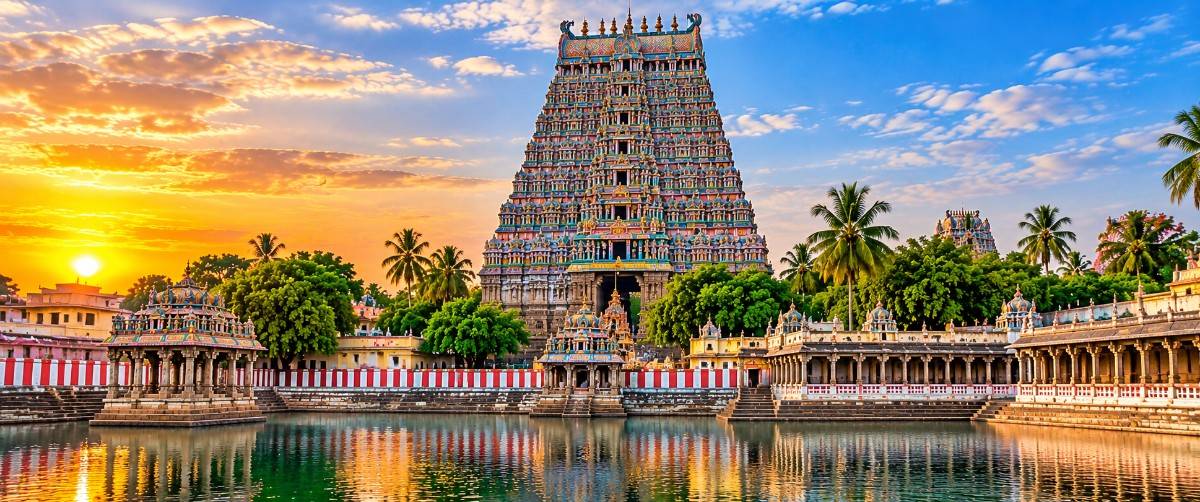
Why Srirangam is Perfect for Your Celebration
- Home to the Ranganathaswamy Temple — one of the world's largest Hindu temple complexes, creating an unmatched sacred backdrop for religious events
- Ideal for Pongal celebrations, with the town's deep Tamil agricultural and devotional traditions making the festival especially authentic here
- Proximity to Tiruchirappalli (Trichy) provides airport access, broader hotel inventory, and urban vendor support within 10 km
- Srirangam's own railway station and Trichy Junction together make guest travel straightforward from Chennai, Madurai, Coimbatore, and Bengaluru
- The island setting between the Kaveri and Kollidam rivers lends a naturally enclosed, community-oriented atmosphere suited to family gatherings and reunions
- Strong local tradition of temple-linked ceremonies — naming functions, family rituals, and community gatherings are deeply embedded in the town's cultural fabric
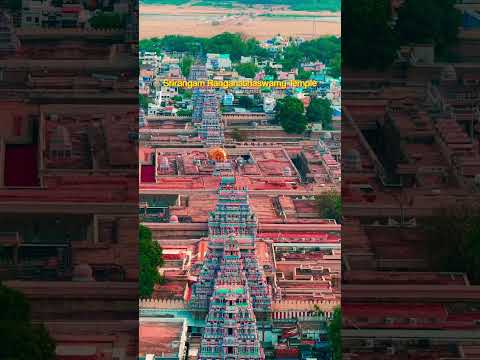
Compare Srirangam with Other Top Destinations
Frequently Asked Questions
Is Srirangam a good destination for a Pongal celebration or family gathering?
Yes, strongly so. Srirangam is one of the most authentic settings in Tamil Nadu for Pongal, with the town's deep agricultural and devotional traditions making the festival feel genuinely rooted. The Ranganathaswamy Temple's rituals, local kolam culture, and community spirit create a natural backdrop that purpose-built event venues simply cannot replicate for this kind of celebration.
What size of guest group can Srirangam realistically accommodate for an event?
Srirangam comfortably supports small to mid-sized gatherings — typically up to 200–400 guests — when accommodation is spread across nearby Trichy hotels and event spaces in the Trichy–Srirangam corridor. Very large groups of 500+ guests requiring a single self-contained venue will find the local inventory more stretched and should plan accommodation across multiple properties.
How do guests travel to Srirangam for an event?
Most guests arrive via Tiruchirappalli International Airport (TRZ), which has domestic connections from Chennai, Bengaluru, Mumbai, and Hyderabad, plus some Gulf routes. Tiruchirappalli Junction is a major Southern Railway hub with good connections from Chennai, Madurai, and Coimbatore. From Trichy, Srirangam is roughly 15–20 minutes by road.
What is the best time of year to hold a religious family function or temple festival event in Srirangam?
November through February is the best window. The weather is cooler and dry, making outdoor ceremonies and temple visits comfortable. This period also coincides with the Margazhi devotional season (mid-December to mid-January) and Vaikunta Ekadasi, adding natural cultural depth to any spiritually oriented event planned during these months.
What kinds of event spaces are available in Srirangam?
Within Srirangam itself, event spaces include dharamshalas, religious trust community halls, and open grounds near the temple complex — well-suited to traditional ceremonies and community gatherings. For structured banquet facilities, catering kitchens, and air-conditioned halls, nearby Trichy (6–10 km away) offers hotel banquet halls and standalone function venues.
Are there experienced local vendors for traditional Tamil ceremonies in Srirangam?
Yes. Srirangam has a well-established ecosystem of ritual priests (archakas), traditional caterers specialising in banana-leaf saapadu, flower decorators, and nadaswaram music ensembles. Local caterers are experienced in large-scale community feeding. For more elaborate event production — lighting, staging, audio-visual — vendors typically operate from Trichy and service Srirangam events routinely.
Is Srirangam suitable for a spiritual or pilgrimage group gathering?
Yes, it is among the most suitable destinations in South India for this purpose. The Ranganathaswamy Temple complex, with its vast prakarams, sacred tanks, and continuous ritual schedule, provides a complete pilgrimage environment. The town's infrastructure — pilgrim rest halls, local priests, and traditional catering — is specifically oriented toward supporting group devotional visits.
What should I know about catering norms for events near the Srirangam temple?
Vegetarian-only catering is the norm for venues and spaces within and immediately around the temple precinct, in keeping with the sacred character of the area. Non-vegetarian catering is available through Trichy-based vendors for events held at hotel properties further from the temple. This is worth clarifying early in the planning process, particularly for mixed-preference guest groups.
How far in advance should I plan an event in Srirangam, especially during festival periods?
For events coinciding with major temple festivals like Vaikunta Ekadasi or the Brahmotsavam, planning 6–12 months in advance is strongly advisable. The town becomes extremely crowded during these periods, and accommodation in both Srirangam and Trichy fills quickly. For events outside peak festival windows, 3–6 months of lead time is generally sufficient.
Is Srirangam safe and accessible for elderly guests and families with children?
Generally yes — Srirangam is considered very safe and is a family-oriented pilgrimage town. However, the temple complex involves considerable walking on stone floors, and the town's lanes can be crowded during peak periods. Guests with significant mobility limitations may find some areas physically demanding, and this is worth factoring into event logistics and guest support planning.
Can a cultural festival or classical music gathering be organised in Srirangam?
Yes. Srirangam and the broader Trichy region have an active Carnatic music and classical dance tradition. Bharatanatyam performances, Carnatic vocal concerts, and traditional folk arts events fit naturally into the town's cultural identity. Local performers and sabha-style event organisers are available through Trichy's arts community, making cultural festival gatherings a genuinely well-supported event type here.

Ready to explore venues in Srirangam?
Srirangam: Temple Island Celebrations, Spiritual Gatherings & Event Venues
◆Srirangam is a sacred island town in Tamil Nadu, best suited for spiritually rooted celebrations — Pongal gatherings, temple festivals, pilgrimage events, religious family functions, and community ceremonies. Its primary vibe is deeply devotional and culturally Tamil, anchored by the vast Ranganathaswamy Temple complex. The best season runs from November through February, when the climate is cooler and dry, and major temple festivals draw large congregations. Accessibility is practical: Tiruchirappalli International Airport and Trichy Junction railway station are both within roughly 10 km, making guest travel manageable. Accommodation inventory within Srirangam itself is modest; most guests stay in nearby Trichy, which offers a broader range of hotels.
Srirangam at a Glance
| Category | Details |
|---|---|
| Best For | Pongal Celebration, Spiritual / Pilgrimage Gathering, Temple Festival, Religious Family Function |
| Primary Vibe | Spiritual & Soulful |
| Other Vibes | Cultural, Heritage, Community-Oriented, Traditional Tamil |
| Best Season | Winter (November–February) |
Why Choose Srirangam?
- One of the world's largest Hindu temple complexes: The Ranganathaswamy Temple, with its 21 gopurams and vast prakarams, provides an unparalleled sacred setting that no purpose-built event venue can replicate for spiritually significant occasions.
- Authentic Pongal and temple festival culture: Srirangam is among the most celebrated locations in Tamil Nadu for Pongal, with the town's agricultural and devotional traditions making the festival feel genuinely rooted rather than staged for visitors.
- Practical connectivity via Trichy: Tiruchirappalli functions as a well-connected gateway city — served by flights from Chennai, Bengaluru, Mumbai, and select international routes — placing Srirangam within easy reach for guests travelling from across India and abroad.
- Island geography creates a natural community enclosure: Situated between the Kaveri and Kollidam rivers, Srirangam's island character lends gatherings an intimate, contained quality that suits family reunions, community events, and pilgrimage groups.
- Deep vendor ecosystem for traditional ceremonies: Local caterers, flower decorators, ritual priests (archakas), and traditional music ensembles are readily available and experienced in supporting temple-linked ceremonies and religious family functions.
- Relatively uncrowded for private events outside peak festival windows: Outside the major Vaikunta Ekadasi and Brahmotsavam festival periods, the town is accessible and manageable for private group events without the extreme crowd pressure of peak pilgrimage days.
Which Celebrations Work Best in Srirangam?
- Pongal Celebration: Srirangam is one of the most authentic settings in Tamil Nadu for Pongal. The town's agricultural heritage, temple traditions, and community spirit make this harvest festival especially meaningful here, with kolam art, sugarcane rituals, and temple processions forming a natural backdrop for family and community gatherings.
- Spiritual / Pilgrimage Gathering: Groups travelling together for devotional purposes — family pilgrimages, inter-generational religious trips, or organised spiritual retreats — find Srirangam ideally structured for this purpose. The temple complex itself, along with the surrounding mada streets and sacred tanks, provides a complete pilgrimage environment.
- Temple Festival: Srirangam's annual festival calendar is rich, with Vaikunta Ekadasi drawing hundreds of thousands of devotees and the Brahmotsavam spanning multiple days of processions and rituals. Organising a group event around these festivals — or hosting a private celebration timed to coincide — is a genuinely distinctive experience.
- Religious Family Function: Naming ceremonies (namakaranam), thread ceremonies (upanayanam), ear-piercing rituals, and other traditional Tamil family rites conducted in proximity to the Ranganathaswamy Temple carry deep religious significance for Vaishnava families in particular. Local priests and ritual specialists are experienced and readily available.
- Cultural Festival Gathering: Tamil classical music, Bharatanatyam performances, and Carnatic concerts are woven into Srirangam's cultural identity. Organising a cultural gathering — a music sabha event, a classical dance performance, or a heritage arts celebration — fits naturally into the town's existing cultural infrastructure.
- Local Folk Festival / Fair: The region around Srirangam and Trichy has a living tradition of local folk arts, including therukoothu (street theatre), villu paatu (bow-song performances), and traditional craft fairs. Community-organised folk festivals find a receptive and culturally engaged local audience here.
Venues & Event Spaces
Srirangam's event venue landscape is shaped by its character as a temple town rather than a leisure tourism destination. Within the island itself, the primary event spaces are dharamshalas (pilgrim rest halls), community halls associated with religious trusts, and open grounds near the temple complex that are used for large congregational gatherings during festivals. These spaces are well-suited to traditional ceremonies, community meals (annadanam), and religious functions, but are not typically equipped with the banquet infrastructure of a hotel ballroom.
For guests requiring more structured event facilities — catering kitchens, air-conditioned halls, accommodation blocks, and audio-visual setups — the nearby city of Tiruchirappalli (Trichy), approximately 6–10 km away, offers a broader range of hotel banquet halls, standalone function halls, and mid-range to upper-mid-range hotel properties with dedicated event spaces. Many event planners working in Srirangam use a hybrid model: the sacred or ceremonial component takes place within Srirangam itself (at or near the temple), while the reception, accommodation, and catering are managed from Trichy-based venues.
Outdoor lawns and garden spaces are available at some hotel properties in the Trichy–Srirangam corridor, suitable for smaller gatherings and family functions during the winter months. Large-scale destination weddings requiring palatial or resort-style settings are less naturally served by this destination's immediate inventory, though the broader Trichy district does offer some options for mid-scale events.
Best Time to Celebrate
The optimal window for events in Srirangam is November through February. During these months, daytime temperatures typically range from the mid-20s to around 30°C, with low humidity and minimal rainfall — conditions that make outdoor processions, temple visits, and open-air gatherings genuinely comfortable. This period also coincides with some of the most significant events in the temple calendar, including Vaikunta Ekadasi (typically in December) and the Margazhi month of devotional music and dance, making it culturally the richest time to be in Srirangam.
The Tamil month of Margazhi (mid-December to mid-January) is particularly special: the town fills with early-morning devotional singing, temple rituals, and a heightened spiritual atmosphere that adds natural depth to any pilgrimage gathering or religious family function planned during this period.
March through May brings increasingly intense heat, with temperatures regularly exceeding 38°C and occasionally touching 40°C. Outdoor events become physically demanding, and the comfort of elderly guests and children — who form a significant part of most religious family gatherings — is genuinely compromised. June through September is the southwest monsoon season, bringing heavy and sometimes unpredictable rainfall that disrupts outdoor ceremonies and can affect road access to the island. October sees the northeast monsoon arrive, bringing further rainfall and high humidity; while conditions improve toward late October, this month is generally considered a shoulder period rather than a reliable event window.
Getting There & Local Connectivity
Srirangam is served primarily through Tiruchirappalli International Airport (TRZ), which handles domestic flights from Chennai, Bengaluru, Mumbai, Hyderabad, and Coimbatore, as well as some international routes to the Gulf region — relevant for Tamil diaspora guests travelling from abroad. The airport is approximately 8–10 km from Srirangam, making it one of the more conveniently located airports relative to a temple town of this size.
Tiruchirappalli Junction (TPJ) is a major railway hub on the Southern Railway network, well-connected to Chennai, Madurai, Coimbatore, Bengaluru, and Mumbai via multiple daily express and superfast trains. Srirangam also has its own smaller railway station on a local line, though most long-distance guests will arrive at Trichy Junction. The journey from Trichy Junction to Srirangam by road takes roughly 15–20 minutes under normal traffic conditions.
Within Srirangam and the Trichy–Srirangam corridor, local transport options include auto-rickshaws, app-based cabs (available through Trichy), and private vehicle hire. For large groups, chartered buses or tempo travellers are the most practical option for moving guests between accommodation in Trichy and event venues in Srirangam. The roads connecting Trichy to Srirangam are generally well-maintained, though the narrow lanes within the temple town itself can become congested during major festival periods.
Local Vendor & Hospitality Ecosystem
Srirangam has a well-established ecosystem of vendors specialising in traditional Tamil religious ceremonies. Ritual priests and archakas associated with the Ranganathaswamy Temple and its affiliated institutions are experienced in conducting a wide range of Vaishnava and broader Hindu ceremonies, from naming functions to upanayanams and group pilgrimages. Booking these services in advance — particularly during peak festival months — is strongly advisable.
Traditional catering (saapadu — the classic Tamil vegetarian feast served on banana leaves) is widely available and of high quality in Srirangam and Trichy. The region has a strong tradition of large-scale community feeding (annadanam), and local caterers are accustomed to serving hundreds or even thousands of guests at a time for religious functions. Non-vegetarian catering is available through Trichy-based vendors, though many venues near the temple precinct operate on a vegetarian-only basis.
Flower decoration using jasmine, marigold, and banana stems — central to Tamil ceremonial aesthetics — is readily sourced locally. Traditional music (nadaswaram and thavil ensembles, Carnatic vocalists) and classical dance performers are available through Trichy's active arts community. For more elaborate event production — lighting rigs, stage construction, audio-visual equipment — vendors typically operate out of Trichy and service Srirangam events without difficulty.
The hospitality ecosystem within Srirangam itself is oriented toward pilgrims rather than leisure tourists, meaning that expectations around luxury service standards should be calibrated accordingly for the island portion of any event. Guests requiring higher-comfort accommodation will find better options in Trichy proper.
Pros & Things to Consider
Why Srirangam Works Well
- Unmatched sacred atmosphere for spiritually significant events — the Ranganathaswamy Temple complex is genuinely one of a kind in scale and religious importance
- Strong local vendor tradition for traditional Tamil ceremonies, including experienced ritual priests, banana-leaf caterers, and nadaswaram musicians
- Practical airport and rail connectivity through Trichy, making guest travel from major South Indian cities straightforward
- Authentic Pongal and temple festival culture that cannot be replicated in a generic event venue setting
- Island geography creates a naturally contained, community-oriented environment well-suited to family and pilgrimage gatherings
- Generally very safe and welcoming for family groups, including elderly guests and children, who form the core demographic of most events here
Things to Consider
- Accommodation inventory within Srirangam itself is limited and primarily pilgrim-grade; most guests will need to stay in Trichy, adding a short daily commute to event logistics
- During major temple festivals (Vaikunta Ekadasi, Brahmotsavam), the town becomes extremely crowded, which can complicate private event logistics and accommodation availability — early planning is essential
- The destination is strongly oriented toward traditional and religious events; couples or families seeking a contemporary, resort-style celebration may find the local venue inventory less suited to that aesthetic
- Summer heat (March–May) is genuinely severe and makes outdoor events uncomfortable, particularly for elderly guests and young children
- Vegetarian-only catering norms apply near the temple precinct, which may require additional planning for guests expecting non-vegetarian menus
When Srirangam May Not Be the Right Fit
- Large-scale destination weddings requiring palatial or luxury resort venues: Srirangam and its immediate surroundings do not offer the kind of palace hotel or sprawling resort infrastructure that some destination wedding formats require. Guests expecting that aesthetic would be better served by a different destination.
- Events planned during the monsoon months (June–September): Heavy and unpredictable rainfall during this period makes outdoor ceremonies — which are central to many traditional Tamil functions — genuinely risky to plan without fully covered alternatives.
- Groups with guests who have very limited mobility or health concerns: The temple complex involves significant walking on stone floors, and the town's narrow lanes and pilgrim-crowd density during peak periods can be physically demanding for guests with mobility challenges.
- Events requiring a large, self-contained hotel venue with on-site accommodation for 300+ guests: The local hotel inventory, even including nearby Trichy properties, may not comfortably accommodate very large groups under a single roof — events of that scale may need to distribute guests across multiple properties, adding coordination complexity.