
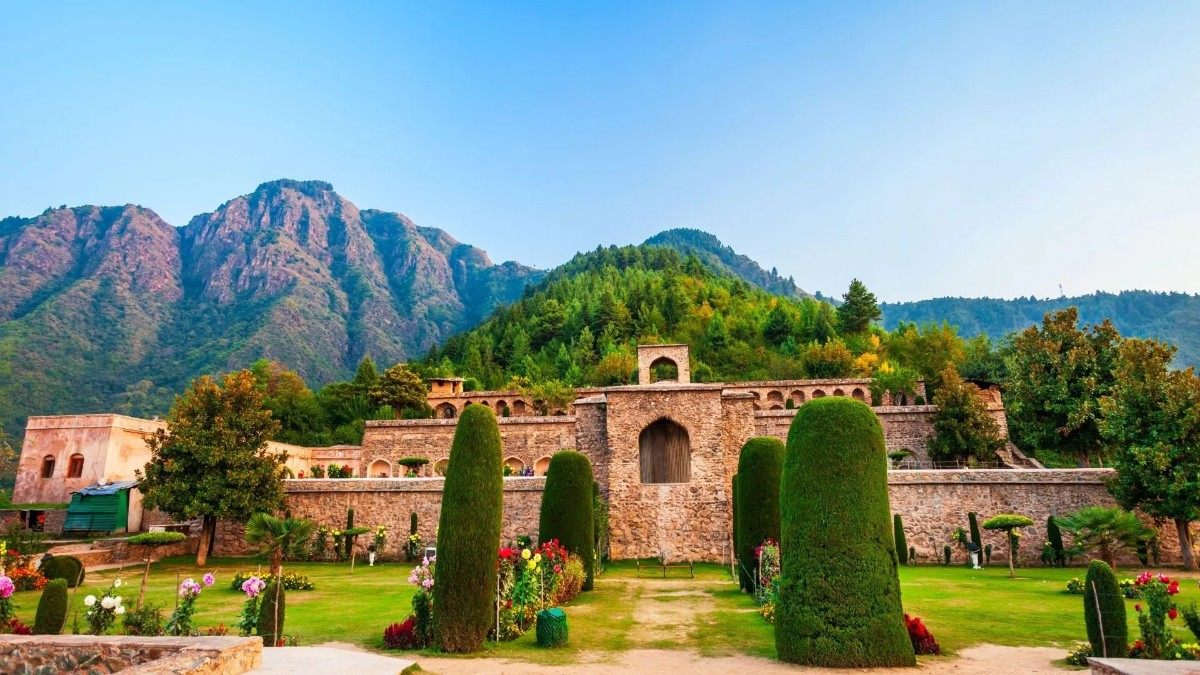
Why Srinagar is Perfect for Your Celebration
- Dal Lake and its iconic houseboats offer a one-of-a-kind ceremony and celebration setting found nowhere else in India
- Mughal-era gardens such as Shalimar Bagh and Nishat Bagh provide dramatic, heritage-rich outdoor event backdrops
- Spring tulip blooms (March–April) create a naturally spectacular floral setting for weddings and celebrations
- Luxury lake-facing resorts and heritage properties deliver high-end hospitality with panoramic Himalayan views
- Intimate scale of the destination suits smaller, curated guest lists — ideal for resort and destination weddings
- Rich Kashmiri cultural traditions — Sufi music, wazwan cuisine, phiran-clad hospitality — add authentic local character to events
Top Venues in Srinagar
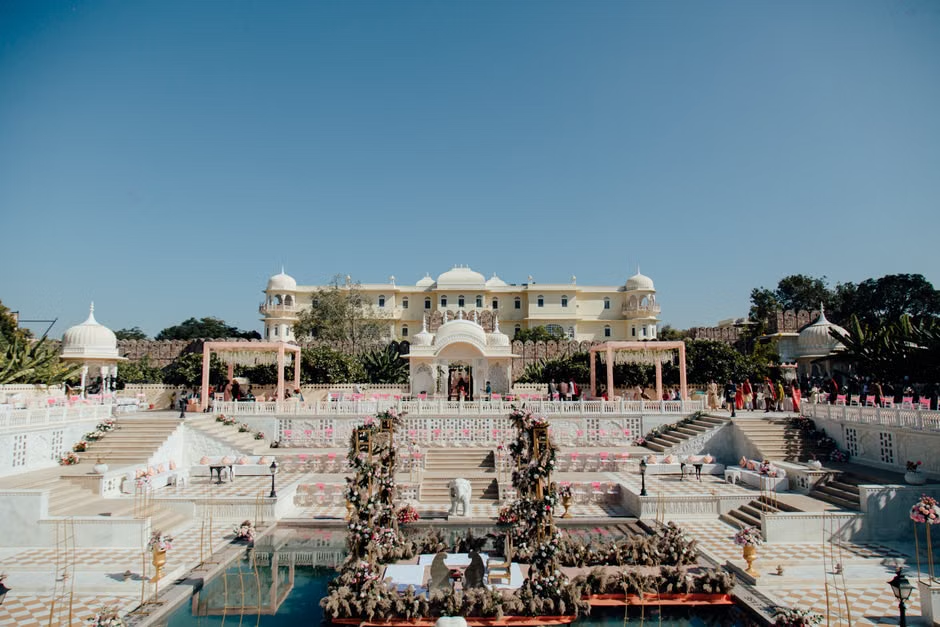
The Lalit Grand Palace Srinagar
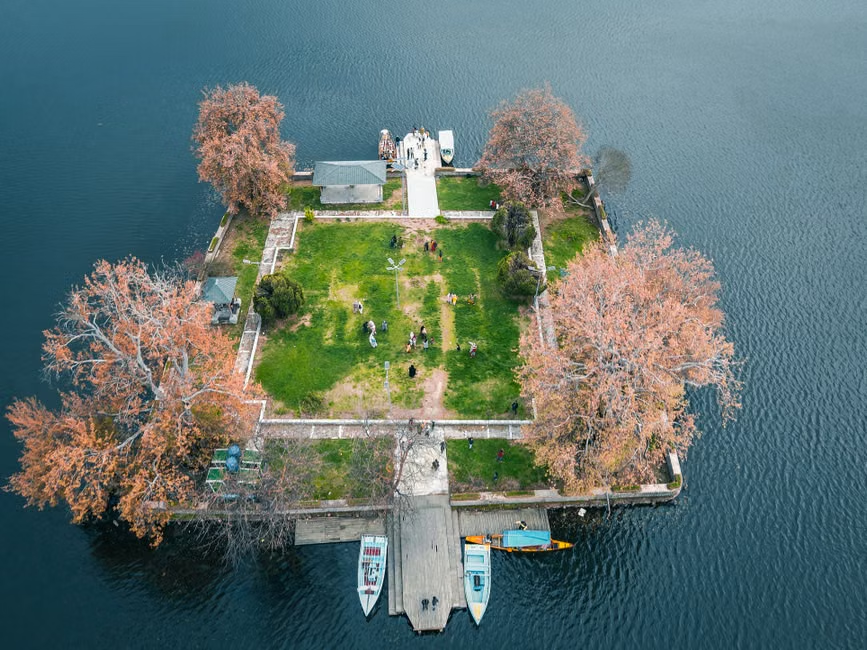
Vivanta Dal View
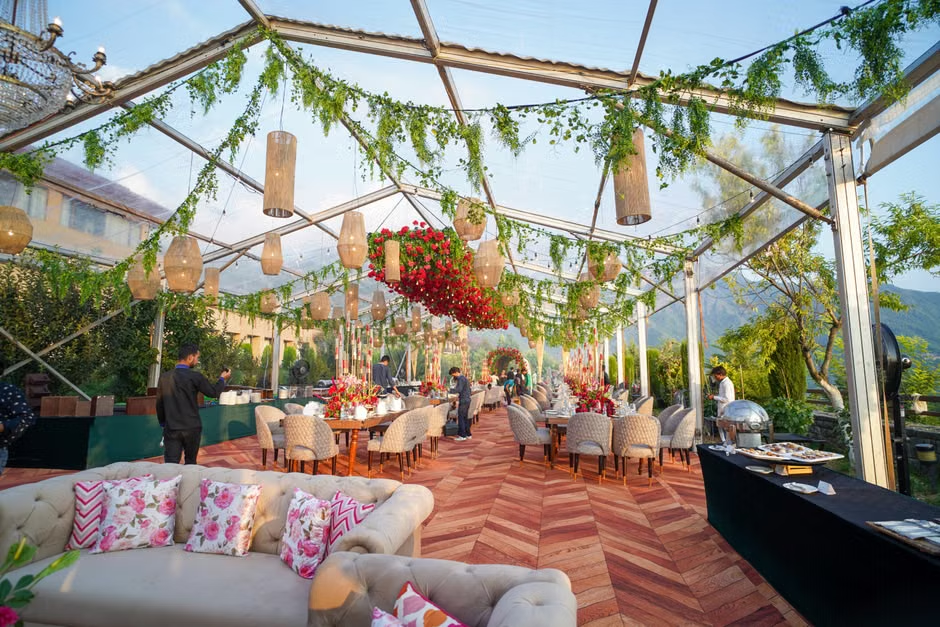
Radisson Blu Hotel Srinagar
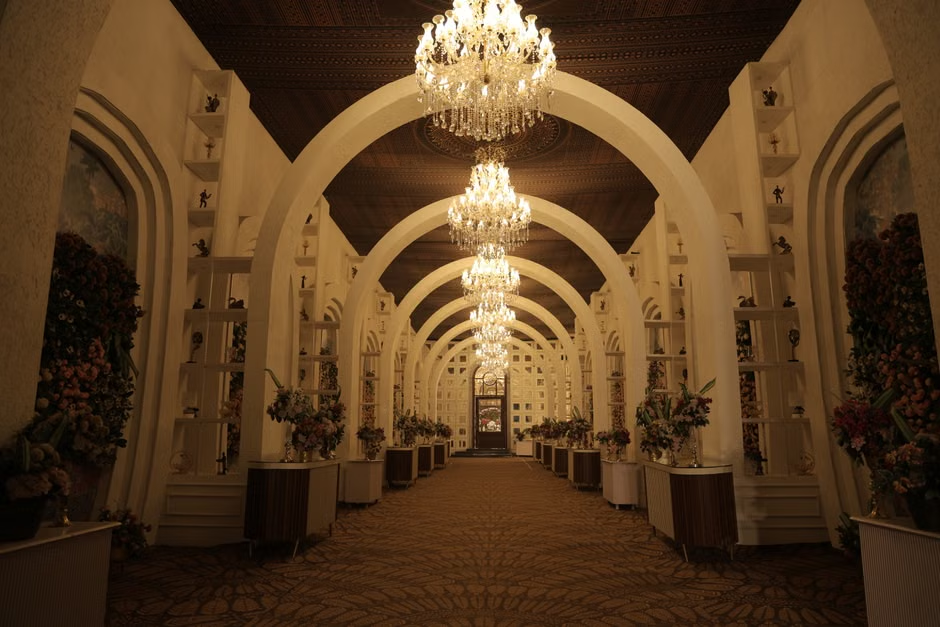
Hotel Grand Shaaleen
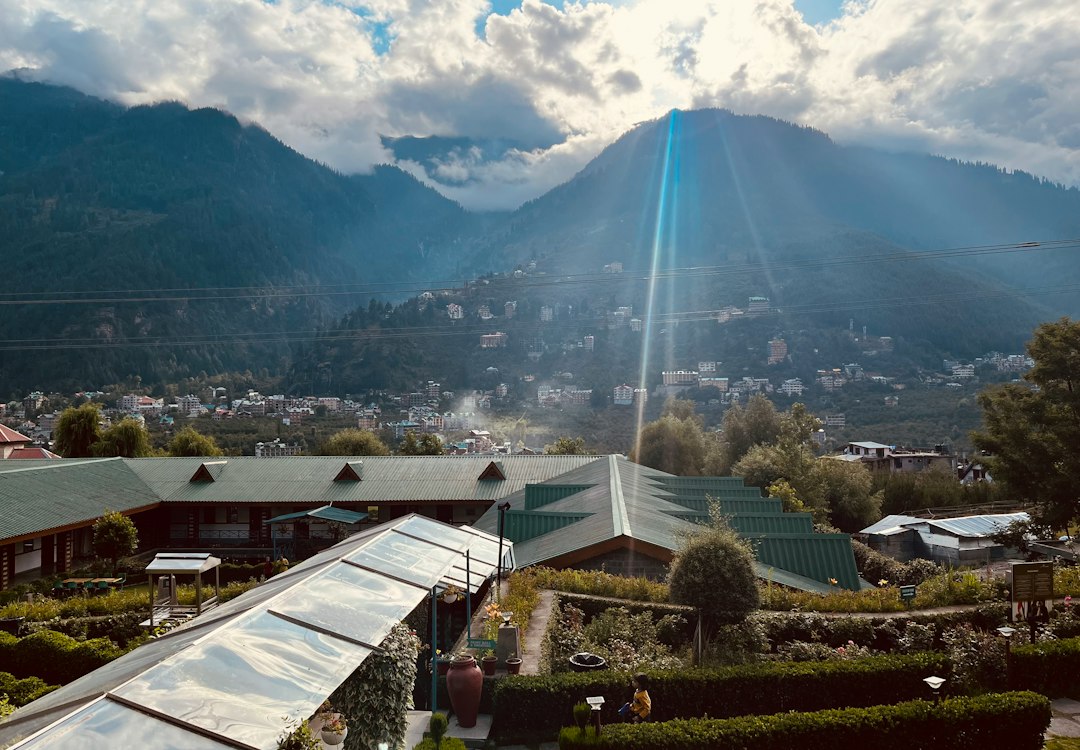
Hotel Dar-Es-Salam
Compare Srinagar with Other Top Destinations
Frequently Asked Questions
Is Srinagar a good destination for a resort or destination wedding?
Yes. Srinagar is particularly well-suited to resort and destination weddings, especially for couples seeking a dramatic natural setting — Dal Lake, Himalayan peaks, and Mughal heritage gardens — combined with high-quality hospitality. The destination works best for intimate to mid-sized guest lists rather than very large assemblies, and the spring season (March–April) is the optimal planning window.
What is the best time of year to hold a wedding or celebration in Srinagar?
Spring — March through April — is the clear best window. Temperatures are mild (roughly 10°C–20°C), skies are typically clear with excellent mountain visibility, and the valley's tulip gardens are in full bloom. Winter brings sub-zero temperatures and snowfall that make outdoor events impractical, while summer and the monsoon-adjacent months bring crowds and reduced mountain visibility.
How do guests typically travel to Srinagar for a destination event?
Air travel is the primary and most practical route. Sheikh ul-Alam International Airport is well-connected to Delhi, Mumbai, Bengaluru, and other major cities, with multiple daily flights. Rail connectivity to the valley is limited, and road access from Jammu is a long journey subject to weather disruptions — most outstation guests should plan to fly.
What guest-group sizes can Srinagar venues realistically support?
Srinagar's venue inventory is best suited to events of roughly 50–300 guests. The lake-facing luxury resorts and heritage properties that anchor the destination wedding market are designed for intimate to mid-sized gatherings. Very large assemblies of 400 or more guests would find the local venue inventory limiting and may need to consider a different destination.
What kinds of event spaces are available in Srinagar?
The primary options are lake-facing luxury resorts and heritage palace properties along the Dal Lake Boulevard, which offer indoor banquet halls, outdoor lawns or terraces with mountain and lake views, and in some cases dedicated event pavilions. Mughal heritage gardens can be used for select pre-wedding functions subject to permissions. Houseboats on Dal Lake offer a distinctive setting for intimate dinners and welcome gatherings.
Is Srinagar suitable for a luxury birthday staycation or milestone birthday celebration?
Yes. The combination of lake-view suites, shikara rides, Mughal garden walks, wazwan dinners, and Sufi cultural evenings makes Srinagar a genuinely immersive luxury birthday experience. It suits smaller, close-knit groups particularly well — milestone birthdays (40th, 50th, 60th, 70th) where the experience itself is the celebration tend to work especially well here.
What makes Kashmiri cultural elements distinctive for events in Srinagar?
Srinagar offers authentic access to Kashmiri cultural traditions that are genuinely rare in the Indian destination wedding market — wazwan multi-course feasts, Sufi music evenings, traditional folk performances, and craft aesthetics (papier-mâché, pashmina, walnut woodwork). These elements can be woven into mehendi, sangeet, welcome dinners, and cultural gatherings with real authenticity rather than as a staged approximation.
How does local transport work for a group of guests once they arrive in Srinagar?
The main hotel and venue cluster along the Dal Lake Boulevard is compact, and most event-relevant sites are within manageable distance of each other. Taxis are widely available, and coordinated vehicle arrangements through the host property or a local event coordinator are advisable for group transfers. Shikara rides on Dal Lake are a distinctive and practical option for guests staying near the lake.
What should I know about the local vendor ecosystem for events in Srinagar?
The established luxury properties have experienced in-house event teams and strong Kashmiri catering capabilities. For larger production elements — complex stage builds, extensive imported décor — the local vendor base is still developing, and many hosts supplement with outstation vendors from Delhi or other cities. Local cultural performers, florists, and craft-based décor specialists are genuinely available and add authentic character.
Are there any important considerations around safety or travel advisories for Srinagar events?
Srinagar is generally safe for tourists and event guests, and the destination wedding market has been active and growing. However, given the broader regional context of Jammu & Kashmir, it is advisable to check current government travel advisories at the time of planning and to build contingency arrangements (particularly around flight disruptions) into the event timeline.
Can a Sufi music evening or traditional Kashmiri cultural gathering be arranged as part of an event?
Yes. Srinagar is one of the few destinations in India where a Sufi music evening or traditional Kashmiri cultural programme can be arranged with genuine authenticity. Local musicians, poets, and cultural practitioners are part of the living fabric of the city, and experienced local event coordinators can facilitate these experiences as a formal part of a wedding or celebration programme.

Ready to explore venues in Srinagar?
Srinagar: Destination Wedding & Celebration Venues on Dal Lake
◆Srinagar is best suited to intimate, resort-style, and destination weddings, as well as curated social celebrations — particularly for couples and hosts seeking a dramatic natural setting (Dal Lake, Himalayan peaks, Mughal gardens) rather than large-scale banquet infrastructure. The primary vibe is romantic and intimate. Spring (March–April) is the clear optimal window, when temperatures are mild and the valley is in bloom. Guest access is primarily by air, which is reliable but means most outstation guests will fly in; road access from the plains is long. The destination sits at a premium cost tier relative to most Indian cities, reflecting its luxury resort inventory and logistical complexity.
Srinagar at a Glance
| Attribute | Detail |
|---|---|
| Best For | Resort Wedding, Destination Wedding, Intimate Wedding, Luxury Birthday Staycation |
| Primary Vibe | Romantic & Intimate |
| Other Vibes | Heritage & Cultural, Serene & Scenic, Himalayan & Natural |
| Best Season | Spring (March–April) |
Why Choose Srinagar?
- Unmatched natural scenery: Dal Lake, the Zabarwan hills, and snow-capped Himalayan peaks provide a ceremony backdrop that no purpose-built venue can replicate — genuinely unique within India's destination wedding landscape.
- Spring tulip season: March and April coincide with Asia's largest tulip garden in full bloom at Indira Gandhi Memorial Tulip Garden, creating a naturally spectacular floral environment for outdoor events and photography.
- Heritage Mughal gardens: Shalimar Bagh, Nishat Bagh, and Chashme Shahi offer centuries-old terraced garden settings that lend extraordinary historical character to pre-wedding functions and sundowners.
- Luxury lake-facing resort inventory: A cluster of well-established 5-star and 4-star properties along the Dal Lake Boulevard deliver high-end hospitality, event management experience, and panoramic views within a compact, manageable geography.
- Authentic Kashmiri cultural richness: Wazwan multi-course feasts, Sufi music traditions, and distinctive Kashmiri craft aesthetics (papier-mâché, pashmina, walnut woodwork) allow hosts to build genuinely immersive cultural experiences into their events.
- Intimate scale by design: Srinagar's venue inventory naturally favours smaller, curated guest lists — making it particularly well-suited to couples who want a meaningful, close-knit celebration rather than a mass-attendance event.
Which Celebrations Work Best in Srinagar?
- Resort Wedding: Srinagar's lake-facing luxury resorts are purpose-built for this format — offering accommodation, catering, event lawns, and Himalayan views within a single property, making the logistics of a multi-day wedding celebration genuinely manageable.
- Destination Wedding: The combination of a dramatic, far-from-home setting, distinctive local culture, and a concentrated cluster of quality properties makes Srinagar a compelling destination wedding choice for couples wanting something genuinely different from a Rajasthan palace or Goa beach.
- Intimate Wedding: The destination's natural scale — smaller venues, a close-knit hospitality ecosystem, and an atmosphere that rewards slow, immersive experiences — makes it particularly well-suited to weddings of 30–150 guests rather than large assemblies.
- Luxury Birthday Staycation: A lake-view suite, shikara rides at dawn, Mughal garden walks, and wazwan dinners compose a genuinely luxurious multi-day birthday experience that feels far removed from a standard city hotel staycation.
- 40th / 50th Birthday: The reflective, scenic, and culturally rich character of Srinagar suits milestone birthday celebrations where the experience itself — not just the party — is the gift. Small groups can be accommodated with ease across the better properties.
- Welcome Dinner / Pre-Wedding Celebration: A shikara-lit dinner on Dal Lake or a garden sundowner at a Mughal heritage site makes for an extraordinary welcome dinner that sets the tone for the entire wedding weekend.
- Destination Birthday Getaway: For a group of close friends or family marking a birthday with a multi-day trip, Srinagar offers a genuinely immersive itinerary — gardens, lakes, local markets, cultural evenings — that goes well beyond a standard party format.
- Birthday Brunch / Sundowner: The valley's clear spring light and lake reflections make outdoor brunches and sundowners visually spectacular; several properties offer terrace and lawn settings directly overlooking Dal Lake.
- 60th / 70th Birthday: The serene, unhurried pace of Srinagar — combined with comfortable luxury accommodation and a rich cultural programme — suits older milestone celebrations where comfort and meaning matter as much as spectacle.
- Mehendi & Sangeet: Kashmiri folk music, traditional instruments, and vibrant local craft aesthetics lend authentic character to mehendi and sangeet functions; resort lawns and garden settings provide the right outdoor ambience.
- Sundowner / Sunset Party: Dal Lake at sunset — with the Zabarwan hills turning amber and shikaras gliding across the water — is among the most naturally dramatic sundowner settings available anywhere in India.
- Anniversary Celebration: The romantic, intimate character of the destination makes it a natural fit for significant wedding anniversaries, particularly for couples who value scenery and cultural depth over nightlife or large-group logistics.
- Kashmiri Cultural / Sufi Gathering: Srinagar is one of the few destinations in India where a Sufi music evening or a traditional Kashmiri cultural programme can be arranged with genuine authenticity — local musicians, poets, and cultural practitioners are part of the living fabric of the city.
Venues & Event Spaces
Srinagar's event venue landscape is defined primarily by its lake-facing luxury resorts and heritage palace properties, most of which are concentrated along the Dal Lake Boulevard and the surrounding hillside. These properties typically offer a combination of indoor banquet halls, outdoor lawns or terraces with lake views, and in some cases dedicated event pavilions. The intimate scale of most properties means they are best suited to events of up to a few hundred guests rather than very large assemblies.
Beyond the formal hotel inventory, Srinagar offers a genuinely distinctive category of event space: the Mughal heritage gardens (maintained by the Archaeological Survey of India), which can be used for select pre-wedding functions and cultural evenings subject to permissions. Houseboats on Dal Lake — ranging from modest to elaborately appointed — offer an unusual and highly photogenic setting for intimate dinners, welcome gatherings, or small ceremonies. Shikara rides can be incorporated as a guest experience element rather than a venue per se.
The city also has a small number of standalone banquet and event halls in the commercial areas of the city, which cater primarily to local weddings and are less commonly used for destination event formats. For most destination wedding and social event purposes, the resort and heritage property inventory is the primary and most appropriate option.
Best Time to Celebrate
Spring — specifically March through April — is the clear optimal window for events in Srinagar, and this is not simply a matter of pleasant weather. Several factors converge to make this period genuinely superior:
- Tulip season (late March – mid April): The Indira Gandhi Memorial Tulip Garden, Asia's largest, is in full bloom, providing a naturally spectacular floral backdrop for outdoor photography and events without any additional decoration cost.
- Mild temperatures: Daytime temperatures in March and April typically range from around 10°C to 20°C — comfortable for outdoor ceremonies and garden events without the cold of winter or the humidity of summer.
- Clear skies and mountain visibility: Spring typically brings clear atmospheric conditions, meaning the Himalayan backdrop is at its most visible and photogenic — a significant factor for event photography and videography.
- Post-winter reopening: Resorts and gardens that may have reduced operations or limited access during the winter months are fully operational by March, with fresh seasonal menus and full staffing.
The other seasons present genuine challenges. Winter (December through February) brings sub-zero temperatures, heavy snowfall, and potential disruption to road access and some venue operations — while snow can be beautiful, it makes outdoor events impractical and increases logistical risk. Summer (May through early June) is warm and popular with tourists, but the valley becomes significantly more crowded, accommodation rates peak, and the heat (while not extreme by plains standards) reduces the appeal of outdoor events. The monsoon-adjacent period (July through September) brings heavier rainfall and cloud cover that obscures the mountain views that are central to the destination's appeal. October and November offer a brief autumn window with pleasant temperatures and foliage colour, but temperatures drop rapidly toward the end of November and the window is narrow.
Getting There & Local Connectivity
The primary and most practical route for most guests is by air. Sheikh ul-Alam International Airport is well-connected to major Indian cities including Delhi, Mumbai, Bengaluru, and several others, with multiple daily flights on major carriers. Flight times from Delhi are typically around 90 minutes, making it a feasible journey for guests from across India. The airport is located approximately 14 km from the city centre and the Dal Lake hotel cluster, with the transfer taking around 20–40 minutes depending on traffic.
Rail connectivity is limited. The Kashmir Railway line is still being extended, and the nearest operational railhead for most guests arriving from outside the valley is at Banihal, which is a significant distance from Srinagar. This means rail is not a practical option for most outstation guests, and event planners should assume that the majority of guests will arrive by air.
Road access from Jammu (via the Jammu–Srinagar National Highway) is possible but involves a long journey — typically 8–10 hours under normal conditions — and is subject to weather-related closures, particularly in winter and during heavy rain. It is not a recommended primary route for event guests, though it may be used by some guests from Jammu or nearby areas.
Within Srinagar, local movement for a group is generally manageable. The main hotel cluster along the Dal Lake Boulevard is compact, and most event-relevant venues, gardens, and the airport are within a reasonable distance of each other. Taxis and auto-rickshaws are widely available. For groups, coordinated vehicle arrangements through the host property or a local event coordinator are advisable, particularly for transfers between venues or garden sites. Shikara rides on Dal Lake are a distinctive and practical mode of local movement for guests staying on or near the lake.
Local Vendor & Hospitality Ecosystem
Srinagar has a growing but still developing destination wedding vendor ecosystem. The established luxury properties along Dal Lake have experienced in-house event teams and catering operations that are well-versed in managing destination weddings and social events for outstation guests. Kashmiri wazwan catering — a multi-course traditional feast — is a genuine local strength, and several specialist caterers can deliver this at scale for events.
For décor, floral arrangements, and production, the local vendor base is more limited than in more established destination wedding markets. Many hosts bringing events to Srinagar choose to work with a combination of local vendors (for Kashmiri-specific elements such as traditional craft décor, local florals, and cultural performers) and outstation vendors from Delhi or other major cities for larger production elements. This hybrid approach is common and generally works well, though it requires more advance coordination and logistics planning than a destination with a fully mature local vendor ecosystem.
Kashmiri cultural performers — Sufi musicians, traditional folk artists, and local craftspeople — are genuinely available and add authentic character to events. Local photographers and videographers with destination wedding experience are present, though many hosts also bring their own photography teams from outside the valley.
Hospitality standards at the better properties are high, with staff experienced in managing international and outstation guests. The local hospitality culture — warm, attentive, and genuinely proud of Kashmiri traditions — is a consistent strength noted by event hosts.
Pros & Things to Consider
Why Srinagar Works Well
- Genuinely unique natural setting — Dal Lake, Himalayan peaks, and Mughal gardens are not replicable elsewhere in India
- Spring tulip season provides extraordinary natural floral beauty at no additional cost
- Luxury resort inventory along Dal Lake is well-suited to intimate destination weddings and social events
- Rich Kashmiri cultural traditions (wazwan, Sufi music, craft aesthetics) allow for deeply immersive, authentic event experiences
- Compact hotel and venue cluster makes group logistics manageable once guests have arrived
- Genuinely romantic and serene atmosphere — the destination itself does much of the experiential heavy lifting
Things to Consider
- Air is the only practical route for most guests, which means all outstation guests are dependent on flight availability and connectivity — weather-related flight disruptions are a real risk, particularly outside the spring window
- The local vendor ecosystem for large-scale event production is still developing; significant production elements may need to be sourced from outside the valley, adding logistical complexity
- The destination is best suited to smaller, curated guest lists — hosts expecting to accommodate very large assemblies (500+ guests) will find the local venue inventory limiting
- Security and travel advisory status should be checked at the time of planning; while Srinagar is generally safe for tourists and event guests, the broader regional context means advisories can change
- Winter events are largely impractical due to cold and snowfall; the usable event window is narrower than many other Indian destinations
When Srinagar May Not Be the Right Fit
- Very large guest lists: If the event requires accommodating 400 or more guests within a single venue or a tightly clustered set of properties, Srinagar's current venue inventory may not comfortably support the scale — a destination with larger banquet infrastructure would be more appropriate.
- Guests with limited flight access: If a significant portion of the guest list is based in cities without direct or convenient flight connections to Srinagar, the travel burden may be disproportionate — particularly for older guests or those with mobility considerations.
- Events planned outside the spring window: Hosts set on outdoor ceremonies or garden events should be cautious about planning outside March–April; winter cold, summer crowds, and autumn's narrow window all present genuine trade-offs that may not suit every event format.
- Hosts needing a fully mature local production ecosystem: If the event requires complex, large-scale production (elaborate stage builds, large AV installations, extensive imported décor) and the host prefers to source everything locally, Srinagar's vendor base may require more workaround than a more established destination wedding market.