
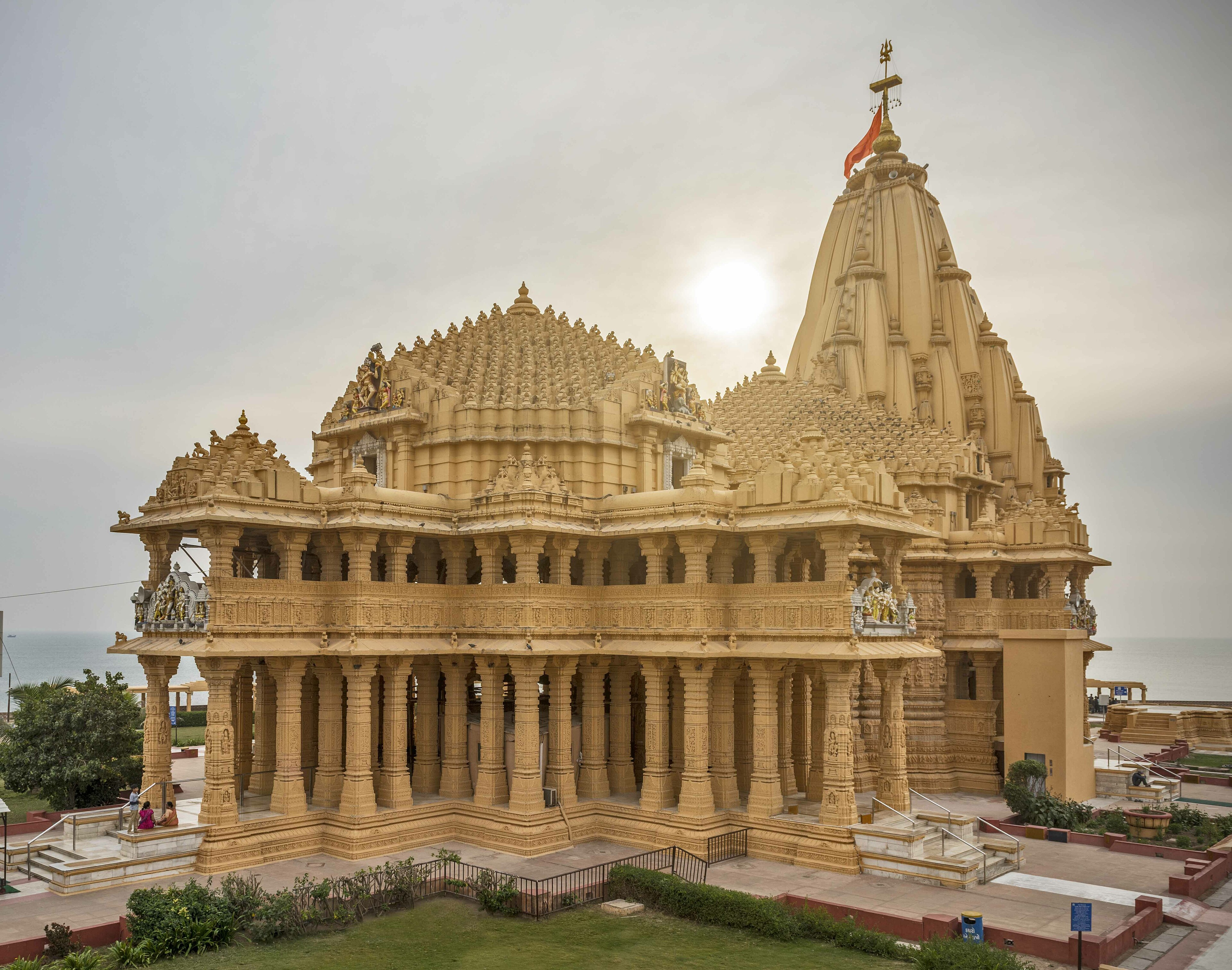
Why Somnath is Perfect for Your Celebration
- Home to the Somnath Jyotirlinga temple — one of Hinduism's holiest shrines, lending unmatched spiritual sanctity to religious ceremonies
- Arabian Sea beachfront setting creates a rare combination of coastal beauty and sacred atmosphere for events
- Navratri and Uttarayan are celebrated with exceptional community energy in this part of Gujarat
- Compact, walkable pilgrimage town means guests can easily move between the temple, accommodation, and event venues
- Winter months offer comfortable coastal temperatures and clear skies, ideal for outdoor gatherings and processions
- Strong local tradition of hosting large religious gatherings means the hospitality ecosystem is well-practised in managing group logistics
Top Venues in Somnath
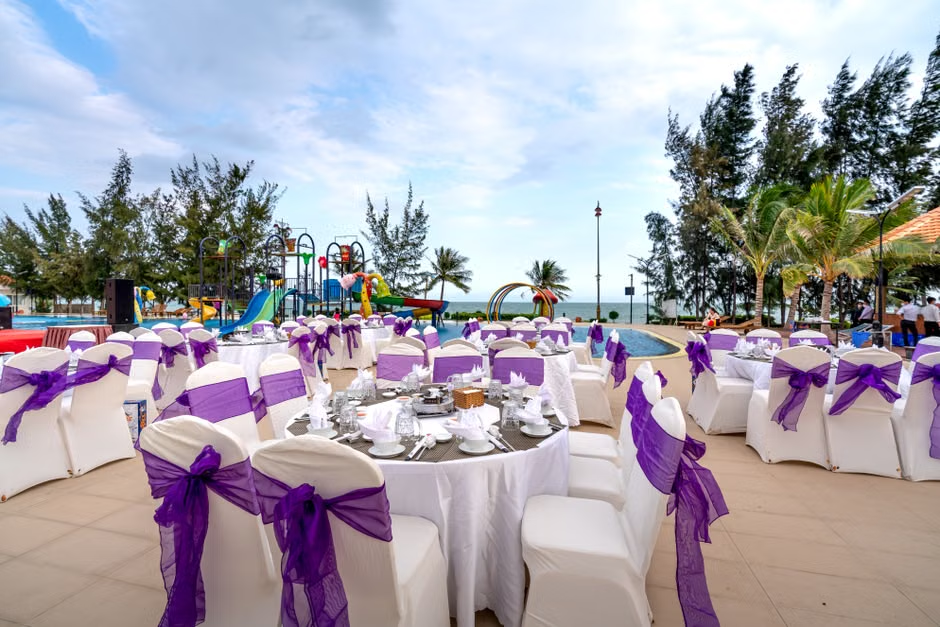
The Fern Residency Somnath
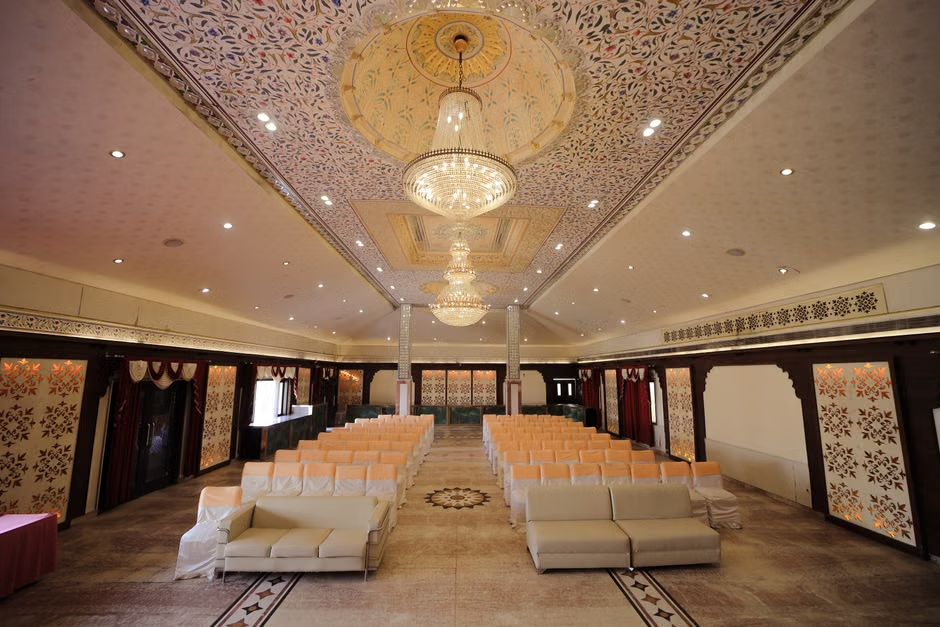
Somnath Sarovar Portico
Compare Somnath with Other Top Destinations
Frequently Asked Questions
Is Somnath a good destination for a religious family function or temple ceremony?
Yes, it is among the strongest choices in India for this purpose. The presence of the Somnath Jyotirlinga — one of Hinduism's twelve most sacred Shiva shrines — lends exceptional spiritual significance to any religious ceremony held here. Mundan, thread ceremonies, family pujas, and other rites of passage carry a depth of meaning in this setting that very few other destinations can match.
How suitable is Somnath for a Navratri and Garba celebration?
Highly suitable. Navratri is celebrated with genuine devotional energy in Somnath, rooted in Gujarat's authentic Garba tradition rather than a staged tourist event. The temple precinct and surrounding open grounds provide a naturally charged atmosphere. This is the top-ranked event type for this destination, and the winter-adjacent timing of Navratri aligns well with the destination's best season.
What is the best time of year to plan an event in Somnath?
November through February is the recommended window. Temperatures are comfortable, humidity is low, and the Arabian Sea coast is at its most pleasant. January is particularly well-timed for Uttarayan (kite festival) gatherings. Avoid March–May due to rising heat, June–September due to monsoon rains, and October as a transitional month with residual humidity.
What kinds of event venues are available in Somnath?
The venue landscape includes hotel banquet halls and outdoor lawns, community halls managed by the Somnath Trust, and open coastal settings near the temple for processions and outdoor ceremonies. The town is better suited to intimate-to-medium-scale gatherings than very large events. For guests seeking a more managed hospitality experience, the town's 4-star resort property offers dedicated event coordination.
How do guests typically travel to Somnath for an event?
Most guests travel by train to Veraval Railway Station, approximately 6 km from the temple, which has direct connections to Ahmedabad and other Gujarat cities. Air travellers use Diu Airport (roughly 85 km away) with limited scheduled services, or fly into Rajkot or Ahmedabad and travel onward by road. Event planners should factor in this multi-leg journey for outstation guests.
Can Somnath accommodate a large guest list for a multi-day gathering?
Yes, for groups of moderate size. The combination of hotels, dharamshalas, and guesthouses can accommodate a reasonably large guest list across different comfort levels. However, during major festival dates like Mahashivratri or peak Navratri nights, the town becomes very crowded and accommodation must be booked well in advance. Very large groups expecting uniform luxury accommodation may need to manage expectations.
Is Somnath a good fit for an Uttarayan (kite festival) gathering?
Yes. Somnath's open coastal landscape — with wide skies over the Arabian Sea — makes it a particularly evocative setting for Uttarayan gatherings. The festival falls in mid-January, which sits squarely within the destination's best season (November–February), and Gujarat's kite-flying tradition is celebrated here with genuine community participation.
What should I know about catering and food options for events in Somnath?
Local caterers are experienced in preparing sattvic (pure vegetarian) food at scale for religious gatherings, and traditional Gujarati vegetarian cuisine is excellent here. However, non-vegetarian catering options are very limited due to the town's religious character. This is an important practical consideration for event planners whose guest groups have diverse dietary requirements.
Are local wedding and event vendors available in Somnath, or do they need to be brought in?
For religious ceremony arrangements — floral decoration, puja samagri, traditional catering — local vendors are well-established and experienced. For high-end wedding production (luxury décor, professional AV, destination wedding specialists), vendors are not locally based and typically need to be sourced from Rajkot, Surat, or Ahmedabad, which requires advance coordination and planning.
Is Somnath safe for guests travelling for a family event or pilgrimage gathering?
Yes, Somnath is generally considered very safe for visitors. As a major pilgrimage town, it has a well-established infrastructure for receiving large numbers of visitors, including families with elderly members and children. The town is well-policed, particularly during major festival periods, and the overall environment is calm and community-oriented.
What makes Somnath distinctive compared to other Gujarat event destinations?
Somnath's defining distinction is the combination of Jyotirlinga temple sanctity and an Arabian Sea coastal setting — a pairing found nowhere else in India. This makes it uniquely suited to spiritually rooted celebrations where the location itself carries religious meaning. It is not a leisure or luxury resort destination, but for devotional and community-centred events, its character is genuinely irreplaceable.

Ready to explore venues in Somnath?
Somnath: Sacred Wedding & Festival Event Destination on Gujarat's Coast
◆Somnath is primarily suited to spiritually rooted celebrations — religious family functions, temple festivals, Navratri and Garba gatherings, Uttarayan events, and pilgrimage-linked ceremonies. Its defining character is the presence of the Somnath Jyotirlinga, one of Hinduism's twelve most sacred Shiva shrines, set directly on the Arabian Sea coast in southern Gujarat. The town is compact and well-practised at hosting large devotional gatherings. Accommodation options range from comfortable 3-star properties to a 4-star resort, making it a mid-range destination in terms of hospitality scale. Rail connectivity via nearby Veraval is reasonable; air access requires a connecting journey and some advance planning for outstation guests.
Somnath at a Glance
| Category | Details |
|---|---|
| Best For | Navratri & Garba Celebration, Uttarayan Gathering, Religious Family Function, Temple Festival |
| Primary Vibe | Spiritual & Soulful |
| Other Vibes | Coastal & Serene, Heritage & Devotional, Community & Festive |
| Best Season | Winter (November–February) |
Why Choose Somnath?
- Unmatched spiritual sanctity: The Somnath Jyotirlinga temple is among the most revered Hindu shrines in India. Holding a religious ceremony, naming ritual, or family puja in its proximity carries a depth of meaning that very few destinations can offer.
- Authentic Gujarati festival culture: Navratri Garba and Uttarayan (kite festival) are celebrated here with genuine community participation, not as tourist performances — guests experience these festivals as locals do.
- Arabian Sea coastal setting: The temple's dramatic position on the seafront, with the Baan Stambh (arrow pillar) facing the open ocean, creates a visually striking backdrop for ceremonies and processions that is genuinely unique in India.
- Compact, walkable town: Somnath's core pilgrimage area is concentrated enough that guests can walk between the temple, accommodation, and event spaces without complex logistics — a practical advantage for large family groups.
- Experienced in large gatherings: The town regularly hosts hundreds of thousands of pilgrims during major festivals, meaning local hospitality providers, caterers, and logistics operators are well-accustomed to managing group needs at scale.
- Relatively uncrowded for private events outside peak pilgrimage dates: During the winter months, outside the busiest festival weekends, it is possible to hold intimate family ceremonies with a sense of calm and focus that a larger, more commercialised destination might not offer.
Which Celebrations Work Best in Somnath?
Navratri & Garba Celebration
Navratri is arguably the single most fitting celebration for Somnath. Gujarat's Garba tradition is at its most authentic in towns like this, where the festival carries genuine religious weight rather than being a staged event. The temple precinct and surrounding open grounds provide a naturally charged atmosphere for nine nights of devotional dance and music.
Uttarayan Gathering
Uttarayan (Makar Sankranti kite festival, celebrated in mid-January) is a deeply Gujarati tradition, and Somnath's open coastal landscape — with wide skies over the Arabian Sea — makes it a particularly evocative setting for family and community kite-flying gatherings. The winter timing also aligns perfectly with the destination's best season.
Religious Family Function
Mundan ceremonies, thread ceremonies, annaprashan, family pujas, and other Hindu rites of passage carry exceptional significance when performed in proximity to a Jyotirlinga. Families who wish to mark these milestones in a spiritually elevated setting will find Somnath a deeply meaningful choice.
Temple Festival
Somnath hosts several major temple festivals through the year, including Mahashivratri, which draws enormous congregations. Organising a family or community gathering around these festival dates allows guests to participate in something far larger than a private event — a genuine pilgrimage experience woven into the celebration.
Spiritual / Pilgrimage Gathering
Group pilgrimages — whether for a family's annual tradition or a community organisation's spiritual tour — are a natural fit for Somnath. The town's infrastructure is built around receiving and accommodating pilgrims, and the combination of the temple, the sea, and the surrounding Saurashtra heritage sites makes for a rich multi-day itinerary.
Cultural Festival Gathering
Beyond its religious calendar, Somnath sits within a region of strong Gujarati folk culture — music, craft, and culinary traditions that can be woven into a cultural gathering or community event. The coastal and heritage character of the area adds a distinctive local flavour that distinguishes it from inland Gujarat destinations.
Venues & Event Spaces
Somnath's event venue landscape is shaped by its identity as a pilgrimage town rather than a leisure resort destination. The primary venue types available include:
- Hotel banquet halls and lawns: The town's established hotels offer indoor banquet spaces and outdoor lawn areas suitable for mid-sized gatherings, family functions, and receptions. These are the most commonly used spaces for private events.
- Temple trust dharamshalas and community halls: The Somnath Trust manages several large community facilities in the area, which are primarily used for religious and pilgrimage-related gatherings. These are particularly relevant for large-scale spiritual events and community functions.
- Coastal and open-air settings: The seafront promenade and open grounds near the temple complex provide a dramatic natural backdrop for outdoor ceremonies, processions, and evening gatherings, subject to local permissions and seasonal conditions.
- Resort event spaces: The town's 4-star resort property offers a more structured event infrastructure with dedicated event coordination, making it the most suitable option for guests seeking a managed, hospitality-led event experience.
It is worth noting that Somnath does not have the large-scale palace hotels, luxury resort complexes, or purpose-built wedding venues found in destinations like Udaipur or Goa. The venue inventory is genuinely suited to intimate-to-medium-scale gatherings rather than very large weddings requiring 500+ guest capacity in a single venue.
Best Time to Celebrate
The curated best season for Somnath is Winter (November–February), and this recommendation is well-grounded in the destination's specific climate and event calendar.
During these months, daytime temperatures typically range from the low-to-mid 20s°C, with cool evenings and low humidity — comfortable conditions for outdoor temple visits, processions, Garba nights, and beachfront gatherings. The Arabian Sea is calm, the skies are generally clear, and the overall atmosphere is at its most pleasant for guests travelling from across India.
January is particularly notable as it encompasses Uttarayan (Makar Sankranti), one of Gujarat's most celebrated festivals, making it an ideal time for community and family gatherings tied to that tradition.
The months to approach with caution or avoid for events:
- March–May: Temperatures rise steadily through March and reach uncomfortable levels by April–May, with coastal heat making outdoor events and processions physically taxing for guests, particularly the elderly and children.
- June–September: The southwest monsoon brings heavy rainfall to the Saurashtra coast. Somnath receives significant rainfall during this period, and outdoor events are largely impractical. The town can also experience rough sea conditions and occasional flooding in low-lying areas.
- October: A transitional month — the monsoon typically withdraws from Gujarat by mid-to-late October, but residual humidity and the possibility of late rains make it a less reliable choice compared to November onwards. Late October can work for indoor events but is not ideal for outdoor celebrations.
Getting There & Local Connectivity
Somnath is located in the Gir Somnath district of southern Gujarat (Saurashtra region). The primary gateway for most guests is Veraval Railway Station, approximately 6 km from the Somnath temple, which has direct train connections to Ahmedabad and other major Gujarat cities. For guests travelling from Mumbai, Ahmedabad, or other large cities, the train is typically the most practical and comfortable option.
Air access is more limited. The nearest commercial airport is Diu Airport, roughly 85 km away, which operates limited scheduled services. Guests flying in from outside Gujarat will generally need to connect via Rajkot or Ahmedabad and then travel onward by road or rail — a journey that requires advance planning, particularly for large groups. Event planners should factor in this additional travel leg when coordinating guest arrivals.
Within Somnath itself, the town is compact and most key locations — the temple, accommodation, and event spaces — are within a short distance of each other. Auto-rickshaws and taxis are readily available for local movement. For large groups, pre-arranged coaches or tempo travellers from Veraval or Rajkot are a practical solution for airport/station transfers and local sightseeing.
Local Vendor & Hospitality Ecosystem
Somnath's vendor ecosystem is shaped by decades of experience in managing large pilgrimage gatherings. This means certain capabilities are genuinely strong:
- Catering for large groups: Local caterers are experienced in preparing sattvic (pure vegetarian) food at scale for religious gatherings. Guests expecting traditional Gujarati vegetarian cuisine will find excellent options.
- Floral decoration and puja arrangements: Given the town's religious character, vendors specialising in temple-style floral decoration, puja samagri, and ceremonial arrangements are well-established and readily available.
- Accommodation coordination: The combination of hotels, dharamshalas, and guesthouses means the town can accommodate a reasonably large guest list across different comfort levels, though guests expecting uniform luxury accommodation across the entire group may need to manage expectations.
Where the ecosystem is thinner:
- High-end wedding production vendors (luxury décor companies, destination wedding planners, professional sound-and-light production teams) are not as readily available locally as in larger event destinations. For elaborate productions, vendors may need to be brought in from Rajkot, Surat, or Ahmedabad.
- Non-vegetarian catering options are limited, reflecting the town's religious character — this is an important consideration for guest groups with diverse dietary preferences.
Pros & Things to Consider
Why Somnath Works Well
- Exceptional spiritual significance — one of India's twelve Jyotirlingas, lending profound meaning to religious ceremonies
- Authentic Gujarati festival culture for Navratri, Uttarayan, and other community celebrations
- Compact, manageable town layout that simplifies group logistics
- Experienced local hospitality ecosystem for large pilgrimage-scale gatherings
- Dramatic Arabian Sea coastal setting unique among major pilgrimage destinations
- Comfortable winter climate (November–February) well-suited to outdoor events and processions
Things to Consider
- Air connectivity is limited — guests flying from outside Gujarat face a multi-leg journey, which can be tiring for elderly guests or large family groups
- Luxury accommodation options are limited; the destination does not have the large palace hotels or 5-star resort complexes found in more established wedding destinations
- Strictly vegetarian catering environment — non-vegetarian options are very limited, which may not suit all guest groups
- The town becomes extremely crowded during major festival dates (Mahashivratri, Navratri peak nights) — accommodation must be booked well in advance and event logistics require careful planning around pilgrimage traffic
- High-end wedding production vendors (luxury décor, professional AV, destination wedding specialists) are not locally based and may need to be sourced from larger Gujarat cities
When Somnath May Not Be the Right Fit
- Large-scale destination weddings requiring 400+ guests in a single luxury venue: The local venue inventory is genuinely better suited to intimate-to-medium-scale gatherings. Groups requiring a single large luxury venue with full wedding production infrastructure will find the options here limited.
- Events planned during June–September: The monsoon season makes outdoor events impractical and travel to this coastal location more difficult. Groups with fixed dates in this window would be better served by an indoor-focused destination.
- Guest groups with significant non-vegetarian dietary requirements: The town's religious character means non-vegetarian catering is genuinely difficult to arrange. This is a real practical constraint, not a minor inconvenience.
- Guests primarily seeking a leisure or nightlife-oriented celebration: Somnath is a pilgrimage town with a devotional atmosphere. Guests expecting the kind of resort leisure, beach club, or entertainment infrastructure found at coastal leisure destinations will find this a poor match for those expectations.