
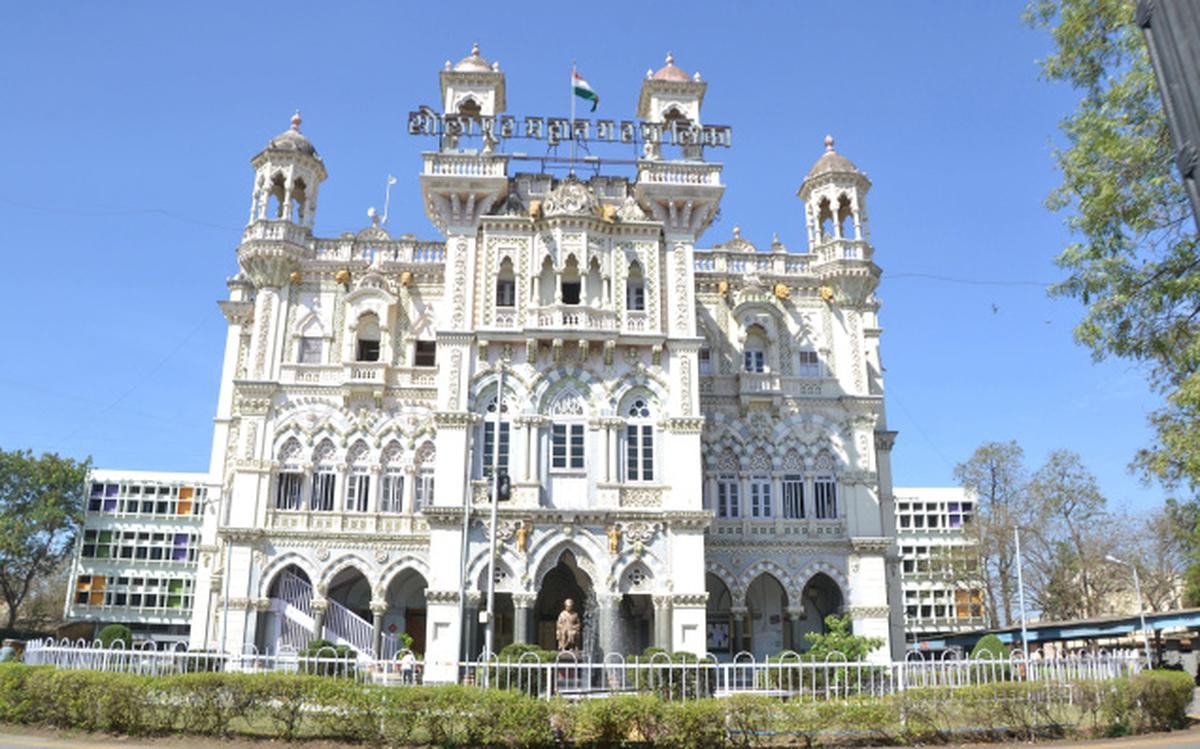
Why Solapur is Perfect for Your Celebration
- Strong Maharashtrian cultural identity makes it ideal for Ganesh Chaturthi and Gudi Padwa celebrations
- Solapur Railway Station is a major junction connecting Mumbai, Pune, Hyderabad and Bengaluru — easy guest arrival
- Growing inventory of hotel banquet halls and convention spaces suited to corporate conferences and dealer meets
- Winter months (November–February) offer reliably dry, comfortable weather for both indoor and outdoor event formats
- Textile and industrial business community creates a natural base for dealer/distributor meets and annual sales conferences
- Generally more accessible event infrastructure compared to larger metro cities, with practical venue options across the city
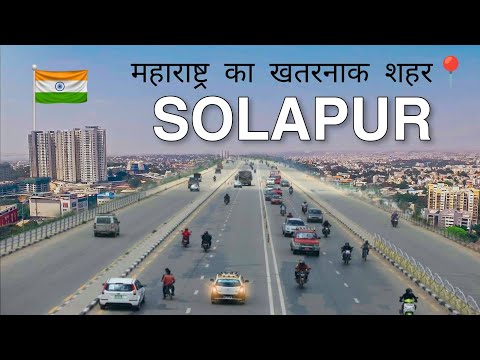
Top Venues in Solapur
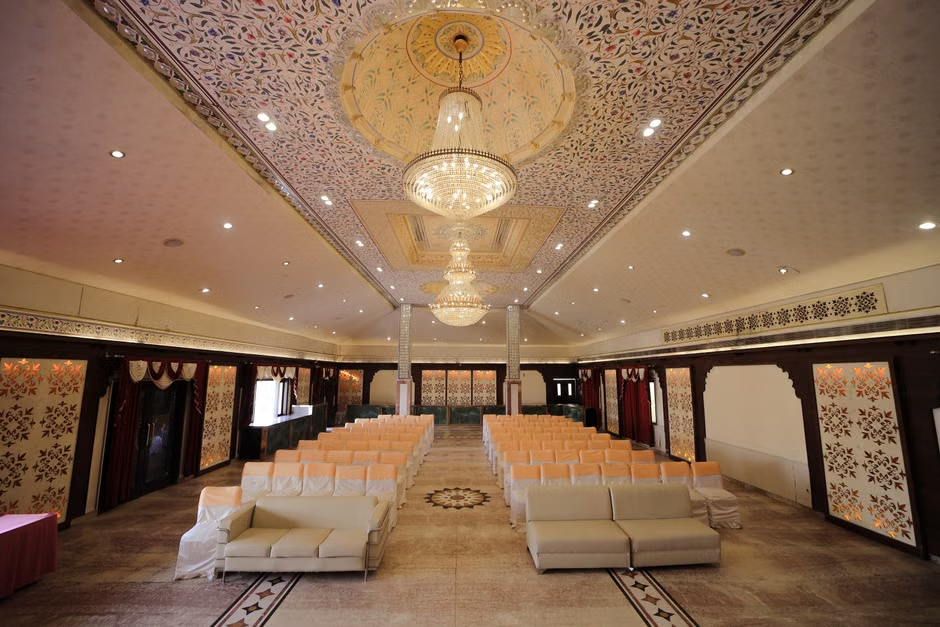
Hotel Navaratna Executive
Compare Solapur with Other Top Destinations
Frequently Asked Questions
Is Solapur a good destination for a dealer or distributor meet?
Yes. Solapur is particularly well-suited to dealer and distributor meets. The city's strong textile and trading business community, combined with its central Maharashtra location and excellent rail connectivity to Mumbai, Pune, Hyderabad, and Bengaluru, makes it a practical gathering point for regional networks. Hotel banquet and conference facilities are equipped to handle presentations, product showcases, and networking dinners.
Can I host a Ganesh Chaturthi celebration event in Solapur?
Yes, and Solapur is genuinely one of the stronger choices for this. The city celebrates Ganesh Chaturthi with deep community involvement — processions, cultural performances, and traditional catering are all readily available from experienced local vendors. Organising a corporate or community Ganesh Chaturthi event here taps into authentic festive energy rather than a staged recreation.
What is the best time of year to plan an event in Solapur?
November through February is the recommended window. Temperatures are mild (typically 15°C–28°C), rainfall is negligible, and both indoor and outdoor event formats are comfortable. March onwards brings sharp heat increases, and July–September brings monsoon rainfall that disrupts outdoor setups and can affect guest travel logistics.
How do guests typically travel to Solapur for an event?
Rail is the most practical option for most guests. Solapur Railway Station is a major junction with direct services from Mumbai, Pune, Hyderabad, and Bengaluru. The city also has an airport, though scheduled services are limited, so guests from distant cities often route through Pune or Hyderabad and travel onward by road or train.
What kinds of venues are available in Solapur for corporate events?
Solapur's event venue landscape is primarily hotel banquet halls and conference facilities, with some standalone community halls for larger festive gatherings. Hotel properties offer multi-hall configurations suitable for plenary sessions and breakout rooms. Some properties also have outdoor lawns usable during winter months for evening functions and cultural programmes.
Is Solapur suitable for hosting an annual conference or MICE programme?
Yes, for regional-scale programmes. Hotel conference facilities in Solapur can accommodate annual conferences, leadership summits, and multi-day MICE programmes for organisations based in Maharashtra and neighbouring states. The rail connectivity makes multi-city delegate travel manageable. Very large national conventions requiring extensive room blocks may find the accommodation inventory limiting.
How large a guest group can Solapur venues realistically support?
Most hotel banquet halls in Solapur comfortably handle groups of 100–400 guests for seated events. Standalone community halls can accommodate larger gatherings for festive formats. For multi-day programmes requiring several hundred rooms in close proximity, planners should verify accommodation availability early, as the city's hotel inventory is growing but not yet at metro scale.
What is the local vendor ecosystem like for events in Solapur?
The local ecosystem is functional and well-suited to the event types Solapur most commonly hosts. In-house hotel catering handles Maharashtrian and multi-cuisine menus competently. Local décor vendors are experienced with traditional festive styling. For more elaborate production requirements — complex lighting, large LED setups — supplementing with vendors from Pune or Hyderabad is advisable and manageable with advance planning.
Is Solapur a practical choice for a Gudi Padwa gathering?
Yes. Gudi Padwa carries genuine cultural significance in Solapur, and local caterers, décor vendors, and cultural performers are experienced with the occasion. Community organisations and corporate teams can host themed gatherings with authentic local support. The timing — typically March — falls just outside the core winter window but is generally still manageable for indoor events.
What local transport options are available for groups once they arrive in Solapur?
Auto-rickshaws, taxis, and app-based cabs are available for small group movements within the city. For larger groups requiring coordinated transfers between the railway station, hotels, and event venues, pre-arranged coach or minibus hire from local transport operators is the most practical approach. Local operators are familiar with event-related group logistics.
Is Solapur suitable for a corporate offsite with team-building activities?
Moderately so. Solapur's hotel properties can support structured offsite formats — strategy workshops, team sessions, and evening cultural programmes — particularly for organisations based in Maharashtra or neighbouring states. It is not a leisure resort destination, so the experience is more urban and functional than scenic. Winter months are the most comfortable period for such programmes.

Ready to explore venues in Solapur?
Solapur: Corporate Events, Festive Celebrations & Banquet Venues
◆Solapur is a mid-sized industrial city in southeastern Maharashtra, best suited to corporate events, cultural festivals, and community gatherings rather than destination weddings in the traditional resort sense. Its primary vibe is Cultural & Festive, rooted in Maharashtrian traditions, a strong textile and trading business community, and a calendar anchored by celebrations like Ganesh Chaturthi and Gudi Padwa. The city's hotel banquet halls and convention spaces comfortably support dealer meets, annual conferences, and MICE programmes. Rail connectivity is a genuine strength — Solapur is a major junction — while air access is limited. The overall event ecosystem is practical and community-oriented, making it a solid choice for regional corporate and cultural events.
Solapur at a Glance
| Attribute | Detail |
|---|---|
| Best For | Dealer / Distributor Meet, Ganesh Chaturthi Celebration, Gudi Padwa Gathering, Annual Conference |
| Primary Vibe | Cultural & Festive |
| Other Vibes | Industrial & Community-Oriented, Traditional Maharashtrian |
| Best Season | Winter (November–February) |
Why Choose Solapur?
- Authentic Maharashtrian cultural setting: Solapur's deep-rooted traditions around Ganesh Chaturthi, Gudi Padwa, and other regional festivals give culturally themed events a genuine, immersive backdrop that is difficult to replicate in a generic metro venue.
- Strong railway hub: Solapur Railway Station is a major junction on the Central and South-Central Railway networks, with direct trains to Mumbai, Pune, Hyderabad, and Bengaluru — making guest travel straightforward for regional attendees without the need for flights.
- Established business and trading community: The city's textile and industrial economy means a ready local audience and vendor base for dealer meets, distributor conferences, and annual sales kick-offs, with familiarity in hosting such formats.
- Practical, accessible venue inventory: Hotel banquet halls and standalone convention spaces across the city can accommodate mid-to-large corporate groups, with catering and AV support available locally without heavy import of vendors from other cities.
- Comfortable winter climate: November through February brings dry, mild weather — typically between 15°C and 28°C — that is well-suited to both indoor conference formats and outdoor evening functions or cultural programmes.
- Regional cost efficiency: As a Tier-2 city, Solapur generally offers more accessible event infrastructure relative to larger metros, making it a practical choice for organisations planning regional gatherings without sacrificing quality of hospitality.
Which Celebrations Work Best in Solapur?
Dealer / Distributor Meet: Solapur's central position within Maharashtra and its strong rail links make it a natural gathering point for regional dealer and distributor networks. Hotel conference halls are well-equipped for presentations, product showcases, and networking dinners, and the local business culture is accustomed to hosting such formats.
Ganesh Chaturthi Celebration: Few cities in Maharashtra celebrate Ganesh Chaturthi with the community depth that Solapur does. Organising a corporate or community Ganesh Chaturthi event here taps into genuine local festive energy — processions, cultural performances, and traditional catering are all readily available and deeply authentic.
Gudi Padwa Gathering: As a Maharashtrian new year celebration, Gudi Padwa in Solapur carries real cultural weight. Community organisations, corporate teams, and family groups can host themed gatherings with local caterers, traditional décor vendors, and cultural performers who understand the occasion intimately.
Annual Conference: The city's hotel properties offer dedicated conference and banquet facilities capable of hosting annual general meetings, leadership summits, and company-wide conferences for regional organisations. The combination of good rail access and practical accommodation options makes multi-day conference formats workable.
Corporate Offsite: While Solapur is not a leisure resort destination, its hotel properties with banquet and recreational facilities can support structured corporate offsite programmes — team-building sessions, strategy workshops, and evening cultural events — particularly for organisations based in Maharashtra or neighbouring Karnataka and Telangana.
MICE / Convention Programme: The city's growing hotel infrastructure, combined with its accessibility by rail from multiple major cities, positions it as a viable secondary MICE destination for regional conventions, trade association meetings, and multi-day professional programmes that do not require the scale of a metro convention centre.
Venues & Event Spaces
Solapur's event venue landscape is primarily anchored by hotel banquet halls — properties with dedicated indoor function spaces, pre-function areas, and in-house catering that can handle corporate dinners, conference setups, and cultural celebrations. Several hotels in the city offer multi-hall configurations, allowing simultaneous breakout sessions alongside a main plenary or banquet.
Beyond hotel properties, the city has standalone banquet and community halls that are commonly used for larger gatherings, particularly for festive events like Ganesh Chaturthi and Gudi Padwa where community scale and open-access formats are preferred. These spaces typically offer flexible seating arrangements and are well-suited to traditional catering setups.
For evening events and cultural programmes, some hotel properties offer outdoor lawns and terraces that work well during the winter months. These are generally mid-scale in capacity but suitable for cocktail evenings, cultural performances, and DJ nights when the weather is cooperative.
The city does not have the resort-style sprawling properties or heritage palace venues associated with leisure-focused destinations — planners should approach Solapur as a practical, urban event destination with solid functional infrastructure rather than a scenic or luxury resort setting.
Best Time to Celebrate
November through February is the clear window for events in Solapur. During these months, daytime temperatures typically range from around 15°C to 28°C, evenings are comfortably cool, and rainfall is negligible. This combination makes both indoor conference formats and outdoor evening functions reliable and comfortable for guests.
The winter season also aligns with several key business and cultural calendar moments — post-Diwali corporate planning cycles, the Gudi Padwa period in spring (which falls just outside the core winter window but benefits from the tail of cooler weather in February–March), and the general festive energy of the November–January period.
March through June becomes progressively difficult as temperatures climb sharply, regularly exceeding 38°C–40°C by April and May. Outdoor events become impractical, and even indoor venues require robust air conditioning. Guest comfort and travel fatigue are genuine concerns during this period.
July through September brings the southwest monsoon, with moderate to heavy rainfall that disrupts outdoor setups, affects road conditions, and can complicate logistics for guests travelling by road from neighbouring regions. Indoor events remain possible but require contingency planning for travel delays.
October functions as a transitional shoulder month — the monsoon typically withdraws, temperatures begin to ease, and the festive season around Navratri and Diwali makes it a culturally active period. It is generally acceptable for indoor events, though not as reliably comfortable as the core November–February window.
Getting There & Local Connectivity
Solapur's strongest connectivity asset is its railway station, which is a major junction on the Central and South-Central Railway networks. Direct or single-change train services connect the city to Mumbai, Pune, Hyderabad, Bengaluru, and several other regional centres, making rail the most practical and reliable mode of arrival for the majority of guests attending events here.
Solapur Airport operates with limited scheduled services, and guests travelling from cities without a direct connection will typically need to route through Pune or Hyderabad and then travel onward by road or rail. Event planners should factor this into guest travel coordination, particularly for attendees coming from outside Maharashtra.
Within the city, auto-rickshaws, taxis, and app-based cab services are available and generally adequate for moving small groups between hotels, venues, and the railway station. For larger groups requiring coordinated transfers — particularly for multi-day conferences or dealer meets — pre-arranged coach or minibus hire from local transport operators is the most practical approach, and local operators are familiar with event-related group movement.
Road connectivity is reasonable, with national highways linking Solapur to Pune (approximately 250 km), Hyderabad (approximately 250 km), and Bengaluru (approximately 400 km), making self-drive or chartered coach travel a viable option for guests from these cities.
Local Vendor & Hospitality Ecosystem
Solapur has a functional and growing local vendor ecosystem that is well-calibrated to the types of events the city most commonly hosts — corporate conferences, dealer meets, and cultural celebrations. In-house hotel catering is generally competent for Maharashtrian cuisine and standard multi-cuisine corporate menus, and local catering contractors are experienced with large community-style setups for festive events.
For audio-visual and event production, local vendors can handle standard conference AV, basic stage setups, and cultural programme production. More elaborate production requirements — large LED walls, complex lighting rigs, or high-end entertainment production — may benefit from supplementing with vendors brought in from Pune or Hyderabad, though this is manageable with advance planning.
Décor and floral vendors are available locally and are particularly experienced with traditional Maharashtrian festive décor — marigold arrangements, traditional rangoli, and festival-specific styling. For contemporary or themed corporate décor, local vendors can deliver competently, though the range of specialist suppliers is narrower than in larger metros.
The hospitality culture in Solapur is warm and community-oriented, which translates well to events where guest experience and personal attention matter. Hotel staff at established properties are accustomed to managing group bookings and multi-day event programmes, and the city's general pace makes coordination less stressful than in a high-volume metro event market.
Pros & Things to Consider
Why Solapur Works Well
- Major railway junction makes guest arrival straightforward from multiple Maharashtra and South Indian cities
- Authentic cultural setting for Ganesh Chaturthi, Gudi Padwa, and Maharashtrian festive events
- Practical hotel banquet and conference infrastructure suited to corporate meets and annual conferences
- Comfortable, dry winter climate (November–February) reliable for both indoor and outdoor event formats
- Local vendor ecosystem experienced with community-scale festive events and standard corporate formats
- Strong regional business community provides a natural audience for dealer meets and industry conferences
Things to Consider
- Air connectivity is limited — guests from distant cities will typically need connecting journeys, adding travel time and complexity
- Not a leisure or resort destination — the venue landscape is urban and functional rather than scenic or experiential
- Summers (March–June) are genuinely harsh, making this period unsuitable for most event formats, particularly anything with outdoor components
- The range of high-end specialist vendors (luxury décor, premium entertainment production) is narrower than in larger metros and may require supplementing from outside the city
- Accommodation inventory, while adequate for mid-scale events, may be stretched for very large multi-day programmes requiring hundreds of rooms in close proximity
When Solapur May Not Be the Right Fit
- Luxury destination wedding seekers: Couples looking for palace venues, lakeside resorts, or high-end destination wedding experiences will find Solapur's venue landscape does not match that brief — the city's strengths lie in corporate and cultural events rather than leisure-focused celebrations.
- Events planned for April–June: The pre-monsoon heat in Solapur is intense and sustained. Any event with significant outdoor components, or where guest comfort during travel and between venues is a priority, will face real challenges during this period.
- Very large-scale conventions requiring 1,000+ rooms: The city's hotel accommodation inventory, while growing, is not yet at the scale needed to comfortably house very large national conventions or multi-day programmes with extensive room blocks — a larger city with greater hotel density would serve such events better.
- Guests predominantly travelling by air from distant metros: If the majority of attendees are flying in from cities without a direct Solapur connection, the onward journey adds meaningful travel time and logistical complexity that may make a better-connected city a more practical choice.