
Why Solang Valley is Perfect for Your Celebration
- Dramatic Himalayan backdrop with snow-capped peaks and open meadows creates a genuinely cinematic setting for events and photography
- Strong adventure activity ecosystem — paragliding, zorbing, skiing (in season) — ideal for team-building retreats and bachelor/bachelorette parties
- Cluster of mountain resorts and private chalets within the valley supports villa-stay party formats and intimate group buyouts
- Summer season (May–June) offers clear skies and accessible roads, making outdoor celebrations and DJ nights under the stars genuinely feasible
- Proximity to Manali town (~14 km) expands vendor, catering, and hospitality options significantly for event planners
- Low footprint, high exclusivity — the valley's limited commercial density means events feel private and immersive rather than crowded
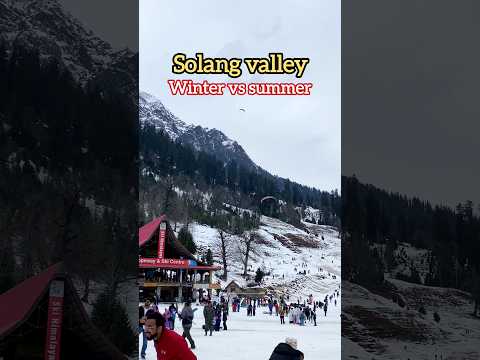
Top Venues in Solang Valley
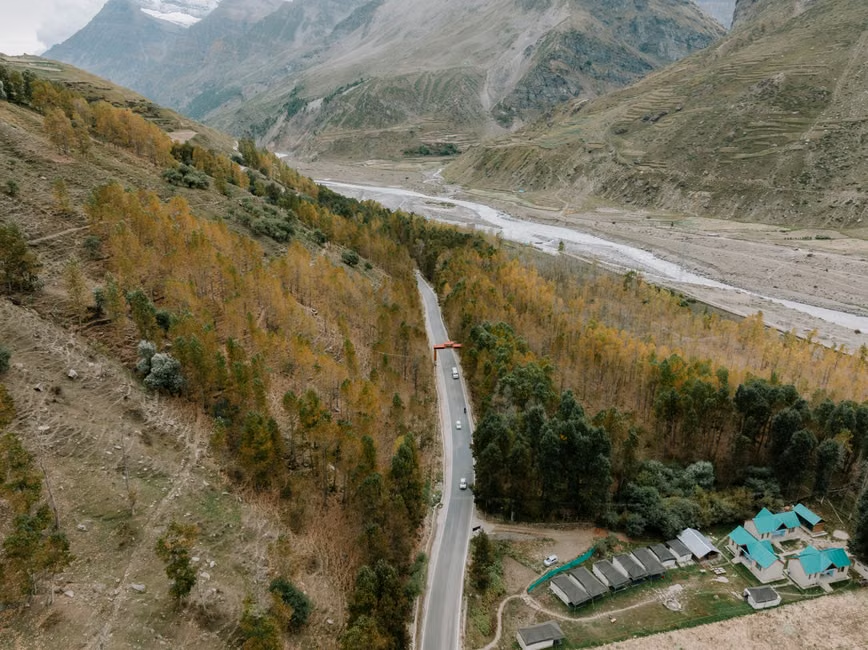
The Himalayan
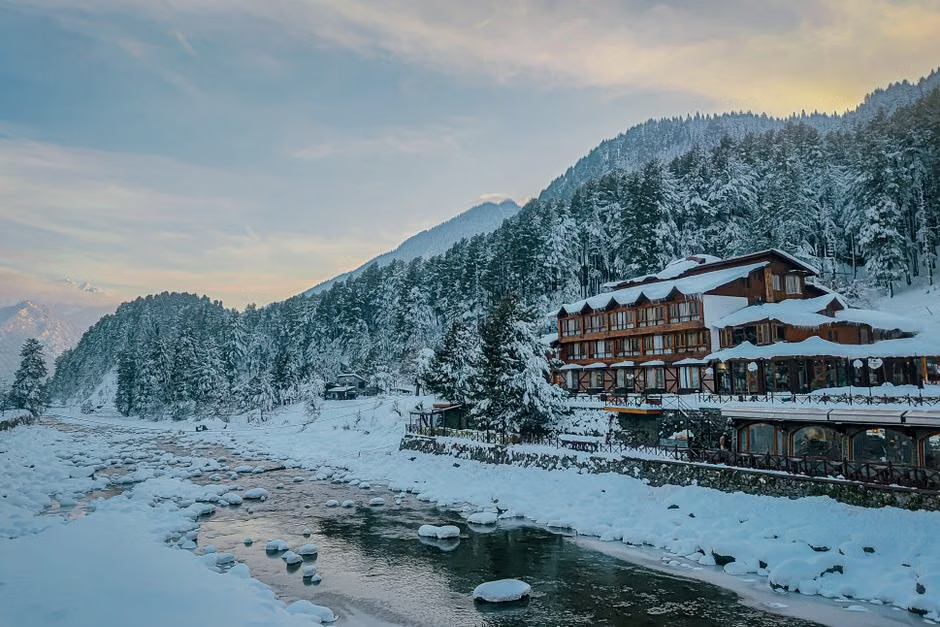
Span Resort & Spa
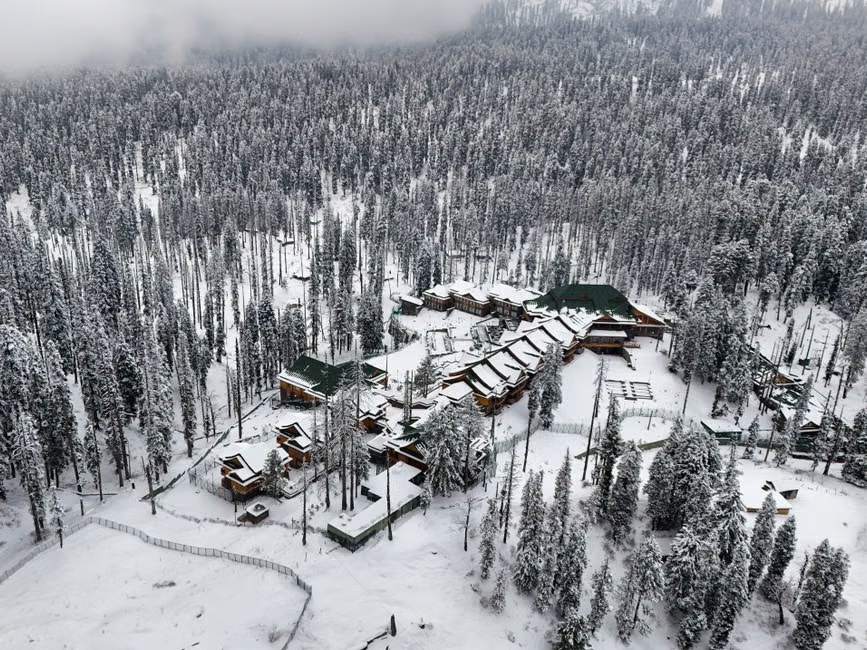
Snow Valley Resorts
Solang Valley Resort
Compare Solang Valley with Other Top Destinations
Frequently Asked Questions
Is Solang Valley a good destination for a bachelor or bachelorette party?
Yes, it is one of the stronger mountain destinations in India for this format. The combination of adventure activities — paragliding, zorbing, ATV rides — private resort or chalet stays, bonfire evenings, and the general sense of remote exclusivity makes it well-suited to experience-led bachelor and bachelorette celebrations. Groups of 15–40 people typically find the destination's scale and character a natural fit.
What is the best time of year to plan an event in Solang Valley?
May and June are the only reliably viable months for outdoor events. Roads are clear, skies are typically stable, and temperatures are pleasantly cool. The monsoon (July–September) brings landslide risk and road closures; winter (November–March) brings heavy snowfall and inaccessibility; April and October are transitional and unpredictable. Plan firmly within the May–June window.
What kinds of venues are available for private events in Solang Valley?
The venue stock consists primarily of mountain resorts, alpine chalets, and boutique lodge-style properties with outdoor lawns, terraces, and meadow spaces. Full-property buyouts are common and practical at this scale. There are no large banquet hall or palace-format venues — the destination suits intimate, immersive group events rather than large ceremonial productions.
How do guests typically travel to Solang Valley for an event?
Most guests fly into Bhuntar (Kullu-Manali Airport), roughly 55–60 km away, or into Chandigarh and travel onward by road — a journey of 8–10 hours from Chandigarh. There is no broad-gauge railway station near Manali. Road travel through mountain terrain is the final leg for all guests, so building buffer time into travel plans is strongly advisable.
How large a guest group can Solang Valley realistically accommodate for an event?
Individual properties in the valley typically support 40–150 guests comfortably for a combined stay-and-event format. For groups up to around 200, combining two or three nearby properties is feasible. Beyond that, the local inventory becomes stretched — very large groups are better served by destinations with larger venue infrastructure.
Is Solang Valley suitable for a corporate team-building retreat or incentive trip?
Yes, it is particularly well-suited to both formats. The adventure activity ecosystem — paragliding, zorbing, river crossing, nature treks — provides a ready-made team-building programme. The destination's scenic isolation also helps groups stay focused and present. Incentive groups respond well to the exclusivity and experiential character of a Himalayan mountain setting.
Can a DJ or music night event be held outdoors in Solang Valley?
Yes, during May–June. The open alpine meadows and resort lawns are well-suited to outdoor DJ setups, and the natural amphitheatre effect of the surrounding peaks enhances the acoustic experience. Sound and lighting vendors are available through Manali. Weather can shift quickly even in summer, so having an indoor fallback space at the property is advisable.
What adventure activities are available for event groups in Solang Valley?
Paragliding, zorbing, ATV rides, river crossing, and nature treks are all commercially established in the valley and are routinely incorporated into corporate retreat and private party programmes. These vendors are experienced working with group bookings and can typically be coordinated through the resort or an event planner based in Manali.
How reliable is mobile and internet connectivity in Solang Valley during an event?
Connectivity is patchy. BSNL and Jio offer the most consistent coverage during summer, but high-speed data cannot be assumed across the valley. Event planners should avoid relying on live-streaming, cloud-based AV systems, or real-time connectivity for critical event elements without testing in advance and having offline contingencies in place.
Is a villa or private chalet stay format practical for a group event in Solang Valley?
Yes, and it is one of the formats the destination handles best. Chalet and boutique resort properties in and around the valley are well-configured for full-group buyouts, giving groups exclusive use of the property, outdoor spaces, and in-house catering. This format suits groups of roughly 20–60 people particularly well and delivers the privacy and immersion that villa-stay party formats are designed around.
Are local catering and event vendors in Solang Valley experienced with group events?
The valley's own vendor base is lean, but Manali town — approximately 14 km away — has a functional ecosystem of caterers, decorators, sound and lighting companies, and photographers experienced with group events. Himachali cuisine is a genuine local strength. For complex or large-scale productions, some specialist vendors may need to be sourced from Chandigarh or Delhi, so lead times should be planned accordingly.

Ready to explore venues in Solang Valley?
Solang Valley: Adventure Weddings, Private Parties & Mountain Event Venues
◆Solang Valley is a high-altitude alpine destination in Himachal Pradesh, approximately 14 km from Manali, best suited for adventure-forward private parties, DJ and music nights, bachelor and bachelorette celebrations, villa and chalet group stays, and corporate retreats. Its primary vibe is offbeat and adventure-driven rather than traditional or ceremonial. The optimal window is May–June, when roads are clear and the meadows are accessible. Guest travel requires planning — the nearest practical airport is roughly 55–60 km away and the road journey from major cities is long — making it ideal for groups who treat the journey itself as part of the experience.
Solang Valley at a Glance
| Attribute | Detail |
|---|---|
| Best For | DJ / Music Night, Bachelor / Bachelorette Party, Private Party, Villa / Private Stay Party |
| Primary Vibe | Adventure & Offbeat |
| Other Vibes | Scenic & Intimate, Corporate & Team-Focused |
| Best Season | Summer (May–June) |
Why Choose Solang Valley?
- Himalayan drama as a natural event backdrop: The valley's open meadows framed by snow-capped peaks provide a genuinely cinematic setting that no constructed venue can replicate — particularly powerful for outdoor DJ nights, sunrise ceremonies, and group photography.
- Adventure activity ecosystem built in: Paragliding, zorbing, river crossing, and (in winter) skiing are all commercially established here, giving corporate retreats and bachelor parties a ready-made activity programme without needing to import vendors from elsewhere.
- Private chalet and resort buyout culture: The valley's accommodation stock skews toward smaller mountain resorts and chalets that lend themselves naturally to full-group buyouts, creating the exclusivity that villa-stay party formats require.
- Manali's vendor depth within reach: Being only about 14 km from Manali town means event planners can draw on a significantly larger pool of caterers, decorators, sound and lighting vendors, and hospitality staff than the valley itself could sustain independently.
- Low commercial density means genuine privacy: Unlike more developed hill stations, Solang Valley has not been heavily commercialised, so groups celebrating here rarely feel crowded out by general tourist traffic — especially during weekday events in May–June.
- Distinctive cultural texture: The valley sits within the broader Kullu cultural belt, and events held around local festivals or incorporating Himachali folk elements (music, cuisine, décor) carry an authenticity that is hard to replicate in more generic resort destinations.
Which Celebrations Work Best in Solang Valley?
DJ / Music Night: The combination of open alpine meadows, cool summer nights, and the natural amphitheatre effect of the surrounding peaks makes Solang Valley a genuinely compelling setting for outdoor DJ and music events. Sound carries well in the open air, and the visual drama of a lit-up stage against a mountain backdrop is difficult to match. Resorts in and around the valley can typically support sound and lighting setups for mid-sized groups.
Bachelor / Bachelorette Party: This is arguably the format Solang Valley is most naturally suited to. The combination of adventure activities (paragliding, zorbing, ATV rides), private resort stays, bonfire evenings, and the general sense of being far from everyday life makes it a strong choice for groups wanting an experience-led celebration rather than a purely venue-led one.
Private Party: The valley's smaller, boutique resort properties are well-configured for private group events — full buyouts are common and practical at this scale. A private party here typically means exclusive use of an outdoor lawn or terrace, in-house catering, and a curated activity programme, all within a single property.
Villa / Private Stay Party: Chalet and villa-format accommodation is increasingly available in and around Solang Valley, and the format suits the destination's character well. Groups that want to cook together, gather around a fireplace, and have the property entirely to themselves will find this format more satisfying here than in a large hotel setting.
Incentive Trip: The destination's adventure credentials and scenic exclusivity make it a strong incentive travel choice for corporate groups — the experience feels genuinely earned and memorable, which is precisely what incentive travel is designed to deliver.
Team-Building Retreat: With a ready-made adventure activity menu and a natural environment that encourages collaboration and communication, Solang Valley is well-suited to structured team-building programmes. The relative isolation also helps groups stay focused and present rather than distracted by city-life proximity.
Venues & Event Spaces
The venue landscape in and around Solang Valley is characterised by mountain resorts, alpine chalets, and boutique lodge-style properties rather than large banquet halls or palace-format venues. Outdoor lawns and terraces with Himalayan views are the signature event space type — most properties orient their event areas to maximise the mountain backdrop. Indoor banquet capacity at individual properties is generally modest, making the destination better suited to groups of up to 150–200 guests rather than large-scale weddings requiring 500+ attendance.
The broader Manali area, within easy reach, adds a layer of heritage-adjacent and riverside resort options that can supplement Solang Valley's own inventory for larger or multi-day events. Bonfire pits, open-air decks, and meadow lawns are common features across the resort stock, and many properties can accommodate overnight stays for the full guest group, which is important for villa-stay and retreat formats.
Event infrastructure — sound systems, lighting rigs, generator backup — is available through Manali-based vendors and is routinely deployed at valley properties for private events. Planners should confirm logistics and lead times with vendors early, particularly for events in May when demand peaks.
Best Time to Celebrate
The real, curated best season for Solang Valley is Summer (May–June), and the reasoning is specific to this destination's geography. By May, the Rohtang Pass road (which provides access to the upper valley) has typically been cleared of winter snow, making the area accessible to vehicles and guests. Daytime temperatures in the valley during May–June are pleasantly cool — generally ranging from around 10°C to 25°C — which is ideal for outdoor events, DJ nights, and adventure activities without the discomfort of extreme heat found at lower altitudes during the same months.
The skies are typically clear in May–June before the monsoon arrives, meaning outdoor event photography and open-air celebrations are genuinely reliable rather than weather-dependent gambles. Wildflowers are in bloom across the meadows during this window, adding natural colour and texture to the landscape.
The monsoon (July–September) brings heavy rainfall, frequent landslides, and road closures — outdoor events become impractical and access to the valley itself can be disrupted for days at a time. October sees post-monsoon instability and unpredictable road conditions. November through March brings heavy snowfall and extreme cold that renders most resort properties inaccessible or closed entirely. April is a transitional month where snow is still clearing and road access is uncertain — not a reliable window for planned events. May–June is therefore not merely the best window but effectively the only reliably viable one for outdoor celebrations in this destination.
Getting There & Local Connectivity
The nearest commercial airport is Bhuntar (Kullu-Manali Airport), approximately 55–60 km from Solang Valley. Flights connect Bhuntar to Delhi and a small number of other cities, but the route has limited frequency and is subject to weather-related cancellations — guests should build buffer time into their travel plans. The more common approach for larger groups is to fly into Chandigarh or Delhi and travel onward by road, which takes approximately 8–10 hours from Chandigarh and 12–14 hours from Delhi depending on conditions.
There is no broad-gauge railway station close to Manali or Solang Valley. Chandigarh is the practical broad-gauge railhead for most guests, with onward road travel required. The narrow-gauge Joginder Nagar station is geographically closer but serves a very limited route and is not a practical option for most event guests.
Within the valley, local movement is primarily by road. Taxis and tempo travellers are the standard group transport mode between Manali town and Solang Valley. For events where guests are staying at a single property, internal logistics are straightforward — the valley is compact. For multi-property or multi-day events, a dedicated transport coordinator is advisable given the mountain road conditions.
Mobile connectivity is patchy in parts of the valley, with BSNL and Jio offering the most reliable coverage during summer. Event planners should not assume reliable high-speed data for all guests and should plan accordingly for any connectivity-dependent event elements.
Local Vendor & Hospitality Ecosystem
Solang Valley's own vendor ecosystem is relatively lean — the valley is not large enough to sustain a full-service event industry independently. However, Manali town, approximately 14 km away, has a reasonably mature hospitality and event vendor base built up over decades of tourism. Caterers, decorators, sound and lighting companies, florists, and photography teams are all available through Manali, and most are experienced in working at valley properties.
Himachali cuisine — including local dishes, trout preparations, and regional breads — is a genuine hospitality strength and adds authentic character to event menus. Most resort properties have in-house kitchen teams capable of handling group catering, and external caterers from Manali can supplement for larger events.
Adventure activity vendors (paragliding operators, zorbing companies, ATV rental) are well-established in Solang Valley itself and are accustomed to working with corporate and private event groups. Coordination between activity vendors and event planners is generally smooth during the May–June peak season.
The hospitality workforce in the region is experienced with group stays and retreats, though the overall scale of the ecosystem means that very large or highly complex events may require bringing in specialist vendors from Chandigarh or Delhi. Lead times for vendor booking during May–June should be treated as longer than in a major metro event market.
Pros & Things to Consider
Why Solang Valley Works Well
- Genuinely dramatic and distinctive Himalayan setting that creates memorable event experiences
- Strong adventure activity infrastructure built into the destination — no need to import specialist vendors
- Natural privacy and exclusivity — low commercial density means events feel immersive rather than crowded
- Chalet and resort buyout culture suits villa-stay and private party formats naturally
- Manali's vendor ecosystem within easy reach, expanding catering, décor, and logistics options
- Cool summer temperatures make outdoor events genuinely comfortable during the best season window
Things to Consider
- Guest travel is long and requires planning — the road journey from major cities takes many hours, and the nearest airport has limited flight frequency
- The viable event window is narrow — effectively May–June only; all other seasons carry significant access or weather risk
- Venue capacity is modest — individual properties typically support up to 100–200 guests, making the destination less suitable for large-scale weddings
- Mobile and internet connectivity is patchy — connectivity-dependent event elements need contingency planning
- The vendor ecosystem, while functional, is smaller than in major event cities — complex or large-scale productions may require importing vendors from further afield
- Mountain weather can change rapidly even in May–June — outdoor event timings should have indoor backup options wherever possible
When Solang Valley May Not Be the Right Fit
- Large guest lists (300+): The valley's resort and venue inventory is not configured for very large events — groups of this size will find the local accommodation and event space stock insufficient without significant logistical complexity.
- Guests with limited mobility or travel tolerance: The long road journey from the nearest airport or railhead, combined with mountain terrain, makes this destination genuinely challenging for elderly guests, guests with mobility limitations, or those who are not comfortable with extended mountain road travel.
- Events planned outside May–June: Monsoon-season outdoor plans, winter celebrations, or events in the shoulder months of April or October carry real access and weather risk that makes reliable event delivery difficult — a different destination would serve these timings better.
- Traditional or ceremonial wedding formats requiring large banquet infrastructure: Solang Valley's venue stock is oriented toward adventure, retreat, and private party formats. Groups seeking a traditional wedding with large mandap setups, multi-day ceremonial programmes, and 400+ guest attendance will find the local infrastructure a poor match for those requirements.