
Why Sohra is Perfect for Your Celebration
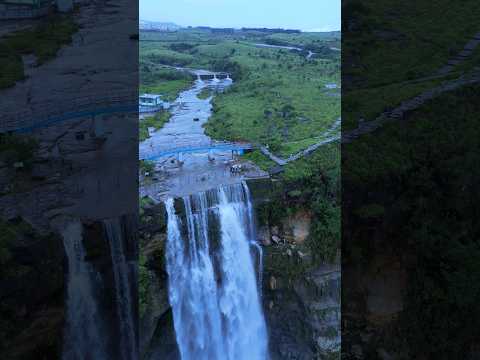
- Home to some of India's most spectacular waterfalls — Nohkalikai, Seven Sisters — providing a breathtaking natural event backdrop
- Monsoon season (July–August) transforms the landscape into a vivid green canvas, ideal for offbeat, nature-immersed celebrations
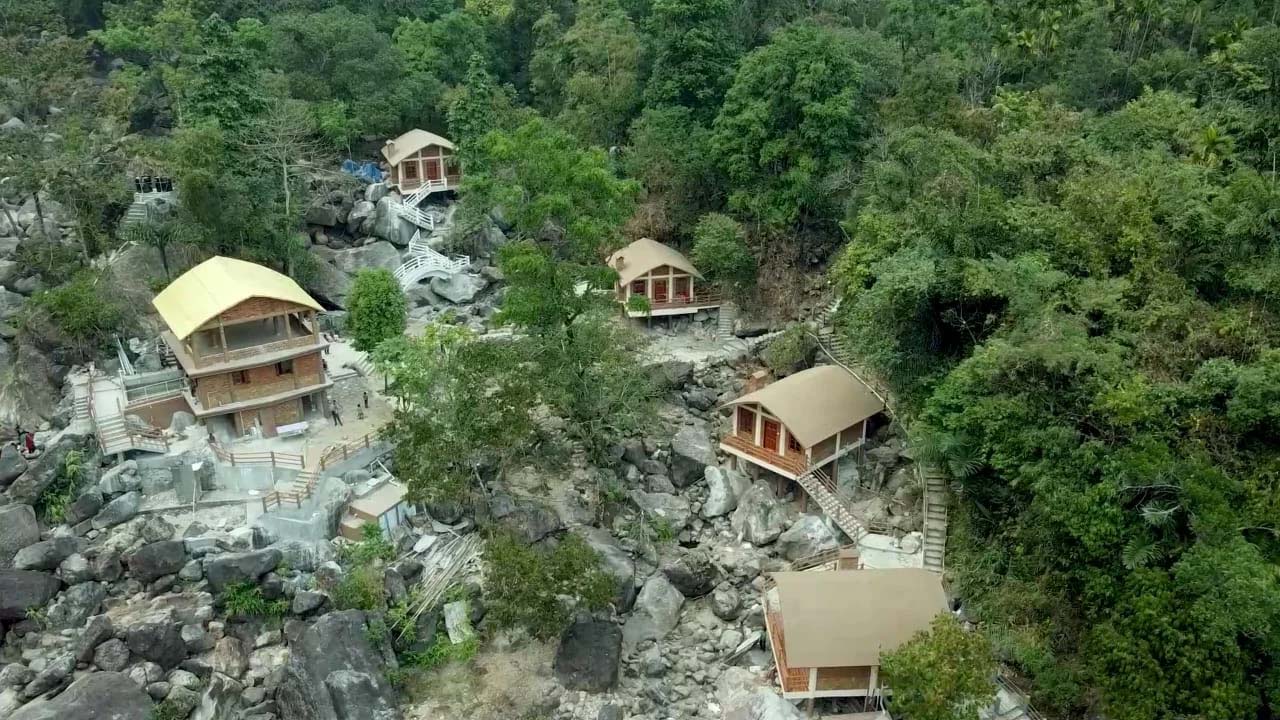
- Intimate eco-resorts and nature lodges offer private, exclusive settings well-suited to small milestone gatherings and corporate retreats
- Rich Khasi cultural heritage — music, cuisine, and craft — adds authentic local flavour to events and team-building programmes
- Low tourist density compared to mainstream destinations means greater privacy and exclusivity for groups
- Proximity to living root bridges and canyon viewpoints provides ready-made adventure and team-building activities
Top Venues in Sohra

Querencia Homestay – Mountain View Stay in Cherrapunji
Polo Orchid Resort
Jiva Resort Cherrapunjee
Cherrapunjee Holiday Resort
Cindy Homestay
Batti Homestay
Valley View Homestay
Manbha Rio La
Eternal Bliss Homestay
Pyrkyn's Inn
Hill Top Castle
Compare Sohra with Other Top Destinations
Frequently Asked Questions
Is Sohra a good destination for a milestone birthday celebration?
Yes, particularly for intimate groups of 15 to 60 guests. Sohra's dramatic waterfall scenery, eco-resort settings, and offbeat character make milestone birthdays — 40th, 50th, 60th, and beyond — genuinely memorable. The destination works best when the group values experience and landscape over large-scale event production, and when guests are comfortable with a longer travel journey to get there.
What size group can Sohra realistically accommodate for an event?
Sohra is best suited to groups of roughly 20 to 80 guests. The local accommodation inventory is limited to eco-resorts and nature lodges, and there are no large convention or banquet venues. Groups larger than 80–100 guests will likely find it difficult to secure sufficient rooms and event space within a single property or a close cluster of properties.
How do guests typically travel to Sohra for a destination event?
Most guests fly into Guwahati (the nearest well-connected airport) and travel onward by road — approximately four to five hours. Shillong Airport is closer but has very limited national connectivity. There is no railway station in or near Sohra. Groups should arrange dedicated road transport in advance, as local taxi availability is limited, especially for larger parties.
Why is the monsoon season recommended for events in Sohra?
Sohra's identity is built around its rainfall. July and August bring the waterfalls to full volume, the valleys to their most vivid green, and the mist and cloud that define the destination's atmosphere. Unlike most Indian destinations where monsoon is avoided, Sohra is genuinely at its best during this period — the landscape is the event backdrop, and it peaks in the monsoon.
Is Sohra suitable for a corporate team-building retreat?
Yes. Sohra offers a strong menu of shared team experiences — treks to living root bridges, waterfall hikes, and Khasi cultural activities — that are difficult to replicate in a conventional conference hotel. It works best for smaller teams (typically under 60 people) where the group can move through the landscape together. The remoteness also helps focus group attention away from everyday distractions.
What kinds of event spaces are available in Sohra?
Sohra's event spaces are primarily eco-resort terraces, open-air lawns with valley or waterfall views, and modest indoor dining and gathering rooms. There are no large banquet halls or convention centres. Most spaces comfortably accommodate 20 to 100 guests. For groups wanting exclusivity, some properties can be partially or fully privatised, which is the preferred approach for milestone celebrations and leadership retreats.
Do I need to bring event vendors from outside Sohra?
For anything beyond basic catering and simple décor, yes. The local vendor ecosystem for formal event production — specialist decorators, AV and lighting teams, large-scale catering operations — is limited. Groups planning more elaborate events typically source vendors from Shillong or Guwahati. Local catering, however, is a genuine strength, with Khasi cuisine offering authentic and distinctive menu options.
What should I plan for if I want outdoor events during the monsoon?
Always have a covered or indoor backup plan. Monsoon rainfall in Sohra is heavy and can be unpredictable at the hour level — even on a day that starts clear, significant rain can arrive quickly. Work with your resort or local operator to identify a credible indoor or covered alternative for every outdoor element of your event schedule, and build flexibility into your timings.
Is Sohra accessible for guests with mobility limitations?
Generally not well-suited. The terrain around Sohra is hilly and often involves uneven paths, steps, and narrow trails — particularly for activities like visiting waterfalls or living root bridges. Most eco-resort properties also have limited accessibility infrastructure. Groups with guests who have significant mobility limitations should factor this in carefully and may find a more accessible destination more appropriate.
What makes a leadership retreat in Sohra different from a conventional corporate offsite?
The remoteness and natural drama of Sohra create a genuinely off-grid environment that is difficult to replicate in a city hotel. The absence of urban distraction, combined with the physical scale of the landscape — waterfalls, canyon viewpoints, mist valleys — tends to shift group dynamics in ways that support reflective, strategic thinking. It suits senior groups of 10 to 40 people who want substance over spectacle.
How far in advance should I plan a destination event in Sohra?
At least four to six months in advance for the July–August peak season. Accommodation inventory is limited, and the best eco-resort properties fill up during the monsoon months. Sourcing vendors from Shillong or Guwahati also requires lead time. Groups with complex logistics — large guest lists, multi-day programmes, or specialist vendor requirements — should begin planning even earlier.

Ready to explore venues in Sohra?
Sohra: Waterfall Weddings, Birthday Getaways & Nature Retreat Venues
◆Sohra (also known as Cherrapunji) is a small, high-altitude plateau town in Meghalaya's East Khasi Hills, best suited to intimate, nature-immersed celebrations — milestone birthdays, offbeat corporate retreats, and small destination gatherings — rather than large-scale weddings or high-volume events. Its primary draw is its extraordinary monsoon landscape: roaring waterfalls, dense cloud cover, and vivid green valleys that peak in July and August. Accessibility is genuinely limited — guests typically fly into Shillong or Guwahati and travel onward by road — so Sohra rewards groups that plan well in advance and prioritise experience over convenience. The local accommodation inventory is modest, centred on eco-resorts and nature lodges.
Sohra at a Glance
| Category | Details |
|---|---|
| Best For | Destination Birthday Getaway, 40th / 50th Birthday, 60th / 70th Birthday, Team-Building Retreat |
| Primary Vibe | Adventure & Offbeat |
| Other Vibes | Nature Immersive, Cultural, Intimate |
| Best Season | Monsoon (July–August) |
Why Choose Sohra?
- Unmatched waterfall scenery: Nohkalikai Falls — among India's tallest — and the Seven Sisters Falls are within easy reach of most accommodation, providing a dramatic natural backdrop that no constructed venue can replicate.
- Genuine offbeat character: Sohra sits well outside the mainstream Indian wedding and events circuit, which means groups here experience real exclusivity and a sense of discovery rather than a packaged resort formula.
- Living root bridges and canyon treks: The UNESCO-recognised living root bridges of the Khasi Hills are accessible from Sohra, offering ready-made adventure programming for team-building and milestone groups.
- Rich Khasi cultural identity: Local cuisine, music traditions, and craft provide authentic cultural programming opportunities that distinguish events here from generic resort experiences.
- Small-group privacy: The limited accommodation inventory, while a logistical constraint for large groups, works in favour of small gatherings — a single eco-resort can be effectively privatised for an intimate celebration.
- Monsoon as a feature, not a drawback: Unlike most Indian destinations where monsoon is the season to avoid, Sohra's entire identity is built around its rainfall — the season is the attraction, not an obstacle.
Which Celebrations Work Best in Sohra?
Destination Birthday Getaway: Sohra is particularly well-suited to small birthday groups — typically 15 to 50 guests — who want an experience-led celebration rather than a ballroom event. The landscape, the adventure activities, and the intimacy of eco-resort settings combine to make a birthday here genuinely memorable and distinctive.
40th / 50th Birthday: A milestone birthday at this age often calls for something more reflective and experiential than a conventional party. Sohra's dramatic natural setting, relative quietness, and cultural depth make it a strong fit for guests who want to mark the occasion with meaning rather than spectacle.
60th / 70th Birthday: For older milestone birthdays where the guest of honour and core group value comfort, scenery, and a slower pace over adventure, Sohra's cooler temperatures, misty valleys, and scenic viewpoints provide a genuinely special atmosphere. Groups should plan accommodation carefully given the limited inventory.
Team-Building Retreat: The combination of trekking to living root bridges, waterfall hikes, and Khasi cultural experiences gives corporate teams a rich menu of shared activities that are difficult to replicate in a conventional conference hotel. Sohra works best for smaller teams — typically under 60 people — where the group can move together through the landscape.
Milestone Birthday (general): Any significant birthday — whether a 21st, a 30th, or a 75th — benefits from Sohra's sense of occasion. The destination itself signals that the host has gone out of their way to create something special, which sets the tone before the event even begins.
Leadership Retreat: Senior leadership groups seeking a reflective, off-grid environment for strategy and bonding will find Sohra's remoteness an asset. The absence of urban distraction, combined with the physical drama of the landscape, tends to focus group attention in ways that city hotels rarely achieve.
Venues & Event Spaces
Sohra's event venue landscape is defined by eco-resorts, nature lodges, and small boutique properties rather than large banquet halls or convention centres. Most properties offer open-air terraces and lawns with valley or waterfall views, which serve as the primary event spaces during the monsoon season. Indoor spaces are typically modest — suited to groups of 20 to 100 guests — and are best used for dining, presentations, or intimate ceremonies rather than large receptions. Some properties can be partially or fully privatised for exclusive group use, which is the preferred approach for milestone celebrations and corporate retreats. Outdoor event setups require careful weather contingency planning given the rainfall intensity during peak season. There are no large convention-scale venues in or immediately around Sohra; groups needing capacity for 200 or more guests would need to consider Shillong as a base instead.
Best Time to Celebrate
The curated best season for Sohra is Monsoon (July–August), and this is not a conventional recommendation — it is the defining characteristic of the destination. During these months, the waterfalls are at full volume, the valleys are intensely green, and the mist and cloud create an atmosphere that is genuinely unlike anywhere else in India. For groups whose celebration concept is built around the landscape, this is the only season that fully delivers on Sohra's promise.
The trade-off is real: rainfall is heavy and frequent, outdoor event setups require robust contingency planning, and road conditions can occasionally be disrupted by landslides on the approach routes. Groups should build flexibility into their event schedules and work with local operators who understand monsoon logistics.
Outside July–August, the destination becomes progressively less compelling. September and October see the tail end of the monsoon with reduced waterfall flow. November through February brings cold, foggy conditions — temperatures can drop sharply at night — with limited outdoor usability and a landscape that has lost much of its monsoon vibrancy. March through June is the dry pre-monsoon period: waterfalls are significantly reduced or dry, haze is common, and the landscape looks comparatively sparse. For a destination whose entire identity is its monsoon character, visiting outside July–August means experiencing a noticeably diminished version of what makes Sohra distinctive.
Getting There & Local Connectivity
Sohra is not a straightforward destination to reach, and this is a genuine planning consideration for any group. The nearest airport with regular commercial services is Shillong Airport (Umroi), which has limited connectivity — primarily to Kolkata — and is approximately 80 to 90 kilometres from Sohra by road. Guests travelling from other major Indian cities typically fly into Guwahati (in Assam), which has significantly better national connectivity, and then travel onward by road — a journey of roughly four to five hours depending on conditions. This means most guests will have a travel day of six to eight hours or more from cities like Delhi, Mumbai, or Bengaluru.
There is no railway station in or near Sohra. The nearest major railhead is Guwahati, making road travel the primary mode of local access. The roads between Shillong and Sohra are scenic but winding and narrow in places, and during peak monsoon they require careful driving. Groups should arrange dedicated transport — typically a fleet of SUVs or tempo travellers — rather than relying on local taxis, which are limited in number. Once in Sohra, most attractions and accommodation are within a manageable radius, but the terrain means that even short distances can take longer than expected.
Local Vendor & Hospitality Ecosystem
Sohra's hospitality ecosystem is small but genuine. The local eco-resort operators have experience hosting small groups and are generally well-versed in the logistical realities of the destination — including monsoon contingency planning, local activity coordination, and Khasi cuisine catering. However, the vendor ecosystem for formal event production — decorators, sound and lighting specialists, large-scale catering operations — is limited locally. Groups planning anything beyond a simple gathering will typically need to bring specialist vendors from Shillong or, for more elaborate productions, from Guwahati or further afield. This adds a logistical layer that requires early planning and coordination. Local catering, on the other hand, is a genuine strength: Khasi cuisine — smoked meats, bamboo-cooked dishes, local rice preparations — can be incorporated into event menus in ways that add authentic cultural value. English is widely spoken in the hospitality sector, which eases communication for non-local groups.
Pros & Things to Consider
Why Sohra Works Well
- Extraordinary natural scenery — waterfalls, mist, and canyon landscapes — that creates a genuinely memorable event atmosphere
- Strong fit for small, intimate groups where the destination itself is the experience
- Authentic Khasi cultural programming opportunities not available at mainstream resort destinations
- Monsoon season is a genuine draw rather than a deterrent — the destination is at its best precisely when most Indian destinations are at their worst for events
- Eco-resort properties can often be privatised, giving groups a sense of exclusive ownership over the space
- Cooler temperatures (relative to most of India in July–August) make outdoor activities and daytime events more comfortable
Things to Consider
- Accessibility is genuinely challenging — a long travel day is unavoidable for most guests, and road conditions during monsoon require careful management
- Accommodation inventory is limited; groups larger than 60–80 guests may struggle to find sufficient rooms within a single property or cluster of nearby properties
- Formal event production vendors (decorators, AV specialists) are not locally available in meaningful numbers and must be sourced from Shillong or further
- Heavy rainfall during peak season means outdoor event plans must always have a credible indoor or covered backup
- Mobile and internet connectivity is limited in parts of Sohra, which can affect real-time coordination during events
- The destination is not suited to guests with significant mobility limitations, given the terrain and the nature of most activities
When Sohra May Not Be the Right Fit
- Large guest lists: Groups of more than 80–100 guests will find the local accommodation and venue inventory genuinely insufficient. A destination with larger resort infrastructure would serve such groups better.
- Guests sensitive to long travel: If a significant portion of the guest list is elderly, has mobility challenges, or is travelling with very young children, the long road journey and rugged terrain may make the experience uncomfortable rather than celebratory.
- Outdoor-dependent event plans without weather flexibility: Groups committed to a specific outdoor setup — an open-air ceremony, a lawn reception — with no indoor backup should reconsider, as monsoon rainfall in Sohra is intense and unpredictable at the event-hour level.
- Groups seeking polished, large-scale event production: If the vision involves elaborate décor, large AV setups, or a full vendor team on-site, the limited local production ecosystem means significant additional logistics and cost that may make a more vendor-mature destination a more practical choice.