
Why Sivasagar is Perfect for Your Celebration
- Home to iconic Ahom-era monuments like Rang Ghar and Talatal Ghar, providing a genuinely royal historical backdrop unavailable elsewhere in northeast India
- Bihu festival culture is deeply embedded here, making it the most authentic location in Assam for Bihu-themed celebrations and cultural gatherings
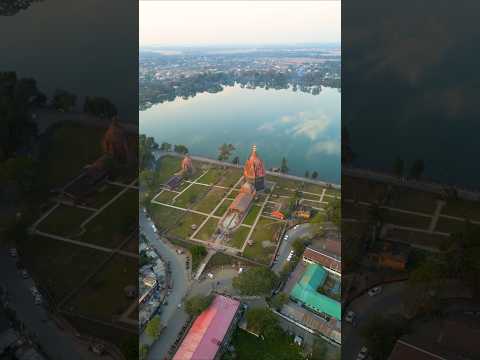
- Sivasagar Tank (Borpukhuri) and surrounding temple complexes offer scenic, spiritually significant settings for religious family functions and temple festivals
- Intimate scale of the town suits smaller, close-knit weddings and family ceremonies where personal hospitality and local character matter more than mass-market luxury
- Cool, dry winters (November–February) create comfortable outdoor event conditions across heritage lawns and open-air venues
- Strong local Assamese culinary and craft traditions allow for deeply personalised, culturally rooted event experiences
Compare Sivasagar with Other Top Destinations
Frequently Asked Questions
Is Sivasagar a good destination for a heritage or palace-style wedding?
Yes. Sivasagar is one of the most genuinely heritage-rich wedding destinations in northeast India, anchored by Ahom royal monuments including Rang Ghar and Talatal Ghar. While it does not have a palace converted into a hotel in the conventional sense, the historical atmosphere and heritage properties in the area provide a royal character that is specific to this place and unavailable elsewhere in the region.
What is the best time of year to hold a wedding or celebration in Sivasagar?
November through February is the optimal window. This period brings cool, dry weather with minimal rainfall — ideal for outdoor ceremonies and heritage lawn receptions. January is particularly significant as it coincides with Magh Bihu, making it especially resonant for culturally themed events. The monsoon (June–September) and the hot, humid pre-monsoon months (March–May) are best avoided for outdoor events.
How do guests typically travel to Sivasagar for a destination event?
Most guests arrive via Jorhat Airport, which connects to Guwahati and Kolkata, followed by a road transfer of roughly 55 km to Sivasagar. Guests travelling by train use Simaluguri Junction, approximately 15 km from the town center, which is well-connected to Guwahati and Dibrugarh. Guests from major metros should plan for a multi-leg journey and at least one full travel day.
What guest-group sizes can Sivasagar realistically accommodate for a wedding or event?
Sivasagar is best suited to intimate to mid-sized gatherings — typically up to around 200–300 guests. The town's venue and accommodation inventory is well-matched to this scale. Very large events requiring simultaneous capacity for 500 or more guests in a single venue will find local supply limited, and planners should assess accommodation spread across the town carefully for larger groups.
Is Sivasagar suitable for a Bihu-themed celebration or cultural festival event?
Yes, and it is arguably the most authentic location in Assam for exactly this. Bihu culture is deeply embedded in Sivasagar's community life — local dancers, dhol players, and folk performers are genuinely rooted in the tradition rather than imported for tourism. January's Magh Bihu period is particularly vibrant, but Bihu-themed programming can be arranged throughout the winter season.
What kinds of event venues are available in and around Sivasagar?
Sivasagar offers heritage hotel banquet halls, outdoor heritage lawns, resort-style properties on the town's outskirts, and community cultural spaces. Venues are generally suited to intimate and mid-sized gatherings. The surrounding Ahom monuments and temple complexes provide atmospheric backdrops for photography and ceremonial moments, though the protected sites themselves are not event venues.
Can Sivasagar accommodate religious family functions and temple-related ceremonies?
Yes. The Shiva Dol, Vishnu Dol, and Devi Dol temples surrounding the Sivasagar Tank are among the most significant Shaivite and Vaishnavite sites in Assam. Local priests and ritual specialists familiar with both traditions are readily available, making Sivasagar a spiritually appropriate and practically well-supported setting for religious family milestones and temple festival celebrations.
What local vendors and services are available for event planning in Sivasagar?
Local strengths include authentic Bihu performers and folk artists, Assamese cuisine caterers using locally sourced ingredients, handloom textile suppliers (including Muga and Pat silk for décor and gifting), and experienced ritual priests. For specialist production — large-scale lighting, elaborate floral installations, or luxury catering at scale — vendors will typically need to be sourced from Guwahati or Dibrugarh and brought in, requiring advance planning.
Is Sivasagar a good fit for an intimate wedding rather than a large celebration?
Yes. Sivasagar's intimate town scale, warm local hospitality, and culturally rich environment make it particularly well-suited to smaller, close-knit weddings where personal attention and a strong sense of place matter more than large-scale infrastructure. Couples seeking a meaningful, culturally immersive experience over a mass-market event will find Sivasagar genuinely rewarding at this scale.
What makes Sivasagar distinctive compared to other northeast India event destinations?
Sivasagar's Ahom royal heritage is its defining differentiator — the town was the capital of the Ahom kingdom for nearly 600 years, and its monuments, temples, and living cultural traditions reflect that history in ways no other northeastern destination can replicate. For couples and families who want an event rooted in genuine historical and cultural depth rather than generic resort luxury, this specificity is Sivasagar's strongest asset.
Are there any significant logistical challenges to be aware of when planning an event in Sivasagar?
Yes. The main considerations are: air connectivity requires a connecting journey via Guwahati or Kolkata before a further road transfer from Jorhat; the monsoon season (June–September) effectively rules out outdoor events; specialist event vendors may need to be sourced from larger Assam cities; and digital and infrastructure connectivity, while improving, is more limited than in major Indian metros. Early planning and local coordination are essential.

Ready to explore venues in Sivasagar?
Sivasagar: Heritage Weddings, Bihu Celebrations & Ahom Cultural Events
◆Sivasagar is northeastern India's most historically significant event destination, best suited to heritage weddings, Bihu celebrations, intimate family ceremonies, and cultural gatherings rooted in Ahom royal tradition. Its primary vibe is Royal & Heritage — anchored by centuries-old monuments, temple complexes, and a living Assamese folk culture. The best season runs from November through February, when the climate is cool and dry. Venue inventory is modest in scale, making it most appropriate for intimate to mid-sized gatherings; guests typically arrive via Jorhat Airport or Simaluguri Junction, with road travel completing the journey.
Sivasagar at a Glance
| Attribute | Detail |
|---|---|
| Best For | Bihu Celebration, Palace / Heritage Wedding, Destination Wedding, Intimate Wedding |
| Primary Vibe | Royal & Heritage |
| Other Vibes | Cultural, Spiritual, Folk & Festive |
| Best Season | Winter (November–February) |
Why Choose Sivasagar?
- Unmatched Ahom heritage backdrop: Sivasagar is home to the Rang Ghar (Asia's oldest surviving amphitheatre), Talatal Ghar, and the Sivasagar Tank temple complex — settings that no other destination in northeast India can replicate for a heritage-themed celebration.
- Authentic Bihu culture: As the heartland of Assamese identity, Sivasagar offers the most genuine environment in the region for Bihu-themed events, with local performers, traditional music, and folk art deeply embedded in community life.
- Spiritual and temple festival settings: The Shiva Dol, Vishnu Dol, and Devi Dol temples surrounding the Sivasagar Tank create a naturally sacred atmosphere for religious family functions, naming ceremonies, and temple festivals.
- Intimate scale suits close-knit gatherings: The town's character and venue inventory are well-matched to smaller, personally curated events where warmth, local character, and cultural immersion matter more than large-scale infrastructure.
- Comfortable winter climate: November through February brings cool, dry conditions that make outdoor ceremonies, heritage lawn events, and evening receptions genuinely comfortable for guests.
- Rich local culinary and craft traditions: Assamese cuisine, handloom textiles, and traditional décor elements are readily available locally, enabling deeply personalised, culturally rooted event experiences.
Which Celebrations Work Best in Sivasagar?
- Bihu Celebration: Sivasagar is arguably the most fitting location in all of Assam for a Bihu-themed event. The town's deep cultural roots mean local artists, musicians, and performers are genuinely embedded in the tradition — not imported for show. A Bihu celebration here feels lived-in and authentic rather than staged.
- Palace / Heritage Wedding: The Ahom royal legacy gives Sivasagar a historical gravitas that suits couples seeking a wedding with genuine dynastic character. Heritage properties and monument backdrops lend a regal quality that is specific to this place.
- Destination Wedding: For guests willing to travel to a less-visited corner of India, Sivasagar offers a genuinely distinctive destination wedding experience — culturally rich, historically layered, and far removed from the crowded circuits of more mainstream wedding cities.
- Intimate Wedding: The town's modest scale and close-knit hospitality ecosystem make it particularly well-suited to smaller weddings where personal attention, local flavour, and a sense of place matter most.
- Wedding Reception: Heritage lawns and banquet spaces in and around Sivasagar can comfortably host receptions for mid-sized guest lists, especially when combined with the visual richness of the surrounding monuments and temple complexes.
- Welcome Dinner / Pre-Wedding Celebration: The town's cultural venues and riverside settings provide evocative backdrops for pre-wedding gatherings, allowing hosts to introduce guests to Assamese hospitality and cuisine before the main event.
- Cultural Festival Gathering: Sivasagar's calendar of local festivals — including Bihu, Ali Ai Ligang, and various temple festivals — makes it a natural host for cultural gatherings that want to align with or draw inspiration from living Assamese traditions.
- Religious Family Function: The presence of major Shaivite and Vaishnavite temples within the town makes Sivasagar a spiritually appropriate setting for religious family milestones, with priests and ritual specialists readily available locally.
- Local Folk Festival / Fair: The town's tradition of community fairs and folk gatherings means that event organisers can tap into existing local infrastructure and cultural programming for folk-festival-style events.
- Temple Festival: Celebrations timed to coincide with the major temple festivals at the Sivasagar Tank complex benefit from a naturally festive civic atmosphere, with the town itself becoming part of the event backdrop.
- Anniversary Celebration & Vow Renewal: The intimate, historically resonant character of Sivasagar suits couples marking significant milestones who want a meaningful, culturally immersive setting rather than a conventional resort experience.
Venues & Event Spaces
Sivasagar's event venue landscape is characterised by heritage properties, independent hotels with banquet facilities, and outdoor spaces adjacent to or within view of the town's historic monuments. Guests can expect:
- Heritage hotel banquet halls: Several independent properties in and around the town offer indoor banquet spaces suited to ceremonies, receptions, and formal dinners for intimate to mid-sized groups.
- Outdoor heritage lawns: Open-air lawns associated with heritage properties provide scenic settings for daytime ceremonies and evening receptions, particularly attractive during the cool winter months.
- Resort-style properties on the outskirts: A small number of resort properties on the town's periphery offer a more relaxed, nature-adjacent setting suitable for pre-wedding functions and welcome dinners.
- Community and cultural halls: For larger cultural gatherings and folk festival events, the town has community spaces that can be engaged for events with a strong local cultural programming component.
- Temple complex surrounds: While the monuments and temple complexes themselves are protected heritage sites, their immediate surroundings and adjacent open areas are frequently used as atmospheric backdrops for photography and smaller ceremonial moments.
Event planners should note that Sivasagar's venue inventory is best suited to gatherings of up to approximately 200–300 guests. Very large-scale events requiring simultaneous accommodation of 500 or more guests in a single venue will find the local supply limited.
Best Time to Celebrate
November through February is the clear optimal window for events in Sivasagar. During these months, daytime temperatures are typically mild and evenings are pleasantly cool, making outdoor ceremonies, heritage lawn receptions, and evening cultural performances genuinely comfortable. Humidity drops significantly compared to the rest of the year, and rainfall is minimal — critical for outdoor event planning in a region that otherwise receives heavy precipitation.
The winter months also coincide with a culturally active period in Assam, with various local festivals and community events adding to the festive atmosphere. January in particular is significant for Magh Bihu (Bhogali Bihu), making it an especially resonant time for Bihu-themed celebrations.
March through May sees temperatures and humidity rising steadily, making outdoor events increasingly uncomfortable and logistically challenging. June through September brings the full force of the northeast monsoon — Sivasagar and the broader Assam region receive heavy rainfall during this period, with a genuine risk of localised flooding that can disrupt travel and outdoor event infrastructure. October is a transitional month: the monsoon typically retreats, but residual humidity and occasional late rainfall make it an unreliable choice for outdoor celebrations. November is generally when conditions become reliably suitable again.
Getting There & Local Connectivity
Sivasagar is accessible by a combination of air and road, or rail and road. The nearest commercial airport is Jorhat Airport, which handles flights connecting to Guwahati and, on some schedules, to Kolkata and other northeastern hubs. From Jorhat, Sivasagar is approximately 55 km by road — a journey of roughly 1.5 to 2 hours depending on traffic and road conditions. Guests flying from major Indian metros will typically need to connect through Guwahati or Kolkata, which adds travel time and requires advance planning for large guest groups.
Simaluguri Junction is the nearest significant railway station, located approximately 15 km from Sivasagar town. It sits on the main rail line through upper Assam and connects to Guwahati, Dibrugarh, and other key stations in the region. For guests travelling from within Assam or from neighbouring states, the train is often the most practical option.
Once guests arrive in Sivasagar, local movement is primarily by road. The town itself is compact and navigable, but coordinating transport for a large wedding guest group — particularly for transfers between accommodation, heritage sites, and event venues — requires advance arrangement of local vehicles. Taxis and hired vehicles are available but should be pre-booked for event groups rather than relied upon ad hoc.
Guests travelling from major metros like Delhi, Mumbai, or Bengaluru should plan for a multi-leg journey and factor in at least one overnight stay or a full travel day. This is a genuine logistical consideration for destination wedding planning here.
Local Vendor & Hospitality Ecosystem
Sivasagar has a developing but genuine local vendor ecosystem for events, particularly for celebrations with a strong Assamese cultural component. Local strengths include:
- Cultural performers and folk artists: Bihu dancers, dhol players, and traditional Assamese musicians are available locally and are among the most authentic in the region — a genuine asset for culturally themed events.
- Assamese cuisine specialists: Local caterers with expertise in traditional Assamese cuisine — including dishes prepared with locally sourced ingredients — can provide a distinctive culinary experience that larger, more generic event caterers cannot replicate.
- Handloom and décor: Assam's weaving tradition, including Muga silk and Pat silk, is accessible locally, enabling event décor and gifting that is genuinely rooted in the region's craft heritage.
- Priests and ritual specialists: For religious family functions and temple-adjacent ceremonies, local priests familiar with both Shaivite and Vaishnavite traditions are readily available.
However, planners should be aware that Sivasagar's vendor ecosystem for large-scale, technically complex events — including high-end lighting production, large floral installations, and luxury catering at scale — is more limited than in major wedding destination cities. For events requiring specialist vendors not available locally, suppliers will typically need to be brought in from Guwahati or Dibrugarh, which adds logistical complexity and lead time.
Pros & Things to Consider
Why Sivasagar Works Well
- Genuinely unique Ahom heritage backdrop unavailable at any other destination in India
- Most authentic location in Assam for Bihu-themed celebrations and cultural events
- Spiritually significant temple complex ideal for religious family functions
- Intimate town scale creates a warm, personally attentive event atmosphere
- Cool, dry winters provide reliable outdoor event conditions from November to February
- Rich local craft, culinary, and performing arts traditions enable deeply personalised events
- Less crowded and commercially saturated than mainstream wedding destinations, offering a sense of exclusivity and discovery
Things to Consider
- Air connectivity is limited — guests from major metros face multi-leg journeys, typically via Guwahati or Kolkata, before a further road transfer from Jorhat
- Venue inventory is modest in scale; very large guest lists (500+) will strain local capacity across accommodation and event spaces simultaneously
- Specialist event vendors (luxury production, large-scale floral, high-end catering) may need to be sourced from Guwahati or Dibrugarh, adding lead time and coordination complexity
- The monsoon season (June–September) effectively rules out outdoor events for nearly four months of the year
- Digital connectivity and infrastructure, while improving, remains more limited than in larger Indian cities — worth factoring into planning for tech-dependent event elements
When Sivasagar May Not Be the Right Fit
- Very large weddings (500+ guests): If your guest list is large and you need multiple high-capacity venues and extensive accommodation blocks within walking distance of each other, Sivasagar's current inventory will likely fall short of requirements.
- Guests with limited travel flexibility: If a significant portion of your guest group has difficulty managing multi-leg journeys or long road transfers, the travel logistics to Sivasagar may create genuine hardship — particularly for elderly guests or those with mobility considerations.
- Monsoon-season events: Any event planned between June and September faces a high risk of disruption from heavy rainfall and potential flooding. Sivasagar is not a suitable outdoor event destination during the northeast monsoon.
- Events requiring large-scale luxury production: If your vision depends on the kind of high-end, technically complex event production — elaborate stage builds, large floral installations, luxury catering at scale — that requires a deep local vendor bench, a larger city with a more mature events industry will serve you better.