
Why Sirpur is Perfect for Your Celebration
- Home to the annual Sirpur National Dance, Music & Theatre Festival — a ready-made cultural event infrastructure each winter
- Ancient 5th–8th century temples (Lakshmana Temple, Surang Tika, Gandeshwar Temple) provide unmatched archaeological backdrops
- Mahanadi riverside setting offers rare, atmospheric outdoor event spaces
- Deep tribal cultural heritage of Chhattisgarh makes it ideal for authentic folk and tribal gathering events
- Winter months (November–February) bring cool, dry, festival-ready weather with minimal disruption
- Low commercial footprint means events here feel genuinely exclusive and off-the-beaten-path
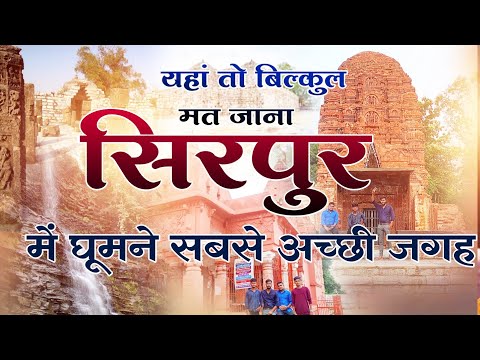
Top Venues in Sirpur
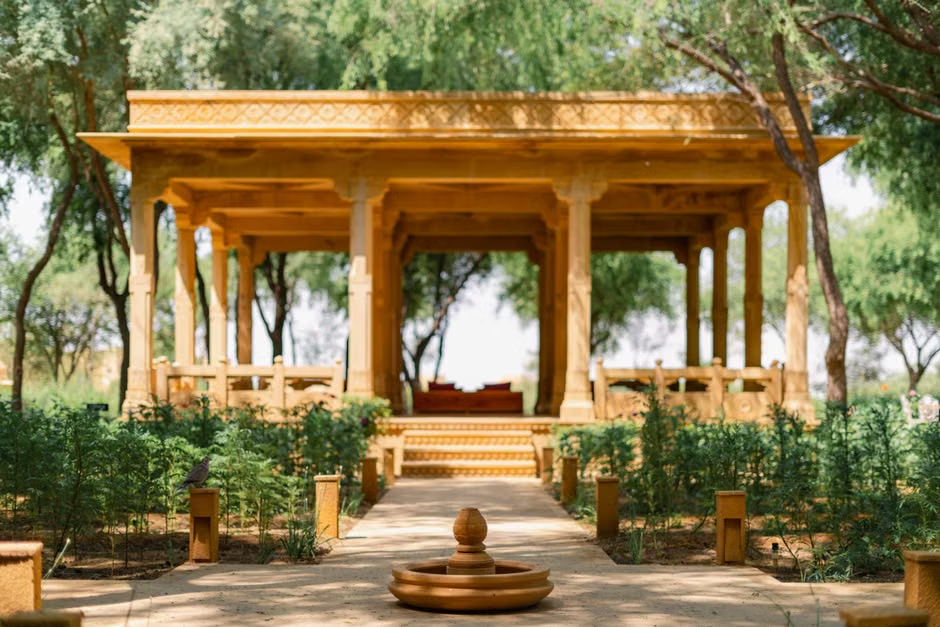
Sirpur Heritage Resort
Compare Sirpur with Other Top Destinations
Frequently Asked Questions
Is Sirpur a good destination for a tribal cultural festival gathering?
Yes, strongly so. Sirpur is one of central India's most authentic settings for tribal cultural gatherings, with living folk traditions from Chhattisgarh's tribal communities — Gond, Halba, and others — and an established annual national festival that brings performers together each winter. The town's archaeological and riverside setting adds genuine cultural depth that purpose-built venues cannot replicate.
What is the best time of year to hold an event in Sirpur?
November through February is the optimal window. This period brings cool, dry weather ideal for outdoor cultural events and coincides with the Sirpur National Dance, Music & Theatre Festival, when local performer networks and cultural infrastructure are most active. Avoid March–May (extreme heat) and June–September (heavy monsoon rainfall).
How do guests typically travel to Sirpur?
Most guests fly into Swami Vivekananda Airport in Raipur — the nearest commercial airport, approximately 75–80 km away — and then travel to Sirpur by road, a journey of roughly two hours. Alternatively, guests can arrive at Raipur Junction by train and travel onward by road. Dedicated group transport from Raipur is the standard approach for event groups.
What size of guest group can Sirpur realistically accommodate for an event?
Sirpur is best suited to smaller, intimate gatherings — typically up to 100–150 guests who can be accommodated locally. For larger groups, a hub-and-spoke model is common: guests stay in Mahasamund or Raipur and are transported to Sirpur for event programming. Very large events of 300+ guests are logistically challenging given the limited local accommodation inventory.
What kinds of event spaces are available in Sirpur?
Sirpur's event spaces are primarily outdoor and heritage-adjacent — open-air grounds near the archaeological site used for the national festival, temple courtyards, Mahanadi riverside ghats, and the grounds of heritage-style resorts. There are no large indoor ballrooms or convention centres. The destination suits open-air, culturally immersive event formats rather than high-production indoor events.
Can Sirpur host a temple festival or religious gathering?
Yes. Sirpur has multiple historically significant and actively venerated temples, including the Lakshmana Temple and Gandeshwar Temple. These provide authentic settings for temple festivals, religious processions, and devotional gatherings. The town's spiritual character and existing pilgrimage culture make it a natural fit for religiously oriented events and family religious functions.
Do I need to bring event vendors from outside Sirpur?
For most specialist services — professional sound and lighting, large-format catering, floral décor, and photography — yes. These are typically sourced from Raipur and transported to Sirpur. What the local ecosystem offers authentically is access to tribal and folk performers, local craft artisans, and community-based cultural programming. Engaging a Raipur-based event management company with regional experience is strongly advisable.
Is Sirpur suitable for a Diwali celebration event?
Yes, particularly for groups seeking an atmospheric and spiritually resonant Diwali experience. The Mahanadi riverside ghats and illuminated temple facades create a striking setting for diyas and evening celebrations. The town's spiritual character amplifies the festival's significance in a way that urban venues typically cannot match.
How reliable is internet and mobile connectivity in Sirpur?
Connectivity in Sirpur is limited. Mobile data coverage exists but is not consistently strong, and high-speed internet infrastructure is not widely available in the town. Events requiring robust live-streaming, real-time digital interaction, or strong connectivity for delegates should factor this in carefully and consider supplementary solutions such as portable satellite or mobile data equipment.
Is Sirpur a practical venue for an annual conference?
Yes, for organisations in heritage, culture, archaeology, or tribal welfare sectors, Sirpur offers a thematically coherent and memorable conference setting. The destination's uniqueness becomes a genuine draw for delegates. However, planners should account for the two-hour road transfer from Raipur, limited local accommodation, and the need to source AV and catering vendors externally.
What makes Sirpur different from other cultural event destinations in India?
Sirpur's combination of 5th–8th century archaeological heritage, living tribal folk traditions, an established national performing arts festival, and a Mahanadi riverside setting is genuinely rare. It is not a commercialised heritage destination — events here feel immersive and exclusive rather than staged, which is a meaningful distinction for culturally oriented gatherings seeking authenticity.

Ready to explore venues in Sirpur?
Sirpur: Archaeological Heritage & Cultural Festival Event Destination
◆Sirpur is an archaeological and cultural heritage town in Chhattisgarh, best suited for tribal cultural gatherings, folk festivals, temple festivals, and heritage-rooted social celebrations. Its primary vibe is spiritual and soulful — shaped by ancient 5th–8th century temples, Mahanadi riverside settings, and the living tribal arts traditions of central India. The destination is most functional in winter (November–February), when the famous Sirpur National Dance, Music & Theatre Festival takes place and the climate is cool and dry. Accessibility requires planning — guests typically fly into Raipur and travel onward by road. Accommodation inventory is modest, making Sirpur best suited to smaller, intimate, or culturally-focused gatherings rather than large-scale luxury events.
Sirpur at a Glance
| Category | Details |
|---|---|
| Best For | Tribal Cultural Festival Gathering, Cultural Festival Gathering, Local Folk Festival / Fair, Temple Festival |
| Primary Vibe | Spiritual & Soulful |
| Other Vibes | Archaeological, Tribal, Riverside, Intimate |
| Best Season | Winter (November–February) |
Why Choose Sirpur?
- A living festival destination: The Sirpur National Dance, Music & Theatre Festival, held annually in winter, brings together classical and tribal performers from across India — giving event organisers a ready cultural infrastructure and an authentic performance backdrop unlike any urban venue.
- Unmatched archaeological setting: The Lakshmana Temple, Surang Tika Buddhist monastery ruins, and Gandeshwar Temple complex provide a genuinely rare, historically layered backdrop for ceremonies, cultural gatherings, and temple festivals that no purpose-built venue can replicate.
- Mahanadi riverside ambience: The town sits on the banks of the Mahanadi river, offering natural outdoor event spaces with a serene, spiritual quality particularly suited to dawn or dusk ceremonies and folk performances.
- Authentic tribal cultural access: Chhattisgarh's tribal communities — Gond, Halba, and others — maintain living folk traditions in music, dance, and craft. Events here can genuinely incorporate these traditions rather than staging them artificially.
- Low commercial density means exclusivity: Sirpur has not been heavily commercialised, which means events here feel genuinely private and immersive rather than competing with tourist crowds or generic hospitality packages.
- Winter climate is reliably event-friendly: November through February brings cool days, clear skies, and minimal rainfall — conditions that make outdoor cultural events, processions, and evening gatherings comfortable and predictable.
Which Celebrations Work Best in Sirpur?
- Tribal Cultural Festival Gathering: Sirpur is arguably one of the most authentic settings in central India for a tribal cultural gathering. The town's deep roots in Chhattisgarhi tribal heritage, combined with the annual national festival's existing performer networks, make it possible to organise genuinely immersive tribal arts events with real cultural depth.
- Cultural Festival Gathering: The combination of ancient temple architecture, riverside settings, and an established festival tradition makes Sirpur a compelling venue for broader cultural gatherings — whether corporate cultural retreats, academic symposia on heritage, or community arts celebrations.
- Local Folk Festival / Fair: The town's surrounding villages maintain active folk traditions in music, craft, and storytelling. A folk festival or fair format fits naturally into Sirpur's open spaces and community character, particularly during the winter festival season.
- Temple Festival: With multiple active and historically significant temples — including the Lakshmana Temple and Gandeshwar Temple — Sirpur is a natural setting for temple festivals, religious processions, and devotional gatherings that blend heritage with living spiritual practice.
- Diwali Celebration: The town's riverside location and temple-dense landscape make Diwali celebrations here particularly atmospheric — diyas along the Mahanadi ghats and illuminated temple facades create a setting that is both spiritually resonant and visually striking for a group celebration.
- Annual Conference: For organisations in the heritage, culture, archaeology, or tribal welfare sectors, Sirpur offers a thematically coherent and memorable conference setting. The destination's uniqueness itself becomes a talking point, and the winter season ensures comfortable conditions for delegates.
Venues & Event Spaces
Sirpur's event infrastructure is modest but characterful. The primary venue types available include heritage-style resorts and guesthouses that have been developed to serve the annual festival season, open-air grounds adjacent to the archaeological site that are used for the national festival's main performances, and temple courtyards and riverside ghats that serve as ceremonial or processional spaces for religious and cultural events. There are no large convention centres or ballroom-style banquet halls in the town itself — the destination's strength lies in open-air, heritage-adjacent, and community-scale spaces rather than purpose-built event infrastructure. Groups planning events here typically work with a combination of a central accommodation property and the town's natural and archaeological spaces for programming. For larger gatherings, supplementary accommodation and logistics support are generally sourced from Mahasamund or Raipur, with guests transported to Sirpur for the event itself.
Best Time to Celebrate
The optimal window for events in Sirpur is November through February. During these months, daytime temperatures are typically comfortable — ranging from the mid-teens at night to the mid-twenties during the day — making outdoor ceremonies, evening performances, and open-air gatherings genuinely pleasant. This is also when the Sirpur National Dance, Music & Theatre Festival takes place, meaning the town's cultural energy is at its peak and local performer networks are most active and accessible.
The rest of the year presents meaningful challenges. March through May brings rapidly intensifying heat, with temperatures regularly exceeding 38°C — conditions that make outdoor events uncomfortable and potentially unsafe for guests. June through September is the monsoon season: heavy and often unpredictable rainfall makes outdoor programming impractical, access roads can become difficult, and the archaeological sites themselves are less accessible. October is a transitional month — humidity lingers, rainfall can still occur, and the cool, dry conditions of winter have not yet fully established. It is generally considered a shoulder period rather than a reliable event window. Planners should concentrate their event dates firmly within the November–February corridor for the most dependable conditions.
Getting There & Local Connectivity
The nearest commercial airport serving Sirpur is Swami Vivekananda Airport in Raipur, which is the state capital of Chhattisgarh and the primary air gateway for the region. From Raipur, Sirpur is approximately 75–80 km by road — a journey that typically takes around two hours depending on road conditions and traffic. Raipur airport has connections to major Indian cities including Delhi, Mumbai, Hyderabad, and Kolkata, making it reasonably accessible for guests travelling from metropolitan centres, though it does not have the frequency or international connectivity of a Tier-1 hub.
By rail, the nearest station is Mahasamund, which is approximately 35 km from Sirpur and connects to the Raipur mainline. Guests travelling by train would typically arrive at Raipur Junction — a well-connected station on the Howrah–Mumbai main line — and then travel onward by road. Direct rail access to Sirpur itself does not exist.
Local movement within and around Sirpur is almost entirely road-based. For event groups, hiring dedicated vehicles — buses, tempo travellers, or SUVs — from Raipur or Mahasamund is the standard approach. There is no organised local taxi or app-based cab network in the town itself. Event planners should factor in dedicated ground transport as a non-negotiable logistics element, particularly for guests arriving at different times or from different directions.
Local Vendor & Hospitality Ecosystem
Sirpur's hospitality ecosystem is shaped primarily by the annual national festival, which has over the years built a degree of local capacity in event hosting, folk performance curation, and basic catering. However, this ecosystem is relatively thin compared to established event destinations — the town does not have a deep bench of professional wedding planners, large-scale catering companies, or specialist event décor vendors operating locally.
For events that require specialist services — professional sound and lighting, large-format catering, floral decoration, or professional photography — vendors are typically sourced from Raipur and brought to Sirpur for the duration of the event. This is a workable model but requires advance planning and adds a logistical layer that planners should account for in their timelines. What the local ecosystem does offer authentically is access to tribal and folk performers, local craft artisans, and community-based cultural programming — elements that are genuinely difficult to replicate in more urbanised event destinations and that represent Sirpur's real competitive strength for culturally-oriented events.
Accommodation capacity in the town is limited, and for larger groups, a hub-and-spoke model — with the main group accommodated in Mahasamund or even Raipur and transported to Sirpur for event programming — is often the practical solution. Planners working with Sirpur for the first time are advised to engage a Raipur-based event management company with prior experience in the region.
Pros & Things to Consider
Why Sirpur Works Well
- Genuinely unique archaeological and tribal cultural setting that no urban venue can replicate
- Annual national festival creates an existing cultural infrastructure and performer network
- Mahanadi riverside and temple complex provide atmospheric, photogenic outdoor spaces
- Low commercial density ensures events feel exclusive and immersive
- Winter climate is reliably cool, dry, and comfortable for outdoor programming
- Strong thematic coherence for heritage, tribal, spiritual, and cultural event formats
Things to Consider
- Accommodation inventory is limited — large guest groups will need to be distributed across Mahasamund or Raipur, adding transport logistics
- Specialist event vendors (sound, lighting, catering, décor) must generally be sourced from Raipur and transported in
- Road access from Raipur takes approximately two hours — not a quick or easy journey for guests with tight schedules
- No large-format indoor event spaces exist; the destination is fundamentally outdoor and open-air in character
- Digital connectivity (mobile data, internet) is limited in the town — events requiring strong live-streaming or real-time digital infrastructure will face challenges
- The destination's appeal is highly specific — it suits culturally and spiritually oriented events strongly, but is a poor fit for events seeking nightlife, luxury amenities, or large-scale production values
When Sirpur May Not Be the Right Fit
- Large-scale events requiring 300+ guests on-site: The local accommodation and venue infrastructure cannot comfortably support very large groups without significant logistical complexity. Destinations with larger hotel inventories and purpose-built convention facilities would serve such events better.
- Events planned for the summer or monsoon months: Extreme heat from March–May and heavy monsoon rainfall from June–September make outdoor events impractical and potentially unsafe. If your event dates are fixed outside the November–February window, Sirpur is not a reliable choice.
- Guests who require seamless, high-frequency air connectivity: With the nearest airport approximately 75–80 km away and no direct rail access, guests who need to arrive and depart quickly or who are travelling from international origins will find the journey cumbersome. Destinations with closer or better-connected airports would reduce travel friction significantly.
- Events requiring high-end luxury amenities or five-star hospitality: Sirpur does not currently have a luxury hotel or resort inventory. Events where the accommodation experience itself is a central part of the guest offering — spa facilities, fine dining, premium suites — would be better served by a destination with a more developed luxury hospitality sector.