
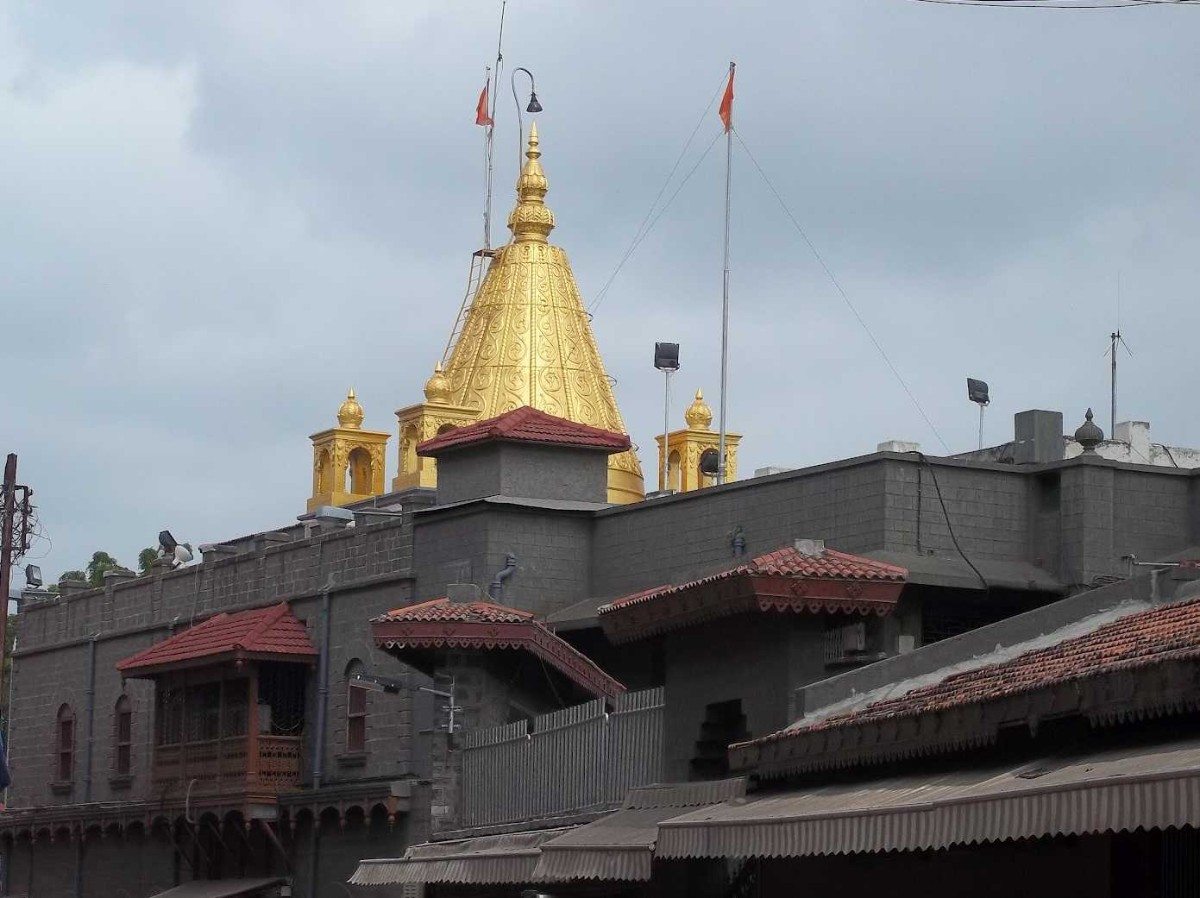
Why Shirdi is Perfect for Your Celebration
- Home to the iconic Sai Baba Samadhi Mandir — one of India's most visited religious sites, lending unmatched sanctity to any spiritual gathering
- Dedicated Shirdi Airport (SAG) and Sainagar Shirdi Railway Station make guest travel straightforward from across Maharashtra and beyond
- Growing inventory of mid-range to upscale hotels and retreat-style properties capable of hosting large religious family groups
- Deeply established ecosystem of prasad catering, religious ceremony vendors, and experienced puja organizers serving pilgrimage events year-round
- Cool, dry winters (November–February) create comfortable conditions for multi-day family functions and outdoor temple-adjacent celebrations
- Strong community infrastructure — dharamshalas, trust-run facilities, and event halls — supports large gatherings at scale

Top Venues in Shirdi
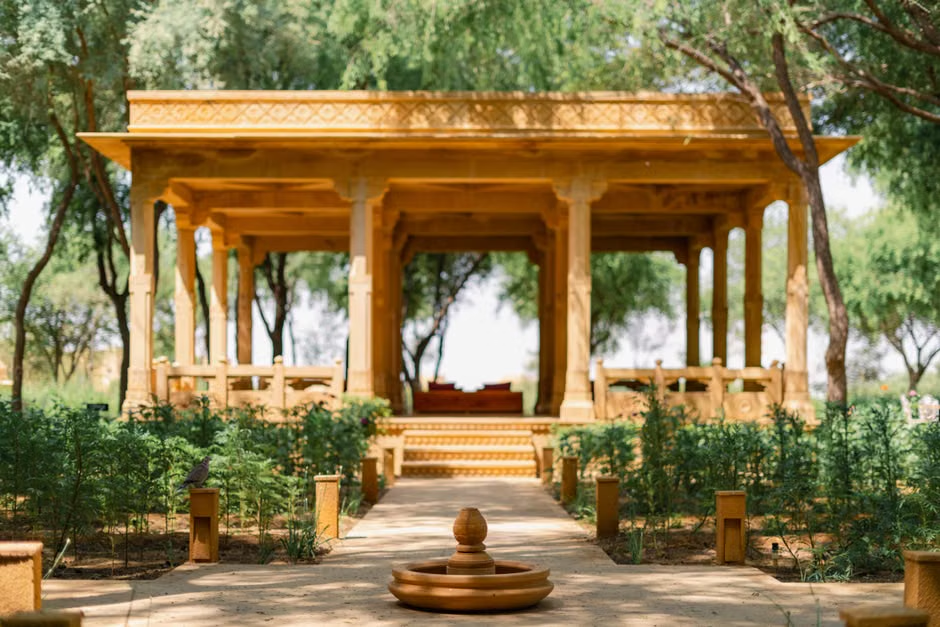
Radisson Blu Resort & Spa Shirdi

St Laurn - The Spiritual Resort, Shirdi
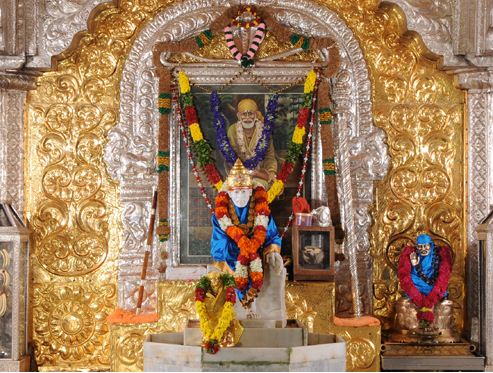
Hotel Sai Residency
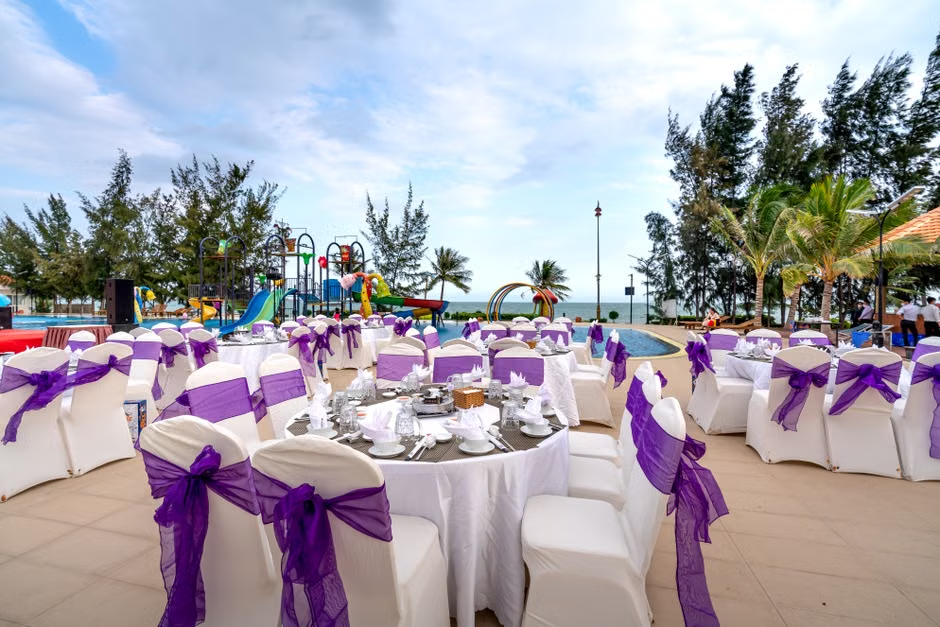
Pushpak Resort

Sapphero Resorts Shirdi | Hotels in Shirdi
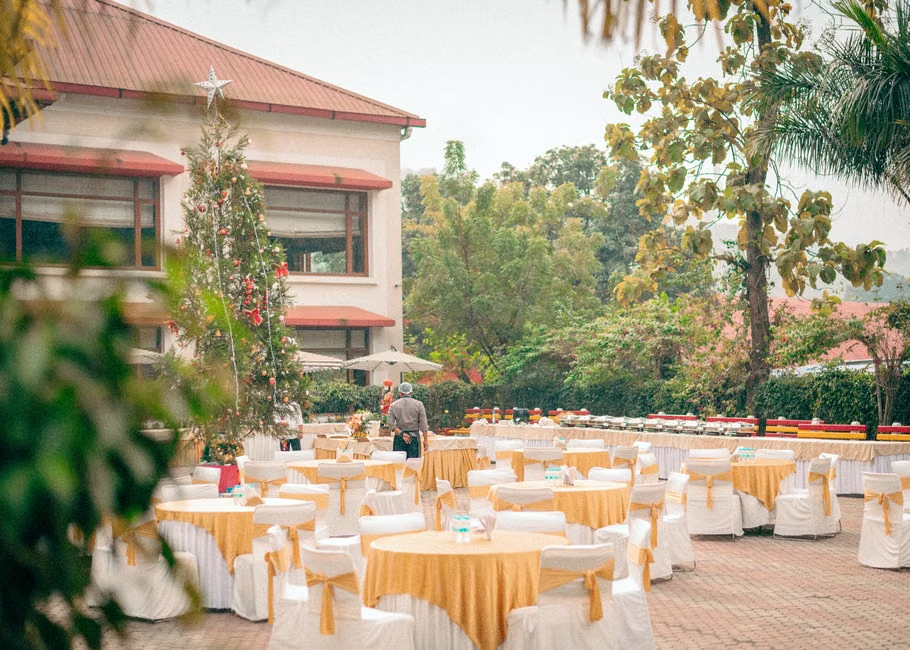
SWAMY RESORT Shirdi
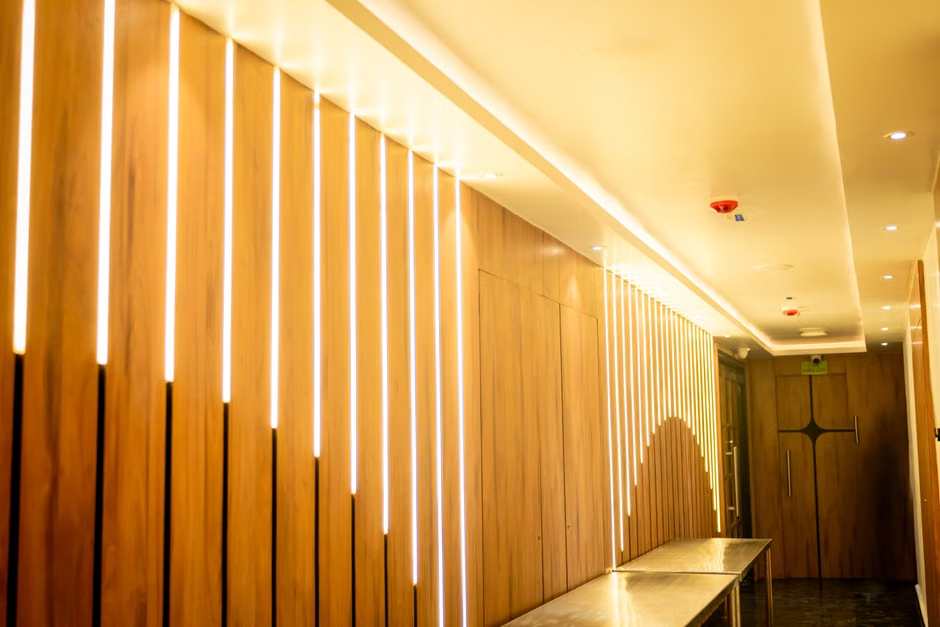
Hotel Sanskruti Resort
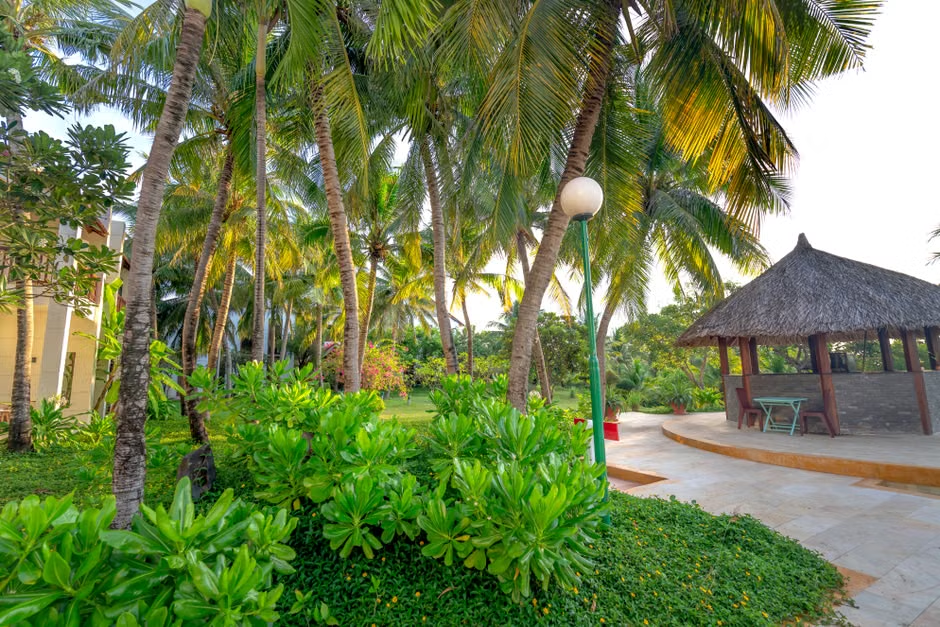
Nisarga Cottage Resort
Compare Shirdi with Other Top Destinations
Frequently Asked Questions
Is Shirdi a good destination for a religious family function?
Yes, Shirdi is particularly well-suited for religious family functions. The presence of the Sai Baba Samadhi Mandir lends deep spiritual significance to any gathering, and the local ecosystem of puja organizers, vegetarian caterers, and ceremony vendors is experienced in managing large family groups. Many families combine the function itself with a group darshan visit, adding pilgrimage value to the occasion.
How do guests typically travel to Shirdi for a group event?
Shirdi has its own airport (SAG) with scheduled flights from Mumbai, Pune, Hyderabad, and Delhi, and Sainagar Shirdi Railway Station sits directly in the town with good connections to major Maharashtra cities. By road, Shirdi is reachable from Nashik, Pune, and Mumbai via well-maintained state highways. Chartered coaches for large groups are readily available from all three cities.
What is the best time of year to hold a celebration in Shirdi?
November through February is the best window. Temperatures are cool and dry, making outdoor gatherings, temple processions, and multi-day family functions comfortable. Avoid March–June (intense heat, regularly above 38°C) and July–September (monsoon rains disrupt travel and outdoor setups). October is a workable shoulder month as temperatures ease after the monsoon.
What kinds of event spaces are available in Shirdi?
Shirdi offers trust-managed community halls and dharamshalas suited to large pilgrimage gatherings, hotel banquet halls for mid-scale functions, and resort properties with outdoor lawns and air-conditioned ballrooms for more formal events. The town does not have palace-style heritage venues; the draw is spiritual atmosphere rather than architectural grandeur.
How large a guest group can Shirdi realistically accommodate?
Shirdi can accommodate very large groups. The Shri Saibaba Sansthan Trust's dharamshalas and community dining facilities handle hundreds of guests at a time, and hotel properties collectively offer significant room inventory. For events of 300–500 guests, advance booking across multiple properties is advisable, particularly during peak pilgrimage seasons when accommodation fills quickly.
Is Shirdi suitable for a Ganesh Chaturthi or Gudi Padwa celebration?
Yes. Both festivals are deeply embedded in Maharashtrian culture, and Shirdi's devotional community atmosphere amplifies their significance. Local puja vendors, flower suppliers, and caterers are experienced in managing festival-scale gatherings. Ganesh Chaturthi in particular benefits from Shirdi's large open gathering spaces and well-organised community infrastructure.
What should I know about catering for a religious event in Shirdi?
Shirdi's hospitality ecosystem is predominantly vegetarian, which aligns naturally with most religious family functions and pilgrimage gatherings. Private caterers experienced in serving large groups at a sitting are available, and the Sansthan Trust operates community dining at scale. Groups with non-vegetarian catering requirements should confirm availability with their chosen venue in advance, as some properties maintain vegetarian-only policies.
Is Shirdi safe and accessible for elderly guests and families with children?
Yes. Shirdi is consistently regarded as one of Maharashtra's safer pilgrimage towns, with strong local administration and a well-managed temple environment. Hotels experienced in pilgrimage groups are accustomed to the needs of elderly and mobility-limited guests, including early morning darshan transfers and accessible room arrangements. The compact, walkable town centre also reduces the need for extensive local transport.
Can Shirdi host a corporate spiritual retreat or leadership offsite?
Yes, Shirdi is a workable choice for corporate spiritual retreats and leadership offsites where the intent is reflection, team grounding, or values-based programming. Upscale resort properties offer meeting rooms and event coordination, and the Sai Baba pilgrimage experience can be meaningfully integrated into the retreat agenda. It is less suited to high-energy team-building formats that require leisure or entertainment infrastructure.
How far in advance should I book for a large event in Shirdi?
For events during the winter season (November–February) or coinciding with major pilgrimage dates like Ram Navami, Guru Purnima, or Dussehra, booking 4–6 months in advance is strongly advisable. Accommodation fills quickly during these periods, and experienced local vendors — particularly puja organizers and large-group caterers — also get committed early. Shoulder months offer more flexibility.
What makes Shirdi different from other event destinations in Maharashtra?
Shirdi's defining difference is its pilgrimage identity — it is one of India's highest-footfall religious sites, and that shapes everything from the vendor ecosystem to the guest experience. Unlike resort or heritage destinations, Shirdi's strength is spiritual sanctity, community scale, and devotional atmosphere. It is the right choice when the religious or spiritual dimension of a gathering is central, not incidental.

Ready to explore venues in Shirdi?
Shirdi: Spiritual Celebrations, Religious Events & Pilgrimage Gatherings
◆Shirdi is a pilgrimage town in Maharashtra's Ahmednagar district, best known as the home of the Sai Baba Samadhi Mandir — one of India's most visited religious sites. It is strongest for spiritually rooted events: religious family functions, temple festivals, Ganesh Chaturthi and Gudi Padwa gatherings, and community pilgrimages. The primary vibe is devotional and community-centred rather than glamorous or resort-leisure. Winters (November–February) are the most comfortable season for large gatherings. Shirdi has its own airport and a dedicated railway station, making guest travel from across Maharashtra and beyond genuinely practical. Hospitality infrastructure ranges from trust-run dharamshalas to upscale resort properties.
Shirdi at a Glance
| Attribute | Detail |
|---|---|
| Best For | Ganesh Chaturthi Celebration, Gudi Padwa Gathering, Religious Family Function, Spiritual / Pilgrimage Gathering |
| Primary Vibe | Spiritual & Soulful |
| Other Vibes | Community-centred, Devotional, Culturally rooted |
| Best Season | Winter (November–February) |
Why Choose Shirdi?
- Unmatched religious sanctity: Hosting a family function or pilgrimage gathering in the shadow of the Sai Baba Samadhi Mandir lends a spiritual significance that no purpose-built banquet venue can replicate. For devotee families, the location itself is the centrepiece.
- Dedicated transport infrastructure: Shirdi Airport (SAG) operates scheduled flights from major Indian cities, and Sainagar Shirdi Railway Station sits directly within the town, receiving trains from Mumbai, Pune, Hyderabad, and other key hubs — a rare convenience for a town of this size.
- Mature pilgrimage-event ecosystem: Decades of handling millions of annual visitors have produced a well-developed local ecosystem of caterers, puja organizers, flower and prasad suppliers, and event coordinators experienced specifically in religious and community-scale gatherings.
- Scalable accommodation options: From Shri Saibaba Sansthan Trust-managed dharamshalas capable of housing hundreds of guests affordably, to upscale resort properties with banquet facilities, Shirdi can accommodate a wide range of group sizes and accommodation preferences under one destination.
- Safe, orderly environment: Shirdi is consistently regarded as one of Maharashtra's safer pilgrimage towns, with strong local administration, well-managed temple crowds, and a community atmosphere that is welcoming to large family groups including elderly guests and children.
- Cultural and festival calendar alignment: Shirdi's own festival calendar — particularly around Ram Navami, Guru Purnima, and Dussehra — naturally amplifies the atmosphere for groups planning celebrations timed to Hindu festival cycles.
Which Celebrations Work Best in Shirdi?
- Ganesh Chaturthi Celebration: Maharashtra's most beloved festival finds a particularly resonant home in Shirdi, where the devotional community atmosphere, experienced local puja vendors, and large open gathering spaces make multi-day Ganesh celebrations both logistically smooth and spiritually meaningful.
- Gudi Padwa Gathering: As the Maharashtrian New Year, Gudi Padwa is deeply embedded in local culture. Shirdi's community-centred character and proximity to traditional Maharashtrian hospitality make it a natural fit for family and community gatherings marking this occasion.
- Religious Family Function: Whether a thread ceremony, satyanarayan puja, or multi-generational family prayer gathering, Shirdi's sacred environment and experienced religious ceremony vendors make it an ideal backdrop. Families often combine the function with a Sai Baba darshan, adding pilgrimage value to the event.
- Spiritual / Pilgrimage Gathering: This is Shirdi's core strength. Organised group pilgrimages — whether for a corporate spiritual retreat, a community trust, or a large extended family — are handled with efficiency by local operators who understand the rhythms of the Samadhi Mandir's darshan timings and crowd management.
- Temple Festival: Shirdi's own temple calendar is rich, and groups wishing to time a celebration to coincide with major puja events at the Samadhi Mandir or surrounding temples will find the local infrastructure well-prepared for festival-season surges in visitors.
- Cultural Festival Gathering: Beyond strictly religious events, Shirdi's Maharashtrian cultural identity supports gatherings centred on folk music, traditional cuisine, and regional arts — particularly when organised as part of a broader family or community event that blends devotion with cultural celebration.
Venues & Event Spaces
Shirdi's venue landscape is shaped by its pilgrimage identity. The most distinctive category is the trust-managed dharamshalas and community halls operated by the Shri Saibaba Sansthan Trust, which can accommodate very large groups in a structured, managed environment — particularly suited to pilgrimage gatherings and religious functions where simplicity and sanctity matter more than luxury décor.
Beyond trust facilities, the town has seen steady growth in hotel banquet halls and resort event spaces, ranging from mid-scale properties with functional indoor banquet rooms to a small number of upscale resort properties offering landscaped outdoor lawns, air-conditioned ballrooms, and dedicated event coordination teams. These are better suited to family functions, naming ceremonies, and corporate spiritual retreats where a higher level of hospitality service is expected.
For outdoor events, hotel lawns and resort gardens are the primary option during the winter season, when the weather is reliably dry and cool enough for evening gatherings. The town does not have the kind of palace courtyards or lakeside heritage venues found in Rajasthan, so groups seeking dramatic architectural backdrops should calibrate expectations accordingly — the draw here is spiritual atmosphere, not visual grandeur.
Local community halls and temple-adjacent spaces are also available for smaller religious functions and are often the most practical choice for groups whose primary purpose is darshan and prayer, with the event itself being secondary to the pilgrimage experience.
Best Time to Celebrate
November through February is the clear best window for events in Shirdi. Daytime temperatures during this period typically range from the mid-teens to the mid-twenties Celsius, making outdoor gatherings, temple processions, and multi-day family functions genuinely comfortable. Evenings are cool and pleasant. Importantly, this period avoids both the intense summer heat and the monsoon disruptions that affect the rest of the year.
March through June brings rapidly rising temperatures, with peak summer months regularly exceeding 38–40°C in this semi-arid region of Maharashtra. Large groups — particularly those including elderly devotees and young children, who make up a significant portion of pilgrimage parties — find these conditions genuinely difficult. Outdoor events become impractical, and even indoor venues without strong air conditioning can be uncomfortable.
July through September is the monsoon season. While Shirdi does not receive the extreme rainfall of coastal Maharashtra, the rains are sufficient to disrupt outdoor event setups, affect road travel from nearby cities, and reduce the overall comfort of a multi-day gathering. Temple crowds also shift in character during this period, and some accommodation properties see reduced staffing.
October functions as a transitional shoulder month — temperatures begin to ease after the monsoon, and it can be a workable period for events, though the early part of October may still carry residual humidity. Groups with flexibility should lean toward November as the safer starting point for the winter window.
Getting There & Local Connectivity
Shirdi is notably well-connected for a town of its size, which is a direct result of its status as one of India's highest-footfall pilgrimage destinations. Shirdi Airport (SAG) operates scheduled services from Mumbai, Pune, Hyderabad, Delhi, and other major cities, making it accessible by air for guests travelling from across India. The airport is located a short drive from the town centre, and pre-arranged group transfers are straightforward to organise.
Sainagar Shirdi Railway Station sits directly within the town and receives a good number of express and superfast trains connecting Shirdi to Mumbai, Pune, Hyderabad, Manmad (a major junction), and other cities. For guests travelling from within Maharashtra, the train is often the most convenient option, with multiple daily services from Pune and Mumbai.
By road, Shirdi is well-connected via state highways to Nashik (approximately 90 km), Pune (approximately 185 km), and Mumbai (approximately 240 km). Regular state transport buses and private coach services operate on these routes, and chartered coaches for large groups are readily available from all three cities.
Within Shirdi itself, the town is compact and walkable for guests staying near the Samadhi Mandir. Auto-rickshaws and local taxis are available for transfers between hotels and the temple complex. For large groups, pre-arranged shuttle services between accommodation properties and the temple are the most practical solution, and most hotels experienced in pilgrimage groups can facilitate this.
Local Vendor & Hospitality Ecosystem
Shirdi's vendor ecosystem is genuinely mature in the categories that matter most for pilgrimage and religious events. Puja and ceremony organizers with deep knowledge of Sai Baba traditions, Maharashtrian religious customs, and large-group ritual management are well-established in the town. Flower vendors, prasad suppliers, and religious material providers operate at scale, accustomed to serving both individual devotees and large organised groups.
Catering in Shirdi is predominantly vegetarian, which aligns naturally with the requirements of most religious family functions and pilgrimage gatherings. The Shri Saibaba Sansthan Trust itself operates large-scale community dining (mahaprasad) facilities, and private caterers experienced in serving hundreds of guests at a sitting are available for hotel-based events. Groups requiring non-vegetarian catering should confirm availability with their chosen venue in advance, as some properties maintain a vegetarian-only policy in keeping with the town's religious character.
Event decoration and logistics vendors have grown significantly in recent years, driven by the increasing number of families choosing Shirdi for multi-day religious functions rather than purely individual darshan visits. Audio-visual equipment, stage setup, and basic event production services are available locally, though for very elaborate production requirements, supplementing with vendors from Nashik or Pune may be advisable.
The hospitality staff at Shirdi's hotels are generally experienced in managing large pilgrimage groups — early morning departures for darshan, group meal timings aligned with temple schedules, and the logistical needs of elderly and mobility-limited guests are handled with familiarity rather than as exceptions.
Pros & Things to Consider
Why Shirdi Works Well
- Exceptional spiritual significance — the Sai Baba Samadhi Mandir is a genuinely powerful centrepiece for any devotional gathering
- Own airport and dedicated railway station make multi-city guest assembly more practical than at most pilgrimage towns of comparable size
- Experienced local ecosystem for religious ceremonies, vegetarian catering, and large-group pilgrimage logistics
- Scalable accommodation — from trust dharamshalas to upscale resort properties — within a compact, walkable town
- Very safe, well-administered environment suitable for elderly guests, children, and large mixed-age family groups
- Winter season (November–February) offers reliably comfortable weather for multi-day outdoor and semi-outdoor events
Things to Consider
- Shirdi is a pilgrimage town first — the atmosphere is devotional and community-centred, not glamorous or resort-leisure; groups expecting a destination-wedding-style luxury experience may find the overall environment more austere than anticipated
- The venue inventory for large-scale, high-production events (elaborate stage setups, large outdoor lawns with dramatic backdrops) is more limited than in dedicated wedding destinations; very large or highly produced events may need to supplement local vendors with outside resources
- The town is predominantly vegetarian in its hospitality character; groups with significant non-vegetarian catering requirements should verify options carefully with their chosen property
- Peak pilgrimage periods (Ram Navami, Guru Purnima, Dussehra) bring very large crowds to the town, which can affect accommodation availability, temple access timings, and local traffic — early booking and careful scheduling are essential if an event coincides with these dates
- Nightlife, leisure activities, and post-event entertainment options are minimal; Shirdi is not suited to groups whose celebration agenda includes significant leisure or entertainment programming beyond the spiritual and cultural
When Shirdi May Not Be the Right Fit
- Primarily leisure or entertainment-focused celebrations: Groups planning events where the primary draw is resort amenities, nightlife, sightseeing variety, or non-religious leisure activities will find Shirdi's offering too narrow — the town's identity is devotional, and its infrastructure reflects that.
- Very large, high-production weddings requiring elaborate venue infrastructure: While Shirdi can host temple-style and spiritually themed weddings, groups requiring grand palace courtyards, large outdoor lawns with dramatic architectural backdrops, or very high-capacity single-venue banquet spaces may find the local inventory insufficient for their scale.
- Events planned during peak summer (April–June): The heat in this semi-arid region during peak summer is genuinely severe and makes multi-day outdoor or semi-outdoor gatherings uncomfortable, particularly for elderly guests and children who form a large part of most pilgrimage-style groups.
- Groups with significant non-vegetarian catering requirements as a core part of the celebration: Shirdi's hospitality ecosystem is predominantly vegetarian in character, and groups for whom non-vegetarian catering is central to the event experience should carefully verify options before committing to this destination.