
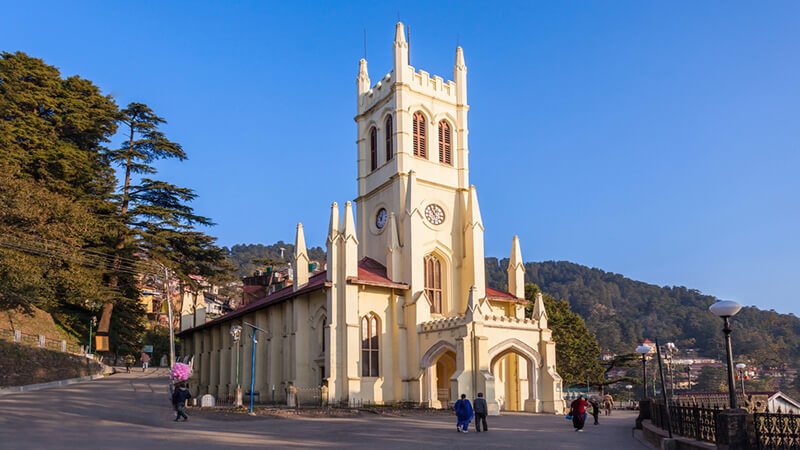
Why Shimla is Perfect for Your Celebration
- Unique colonial-era heritage hotels and estate properties unavailable in any other Indian hill station
- Cool, crisp spring climate (March–April) ideal for outdoor corporate events and team activities
- The Ridge and Mall Road provide iconic, photogenic backdrops for group gatherings and cultural evenings
- Well-developed hospitality ecosystem with experienced event caterers, AV vendors, and group transport operators
- Relatively accessible from Delhi NCR by road (~6–7 hrs) and via the Kalka–Shimla toy train for smaller groups
- Surrounding pine and deodar forests offer natural adventure and team-building activity zones
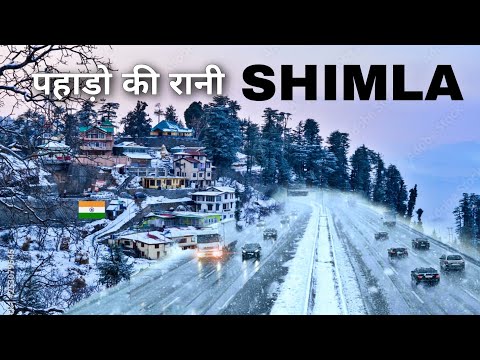
Top Venues in Shimla
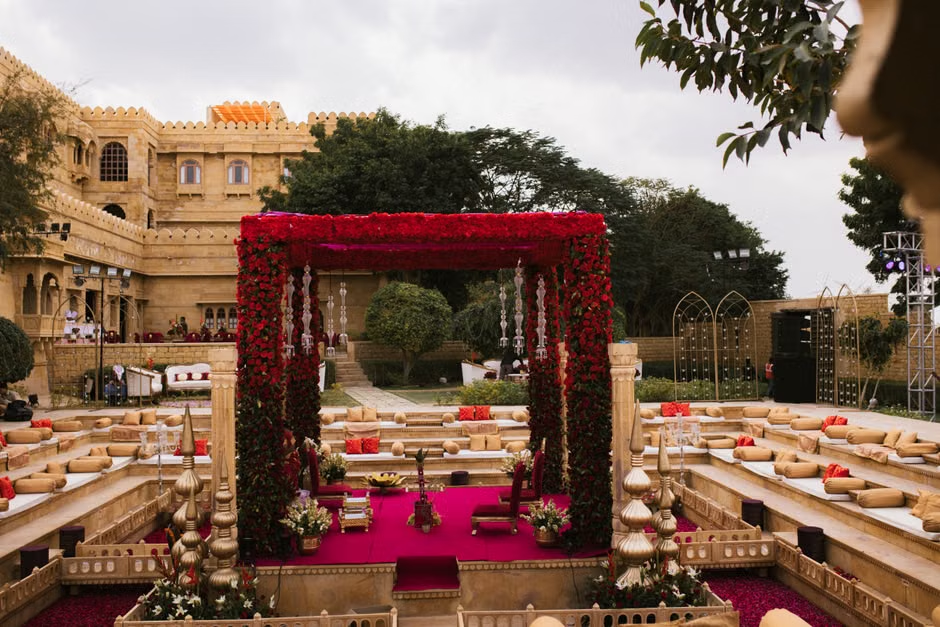
Wildflower Hall, An Oberoi Resort
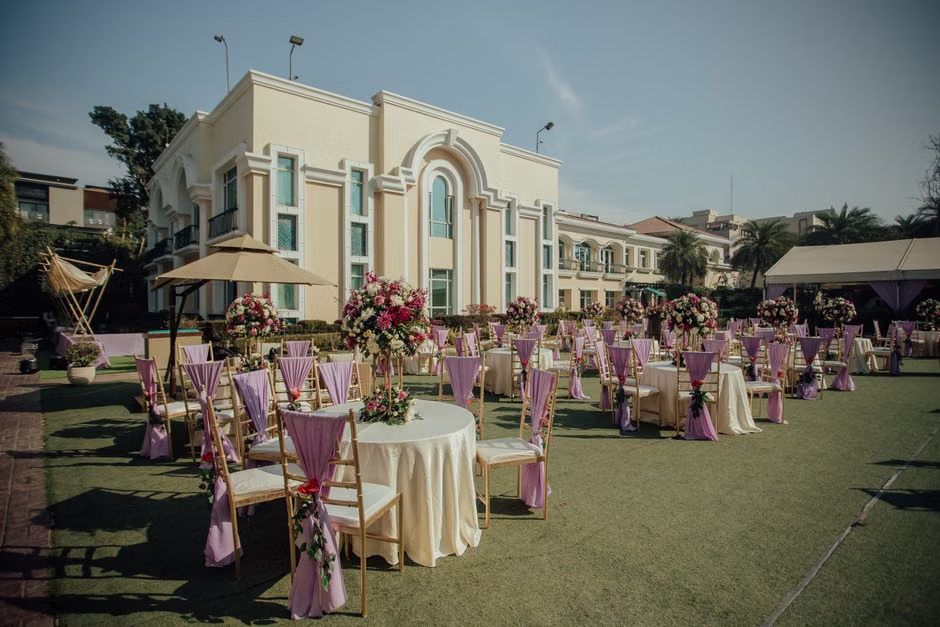
The Cecil, A Taj Hotel
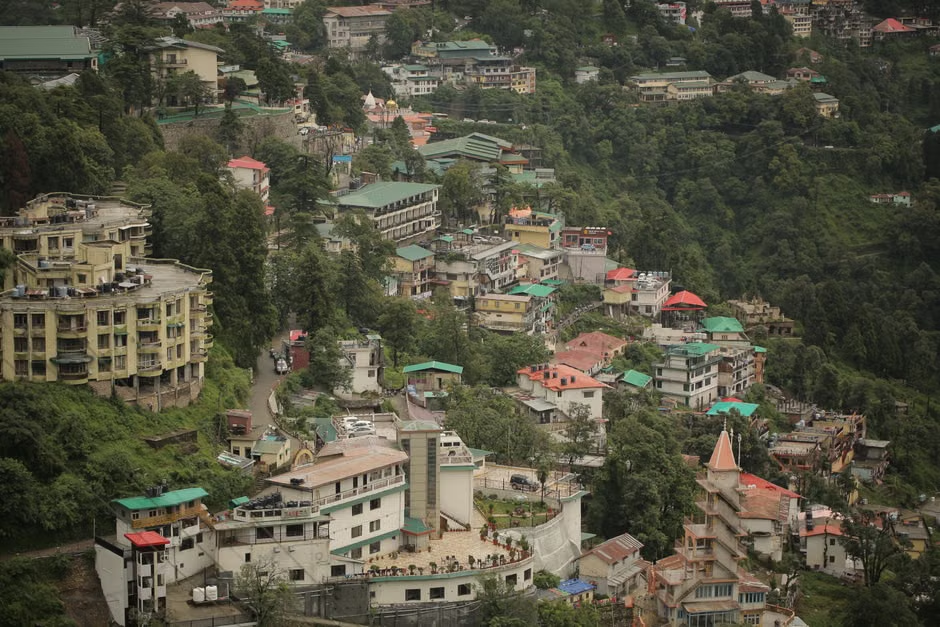
Radisson Hotel Shimla
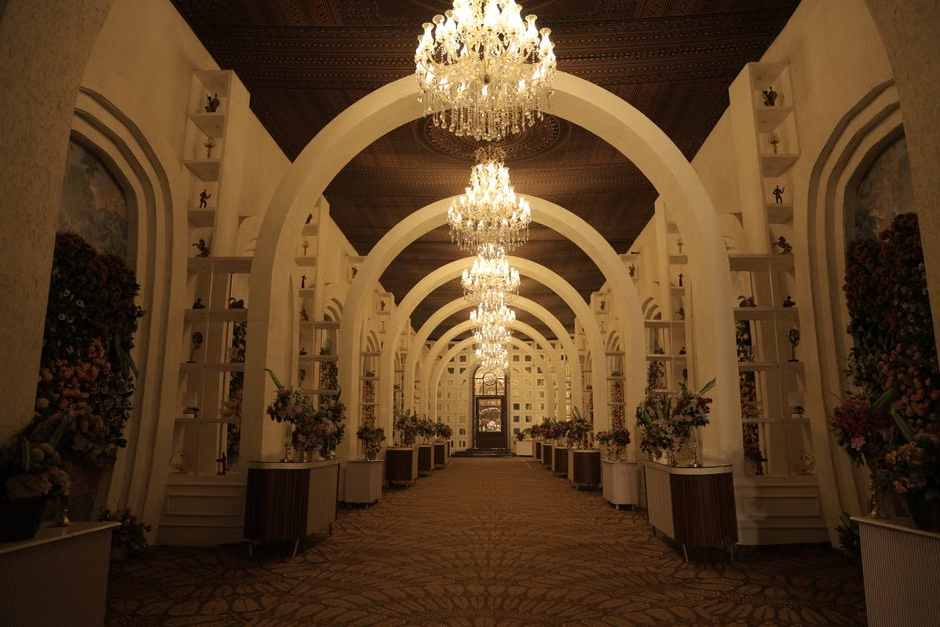
Hotel Combermere
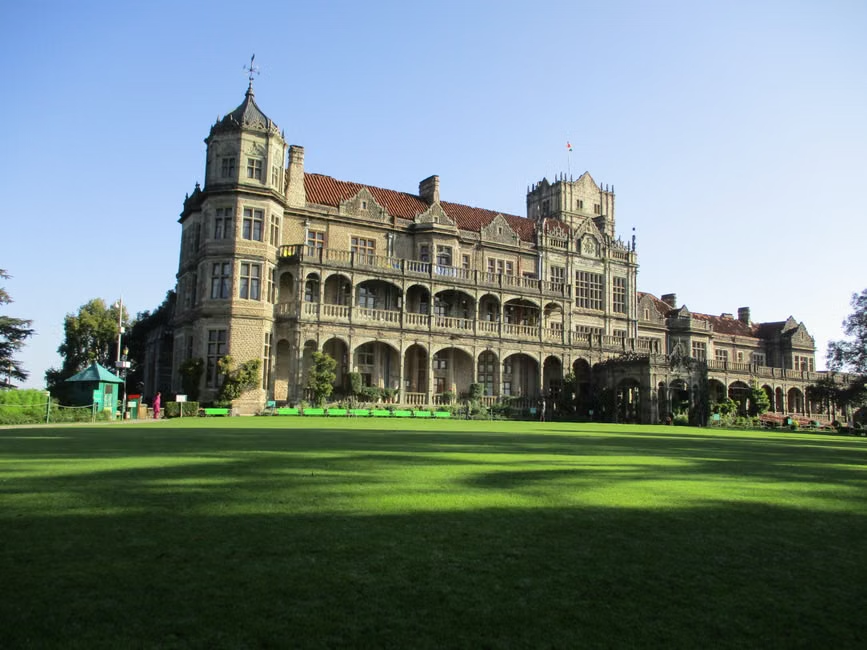
Hotel Woodville Palace
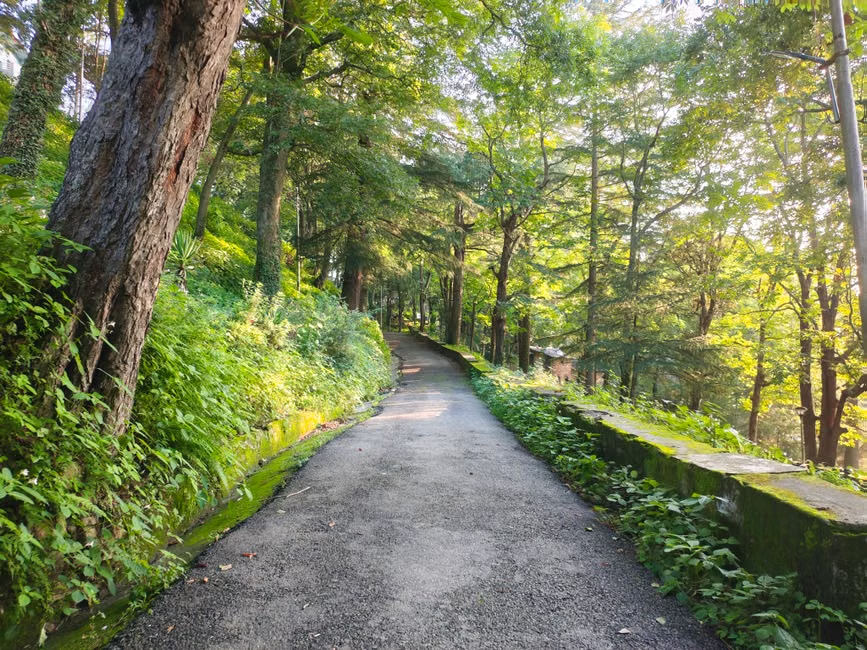
The Forest Shimla
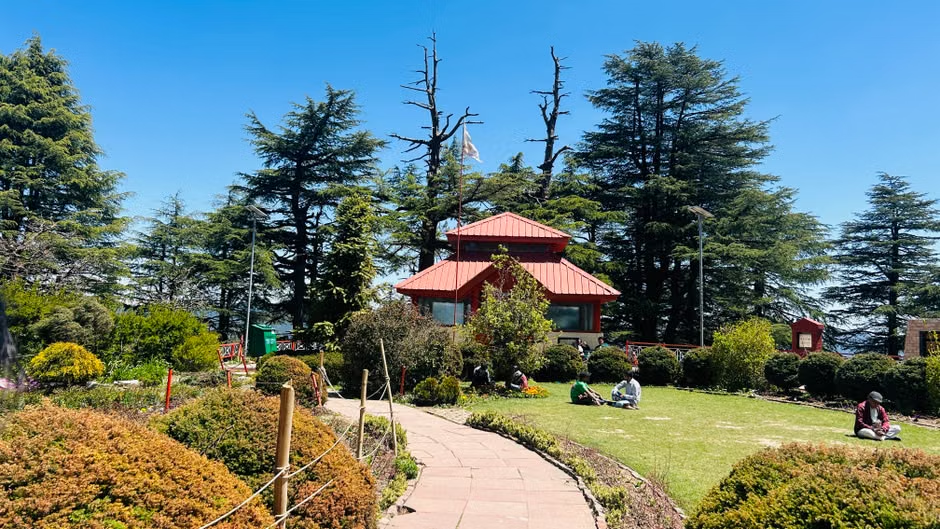
Shimla Havens Resort by Eco Hospitality
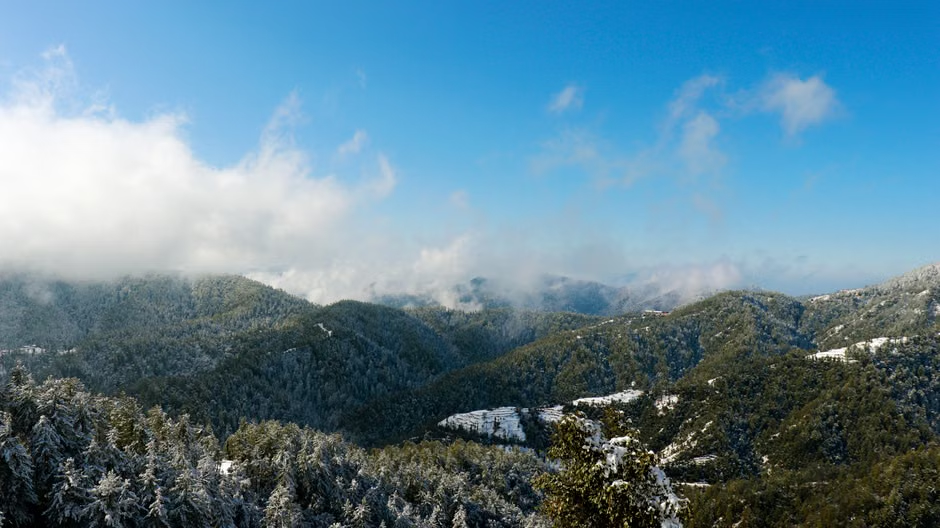
The Legacy Shimla
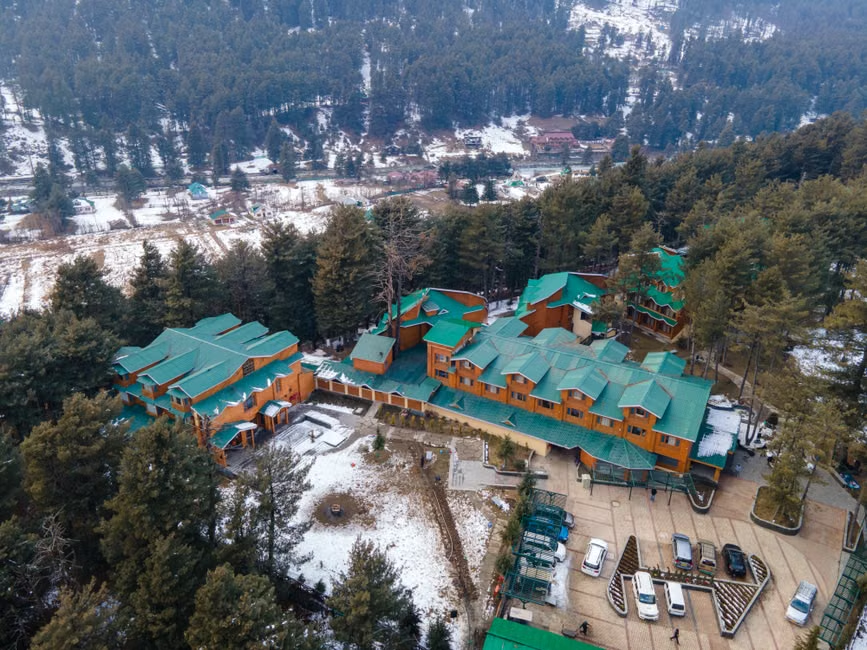
Pine Wood Nirvana Jungle Resort
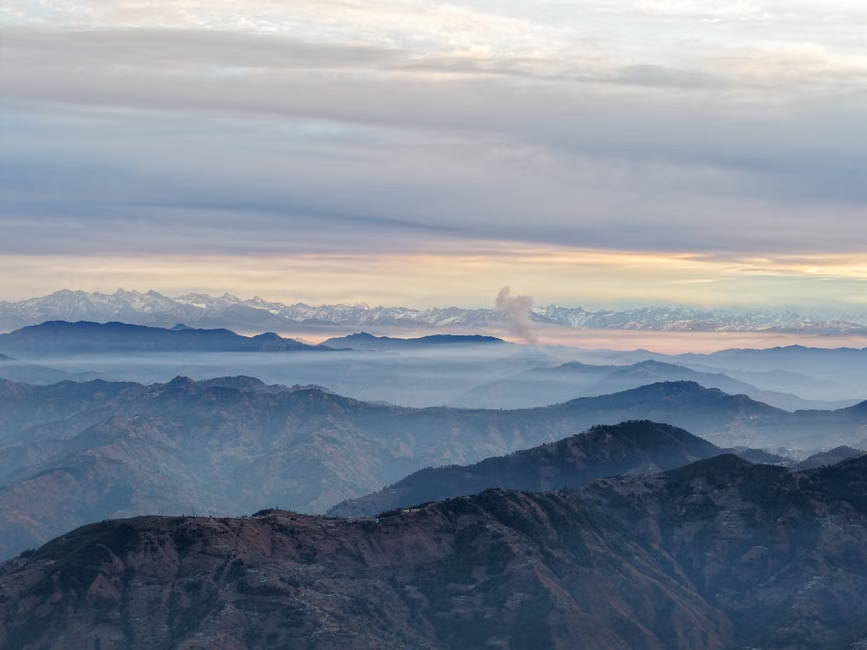
Kufri Holiday Resort
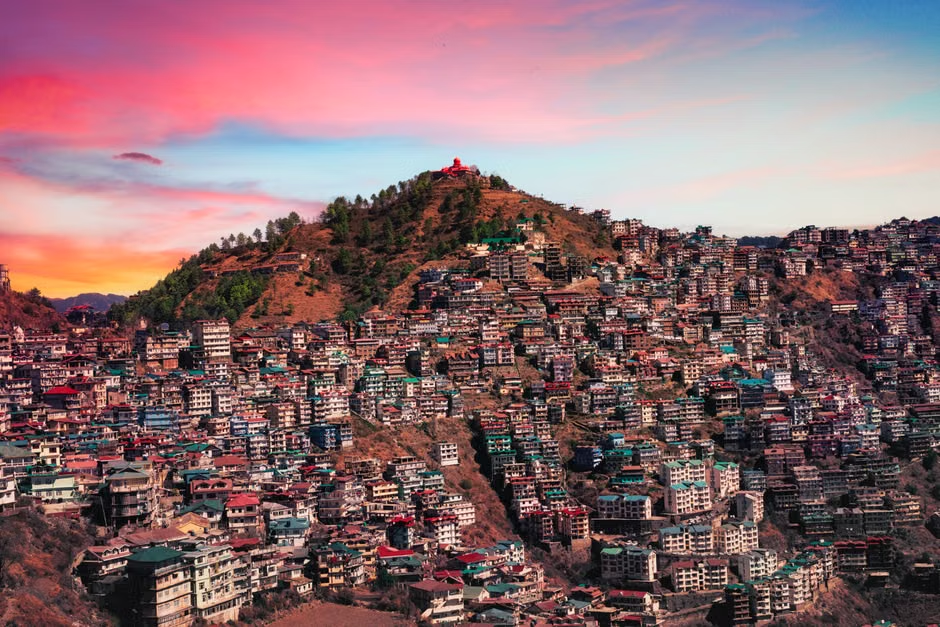
Honeymoon Inn Shimla

PARADISE VILLAGE RESORT
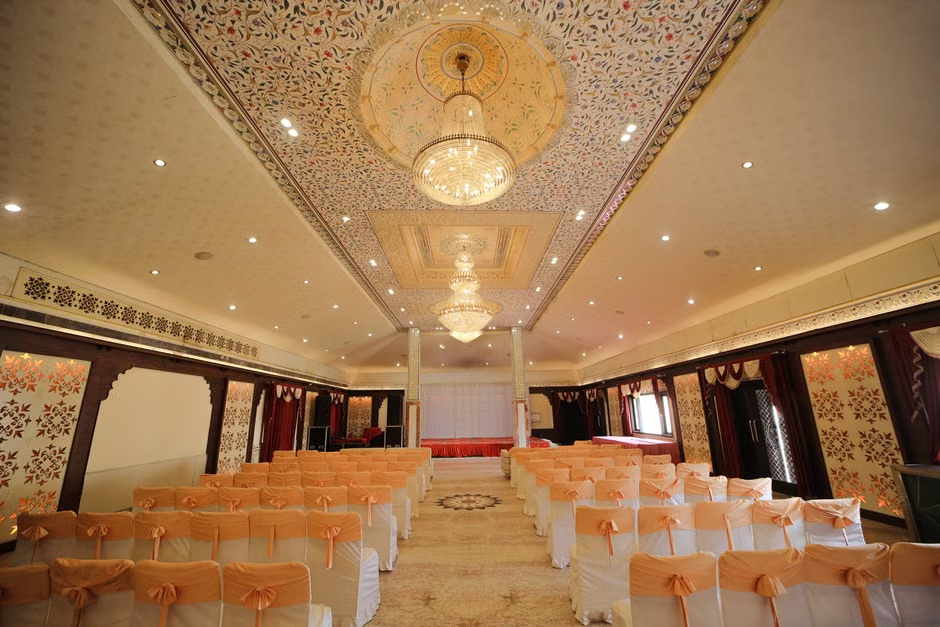
Hotel Deepwoods
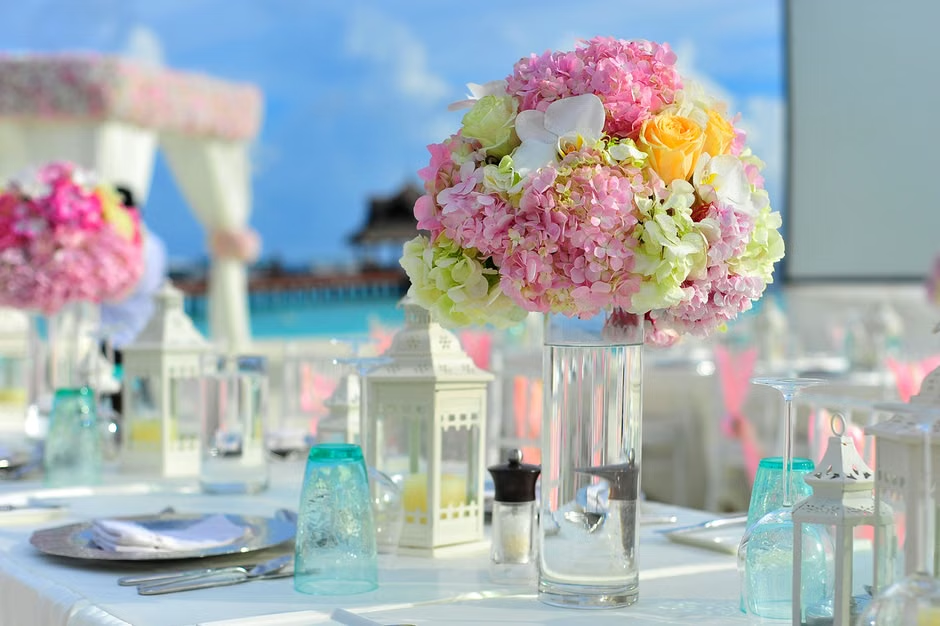
Aanantham Resorts
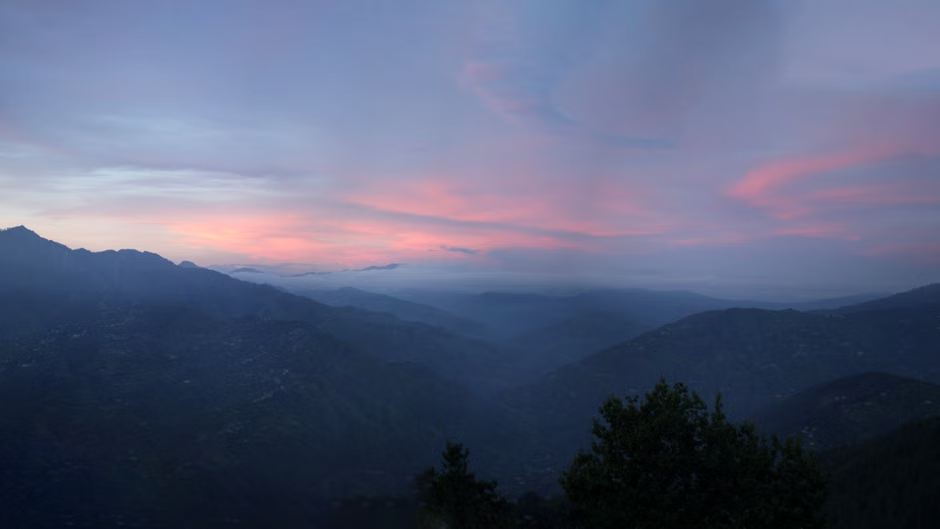
Mystiq Mountain
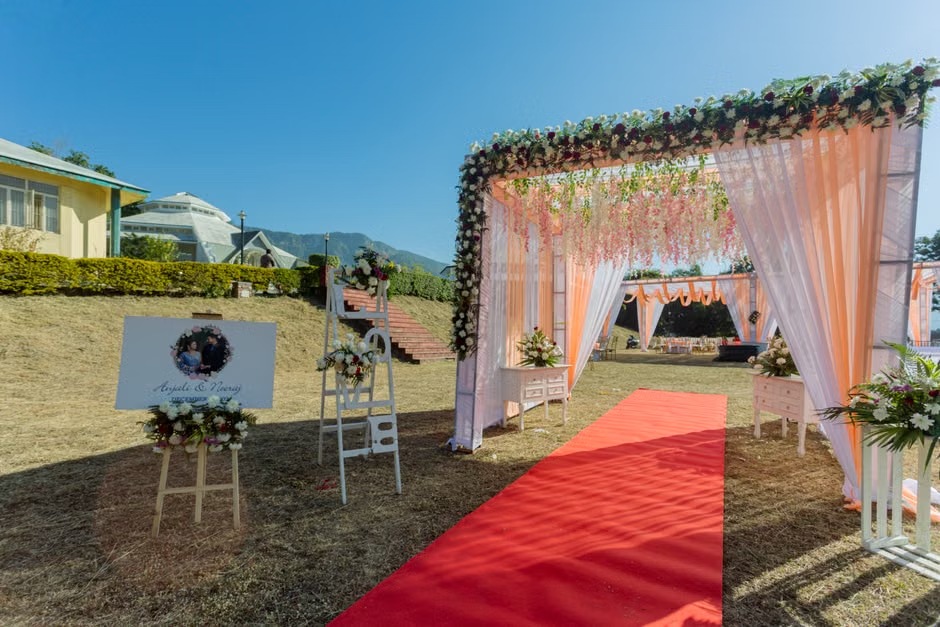
The Jakhoo Crest
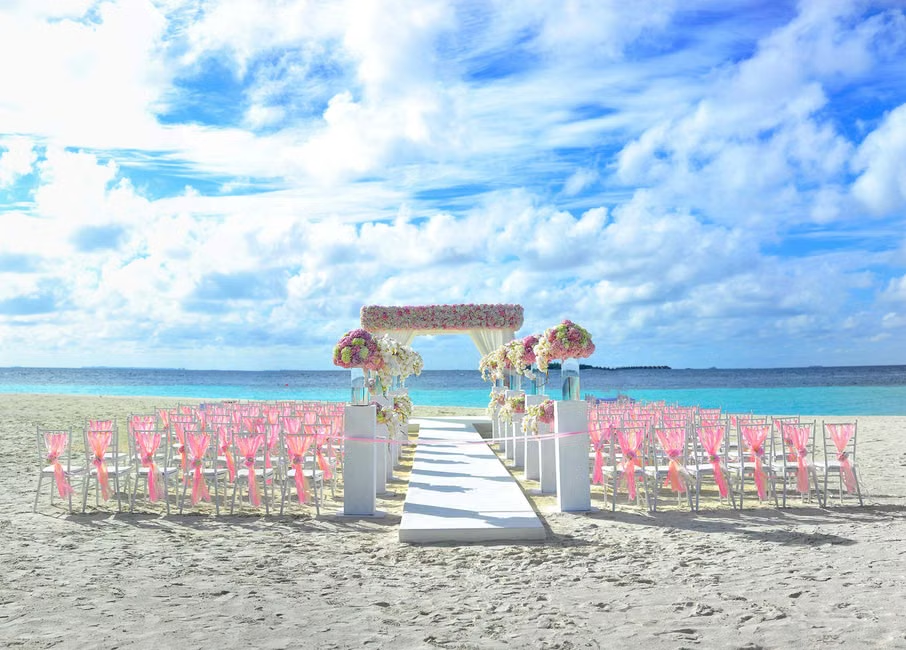
Flag House Resort
Compare Shimla with Other Top Destinations
Frequently Asked Questions
Is Shimla a good destination for a corporate offsite or leadership retreat?
Yes. Shimla is particularly well-suited to corporate offsites and leadership retreats. The mountain setting naturally separates participants from daily office distractions, heritage conference properties provide focused meeting environments, and the surrounding terrain supports structured team-building activities. It works best for mid-sized groups of roughly 30–150 participants who benefit from a contained, residential programme format.
What guest-group sizes can Shimla's venues realistically support?
Shimla's event properties are generally well-calibrated for groups of 50–250 guests. Several heritage hotels and hillside resorts can accommodate this range comfortably across indoor banquet halls, outdoor lawns, and conference facilities. For very large events requiring simultaneous seating of 300 or more guests in a single space, the local venue inventory becomes more constrained, and planners should verify specific capacity requirements early.
What is the best time of year to plan a corporate event or celebration in Shimla?
Spring — specifically March and April — is the optimal window. Skies are reliably clear, temperatures are comfortable for both indoor sessions and outdoor activities, and approach roads are free of monsoon or snowfall disruption. October–November is a workable secondary window for indoor-focused programmes, but outdoor evening events in November require contingency planning for cold snaps.
How do guests typically travel to Shimla for a group event?
Most groups travel by road from Delhi (approximately six to seven hours) or fly/take express trains to Chandigarh and then drive onward (roughly two to three hours). The Kalka–Shimla narrow-gauge toy train is a scenic option for smaller groups but is slow and not practical as the primary logistics route for large groups with equipment. Air travel directly to Shimla is limited due to restricted scheduled services at the local airport.
What kinds of venues are available for events in Shimla?
Shimla offers colonial-era heritage estate hotels, hillside resorts in nearby areas such as Kufri and Chharabra, and town-centre properties with indoor banquet halls and terraces. Heritage properties typically feature characterful indoor spaces and garden lawns. Resorts further from the town centre tend to offer larger outdoor event areas and greater privacy, making them preferable for residential retreats.
Is Shimla suitable for a family reunion or multi-generational getaway?
Yes. Shimla works well for family reunions and multi-generational gatherings. The cool climate, scenic walks, heritage landmarks, and range of property types — from estate hotels to hillside resorts — keep guests of different ages engaged. Road accessibility from Delhi makes it practical for families travelling from North India. Spring is the most comfortable season for a mixed-age group.
What team-building activities are available in and around Shimla?
The surrounding terrain supports trekking, nature walks, rappelling, and forest trail activities. Nearby areas such as Kufri offer additional outdoor options. Cultural excursions — heritage walks along The Mall and Ridge, folk evening performances, and local craft experiences — can be integrated into structured team-building itineraries. Established local operators specialise in corporate group activity programmes.
How does local transport work for a group once they arrive in Shimla?
Large coaches cannot access many inner-town properties due to Shimla's hilly, partly pedestrianised terrain. Group movement within the destination is typically managed through hired tempo travellers and SUVs, which local operators supply reliably for corporate and event groups. Properties outside the main town — in Kufri or Chharabra — generally have easier vehicle access for group arrivals and departures.
Can specialist event vendors (AV, décor, entertainment) be sourced locally in Shimla?
Standard AV, catering, and décor requirements are handled competently by Shimla's established local vendor base. For high-end production — large LED stage setups, specialist lighting rigs, or elaborate floral décor — vendors are typically sourced from Chandigarh or Delhi. This is a well-established practice for premium events in the destination, though it adds lead time and coordination complexity.
Is Shimla a practical choice for a milestone birthday celebration like a 40th or 50th?
Yes. Shimla suits milestone birthday celebrations that prioritise experience and character over large-scale production. Heritage estate properties with curated dining, personalised service, and scenic outdoor terraces provide a distinctive setting for intimate celebration dinners and themed evenings. It is particularly well-suited to groups of 20–80 guests seeking a memorable, non-generic celebration environment.
What are the main logistical challenges to plan for when organising an event in Shimla?
The key considerations are: limited direct air connectivity (most groups travel by road or via Chandigarh); mountain road conditions that can be disrupted by late snowfall in early spring or unexpected weather; restricted large-vehicle access in the town centre; and the need to source specialist production vendors from outside the destination for high-end events. Early logistics planning and travel contingency arrangements are advisable for all group programmes.

Ready to explore venues in Shimla?
Shimla: Colonial Heritage Venues for Corporate Events, Retreats & Social Celebrations
◆Shimla is best suited to corporate offsites, leadership retreats, team-building programmes, and intimate social celebrations — events that benefit from a focused, distraction-free mountain environment with genuine colonial character. Its primary vibe is Royal & Heritage, shaped by Victorian-era architecture, pine-forested ridges, and estate properties that are genuinely unlike anything available in a plains city. Spring (March–April) is the optimal planning window: skies are clear, temperatures are comfortable, and outdoor event setups are practical. Accessibility is moderate — road travel from Delhi NCR takes roughly six to seven hours, and air connectivity is limited — making Shimla most practical for groups willing to plan travel carefully. The hospitality ecosystem is mature enough to support mid-sized corporate and social groups.
Shimla at a Glance
| Attribute | Detail |
|---|---|
| Best For | Corporate Offsite, Leadership Retreat, Team-Building Retreat, Family Getaway & Reunion Weekend |
| Primary Vibe | Royal & Heritage |
| Other Vibes | Colonial, Scenic, Adventure-Adjacent, Tranquil |
| Best Season | Spring (March–April) |
Why Choose Shimla?
- Genuinely unique colonial heritage properties: Shimla retains a concentration of Victorian-era estate hotels and heritage resorts that provide event spaces with authentic architectural character — not replicated or themed, but original structures with documented history.
- Natural focus and separation from urban distraction: The mountain setting, limited road access, and absence of a large commercial city centre mean corporate delegates and retreat participants are naturally contained within the event environment, improving engagement and reducing attrition during multi-day programmes.
- Diverse outdoor activity zones for team-building: The surrounding forests, ridges, and nearby areas like Kufri and Chail offer trekking, nature walks, rappelling, and cultural excursions that integrate well into structured team-building itineraries without requiring long travel from the main event property.
- Established group hospitality infrastructure: Shimla's decades-long status as a tourism and government retreat destination means local caterers, event coordinators, AV vendors, and group transport operators have genuine experience handling organised group programmes — not just leisure tourists.
- Manageable scale for mid-sized groups: The destination's venue inventory is well-calibrated for groups of 50–250 guests, a range that is often underserved by larger metro event cities where minimum spends and scale requirements can be prohibitive.
- The Ridge and Mall Road as cultural event backdrops: Shimla's iconic open promenade and colonial streetscape provide a ready-made cultural evening setting — a heritage walk, a cultural dinner, or a group photography session — that adds experiential value to any multi-day programme at no additional venue cost.
Which Celebrations Work Best in Shimla?
Corporate Offsite: Shimla is among the stronger North Indian hill-station choices for corporate offsites. The combination of contained mountain environment, heritage conference facilities, and a clear separation from office-city distractions makes multi-day strategy sessions and leadership conclaves particularly effective here. Properties with dedicated conference wings and outdoor breakout spaces are available.
Leadership Retreat: The quiet, reflective character of Shimla's forested ridges and heritage estate properties suits leadership retreats that require genuine mental separation from daily operations. Small senior-leadership groups (typically 15–50 participants) find the setting conducive to focused discussion and strategic planning.
Team-Building Retreat: The surrounding terrain — pine forests, open ridges, and nearby adventure zones — provides a natural infrastructure for structured team-building activities. Groups can combine indoor workshop sessions with outdoor experiential modules without leaving the broader destination area.
Family Getaway & Reunion Weekend: Shimla's accessibility by road from Delhi and its range of property types — from heritage estates to hillside resorts — make it a practical choice for multi-generational family gatherings. The cool climate, scenic walks, and cultural landmarks keep guests of all ages engaged across a weekend programme.
18th / 21st Birthday: A milestone birthday in a heritage hill-station setting offers a distinctive alternative to a standard city venue. Shimla's scenic backdrops, colonial architecture, and outdoor terrace spaces lend themselves to intimate celebration dinners and themed evening events for younger groups.
40th / 50th Birthday: Mid-life milestone birthdays benefit from Shimla's combination of comfort, character, and natural beauty. Heritage properties with curated dining and personalised service suit the expectation of a more considered, experience-led celebration rather than a high-volume party format.
Venues & Event Spaces
Shimla's event venue landscape is defined primarily by heritage estate hotels — colonial-era properties converted into full-service hotels with banquet halls, lawns, and conference facilities. These are complemented by hillside resorts in the broader Shimla area (including nearby zones such as Kufri and Chharabra) that offer larger outdoor lawns, adventure activity tie-ins, and more contemporary event infrastructure.
Within the town itself, properties along and near The Mall and Chaura Maidan area typically offer indoor banquet halls and terraces suited to groups of 50–200 guests. Properties further from the town centre — particularly those set within forested estates — tend to offer more expansive outdoor event lawns and greater privacy, making them preferable for residential corporate retreats and reunion weekends where the group occupies the property exclusively or near-exclusively.
Outdoor event setups — garden dinners, bonfire evenings, terrace cocktail receptions — are a genuine strength of the destination during the spring season, when weather conditions are reliably stable. Most established properties have in-house catering teams experienced with group menus, and several maintain relationships with local décor and event management vendors who specialise in mountain-setting events.
For very large-scale events (300+ guests requiring simultaneous seating in a single hall), Shimla's venue inventory is more constrained than a metro city, and planners should verify specific capacity requirements directly with shortlisted properties.
Best Time to Celebrate
Spring (March–April) is the curated best season for events in Shimla, and the reasoning is specific rather than generic. By March, the heavy snowfall of winter has cleared from the main town and most approach roads, making travel reliable for groups arriving by road from Delhi or Chandigarh. Daytime temperatures typically range from around 10°C to 20°C — cool enough to be energising for outdoor activities and comfortable for formal event setups, but not cold enough to require heavy winter logistics. Skies are generally clear, and the surrounding forests are at their most visually striking as new growth emerges after winter.
April extends this window, though the latter half of April can see the first pre-monsoon warmth at lower elevations. For events planned in April, properties at higher elevations (such as those in the Chharabra or Kufri belt) tend to remain more reliably cool.
Why other seasons are less ideal:
- December–February: Heavy snowfall is common and can be severe. While aesthetically dramatic, snow creates genuine logistical challenges — road closures, delayed arrivals, outdoor event cancellations, and heating requirements that add complexity to event planning. Groups with guests travelling from multiple cities face meaningful travel risk.
- June–September (Monsoon): The monsoon brings significant rainfall, frequent landslides on mountain roads, and near-constant cloud cover. Outdoor event setups are largely impractical, and road travel from the plains becomes unreliable. This is the season most strongly to avoid for planned group events.
- October–November (Post-Monsoon): This is a reasonable shoulder season — skies clear after the monsoon, temperatures are pleasant, and the landscape is lush. It is not the curated primary recommendation, but groups unable to travel in spring may find October–November a workable alternative, particularly for indoor-focused corporate programmes. Early November can see the first cold snaps, so outdoor evening events require contingency planning.
- May: Peak tourist season with high occupancy, crowded public spaces, and rising temperatures at lower elevations. Not ideal for events requiring privacy or a contained group environment.
Getting There & Local Connectivity
Shimla is served by a small airport with limited scheduled commercial services — connectivity is genuinely restricted, and most event groups travelling from major metros should plan for road or rail access rather than relying on direct flights. The Kalka–Shimla narrow-gauge railway (a UNESCO World Heritage route) connects Shimla to Kalka, from where broad-gauge trains link to Delhi and Chandigarh. The toy train journey is scenic and memorable but slow — it is better suited to a leisure add-on for smaller groups than as the primary logistics route for a large corporate group with equipment and luggage.
Road travel from Delhi is the most common and practical route for groups, typically taking six to seven hours via the Chandigarh–Shimla highway. Chandigarh is the nearest major city with strong rail and air connectivity, and many groups fly or take express trains to Chandigarh and then travel onward by road — a journey of roughly two to three hours from Chandigarh to Shimla.
Within Shimla itself, the terrain is hilly and the town centre is largely pedestrianised around The Mall and Ridge. Large coaches cannot access many inner-town properties directly. Groups staying at properties outside the main town (in Kufri, Chharabra, or similar areas) will find vehicle access easier. Local transport for group movement — between the event property, activity zones, and the town centre — is typically managed through hired tempo travellers and SUVs, which local operators supply reliably for group programmes.
Local Vendor & Hospitality Ecosystem
Shimla has a well-developed hospitality ecosystem relative to its size, shaped by its long history as a government retreat, tourism destination, and corporate offsite location. In-house catering at established properties is generally of a reliable standard for group menus — multi-course dinners, buffet setups, and themed cultural evenings are routinely executed by experienced kitchen teams.
For events requiring external décor, audio-visual production, or specialist entertainment, Shimla has a local vendor base that handles standard requirements competently. For more elaborate production — large LED stage setups, specialist lighting rigs, or high-end floral décor — planners typically bring vendors from Chandigarh or Delhi, which adds a logistical layer but is a well-established practice for premium events in the destination.
Adventure and team-building activity operators in and around Shimla (covering trekking, rappelling, nature trails, and cultural excursions) are experienced with corporate group formats and can integrate structured activity modules into a broader event programme. Local guides and cultural performers for heritage walks and folk evenings are also available through established operators.
Pros & Things to Consider
Why Shimla Works Well
- Authentic colonial heritage setting that is genuinely distinctive and memorable for participants
- Cool spring climate that keeps energy levels high during multi-day corporate programmes
- Natural containment of the group within the mountain environment — reduces distraction and attrition
- Strong range of outdoor team-building and experiential activity options in the surrounding area
- Mature hospitality infrastructure with experienced group-event operators
- Iconic public spaces (The Ridge, Mall Road) that add cultural texture to multi-day programmes at no additional venue cost
Things to Consider
- Limited air connectivity: The airport serves very few scheduled routes; most groups must plan road or rail travel, which adds journey time and requires careful logistics management for large groups with equipment.
- Mountain road conditions: The approach roads are mountain highways subject to seasonal disruption — snowfall in winter, landslides in monsoon. Even in spring, a late snowfall or unexpected weather event can delay arrivals. Contingency travel planning is advisable.
- Venue capacity ceiling: Shimla's properties are generally well-suited to groups of 50–250 guests. Very large events (300+ guests requiring a single large hall) may find the local inventory constraining.
- Inner-town vehicle access: The pedestrianised core of Shimla limits large vehicle movement. Groups staying at town-centre properties need to plan guest transfers and equipment logistics carefully.
- Specialist vendor sourcing: High-end production vendors (large AV rigs, specialist décor) often need to be sourced from Chandigarh or Delhi, adding lead time and coordination complexity to premium event setups.
When Shimla May Not Be the Right Fit
- Monsoon-season events (June–September): If your event dates fall in the monsoon window, Shimla's road access, outdoor event viability, and overall logistics reliability are significantly compromised. A plains or coastal destination with covered venues would serve the group better.
- Very large groups (300+ guests): If your event requires simultaneous seating for a very large group in a single venue, Shimla's current property inventory may not comfortably accommodate the requirement. A larger metro or resort destination with purpose-built convention facilities would be more appropriate.
- Guests with significant mobility limitations: Shimla's hilly terrain, stepped pathways, and limited flat ground make it genuinely challenging for guests with mobility impairments. If a significant portion of your guest list has mobility considerations, a flatter destination would provide a more inclusive experience.
- Groups requiring direct flight access from multiple cities: If your guest list is travelling from several different metros and seamless air connectivity is a priority, Shimla's limited airport services will create friction. A destination with a major international or well-connected domestic airport would reduce travel complexity for a geographically dispersed group.