
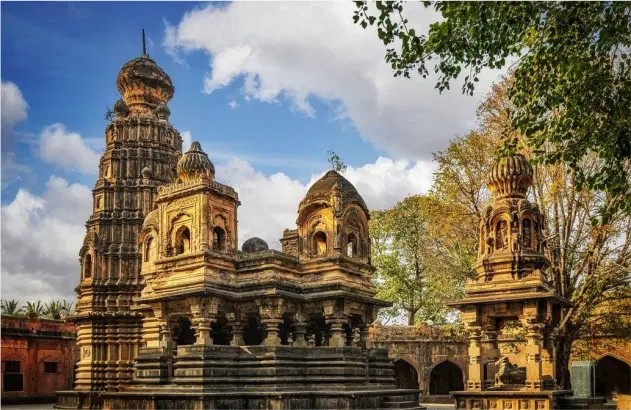
Why Satara is Perfect for Your Celebration
- Lush post-monsoon Sahyadri landscapes create a naturally dramatic backdrop for outdoor celebrations in September–October
- Historic Maratha forts (Ajinkyatara, Pratapgad) and heritage sites add cultural depth to reunion and anniversary events
- Boutique hill resorts offer privacy and exclusivity rarely found in larger metro event venues
- Direct rail connectivity from Pune and Mumbai makes guest travel straightforward for most attendees
- Relatively uncrowded destination means venues are more attentive and events feel genuinely personal
- Cooler Sahyadri climate in autumn makes multi-day family gatherings and outdoor dinners comfortable
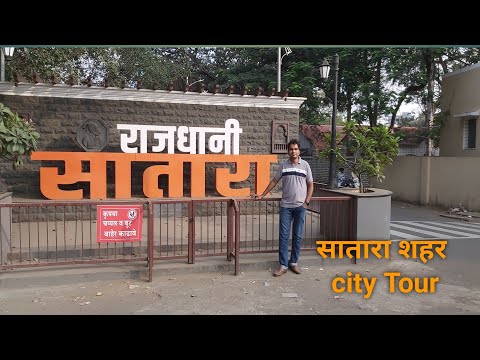
Top Venues in Satara
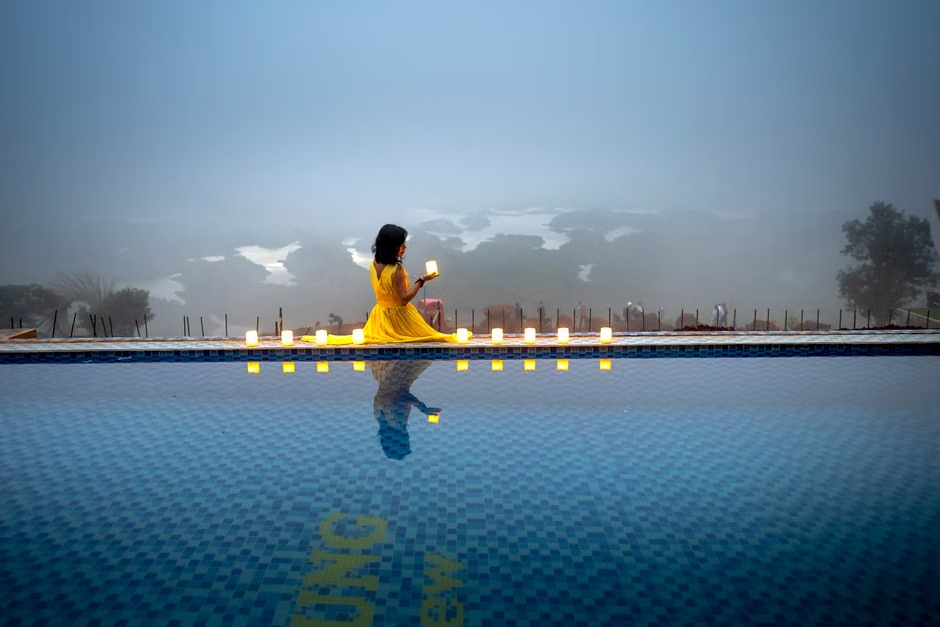
Brightland Resort & Spa
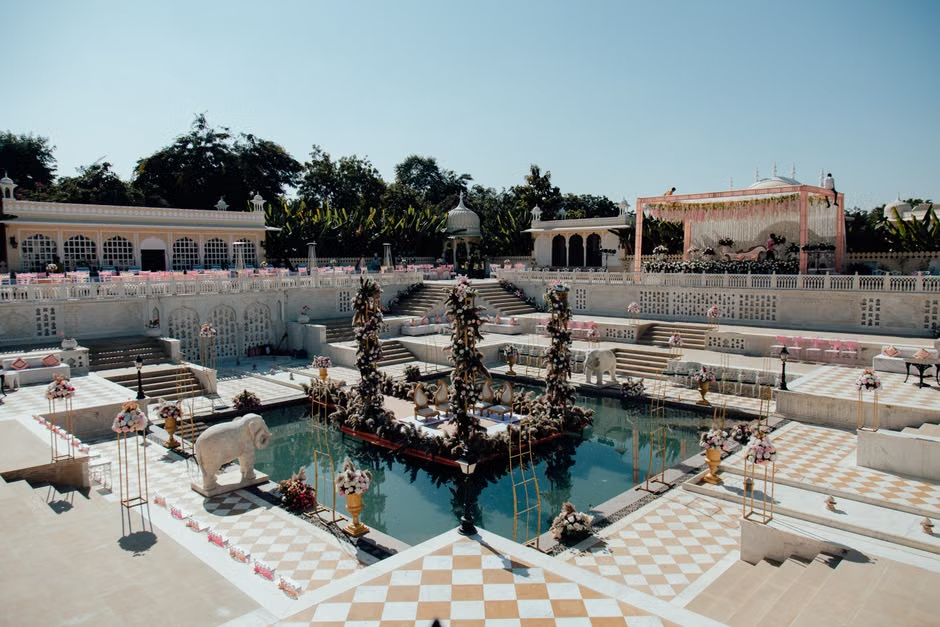
Evershine Resort
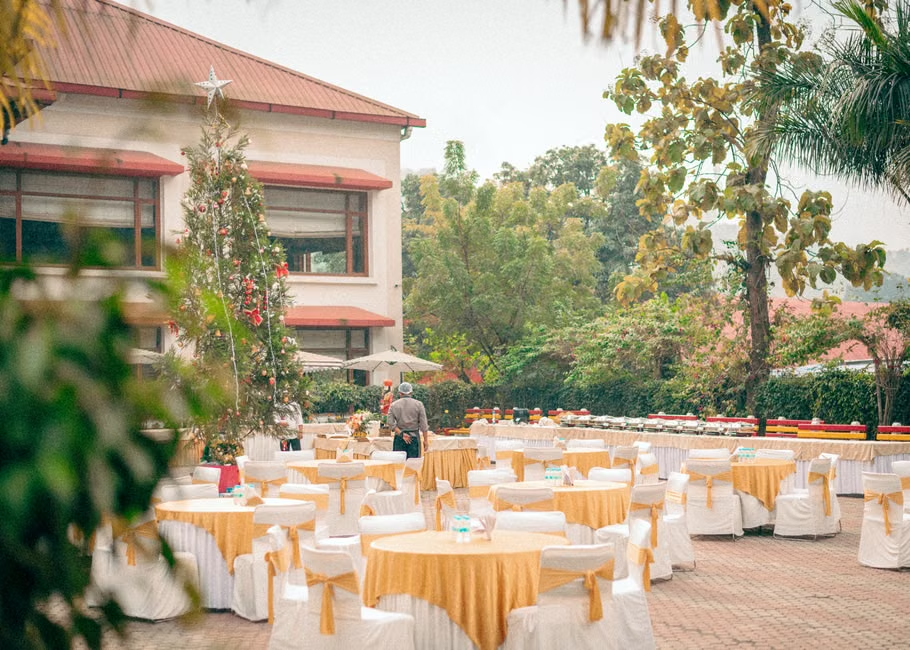
Bella Vista Resort
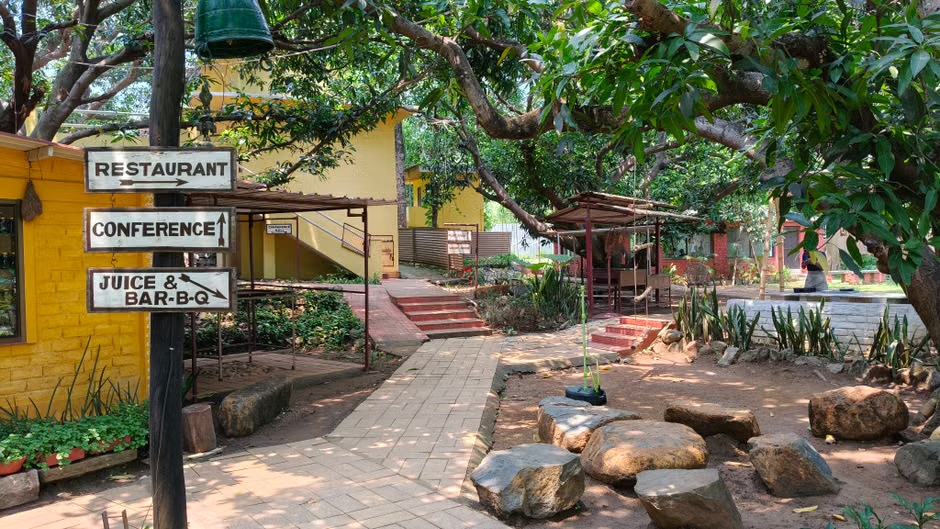
Mapro Garden Resort
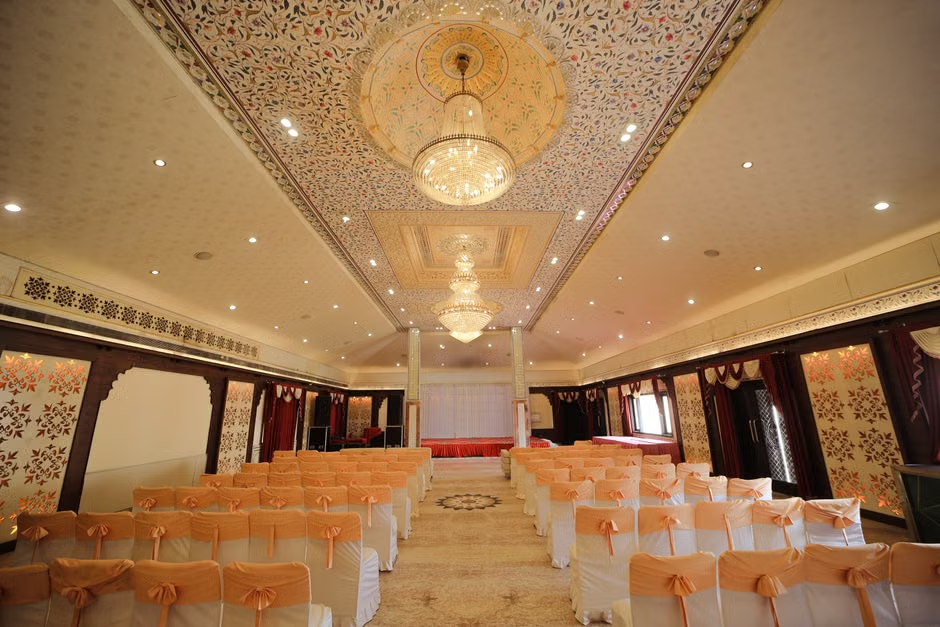
Hotel Abhishek Palace
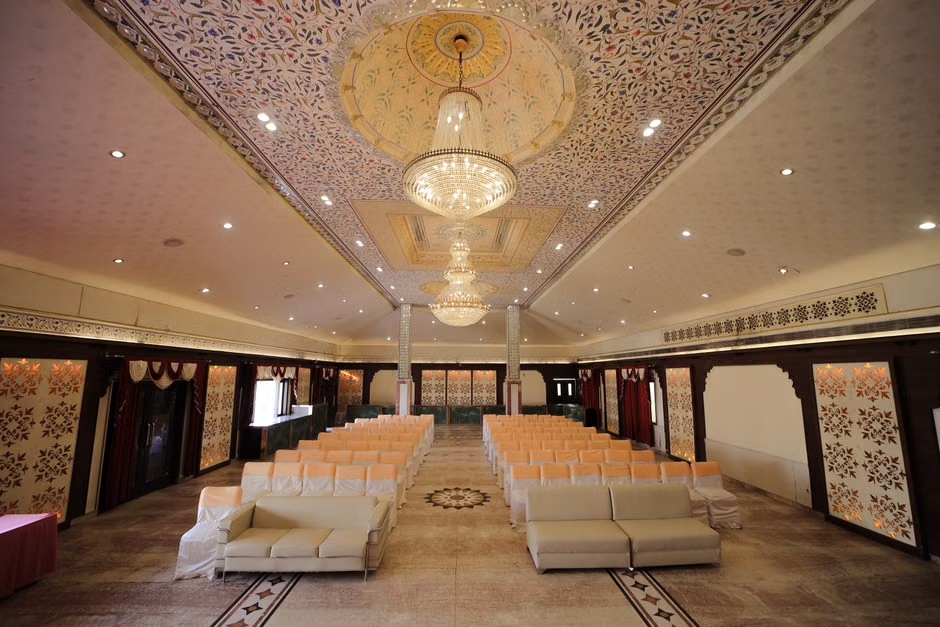
HOTEL SAI INN
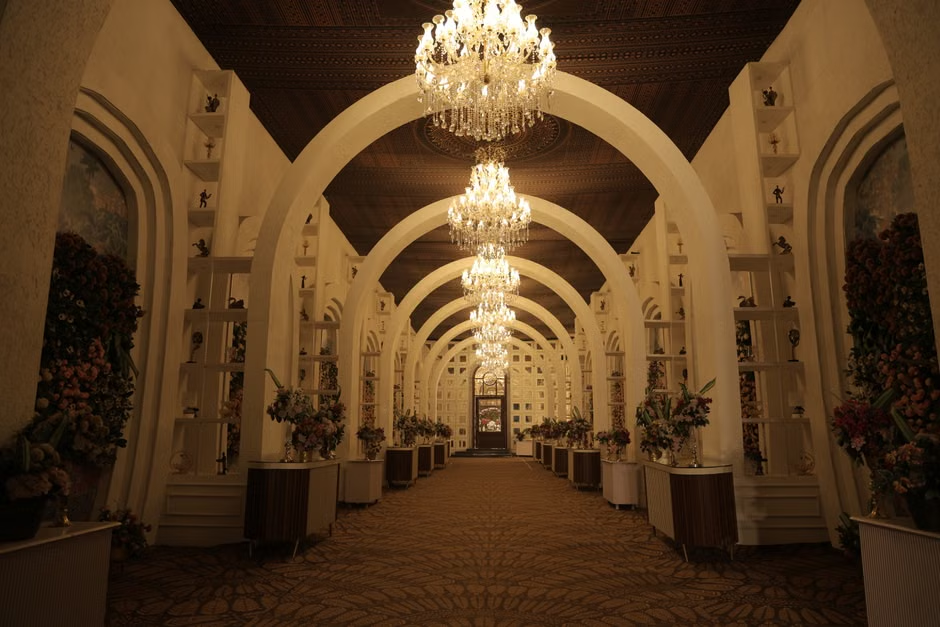
Hotel Relax Inn
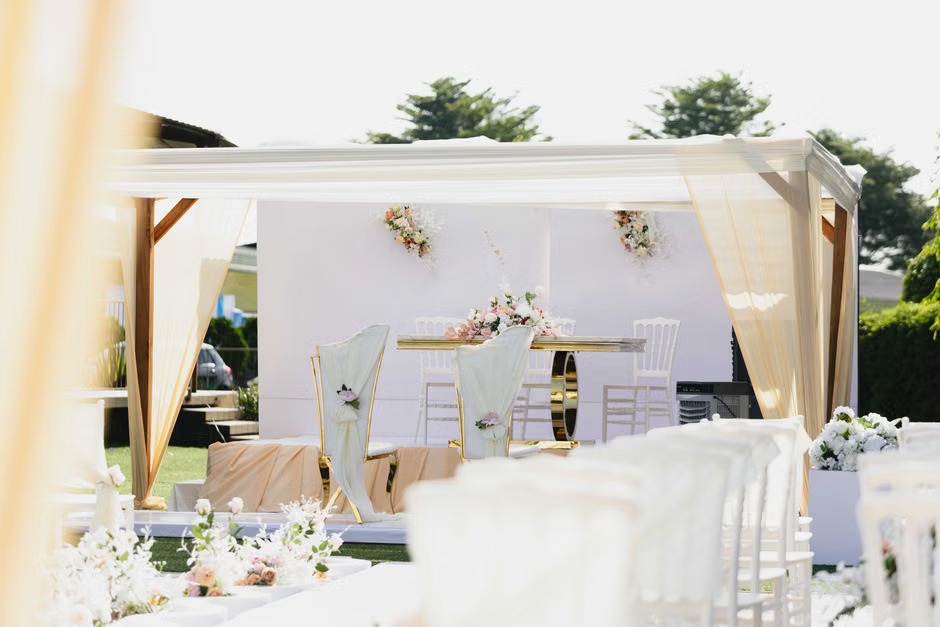
Chairman Lodge And Garden
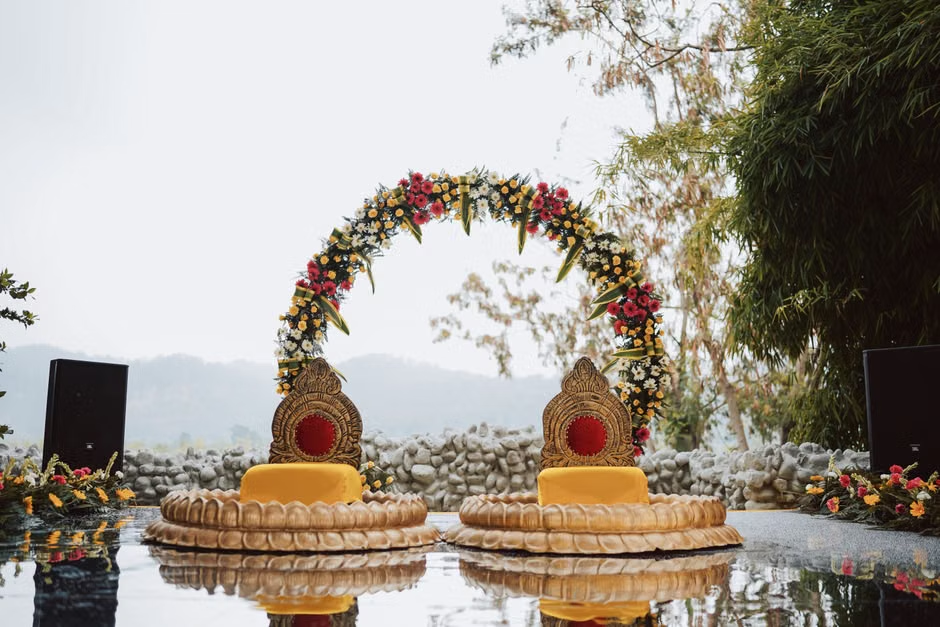
Ingawale Farmhouse
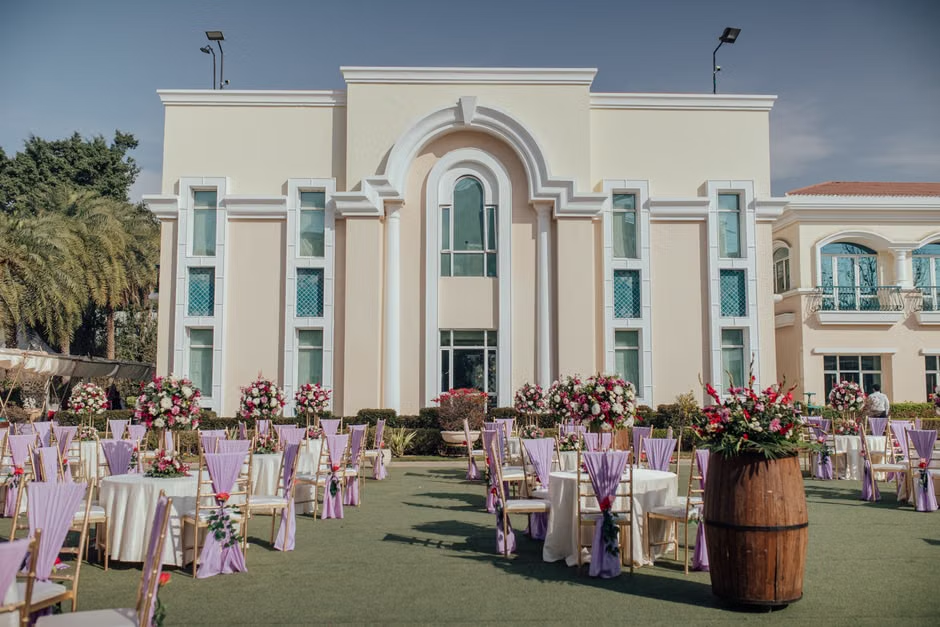
Sunny Executive, Satara Maharashtra

Hotel kas green park and resort
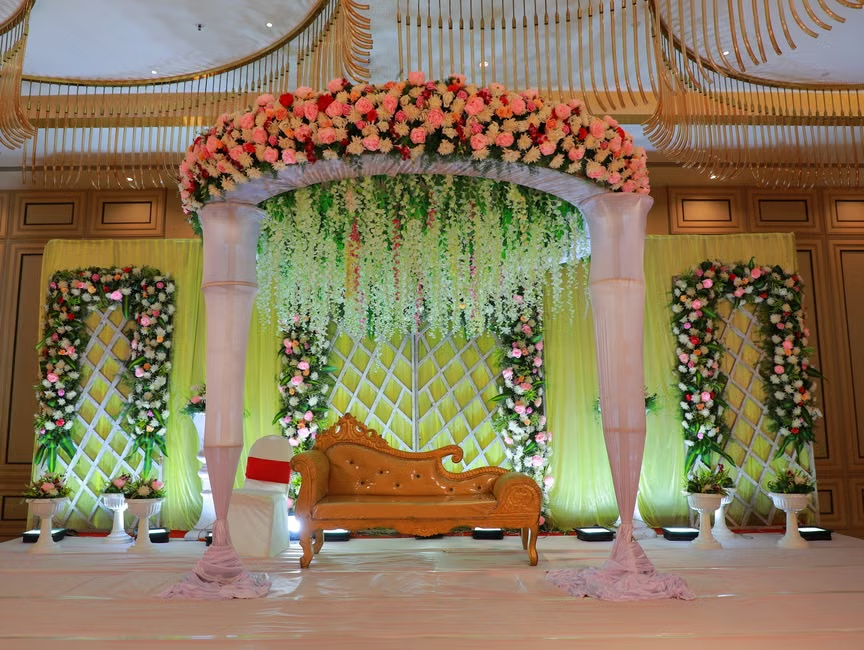
Treebo City Inn Satara
Hotel Green Field
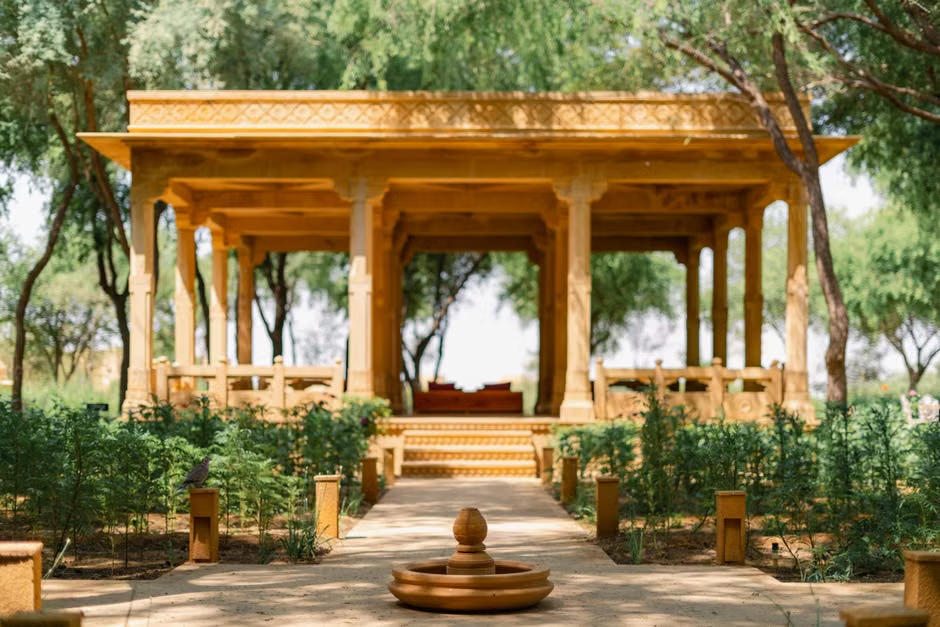
Hotel Sai Palace Lodging
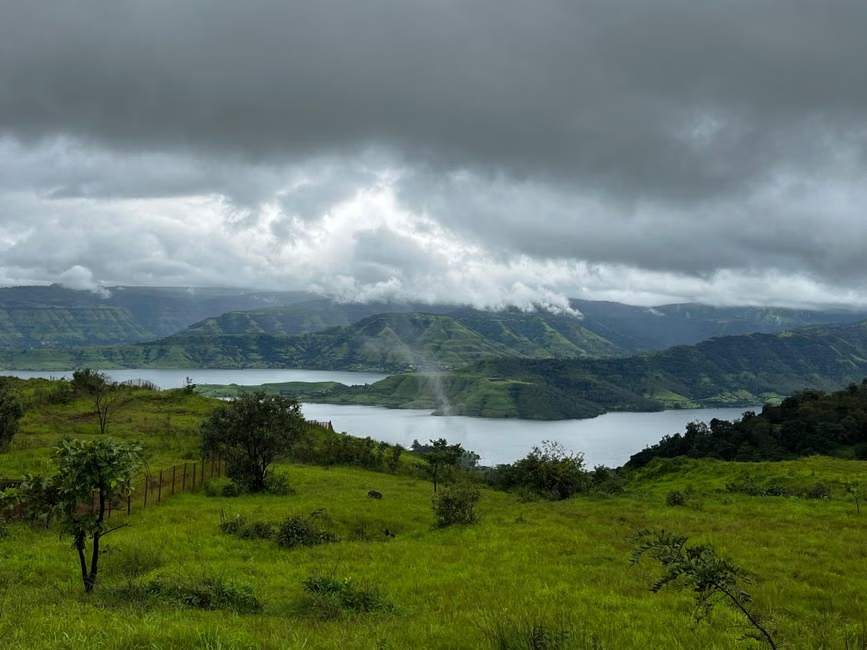
Sai Samrat Hotel & Lodging – Satara
Compare Satara with Other Top Destinations
Frequently Asked Questions
Is Satara a good destination for a family reunion weekend?
Yes. Satara is particularly well-suited to family reunion weekends. The hill resort setting, manageable travel distance from Pune and Mumbai, and comfortable post-monsoon climate in September–October make it a practical and genuinely enjoyable choice for multi-generational groups. Boutique resorts in the district typically offer a mix of indoor and outdoor spaces that work well for the informal, mixed-format programmes that family reunions usually involve.
What guest group sizes can Satara venues realistically accommodate?
Most hill resorts and boutique properties in and around Satara are best suited to groups of 50–250 guests. Outdoor lawns can sometimes stretch to larger numbers for cocktail or seated dinner formats, but enclosed, air-conditioned banquet space for 300+ guests is not widely available in the district. Groups larger than 250 should verify specific venue capacity carefully before committing.
How do guests typically travel to Satara for a destination event?
Most guests arrive by rail — Satara Railway Station has regular broad-gauge services from Pune (approximately 2 hours) and Mumbai (approximately 4–5 hours). Guests driving from Pune via NH48 take roughly 2–2.5 hours. Those flying in use Pune International Airport and arrange onward road transfer, adding approximately 2 hours to their journey. Rail is generally the most convenient option for Maharashtra-based guests.
When is the best time of year to plan a celebration in Satara?
September and October are the strongest months. The post-monsoon period brings lush Sahyadri greenery, comfortable temperatures, and largely clear skies — ideal for outdoor ceremonies and multi-day gatherings. November and February are reasonable shoulder alternatives. June through August (heavy monsoon) and March through May (increasing heat and dryness) are the weakest periods for event planning.
What kinds of venues are available in Satara for events?
The venue landscape is dominated by hill resorts and boutique retreat properties, most offering a combination of indoor banquet halls, open-air lawns, and terrace spaces with Sahyadri views. A smaller number of heritage-style properties draw on the region's Maratha architectural tradition. Most established resorts are self-contained, with on-site accommodation, catering, and event infrastructure — which simplifies logistics for destination groups.
Is Satara suitable for an anniversary celebration or vow renewal?
Yes. Satara's serene, nature-forward character is well-matched to anniversary celebrations and vow renewals, which typically prioritise intimacy and atmosphere over grand scale. An outdoor ceremony against a Sahyadri hillside backdrop, followed by a private dinner at a boutique resort, is a realistic and achievable format. The destination rewards couples who want genuine ambience rather than a large-production event.
Can local vendors in Satara handle a full destination event, or do we need to bring vendors from outside?
Local vendors can competently handle Maharashtrian catering, basic floral decoration, sound and lighting, and photography. For more specialised requirements — elaborate multi-cuisine menus, premium décor, or high-end entertainment — sourcing from Pune is common and logistically straightforward given the 2-hour road distance. Most established resorts have in-house catering and some event coordination support, which reduces the external vendor burden for straightforward celebrations.
How does local transport work for a group once guests arrive in Satara?
Groups staying at a single resort property generally find internal movement straightforward, with resort-arranged shuttles for transfers. For events where guests are spread across multiple properties, coordinating a dedicated shuttle schedule is advisable — particularly for evening functions. Within Satara city, hired cabs and auto-rickshaws are available. Private coaches or tempo travellers can be arranged for airport or station transfers from Pune.
Is Satara a practical choice for an alumni reunion?
Yes. The combination of a scenic, slightly off-the-beaten-path location and good rail access from Pune and Mumbai makes Satara a practical and memorable alumni reunion destination. Boutique resorts with dedicated event lawns and indoor halls can comfortably host the mix of formal dinners and informal gatherings that alumni reunions typically require, and the relatively uncrowded event calendar means better venue availability.
What makes a resort wedding in Satara distinctive compared to a city venue?
Resort weddings in Satara benefit from a self-contained setting — accommodation, catering, ceremony space, and décor all on-site — combined with a Sahyadri hill backdrop that city venues cannot replicate. The boutique scale means more personalised service and greater flexibility. Guest lists of 80–250 are typically the most comfortable fit. The post-monsoon season adds lush natural scenery that reduces the need for elaborate artificial decoration.
Are there any genuine limitations to planning a large-scale event in Satara?
Yes. Satara's venue inventory is not designed for very large events — enclosed banquet space for 300+ guests is limited. There is no commercial airport in the district, so flying guests face a 2+ hour road transfer from Pune. Specialist vendors for elaborate production or international cuisine often need to be sourced from Pune. And the monsoon season (June–August) makes outdoor events genuinely impractical.

Ready to explore venues in Satara?
Satara: Heritage Hill Destination for Weddings, Reunions & Celebrations
◆Satara is a heritage-rich hill district in Maharashtra's Western Ghats, best suited to intimate celebrations, family reunions, anniversary getaways, and resort weddings. Its primary vibe is Nature & Serene — shaped by Sahyadri landscapes, Maratha fort heritage, and a quieter pace than Maharashtra's larger event cities. The ideal season is September–October, when post-monsoon greenery peaks and temperatures are comfortable for outdoor events. Guests typically arrive by rail (Satara has its own station on the Pune–Kolhapur line) or by road from Pune, roughly two hours away. The venue inventory skews toward boutique hill resorts and heritage properties rather than large banquet complexes, making Satara a stronger fit for groups of 50–300 than for very large-scale weddings.
Satara at a Glance
| Attribute | Detail |
|---|---|
| Best For | Family Getaway & Reunion Weekend, Alumni Reunion, Anniversary Celebration, Vow Renewal / Couple Anniversary |
| Primary Vibe | Nature & Serene |
| Other Vibes | Heritage & Cultural, Rustic & Intimate |
| Best Season | Autumn (September–October) |
Why Choose Satara?
- Post-monsoon Sahyadri scenery: The Western Ghats around Satara are at their most vivid in September–October — waterfalls still flowing, hillsides intensely green — giving outdoor events a naturally dramatic setting that requires minimal decoration.
- Maratha heritage as a backdrop: Forts such as Ajinkyatara (overlooking the city) and the nearby Pratapgad add genuine historical character to the region, making it particularly resonant for family reunions and alumni gatherings that want a sense of place beyond a generic resort.
- Boutique scale means genuine attention: Because Satara's properties are predominantly mid-scale hill resorts and boutique hotels rather than large convention-style venues, event groups typically receive more personalised service and have greater flexibility over menus, timings, and décor.
- Practical rail connectivity: Satara Railway Station sits on the Pune–Miraj broad-gauge line, with regular services connecting to Pune, Mumbai, and Kolhapur. For guests travelling from Maharashtra's major cities, this is a meaningful convenience that reduces dependence on private transport.
- Proximity to Mahabaleshwar: The broader Satara district includes the well-known hill station of Mahabaleshwar, which adds a wider range of resort options within the same planning radius — useful when a group needs to spread accommodation across multiple properties.
- Relatively uncrowded event calendar: Unlike Pune or Mumbai, Satara does not have a heavily contested wedding-season calendar, which generally means better venue availability and more attentive vendor focus during peak months.
Which Celebrations Work Best in Satara?
- Family Getaway & Reunion Weekend: Satara's hill resort setting, manageable scale, and natural surroundings make it an excellent choice for multi-generational family groups wanting a relaxed, activity-rich long weekend away from city life. The cooler Sahyadri climate in autumn is particularly comfortable for older family members and young children alike.
- Alumni Reunion: The combination of a scenic, slightly off-the-beaten-path location and good rail access from Pune and Mumbai makes Satara a practical and memorable choice for alumni groups. Boutique resorts with dedicated event lawns and indoor halls can comfortably host the mix of formal dinners and informal gatherings that alumni reunions typically require.
- Anniversary Celebration: Couples seeking a meaningful anniversary setting — rather than a generic city hotel — find Satara's heritage forts, valley views, and intimate resort properties genuinely evocative. The destination rewards those who want atmosphere over scale.
- Vow Renewal / Couple Anniversary: The serene, nature-forward character of Satara is well-matched to vow renewal ceremonies, which typically prioritise intimacy and emotional resonance over grand production. An outdoor ceremony against a Sahyadri hillside backdrop, followed by a private dinner, is a realistic and achievable format here.
- Family Reunion: Larger extended-family gatherings (as distinct from the more structured reunion weekend format) work well in Satara when spread across a resort's multiple accommodation blocks and outdoor spaces. The destination's safety, cleanliness, and relatively easy navigation make it comfortable for guests of all ages.
- Resort Wedding: Satara's hill resorts — particularly those in and around the Mahabaleshwar belt of the district — offer the kind of self-contained, all-in-one wedding experience (accommodation, catering, ceremony space, and décor) that resort weddings depend on. Guest lists in the 80–250 range are typically the most comfortable fit.
Venues & Event Spaces
Satara's event venue landscape is defined primarily by hill resorts and boutique retreat properties, most of which offer a combination of indoor banquet halls, open-air lawns, and terrace spaces with Sahyadri views. These properties are generally self-contained — meaning accommodation, catering, and event infrastructure are all on-site — which simplifies logistics for destination groups considerably.
Beyond resorts, the broader Satara district includes a small number of heritage-style properties that draw on the region's Maratha architectural tradition, offering a more culturally textured setting for celebrations that want something beyond a standard resort aesthetic. These tend to suit smaller, more intimate gatherings.
For events requiring larger indoor capacity — formal banquets, multi-function wedding programmes with separate mehendi, sangeet, and ceremony spaces — the local inventory is more limited than in a major metro. Groups planning events of 300 or more guests should verify specific venue capacity carefully before committing. Outdoor lawns at hill resorts can often accommodate larger numbers for cocktail-style or seated dinner formats, but enclosed air-conditioned ballroom space at that scale is not widely available in the district.
The Mahabaleshwar sub-region of Satara district adds meaningfully to the overall venue pool, with several well-established resorts that have dedicated event teams and prior experience hosting destination weddings and corporate retreats.
Best Time to Celebrate
The ideal window for events in Satara is September through October — the early post-monsoon period when the Western Ghats are at their most visually spectacular. Rainfall has largely subsided by mid-September, leaving the hillsides intensely green, waterfalls still active, and the air noticeably cleaner and cooler than the pre-monsoon months. Daytime temperatures typically sit in a comfortable range that makes both outdoor ceremonies and indoor receptions pleasant without requiring heavy air conditioning.
November and February can also work reasonably well as shoulder months — temperatures remain mild and the landscape, while drier, is still attractive. These months are worth considering if the September–October window is unavailable.
June through August (the core monsoon season) is genuinely problematic for outdoor events. Satara receives substantial rainfall during this period, and the Sahyadri terrain can make road access to some resort properties difficult or unpredictable. Any event with significant outdoor components should avoid this window.
March through May brings increasing heat and dryness. While not as extreme as the Deccan plateau further east, temperatures rise enough to make outdoor daytime events uncomfortable, and the landscape loses much of the lush character that makes Satara visually distinctive. This period is generally the weakest for event planning in the district.
Getting There & Local Connectivity
By rail: Satara Railway Station is the most convenient arrival point for most guests. The station sits on the Pune–Miraj broad-gauge line and receives regular express services from Pune (approximately 2 hours), Mumbai (approximately 4–5 hours), and Kolhapur. For groups travelling from Maharashtra's major population centres, rail is typically the most reliable and comfortable option.
By road: Satara is well-connected to Pune via NH48 (the Mumbai–Bengaluru highway), a journey of roughly 110–120 km that takes approximately 2–2.5 hours under normal traffic conditions. From Mumbai, the drive is approximately 260–280 km. The highway is in generally good condition, and private coaches or tempo travellers can be arranged for group transfers without difficulty.
By air: The nearest commercial airport is Pune International Airport, approximately 110 km from Satara city. Guests flying in from other Indian cities will need to arrange onward road transfer from Pune — a factor worth communicating clearly to out-of-state guests when sending event logistics. There is no commercial airport within Satara district itself.
Local movement: Within Satara and the surrounding resort belt, local transport options include hired cabs, auto-rickshaws in the city, and resort-arranged shuttle services. For groups staying at a single resort property, internal movement is generally not an issue. For events where guests are spread across multiple properties, coordinating a dedicated shuttle schedule is advisable, particularly for evening functions when guests may not want to arrange individual transport.
Local Vendor & Hospitality Ecosystem
Satara's vendor ecosystem is functional and growing, though it operates at a different scale from Maharashtra's larger event cities. Local catering vendors are experienced with Maharashtrian cuisine and can typically handle multi-day event menus competently. For more specialised requirements — elaborate multi-cuisine spreads, premium bar setups, or highly customised décor — it is common and advisable to bring vendors in from Pune, which is close enough to make this logistically straightforward.
Floral decoration, basic sound and lighting, and photography vendors are available locally, though the depth of choice is narrower than in Pune or Mumbai. Couples and event planners who have specific aesthetic requirements should plan to either source vendors from Pune or confirm local vendor portfolios well in advance of the event date.
Most of the established hill resorts in the district have in-house catering teams and some level of event coordination support, which reduces the vendor management burden for straightforward celebrations. For more complex, multi-function events, an external event coordinator with prior Satara experience is a worthwhile investment.
Accommodation capacity across the district is sufficient for groups of up to approximately 150–200 guests staying within a single resort or a cluster of nearby properties. Larger groups may need to spread across multiple properties, which requires more deliberate transport and logistics planning.
Pros & Things to Consider
Why Satara Works Well
- Genuinely scenic Sahyadri setting that creates a memorable, non-generic event atmosphere
- Good rail connectivity from Pune and Mumbai reduces travel friction for most Maharashtra-based guests
- Boutique resort scale means more personalised service and greater flexibility than large convention venues
- Post-monsoon season (September–October) offers excellent outdoor event conditions with lush natural backdrops
- Maratha heritage forts and cultural landmarks add depth and a sense of place for multi-day gatherings
- Relatively uncrowded event calendar means better venue availability and vendor attention during peak months
Things to Consider
- No commercial airport within the district — guests flying in must transfer from Pune, adding 2+ hours to their journey
- Venue capacity for very large events (300+ guests) is limited; the local inventory is not designed for grand-scale weddings
- Specialist vendors (premium décor, multi-cuisine catering, high-end entertainment) often need to be sourced from Pune, adding coordination complexity
- Monsoon season (June–August) makes outdoor events genuinely impractical and some resort access roads less reliable
- Accommodation inventory, while adequate for mid-size groups, may require guests to be split across multiple properties for larger gatherings
When Satara May Not Be the Right Fit
- Very large guest lists (300+): If your event requires a single venue with large enclosed ballroom space for 300 or more guests, Satara's current venue inventory is unlikely to meet that need comfortably. A larger Maharashtra city would be a more practical choice.
- Guests travelling from outside Maharashtra: For events where a significant proportion of guests are flying in from other states or internationally, the absence of a local airport and the 2+ hour transfer from Pune adds meaningful travel complexity that may reduce attendance or guest comfort.
- Monsoon-season outdoor events: Any celebration with a strong outdoor component planned between June and August faces genuine weather risk in Satara. The Sahyadri monsoon is heavy and not reliably predictable at a week-by-week level.
- Events requiring a wide specialist vendor ecosystem on-site: If your event brief requires a large number of specialist vendors — elaborate stage production, international cuisine specialists, premium entertainment — the local vendor depth may not be sufficient without extensive sourcing from Pune, which adds cost and coordination overhead.