
Why Sarnath is Perfect for Your Celebration
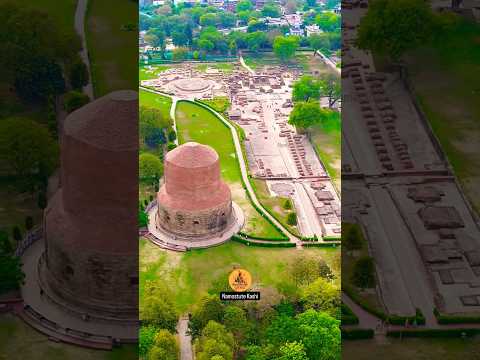
- One of Buddhism's holiest sites — the Dhamek Stupa and Mulagandha Kuti Vihar create an unmatched spiritual ambience for pilgrimage gatherings and religious functions
- Proximity to Varanasi (~10 km) expands venue, catering, and hospitality options significantly for larger events
- Ideal for Diwali and Holi celebrations given the region's deep-rooted festival culture and vibrant local traditions
- Cool, dry winters (November–February) make outdoor ceremonies, processions, and cultural performances genuinely comfortable
- A mature Buddhist international community — Tibetan, Japanese, Thai, and Sri Lankan monasteries — adds rare multicultural depth to spiritual gatherings
- Relatively uncrowded compared to Varanasi itself, offering a quieter, more contemplative setting for retreats and leadership offsites
Top Venues in Sarnath
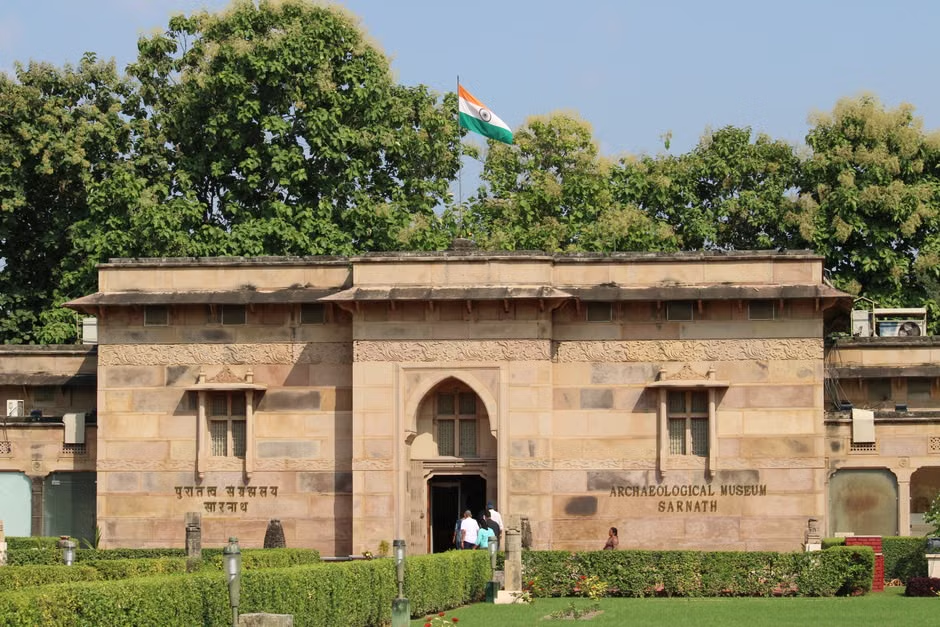
Radisson Hotel Varanasi
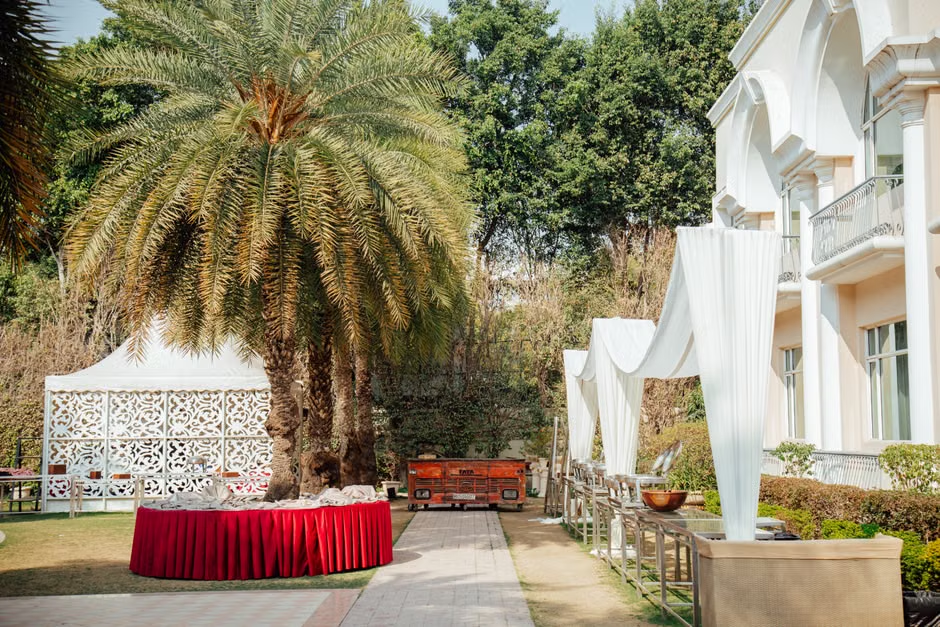
Taj Ganges
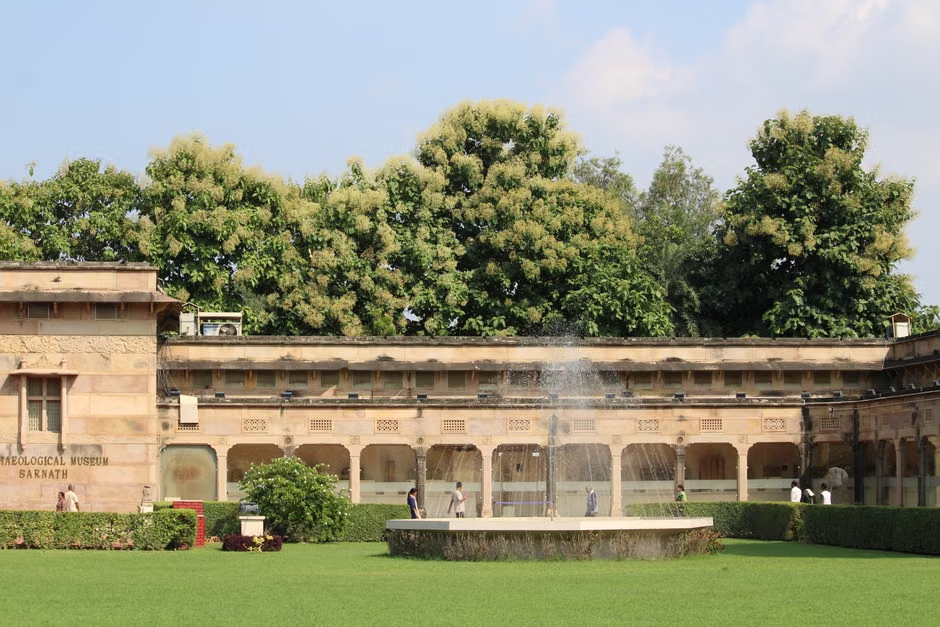
Ramada Plaza JHV Varanasi
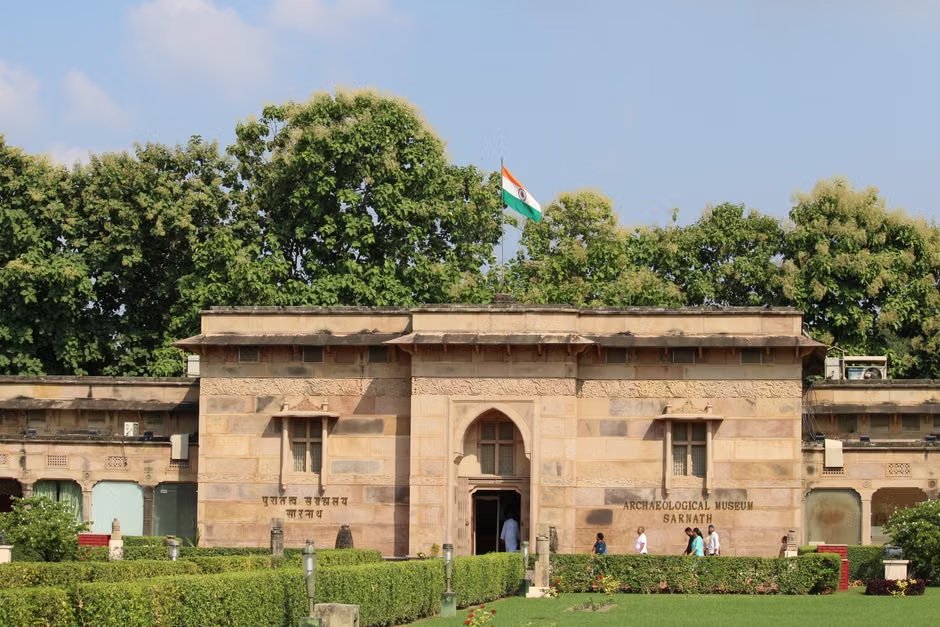
Jukaso Inn Sarnath
Compare Sarnath with Other Top Destinations
Frequently Asked Questions
Is Sarnath a good destination for a spiritual or pilgrimage gathering?
Yes, it is among the strongest choices in India for this purpose. Sarnath is where the Buddha delivered his first sermon, and the Dhamek Stupa, Mulagandha Kuti Vihar, and surrounding monastery complex provide a sacred geography that gives pilgrimage gatherings genuine meaning. The presence of Tibetan, Japanese, Thai, and Sri Lankan monasteries also adds a rare multicultural spiritual dimension.
What is the best time of year to plan an event in Sarnath?
November through February is the optimal window. Temperatures are cool and dry, typically ranging from around 15°C to 25°C during the day, making outdoor ceremonies, heritage walks, and evening cultural programmes comfortable. March onwards brings sharp heat, and June through September brings monsoon humidity and unreliable outdoor conditions.
How do guests typically travel to Sarnath?
Most guests arrive via Lal Bahadur Shastri International Airport in Varanasi, approximately 25 km away, which has direct connections from Delhi, Mumbai, Kolkata, and Bengaluru. Varanasi Junction railway station, about 10 km from Sarnath, is even better connected and is often the most practical option for guests travelling from northern and eastern India.
What size of guest group can Sarnath realistically accommodate for an event?
Sarnath's own venue inventory suits intimate to mid-sized gatherings — typically up to 100–150 guests comfortably within the destination itself. For larger groups of 200–500 guests, the broader Varanasi–Sarnath corridor provides additional hotel and banquet capacity, though this requires factoring in transfer logistics between accommodation and the Sarnath site.
Is Sarnath suitable for a Diwali or Holi celebration event?
Yes. The Varanasi–Sarnath region has one of the most vibrant Diwali and Holi traditions in northern India. Organised group celebrations here feel genuinely rooted in local culture rather than staged. Diwali in particular — with lamps, processions, and the proximity to the ghats — creates an atmosphere that is difficult to replicate elsewhere.
What kinds of venues and event spaces are available in and around Sarnath?
Within Sarnath itself, options include smaller heritage hotels, monastery guest houses, and garden spaces suited to intimate retreats and pilgrimage programmes. The Varanasi–Sarnath corridor adds full-service hotels with banquet halls, outdoor lawns, and larger event infrastructure. The overall character leans toward heritage and spiritual settings rather than large conventional banquet complexes.
Can Sarnath work for a corporate offsite or leadership retreat?
Yes, particularly for organisations seeking a reflective, purposeful setting. The contemplative environment, distance from urban noise, and access to meaningful heritage experiences — the stupa complex, monastery visits, heritage walks — make Sarnath a credible alternative to a standard conference hotel. It works best for smaller leadership groups rather than large all-hands corporate events.
What should I know about local vendors and catering for an event in Sarnath?
Most event vendors — caterers, decorators, audio-visual teams — are sourced from Varanasi, where the ecosystem is well-developed for religious and cultural events. Vegetarian and sattvic catering is particularly strong and aligns naturally with the destination's character. For peak winter dates, booking vendors three to six months in advance is advisable, as Varanasi's own festival calendar creates competing demand.
Are there any cultural considerations to keep in mind when planning an event near the Sarnath site?
Yes. The immediate vicinity of the Dhamek Stupa and monasteries is a living sacred site, and event formats involving loud amplified music, alcohol, or late-night entertainment are culturally inappropriate there. Events that respect the contemplative character of the site — and schedule louder or more festive elements at appropriate venues away from the core archaeological area — are much better received locally.
How easy is it to move a large guest group around Sarnath once they arrive?
Local transport within Sarnath relies on auto-rickshaws and cycle-rickshaws for individuals, but for groups, hired tempo travellers, minibuses, or private cars from Varanasi-based operators are the standard approach. The Varanasi–Sarnath road can be congested during festival periods, so building buffer time into transfer schedules is important for smooth group logistics.
Is Sarnath a good fit for a temple festival or cultural festival gathering?
Yes. Sarnath's Buddhist and Hindu temple calendar — including Buddha Purnima, Asalha Puja, and major Hindu observances — provides a rich set of anchor dates for temple festival events. The blend of Buddhist, Hindu, and international monastic traditions also makes it an unusually layered setting for cultural festival gatherings centred on heritage, music, or interfaith dialogue.

Ready to explore venues in Sarnath?
Sarnath: Spiritual Retreats, Festival Celebrations & Event Venues
◆Sarnath is one of Buddhism's most sacred sites and a destination best suited to spiritual gatherings, pilgrimage events, temple and cultural festivals, and reflective retreats. Its primary vibe is Spiritual & Soulful — anchored by the Dhamek Stupa, ancient monasteries, and the Mulagandha Kuti Vihar. The destination works particularly well for Holi and Diwali celebrations, religious family functions, and corporate leadership retreats seeking a contemplative setting. Accessibility is solid via Varanasi's rail and air connections. The local hospitality inventory within Sarnath itself is modest, but the broader Varanasi–Sarnath corridor expands options considerably across multiple tiers.
Sarnath at a Glance
| Category | Details |
|---|---|
| Best For | Holi / Diwali Celebration, Spiritual / Pilgrimage Gathering, Temple Festival, Cultural Festival Gathering |
| Primary Vibe | Spiritual & Soulful |
| Other Vibes | Heritage & Cultural, Serene & Contemplative |
| Best Season | Winter (November–February) |
Why Choose Sarnath?
- Unmatched spiritual gravitas: Sarnath is where the Buddha delivered his first sermon after attaining enlightenment — the Dhamek Stupa and surrounding archaeological park give any gathering here a depth of meaning that few destinations in India can replicate.
- Multicultural monastery presence: Tibetan, Japanese, Thai, Chinese, and Sri Lankan Buddhist monasteries operate within Sarnath, creating a genuinely international spiritual community that enriches pilgrimage gatherings and cultural festivals.
- Strong festival culture: The region's Diwali and Holi traditions are among the most vibrant in northern India, and Sarnath's own Buddhist calendar adds unique observances like Buddha Purnima that make festival-themed events especially resonant here.
- Proximity to Varanasi: Sitting roughly 10 km from one of India's most storied cities, Sarnath benefits from Varanasi's mature hospitality infrastructure, catering ecosystem, and transport links — without the intensity and crowds of the ghats themselves.
- Quieter, more contemplative setting: For corporate offsites, leadership retreats, and community gatherings that require focus and reflection, Sarnath's relative calm compared to Varanasi proper is a genuine practical advantage.
- Accessible year-round via rail: Varanasi Junction is one of the best-connected railway stations in Uttar Pradesh, making guest travel straightforward from Delhi, Mumbai, Kolkata, and most major Indian cities.
Which Celebrations Work Best in Sarnath?
- Holi / Diwali Celebration: The Varanasi–Sarnath region is among the most celebrated Holi and Diwali destinations in India. The festival atmosphere — processions, lamps, colour, and community — is deeply embedded in local culture, making organised group celebrations here feel genuinely authentic rather than staged.
- Spiritual / Pilgrimage Gathering: Sarnath is purpose-built for this. Groups travelling for Buddhist, Hindu, or interfaith pilgrimage purposes find the site's sacred geography — stupas, monasteries, the deer park — provides a natural itinerary and a shared focal point that organisers rarely need to manufacture.
- Temple Festival: The region's calendar of Buddhist and Hindu temple observances — including Buddha Purnima, Asalha Puja, and major Hindu festivals — gives event planners a rich set of dates around which to anchor a temple festival gathering with genuine local participation.
- Cultural Festival Gathering: Sarnath's blend of Buddhist, Hindu, and international monastic traditions makes it an unusually layered cultural destination. Gatherings centred on music, art, heritage walks, or interfaith dialogue find a natural home here.
- Local Folk Festival / Fair: The broader Varanasi region has a strong tradition of folk performance — Banarasi music, classical dance, and craft fairs — that can be woven into a local folk festival event based in Sarnath.
- Corporate Offsite / Leadership Retreat: The contemplative environment, distance from urban noise, and access to meaningful heritage experiences make Sarnath a credible choice for organisations seeking a retreat that goes beyond a standard conference hotel. The setting naturally encourages reflection and purposeful conversation.
Venues & Event Spaces
Sarnath's own venue inventory is intentionally modest — the destination's character is defined by open sacred spaces, monastery grounds, and heritage gardens rather than large banquet halls. Within Sarnath itself, smaller hotels and heritage guesthouses can accommodate intimate gatherings, spiritual retreats, and family functions of up to roughly 100–150 guests comfortably.
For larger events — cultural festivals, corporate offsites, or multi-day pilgrimage programmes requiring significant accommodation — the Varanasi–Sarnath corridor is the practical planning unit. This corridor includes full-service hotels with dedicated banquet and lawn spaces capable of hosting several hundred guests, alongside heritage properties that offer a more atmospheric setting. Outdoor lawns and garden spaces are available at several properties in this corridor and work particularly well during the winter season.
Monastery guest houses and dharamshalas within Sarnath itself are worth considering for pilgrimage groups where simplicity and proximity to the sacred site matter more than event infrastructure. These spaces are not conventional event venues but serve a genuine function for spiritually-oriented gatherings.
Best Time to Celebrate
The winter months of November through February are the clear optimal window for events in Sarnath. Daytime temperatures typically range from around 15°C to 25°C, evenings are cool and pleasant, and rainfall is negligible. This makes outdoor ceremonies, processions, heritage walks, and evening cultural performances genuinely comfortable for guests of all ages.
November is particularly well-timed for Diwali-adjacent celebrations and the post-monsoon clarity that makes the archaeological park and stupa grounds look their best. December and January are the coolest months — mornings can be cold (occasionally dropping below 10°C), so event schedules that account for this with later start times or indoor morning sessions work better. February warms gradually and remains dry, making it a strong month for outdoor events.
March through May sees temperatures climb sharply, regularly exceeding 38°C by May. Outdoor events become genuinely uncomfortable and logistically demanding — cooling infrastructure, hydration management, and adjusted timing are all necessary, and the experience for guests is significantly diminished.
June through September brings the monsoon. While Sarnath does not receive the heaviest rainfall of the subcontinent, humidity is high, outdoor spaces become unreliable, and the archaeological site's grounds can be waterlogged. Events during this period require fully covered or indoor venues and contingency planning.
October is a reasonable shoulder month — the monsoon typically retreats, temperatures begin to moderate, and the landscape is green and fresh. It is not as reliably comfortable as November–February but is workable for events that cannot be scheduled in the peak winter window.
Getting There & Local Connectivity
Sarnath is served by Lal Bahadur Shastri International Airport (VNS) in Varanasi, approximately 25 km away. The airport receives direct flights from Delhi, Mumbai, Kolkata, Bengaluru, and several other major Indian cities, as well as some international connections. For guests travelling from abroad or from cities without a direct Varanasi connection, Delhi is the most common transit hub.
Varanasi Junction railway station is approximately 10 km from Sarnath and is one of the better-connected stations in Uttar Pradesh, with direct trains from Delhi, Mumbai, Kolkata, Chennai, Lucknow, and Patna among others. For large guest groups, rail travel is often the most practical and comfortable option, particularly from northern and eastern India.
Local movement within Sarnath is manageable but requires planning for groups. Auto-rickshaws and cycle-rickshaws are the dominant local transport mode within Sarnath itself. For larger groups, hired vehicles — tempo travellers, minibuses, or private cars — are the standard approach and are readily available through Varanasi-based operators. The road between Varanasi and Sarnath can be congested, particularly during festival periods, so building buffer time into guest transfer schedules is advisable.
Local Vendor & Hospitality Ecosystem
Sarnath's own vendor ecosystem is relatively small and specialised — it is well-suited to pilgrimage logistics, monastery-based catering, and modest cultural event production, but it is not a destination with a large, independent wedding or corporate event vendor market of its own.
The practical reality is that most event vendors — caterers, decorators, audio-visual teams, florists, and event management companies — are sourced from Varanasi, where the ecosystem is considerably more developed. Varanasi has a long tradition of hosting large religious gatherings, cultural festivals, and increasingly, destination events, which means vendor availability and experience levels are generally solid for events of moderate scale.
Catering in this region is particularly strong for vegetarian and sattvic menus, which aligns naturally with the spiritual character of most events held in Sarnath. Groups requiring non-vegetarian catering will find options available through Varanasi-based caterers, though the local cultural context leans vegetarian.
For very large events (500+ guests), early vendor booking — ideally three to six months in advance for peak winter dates — is advisable, as Varanasi's own festival calendar creates competing demand for the best vendors during November–February.
Pros & Things to Consider
Why Sarnath Works Well
- Genuinely unique spiritual setting that gives events a sense of purpose and meaning difficult to replicate elsewhere
- Strong rail connectivity via Varanasi Junction makes guest travel straightforward from most major Indian cities
- Excellent fit for pilgrimage gatherings, temple festivals, and Diwali/Holi celebrations — the local culture actively supports these event types
- Quieter and less crowded than Varanasi proper, offering a more focused environment for retreats and leadership offsites
- International monastic community adds a multicultural dimension rarely available at other Indian event destinations
- Winter weather is genuinely pleasant and reliable for outdoor events
Things to Consider
- Sarnath's own venue inventory is limited — larger events depend on the Varanasi corridor, which adds a logistical layer and transfer time for guests
- The destination is not well-suited to large-scale conventional weddings with elaborate multi-function programmes — the venue scale and local vendor depth are better matched to smaller, more purposeful gatherings
- Festival periods (especially Diwali and major Buddhist observances) bring significant crowds to the area, which can affect local transport, accommodation availability, and the overall atmosphere for private events
- Morning fog in December and January can occasionally disrupt early travel plans — guests arriving by air should allow flexibility in their schedules
- The sacred nature of the site means certain event formats (loud music, alcohol-centric celebrations) are culturally inappropriate in the immediate vicinity of the stupas and monasteries
When Sarnath May Not Be the Right Fit
- Large conventional weddings (300+ guests) with multi-day functions: The local venue inventory within Sarnath itself does not comfortably support large-scale wedding programmes. Groups needing extensive banquet space, multiple function halls, and on-site accommodation for hundreds of guests will find the Varanasi corridor more practical — or may need to reconsider the destination entirely if seamless on-site logistics are a priority.
- Events planned during summer (April–June): Extreme heat makes outdoor events genuinely uncomfortable and logistically demanding. If the event date is fixed in this window and outdoor elements are important, a different destination with a more forgiving summer climate would serve guests better.
- Celebrations where alcohol and late-night entertainment are central: The spiritual and cultural character of Sarnath makes it a poor fit for events where nightlife, open bars, and loud entertainment are the primary draw. The local context actively discourages these formats near the sacred site.
- Guests with very limited travel flexibility: While Varanasi is well-connected, guests travelling from smaller cities or international locations without a direct Varanasi connection may face long journeys. If a significant portion of the guest list faces complex multi-leg travel, a destination with broader direct connectivity may reduce attrition.