
Why Sangla is Perfect for Your Celebration
- Dramatic Baspa Valley setting with snow-capped peaks as a natural event backdrop
- Boutique hill resorts and eco-lodges offer genuine seclusion for private celebrations
- Traditional Kinnauri culture, apple orchards, and local festivals add authentic character to events
- Ideal scale for intimate gatherings — the valley naturally suits small, close-knit groups
- May–June brings clear mountain skies, blooming landscapes, and comfortable daytime temperatures perfect for outdoor celebrations
- Offbeat, uncrowded destination that creates a truly memorable, one-of-a-kind experience for milestone birthdays and retreats
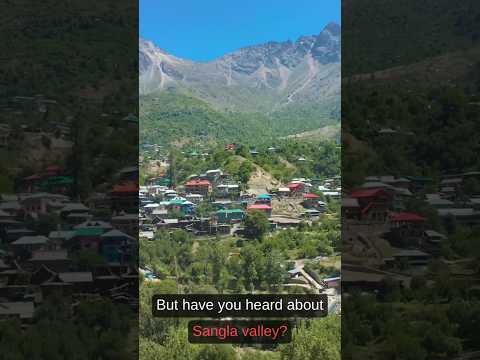
Top Venues in Sangla
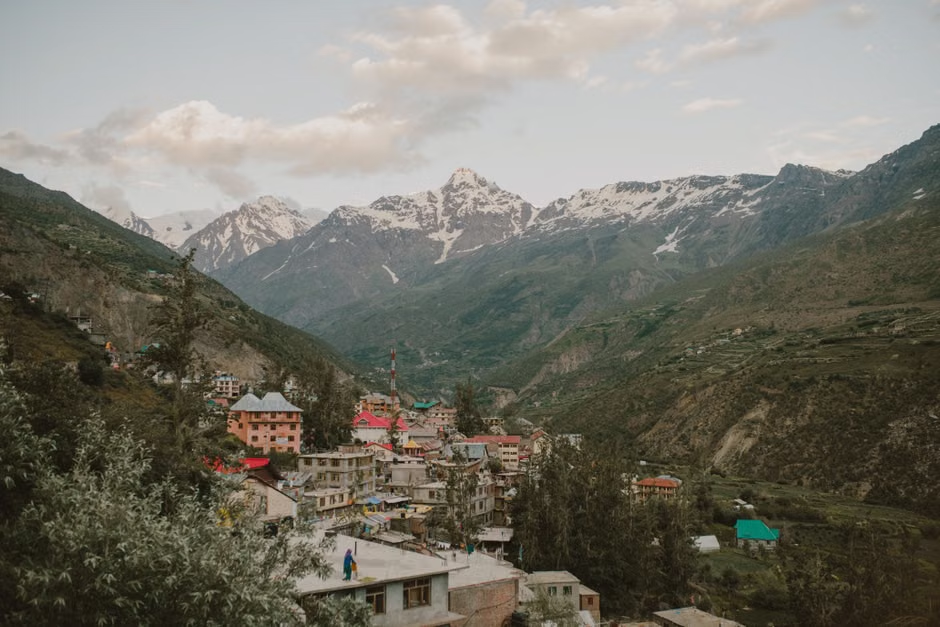
The Sangla Valley Resort
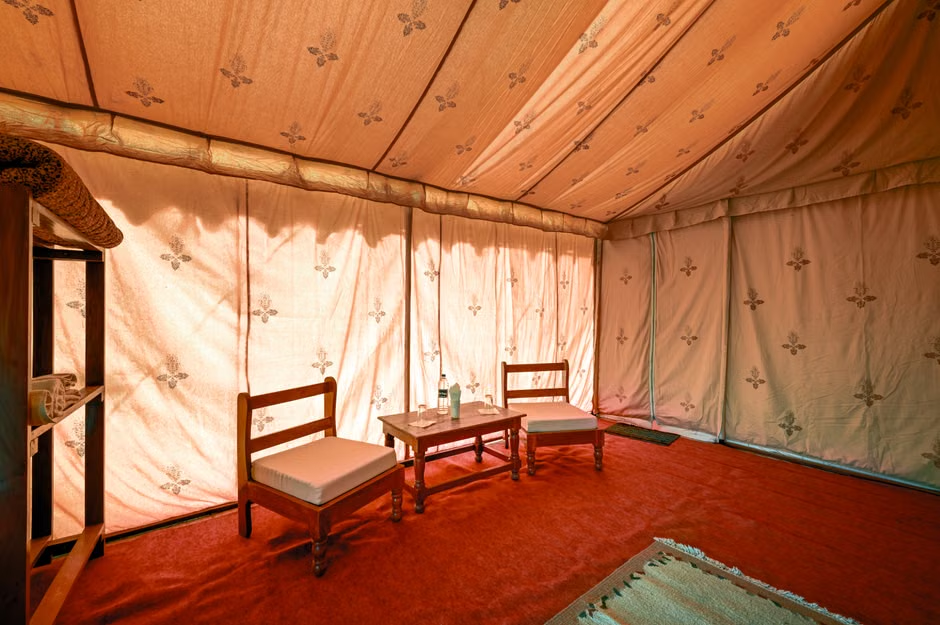
Banjara Camps & Retreats, Sangla
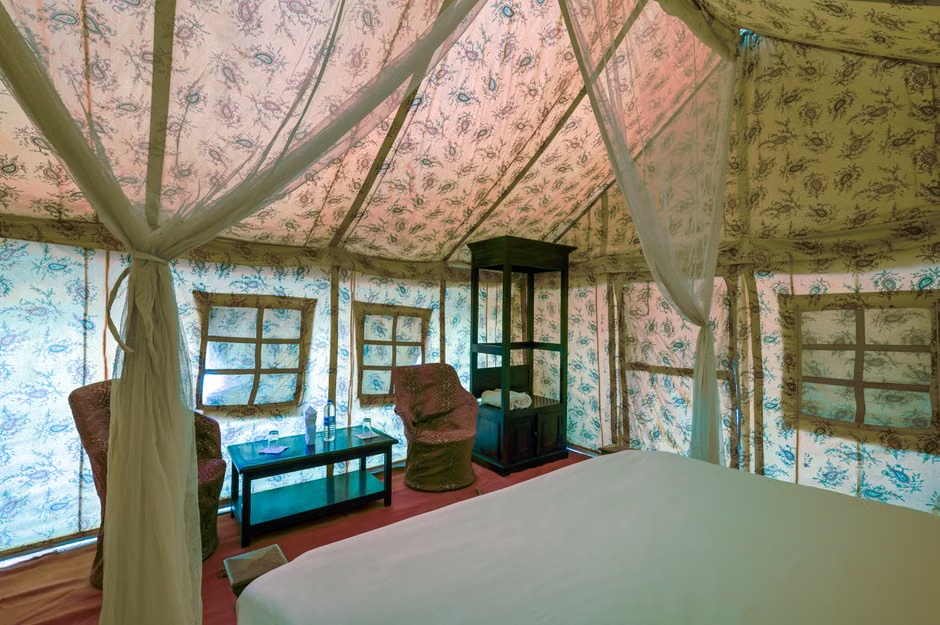
Kinner Camp Sangla
Compare Sangla with Other Top Destinations
Frequently Asked Questions
Is Sangla a good destination for a birthday getaway celebration?
Yes, particularly for groups seeking an offbeat, scenic, and intimate experience. Sangla's boutique hill resorts can be partially or fully taken over by a birthday group, and the dramatic Baspa Valley setting — apple orchards, Himalayan peaks, riverside landscapes — creates a genuinely memorable backdrop. It works best for smaller groups of 20–60 guests who value experience and seclusion over large-scale production.
What guest group sizes can Sangla realistically accommodate for an event?
Sangla is best suited to intimate groups of roughly 20–80 guests. The valley's boutique resorts and camps have limited combined accommodation capacity, and catering infrastructure for very large groups requires significant advance planning and external vendor support. Groups above 100 guests will find the destination logistically strained and should consider a larger hill-station destination instead.
What is the best time of year to plan a celebration in Sangla?
May and June are the optimal months. Roads are reliably open, daytime temperatures are pleasant (roughly 15°C–25°C), the landscape is at its most vivid with blooming apple orchards, and evenings are clear and cool. The monsoon season (July–September) brings landslide risk and road closures, while winter (November–March) sees heavy snowfall and the valley is largely inaccessible.
How do guests typically travel to Sangla for an event?
Most guests fly into Shimla or Chandigarh and then travel by road — a journey of six to nine hours depending on the route and conditions. Chartered SUVs, tempo travellers, or small buses are the practical group transport option. There is no direct rail or air access to the valley itself, so all guests should be prepared for a long but scenic mountain road journey.
Is Sangla suitable for a small resort wedding?
Yes, for couples who prioritise scenery, privacy, and intimacy over scale. Sangla's boutique resorts offer outdoor lawns and terraced spaces with mountain views that are genuinely beautiful for ceremonies and receptions. The natural setting reduces the need for elaborate decoration. It is best suited to weddings of 30–80 guests; larger wedding programmes with multiple functions and big guest lists will find the local infrastructure limiting.
What kinds of event spaces and venues are available in Sangla?
Sangla's event infrastructure consists primarily of boutique hill resorts, eco-lodges, and tented camps. These offer a mix of indoor dining and lounge spaces alongside outdoor lawns, terraced areas, and riverside settings. There are no large banquet halls or convention-style venues. The strength of local spaces lies in their natural setting and intimacy rather than production scale or technical infrastructure.
Can specialist event vendors — decorators, caterers, photographers — be arranged in Sangla?
Local resorts can handle basic decoration and catering for small groups, and the quality of local Himachali cuisine is a genuine highlight. For specialist decorators, large catering teams, professional photographers, or AV professionals, vendors typically need to be sourced from Shimla, Chandigarh, or Delhi and transported in. This requires careful advance planning and adds logistical complexity to event production.
Is mobile and internet connectivity reliable in Sangla during an event?
Connectivity is limited. BSNL tends to have the most reliable mobile signal in the valley; private operators can be patchy or unavailable. Resort Wi-Fi is generally available but not suitable for high-bandwidth needs. Event planners should communicate this clearly to guests in advance and avoid planning elements that depend on reliable internet access, such as live streaming or real-time digital coordination.
Are there any altitude or health considerations for guests attending an event in Sangla?
Yes. Sangla sits above 2,600 metres, and some guests — particularly those unaccustomed to altitude, older attendees, or individuals with respiratory or cardiovascular conditions — may experience mild altitude sickness. It is advisable to build an acclimatisation day into the itinerary, ensure guests are aware of the altitude in advance, and confirm that the nearest medical facility is factored into emergency planning.
What makes Sangla distinctive as an event destination compared to more mainstream hill stations?
Sangla offers a level of remoteness, cultural authenticity, and natural drama that more accessible hill stations typically cannot match. The Kinnauri cultural heritage — traditional wooden temples, local festivals, distinctive cuisine, and folk music — can be genuinely woven into an event programme rather than staged as a tourist add-on. For groups who want their celebration to feel truly one-of-a-kind, this rarity is Sangla's defining strength.
Is Sangla suitable for a corporate team-building retreat?
Yes, for small teams of 20–60 people who value an immersive, offbeat experience. The valley offers natural settings for outdoor team activities — trekking, river walks, cultural village visits — and boutique resorts can be fully taken over for a cohesive group experience. Teams should be prepared for limited connectivity and plan activities that work offline. It is not suitable for large corporate groups or events requiring reliable digital infrastructure.

Ready to explore venues in Sangla?
Sangla: Valley Destination for Weddings, Birthdays & Intimate Celebrations
◆Sangla is a high-altitude valley destination in Himachal Pradesh's Kinnaur district, best suited to small, intimate celebrations — particularly destination birthday getaways, milestone birthdays (40th, 50th, 60th, 70th), and boutique resort weddings. Its primary vibe is Adventure & Offbeat: dramatic Himalayan scenery, apple orchards, and traditional Kinnauri culture define the experience. The best season is May–June, when roads are reliably open and the landscape is at its most vivid. Accessibility is genuinely challenging — guests must travel long mountain roads from Shimla or Chandigarh — making Sangla best suited to groups who value seclusion and a truly distinctive experience over convenience. Boutique hill resorts and camps form the core of the accommodation and event infrastructure.
Sangla at a Glance
| Category | Details |
|---|---|
| Best For | Destination Birthday Getaway, 40th / 50th Birthday, 60th / 70th Birthday, 18th / 21st Birthday |
| Primary Vibe | Adventure & Offbeat |
| Other Vibes | Scenic & Serene, Cultural & Authentic, Intimate & Private |
| Best Season | Summer (May–June) |
Why Choose Sangla?
- Unmatched natural drama: The Baspa River valley, flanked by snow-capped Himalayan peaks and dense pine forests, provides a backdrop that is genuinely difficult to replicate at any other Indian destination — every outdoor moment becomes a photograph.
- Genuine seclusion for private groups: Sangla's remoteness, which is a logistical challenge, is simultaneously its greatest asset for celebrations — groups have the valley largely to themselves, with no urban noise, crowds, or competing events nearby.
- Authentic Kinnauri cultural character: Traditional wooden temples, local festivals such as the Fulaich festival, distinctive Kinnauri architecture, and warm local hospitality give events here a cultural texture that generic hill-station destinations cannot offer.
- Apple orchard settings: The valley's famous apple orchards, in full bloom and early fruit during May–June, create a uniquely picturesque setting for outdoor celebrations, photoshoots, and informal gatherings.
- Right-sized for intimate events: The boutique scale of local resorts and camps is a natural fit for groups of 20–80 guests — the valley is not designed for mass-scale events, which means the experience remains personal and curated rather than generic.
- Offbeat credibility: For milestone birthday groups or retreat planners who want to offer guests something genuinely memorable and conversation-worthy, Sangla's rarity as an event destination is itself a draw.
Which Celebrations Work Best in Sangla?
Destination Birthday Getaway: Sangla is particularly well-suited to birthday groups seeking an adventure-tinged, scenic escape. The valley's boutique resorts can be partially or fully taken over by a group, creating an immersive, private celebration environment that feels worlds away from a city hotel ballroom.
40th / 50th Birthday: Milestone birthdays at this stage often call for something genuinely meaningful rather than merely glamorous. Sangla's combination of natural grandeur, cultural authenticity, and intimate resort settings makes it a compelling choice for guests who want to mark a significant year with a real experience.
60th / 70th Birthday: While the journey to Sangla requires planning, the destination rewards it with a calm, scenic, and deeply memorable setting. Resorts here are well-equipped for comfortable stays, and the pace of the valley — unhurried, beautiful, and culturally rich — suits a celebratory gathering for this age group particularly well.
18th / 21st Birthday: For younger groups drawn to adventure, the outdoors, and offbeat experiences, Sangla offers trekking, river walks, cultural exploration, and the sheer thrill of being in a remote Himalayan valley — all of which complement a birthday celebration with activities that a city venue simply cannot provide.
Kids Birthday Weekend: Families with children who enjoy nature, mountains, and outdoor exploration will find Sangla a genuinely exciting setting for a birthday weekend. The valley's safe, clean environment and the novelty of apple orchards, mountain streams, and local village life make it a memorable experience for younger guests.
Resort Wedding: Sangla supports small, intimate resort weddings for couples who prioritise scenery, privacy, and a distinctive cultural backdrop over large guest lists or grand banquet infrastructure. A wedding here is inherently boutique — typically 30–80 guests — and the natural setting does much of the decorative work.
Venues & Event Spaces
Sangla's event infrastructure is centred on boutique hill resorts, eco-lodges, and tented camps. These properties typically offer a combination of indoor dining halls or lounge spaces and outdoor lawns or terraced areas with mountain views — the latter being the most sought-after setting for celebrations. Outdoor spaces are particularly well-suited to daytime events, sundowners, and informal evening gatherings under open skies.
The valley does not have large banquet halls, convention centres, or purpose-built wedding venues in the conventional sense. Instead, the character of events here is shaped by the natural environment: ceremonies on riverside lawns, dinners under apple trees, and bonfires against a backdrop of Himalayan peaks. Resorts and camps can typically be partially or fully booked out by a single group, which enhances the sense of privacy and exclusivity.
For larger or more elaborate production requirements — extensive stage setups, large catering operations, or multi-day multi-function wedding programmes — the local venue inventory has natural limits, and planners should factor this in early. The strength of Sangla's venues lies in their setting and intimacy, not in scale or production infrastructure.
Best Time to Celebrate
May and June are the clear optimal months for events in Sangla. During this window, the mountain roads connecting the valley to Shimla and the broader Kinnaur highway are reliably open and in reasonable condition. Daytime temperatures are pleasant — typically ranging from around 15°C to 25°C — making outdoor celebrations comfortable. The landscape is at its most vivid: apple trees are in blossom or early leaf, the Baspa River runs clear and full, and the surrounding peaks are snow-capped but accessible. Evenings are cool and clear, ideal for outdoor dinners and bonfires.
July through September brings the monsoon season to the broader Himalayan region. While Sangla receives less direct rainfall than many other Himalayan valleys due to its position in the rain shadow, the roads connecting it — particularly the Hindustan-Tibet Highway — are highly vulnerable to landslides, washouts, and closures during this period. Travel becomes unpredictable and potentially dangerous, making this period unsuitable for planned group events.
October can offer brief windows of clear weather, but early snowfall becomes a real risk from mid-October onward, and road access can become unreliable. It is generally not recommended for event planning unless organisers have significant flexibility and contingency plans.
November through March sees Sangla under heavy snowfall. The valley is effectively cut off for extended periods, temperatures drop well below zero, and most resorts and camps either close or operate at minimal capacity. This period is entirely unsuitable for events.
April is a transitional month — snow is melting, roads are reopening, but conditions can still be unpredictable. Some years see April access open smoothly; in others, late snowfall or road damage from winter extends closures into early May. It is a shoulder period that requires careful monitoring rather than confident advance planning.
Getting There & Local Connectivity
Reaching Sangla requires a commitment to mountain road travel. The nearest airports with meaningful connectivity are Shimla Airport and Chandigarh International Airport, both of which are followed by long drives along mountain highways — typically six to nine hours depending on road conditions and the specific route taken. Guests should plan for an overnight stop in Shimla or Rampur on the way, particularly for older guests or those unaccustomed to extended mountain driving.
By rail, the nearest broad-gauge station is Kalka, from which guests can either take the famous narrow-gauge Kalka–Shimla toy train to Shimla and then drive, or travel directly by road. The total journey from Kalka to Sangla by road is typically eight to ten hours.
For group travel, chartered tempo travellers, SUVs, or small buses are the practical mode of transport from Shimla or Rampur to Sangla. The roads are mountain roads — narrow, winding, and occasionally steep — so vehicle selection and experienced drivers matter. Local transport within the valley itself is limited; guests will generally rely on resort-arranged vehicles or pre-hired private transport for any movement between the valley's villages and sites.
Mobile connectivity in Sangla is limited — BSNL tends to have the most reliable signal in the valley, while private operators can be patchy. Internet connectivity at resorts is available but should not be relied upon for high-bandwidth needs. This is worth communicating clearly to guests in advance, particularly for corporate retreats or events with live-streaming requirements.
Local Vendor & Hospitality Ecosystem
Sangla's hospitality ecosystem is genuinely warm and locally rooted, but it is boutique in scale and limited in specialist event vendor depth. Local resorts and camps are experienced at hosting small group stays and can typically manage basic event catering, decoration, and logistics for intimate celebrations. The quality of local Himachali cuisine — featuring dishes prepared with local produce, including apples, walnuts, and mountain herbs — is a genuine highlight and adds authentic character to event menus.
For more elaborate event requirements — professional event management, specialist decorators, large-scale catering operations, live entertainment, or professional photography and videography — planners will generally need to bring vendors from Shimla, Chandigarh, or even Delhi. This adds logistical complexity and cost, and requires careful advance coordination given the travel distances involved.
The local community is generally welcoming of visitors and event groups, and resorts often have strong relationships with local cultural performers, folk musicians, and guides who can add authentic Kinnauri cultural elements to an event programme. This is one of Sangla's genuine strengths — the ability to incorporate real local culture into a celebration, rather than a staged approximation of it.
Pros & Things to Consider
Why Sangla Works Well
- Extraordinary natural scenery that serves as a built-in event backdrop, reducing dependence on artificial decoration
- Genuine seclusion and privacy — groups can have the valley largely to themselves during the event period
- Authentic Kinnauri cultural experiences (local cuisine, folk performances, temple visits, orchard walks) that enrich the event programme
- Boutique resorts and camps that can be fully taken over by a group, creating a cohesive, immersive experience
- Ideal scale for intimate celebrations — the destination naturally suits groups of 20–80 guests
- Memorable and distinctive — guests are unlikely to have attended another event in a setting like this
Things to Consider
- Access is genuinely challenging — long mountain road journeys are unavoidable, and road conditions can be unpredictable even in the best season
- The event season is narrow: effectively May and June only, with limited flexibility on either side
- Specialist event vendors (decorators, large catering teams, AV professionals) must typically be sourced from distant cities and transported in, adding complexity
- Mobile and internet connectivity is limited — not suitable for events requiring reliable digital infrastructure
- The valley's boutique scale means it cannot comfortably support large guest lists (100+ guests) without significant logistical strain on accommodation and catering
- High-altitude considerations (above 2,600 metres) may affect some guests, particularly older attendees or those with respiratory conditions — acclimatisation time should be built into the itinerary
When Sangla May Not Be the Right Fit
- Large guest lists: If your celebration involves more than 80–100 guests, Sangla's boutique accommodation and venue inventory will struggle to accommodate the group comfortably in one place. A destination with larger resort infrastructure would serve better.
- Guests with limited mobility or health concerns: The high altitude, long mountain road journeys, and limited medical facilities in the valley make Sangla a poor fit for events where a significant portion of guests have mobility limitations, altitude sensitivity, or health conditions requiring ready access to medical care.
- Events planned outside May–June: If your preferred dates fall in the monsoon season (July–September), winter (November–March), or the uncertain shoulder months, Sangla's road access and weather make it an unreliable choice — a lower-altitude or more accessible destination would be far more practical.
- Groups requiring seamless, convenient travel: If your guest list includes many international travellers, elderly guests, or people with limited appetite for long mountain road journeys, the access challenge may outweigh the destination's appeal. A destination with direct flight connectivity would be a more considerate choice for such groups.